
Few nameplates have lasted as long as the Ford F-Series, and each generation brought something new to the pickup market. From 1948 Bonus-Built beginnings to an aluminum body and electric power, the line kept changing how a truck could be built. Here are twelve generations, each tied to the feature that made it stand out.
Help yourself and the planet: The Cool Down makes it easy to help yourself while helping the planet, with smart, simple changes to save more and waste less in your everyday life.
We may earn a commission if you sign up.
1. First generation (1948-52): Bonus-Built Beginnings
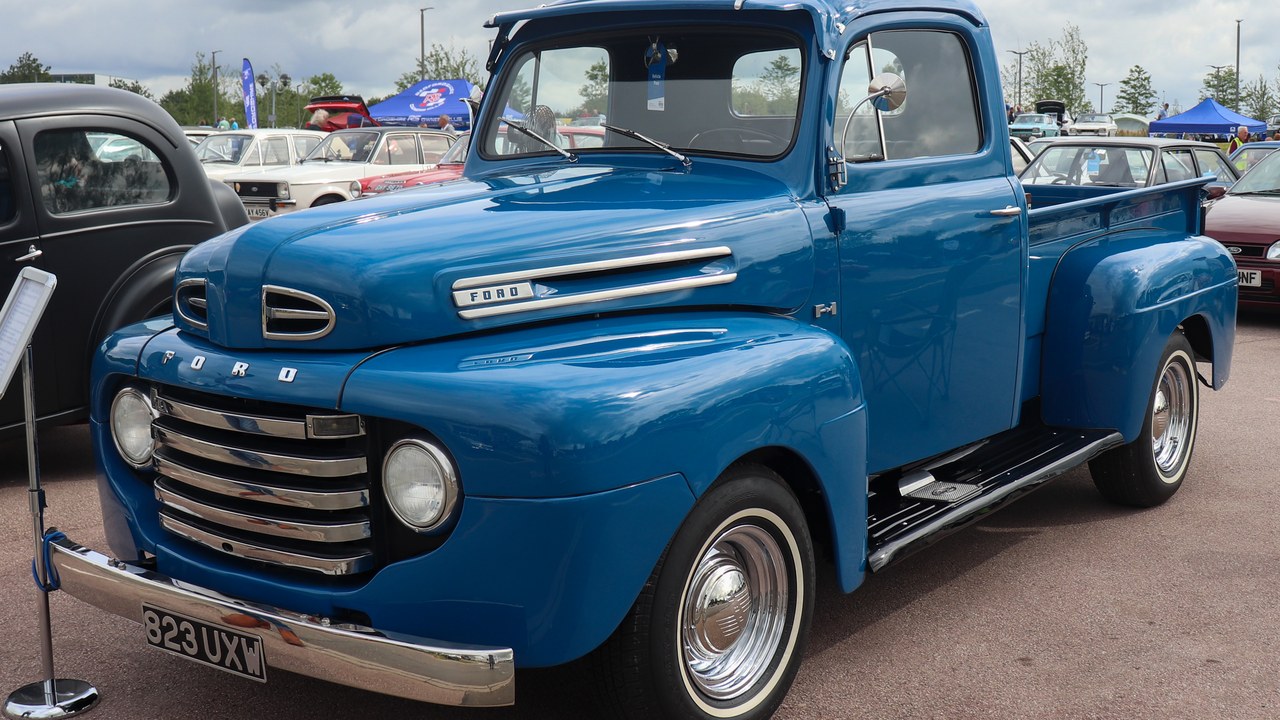
Ford launched the F-Series in 1948 under the “Bonus-Built” label, replacing earlier trucks that had shared more with passenger cars. Hagerty’s overview of the line treats that launch as the starting point for everything that followed.
The first generation covers the 1948 through 1952 model years. It established the basic idea of a truck engineered as a truck, a thread that runs through every later generation on this list, from automatic transmissions and four-wheel drive to modern aluminum construction.
2. Second generation (1953-56): Meet The F-100
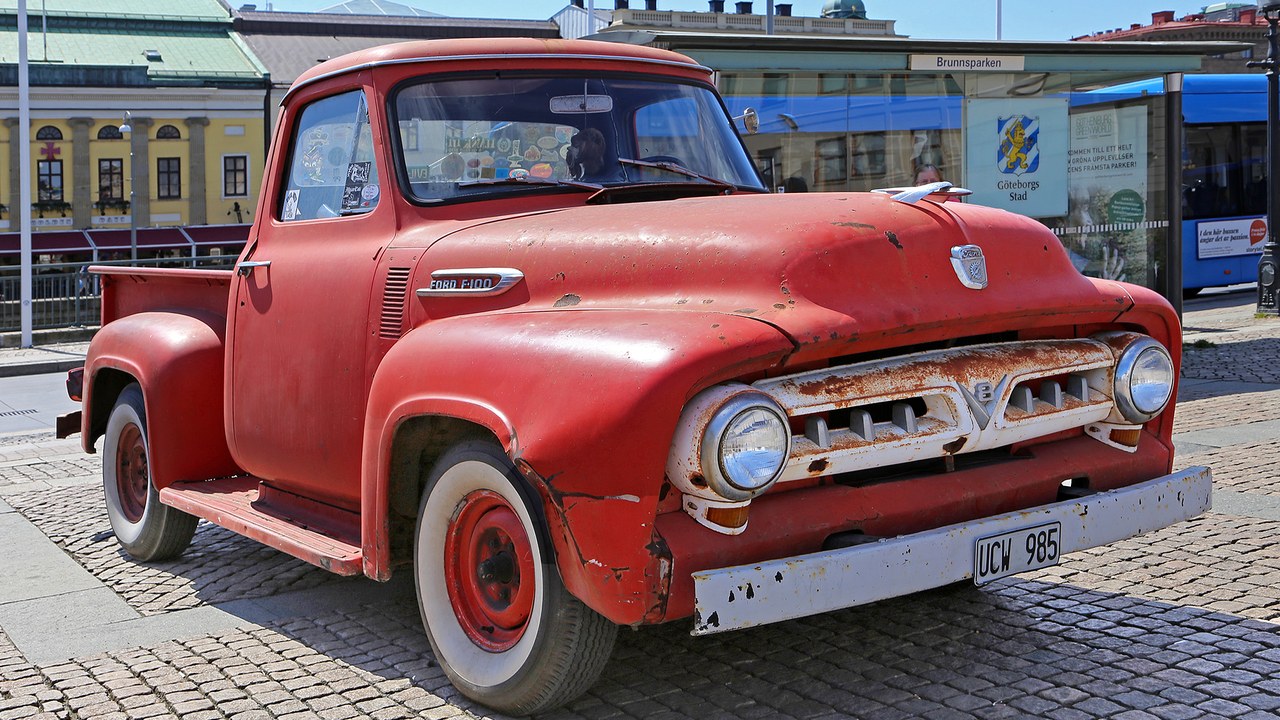
For the second generation, the F-1 became the F-100, and an automatic transmission was offered for the first time, as Motor1’s F-Series evolution piece recounts. The renaming started a naming scheme that later buyers would come to know through the F-150 and its larger siblings.
An optional automatic gearbox mattered for a work truck because it widened the audience beyond drivers comfortable with a manual shift. The 1953 through 1956 trucks therefore mark the point where the F-Series began to appeal to everyday drivers as well as tradespeople.
3. Third generation (1957-60): Four-Wheel Drive Arrives
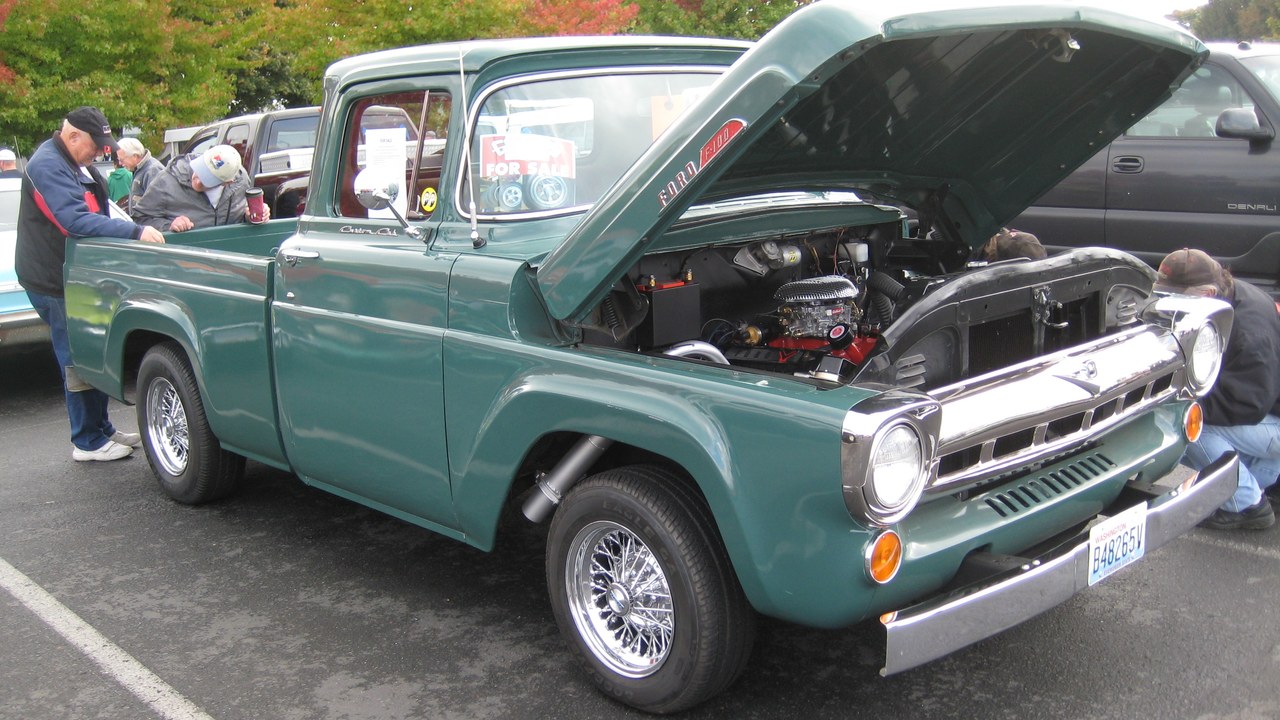
Four-wheel drive became an option for the first time during the third generation, according to Motor1’s look back at the nameplate. That single option opened the F-Series to off-pavement work such as farm tracks, construction sites and rough rural roads where a rear-drive truck could stall.
The 1957 through 1960 trucks therefore mark a shift in what a Ford pickup could do. Four-wheel drive is now a defining feature of the lineup, and this generation is where buyers first had the chance to order it from the factory.
4. Fourth generation (1961-66): Unibody Experiment Ends
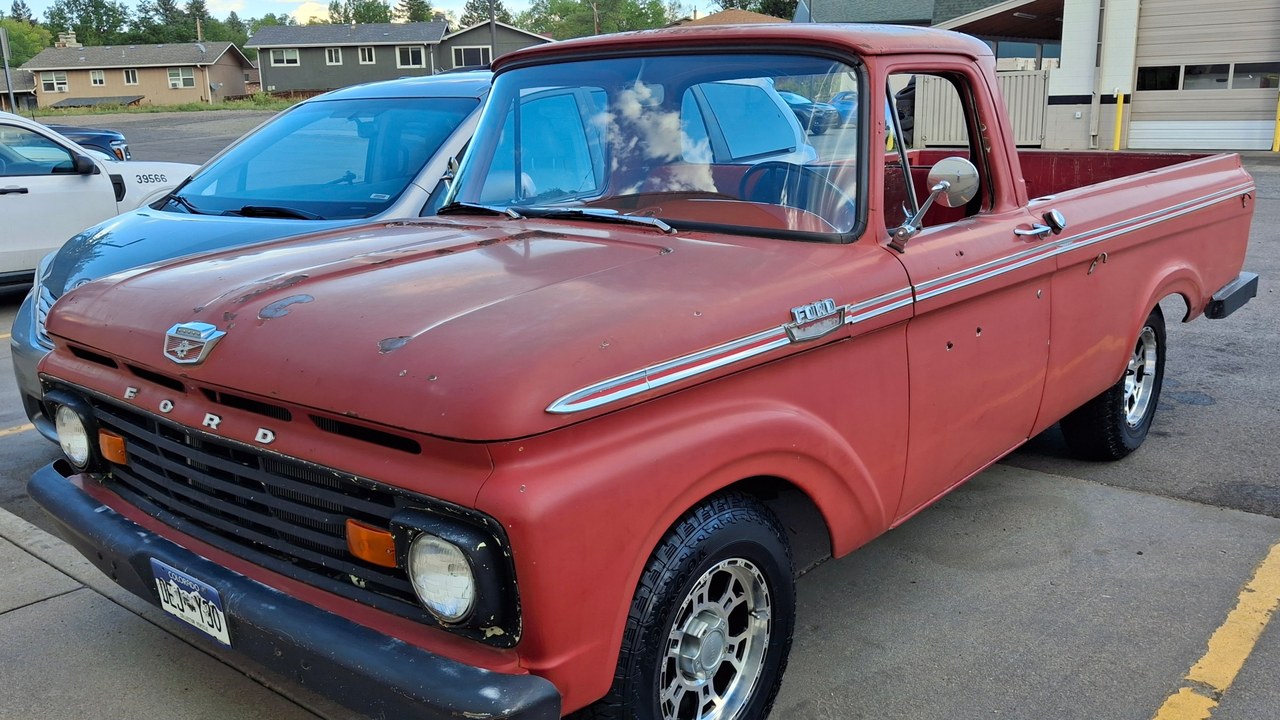
The fourth generation began with a “unibody” cab-and-bed design in 1961, and that approach was dropped in 1963, according to Hagerty’s F-Series history. Twin I-Beam front suspension then arrived in 1965, giving the truck a notable mechanical change partway through its run.
The brief unibody arrangement shows that Ford was still experimenting with how a pickup should be put together. The 1961 through 1966 trucks are therefore split into distinct looks, with trucks built before and after the 1963 change differing in their basic construction.
5. Sixth generation (1973-79): The F-150 Debuts
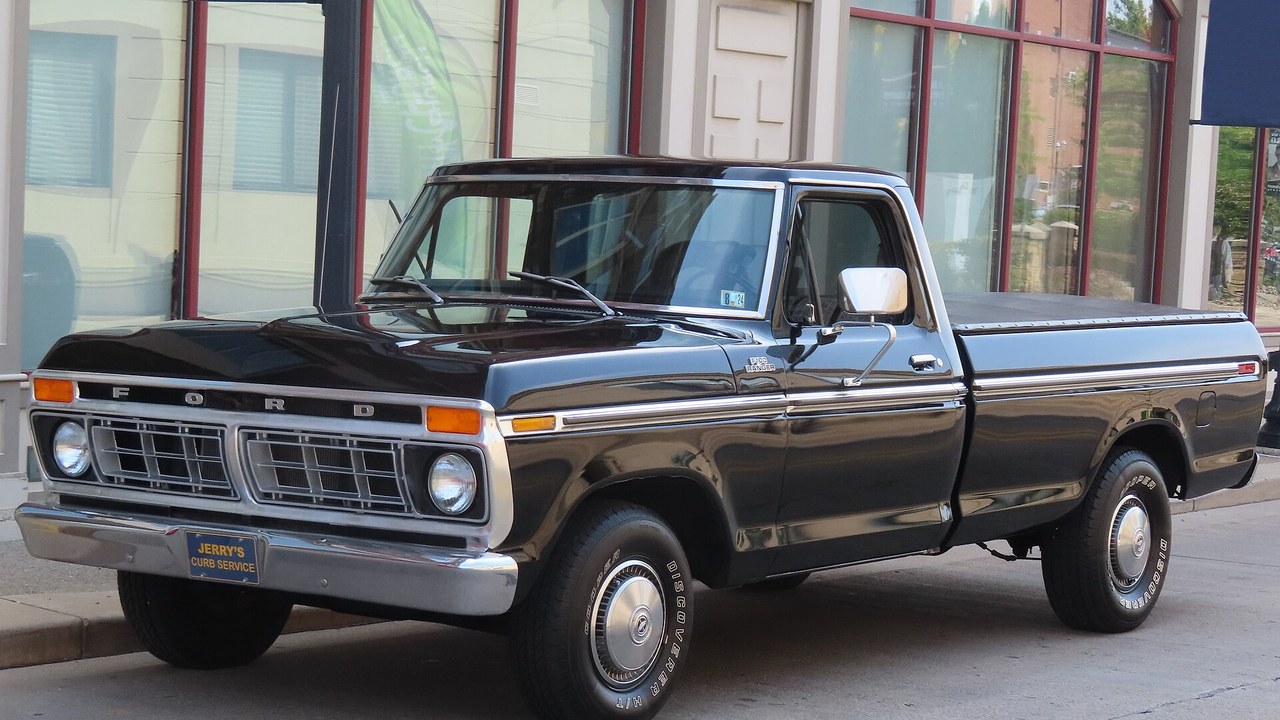
The F-150 debuted in 1975, and by 1977 these trucks had taken the pickup sales lead for Ford, as noted in Hagerty’s look at 1973-79 values. The sixth generation is where the name now most associated with the line first appeared on a showroom truck.
The designation arrived midway through the generation, so trucks from the earliest years carry other model numbers. The 1973 through 1979 pickups remain popular with enthusiasts today, which is part of why Hagerty tracks their values closely as a collectible segment.
6. Seventh generation (1980-86): Blue Oval Up Front
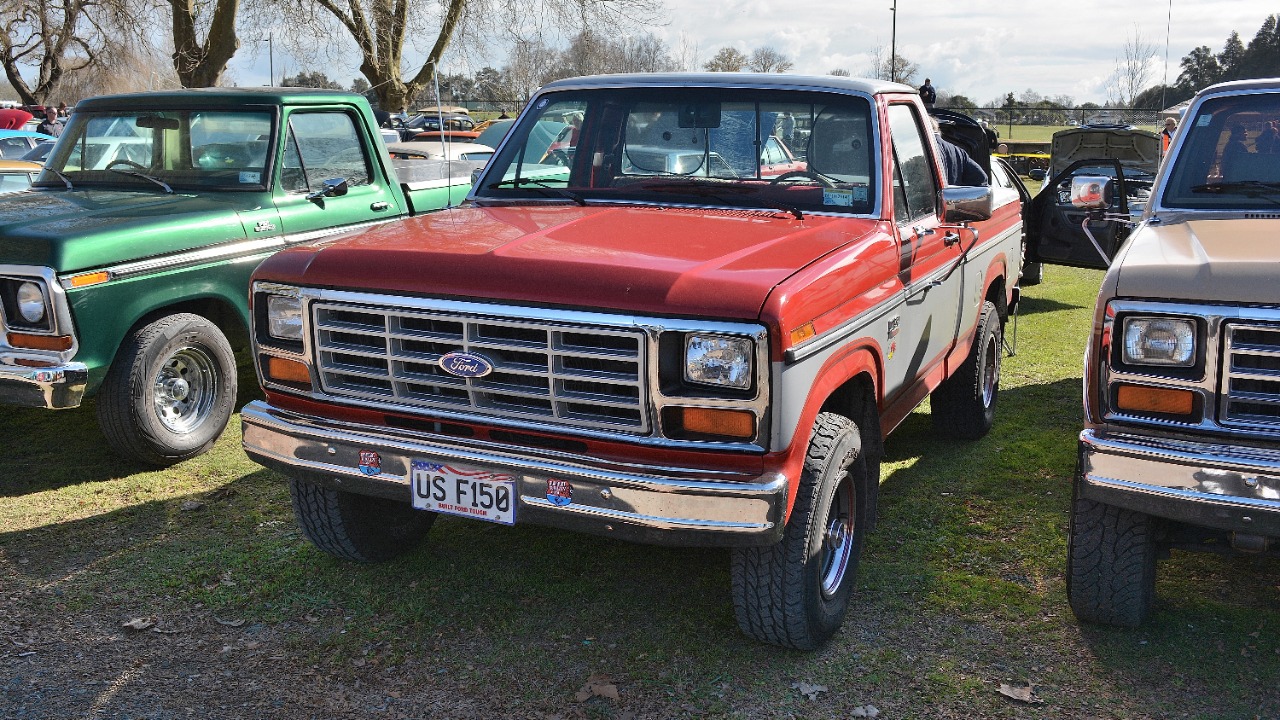
These were the first Ford trucks to feature the Blue Oval badge in the front grille, according to Motorious’s survey of the F-Series. It is a small detail, but the oval has remained a fixture on the nose of Ford pickups ever since.
Spotting the badge is an easy way to separate a seventh-generation truck from the squarer-looking models that came earlier. The 1980 through 1986 run bridges the older, boxier pickups and the rounder designs that arrived at the end of the decade.
7. Eighth generation (1987-91): Rounder And Stronger
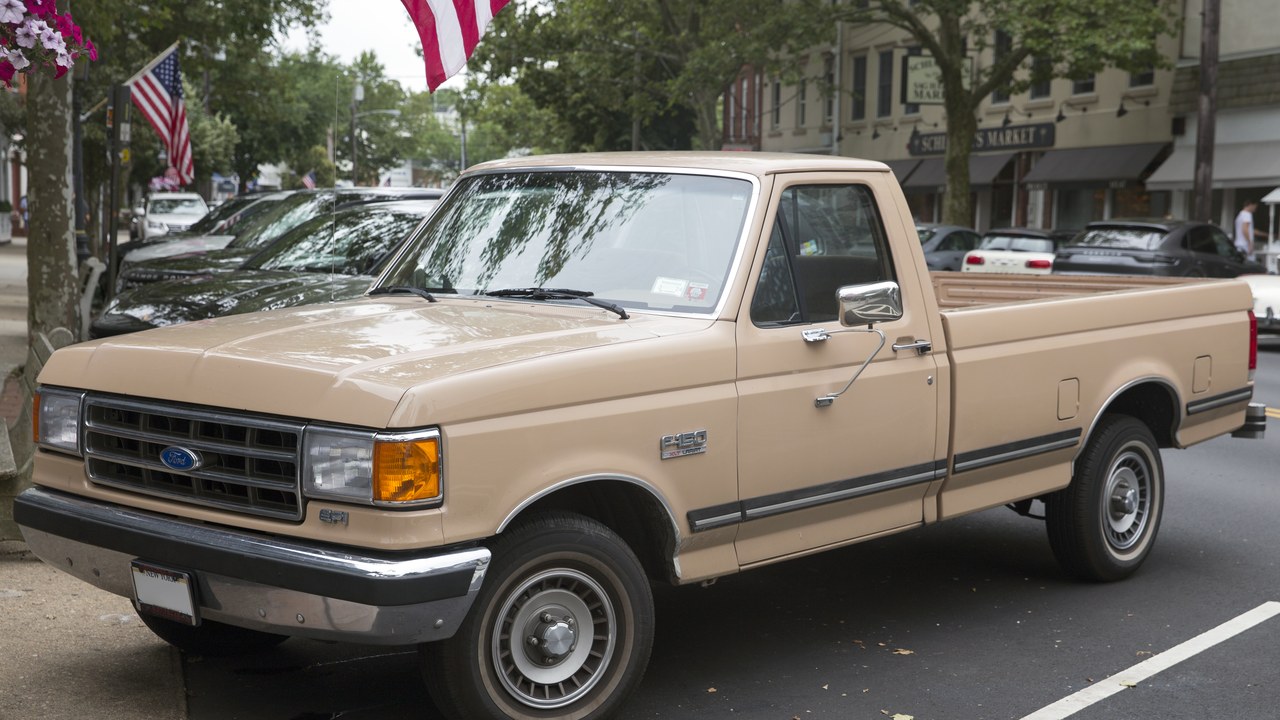
Styling turned rounder for the eighth generation, and an optional 5.8-liter V8 made 210 horsepower, per Motor1’s generation rundown. The combination gave the trucks a softer face and a stronger top engine than the squared-off pickups they replaced.
Those smoother lines help explain why the 1987 through 1991 trucks look so different from earlier models in a lineup photo. They sit between the boxy designs of the early eighties and the aerodynamic shapes that defined the following decade of F-Series pickups.
8. Ninth generation (1992-96): Ten Years On Top
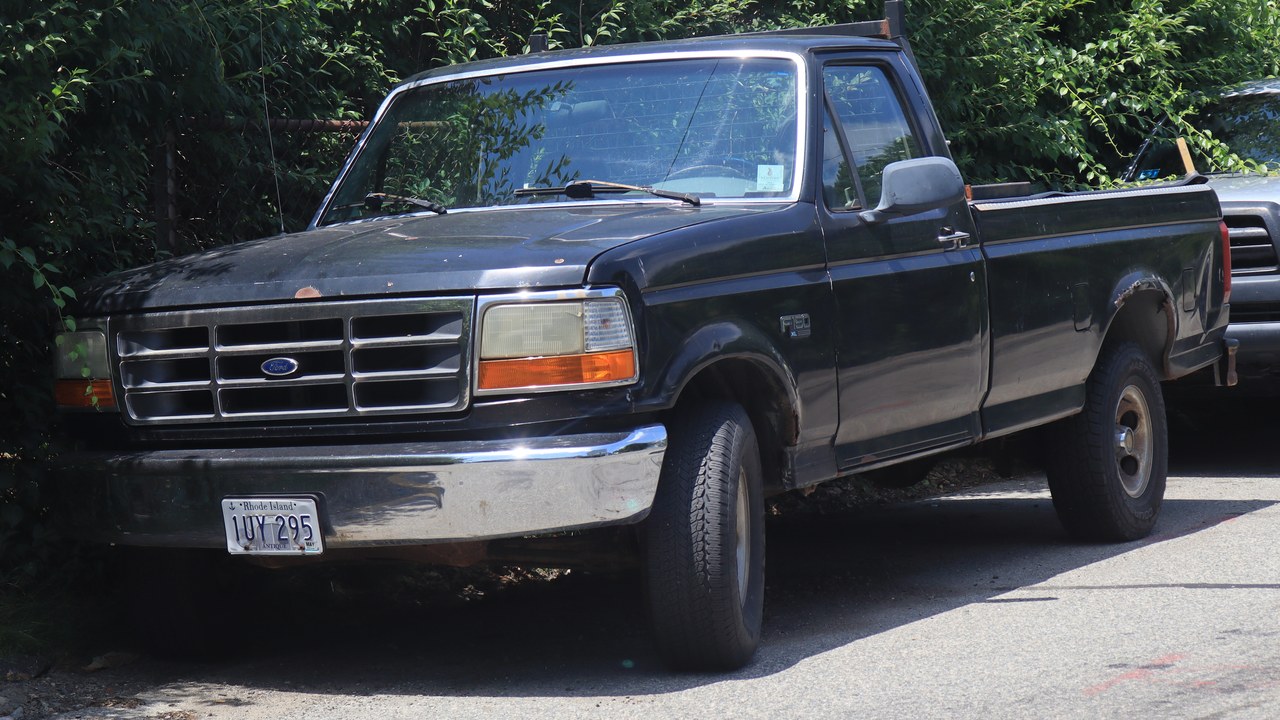
In 1992 the F-Series became the best-selling vehicle in the United States for a tenth straight year, according to The Henry Ford’s company chronology. The milestone arrived during the ninth generation, which then added to a streak already stretching back a decade.
A ranking covering every vehicle sold in the country, not merely trucks, is a notable position for a work-oriented pickup. The 1992 through 1996 trucks are the ones behind that tenth straight year on top.
9. Tenth generation (1997-2004): Truck Of The Year
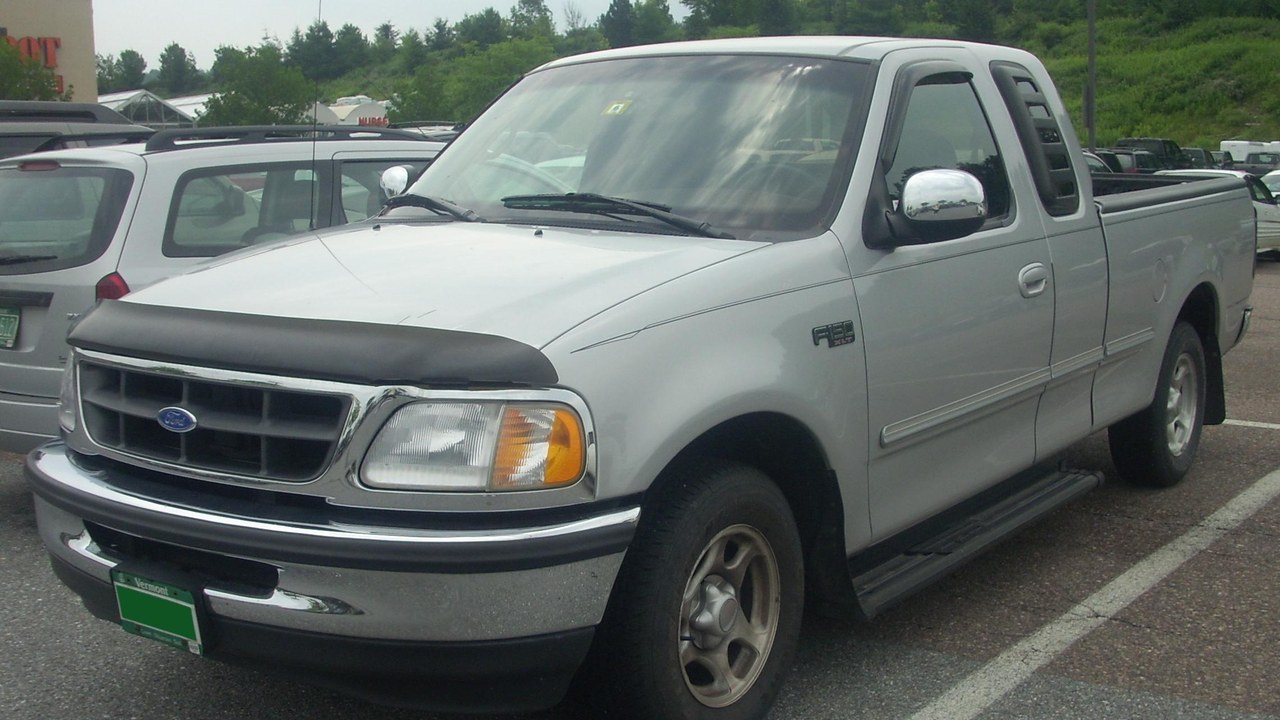
Motor Trend named the tenth generation its Truck of the Year for 1997, a debut-year award noted in Wikipedia’s tenth-generation article. The four-door SuperCrew followed for 2001, giving buyers a pickup with full rear doors and room for a family.
A crew-cab layout changed how many owners used the F-150, since a truck could now serve as a daily family vehicle. The 1997 through 2004 run therefore pairs an early critical win with a body style that stayed popular in the generations afterward.
10. Twelfth generation (2009-14): Raptor Takes The Desert
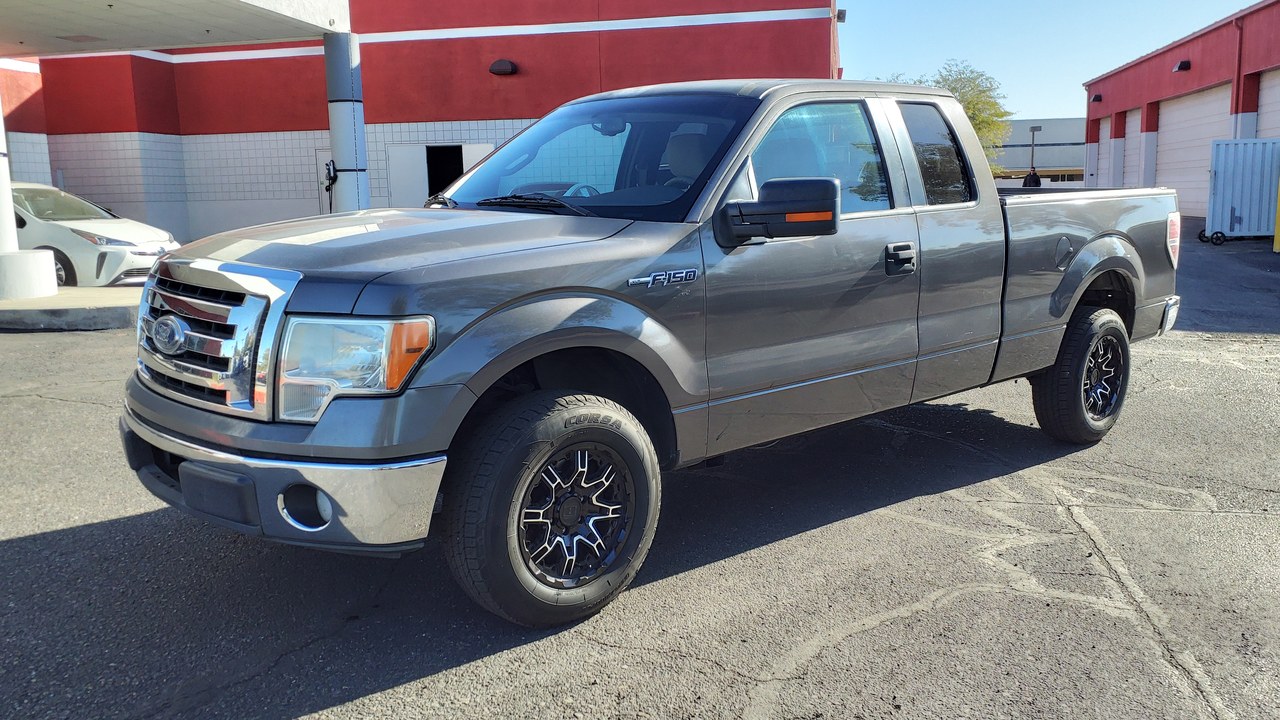
For 2010, Ford introduced the F-150 SVT Raptor, a 411-horsepower off-road model described in Wikipedia’s twelfth-generation entry. The truck gave the twelfth generation its most dramatic variant and set a performance image that has continued into later years.
Raptor positioned the F-Series as more than a workhorse, aiming at fast driving over rough terrain rather than hauling or towing. The 2009 through 2014 trucks are generally remembered for this halo version, even though most examples on the road are ordinary work and commuter pickups.
11. Thirteenth generation (2015-20): The Aluminum Body
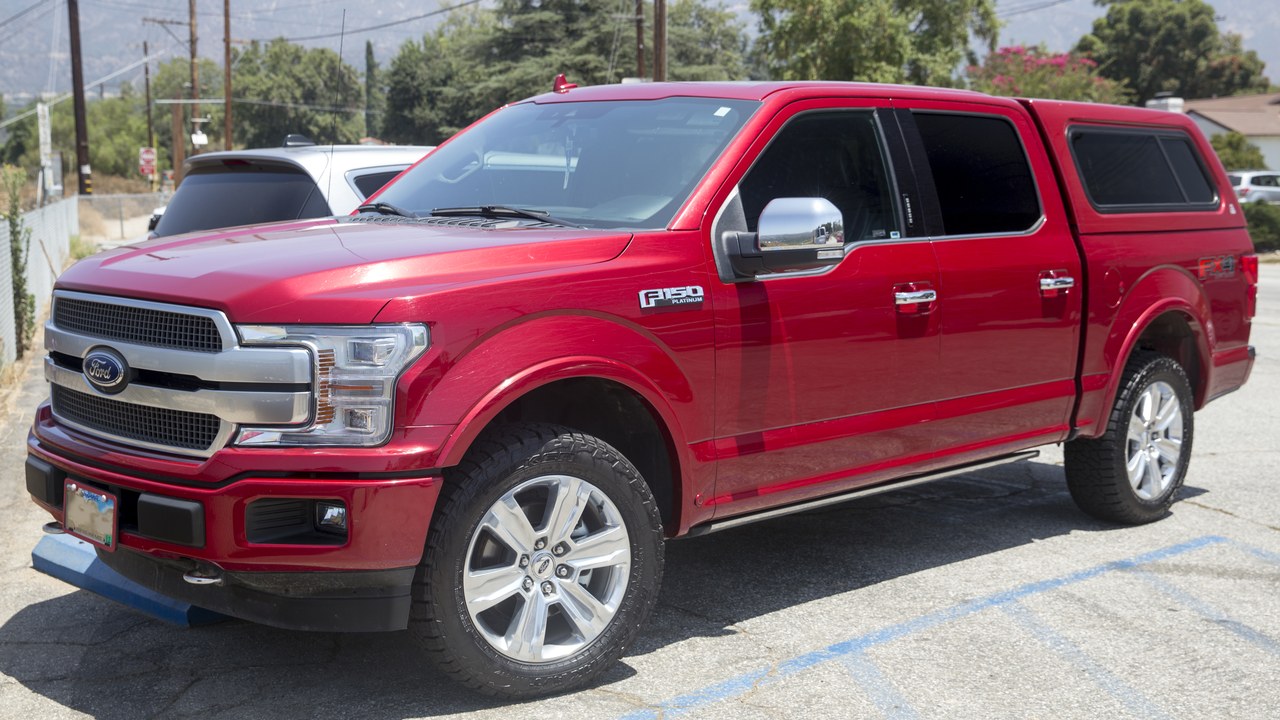
The thirteenth generation was called the first pickup with an aluminum body, shedding about 700 pounds, a point made in Hagerty’s F-Series timeline. That switch from steel is the milestone behind this gallery’s headline and the most radical material change on the list.
Lighter construction was meant to improve efficiency and capability without shrinking the truck. The 2015 through 2020 models showed that a mass-market pickup could use a material more often associated with aircraft and premium cars,.
12. Fourteenth generation (2021-present): Electric Power Arrives
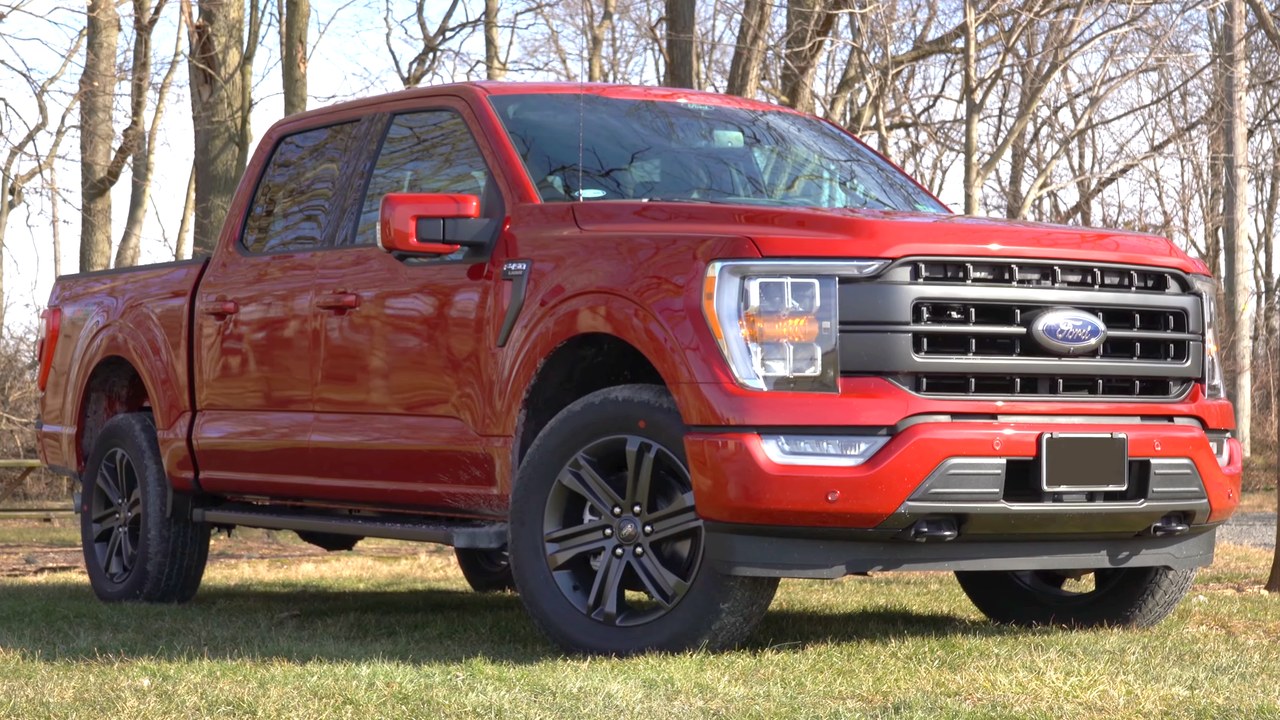
The fourteenth generation is described as the first F-150 generation to offer electric power, with Motor1’s evolution article saying it will go down as the first to do so. The all-electric F-150 Lightning is the model that carries that distinction.
Adding a battery-powered version places the nameplate in a new era, since earlier generations changed engines, bodies and trims but never the fuel. The 2021 through present trucks close out this tour of twelve generations of a pickup that began as Bonus-Built.
Help yourself and the planet: Get The Cool Down →
We may earn a commission if you sign up.
More from Morning Overview
- Two passengers died at an Ohio toll plaza, and the NTSB now wants the cash lanes shut
- Long use of a common prostate pill is tied to a higher chance of glaucoma
- Ford is recalling 223,472 F-150 pickups because the fuel tank can leak or detach
- Hybrids have 15% fewer problems than gas cars, while EVs and plug-in hybrids have about 80% more, Consumer Reports finds
