
Every new car sold in the US has to satisfy a long list of federal safety rules, and most of them work quietly behind panels and trim. Some have been in force for decades, while one electric-vehicle rule only becomes mandatory in 2027. Here are twelve features that federal standards cover, from the head restraint to the hydrogen vehicle.
1. Head restraint: Optional Until 2009
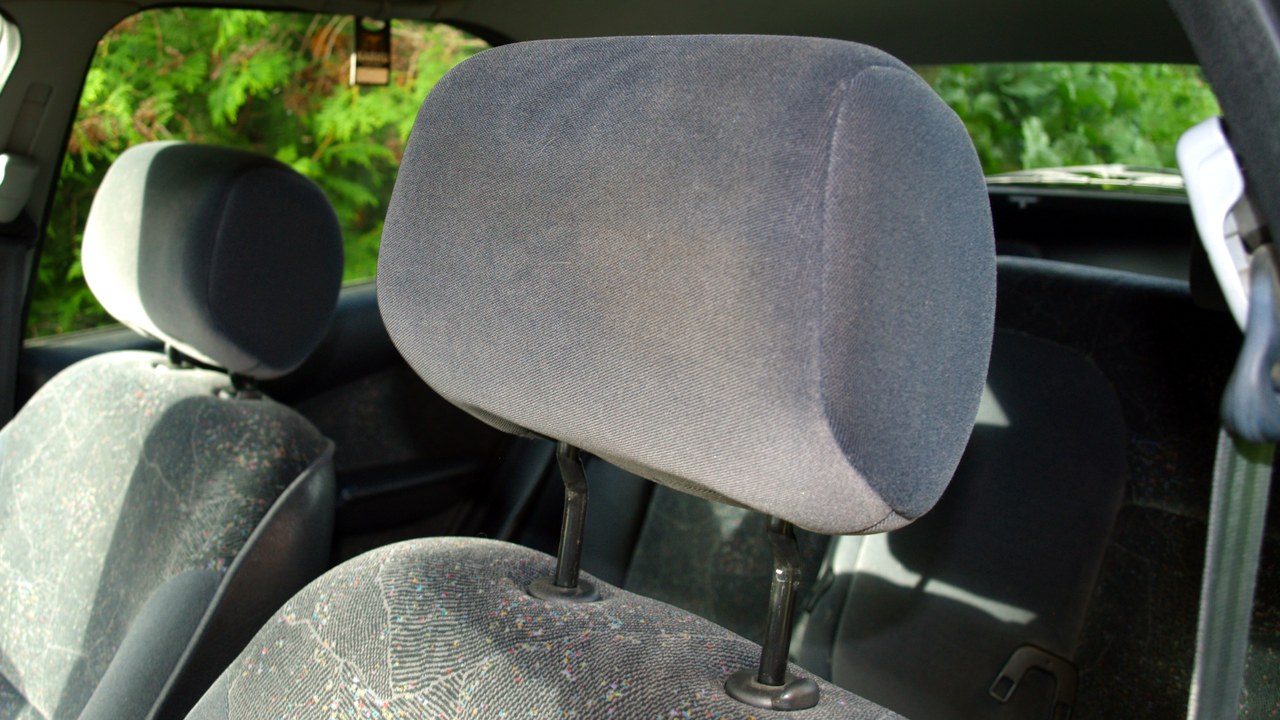
Head restraints were optional under FMVSS No. 202 only until September 1, 2009, the date on which the mandatory applicability of FMVSS No. 202a began, according to the federal regulation text. That later standard turned a once-optional seat feature into a required one.
Because the change turned on a calendar date, a vehicle’s build date is what separates the older standard from the newer one. For owners and used-car buyers, that date is the simplest starting point when asking which rule a given seat was built to meet.
2. Backup camera: A Rule Beyond Mirrors
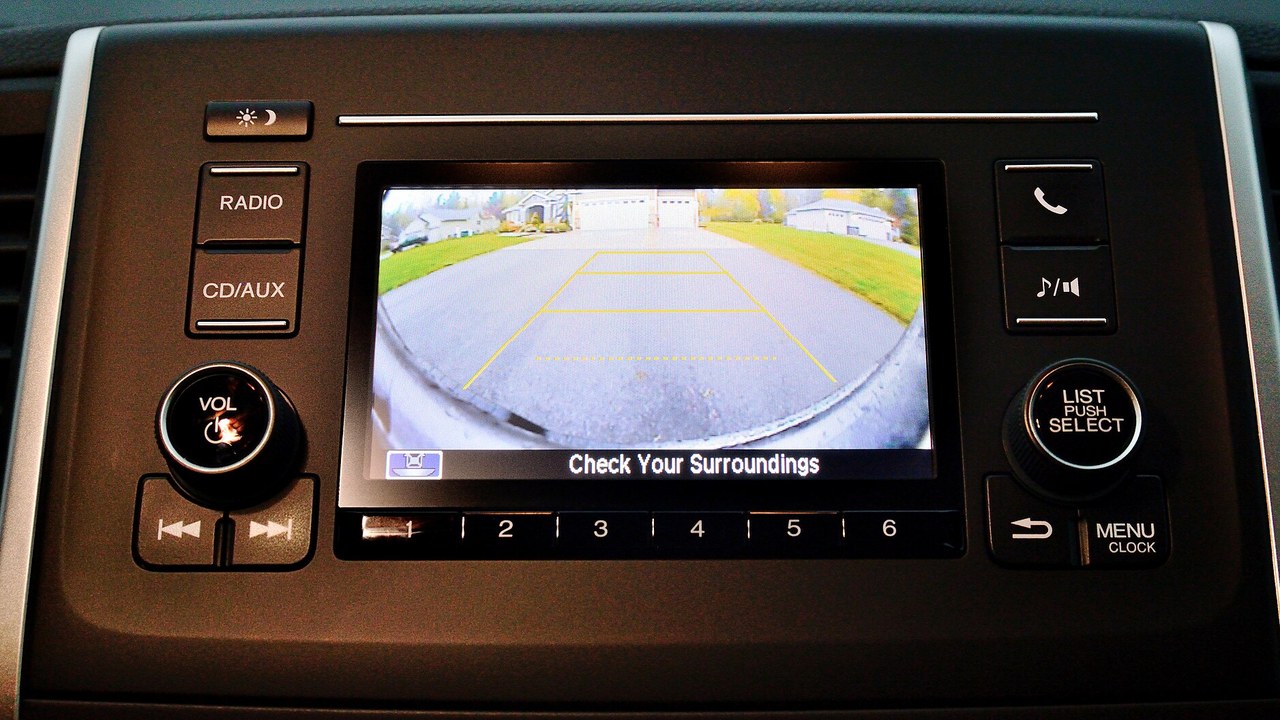
Rear visibility is now its own federal standard, FMVSS No. 111, titled Rear visibility and found at 49 CFR 571.111 in the eCFR standard text. It is the rule that replaced a mirror-only requirement.
The shift matters to anyone who reverses a vehicle: the standard is written around what the driver can see behind, not just around a mirror. Buyers comparing vehicles can treat rear visibility as a regulated safety area rather than an optional convenience.
3. Tire-pressure monitoring system: Sensors Replace Gauge Checks
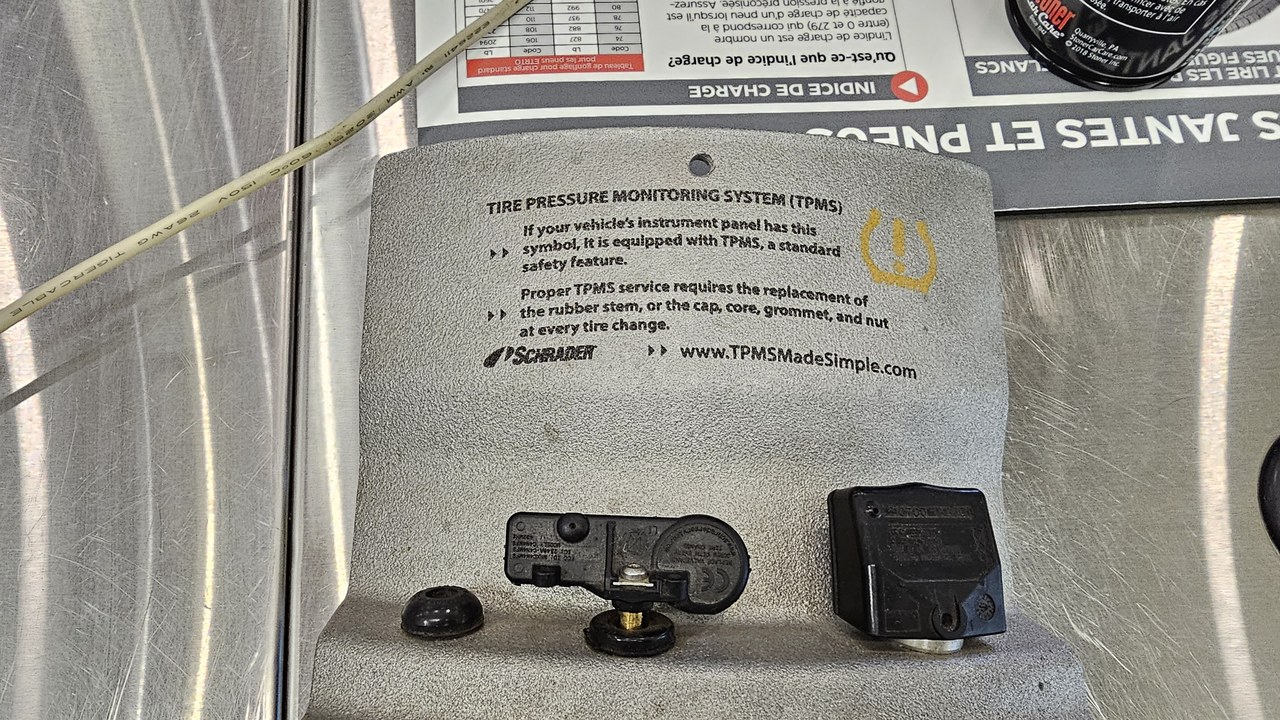
FMVSS No. 138, Tire pressure monitoring systems, sits at 49 CFR 571.138, and the tire pressure standard put a sensor in each wheel in place of the driver’s own gauge check.
The practical effect is that monitoring is built into the vehicle instead of depending on a routine habit. An owner who sees a tire-pressure warning is looking at equipment that exists because a federal standard calls for it, which makes the warning worth taking seriously.
4. ISOFIX: Anchors for Child Seats
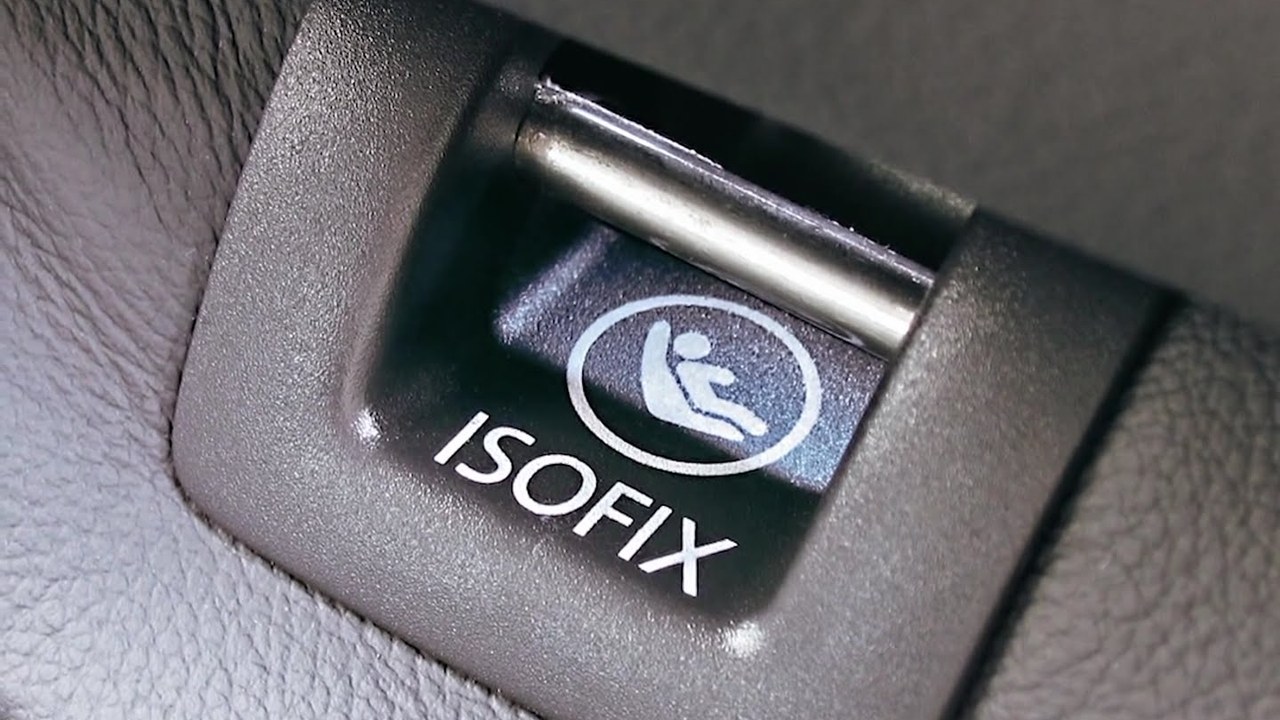
Child restraint anchorage systems are mandated by FMVSS No. 225 at 49 CFR 571.225, according to the child restraint anchorage standard. The standard replaced the seat belt as the only way to hold a child seat down.
For families, the point is that dedicated anchor hardware is a regulated part of the vehicle rather than an extra. Parents installing a child seat can look for the anchors the standard covers instead of relying on the belt alone, which is what the rule was written to change.
5. Airbag: Alongside the Belt
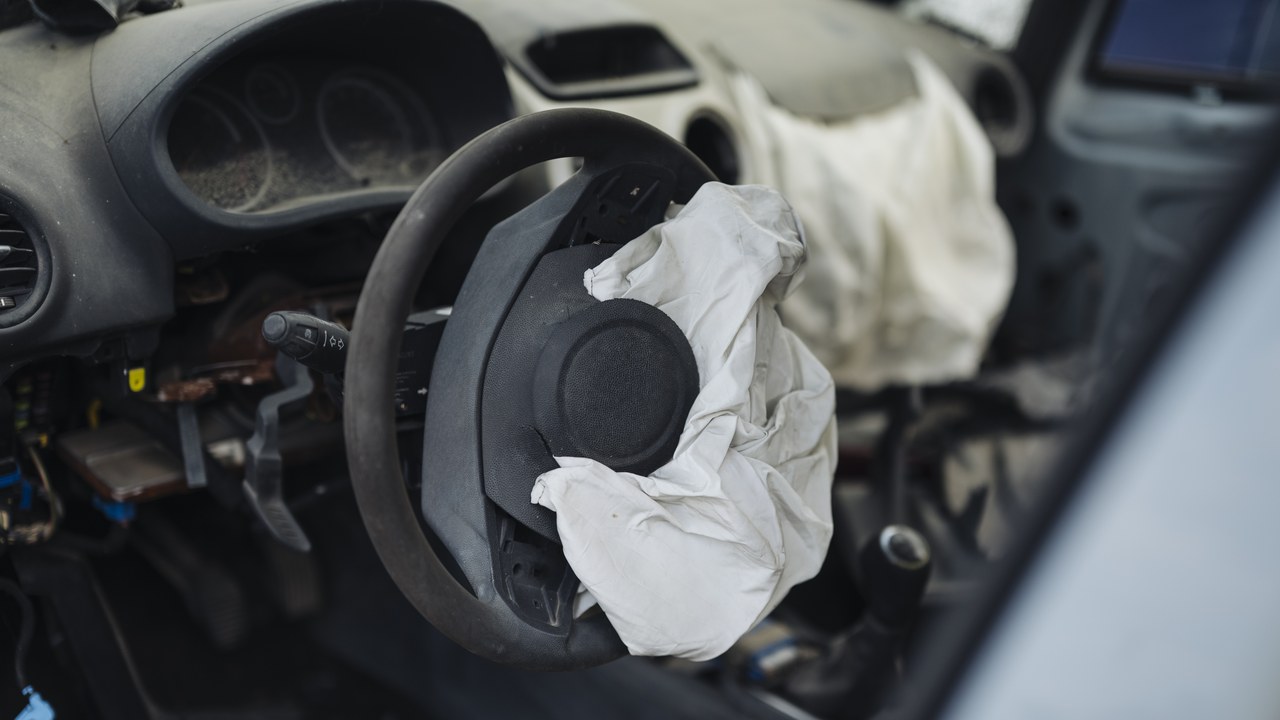
Occupant crash protection is governed by FMVSS No. 208 at 49 CFR 571.208, and the occupant protection standard is the one that brought the airbag in alongside the belt.
Seen that way, the airbag is not a stand-alone gadget but part of a single crash-protection framework with the belt. Owners should treat the two as designed to work together, and buyers can read the standard as the reason both are present in every new vehicle.
6. Seat belt: Since 1967

The first federal seat belt rule, FMVSS No. 209, was adopted on 1 March 1967 and remains in force to date, as summarized in an overview of the Federal Motor Vehicle Safety Standards. It is among the oldest rules in the whole series.
Longevity is the story here: a requirement set in the 1960s is still on the books and still applies. For owners, that makes the seat belt the most settled safety feature in a car, and the one with the longest regulatory track record.
7. Anti-lock braking system: Rules for Stopping
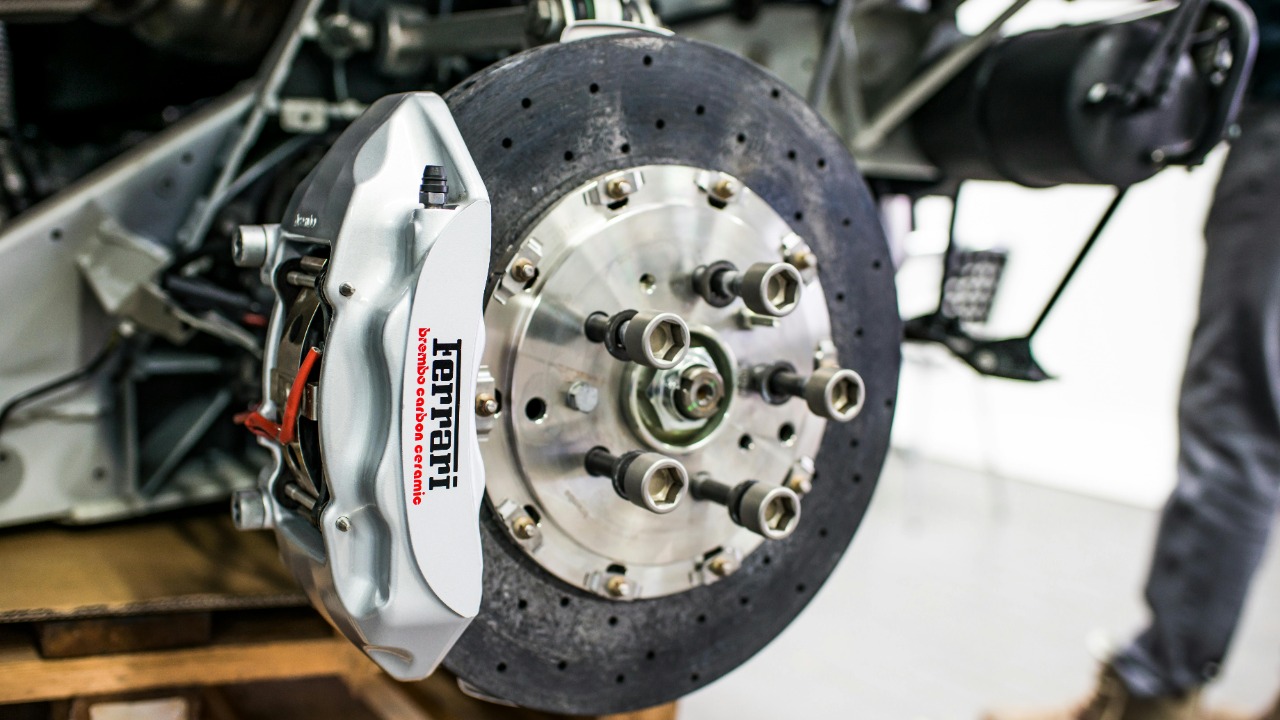
Light vehicle brake systems are governed by FMVSS No. 135 at 49 CFR 571.135, according to the brake system standard. It is the standard that superseded the older passenger car brake rule.
The standard sets the regulatory frame around the brakes on light vehicles, and the disc brake shown here is the kind of hardware that frame covers. Buyers comparing vehicles can therefore treat braking performance as a matter of federal regulation rather than only of manufacturer preference.
8. Electric car: Quiet Cars Must Make Noise

Quiet cars now have to make noise: FMVSS No. 141, Minimum Sound Requirements for Hybrid and Electric Vehicles, sits at 49 CFR 571.141, as laid out in the minimum sound standard.
The rule exists because electric propulsion can be nearly silent, which is a concern for people nearby. Anyone shopping for a hybrid or electric vehicle can expect a built-in sound as a regulated feature, not a styling choice or an optional extra.
9. Electric vehicle battery: Taking Effect in 2027

FMVSS No. 305a, electric-powered vehicles: Electric powertrain integrity, has mandatory applicability beginning on September 1, 2027, superseding FMVSS No. 305, per the electric powertrain standard.
Because that date has not yet arrived, the standard should be read as taking effect then, not as a rule already binding. Buyers of electric vehicles can watch for it as the next federal milestone, with the existing standard it supersedes still the one in the picture today.
10. Motorcycle helmet: Certified for the Road

Helmets sold in America must meet FMVSS No. 218, Motorcycle helmets, at 49 CFR 571.218, as the motorcycle helmet standard states.
For riders, the practical message is that a helmet sold for road use is expected to meet a federal standard, so compliance is a question worth asking before purchase. The requirement attaches to the helmet itself, which makes it different from rules that apply to the motorcycle as a whole. Riders comparing helmets can use the standard’s number as the reference point.
11. Hydrogen vehicle: Two Standards for Hydrogen
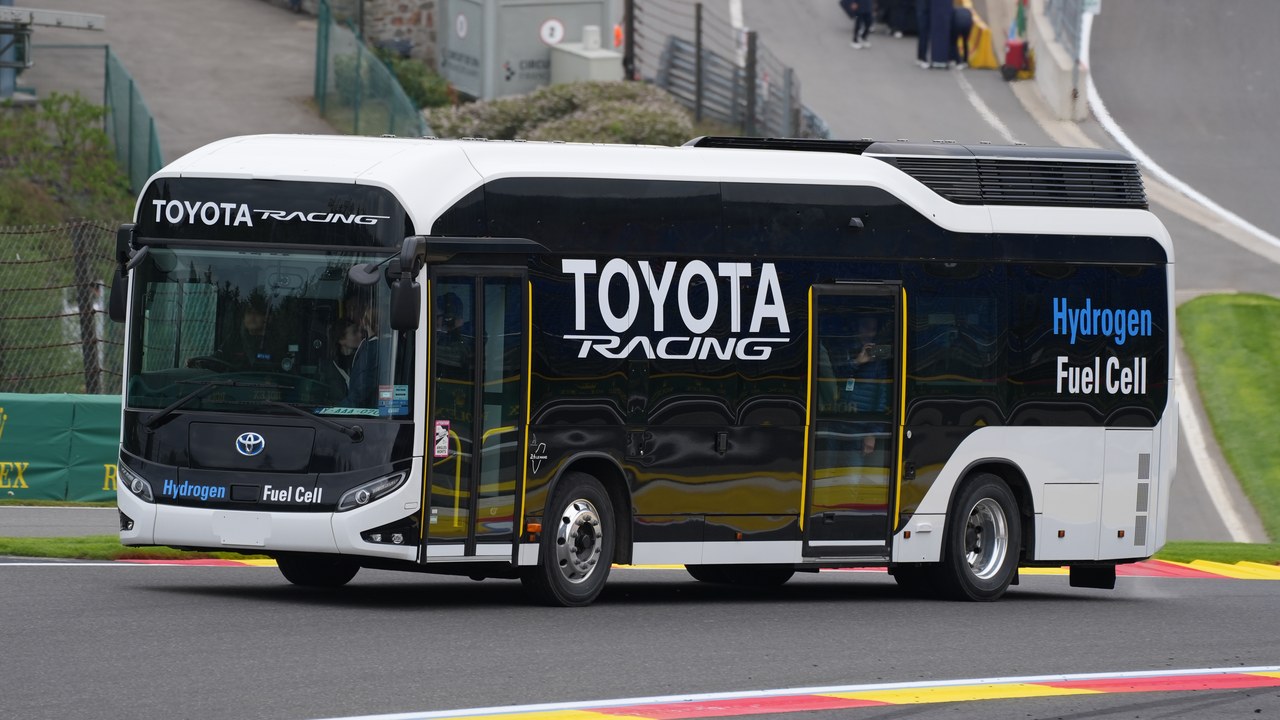
Hydrogen cars got their own pair of standards, FMVSS No. 307 and No. 308, at 49 CFR 571.307 and 571.308, with the hydrogen vehicle standard as the starting point.
Having dedicated standards signals that hydrogen fuel systems are treated as a distinct safety area, not folded into general rules. Prospective owners of a fuel-cell car can read the pair as the federal framework for this kind of vehicle, while the details sit in the text itself.
12. Side curtain airbag: Keeping Occupants Inside
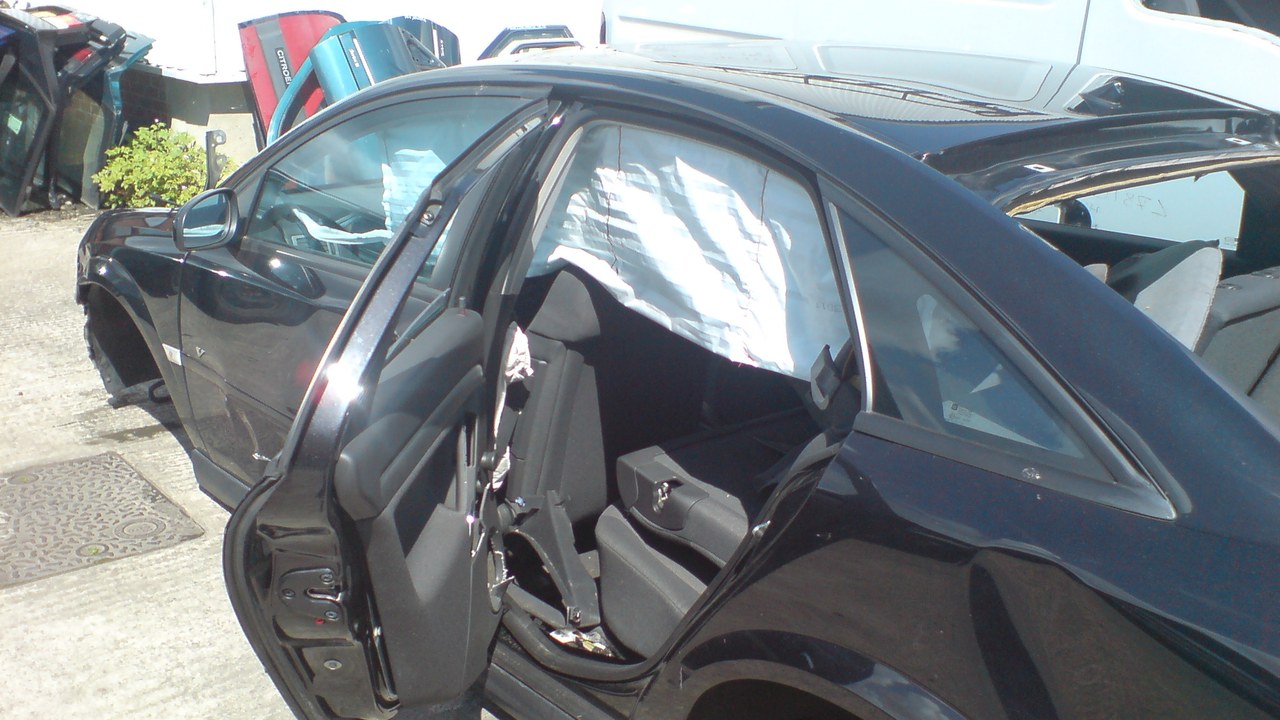
Ejection mitigation, FMVSS No. 226 at 49 CFR 571.226, is the standard behind the curtain that keeps occupants inside in a rollover, as set out in the ejection mitigation standard.
The curtain is the visible part of a rule aimed at one specific danger, being thrown out of the vehicle. Buyers can read the standard as the reason such curtains exist, and owners can treat them as part of a regulated system rather than a trim extra.
More from Morning Overview
- Common allergy, bladder and sleep pills tied to sharply higher dementia odds
- The second-largest U.S. reservoir just fell to its lowest level ever recorded
- Security experts still urge phone owners to switch off one location-tracking setting
- The FBI warns a new phishing trick can hijack your account without your password
