
A resistance heater can pull 3 to 6 kilowatts from the battery on a cold highway run, so the heat pump decides how much of a winter charge actually moves the car. In testing at 20 degrees Fahrenheit, a resistive heater caused a 42.8% total range loss, while a heat pump cut that to about 31%. Here are twelve electric vehicles whose published specifications include one.
1. Tesla Model Y: Heat Pump Across The Range
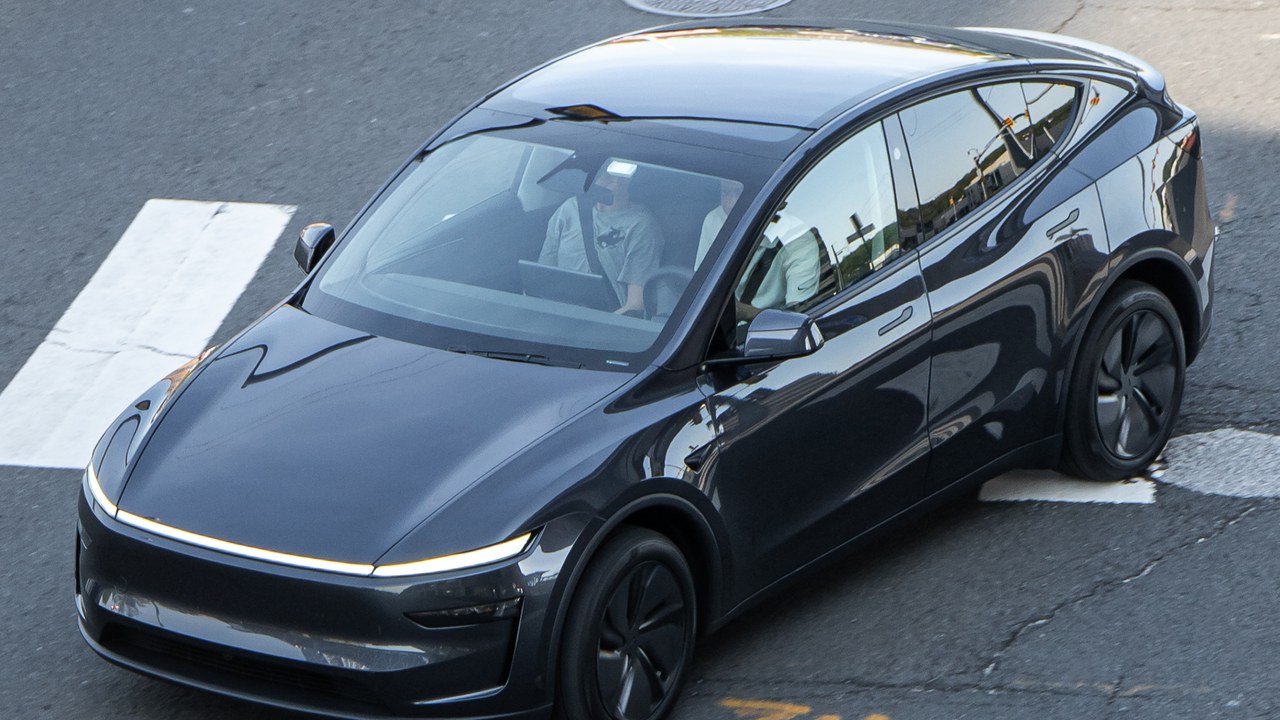
Among the Recharged heat pump roundup, the Model Y has the cleanest claim: all U.S. versions, from Long Range and Performance to the more recent Standard Range variants, use a heat pump. No trim ladder or option box stands between a buyer and the hardware.
That matters most on cold highway runs, where a resistance heater alone can draw 3 to 6 kW continuously. A Model Y owner in a freezing climate can assume the efficient system is already installed, which simplifies shopping and makes used examples easier to compare.
2. Tesla Model 3: Late To The Party
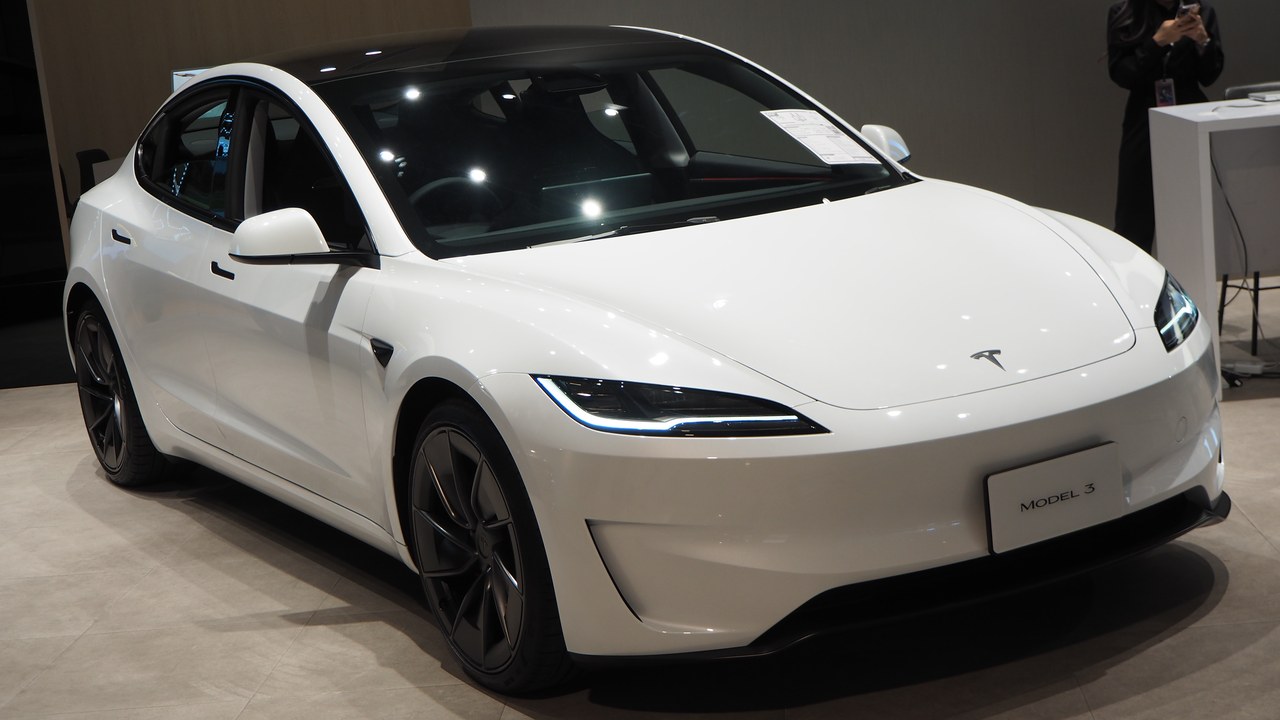
The Model 3 came to the technology later than its crossover sibling. According to the same Recharged roster, U.S. cars from the 2021 refresh onward share the heat-pump system introduced with the Model Y, while early Model 3s used resistance heaters.
Model year is therefore the deciding detail. A buyer eyeing a pre-refresh used Model 3 should expect a heater that pulls power straight from the pack, while a post-2021 car gets the more efficient hardware. Checking the build date before purchase is worth the minute.
3. Hyundai Ioniq 6: Standard On Most Trims
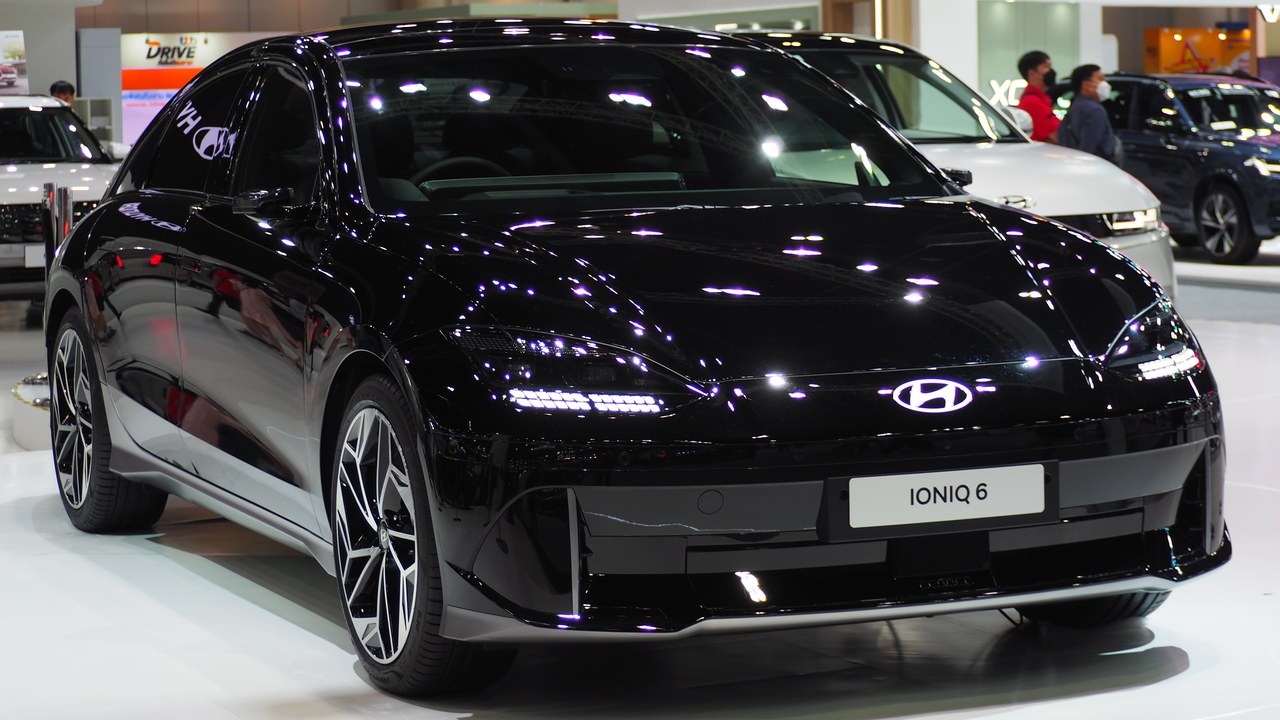
On the Ioniq 6, the heat pump is standard on most trims, with the exception of some early Standard Range versions, per Recharged brand breakdown. That wording is more careful than a blanket claim, and it reflects how the hardware rolled out across the lineup.
Shoppers hunting for an early base-battery car should confirm the specification rather than assume. Later cars and higher trims are the safer bet. The streamlined sedan benefits from efficient cabin heating, since both the heater and the battery draw on the same limited winter charge.
4. Hyundai Ioniq 5: Widely Available, With Caveats
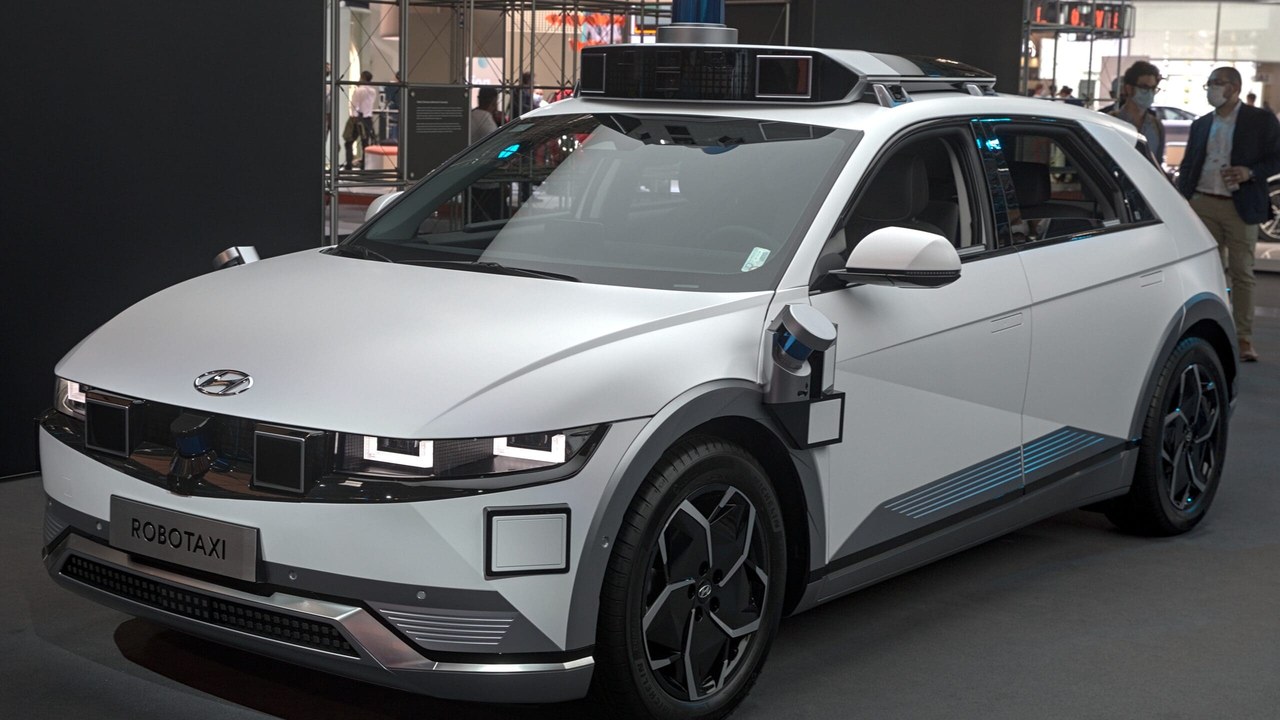
The Ioniq 5 is described as widely equipped with a heat pump, including SE, SEL, Limited and AWD trims, though Recharged cautions that earlier years were more trim-dependent. The phrasing stops short of calling it universal, so the claim here is availability rather than guaranteed standard fitment.
For used shoppers, that caveat is the practical takeaway. A newer Ioniq 5 on a common trim very likely has the hardware, but an early example could differ. Verifying the window sticker or build sheet settles the question before a winter of cold-weather driving.
5. Acura ZDX: Heat Pump On All Trims
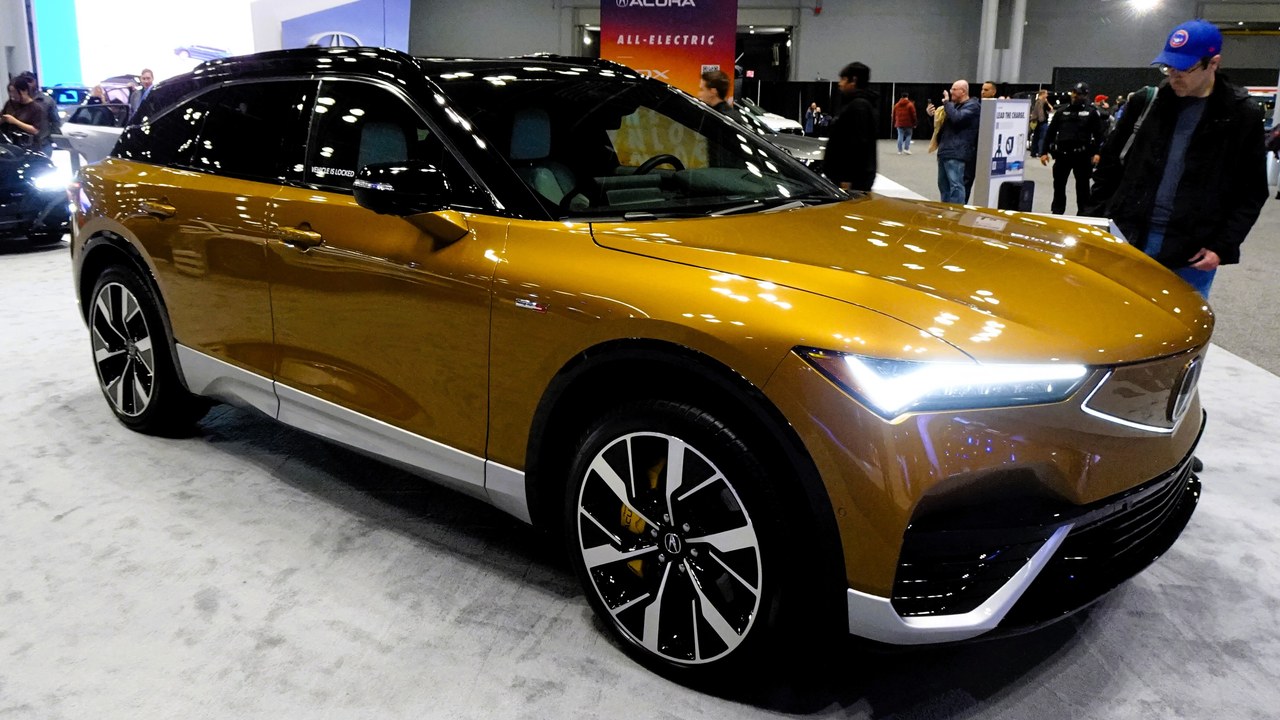
Recurrent’s running list of heat-pump models includes the Acura ZDX from 2024 onward, with the system across all trims. The Recurrent roster covers 35 EV model lines by model year and trim, which makes it a useful reference for a luxury crossover that shares its platform with GM.
The source lists the heat pump across all trims rather than using the word standard, so the safe reading is that no trim appears to leave it out. Buyers in cold regions can still confirm on the specific car, but the roster points toward broad availability.
6. Chevrolet Blazer EV: Not The Gas Blazer
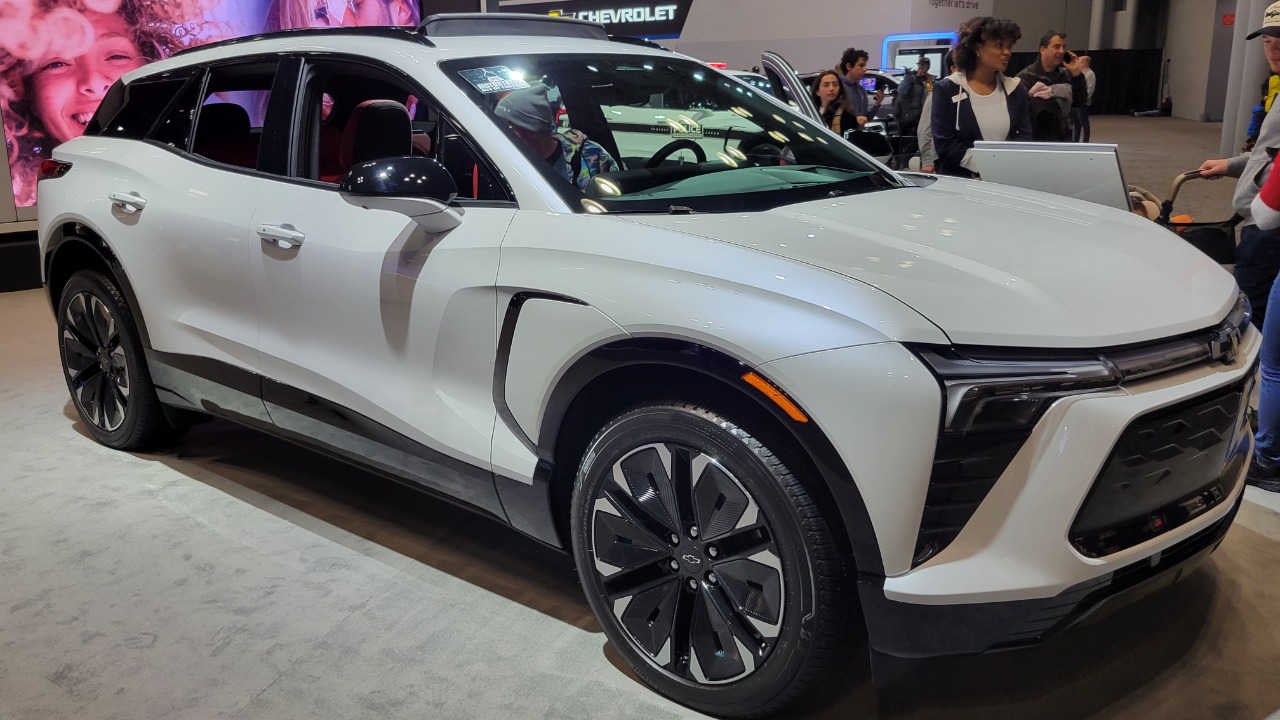
The electric Blazer appears on Recurrent heat-pump list across all trims. That is a notable detail for a midsize electric SUV, since many shoppers assume only premium or flagship models get the efficient heating hardware rather than a mainstream Chevrolet.
The listing speaks to trim coverage, not to any particular range number, so it should be read as a hardware point only. For owners in northern states, it suggests the heater penalty in January is likely to be smaller than it would be with a plain resistance system.
7. Chevrolet Equinox EV: GM’s Cheapest Electric SUV
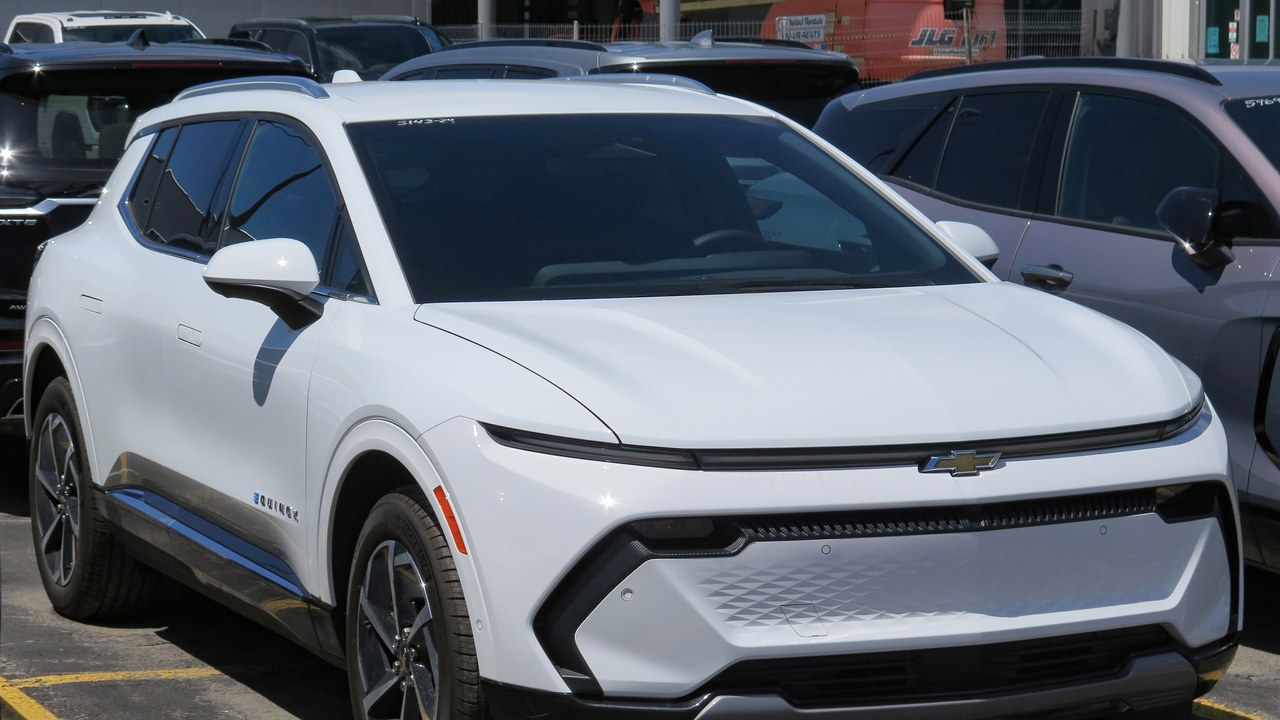
The Equinox EV, GM’s cheapest electric SUV, is also listed with a heat pump across all trims on Recurrent model roster. Pairing efficient cabin heating with a lower entry price is unusual, since the technology often shows up first on pricier trims.
The list does not label the fitment as standard, only as present across all trims, so the claim stays modest. Even so, budget-minded buyers in cold climates gain a reason to put the Equinox EV on a shortlist without stepping up to a more expensive badge.
8. Honda Prologue: Shared GM Hardware
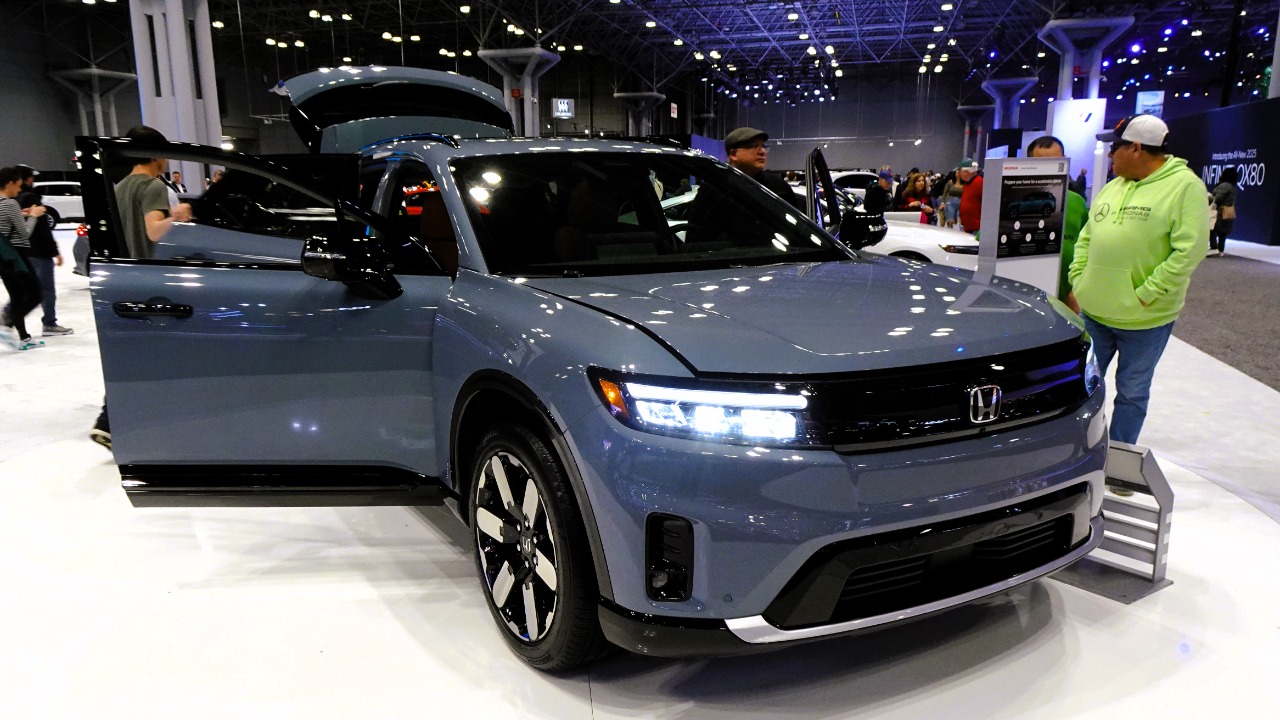
The Prologue is listed from 2024 onward with the heat pump on all trims, according to Recurrent heat-pump list. Honda’s first mainstream electric SUV is built on General Motors technology, which fits with the Chevrolet entries elsewhere on the same roster.
For a shopper comparing near-identical GM-based crossovers, the shared heating hardware removes one variable from the decision. Cold-climate owners get the efficient system across the lineup, and any difference between the Prologue and its cousins comes down to styling, pricing and dealer experience.
9. Ford F-150 Lightning: Vapor Injection Arrives
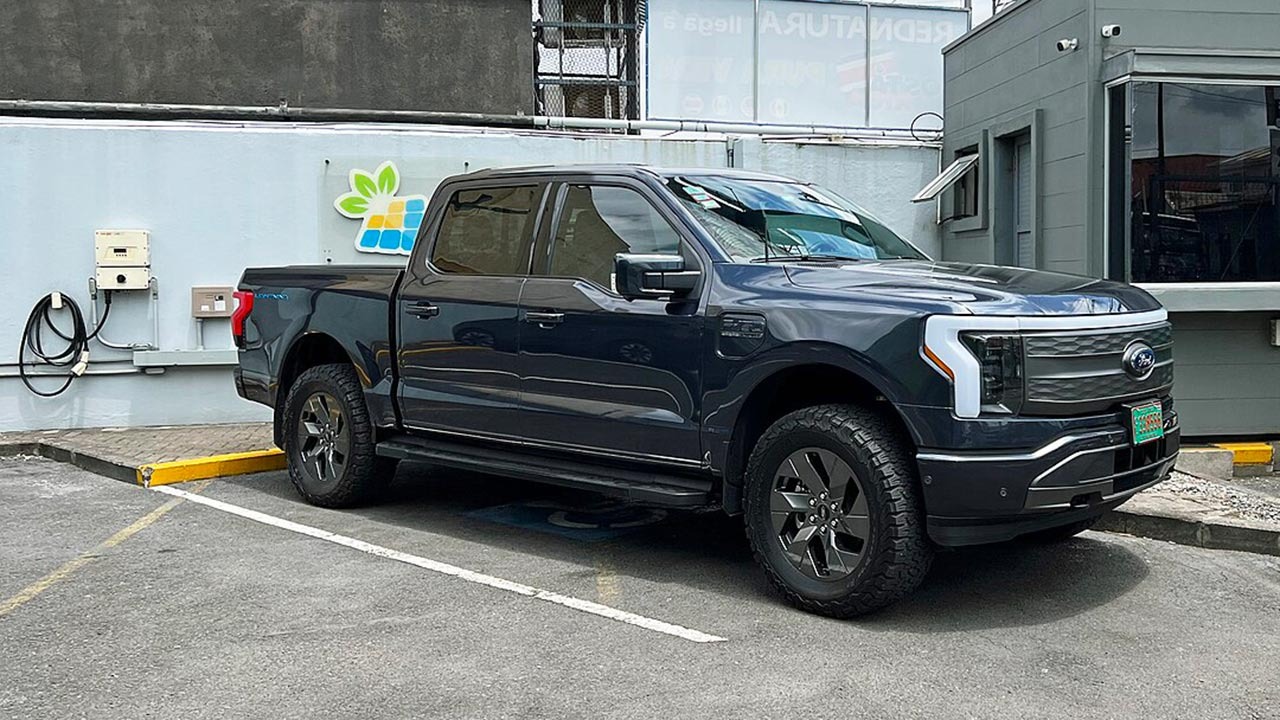
Ford now includes its Vapor Injection Heat Pump as standard on all trims of the 2024 and newer F-150 Lightning, as Science Insights reports. Earlier trucks used resistive heating, so the change marks a clear dividing line within the model run.
Model year matters here. A 2022 or 2023 truck relies on resistance heat, which is a real consideration for a work truck idling in a cold job site or towing in winter. Later trucks should lose less charge to cabin warmth in the same conditions.
10. Ford Mustang Mach-E: Heat Pump For 2025
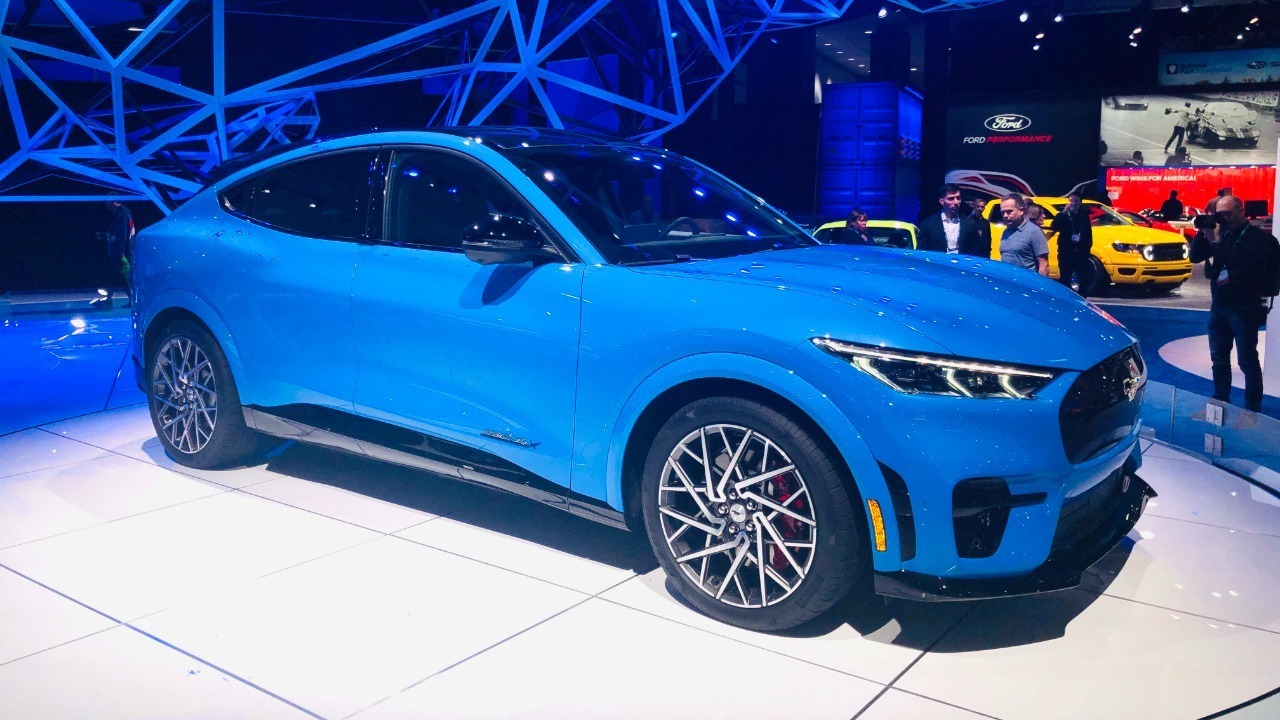
The Mach-E followed the Lightning, with a heat pump arriving for 2025 and newer, per the Science Insights guide. The same source states that earlier model years of both vehicles relied on resistive heating, which draws steadily from the battery.
Used Mach-E shoppers should note the cutoff. A 2021 to 2024 example uses the simpler heater, and cold-weather range will reflect it. Buyers who live where winters bite may find the 2025 model year a worthwhile line to draw when budgeting.
11. Genesis GV60: Sharing The E-GMP Platform

Genesis’s compact electric crossover is covered by a brief note: the Science Insights article says the GV60 and GV70 Electric, which share the same architecture, also include heat pumps. That puts them on the Hyundai group’s E-GMP platform alongside the Ioniq models.
The source does not break out trims or model years for the Genesis pair, so the claim is general rather than a specification sheet. Buyers should verify details on the exact car, but the platform link makes inclusion plausible and consistent with the Hyundai siblings.
12. Ford E-Transit: Standard For The New Model Year

According to Ford Authority report, the 2026 Ford E-Transit will gain a heat pump as standard equipment for the new model year. The change is described as helping mitigate a lot of range loss when operating in cold temperatures, which matters for a van that works through winter.
Fleet operators running delivery routes in cold regions stand to gain most, since a resistance heater can draw 3 to 6 kW at highway speeds. Earlier E-Transits do not carry the same equipment, so fleet buyers should check model year before ordering.
More from Morning Overview
- Two passengers died at an Ohio toll plaza, and the NTSB now wants the cash lanes shut
- Long use of a common prostate pill is tied to a higher chance of glaucoma
- Ford is recalling 223,472 F-150 pickups because the fuel tank can leak or detach
- Hybrids have 15% fewer problems than gas cars, while EVs and plug-in hybrids have about 80% more, Consumer Reports finds
