
Some machines arrive early and spend years waiting for the industry to catch on, chasing ideas the market was not ready to buy. Their makers were rewarded with confusion rather than checks, yet the innovations survived and eventually became standard equipment. These twelve cars each carried a feature the world only understood much later.
1. Tucker 48: The Safety Sedan Killed Too Soon
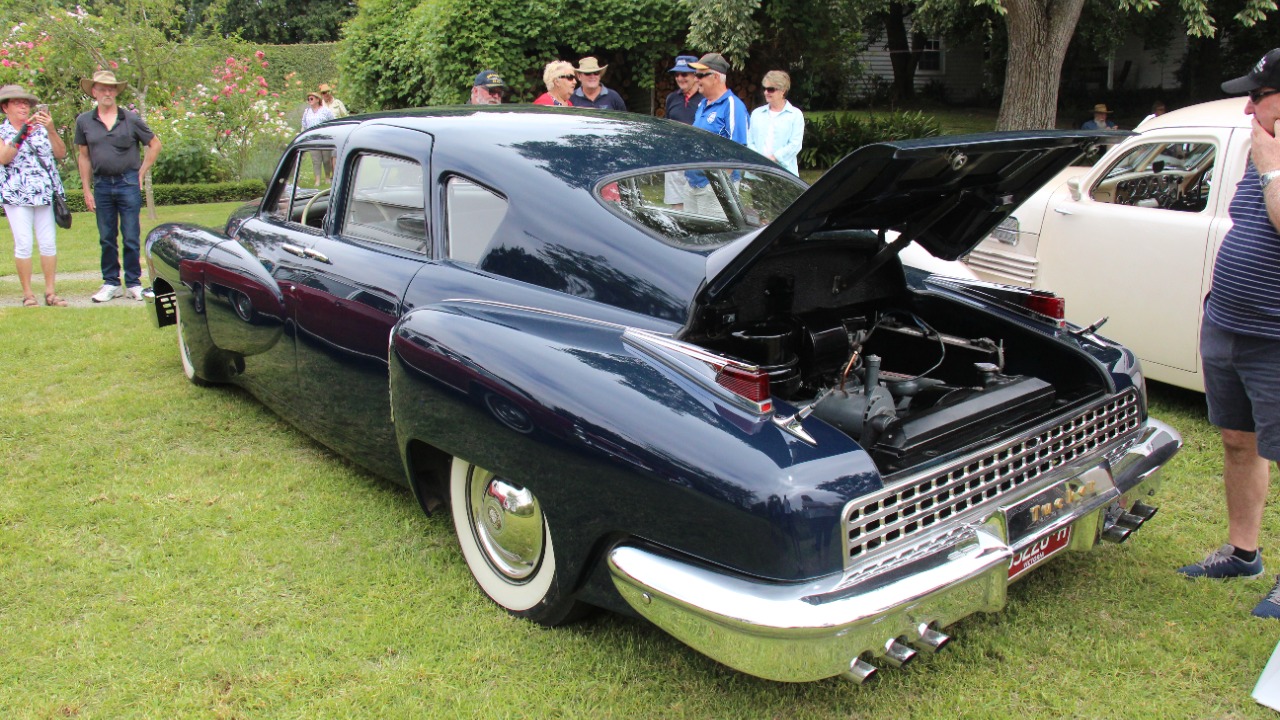
Preston Tucker’s 1948 sedan bundled a padded dashboard, a pop-out shatter-resistant windshield, a central directional headlight that swiveled with the steering, and a reinforced passenger cell decades before any of it became routine, as detailed in this rundown of forward-looking cars.
Only 51 examples ever left the factory before financing collapsed and a federal fraud trial finished the young company for good. Tucker was later cleared, but the damage was permanent and the car vanished from showrooms. The safety thinking Detroit dismissed as gimmickry would go on to define the entire industry a full generation later.
2. Cord 810: Front-Drive Elegance With Hidden Lamps
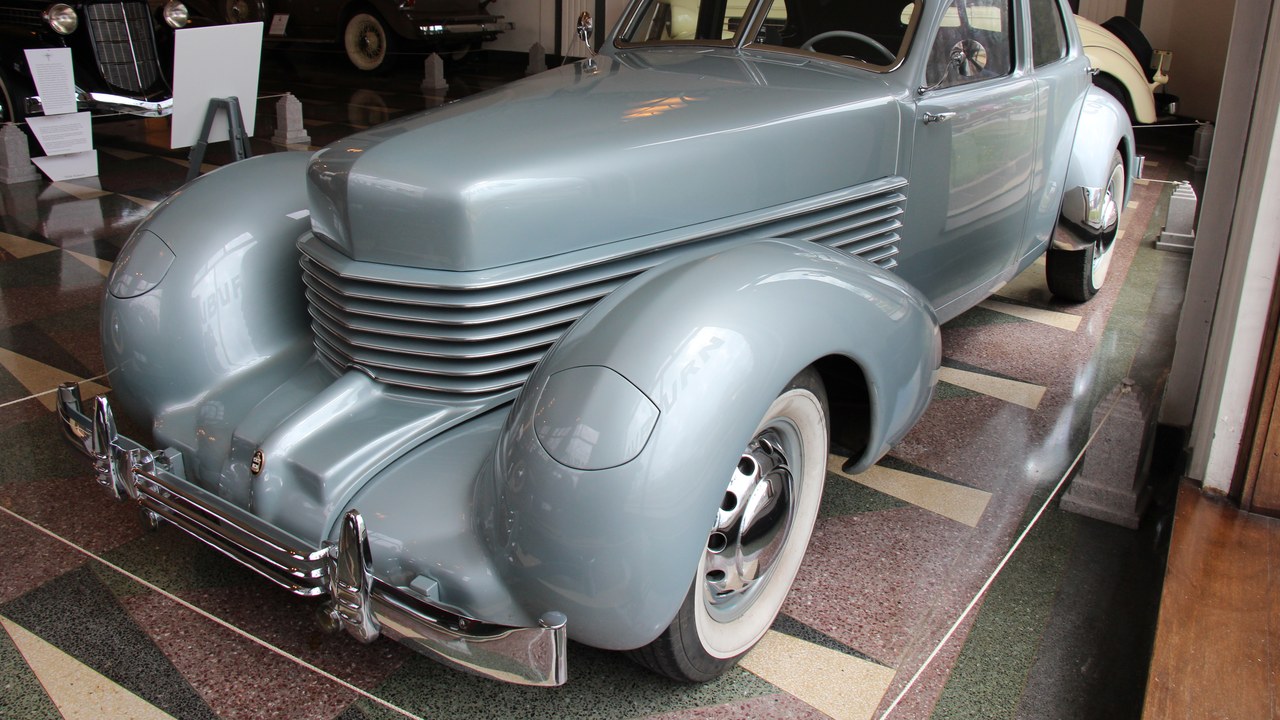
Launched in 1936, the Cord 810 paired front-wheel drive with crank-operated pop-up headlamps and a low coffin-nose body stripped of running boards, a striking combination a survey of technically advanced cars credits with rewriting what buyers expected a car could look like.
Troublesome transmissions and the lingering Depression sank the Cord brand within just two model years, and the factory closed for good. Its concealed lamps and driven front wheels, dismissed at the time as fragile novelties, quietly became mainstream engineering hallmarks long after the badge itself had disappeared.
3. Citroen DS: Suspension That Floated Over France
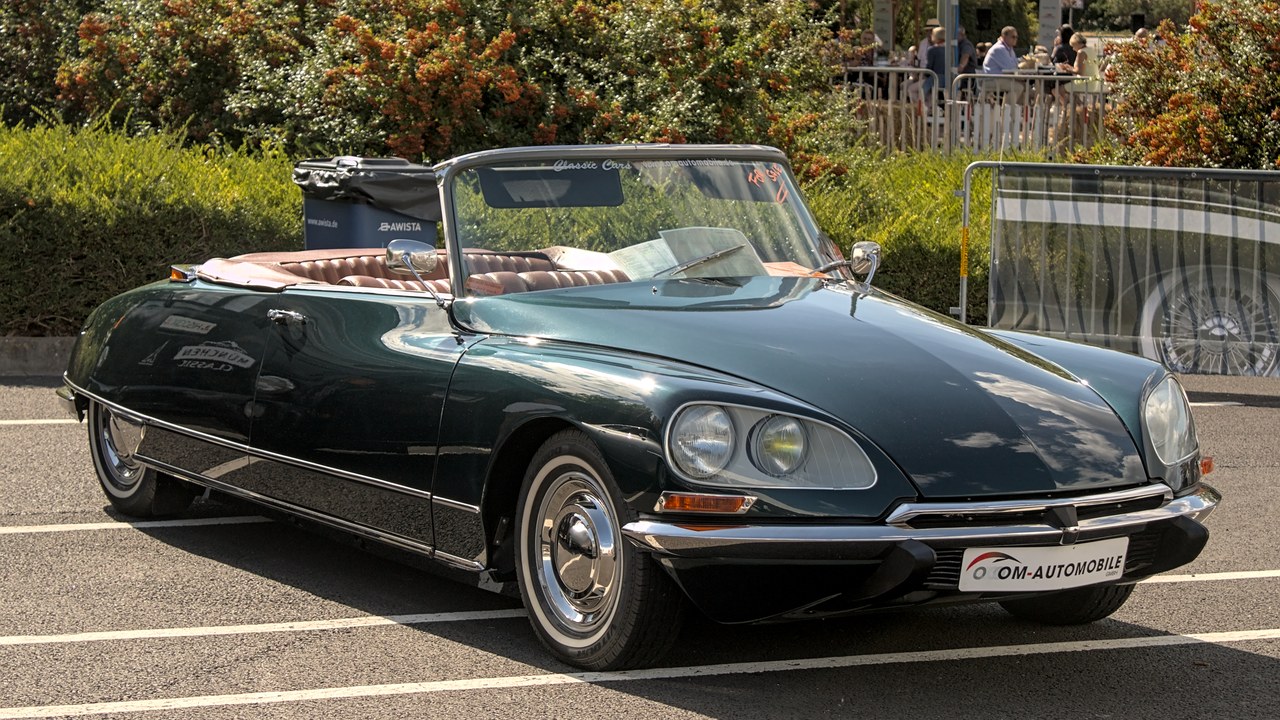
When the Citroen DS bowed in 1955, its hydropneumatic suspension self-leveled the ride height and soaked up broken roads with a smoothness rival makers simply could not match, a debut a list of innovative cars still ranks among the boldest reveals ever staged.
The same pressurized system also powered the steering, brakes, and gearshift, and stunned crowds reportedly placed thousands of orders within hours of the Paris unveiling. Its swooping aerodynamic shape looked like nothing else on the road, and the design stayed in production almost unchanged for two full decades.
4. Porsche 959: The Supercar Computer On Wheels
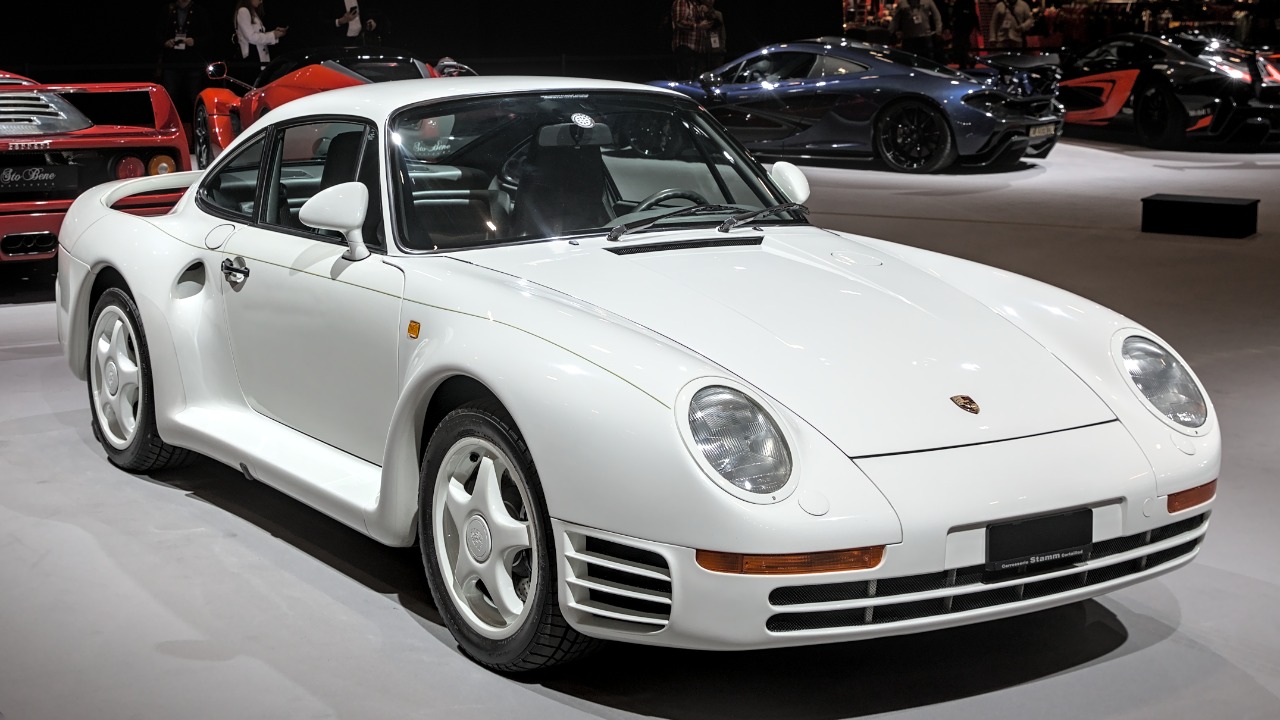
Built in the mid-1980s, the Porsche 959 layered sequential twin turbochargers, computer-controlled variable-torque all-wheel drive, adjustable ride height, and tire-pressure monitoring into a 197-mph road car, technology this collection of pioneering machines flags as genuinely startling for its day.
Porsche reportedly lost money on every single example it built, treating the project as a rolling laboratory rather than a profit center. The electronically managed traction and torque distribution it pioneered now quietly underpins nearly every high-performance car sold today, from turbocharged sedans to million-dollar hypercars.
5. McLaren F1: Carbon Fiber And A Center Seat
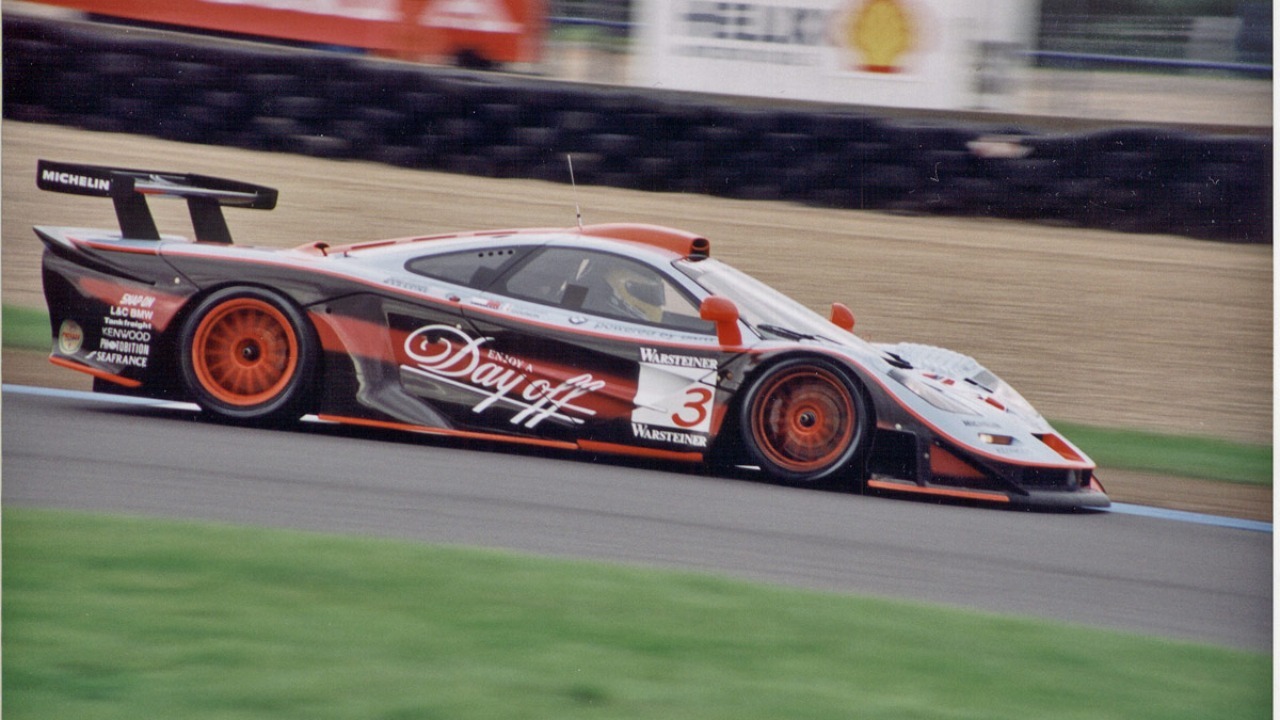
The 1992 McLaren F1 became the first road car built around a full carbon-fiber monocoque, seated its driver dead center between two passengers, and even gold-lined its engine bay to manage heat, feats a study of advanced engineering still holds up as remarkable.
Its naturally aspirated top speed of roughly 240 mph stood as a record for years, outrunning far newer turbocharged rivals without any forced induction. Carbon-fiber construction, once an exotic aerospace curiosity reserved for racing, has since become the structural backbone of the entire modern supercar class.
6. General Motors EV1: The Electric Car GM Recalled
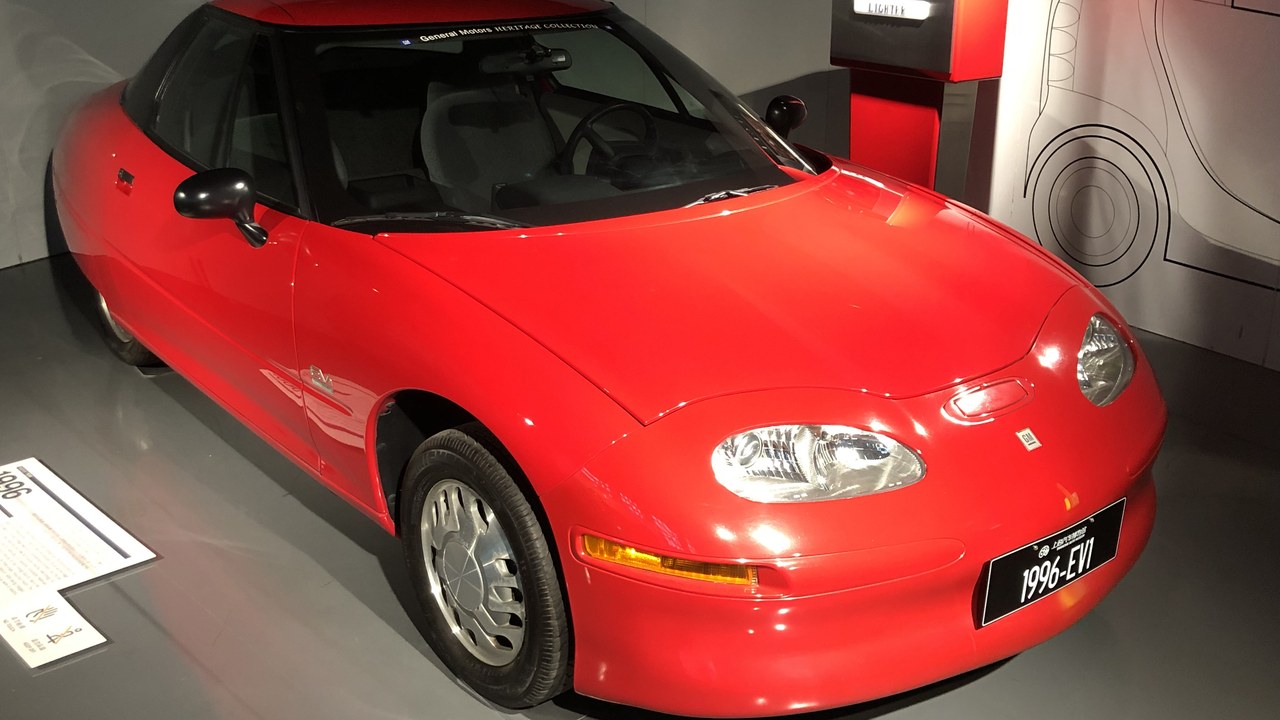
Leased to drivers starting in 1996, the General Motors EV1 was a purpose-built, mass-produced electric car with a slippery teardrop body, aluminum structure, and regenerative braking, a bold gamble a roundup of visionary vehicles revisits with fresh appreciation.
When the program ended, GM reclaimed and crushed nearly the entire fleet despite protests from enthusiastic lessees, a decision that sparked lasting controversy and even a documentary. A decade and a half later, the mainstream electric future the EV1 had quietly foreshadowed finally arrived in force across the industry.
7. Aston Martin Lagonda: Digital Dashboard Before Its Time
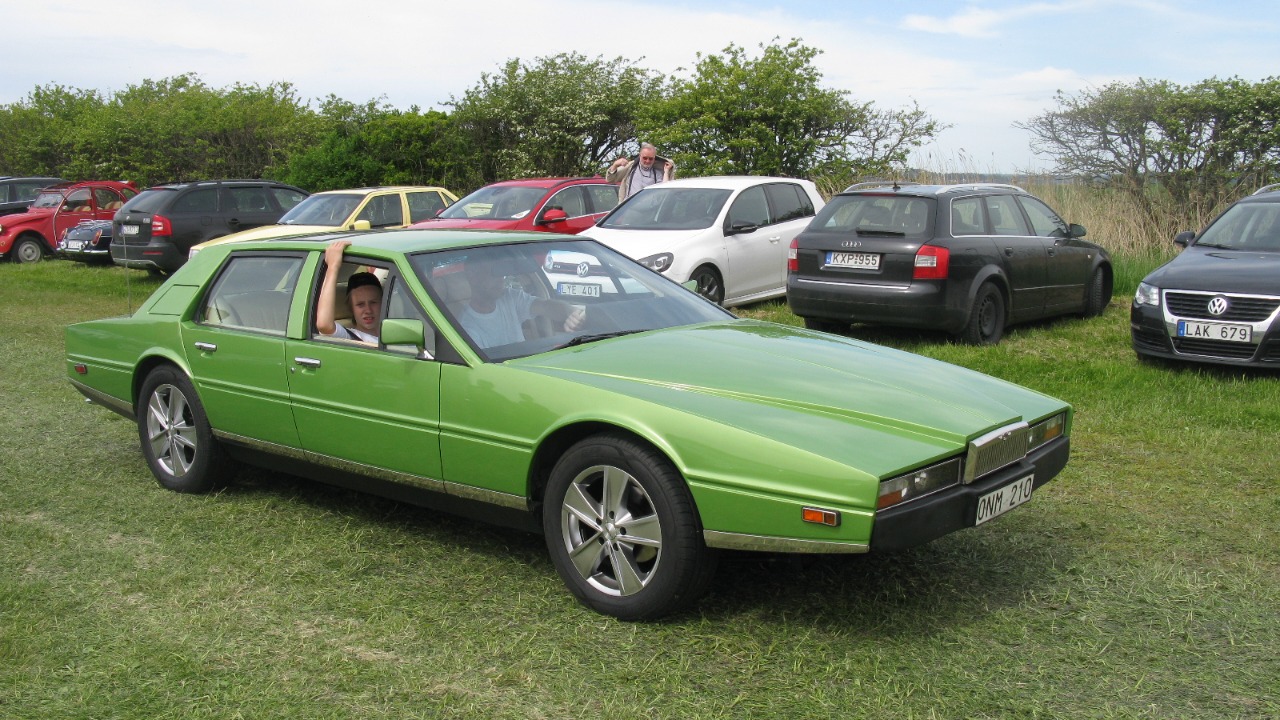
The sharp wedge-shaped Aston Martin Lagonda of 1976 arrived with one of the first digital instrument panels ever fitted to a car, trading analog gauges for temperamental LED and cathode-ray displays, a leap chronicled in this history of premature innovations.
The complex electronics reportedly cost more to develop than the rest of the entire car program combined, and early cars were plagued by unreliable readouts. Screen-based dashboards, treated at the time as an expensive punchline, now fill nearly every new car cabin sold, from budget hatchbacks to luxury flagships.
8. Mercedes-Benz S-Class: The Rolling Safety Laboratory
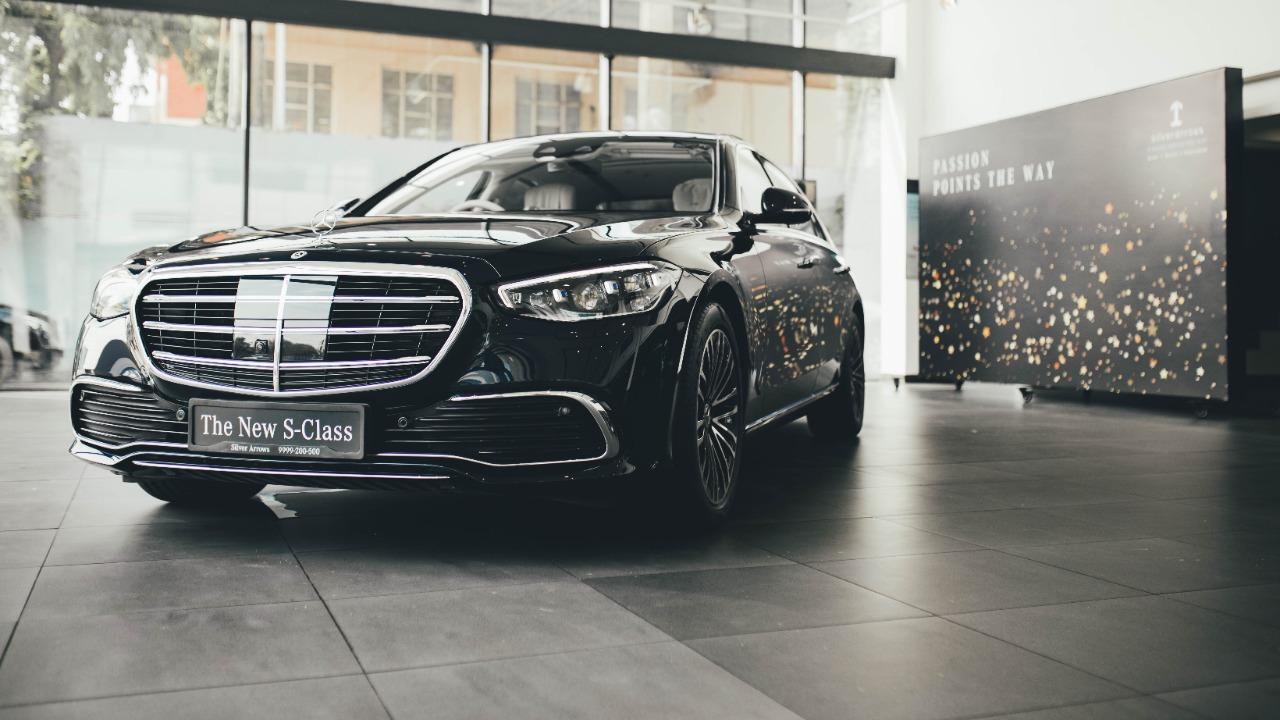
Successive Mercedes-Benz S-Class generations introduced anti-lock brakes, driver airbags, electronic stability control, and radar-guided cruise control to the market years before rivals dared adopt them, a consistent pattern a look at trickle-down technology carefully traces.
Each expensive feature debuted at a luxury price on the flagship, then slowly filtered down through the range and eventually reached ordinary economy cars. Much of what now counts as basic, mandatory safety equipment on any new vehicle was first engineered and proven inside these big German sedans.
9. Chrysler Airflow: Wind-Tunnel Shape Buyers Rejected
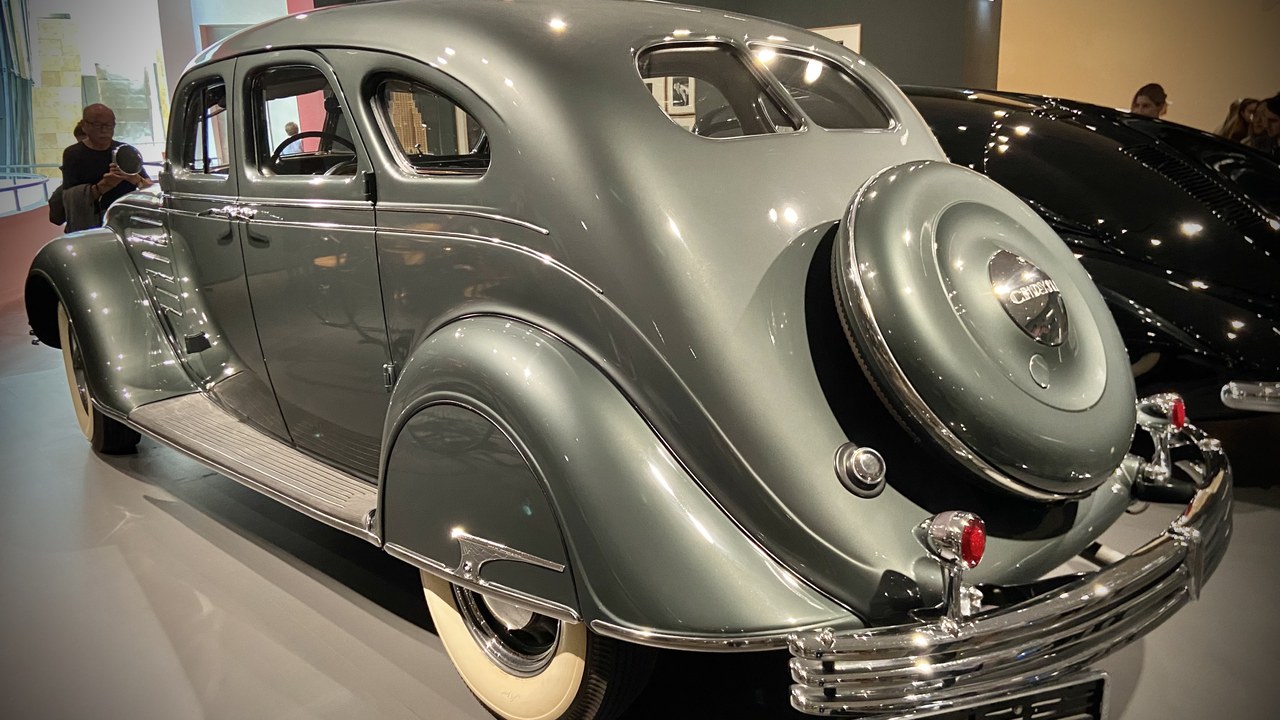
The 1934 Chrysler Airflow was one of the first cars shaped in a wind tunnel, spreading its weight evenly between the axles and streamlining a body most rivals still built as tall upright boxes, a clean break a catalog of daring designs highlights.
Buyers found the smooth, rounded styling unsettling and unfamiliar, and sales fell flat within just a few seasons before the model was quietly dropped. The aerodynamic bodywork it pioneered became completely unavoidable across the industry once fuel economy finally started to matter to ordinary drivers.
10. NSU Ro 80: Rotary Aero Sedan From 1967
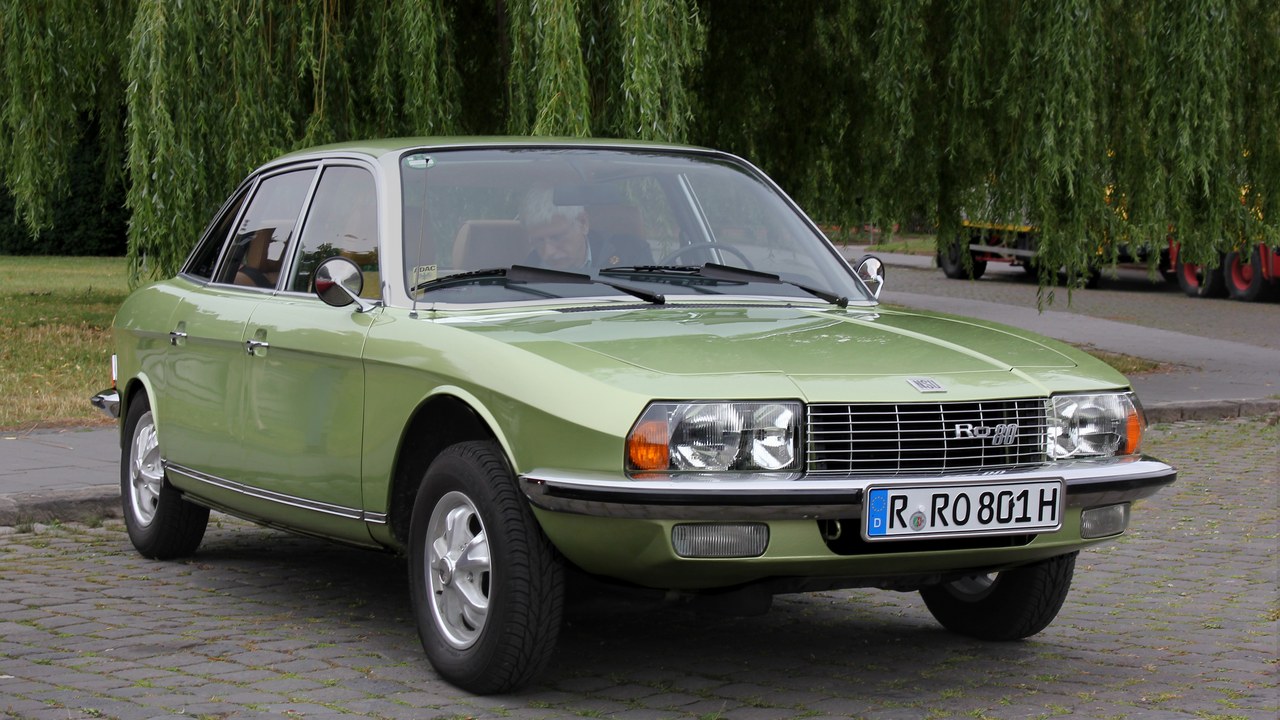
The 1967 NSU Ro 80 combined a compact twin-rotor Wankel engine, front-wheel drive, four-wheel disc brakes, and a drag-cheating shape into one advanced sedan whose slippery silhouette a survey of forward designs still praises decades later.
Chronic rotor-seal failures generated ruinous warranty costs that bankrupted NSU and buried the storied brand inside what became Audi. Its low, aerodynamic body nonetheless looked a full decade newer than anything parked beside it, and the basic profile would not feel out of place on a showroom floor years afterward.
11. Toyota Prius: The Hybrid That Reset The Rules
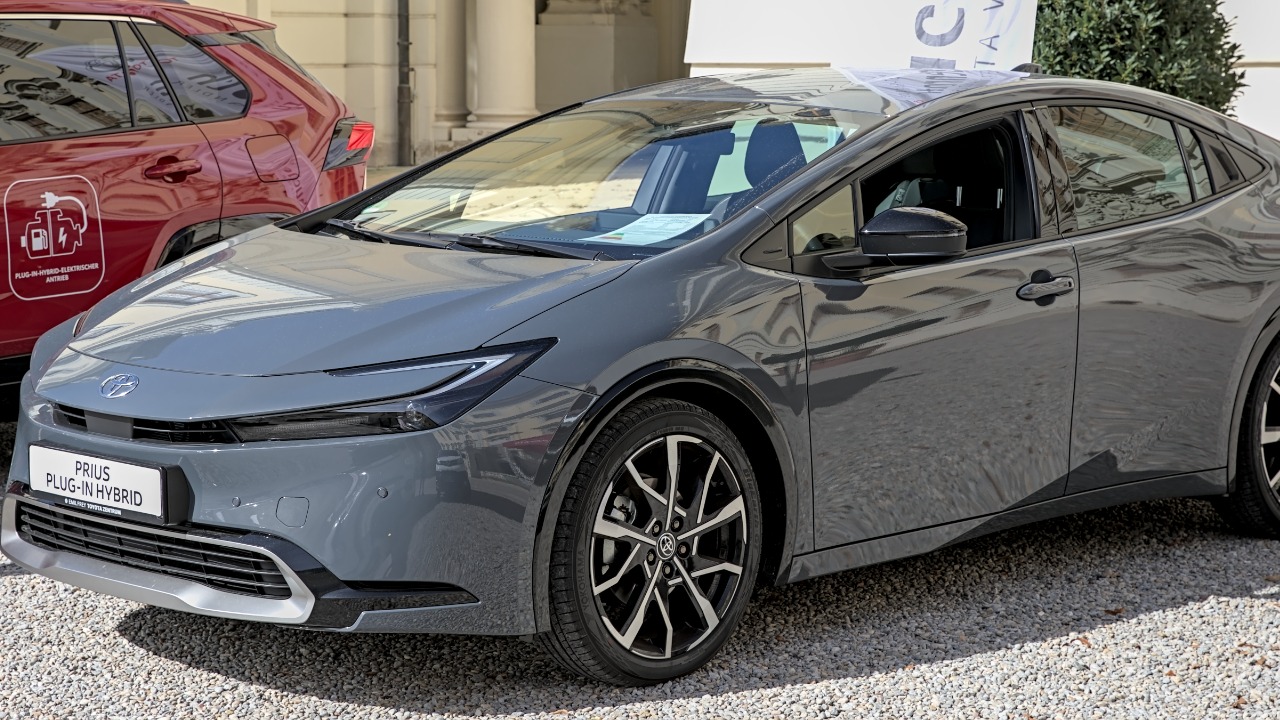
Released in Japan in 1997 and worldwide by 2000, the Toyota Prius was the first mass-produced gasoline-electric hybrid, pairing a clever planetary power-split transmission with regenerative braking, a milestone a review of game-changing cars readily recognizes.
Skeptics initially dismissed the odd-looking little economy car as a short-lived novelty that would never repay its development cost. Instead it went on to sell in the millions, made hybrid drivetrains respectable, and effectively forced nearly every rival automaker to rush a hybrid of its own to market.
12. Lancia Lambda: Unibody And Independent Suspension In The Twenties
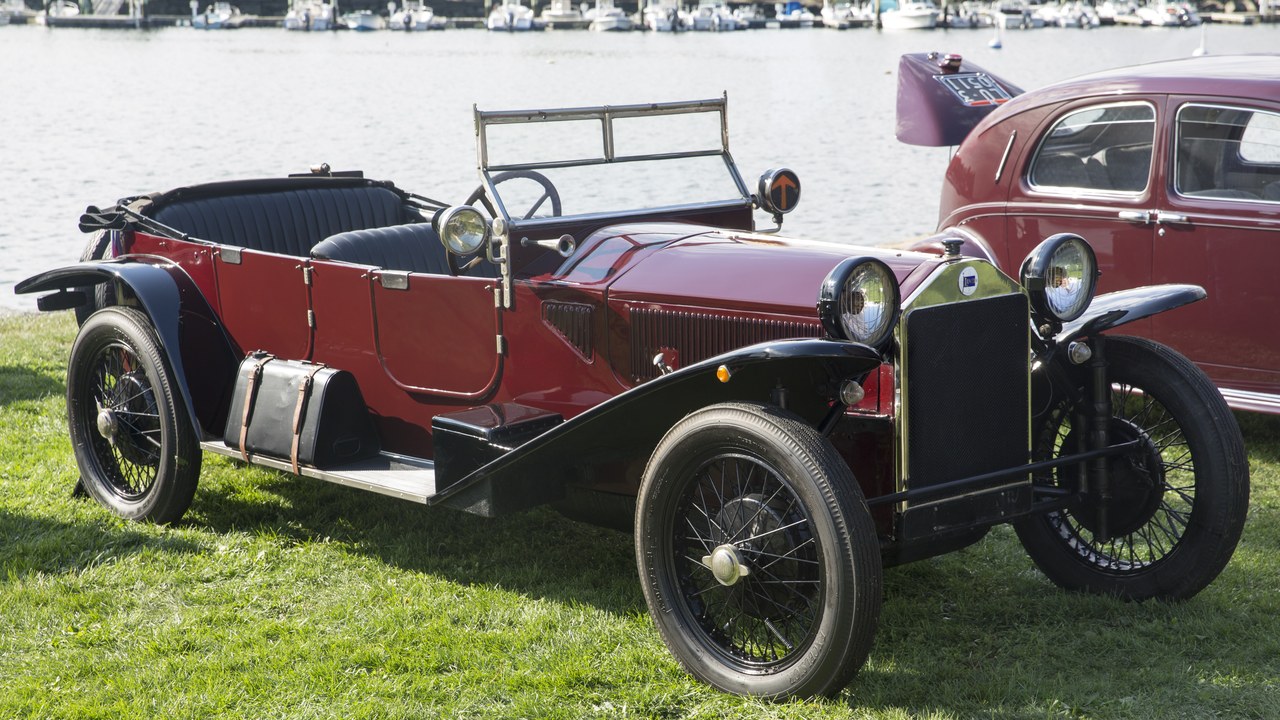
Introduced in 1922, the Lancia Lambda pioneered a load-bearing unitary body and independent front suspension, boldly discarding the separate ladder frame that nearly every other automaker still relied on, an advance a record of early breakthroughs credits.
The lower, far stiffer structure handled and cornered dramatically better than the tall, wobbly carriages of the era, giving the Lambda a genuine sporting reputation. Both ideas eventually became so fundamental that virtually every modern car on the road today is built around the exact same principles.
More from Morning Overview
