
Reliability rankings shift from year to year, but a handful of nameplates turn up near the top of them again and again. Long production runs, conservative engineering and powertrains carried across generations tend to matter more than any single model-year score. Here are twelve cars that keep landing on dependability lists season after season.
1. Toyota Corolla: The Volume Benchmark
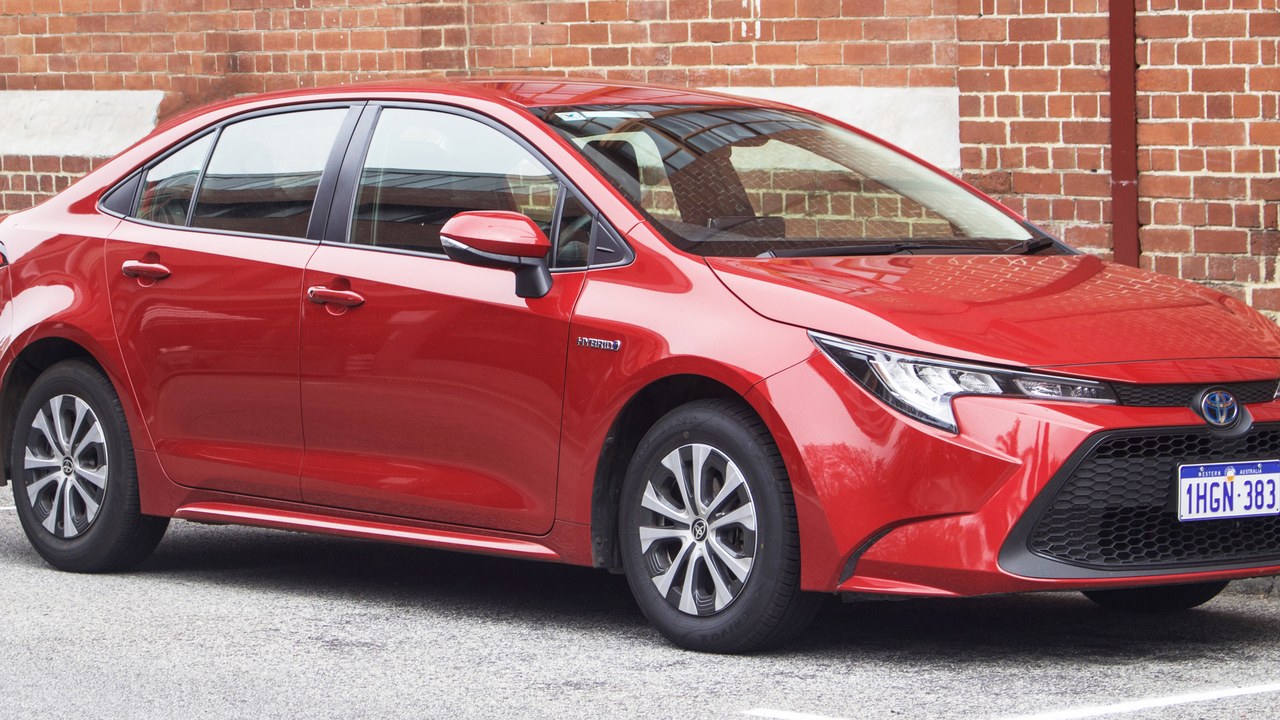
Toyota has built the Corolla nameplate continuously since 1966, spanning twelve generations and more than 50 million units, which makes it the best-selling car nameplate in history. That volume is itself the durability story: parts are everywhere, mechanics know the engines, and each generation reuses proven components rather than starting from scratch.
A used example benefits from the same math, with cheap parts, familiar service procedures and an enormous sample of high-mileage cars still on the road. The trade-off is a car engineered for longevity rather than excitement.
2. Toyota Camry: The Default Family Sedan
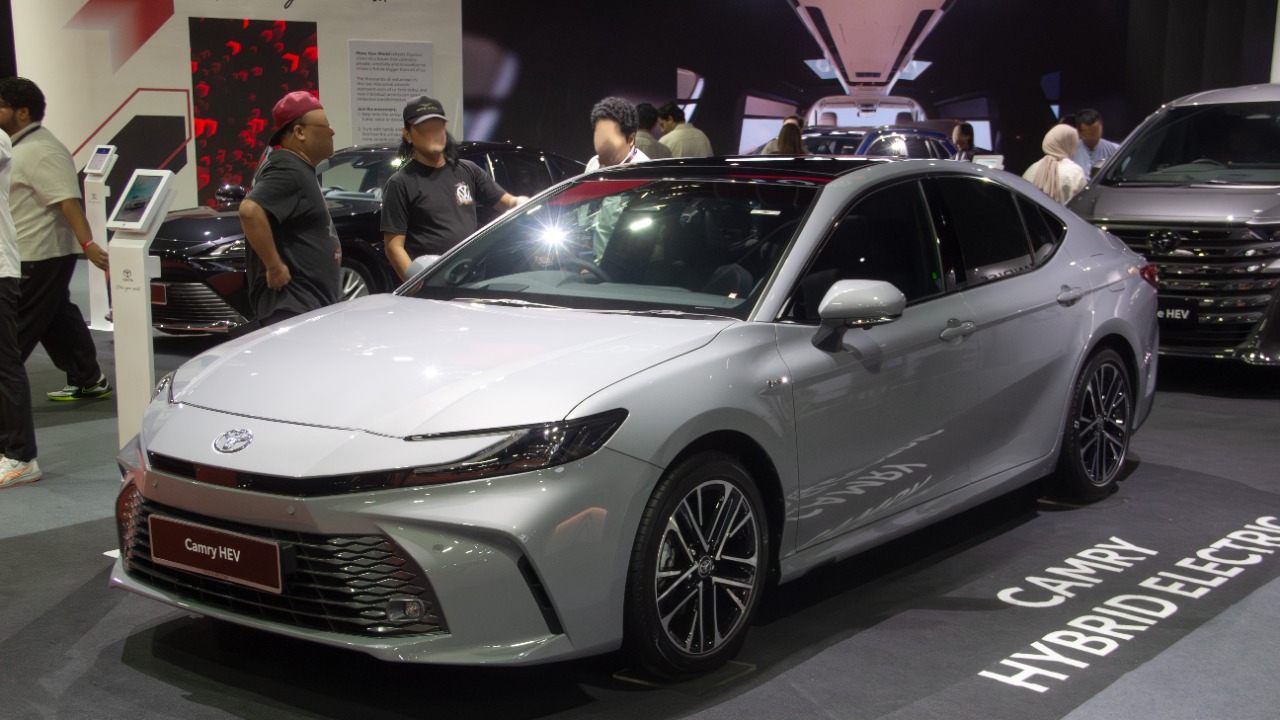
Since 1982 the Camry family sedan has grown into Toyota’s volume flagship in North America, taking the best-selling passenger car title in the United States in most years since 1997. Its four-cylinder and V6 engines have been refined across generations rather than replaced, and much of the drivetrain is shared with other Toyota models.
That parts commonality keeps repair costs predictable long after the factory warranty ends. Drivers trading excitement for low running costs are the intended buyer, and the Camry has rarely disappointed on that count.
3. Honda Accord: The Ohio-Built Constant
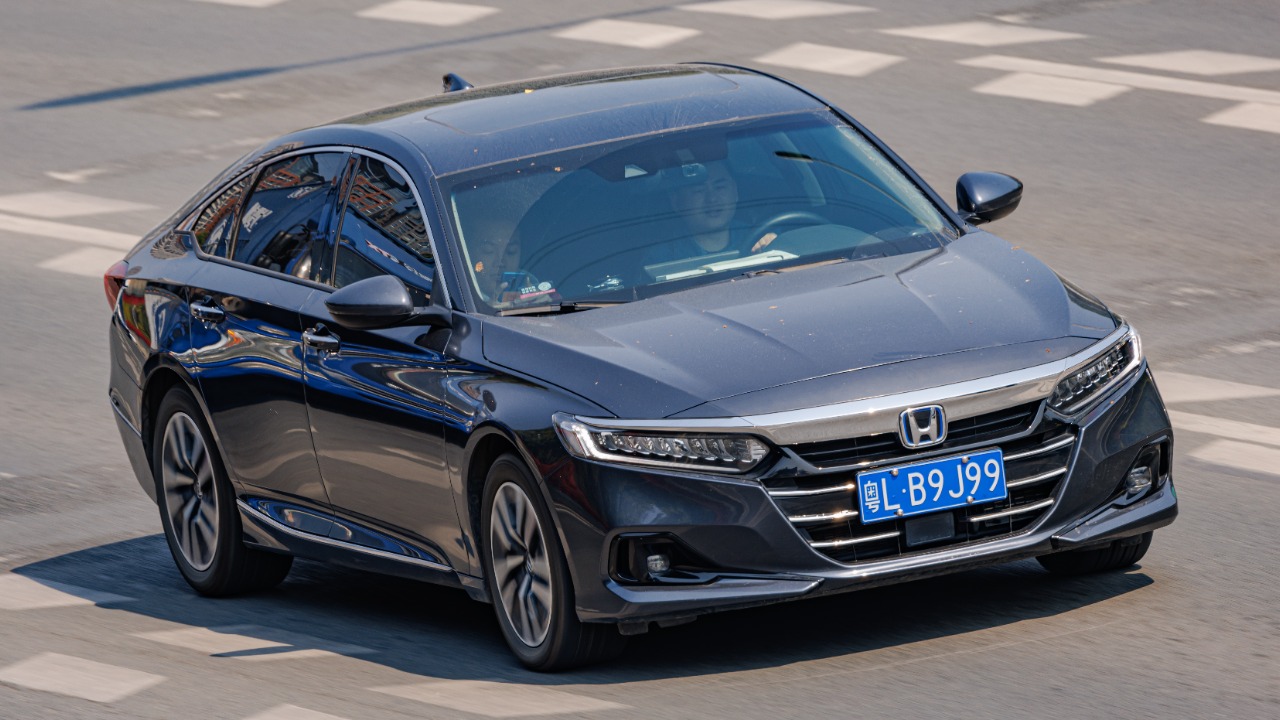
Honda started building the Accord sedan line in Marysville, Ohio in 1982, the first Japanese car assembled in the United States, and the nameplate has run without a gap since 1976. Eleven generations later it still relies on transverse four-cylinder engines and front-wheel drive rather than exotic alternatives.
Conservative layouts age well, because every component has been through several rounds of revision instead of one. Newer hybrid and turbocharged versions add complexity, but the structural recipe underneath has barely moved in five decades.
4. Honda Civic: Five Decades Without A Gap
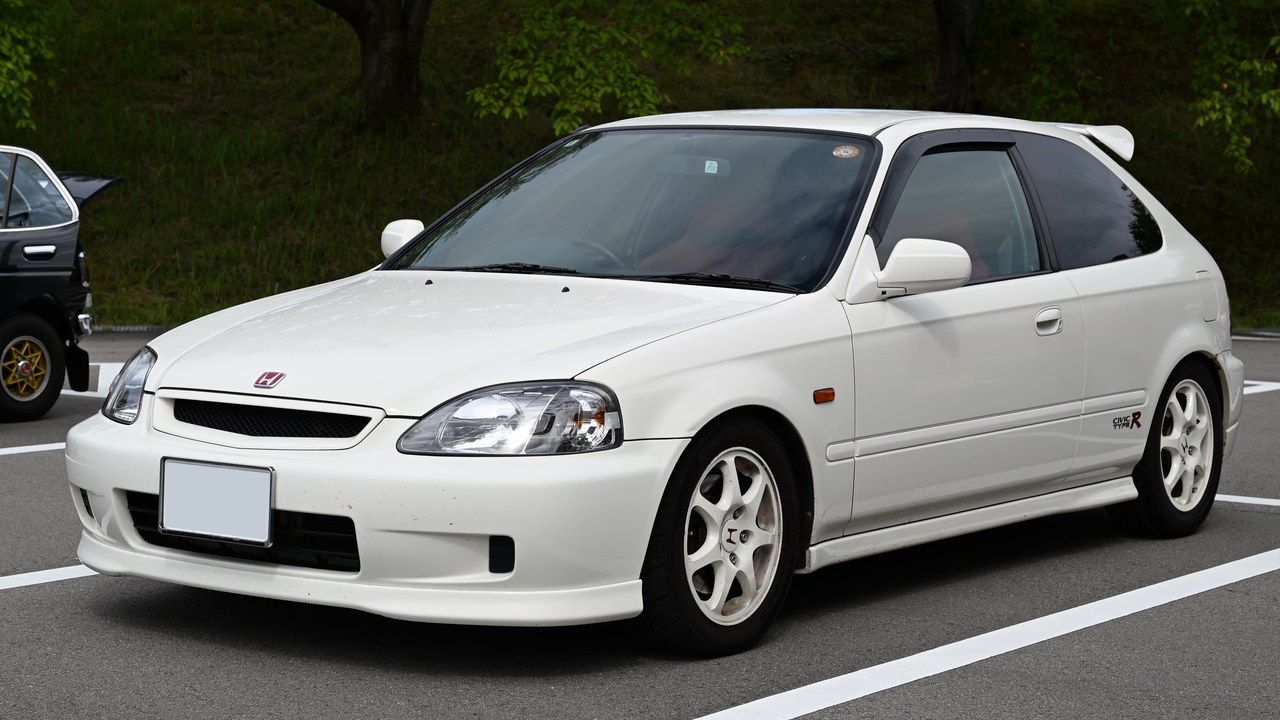
The Civic compact car arrived in 1972 and has been sold continuously ever since, through eleven generations and tens of millions of units worldwide. Honda’s engineering pattern explains the consistency: engines are carried forward and improved instead of redesigned, and the platform is shared with the CR-V and HR-V.
Shared architecture means a mechanic who has worked on one of the three has effectively worked on all of them. Enthusiast versions such as the Type R add turbocharging and stiffer hardware, which pushes maintenance costs above the ordinary sedan’s.
5. Toyota RAV4: The Crossover Everyone Bought
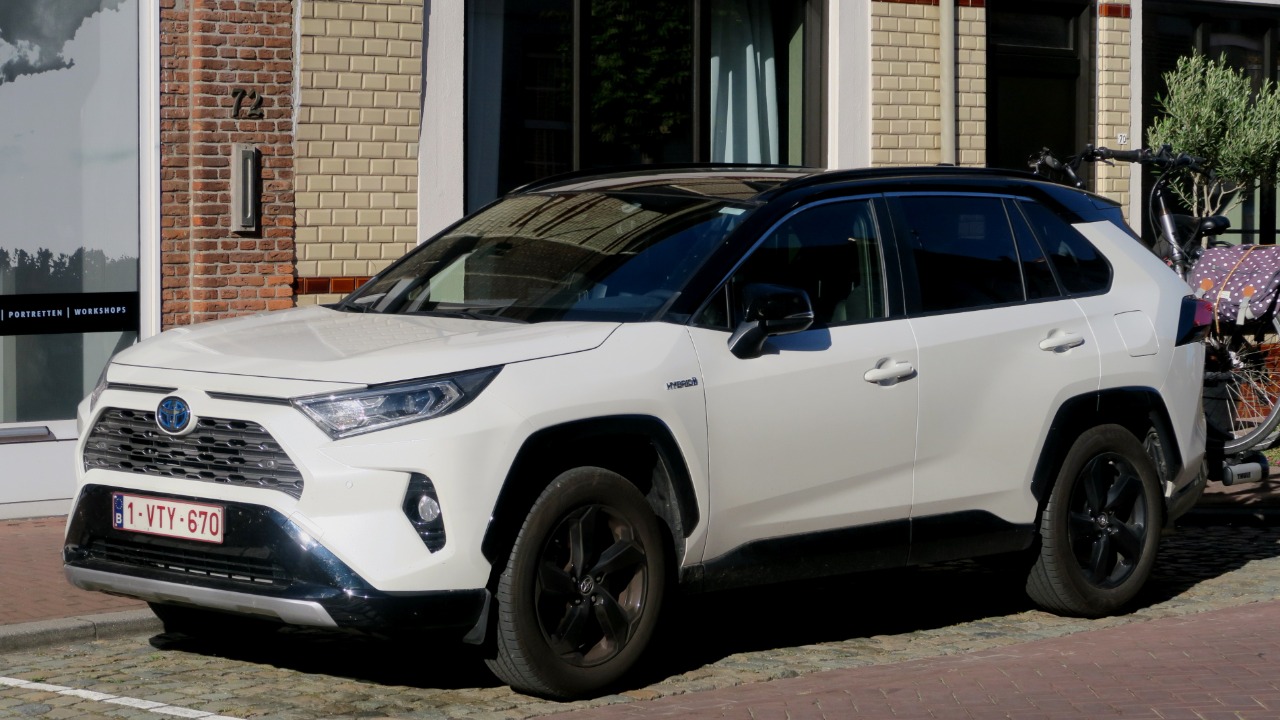
Toyota introduced the RAV4 crossover in 1994, and it has since become the best-selling non-pickup vehicle in the United States. The mechanical package is deliberately unadventurous, pairing a four-cylinder or hybrid drivetrain drawn from the Camry parts bin with a unibody chassis and optional all-wheel drive.
Sharing engines with the company’s highest-volume sedan means faults surface early and get corrected across the whole range at once. Off-road ability stays limited despite the rugged styling, which matches the commuting most examples actually do.
6. Lexus ES: A Camry In A Tailored Suit
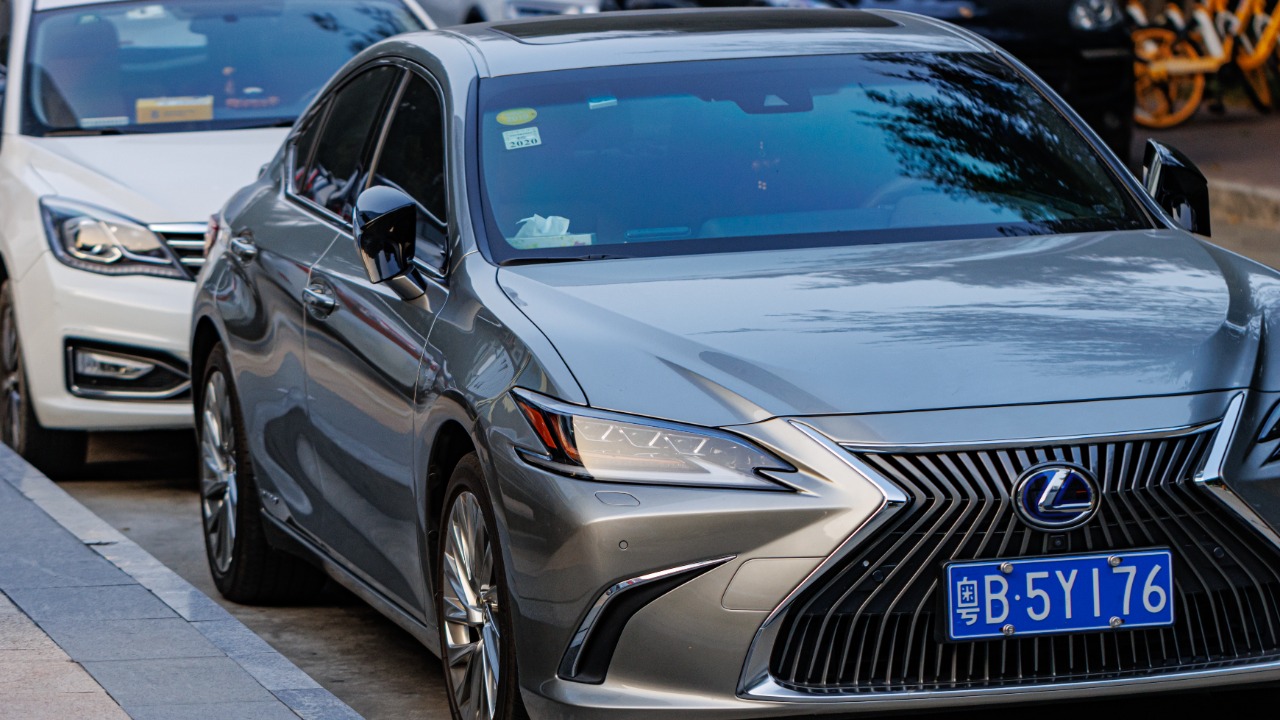
The Lexus ES sedan launched in 1989 as one of the two cars that started the brand, and it has always shared its platform and engines with the Toyota Camry. That inheritance is the point: the ES adds a quieter cabin and softer suspension on top of hardware already produced in enormous volume.
Repair bills stay closer to a mainstream sedan’s than a European luxury rival’s, because the mechanical parts underneath are mainstream. The compromise is handling that trails sharper German competitors on a demanding road.
7. Mazda MX-5: The Sports Car Without Drama
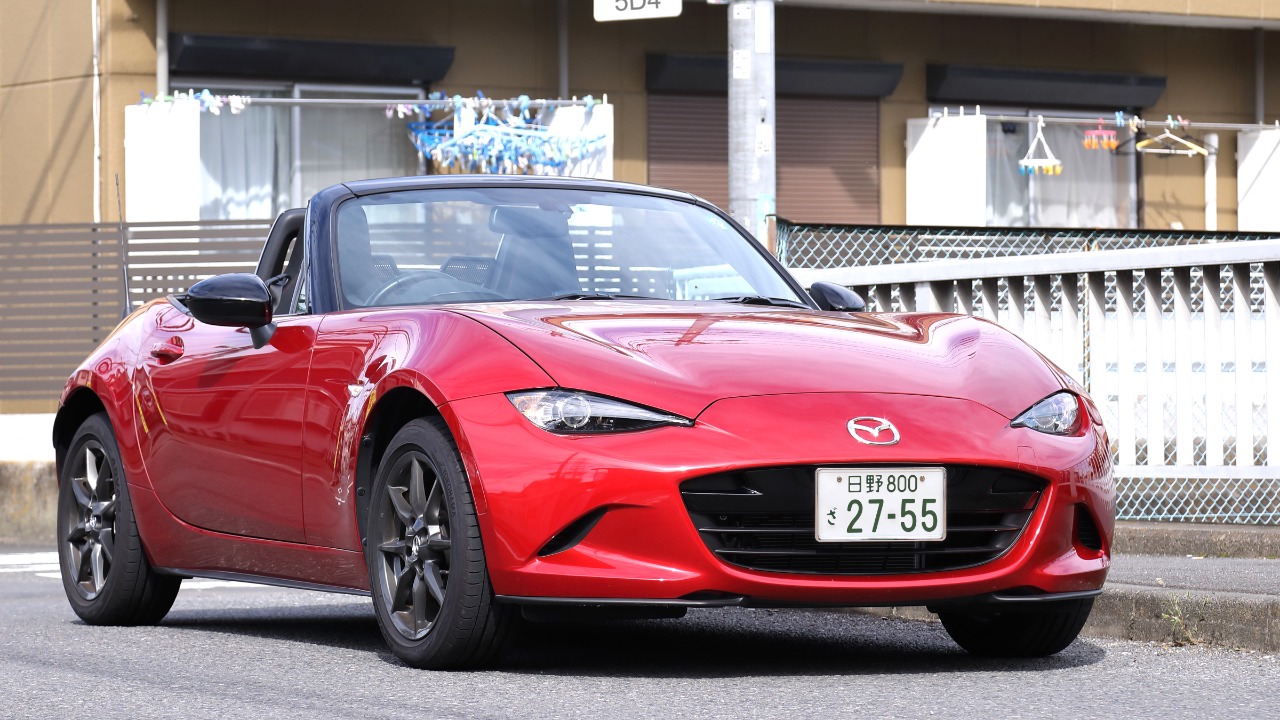
Mazda’s MX-5 roadster has been in production since 1989 and holds the Guinness record as the best-selling two-seat sports car ever built. Its record rests on restraint: modest naturally aspirated four-cylinders, a curb weight in the region of 2,100 to 2,500 pounds across generations, and no turbochargers or air suspension to fail.
Fewer systems leaves fewer things to break, which is why a sports car appears on lists usually dominated by sedans. Rust on early NA and NB cars remains the main long-term weakness to inspect.
8. Toyota Prius: The Taxi Fleet Proof
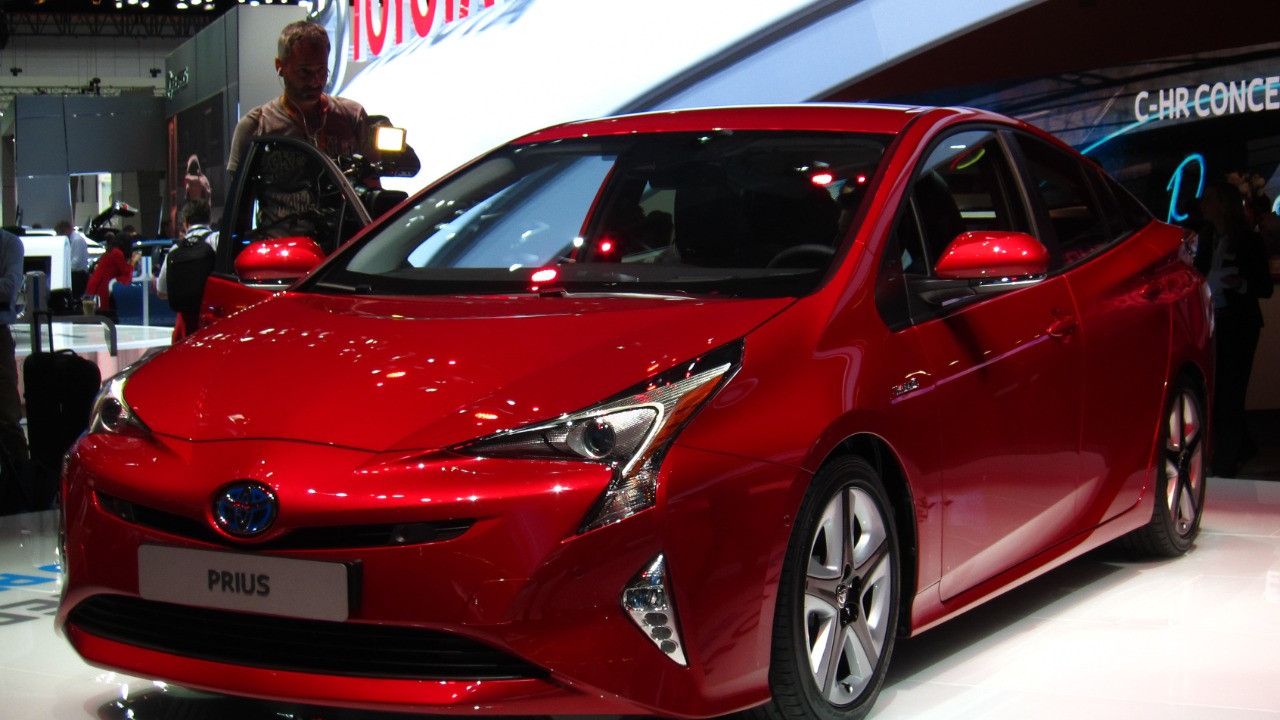
The Prius hybrid went on sale in Japan in 1997 as the first mass-produced hybrid car, and the design deletes several conventional wear items: there is no starter motor, no alternator and no stepped automatic transmission, while regenerative braking spares the friction brakes.
Adoption by taxi operators, who accumulate mileage far faster than any private owner, is where the hybrid drivetrain’s reputation was built. Battery replacement remains the one large expense, though a market in used and rebuilt packs has grown up around it.
9. Lexus RX: The Original Luxury Crossover
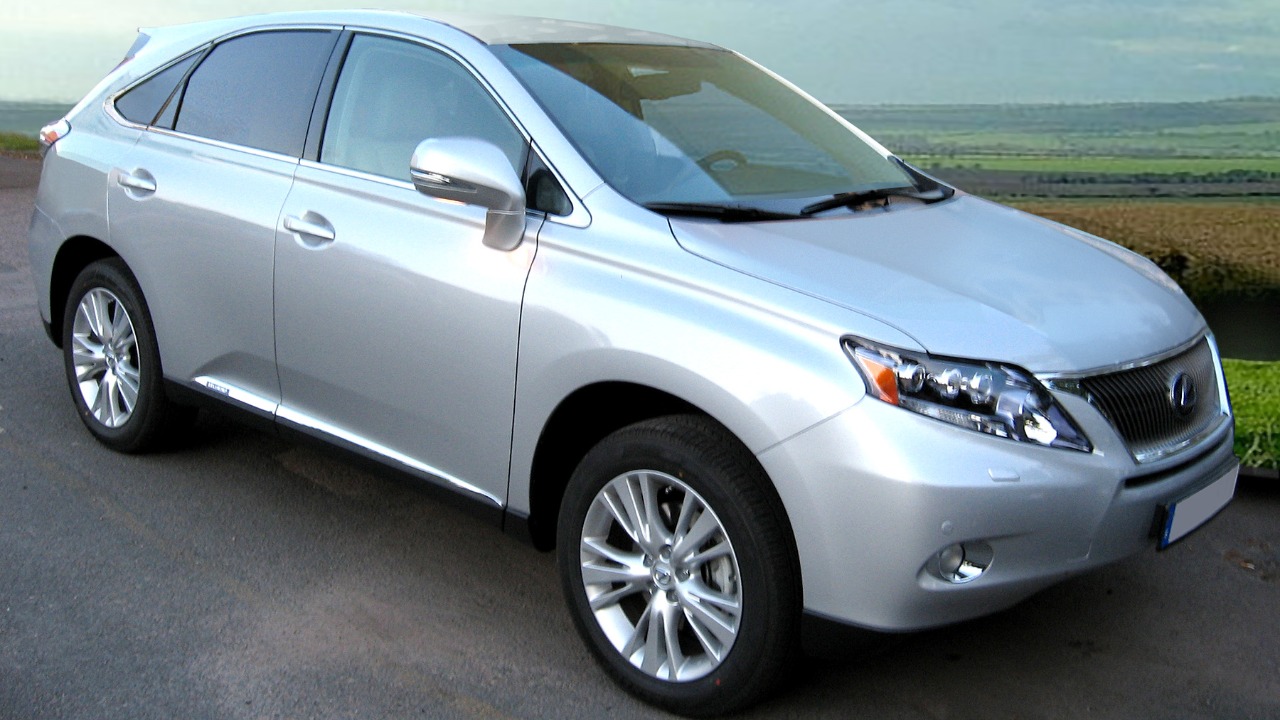
Lexus launched the RX crossover in 1998 and effectively created the luxury crossover segment by putting a car platform under a tall body. Like the ES, it borrows heavily from Toyota, using shared architecture and V6 and hybrid powertrains sold in volume elsewhere, so very little in it is a low-production part.
The result is luxury fittings without the bespoke air suspension and highly strung turbocharged engines that inflate bills on rival SUVs. It also drives like the family hauler it is rather than a performance vehicle.
10. Subaru Crosstrek: All-Wheel Drive As Standard
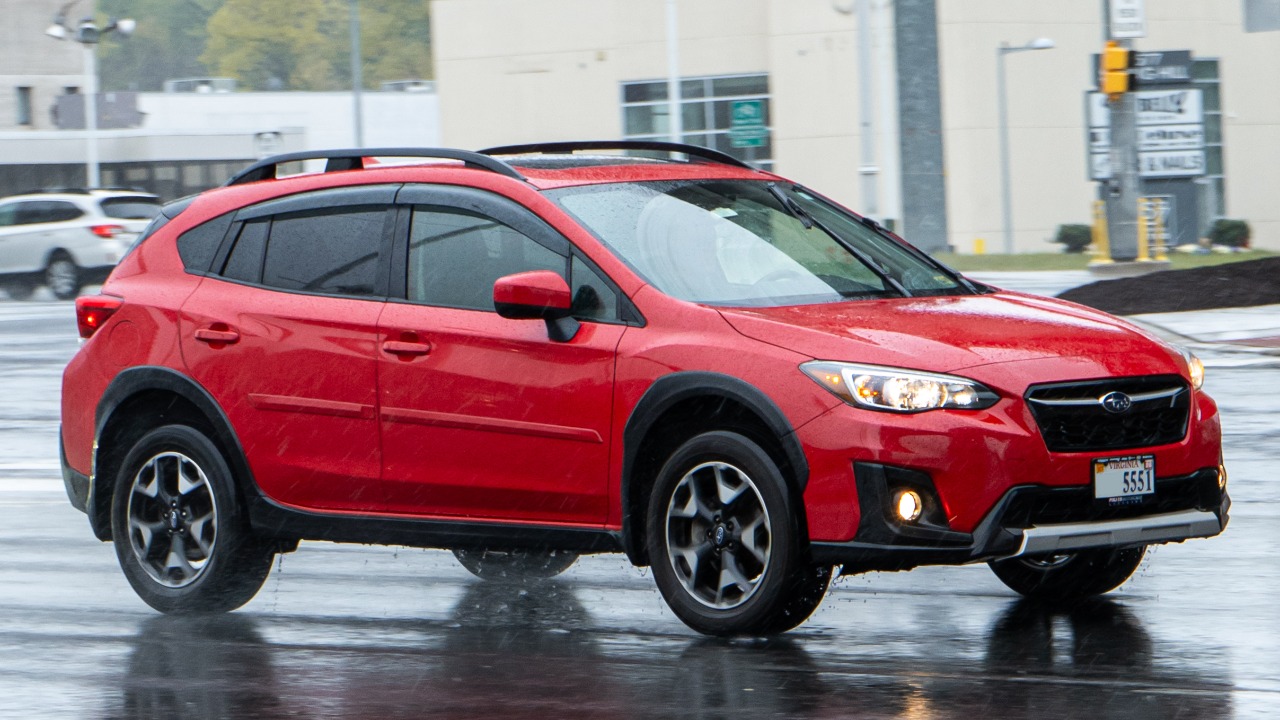
Subaru built the Crosstrek crossover on the Impreza platform in 2012, adding ride height and body cladding rather than new mechanicals. Symmetrical all-wheel drive and the horizontally opposed four-cylinder come standard across the range, and both have been in Subaru’s lineup for decades.
Standardizing the drivetrain removes the front-drive-versus-all-wheel-drive variation that complicates parts supply elsewhere. Head-gasket trouble on older Subaru boxer engines is the reputational shadow the brand spent years engineering its way out of.
11. Honda CR-V: The Civic’s Practical Sibling
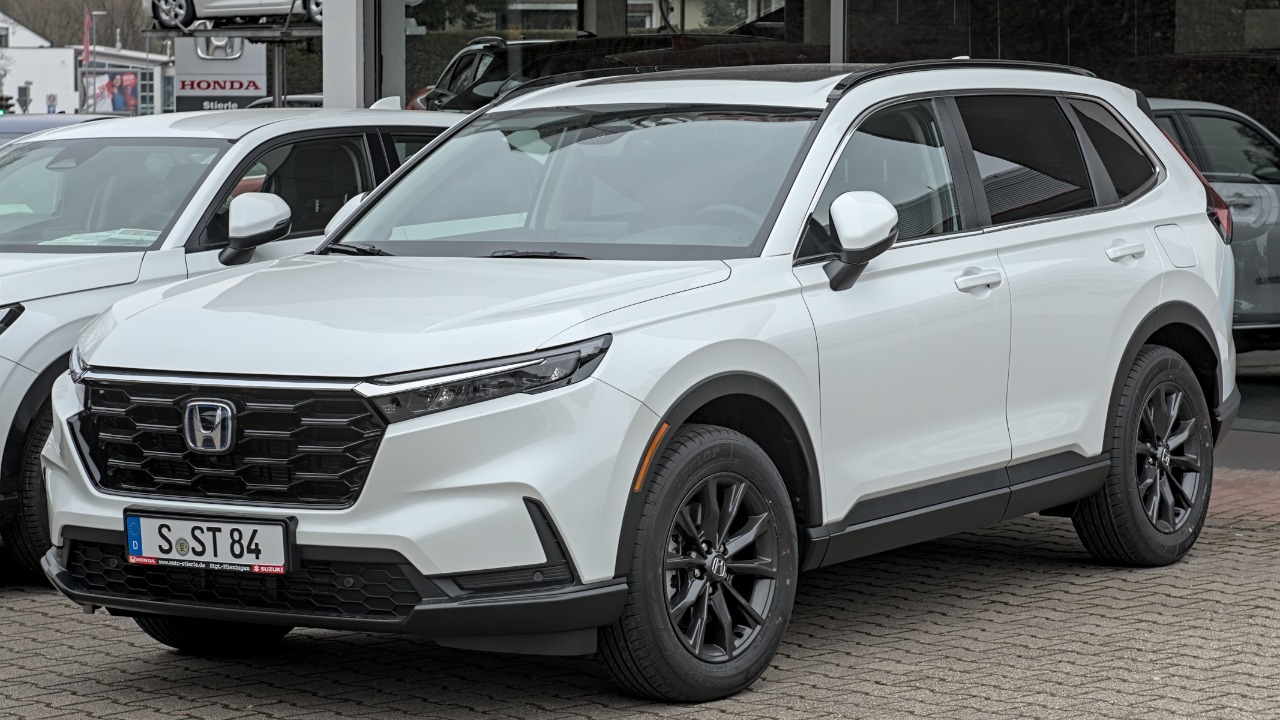
The CR-V compact SUV arrived in 1995 on Civic underpinnings and has stayed on that pattern through six generations. Engines, transmissions and electronics are shared with Honda’s highest-volume car, so faults get identified across millions of vehicles instead of a niche model’s few thousand.
A shared parts bin is what keeps the CR-V near the top of family-vehicle recommendations. Earlier turbocharged versions drew oil-dilution complaints in cold climates, a reminder that common hardware spreads problems as efficiently as it spreads fixes.
12. Toyota 4Runner: The Body-On-Frame Holdout
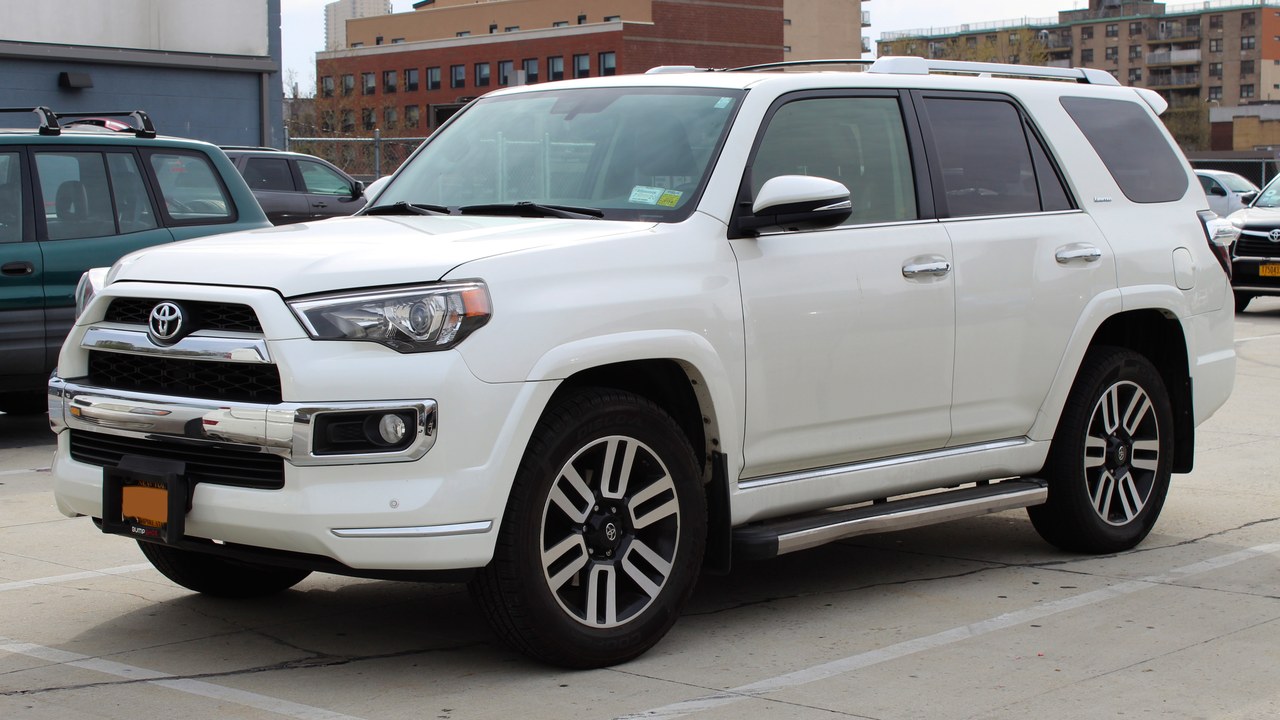
Toyota has sold the 4Runner SUV since 1984 and kept it on a separate body-on-frame chassis while nearly every rival moved to unibody construction. The fifth generation ran from 2009 to 2024 using the same 4.0-liter V6 and five-speed automatic throughout, one of the longest unchanged production runs in the modern market.
A frozen specification hands suppliers and mechanics fifteen years to find every weakness and settle on a fix. The cost is dated fuel economy and a ride that never disguises its truck origins.
More from Morning Overview
