
Every so often a single model arrives at the exact moment a struggling carmaker needs it most. Some of these cars were practical family transport, others were sports cars with halo appeal, and all of them changed their maker’s fortunes. Here are twelve cars that pulled their automakers back from the edge.
1. Dodge Aries / Plymouth Reliant (K-car): Iacocca’s Big Gamble
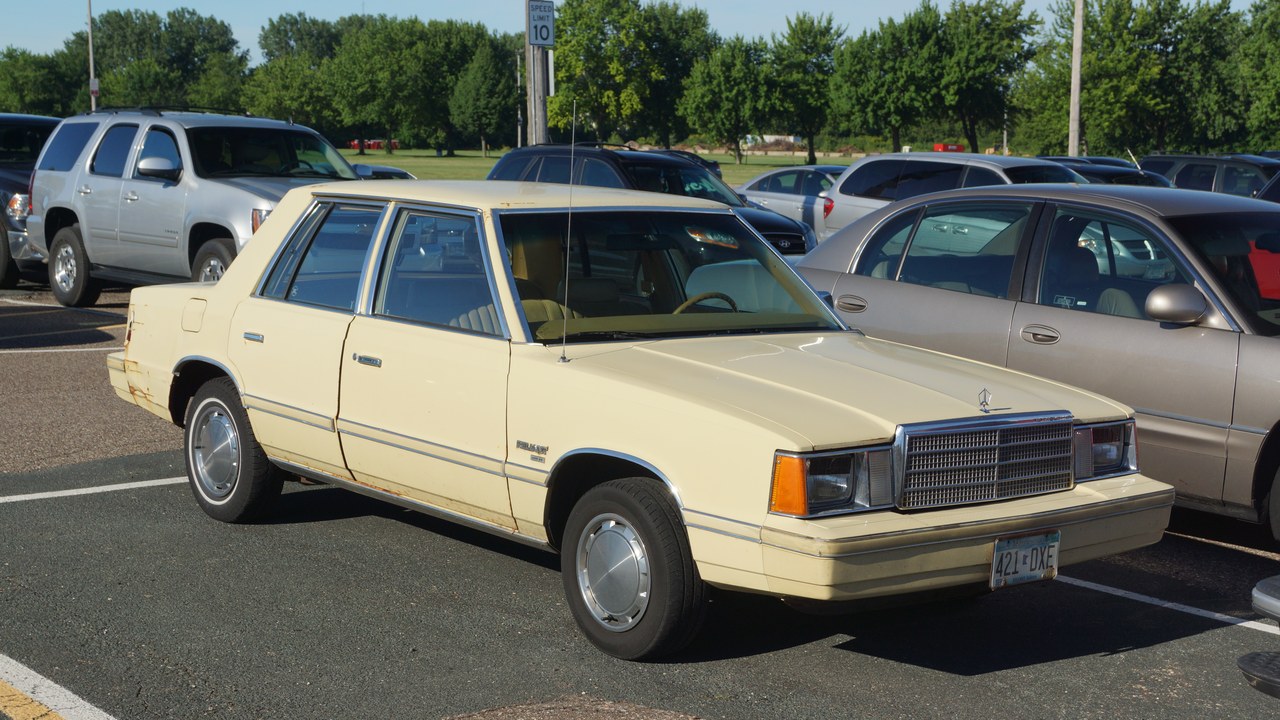
Lee Iacocca bet $1.5 billion in government loan guarantees on the K-cars, and Hagerty says they kept Chrysler largely off life support until the next inevitable crisis. The plain Dodge Aries and Plymouth Reliant carried the company’s hopes.
Neither car was glamorous, which was exactly the point for a company short on money. The K-car platform shows that a rescue does not need a halo model, only a sturdy, sellable one that buyers will actually choose in large numbers.
2. Dodge Omni / Plymouth Horizon: Beating Detroit to the Punch
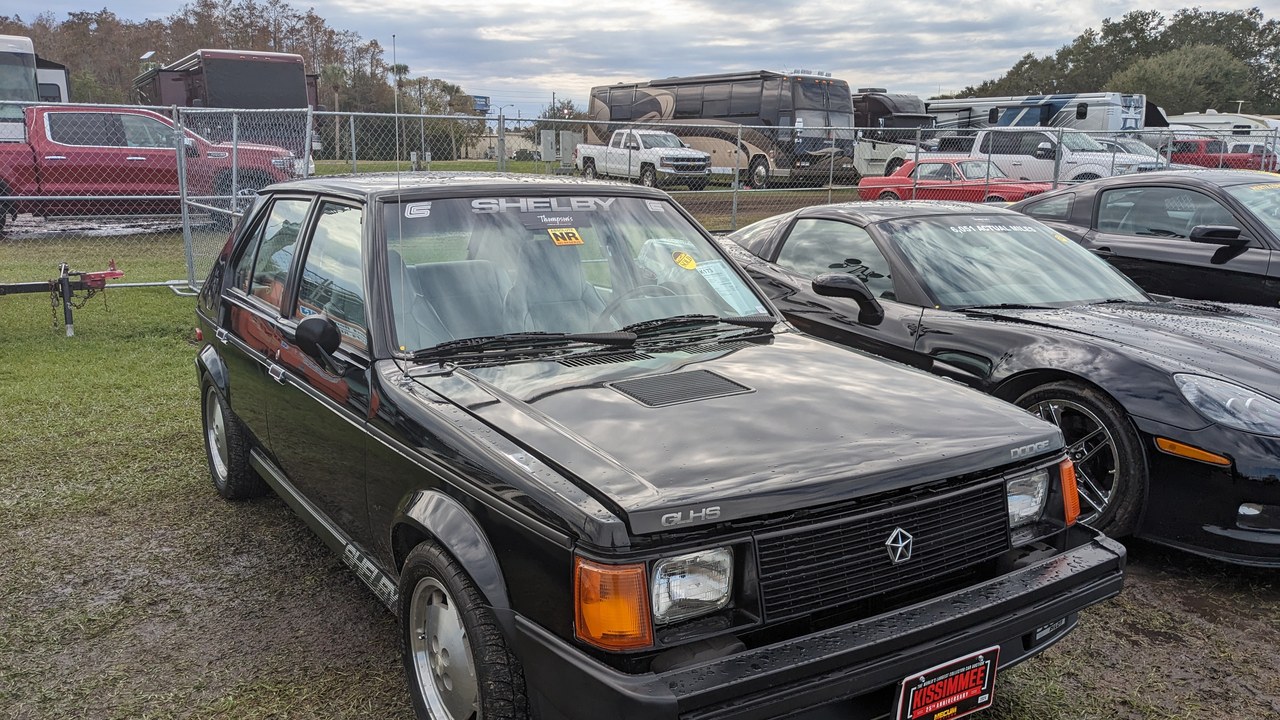
Hagerty counts the Omni and Horizon among five cars that saved their companies, noting they beat GM and Ford to a domestic rival to the VW Rabbit. Chrysler arrived first with a small front-drive hatchback.
Arriving early gave the pair a head start while Americans were rethinking car size. The twins also illustrate how a smaller company can win by being quick when larger rivals hesitate, a lesson that applies well beyond this one segment.
3. BMW 2002: The Enthusiast Darling
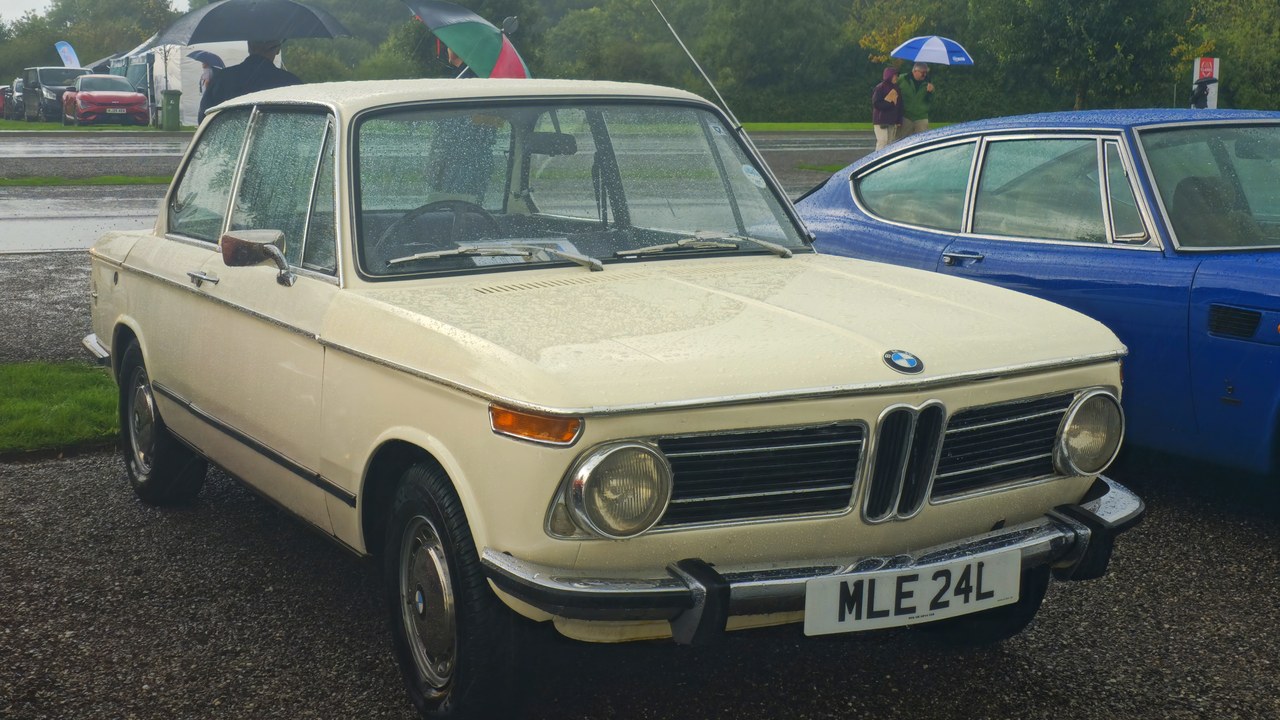
After the 2002 arrived in 1968, BMW became the darling of the enthusiast press overnight, one of five cars Hagerty credits with saving their makers. The compact coupe reshaped the way the brand was seen.
The little BMW established the sporty-sedan identity the company still trades on. Its influence reaches well beyond its own sales, and clean examples remain prized by collectors who remember where the brand’s modern reputation began.
4. Porsche 944: Improving on the 924
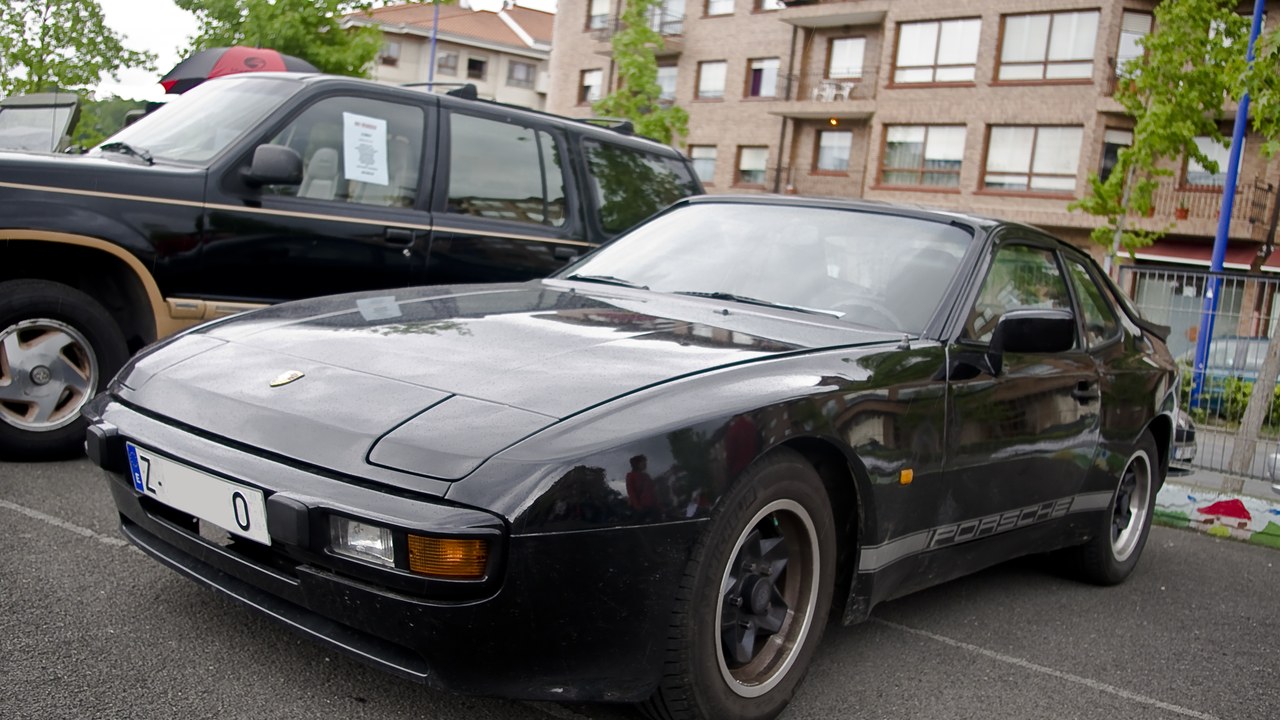
Hagerty’s Rob Sass wrote that the 944, a vastly improved version of the 924, kept Porsche off the endangered list. The front-engine coupe built on an earlier design that had left some buyers cold.
The 944 shows how refining a modest platform can matter more than starting from scratch. It gave Porsche a dependable seller at a time when the company needed one, and it remains a popular entry point for enthusiasts today.
5. Mercedes-Benz 300SL: Rebuilding After Ruin
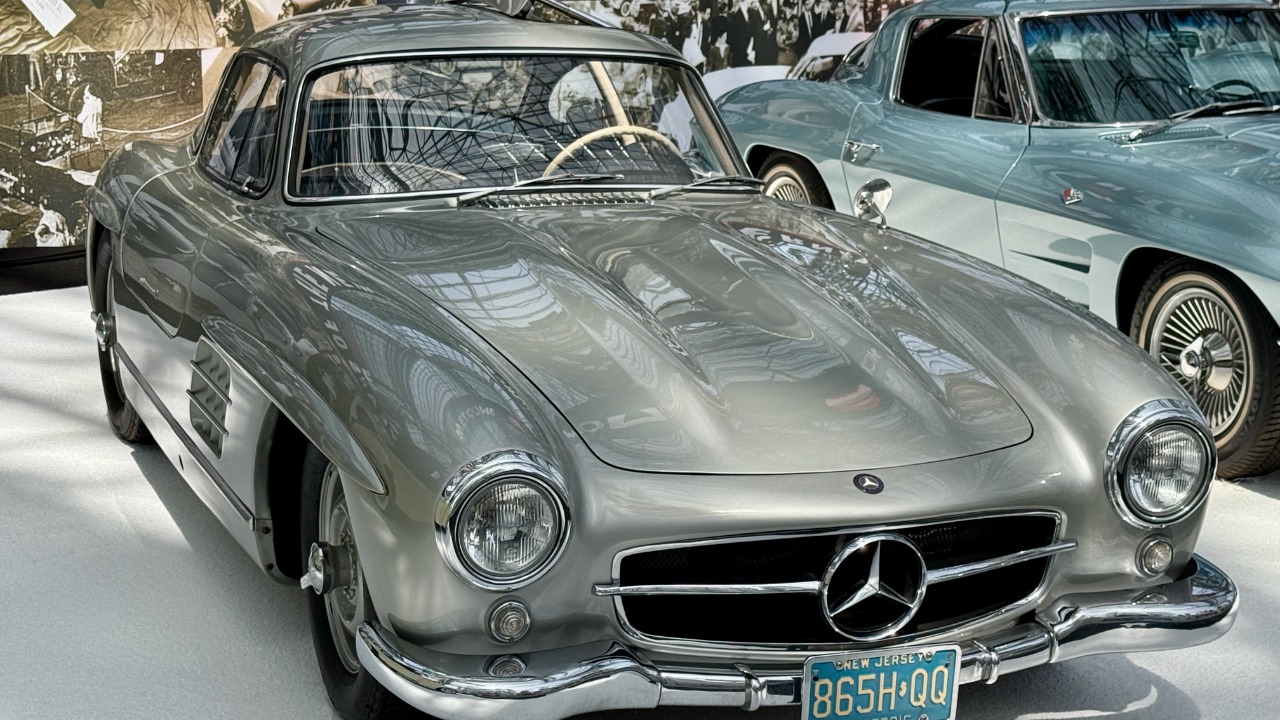
Top Gear credits the 1954 300SL road car with transforming Mercedes-Benz from a company that less than a decade earlier had been in a state of ruin. The gullwing coupe turned a postwar firm into a status brand.
Few cars have done as much for a badge’s image. The 300SL still stands as a high point of Mercedes-Benz history, and its example shows how one dramatic model can carry a whole company forward.
6. Porsche Boxster: Shoring Up Porsche
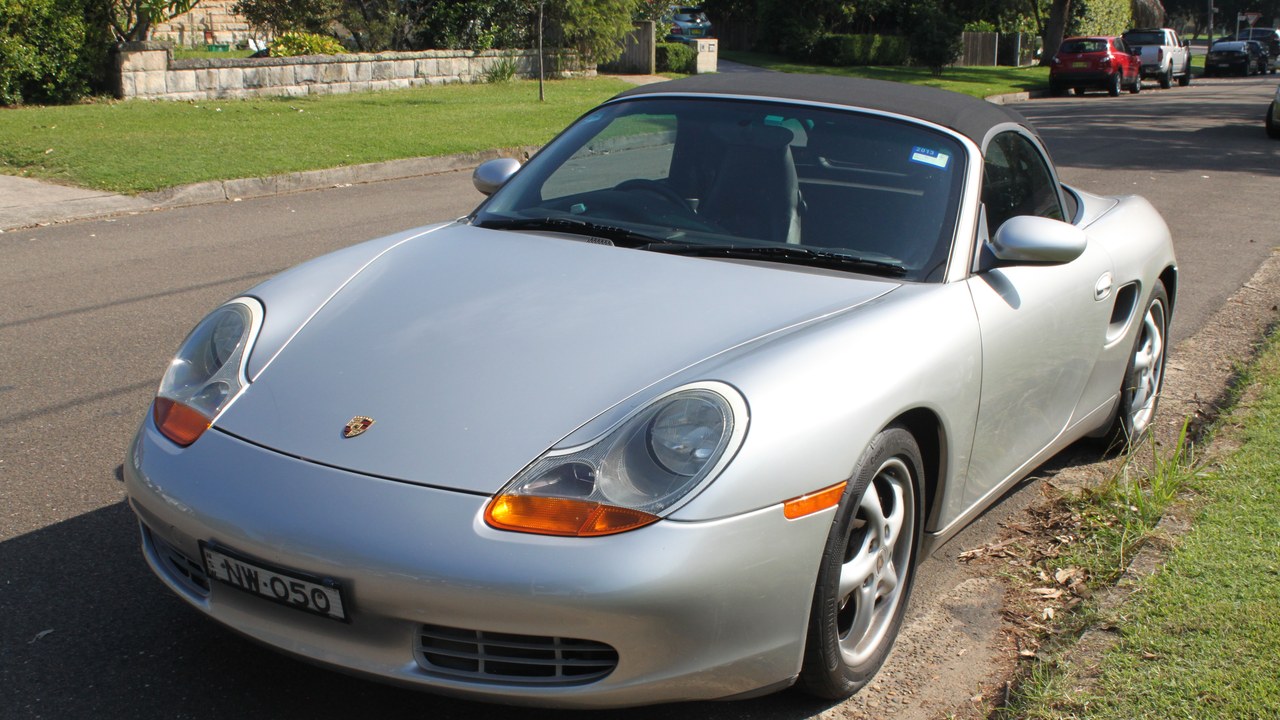
Porsche showed the Boxster concept in Detroit in 1993; when the production car launched in 1996, buyers flocked to it, shoring up Porsche’s finances. The roadster brought a cheaper way into the brand.
Porsche had leaned heavily on aging models, so a fresh and attainable roadster mattered. The Boxster helped steady the company and ultimately set the stage for the broader range that followed in later years, widening its appeal to a broader audience.
7. Lotus Elise: Demand Beyond Supply
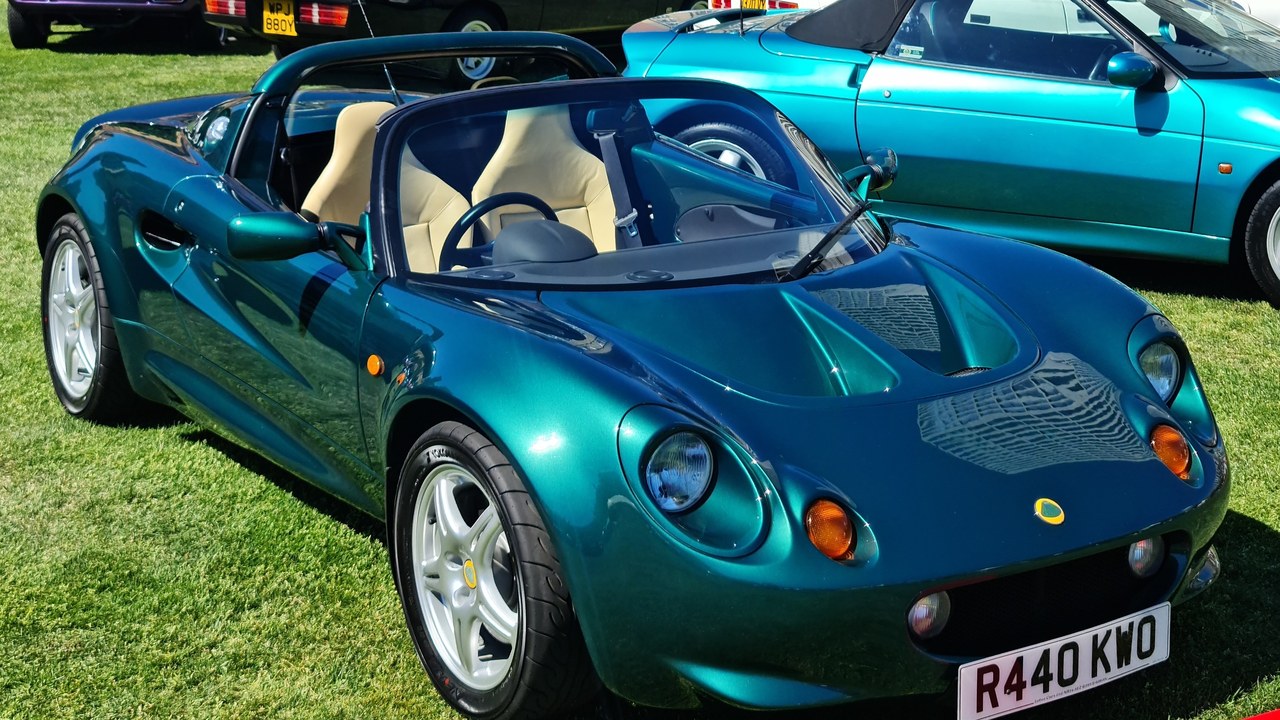
Launched in 1996, three years after GM dropped Lotus, the Elise saw demand outstrip supply, and its success carried Lotus into the new millennium. The featherweight roadster gave the brand a second life.
The Elise proved that a small British sports car with a clear idea could still sell. It remains a favorite among drivers who value light weight and sharp steering over horsepower and luxury features, and its basic recipe stayed attractive for years.
8. Lamborghini Gallardo: An Entry-Level Raging Bull
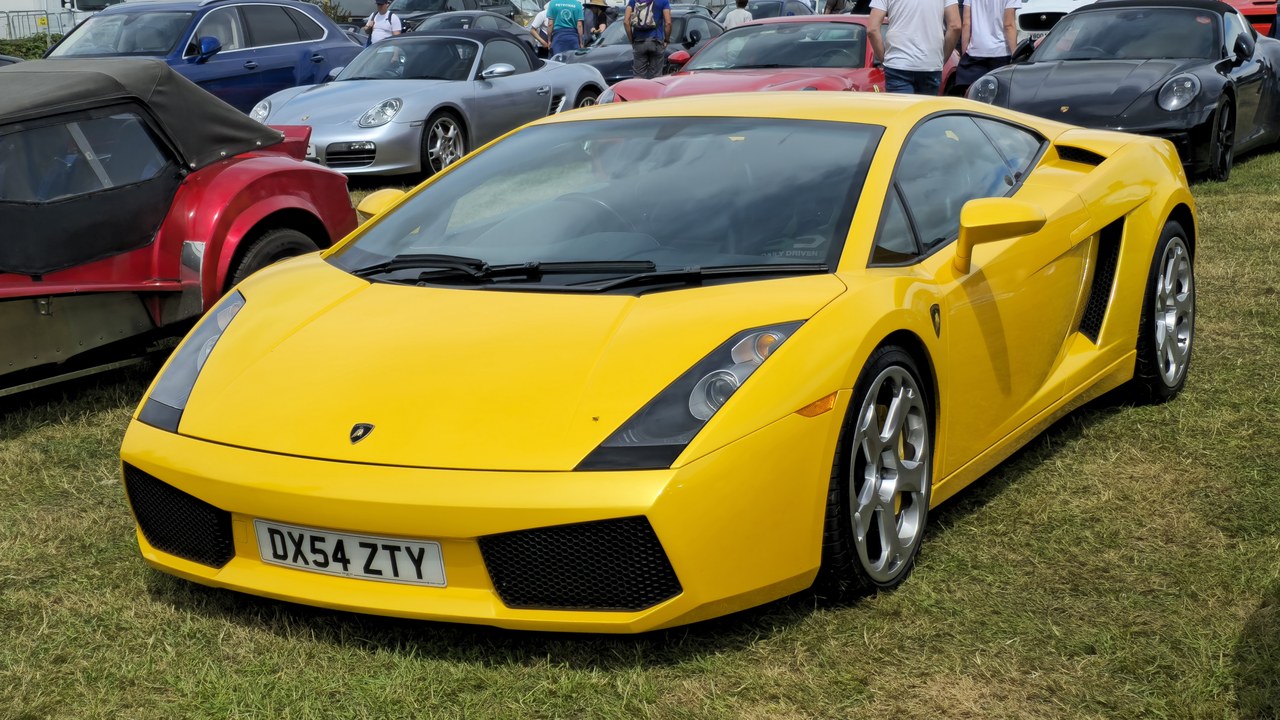
Volkswagen bought Lamborghini in 1998, and the 2003 Gallardo, a more attainable entry-level model, set the brand on the path it remains on today. It widened the audience for the supercar maker.
The Gallardo showed that a smaller, more approachable Lamborghini could anchor a company. Owners and fans of the modern brand can trace much of its current direction to this one car and the corporate backing behind it. That legacy continues to shape the showroom today.
9. Aston Martin DB7: Callum’s Sales Hit
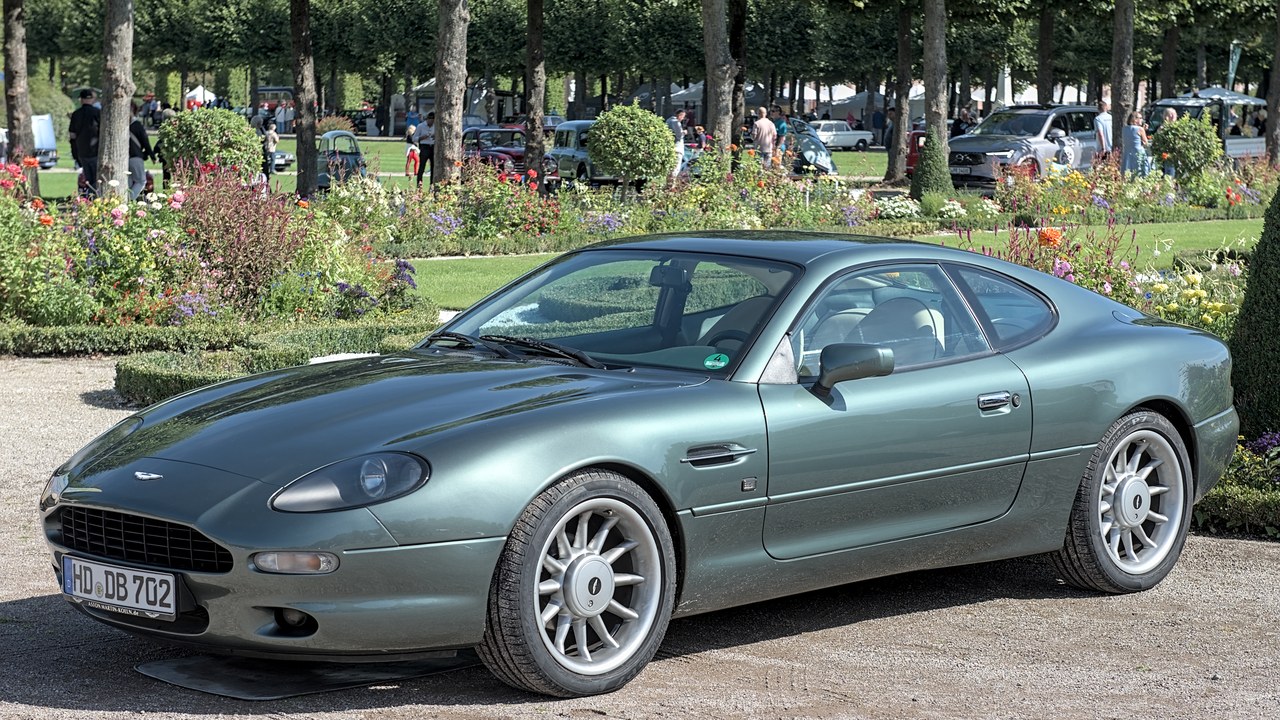
Designed by Ian Callum and launched in 1993, the DB7 was a comparative sales hit that improved Aston Martin’s standing with parent company Ford. It offered a graceful grand tourer at a lower price than earlier models.
By Aston Martin’s own small-volume standards, the DB7 was a breakthrough. It earned the confidence of Ford and gave the marque a stable base, which is why it is regarded as a key turning point for the company and a landmark of the 1990s British sports-car scene.
10. Bentley Continental GT: Seven Thousand in a Year
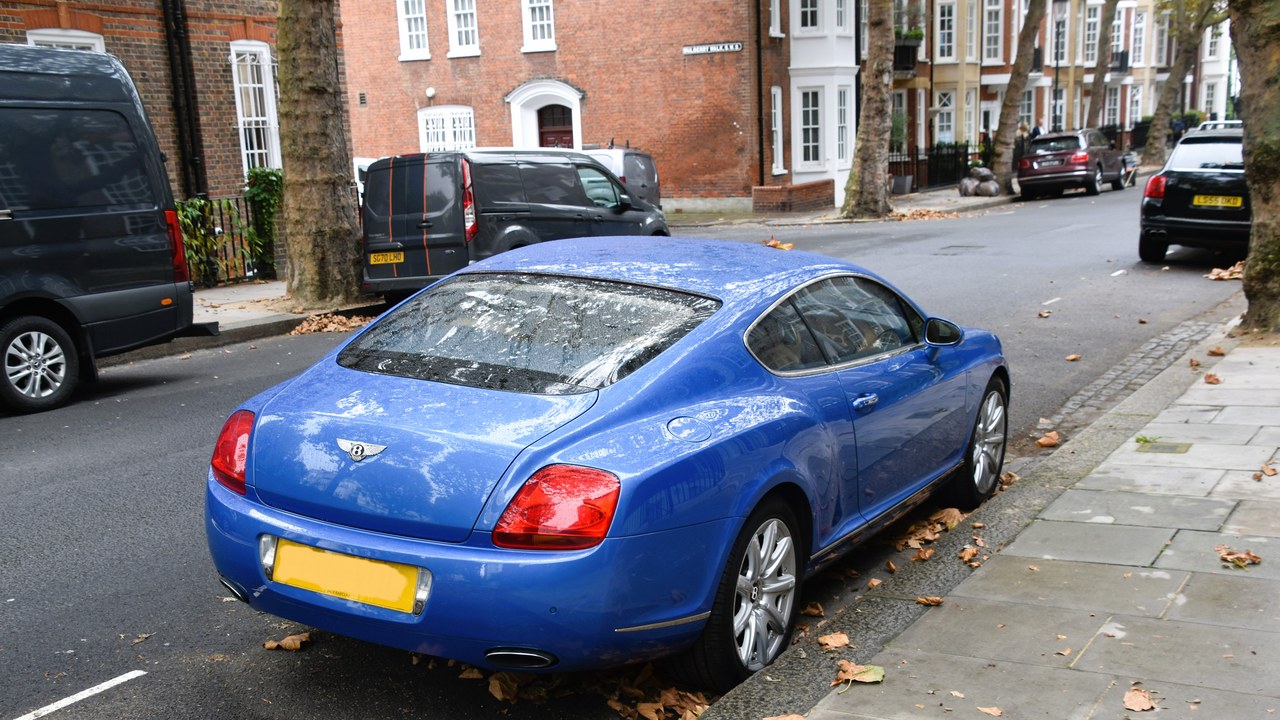
Just over 100 of the old Continental were built in 2003; Bentley built almost 7,000 of the new Continental GT in 2004, in the Volkswagen era. The jump in output was dramatic.
A new, more affordable Bentley transformed a tiny luxury maker into a volume player almost overnight. The numbers show how a single well-timed model can multiply a company’s output within a single year, and they explain the car’s historic importance.
11. Fiat 500 (2007): Sold Out in Three Weeks
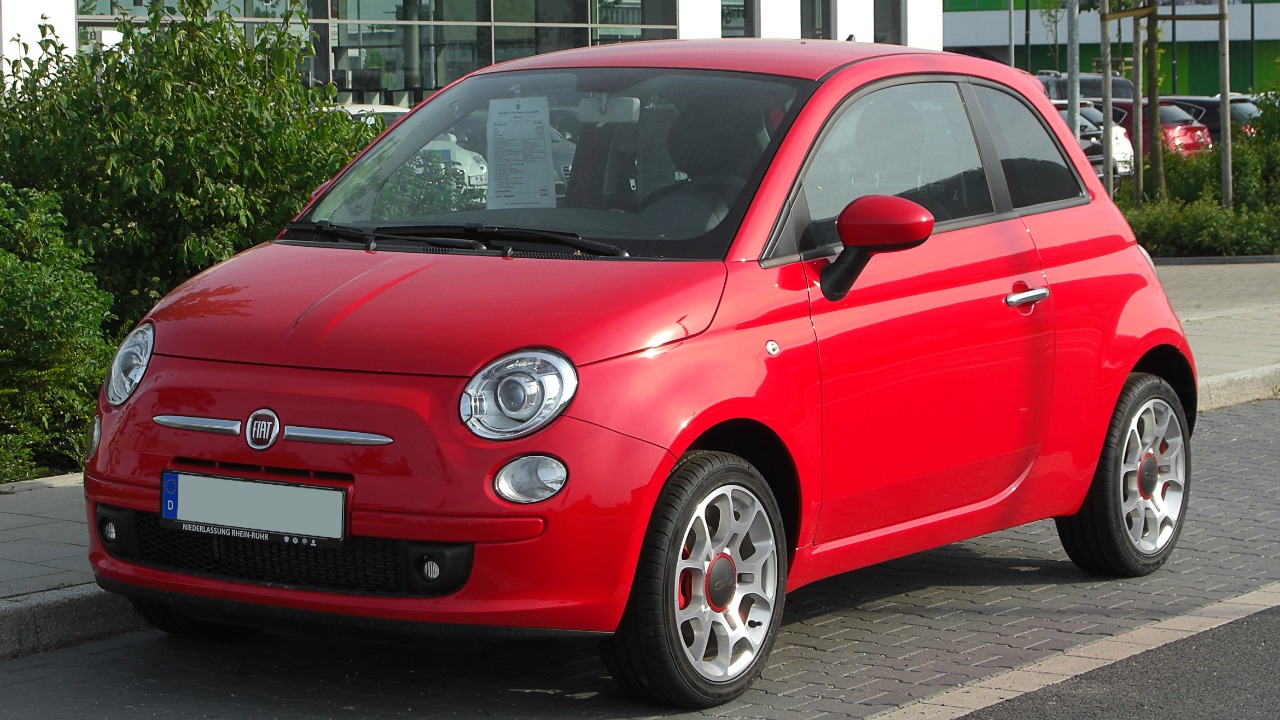
Fiat needed a hit in the mid-2000s; a year’s production of the new 500 sold out within three weeks of launch, and 1.5 million had sold by 2015. The retro-styled city car delivered the lift.
The little Fiat revived affection for a classic name and gave the company a bestseller when it badly needed one. Its long run of sales demonstrates how a simple, charming small car can anchor an automaker’s recovery.
12. Chevrolet Camaro (fifth generation): A Bailout Payback Camaro
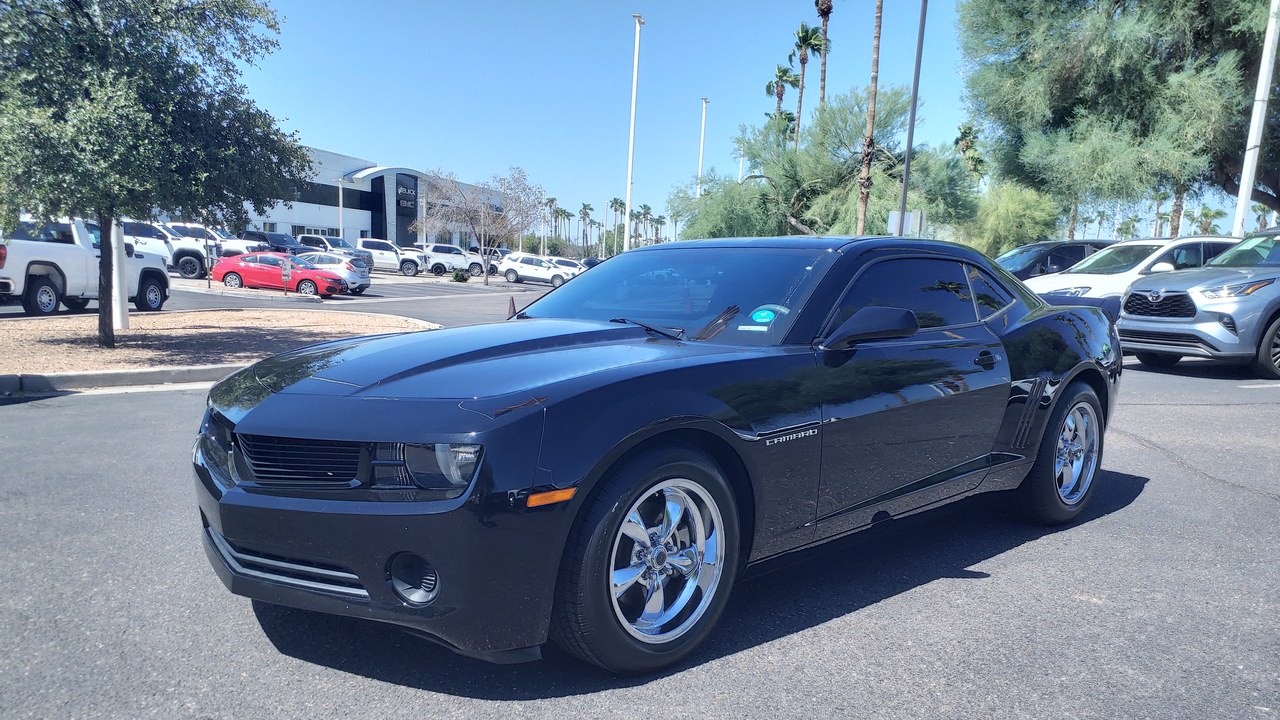
Goodwood calls the 2009 Camaro a retro-futuristic saving grace after the financial crisis, with about 80,000 U.S. sales a year helping repay government bailout money. The revived muscle car arrived at a critical moment.
A halo model with real volume was rare for GM in that period. The Camaro offered a clear emotional pitch while the company was rebuilding, and its sales numbers gave the brand something to celebrate during a difficult recovery.
More from Morning Overview
- Regulators cleared the first U.S. small modular reactor, 4 months early
- Lake Powell sank to a record 3,517 feet, nearing the level that stops Glen Canyon Dam’s turbines
- Seven of Earth’s nine planetary boundaries are breached, and all seven are worsening
- The NSA says three phone features should be off whenever you aren’t using them
