
Engines are meant to outlast the car around them, but some designs shipped with a weak part that was known to fail. Plastic chain guides, stretched chains and thin head gaskets turned routine ownership into four-figure repair bills. Here are twelve cars where those defects show up in the documentation.
1. Subaru Forester (1998-2004): Single-Layer Gasket
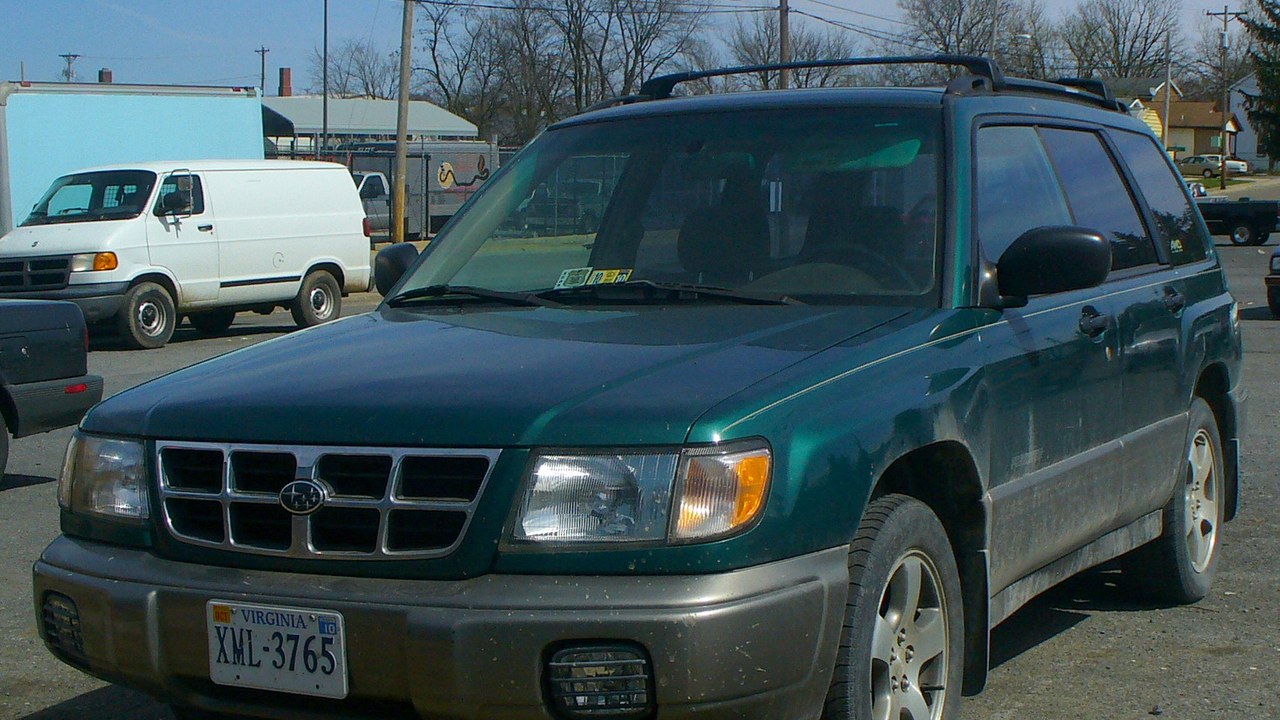
The EJ251 flat-four under this wagon’s hood earned a reputation for leaking coolant, and the documented EJ251 gasket weakness points to a single-layer coated head gasket as the culprit. Later Subaru engines moved to a multi-layer steel design that avoided the problem.
Failure typically arrives as exterior seepage or as breaches between internal channels, letting coolant and oil mingle. Shoppers eyeing an older Forester should ask for proof of a gasket replacement, because the repair means pulling both cylinder heads and costs far more than routine maintenance.
2. Subaru Outback (2000-2004): Same EJ251 Flaw
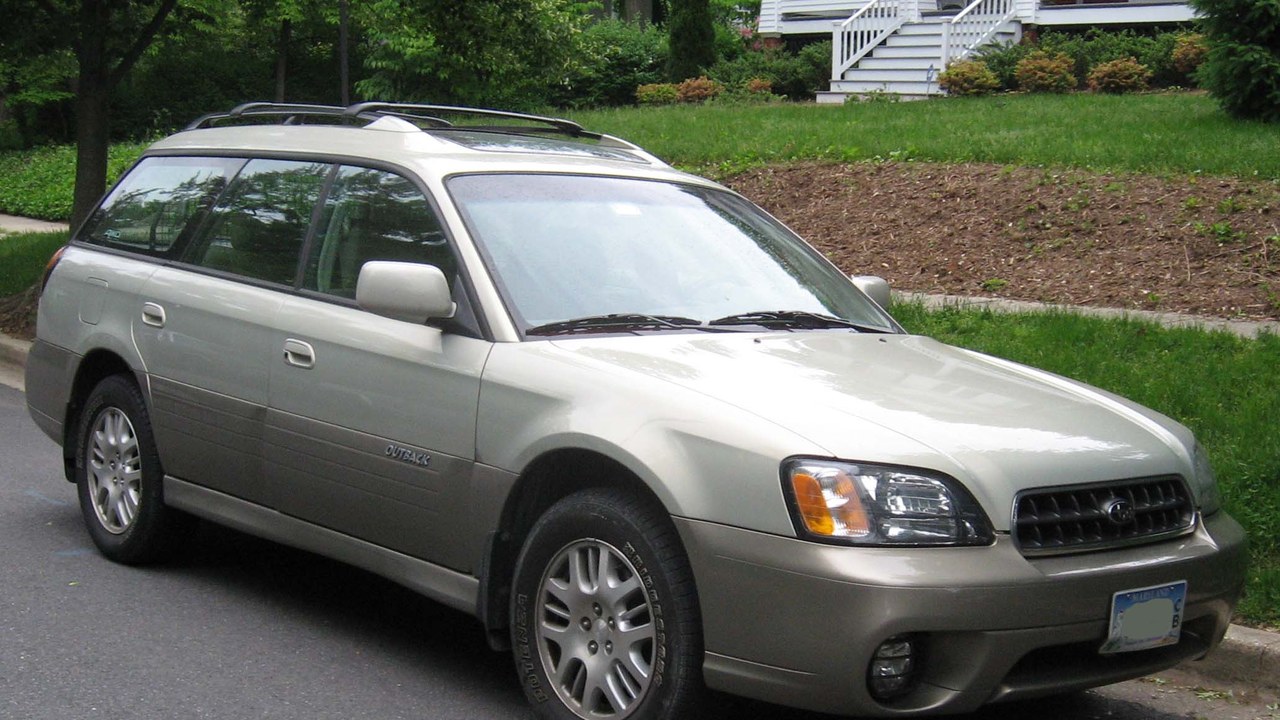
This all-wheel-drive wagon shared its engine with the Forester, so the EJ251 application list applies equally here. The EJ251 head gasket tended to fail either through internal channel breaches or through visible external fluid leaks.
Because the flaw sits in the design rather than in a single bad batch, age and mileage matter less than service history. A documented gasket job with the upgraded multi-layer part is the best evidence that an early Outback has already had its weak point addressed.
3. Subaru Legacy (2000-2004): Sedan With Shared Weakness
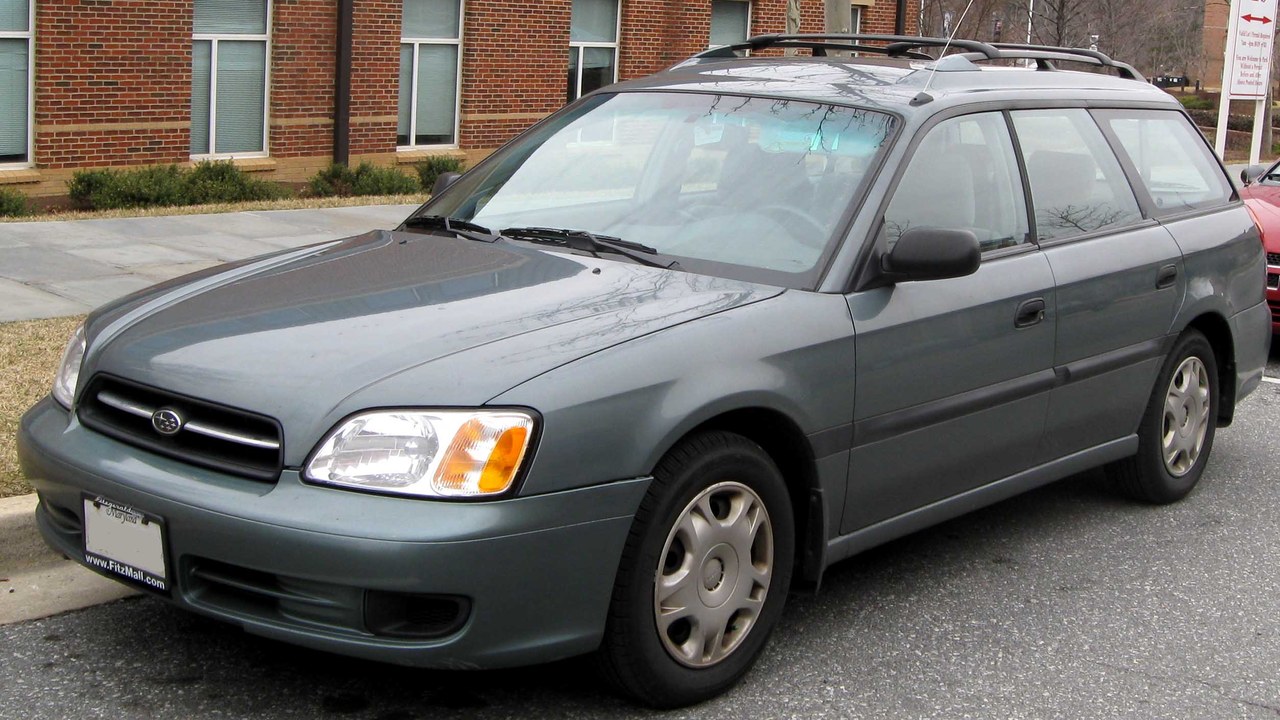
The Legacy sedan appears on the Subaru EJ engine entry among vehicles fitted with the EJ251, and with that engine came the same tendency toward head gasket trouble. Subaru’s single-layer coated gasket was the common thread across the whole family.
Sedan buyers sometimes assume the lower-riding body means a different drivetrain, but the engine bay tells the real story. Checking the coolant reservoir for oil contamination, and the ground beneath for drips, is a cheap first screen before committing to a used example.
4. Subaru Impreza 2.5RS (2000-2004): 2.5RS Rally Lookalike
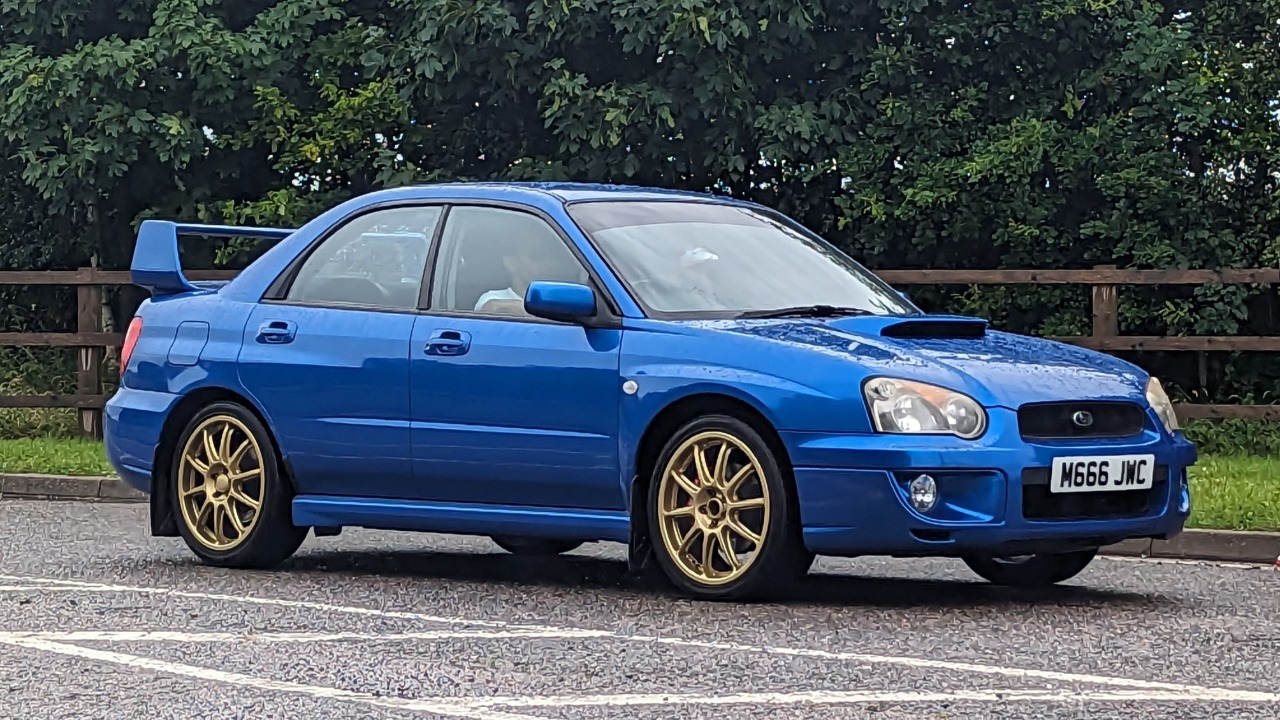
Sporty badging did not exempt this compact from the problem. The 2.5RS, 2.5TS and 2.5OBS all ran the EJ251, and the EJ251 gasket description ties that engine to the single-layer head gasket that gave the Subaru family its leaky reputation.
The car’s enthusiast following makes clean examples tempting, yet a modified or neglected one may hide a seeping gasket behind fresh paint. A prepurchase inspection that includes a coolant pressure test is the sensible safeguard for anyone shopping this generation.
5. BMW X1 (2011-2015): N20 Chain Guides

The N20 four-cylinder in this compact crossover relied on timing chain guides made of polycarbonate, and the BMW N20 article describes how they fail. The chain slackens, jumps teeth on the camshaft sprocket and can wreck the engine; owners filed a class action in 2017.
Early warning signs include a rattle on cold start or a check-engine light for timing correlation. Once the chain skips, repair costs can approach the value of an older car, so any N20 car without documented guide replacement deserves caution.
6. BMW 3 Series (2012-2015 320i): Same Plastic Guides
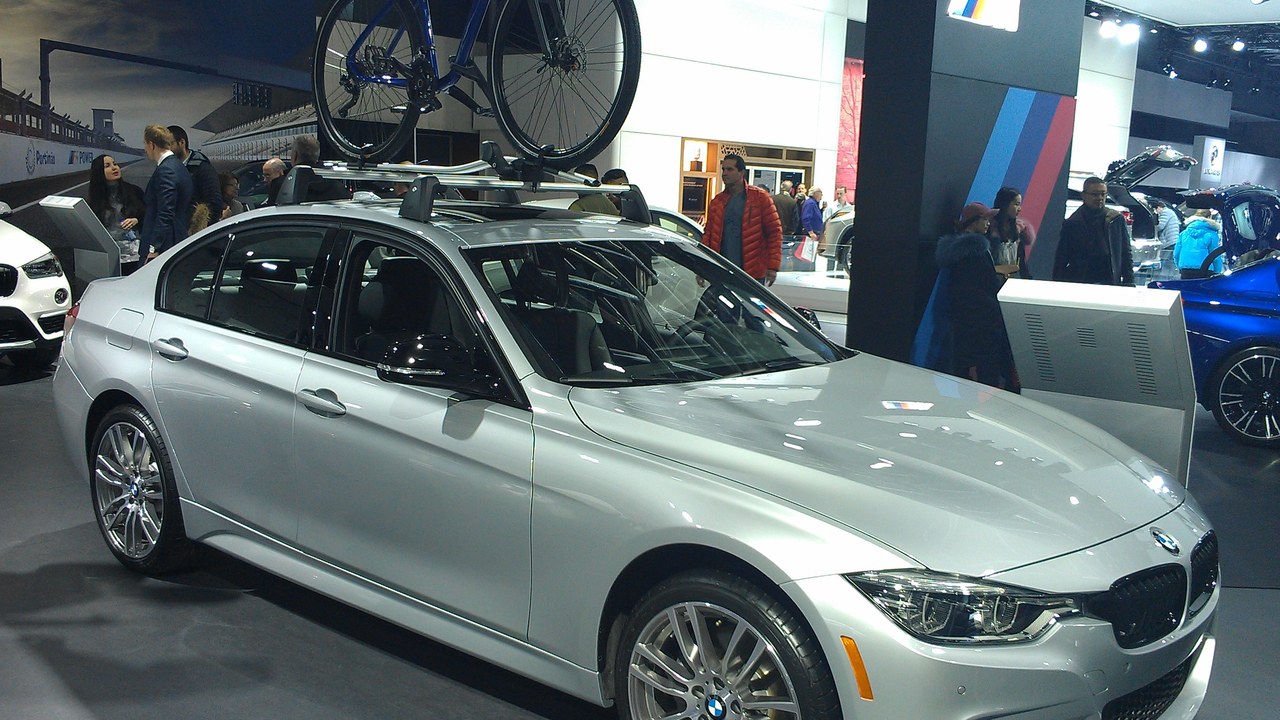
Under the bonnet of the F30 320i sat the same N20 engine, and with it the same failure-prone plastic chain guides described in the BMW N20 documentation. When the guides crack, the chain loses tension and can skip teeth on the camshaft sprocket.
A saloon bought for sensible commuting can therefore carry the same catastrophic repair risk as the crossover. Buyers are better served by service records showing the guides and chain were already renewed than by low mileage alone.
7. Mini Cooper S: Prince Engine Chains
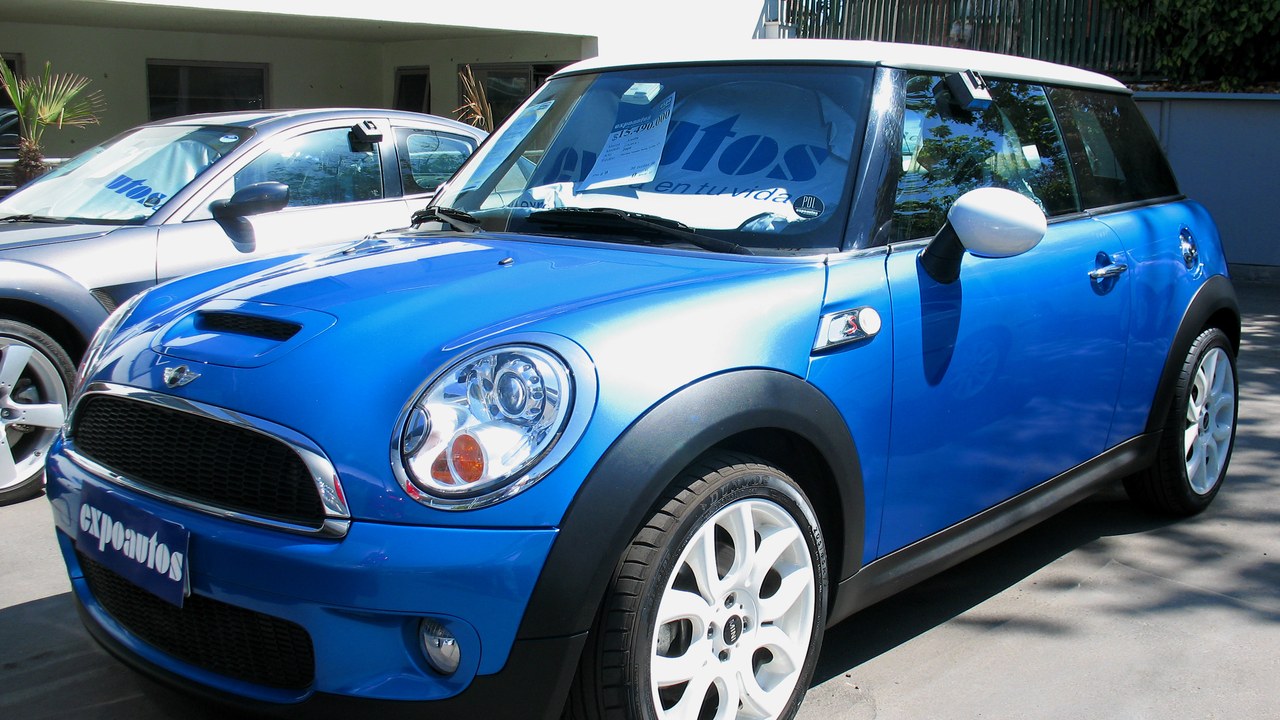
BMW issued a service bulletin in 2013 over failing timing chains and tensioners in the Prince engine used by this hot hatch, as the Prince engine article records. The same engine family also saw recalls and extended warranties covering failing high-pressure fuel pumps.
Two separate weak points in one powerplant make the Cooper S a car where history matters more than horsepower. Listings that mention completed chain work and a replaced fuel pump are worth far more than those that merely advertise a low price.
8. 2013 BMW X3: Costly Chain Guide

Owner complaint data singles out the broken timing chain guide as the worst-rated BMW fault on file, and the carcomplaints BMW listing puts the average bill at roughly $9,000 at 83,000 miles. This midsize crossover is the model named for that failure.
A repair of that size can exceed the market value of an aging example, which turns a mechanical fault into a write-off. Complaint databases reflect reports rather than every car sold, but the cost pattern is a strong reason to budget for guide inspection.
9. 2010 Buick Enclave: Stretched Chain
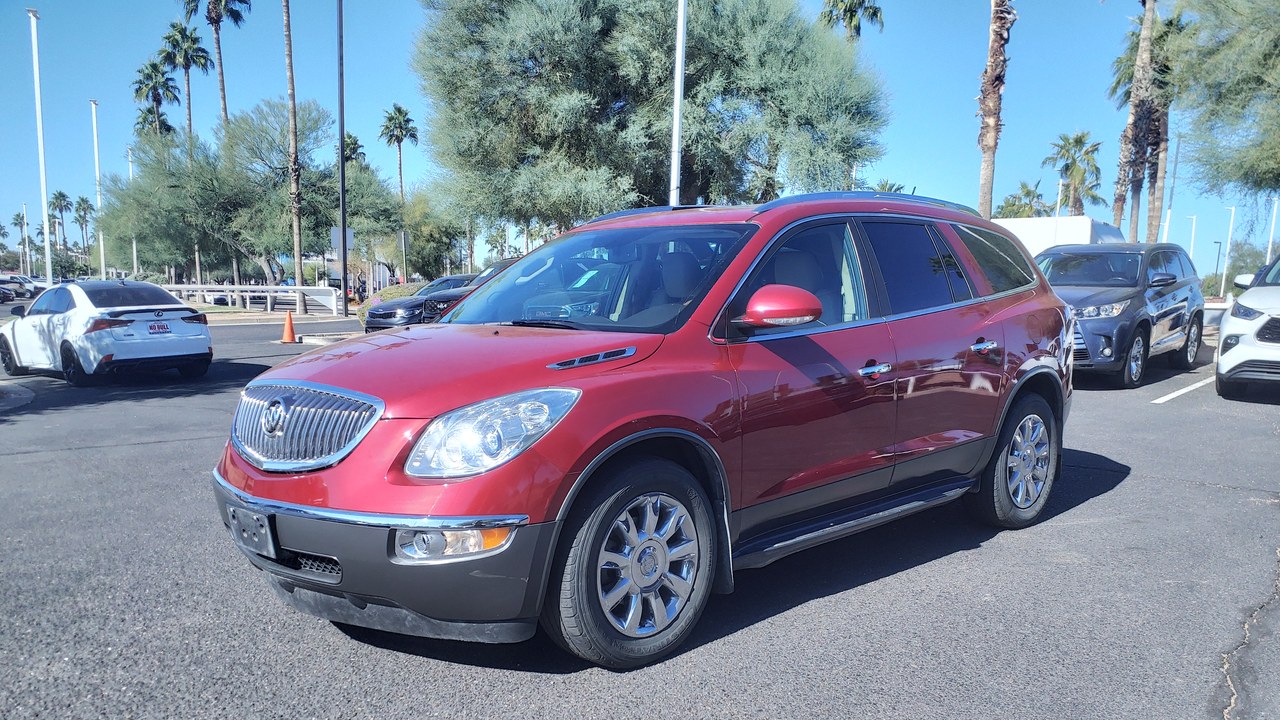
Large three-row crossovers rarely draw attention for engine internals, yet the Buick complaint data lists a stretched timing chain as this Buick’s notable problem. The average repair runs about $3,000 and tends to arrive near 105,000 miles.
A stretched chain upsets valve timing, which can bring rough running, poor economy and a stored fault code before outright failure. Catching it early is cheaper than waiting, so a used Enclave near that mileage warrants a timing check during any inspection.
10. 2004 Chevrolet Aveo: Belt Failure
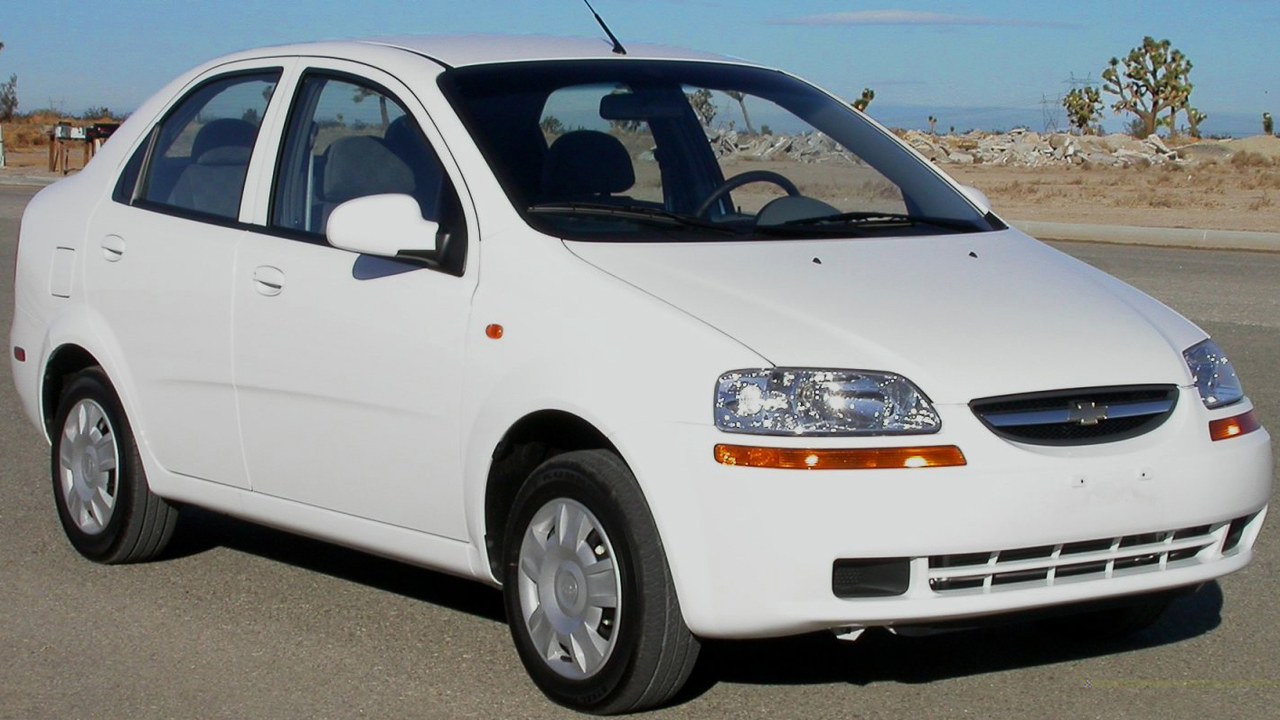
Among owner reports for this budget hatchback and sedan, timing belt failure ranks as the worst-rated problem, with the Chevrolet complaint listing showing an average repair of about $2,200 at 73,000 miles. Failure usually means a car stops running without warning.
The figure is large for a car that cost little when new, and it often exceeds what a decade-old example is worth. Anyone considering one should confirm when the belt was last changed and treat a missing record as a reason to walk away.
11. 2005 Nissan Sentra: Blown Head Gasket
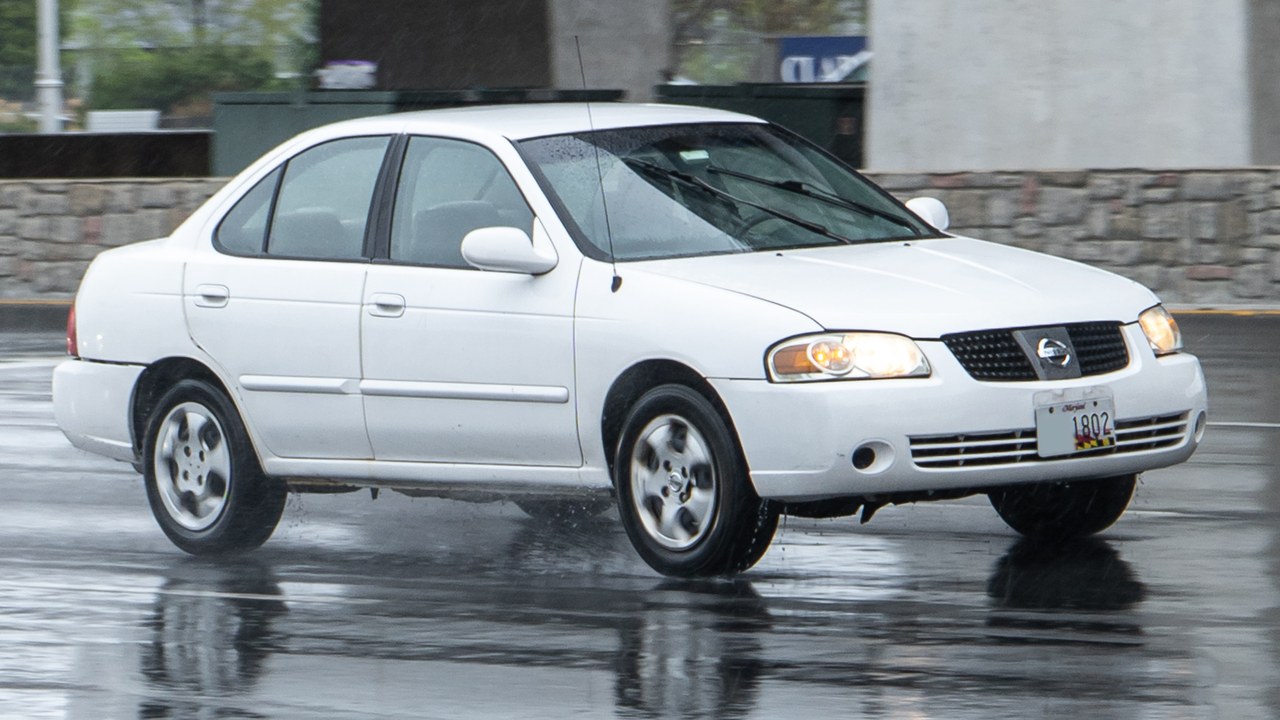
Reports on this compact sedan put a blown head gasket at an average cost of about $1,300, typically around 76,000 miles, according to the Sentra complaint page. That mileage is early for an engine that should last far longer.
The repair is more affordable than several others in this list, yet it can still cost a large share of the car’s value. Overheating is the usual trigger or consequence, so watching the temperature gauge and coolant level is worthwhile for any owner.
12. 2017 Chevrolet Cruze: Cracked Piston
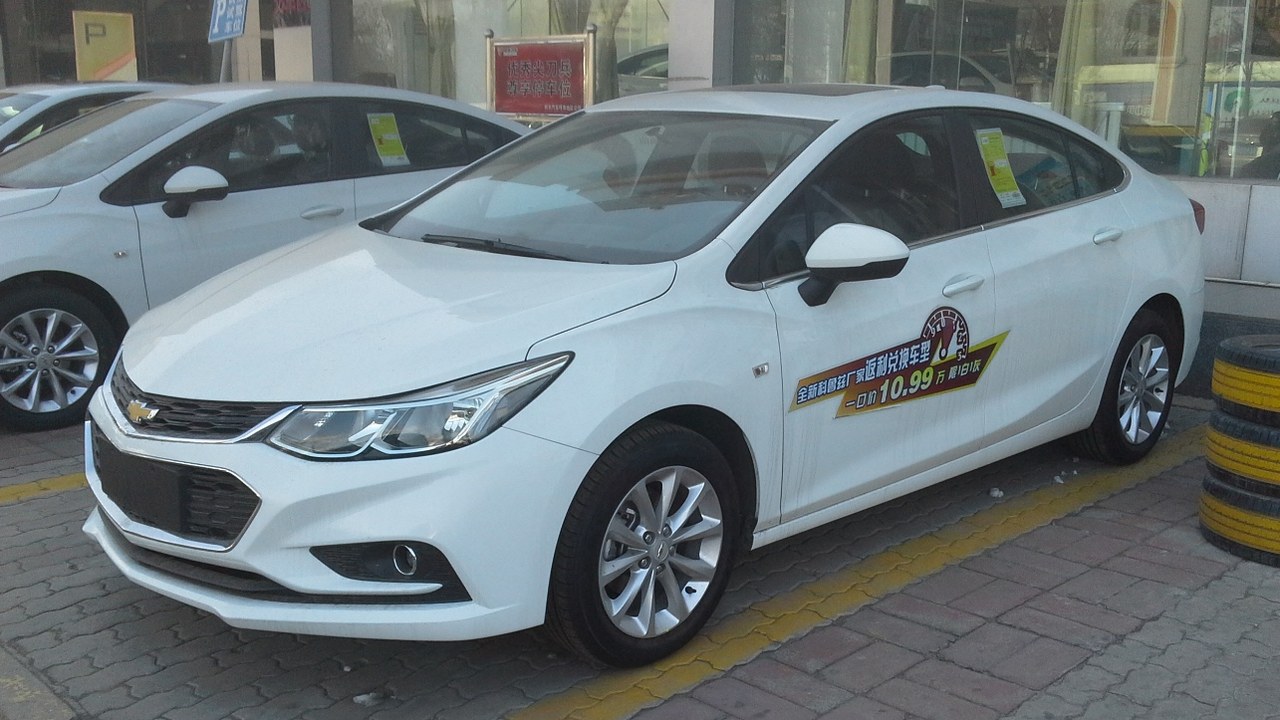
The most striking number here is mileage. The Cruze complaint page reports a cracked piston averaging $2,700 at only 33,000 miles on this compact sedan, far earlier than most drivers expect a major engine fault.
Such a failure so early often falls inside warranty coverage, which softens the cost for the first owner but not for a later buyer. Used shoppers should confirm any engine work was completed and documented before treating a low-mileage example as a bargain.
More from Morning Overview
- Doctors warn a silent liver disease now affects one in three American adults
- Common allergy, bladder and sleep pills tied to sharply higher dementia odds
- The second-largest U.S. reservoir just fell to its lowest level ever recorded
- Security experts still urge phone owners to switch off one location-tracking setting
