
Turning circle decides whether a tight corner takes one smooth sweep or an awkward back-and-forth. Published curb-to-curb figures range from the 31.4-foot Prius at one end to the 39.8-foot Tesla Model Y at the other. Here are twelve cars ranked by how much pavement each one needs to turn around.
1. Hyundai Elantra N: Wide Rubber, Wide Circle
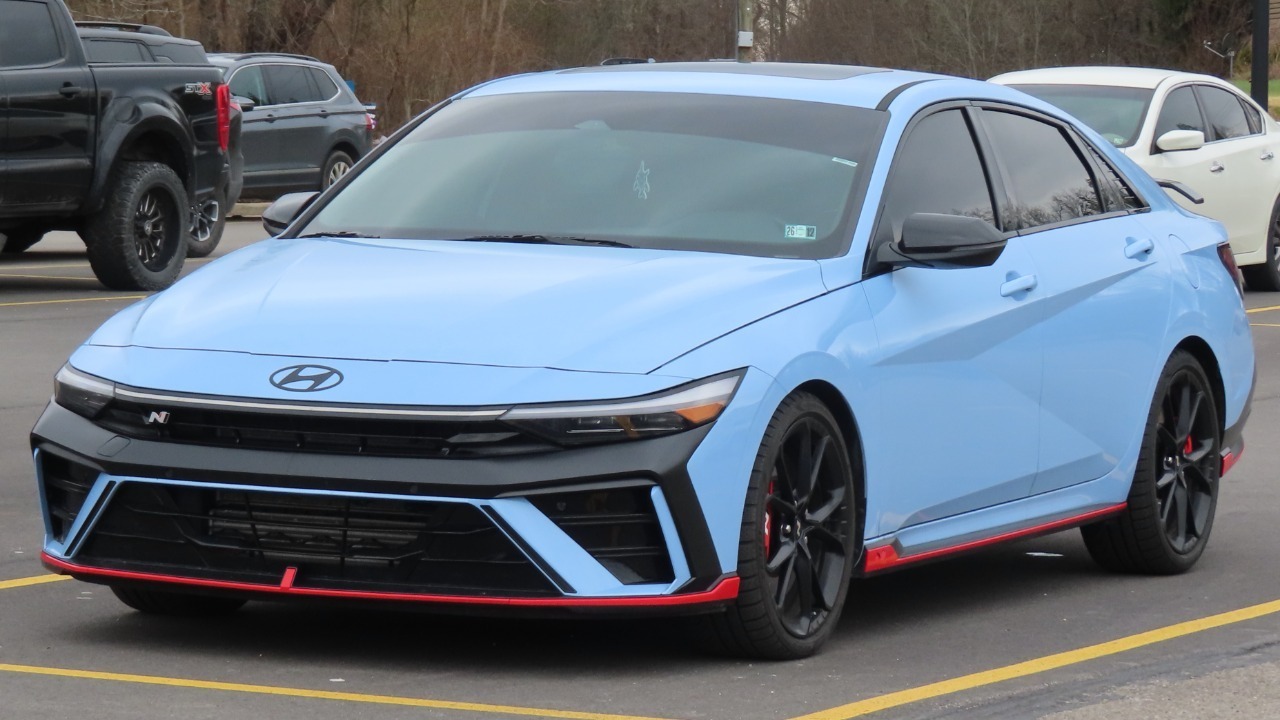
The sportiest Elantras pay for their wider tires in parking lots. autopadre turning-radius tables for the 2022 and 2023 N Base models give a 19.2-foot radius, which works out to a 38.4-foot turning circle.
Ranked here as one of the wider turners, the hot Elantra asks for noticeably more room than its commuter sibling. Tight garage ramps and narrow drive-throughs are where that extra width of circle shows up first. For context, the Venue on this list manages 33.2 feet, so the gap between the two Hyundai models is more than five feet.
2. Toyota Prius: The Tightest Turner Here
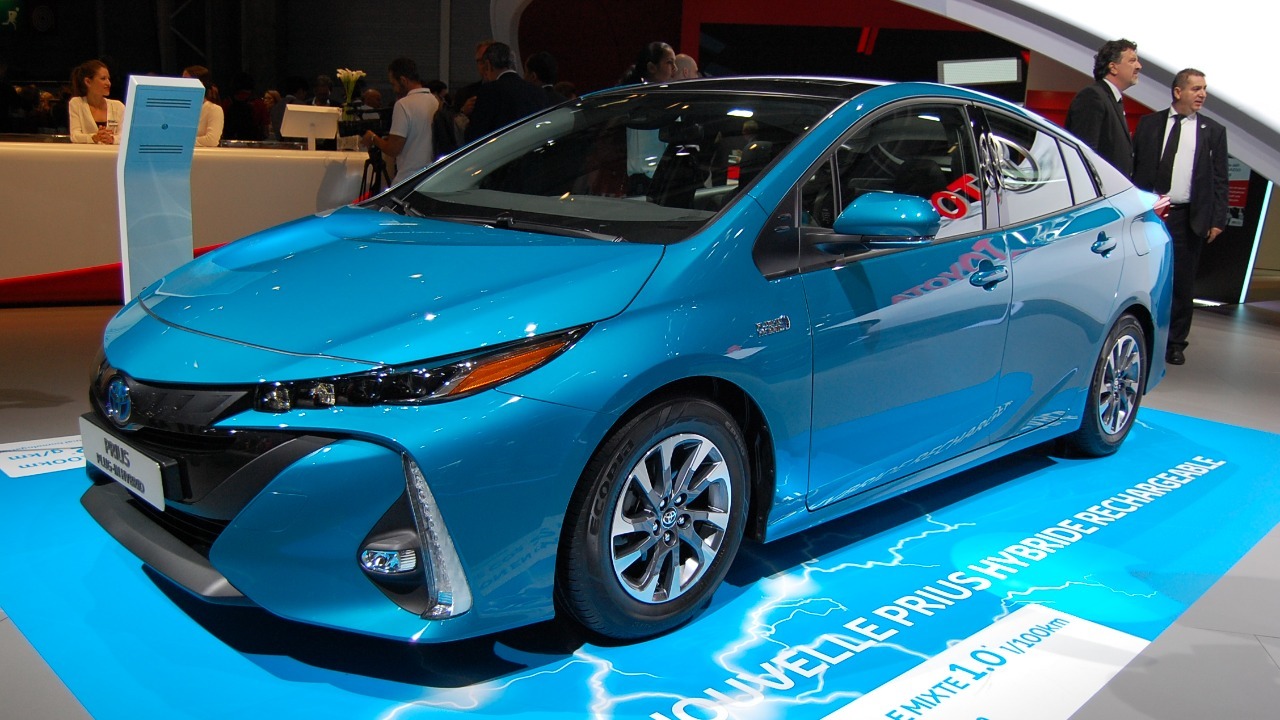
Of every car on the list, the Prius posts the smallest figure: Prius turning diameter tables tabulate diameters as tight as 31.4 feet, with 2027 LE models at 34.4 feet and Limited and XLE trims at 35.4.
Trim and wheel choice clearly move the number, so the 31.4-foot figure belongs to specific configurations rather than every Prius. Anyone cross-shopping for city driving should check the exact trim, since the spread runs about four feet. The headline figure of 31.4 feet is also less than a foot wider than the 30.8 feet listed for the Mazda Miata.
3. Hyundai Venue: Small Crossover, Small Circle
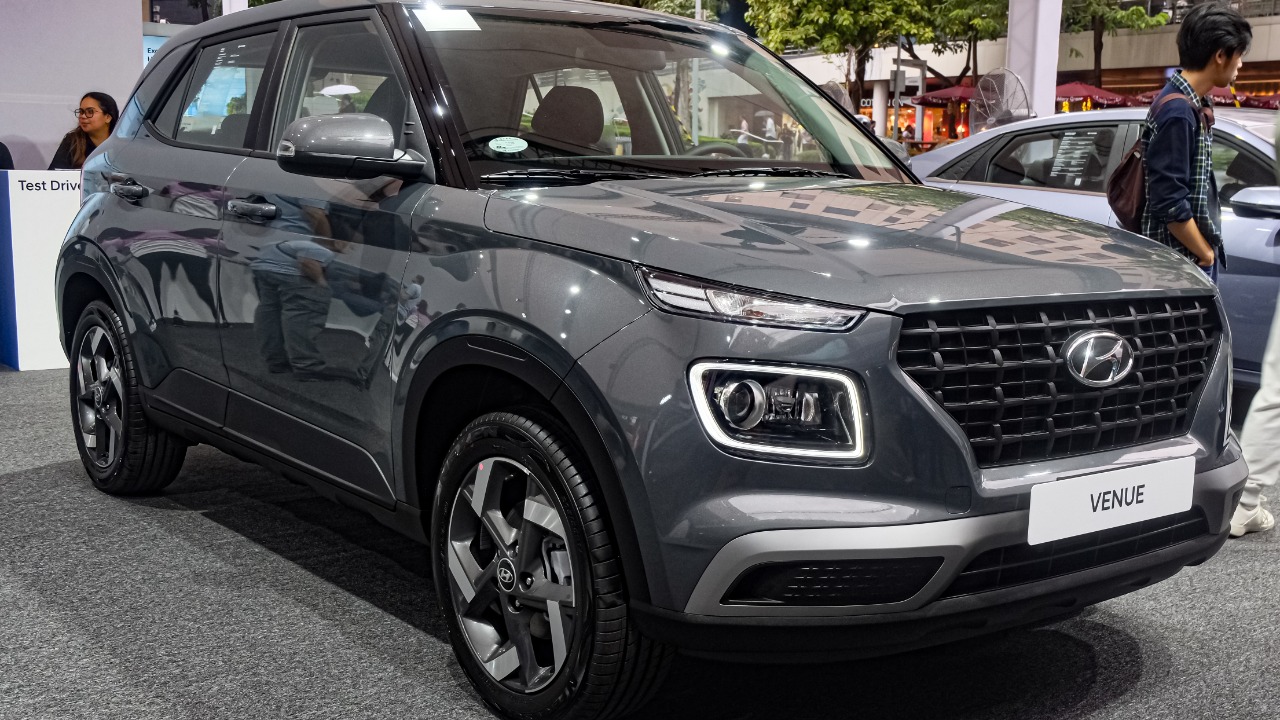
Hyundai’s smallest crossover swings around in 33.2 feet for 2026, based on a 16.6-foot curb-to-curb radius, according to Venue turning radius page. Models from 2020 through 2023 are listed slightly wider at 33.4 feet.
That puts the Venue ahead of most crossovers and many sedans for tight-quarters work. Short length and modest wheel sizes do the job, which makes U-turns on narrow streets less of a negotiation. Compared with the 39.8-foot Tesla Model Y, the Venue saves more than six feet of circle.
4. Nissan Kicks: Slightly Bigger Now
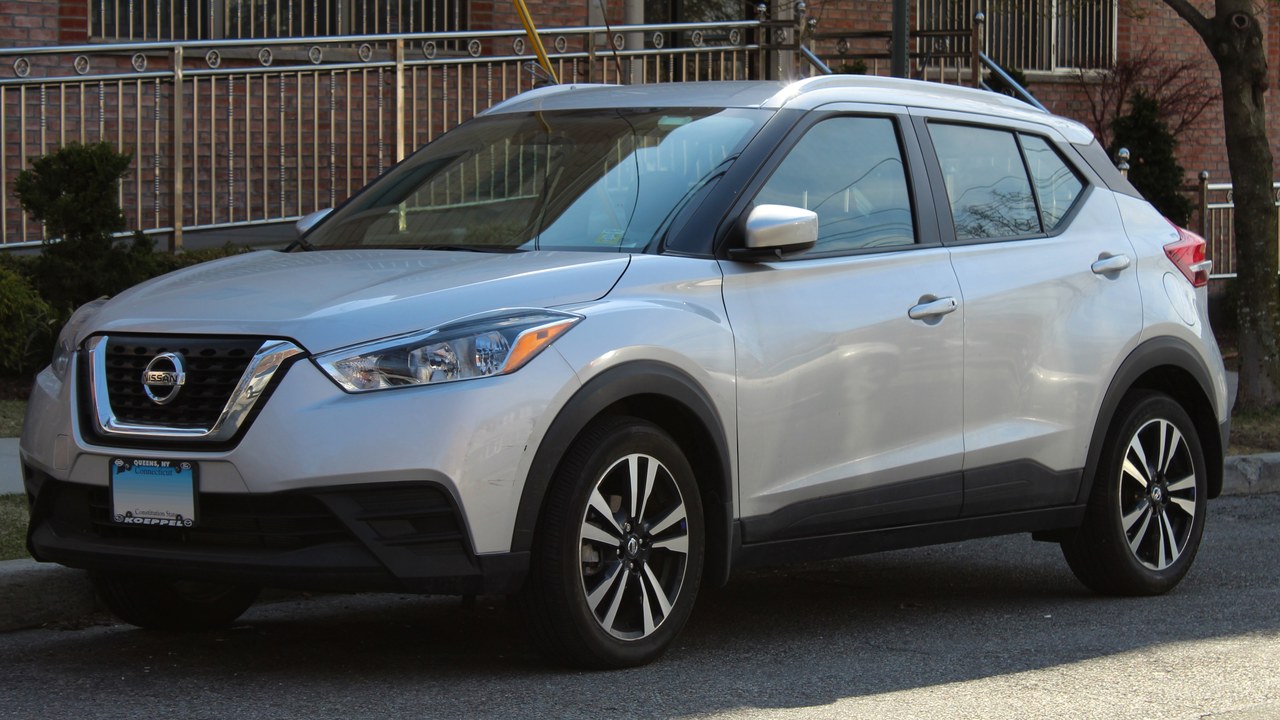
Nissan’s subcompact crossover is listed by autopadre at a 17.1-foot curb-to-curb radius for 2018 through 2023, a 34.1-foot circle. The 2026 and 2027 cars grew slightly, to 17.4 feet and 34.8.
The redesign traded a few inches of maneuverability for a different shape. A difference of less than a foot is unlikely to change a parking decision, but the older Kicks still holds the edge on paper. Both figures are curb-to-curb diameters, the full circle, with the radius shown alongside on the same page.
5. Nissan Versa: A Sedan That Turns Like a Hatchback
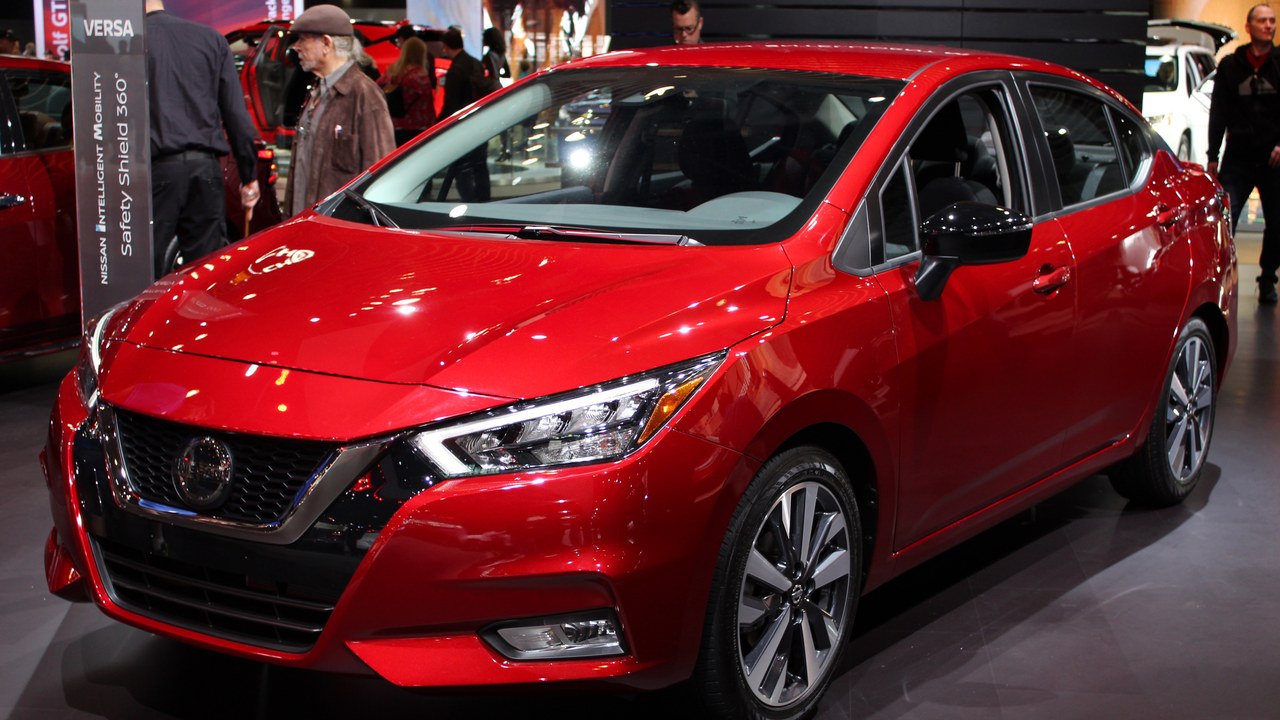
Across 2014 through 2023, the Versa’s curb-to-curb turning radius is 17.4 feet, a 34.8-foot circle, per Versa turning radius figures. The 2012 car needed 37.2 feet, so the shrink between generations is real.
A budget sedan with that figure handles tight parallel spots and crowded lots with less fuss than its size suggests. Few compact sedans on this list match it, which counts as a quiet advantage in city ownership. The 34.8-foot figure is identical to the older Elantra and the Soul, so the three cars tie on paper.
6. Kia Soul: Boxy But Nimble
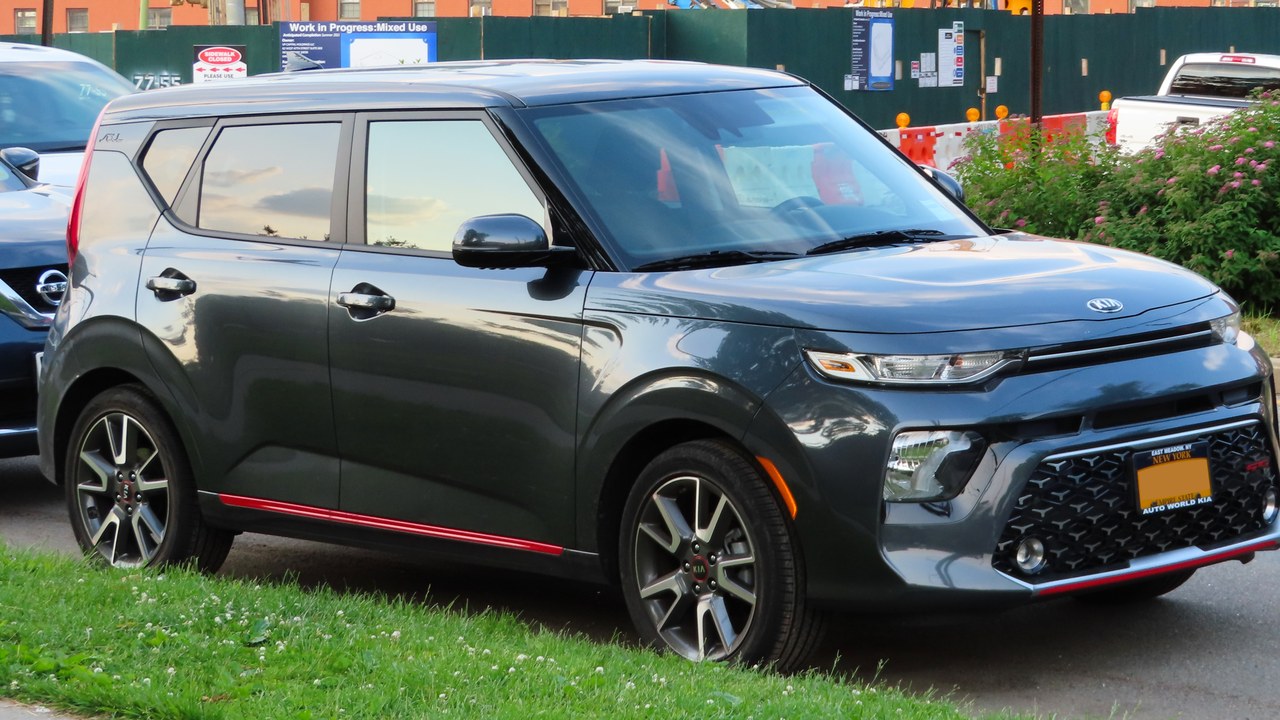
Kia’s boxy hatchback is tabulated at a 17.4-to-17.5-foot curb-to-curb radius across 2014 through 2023, according to Soul turning circle data. That converts to a 34.8-foot circle on most trims and 35.0 feet on the electric version.
Square corners mean the shape hides a surprisingly compact turn. The EV’s extra two-tenths of a foot is small enough to ignore for most driveways, though it does edge the Soul slightly down the ranking. That shared 34.8-foot mark also matches the Versa, which makes the Soul a rare boxy car in the same league.
7. Hyundai Elantra: The Everyday Elantra
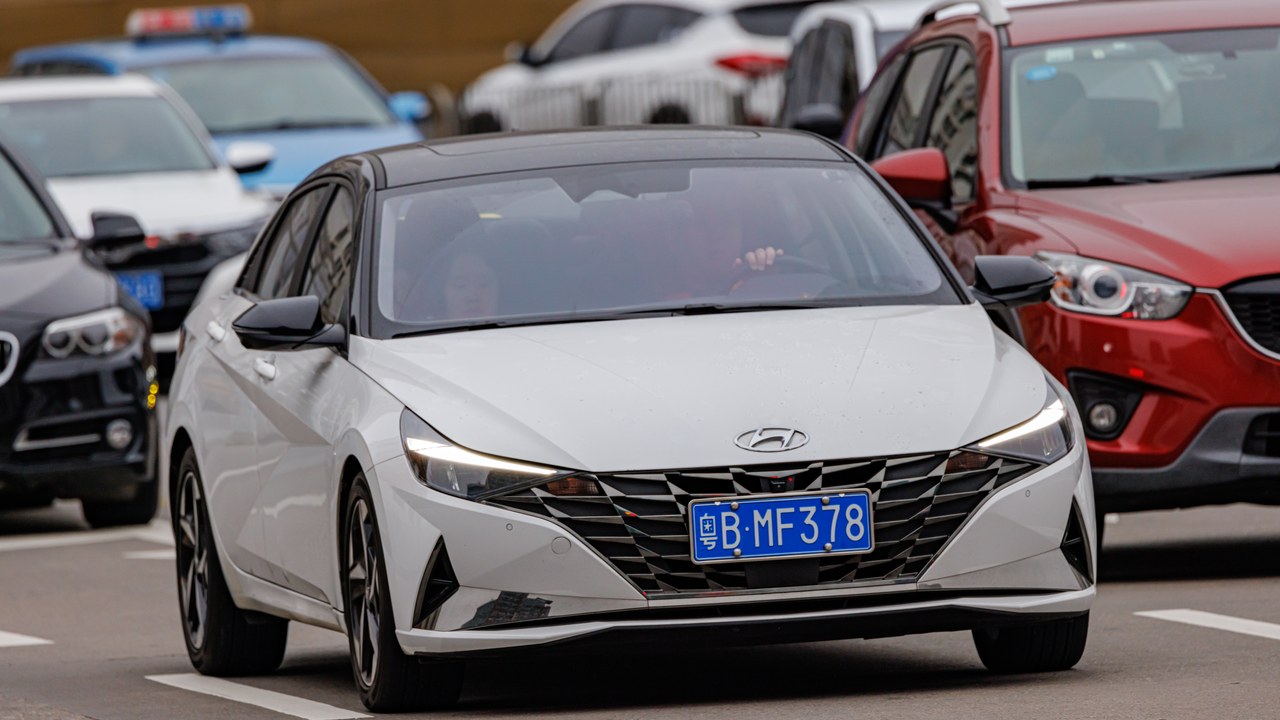
Wheel and trim choices explain the swing: Elantra turning radius tables list the 2014 through 2016 Elantra at a 17.4-foot radius and a 34.8-foot circle, while by 2026 most trims need 35.4 feet.
That is still a respectable figure for a compact sedan, and it sits well below the 38.4 feet the sportiest version requires. Buyers who care about tight turns should favor standard trims over the performance package. The same page also shows how much the figure depends on model year, with the spread from 34.8 to 38.4 feet.
8. Mini Cooper: Small Car, Honest Number
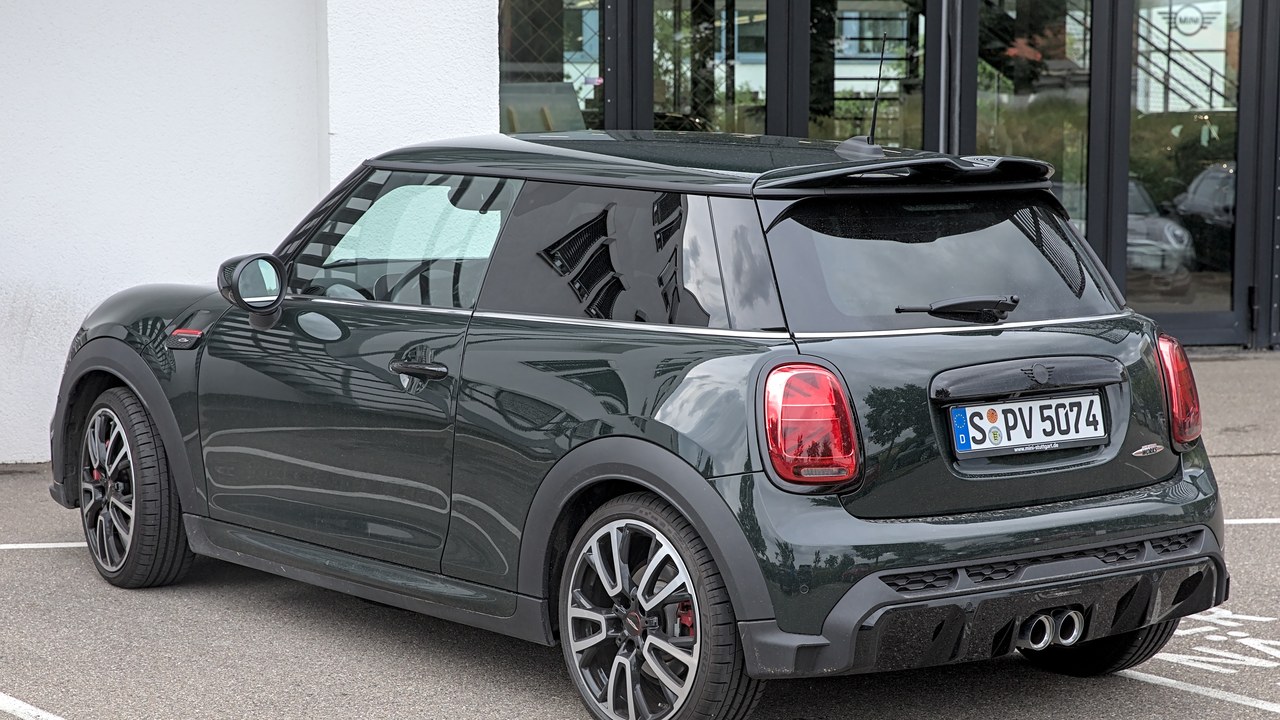
The Mini’s reputation holds up: Mini Cooper turning tables lists the Hardtop SE Coupe at a 17.6-foot curb-to-curb radius and a 35.1-foot turning diameter, the tightest entry in its 2014-to-2027 tables.
Other Mini trims run wider, up to a 19.35-foot radius, so the nimble image depends on configuration. Even so, a short wheelbase keeps the typical Cooper comfortably competitive for city parking. The 35.1-foot diameter is only about a tenth of a foot wider than the Kia Soul electric version at 35.0.
9. Chevrolet Trax: Mid-Pack Crossover
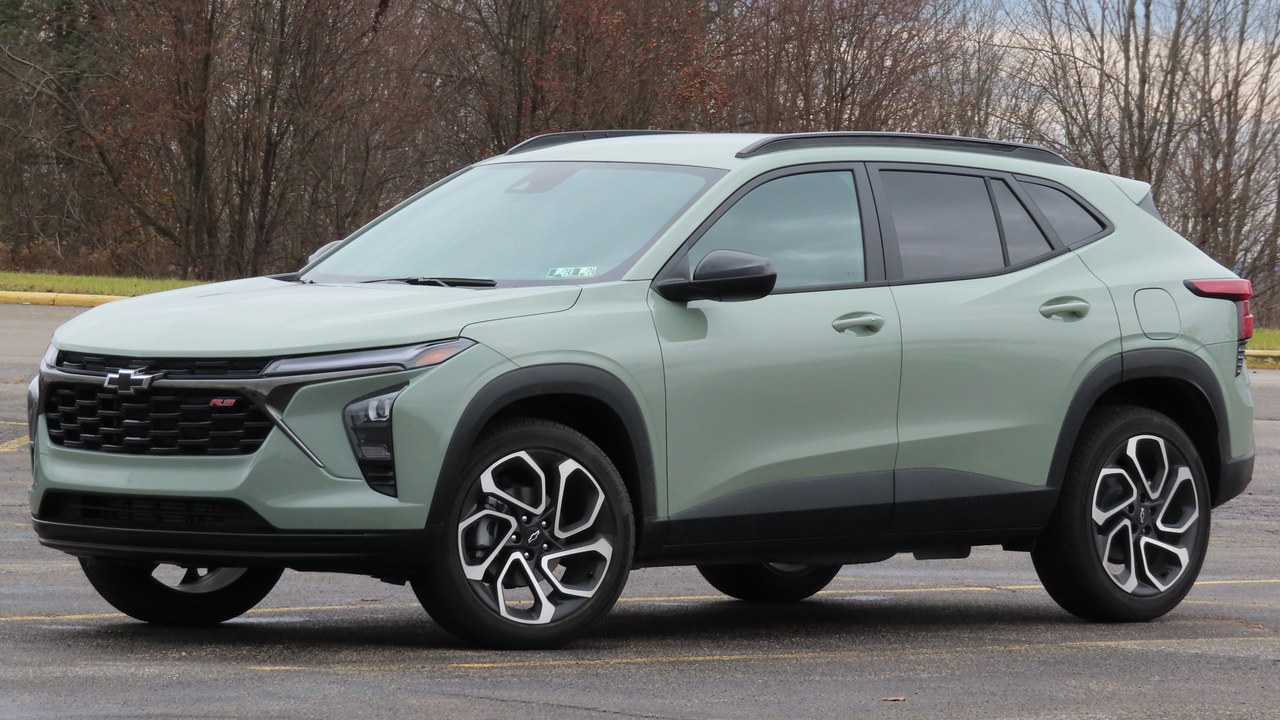
The 2021 and 2022 Trax is tabulated at a 17.7-foot curb-to-curb turning radius and a 35.4-foot turning diameter, based on the autopadre Trax page. That lands the Chevrolet near the middle of the ranking.
A figure like that suggests a competent urban crossover without the Venue’s pocket-size advantage. Garage ramps and tight lots are manageable, though a three-point turn may come up sooner than in the smallest cars. At 35.4 feet, the Trax matches the 2019 through 2021 Civic and the Corolla Cross exactly.
10. Honda Civic: Compact Sedan, Bigger Circle
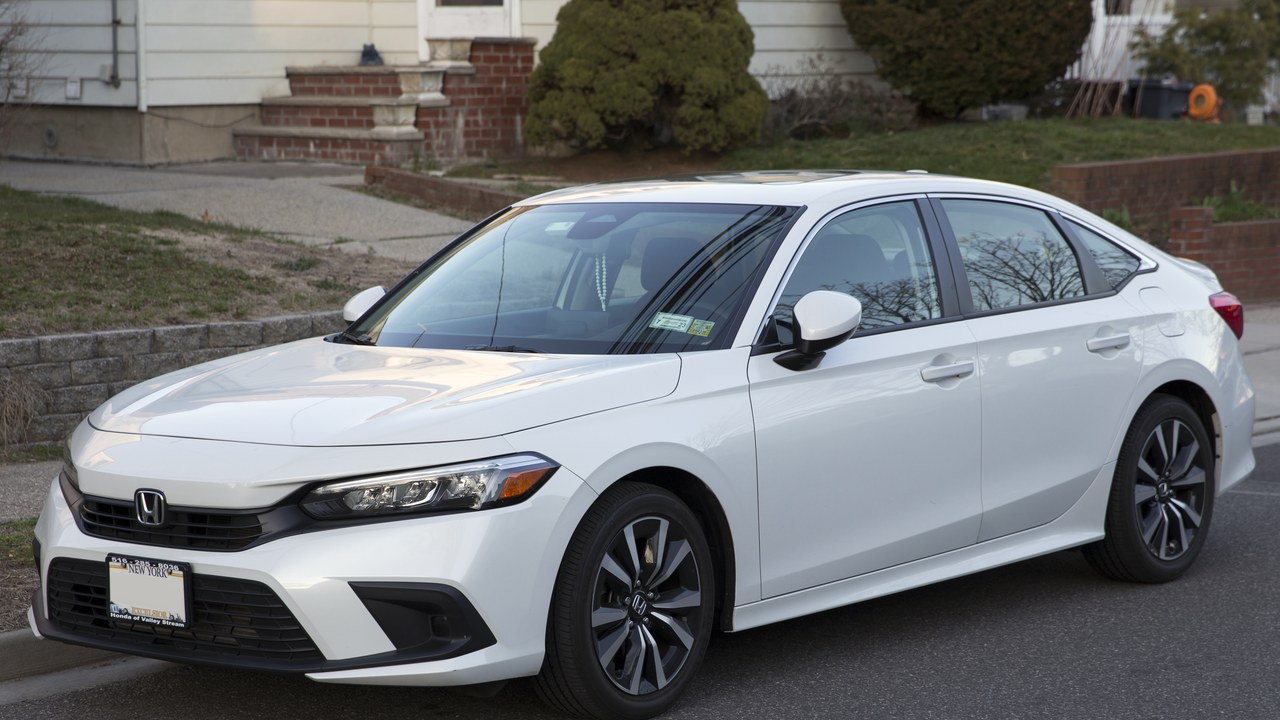
The Civic’s tightest tabulated figure is a 17.7-foot radius and a 35.4-foot circle on 2019 through 2021 cars, per Civic turning diameter data. The 2026 Civic needs 38.1 to 39.9 feet, noticeably more.
Newer Civics have grown wheels and size, and the turning circle grew with them. Owners moving from an older model to a recent one may notice the wider arc on narrow streets. The gap between 35.4 feet and 39.9 feet is nearly five feet.
11. Toyota Corolla: A Range by Body Style
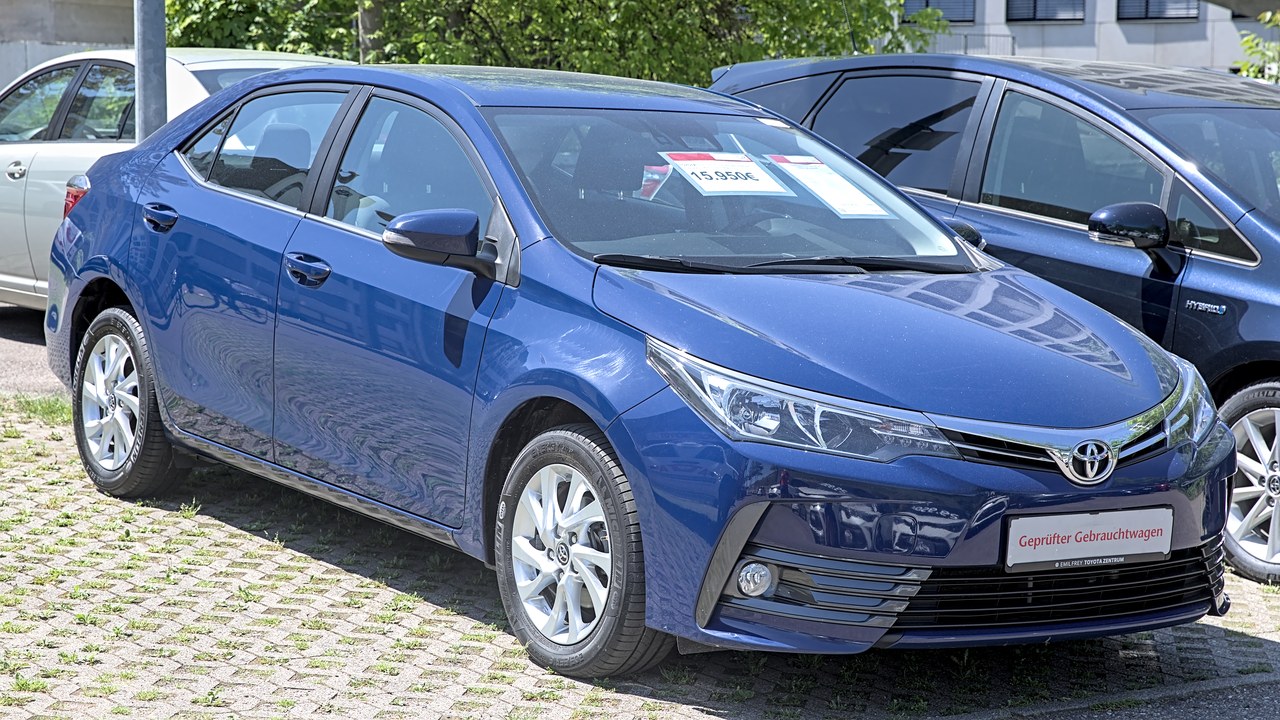
Corolla turning diameters run 35.4 feet for the 2022 through 2026 Cross, 35.6 feet for most sedans and 37.4 feet for certain hatchbacks, according to Corolla turning circle tables.
Body style matters more than badge here, since the hatchback needs two feet more than the Cross. Shoppers comparing versions should read the table for the exact configuration rather than assume a single Corolla number. The 35.4-foot Cross figure ties the Trax and the older Civic, while the hatchback figure is closer to the Elantra N.
12. Tesla Model Y: The Wide End
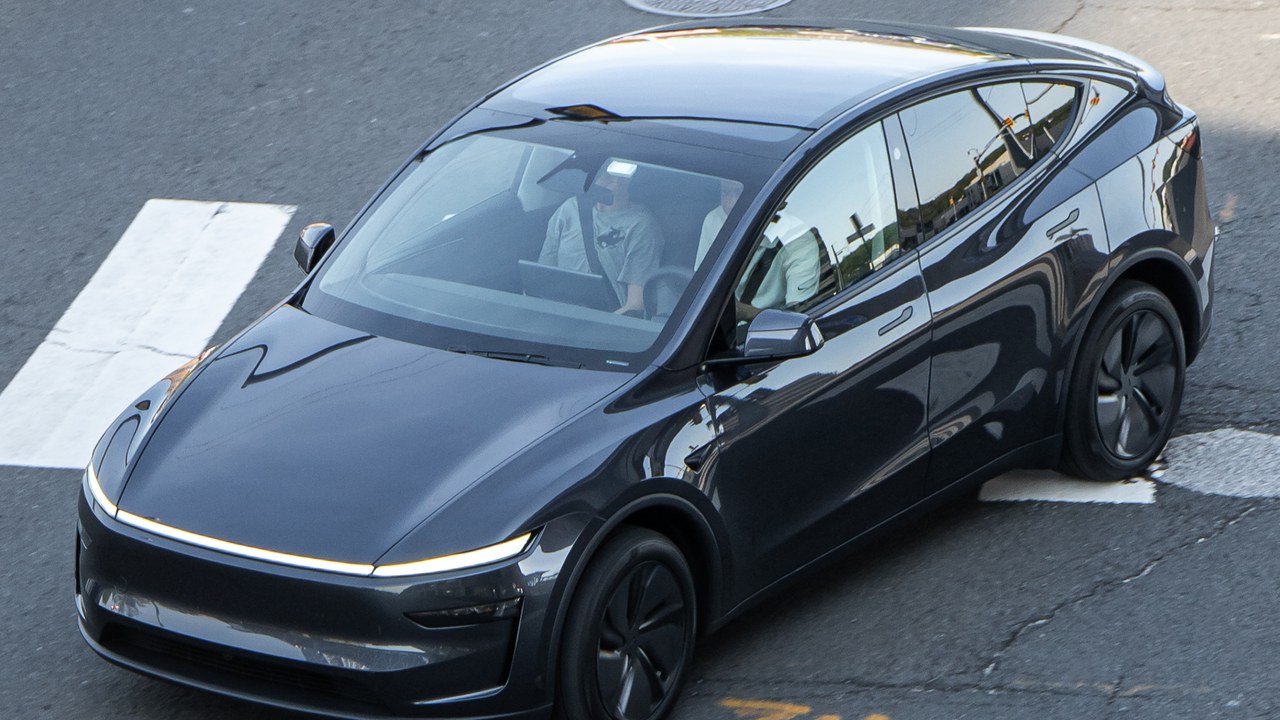
The wide end of the ranking: Model Y turning diameter page give a 19.9-foot curb-to-curb turning radius and a 39.8-foot turning diameter for 2020 through 2027, about nine feet more than the 30.8 feet the Mazda Miata needs.
A crossover with a long wheelbase and big wheels cannot match small cars in tight spaces. Parking garages with sharp ramps are where that difference turns into an extra reverse. The figures come from autopadre pages that tabulate curb-to-curb data across model years, trims and wheel sizes.
More from Morning Overview
- Regulators cleared the first U.S. small modular reactor, 4 months early
- Lake Powell sank to a record 3,517 feet, nearing the level that stops Glen Canyon Dam’s turbines
- Seven of Earth’s nine planetary boundaries are breached, and all seven are worsening
- The NSA says three phone features should be off whenever you aren’t using them
