
The 3,000-mile oil-change sticker is largely a quick-lube habit, and plenty of modern engines are rated for far longer between visits. Factory and dealer guidance for these brands runs from 7,500 miles up to 15,000, usually with a shorter severe-service fallback. Here are ten models whose makers allow roughly 10,000 miles or more on a single oil change.
1. Jaguar F-Pace: Longest Leash
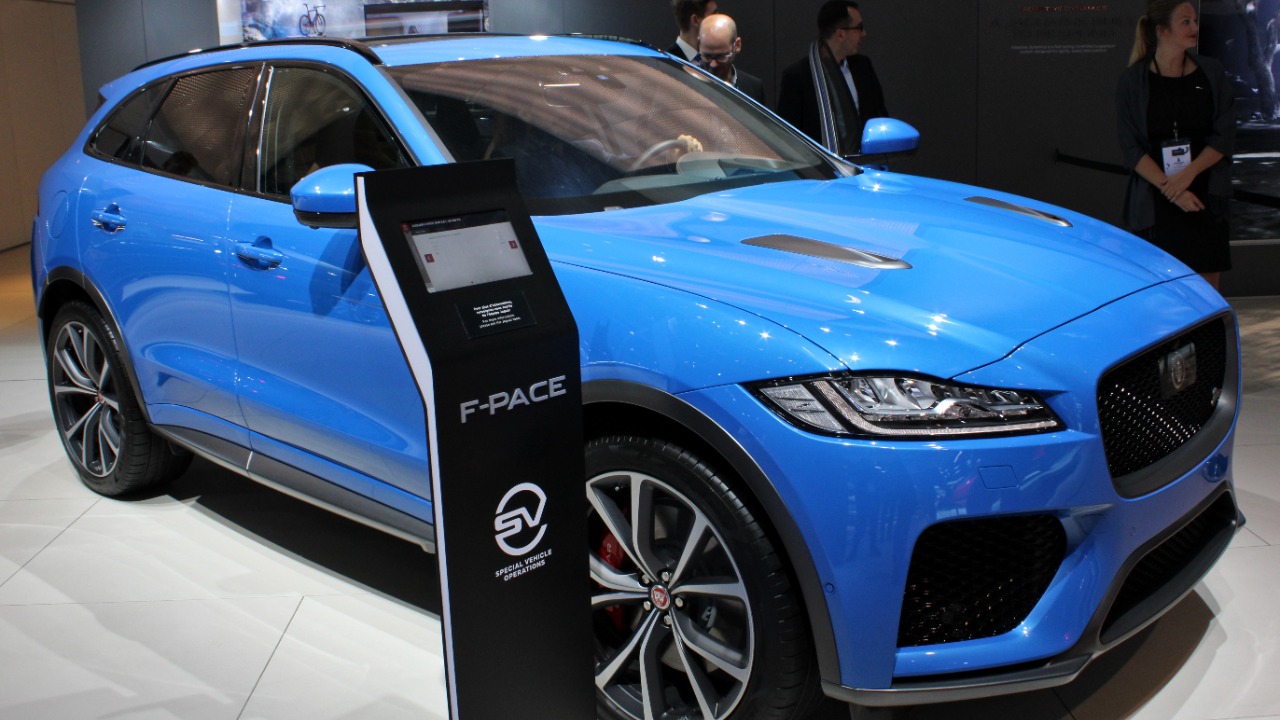
The Drive’s brand list gives Jaguar the longest interval of any maker, at 15,000 miles. That is five times the old 3,000-mile rule of thumb, and the figure is quoted for the brand as a whole, so it covers the F-Pace along with the rest of the range.
The interval is a brand-level recommendation rather than a model-specific owner’s-manual number. Owners should still confirm the figure in the F-Pace handbook and note that a severe-use schedule may be shorter. The same list stretches from Jaguar’s 15,000 miles down to Nissan’s 5,000-7,000, so the F-Pace sits at the generous end of a 27-brand spread.
2. BMW X5: A Wide Window

Among the brands listed, BMW carries the widest spread: 12,000-15,000 miles between oil changes. On an X5 that range can translate into a single oil change per year for an average driver.
The gap between the low and high ends matters, because driving style and conditions decide where an individual X5 lands. Ranges are best treated as ranges, and the in-car service indicator is the practical arbiter. For comparison, the shortest range on the same 27-brand list belongs to Nissan, at 5,000-7,000 miles, well under half of what BMW allows at the top end.
3. Audi Q7: Flat Ten Thousand

Audi is listed flatly at 10,000 miles, with no range and no shorter severe-service figure attached. The recommendation is brand-wide, so it applies to the Q7 on the same terms as any other model Audi sells.
A flat number is easy to follow, but it is still a brand-level summary. The Q7’s own maintenance booklet and onboard service reminder remain the documents that count for warranty purposes. Mercedes-Benz is quoted at the identical figure on the same list, so the two German luxury brands match each other and fall a third short of Jaguar.
4. Mercedes-Benz C-Class: Brand-Wide Ten
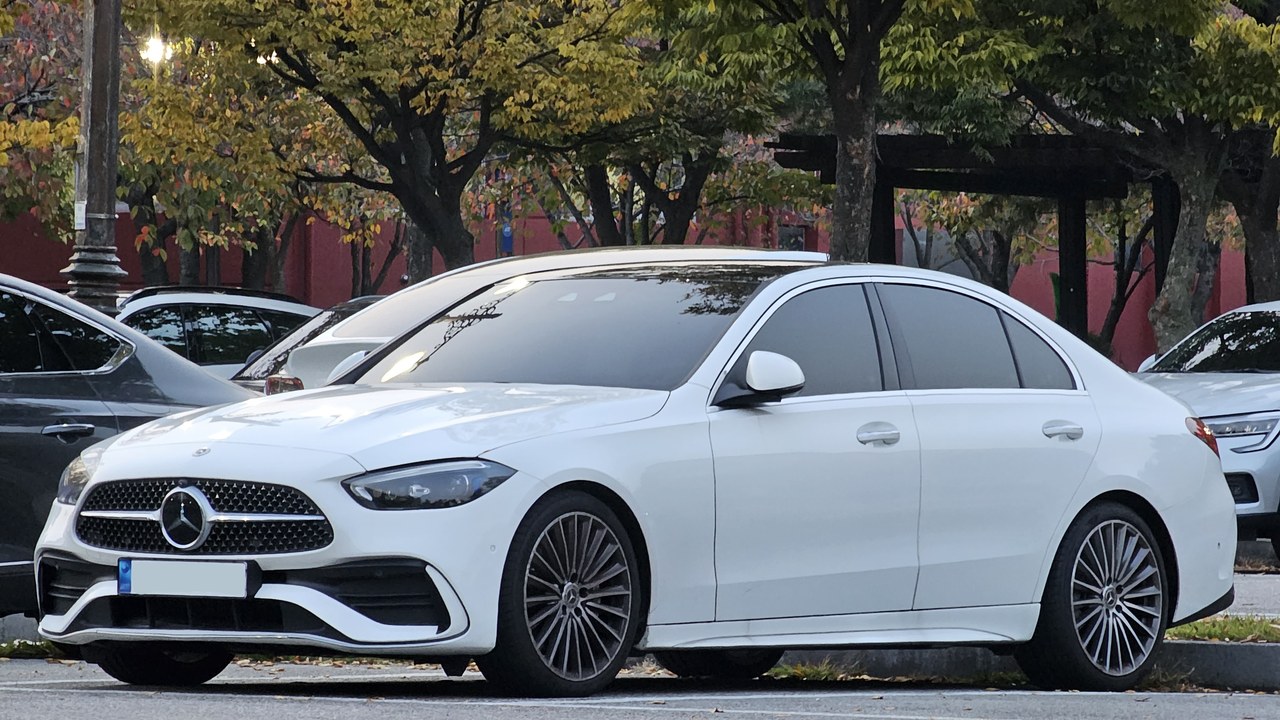
Mercedes-Benz sits alongside Audi on the same list, also at a flat 10,000 miles. Because the figure is quoted for the brand, it covers the C-Class on brand terms rather than as a number tied to one engine.
Engines and markets differ, so the C-Class on a dealer lot may be programmed with its own service prompts. Drivers who tow, idle heavily or make short trips regularly are the ones most likely to see the reminder arrive early. The stated interval leaves out any severe-service reduction, so it should be read as the headline figure for normal driving only, not a guarantee for every duty cycle.
5. Porsche Cayenne: Dealer-Stated Interval
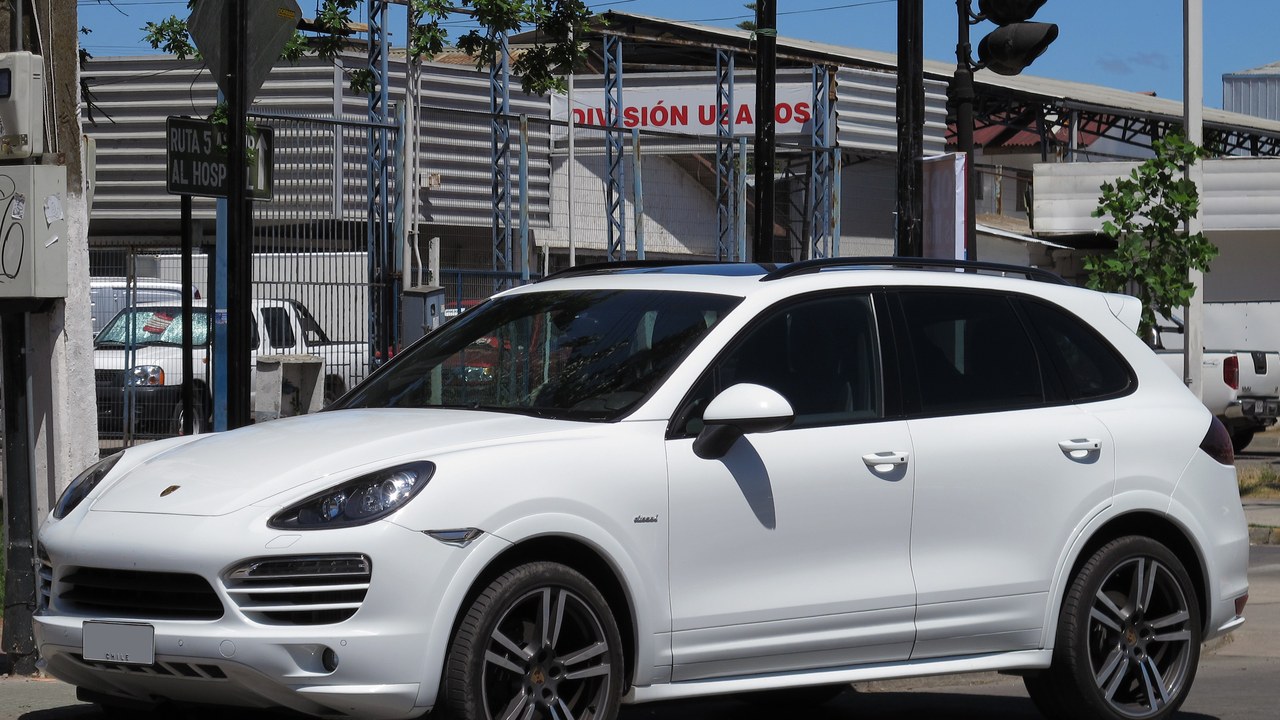
Dealer service guidance from a Porsche dealership puts modern Porsches from 2018 onward at 10,000 miles or 12 months, whichever arrives first. The Cayenne sits inside that group, while only the GT models are cut back to 3,000-5,000 miles.
The 12-month clause is the part easy to miss: a Cayenne that covers little distance still needs its oil changed yearly. High-performance variants follow the far shorter interval, so the trim matters as much as the badge. Because the guidance comes from a dealer service page rather than a manual, it is a useful marker rather than the final word for any individual vehicle.
6. Volkswagen Tiguan: Computer-Timed Service
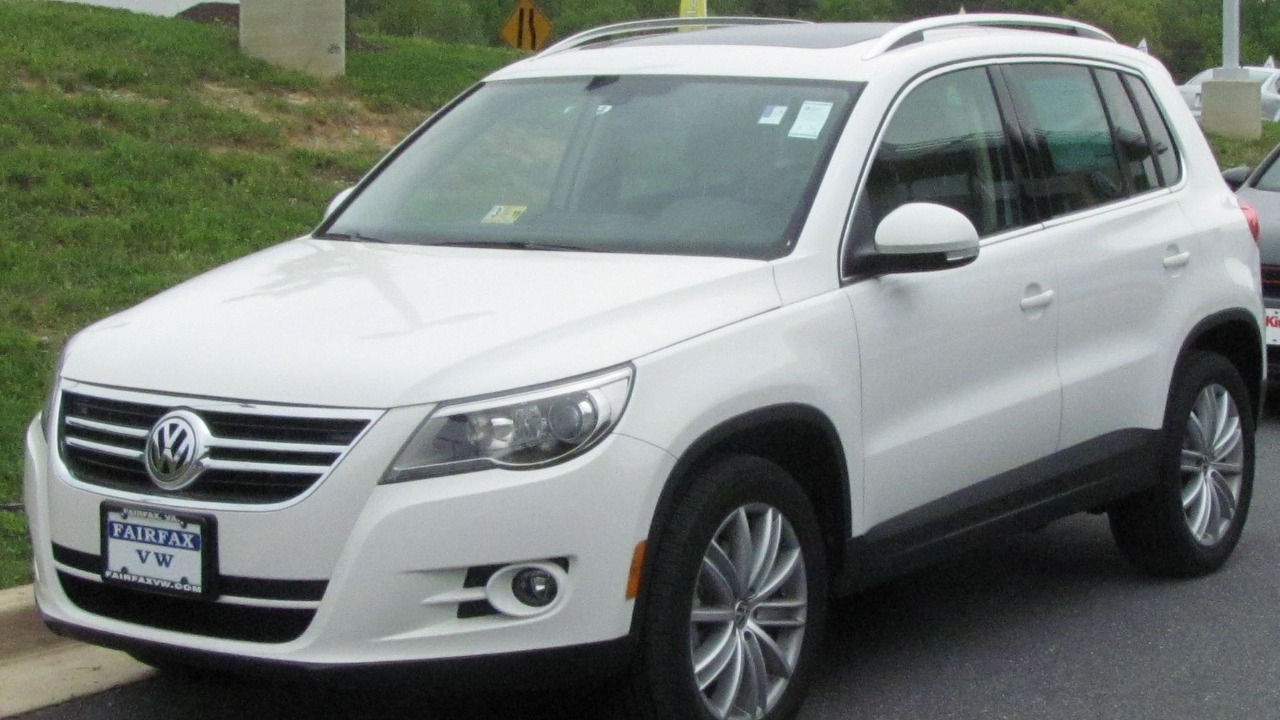
Volkswagen is grouped with the other German makers on condition-based maintenance systems, typically 10,000-15,000 miles. That is the brand-wide basis for the Tiguan, which relies on the car’s own monitoring rather than a fixed calendar.
A condition-based system lengthens the interval for easy highway use and shortens it when the engine works harder. The Tiguan’s dashboard prompt is therefore a better guide than any single mileage figure. German makers share this approach, in which the maintenance computer weighs engine operating conditions instead of simply counting miles since the last visit.
7. Volvo XC90: Synthetic Stretch
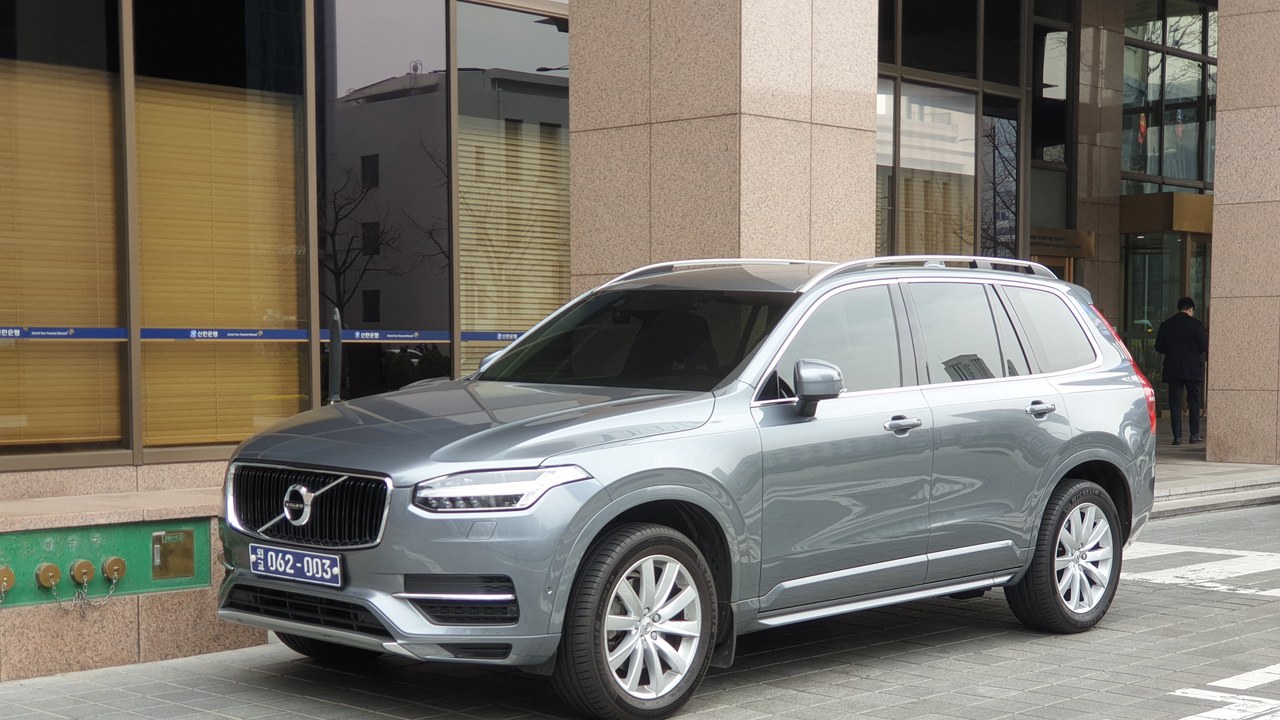
Volvo is listed at 10,000-mile intervals as standard with synthetic oil. The same guide adds that some models extend to 12,000 miles under ideal conditions, brand-wide terms that apply to the XC90.
The longer figure depends on ideal conditions, and the standard number assumes synthetic oil. An XC90 used for short hops or heavy loads should expect the lower end of that arrangement. The ten and twelve thousand figures sit comfortably above the 3,000-mile habit, yet both still depend on the brand-wide terms listed in the guide.
8. Acura MDX: Minder Decides
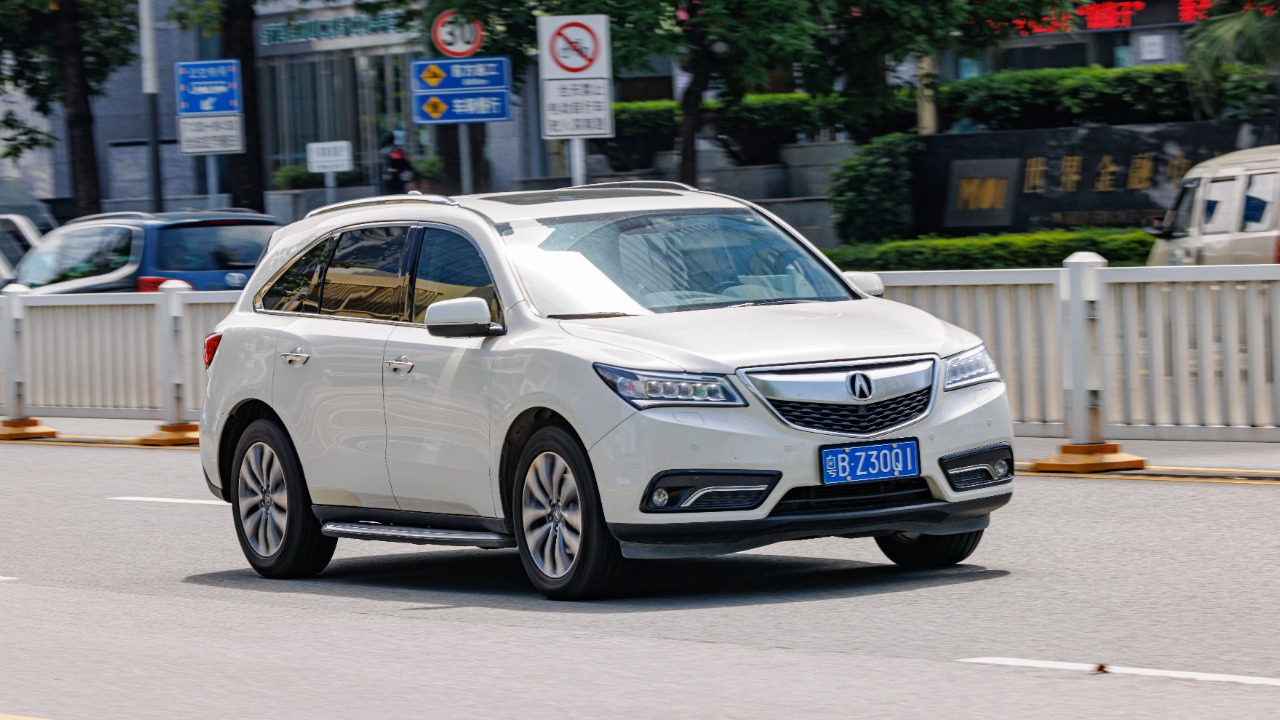
Acura follows Honda’s computer-set schedule, with a Maintenance Minder System B notification arriving typically at 7,500-10,000 miles. An override interval of 12 months applies regardless of mileage, and the terms cover the MDX brand-wide.
The top of the range reaches 10,000 miles, but the minder can call for service sooner. Low-mileage MDX owners still face the 12-month override, so the calendar can beat the odometer. The guide covers 2020-2026 models on synthetic oil, so older MDX models may follow a different schedule from the one quoted here.
9. Lexus ES: Toyota Rules Apply
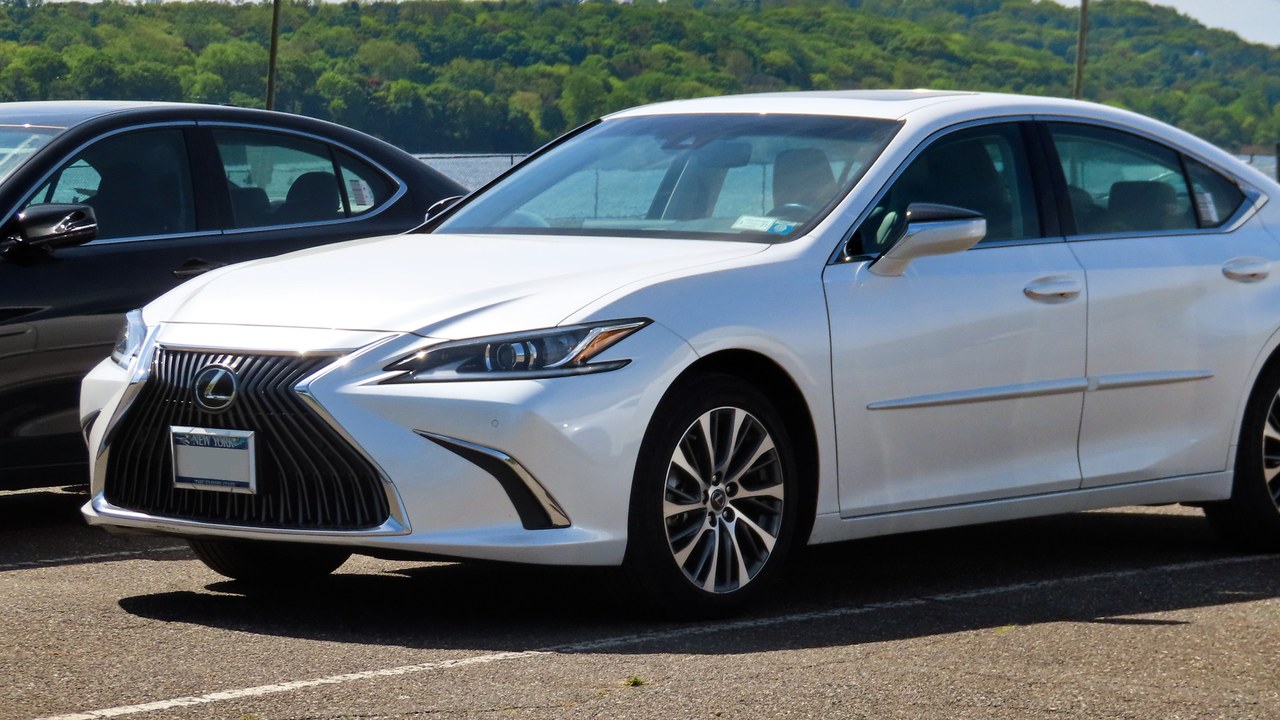
Lexus shares Toyota’s schedule, and the guide’s normal-conditions figure is 10,000 miles or 12 months. Under severe conditions the interval drops to 5,000 miles, brand-wide terms that cover the ES.
Toyota’s own service schedule independently places oil and filter replacement at the 10,000-mile service. Severe use, such as repeated short trips or extreme temperatures, is what halves the ES’s interval. The guide applies to 2020-2026 models on synthetic oil, which sets the context for the quoted intervals and keeps older Lexus designs outside the claim.
10. Toyota Camry: Ten Thousand, With Caveats
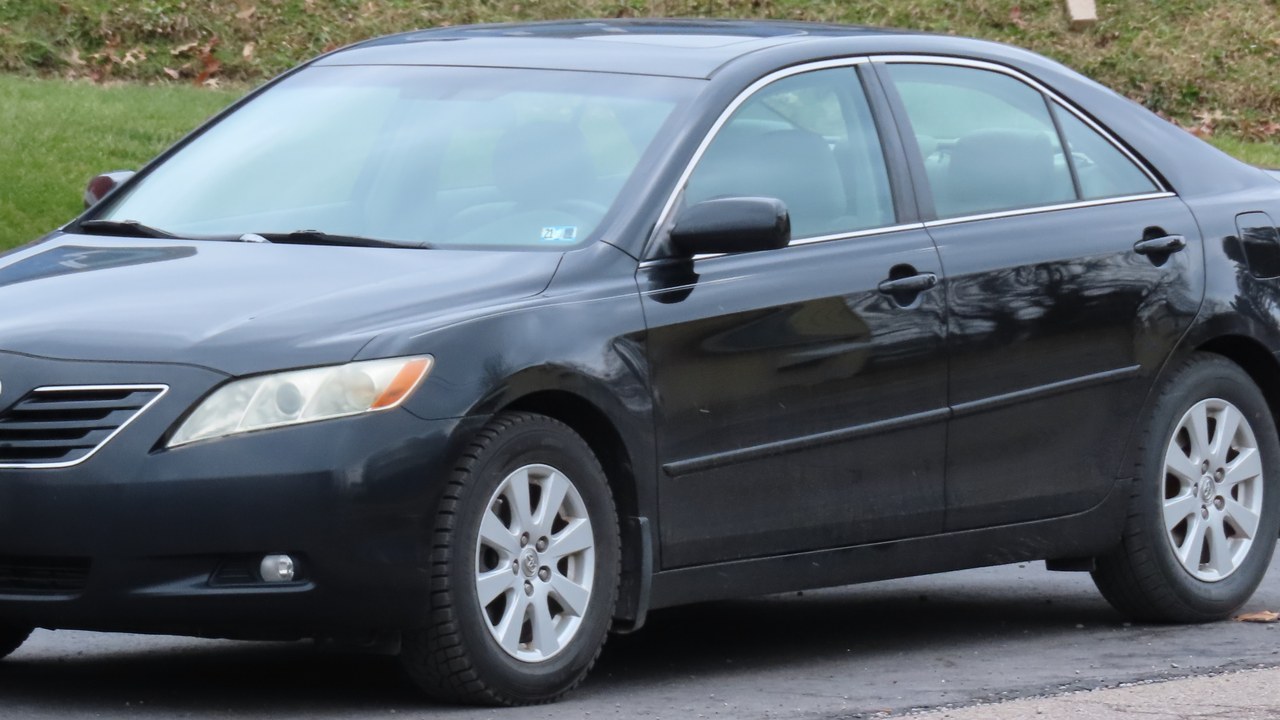
The mainstream sedan here is the Camry, and MotorBiscuit’s dedicated article states plainly that its oil change recommendation is 10,000 miles. Severe use pulls the figure back to every 5,000 or 7,500 miles.
Camry owners who mostly commute short distances or live somewhere dusty or very cold belong in the severe category. Toyota’s general schedule also puts oil and filter at each 10,000-mile service, though KBB notes some vehicles differ. The MotorBiscuit piece was published in January 2023, so owners with newer Camry models should compare it with the current handbook.
More from Morning Overview
