
Some vehicles get traded in the moment a lease ends, and others stay in the same driveway long enough to outlast a mortgage. The ones that manage it tend to share unglamorous traits: simple engineering, enormous production runs and a parts supply that never dries up. The twelve models below have built exactly that kind of reputation.
1. Toyota Land Cruiser: Built for Places Without Dealerships
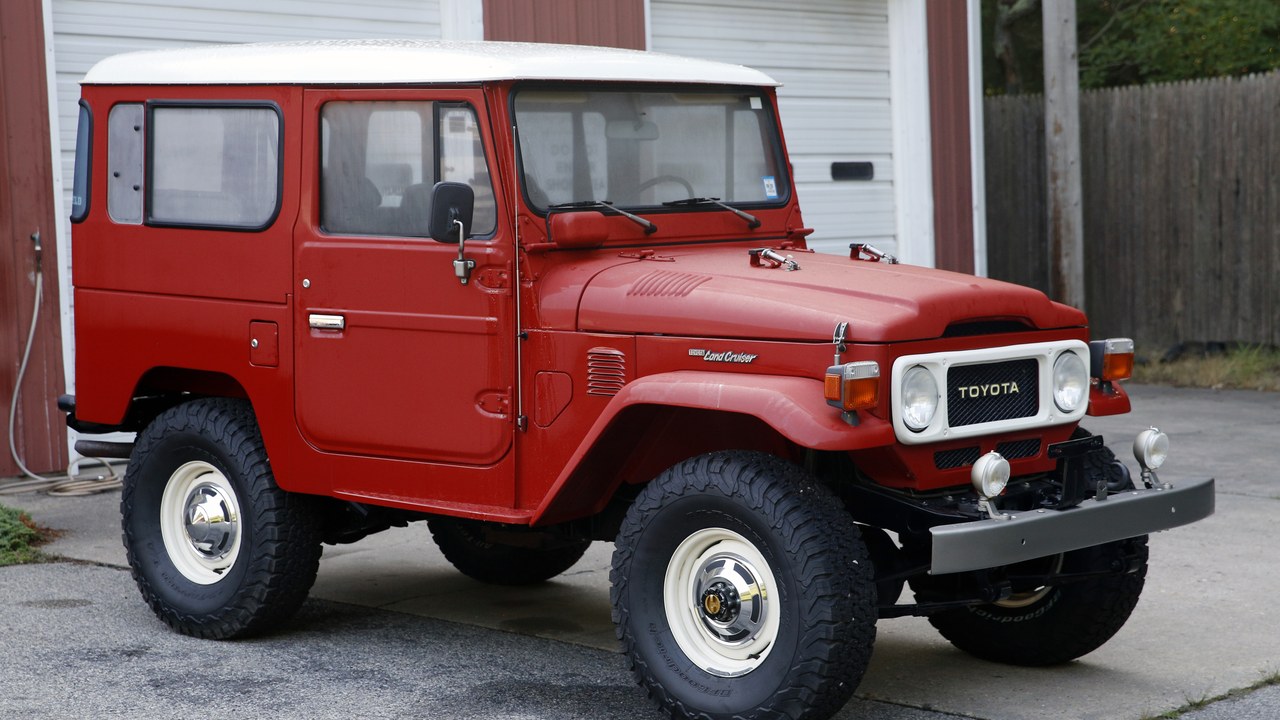
Toyota has kept the Land Cruiser nameplate in continuous production since 1951, making it the company’s longest-running model line. Wagons and 70 Series variants were engineered around a ladder frame, solid axles and deliberately understressed engines, hardware chosen for territory where a breakdown is dangerous rather than annoying. Aid agencies, mining outfits and remote-area fleets standardized on the platform, which kept spare parts circulating decades after a given generation left showrooms.
The bill comes due at the pump and at the dealership. Fuel economy remains poor by modern standards, and current versions carry luxury-SUV pricing far removed from the utilitarian trucks that built the reputation.
2. Honda CR-V: The Crossover Nobody Bothers to Replace
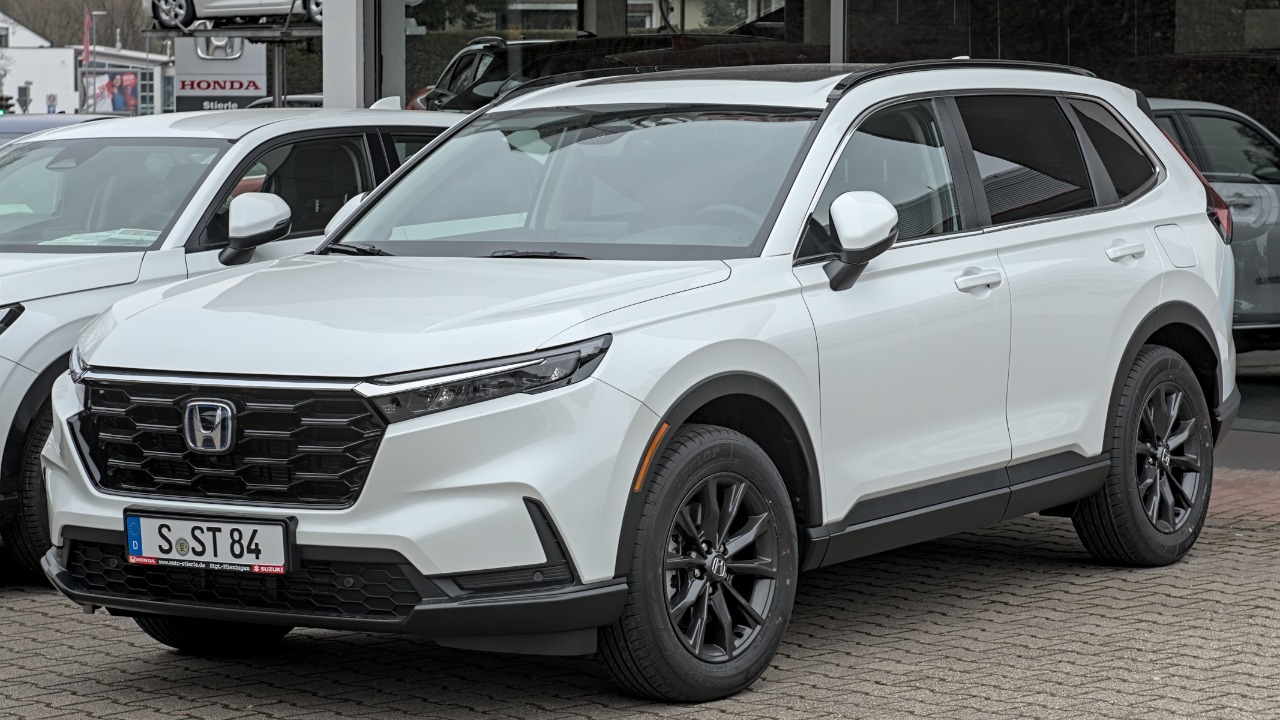
The compact CR-V crossover arrived in 1995 built on Civic underpinnings, and that inheritance explains its staying power. A unibody shell and a mass-produced four-cylinder engine meant almost nothing under the hood was unique to the model. Six generations and enormous global volume left salvage yards and aftermarket suppliers saturated, so a repair on a high-mileage example rarely costs more than the vehicle is worth.
Later turbocharged 1.5-liter versions drew oil-dilution complaints in cold climates, prompting service campaigns from Honda. Buyers seeking the simplest ownership tend to hunt down the naturally aspirated years instead.
3. Toyota Prius: A Drivetrain With Fewer Things to Break
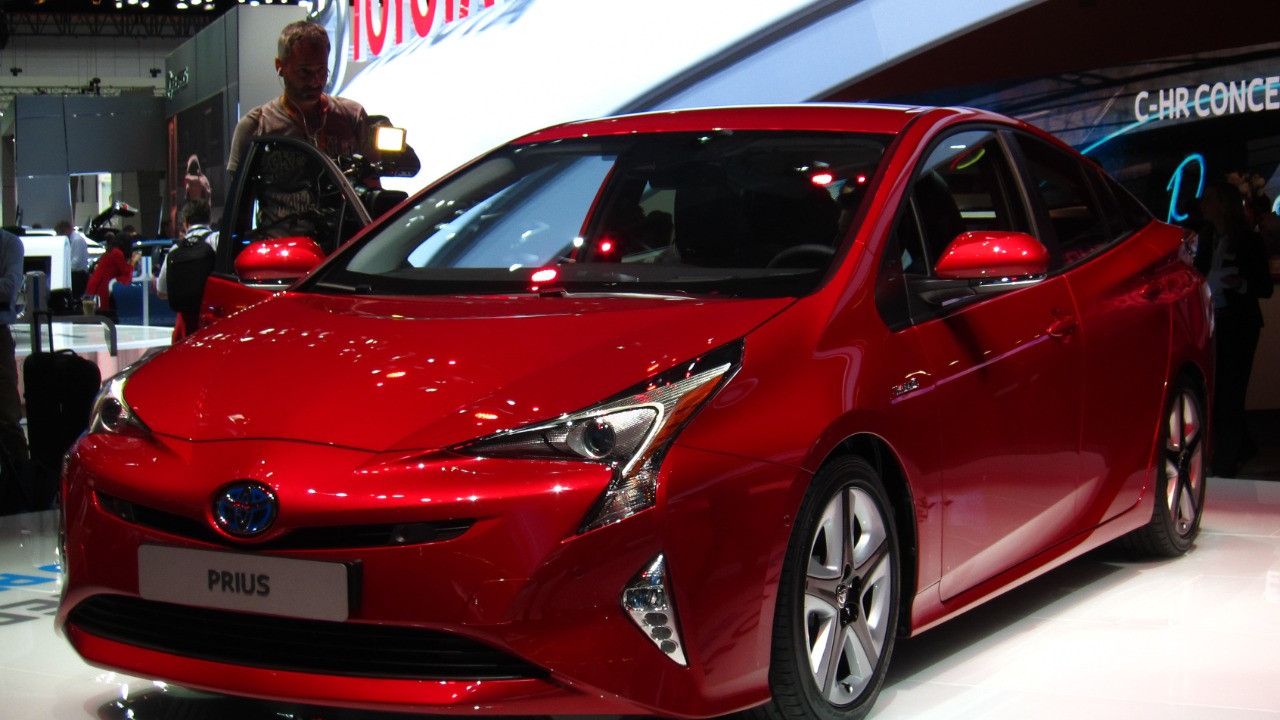
Longevity here is structural rather than lucky. The Prius hybrid system replaces a conventional automatic transmission with a planetary gearset, drops the starter motor and alternator entirely, and uses regenerative braking that slows the car electrically, so friction pads and rotors last unusually long. Taxi and rideshare fleets have piled staggering mileage onto the platform, which is why high-odometer examples still turn up in daily use.
One expense looms over the rest. Traction batteries degrade eventually, though rebuilt packs and salvage modules have pushed replacement costs far below what they were when the hybrid launched.
4. Subaru Outback: Ground Clearance Without a Truck
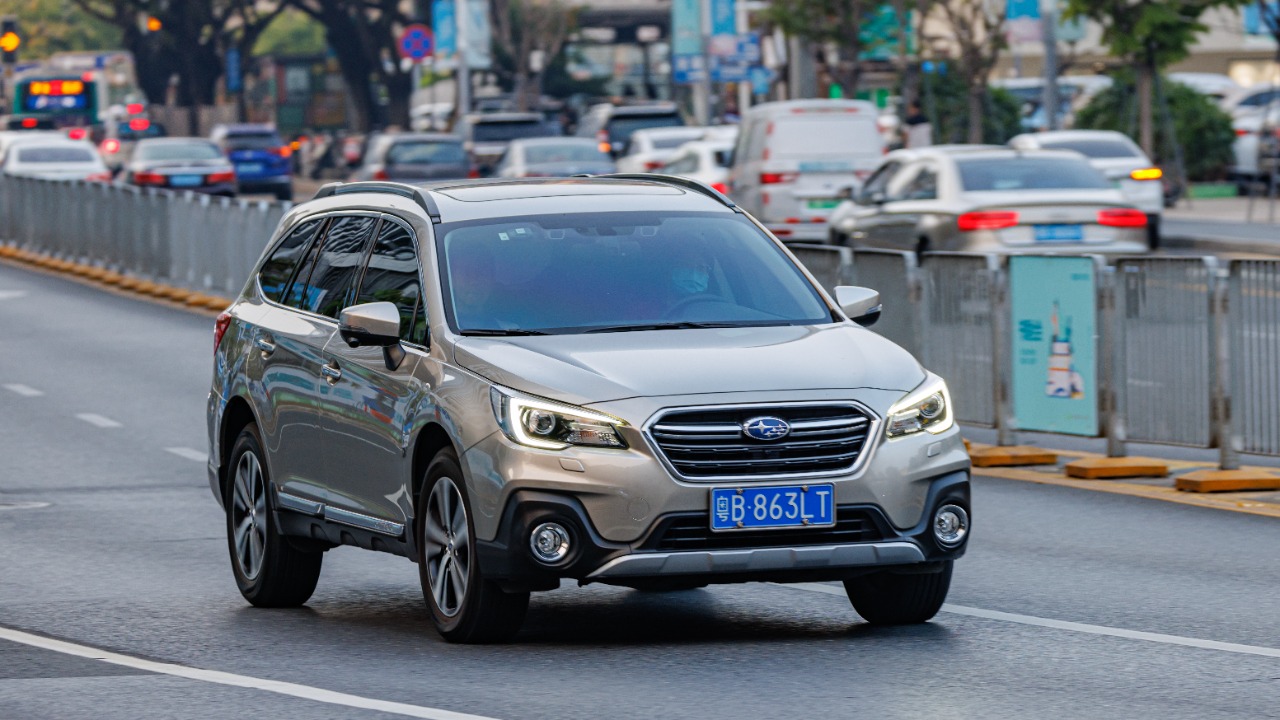
Subaru carved out a niche in 1994 by lifting a Legacy wagon and calling it an Outback. All-wheel drive came standard, the boxer engine sat low enough to keep the center of gravity down, and the extra ride height cleared snow and gravel without the fuel penalty of a body-on-frame SUV. For years no rival contested that combination, so replacing an aging Outback wagon usually meant buying another one.
The reputation carries an asterisk. Head-gasket failures on the 2.5-liter engines of the late 1990s and 2000s are common enough that longtime owners treat the repair as scheduled maintenance.
5. Toyota Sienna: The Van That Outlasts the Car Seats
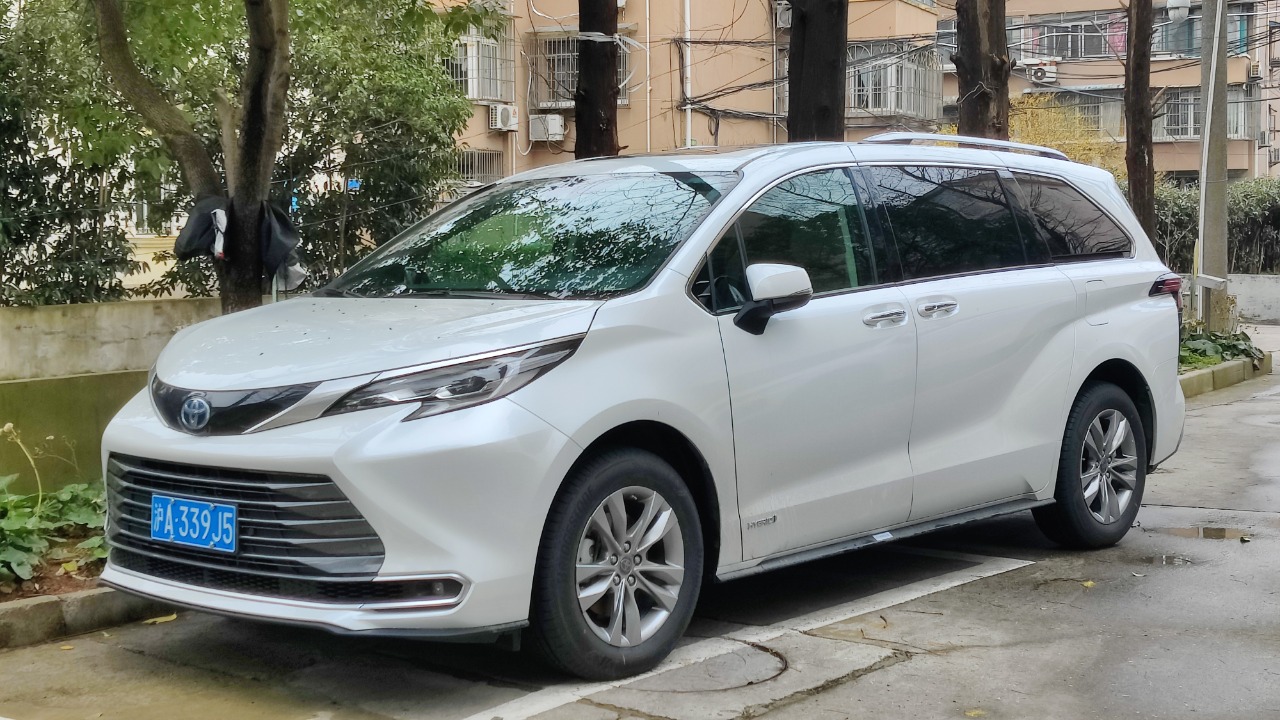
Introduced for 1998, the third-generation Sienna borrowed its V6 and much of its running gear from the Camry and Highlander, spreading development and parts supply across millions of vehicles rather than one slow-selling body style. Optional all-wheel drive gave it a capability no rival matched for years. Sliding doors, a flat load floor and stowable seating made the van hard to substitute once a household adapted around it.
The formula changed in 2021, when Toyota dropped the V6 for a hybrid four-cylinder. Power sliding door mechanisms remain the most common wear item on older examples.
6. Honda Odyssey: Family Hauler on Car Bones
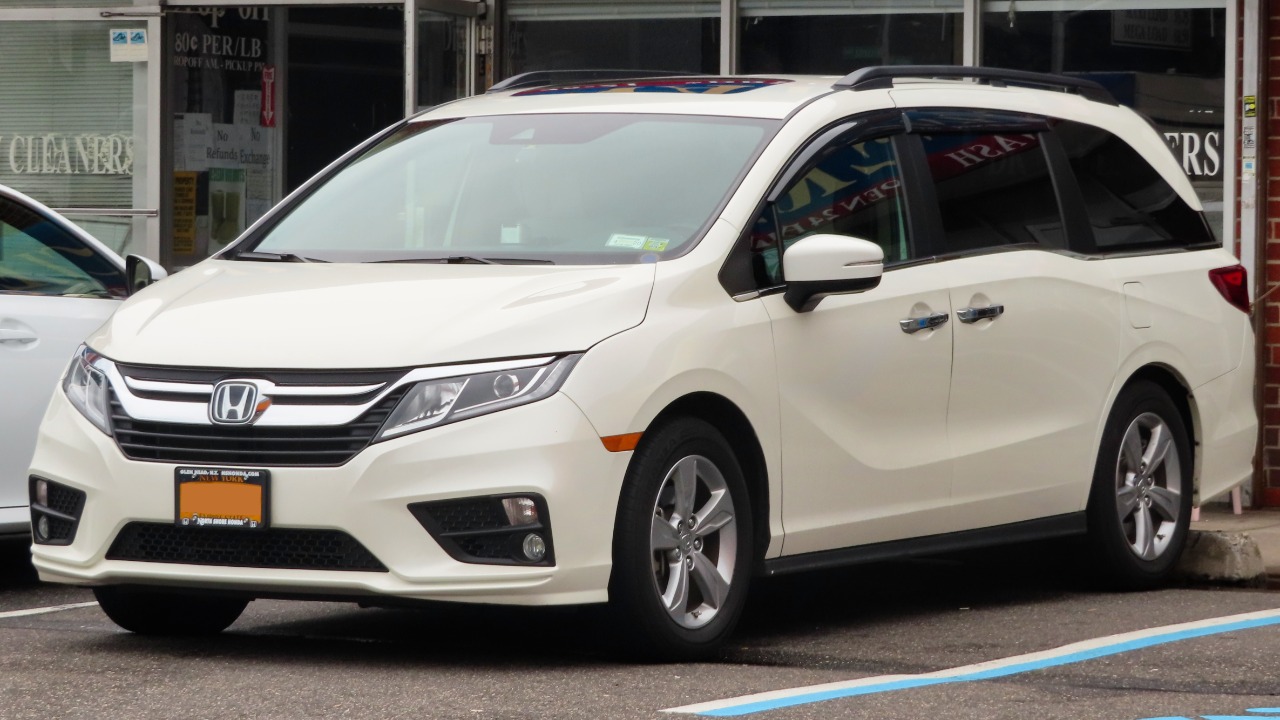
Rather than adapt a commercial van, Honda built the North American Odyssey on a stretched passenger-car platform, giving it car-like handling and a drivetrain shared with the Accord family. The fold-flat third-row seat introduced in 1999 became the segment benchmark and remains the reason many households simply never shopped for a replacement.
Reliability was not uniform across the run. Automatic transmission failures on models from roughly 1999 through 2004 triggered recalls and extended warranty coverage, and buyers chasing two decades of service generally start with the later generations instead.
7. Toyota Avalon: A Big Sedan Toyota Stopped Building
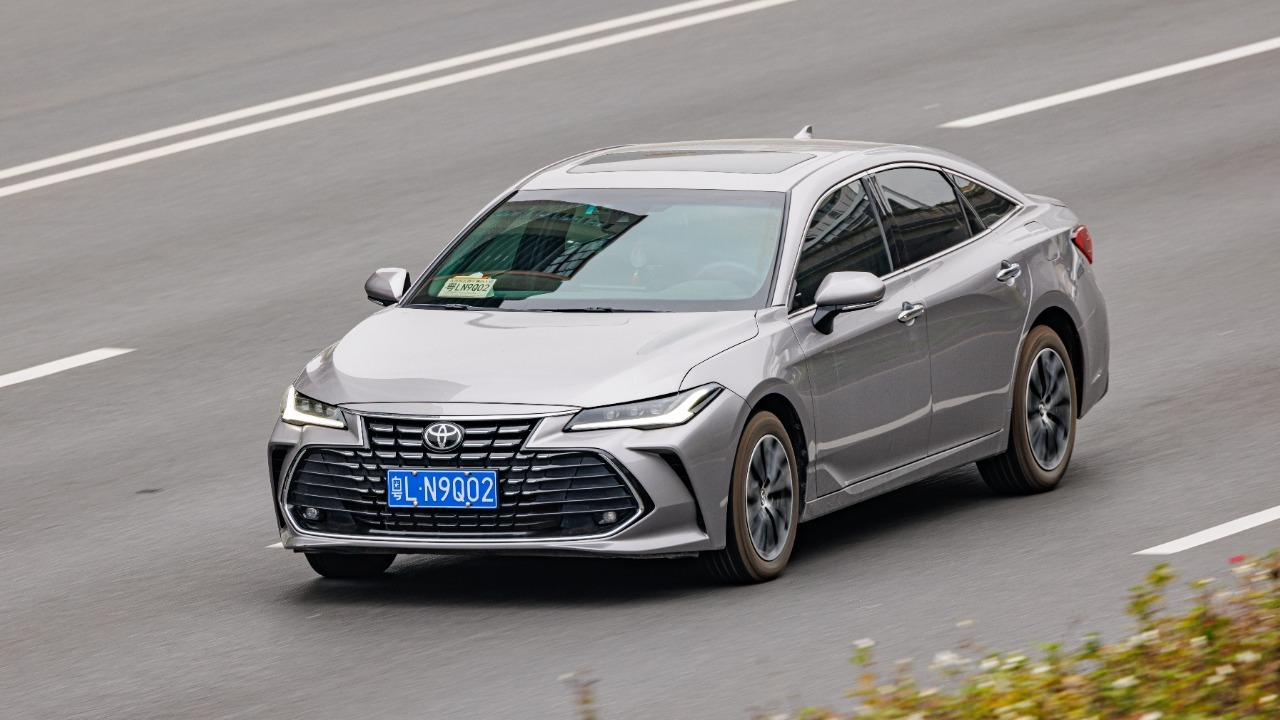
Built from 1994 until 2022 in North America, the long-running Avalon paired a stretched Camry platform with a V6 known for shrugging off high mileage. Mechanically it was a Camry with more room and better sound insulation, which meant conventional parts, familiar service procedures and no exotic technology waiting to fail expensively at year fifteen.
Toyota discontinued the model after 2022 as buyers migrated to crossovers. Nothing in the current lineup replaces a full-size, front-drive American sedan, which gives remaining owners an unusually strong reason to keep the one already in the garage.
8. Lexus RX: Luxury Without the Luxury Repair Bills
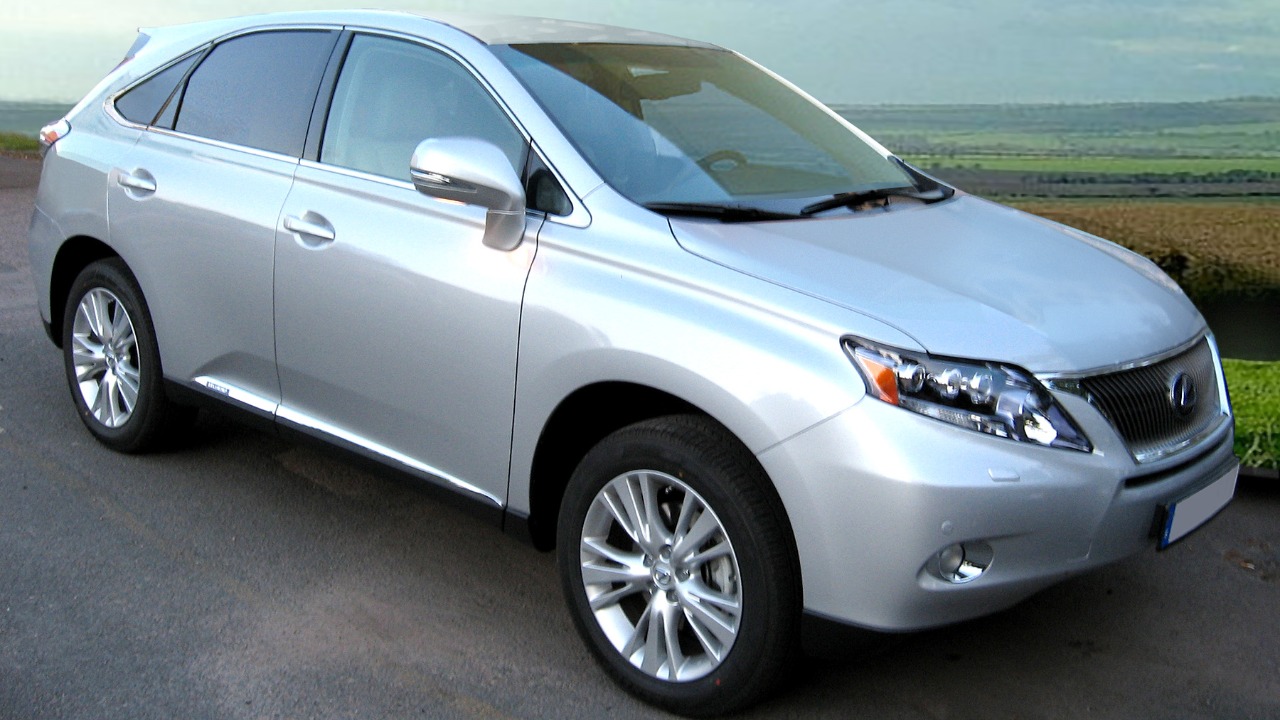
The Lexus RX crossover effectively created the luxury crossover class when it reached American dealers in 1998, and it did so on Toyota’s mainstream architecture rather than a bespoke platform. Engines, transmissions and suspension components trace back to the Camry and Highlander, so parts stay plentiful and independent shops can service the vehicle without specialist tooling.
The compromise is dynamic. Soft, comfort-tuned damping and light steering disappoint anyone cross-shopping German rivals, which is precisely why the model ages into a quiet, cheap-to-run second decade.
9. Toyota Highlander: Three Rows, Camry Underneath
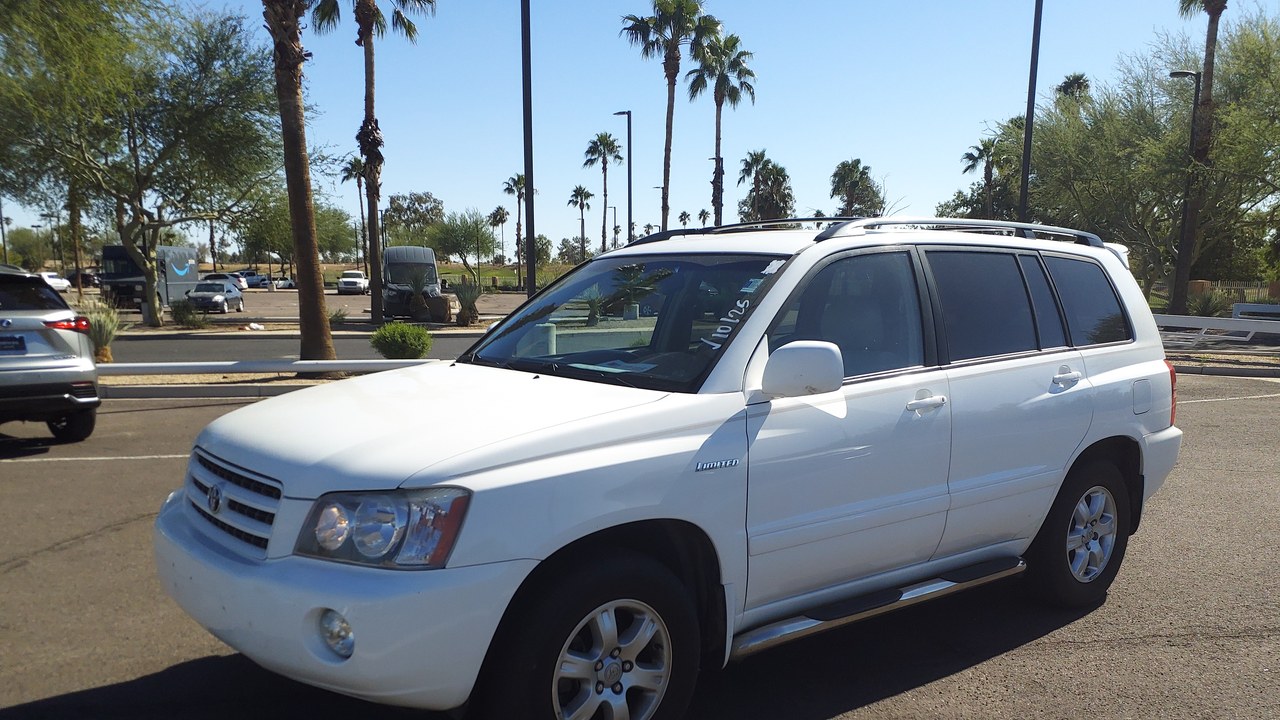
When the first-generation Highlander arrived for 2001, Toyota deliberately avoided truck architecture and used a unibody derived from the Camry. That decision removed the transfer cases, live axles and body mounts that generate rattles and repair bills on older body-on-frame SUVs, while the V6 and automatic transmission were already proven in high volume elsewhere in the lineup.
Space is the trade. The third row stays cramped next to purpose-built large SUVs, and families needing genuine adult seating back there typically move up rather than keeping the vehicle long term.
10. Honda Pilot: The Odyssey With All-Wheel Drive
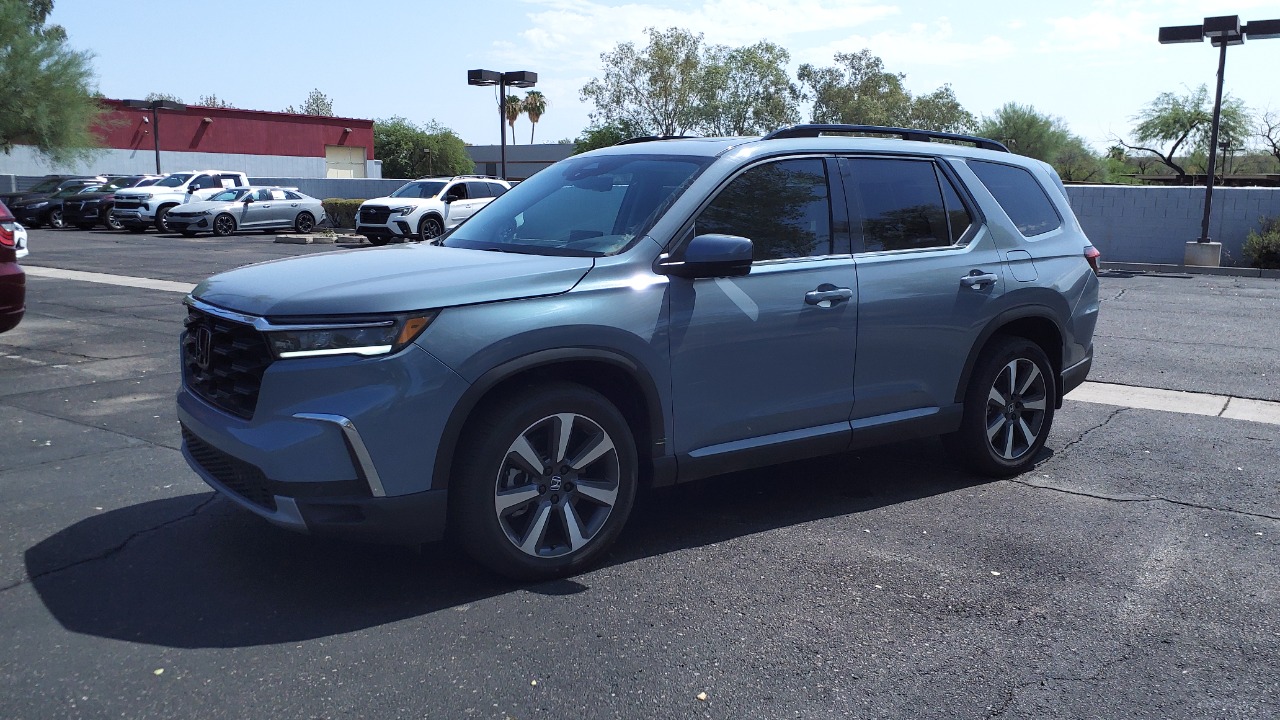
Honda assembled the three-row Pilot in 2002 from proven pieces, sharing its platform and V6 with the Odyssey minivan and the Acura MDX. A unibody structure kept the ride settled, and the engine family had already accumulated millions of miles in other models before it ever powered a three-row SUV.
Certain V6 model years using cylinder deactivation developed piston-ring and oil-consumption problems serious enough to draw extended warranty coverage. Owners aiming for twenty years generally avoid those specific years or budget for the fix early.
11. Toyota Tacoma: Resale Value That Refuses to Fall
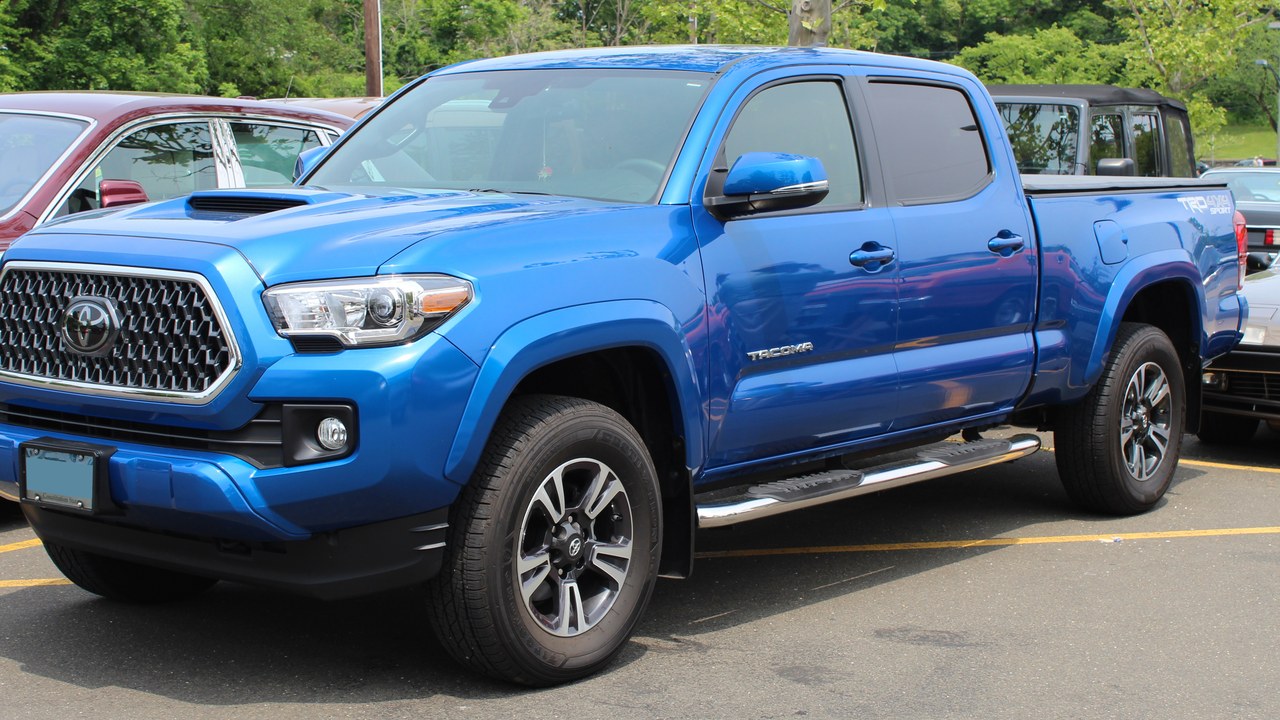
Selling a used Tacoma pickup rarely makes financial sense, and that alone explains much of its longevity. Residual values stay so high that trading in often buys little more than what is already parked outside. Body-on-frame construction, a simple four-wheel-drive system and a vast aftermarket mean worn components get replaced rather than written off.
Corrosion is the historical weak point. Frame rust on trucks built between 1995 and 2004 forced Toyota into a frame-replacement and buyback program across salt-belt states.
12. Toyota 4Runner: One Generation, Fifteen Model Years
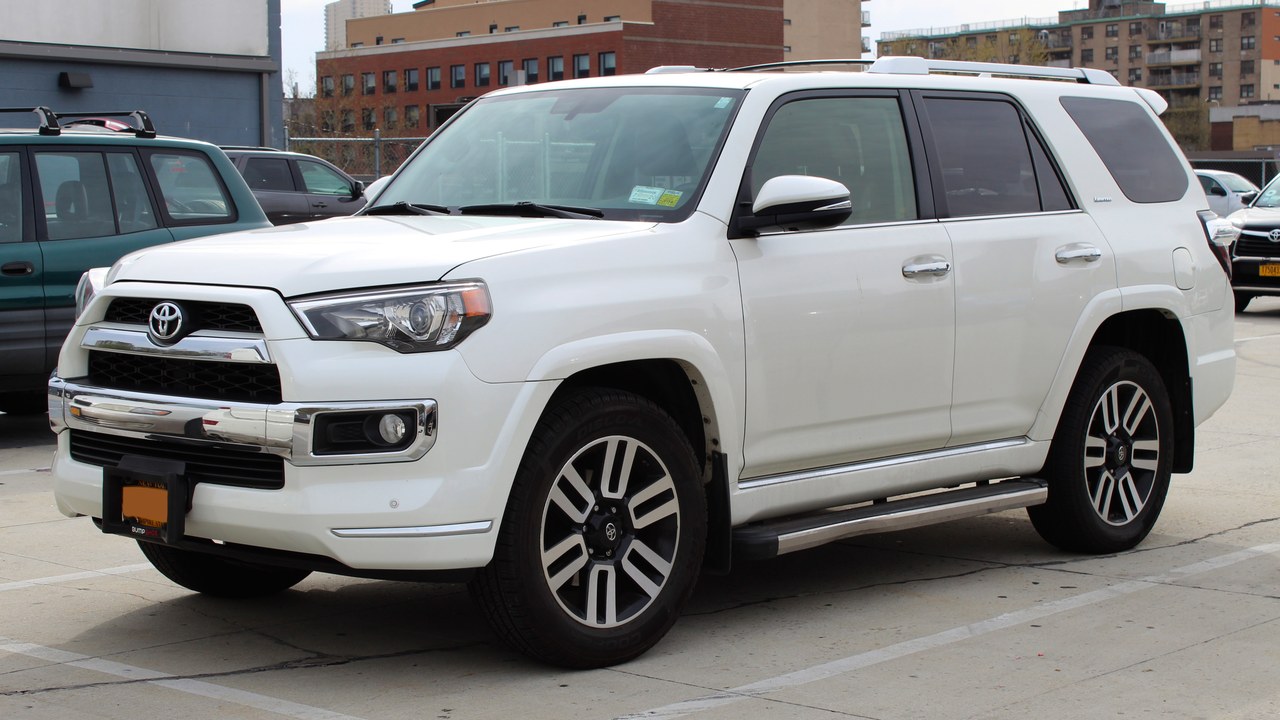
Few vehicles change as little as the boxy 4Runner. Its fifth generation ran from 2009 through 2024 with only incremental updates, so a part fitted to an early truck often bolts straight onto one built a decade and a half later. Body-on-frame construction shared with the Tacoma and global Hilux family keeps the mechanical layout familiar to almost any independent shop.
That conservatism costs something day to day. The aging V6 drinks fuel, the interior dates quickly, and the driving experience feels closer to a truck than to the crossovers most shoppers compare it against.
More from Morning Overview
