
Car interiors are changing fast as automakers redesign dashboards, engines, and controls for a digital, electrified future. Familiar features that once defined the driving experience are being dropped in favor of touchscreens, sensors, and software-based alternatives. From the AM dial to the stick shift, these twelve features show how quickly the modern car is leaving its old self behind.
1. AM broadcasting: The AM Dial Goes Quiet
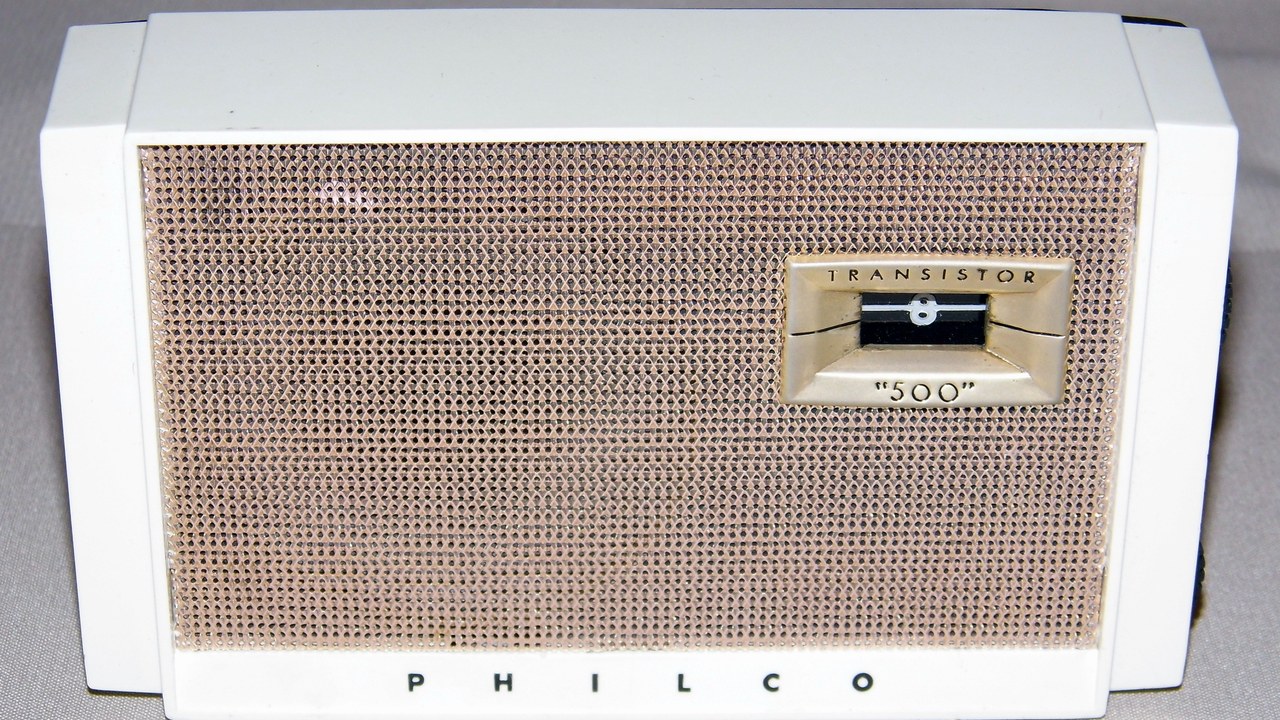
Automakers building electric vehicles found that AM radio reception suffers badly near electric motors and battery packs, since the components emit interference that garbles the signal. Several brands responded by dropping AM tuners from new dashboards entirely, treating the band as a legacy holdover rather than a core feature.
Congress pushed back with a law requiring AM radio in new vehicles, so the band is surviving in the United States even as automakers keep shrinking its role everywhere else.
2. Manual transmission: Three Pedals Become Rare
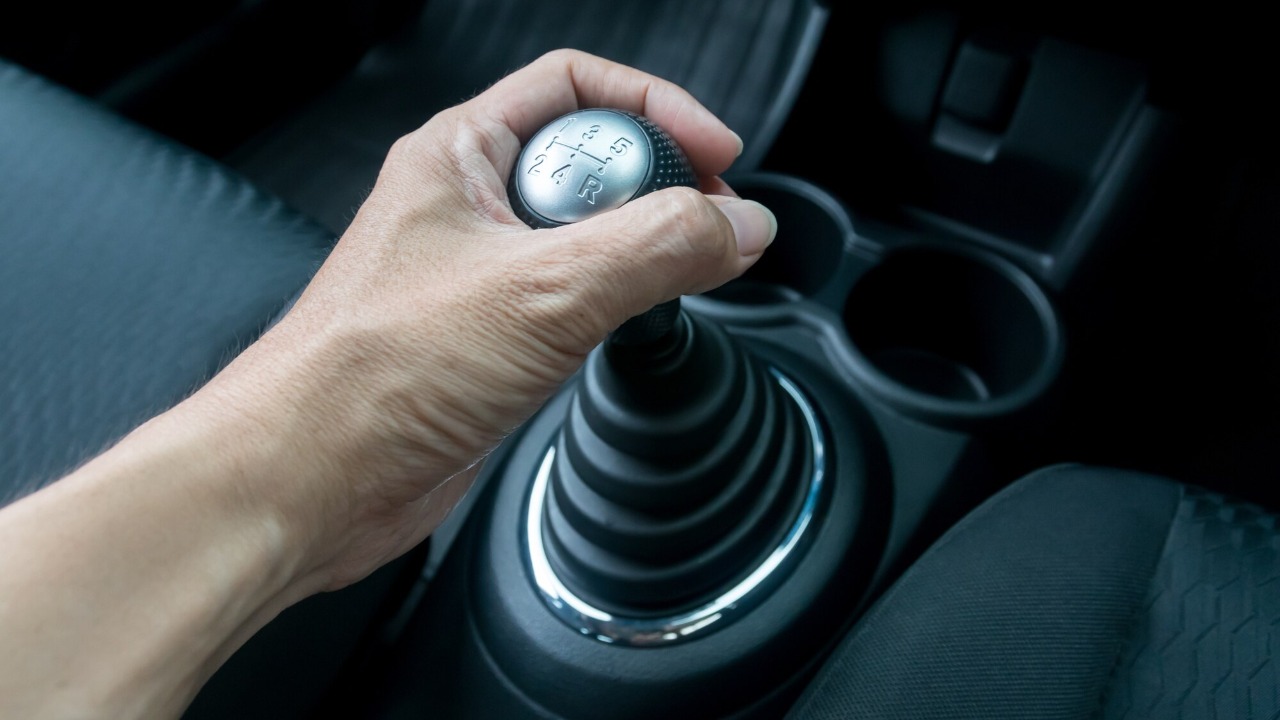
Automakers have quietly stripped manual transmissions from most lineups as take rates fell into the low single digits, leaving the clutch pedal a novelty reserved for a handful of sports cars and off-road trucks. Even brands that once built their identity on manual gearboxes now sell the vast majority of units with an automatic or dual-clutch option.
Electric vehicles accelerate the trend further, since they have no traditional gearbox at all, and buyers shopping today rarely cross-shop a stick against an automatic anymore.
3. CD player: Disc Slots Disappear From Dashboards
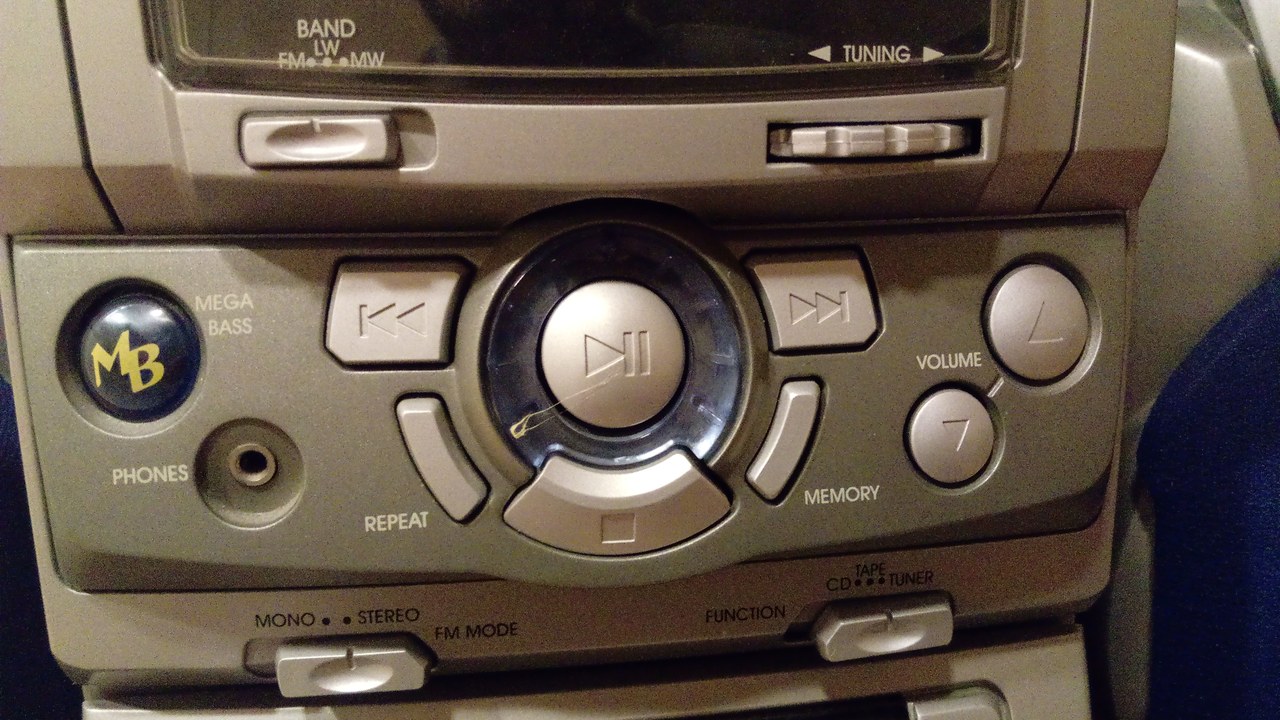
In-dash CD players have vanished from nearly every new model as automakers redesign center stacks around large touchscreens built for streaming apps and smartphone mirroring. A component that was standard equipment for two decades now shows up mainly in older trade-ins rather than showroom models.
Drivers who still own physical discs now need an aftermarket adapter or a USB rip of their collection, since the factory slot simply is not there anymore.
4. Spare tire: No More Fifth Wheel
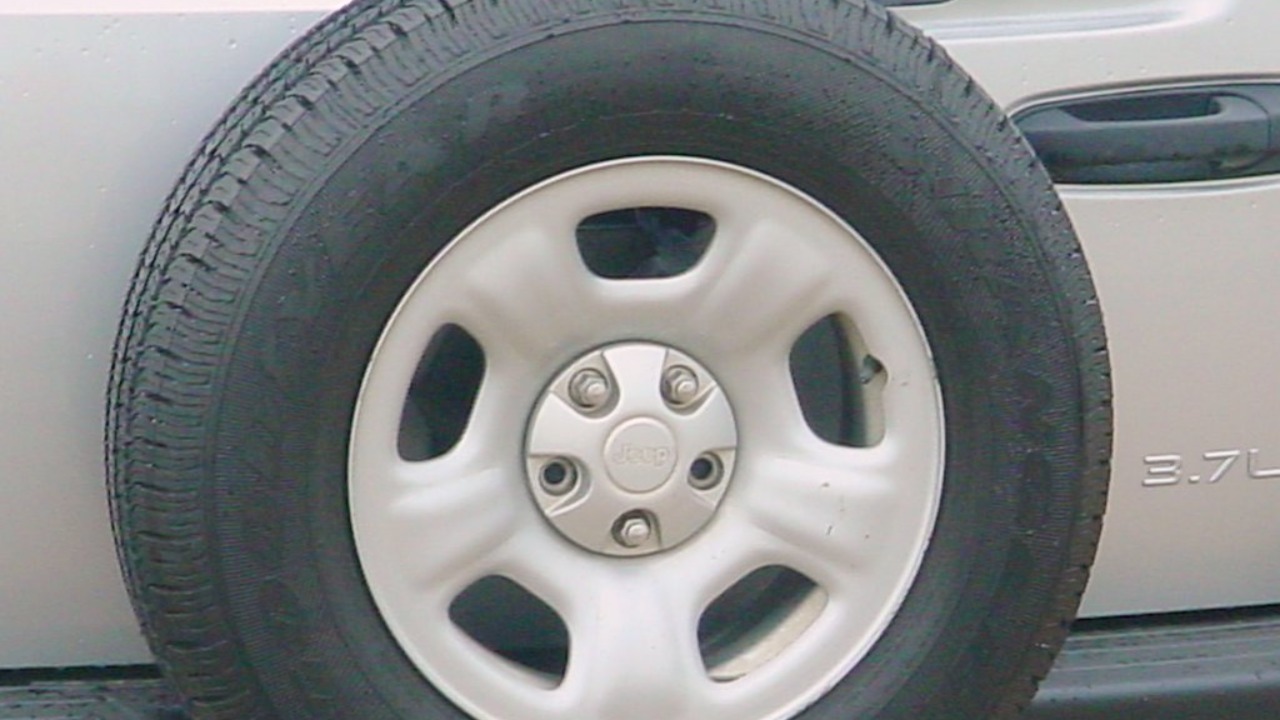
A growing share of new vehicles skip the spare tire entirely, shipping instead with a tire sealant and inflator kit or run-flat tires designed to limp to a shop after a puncture. The change trims weight and frees up trunk space, both priorities for automakers chasing fuel economy and electric range.
The tradeoff shows up on the side of the road, where a sidewall gash or a blowout that a sealant cannot fix means a tow truck instead of a quick swap.
5. Physical button: Knobs Give Way To Glass
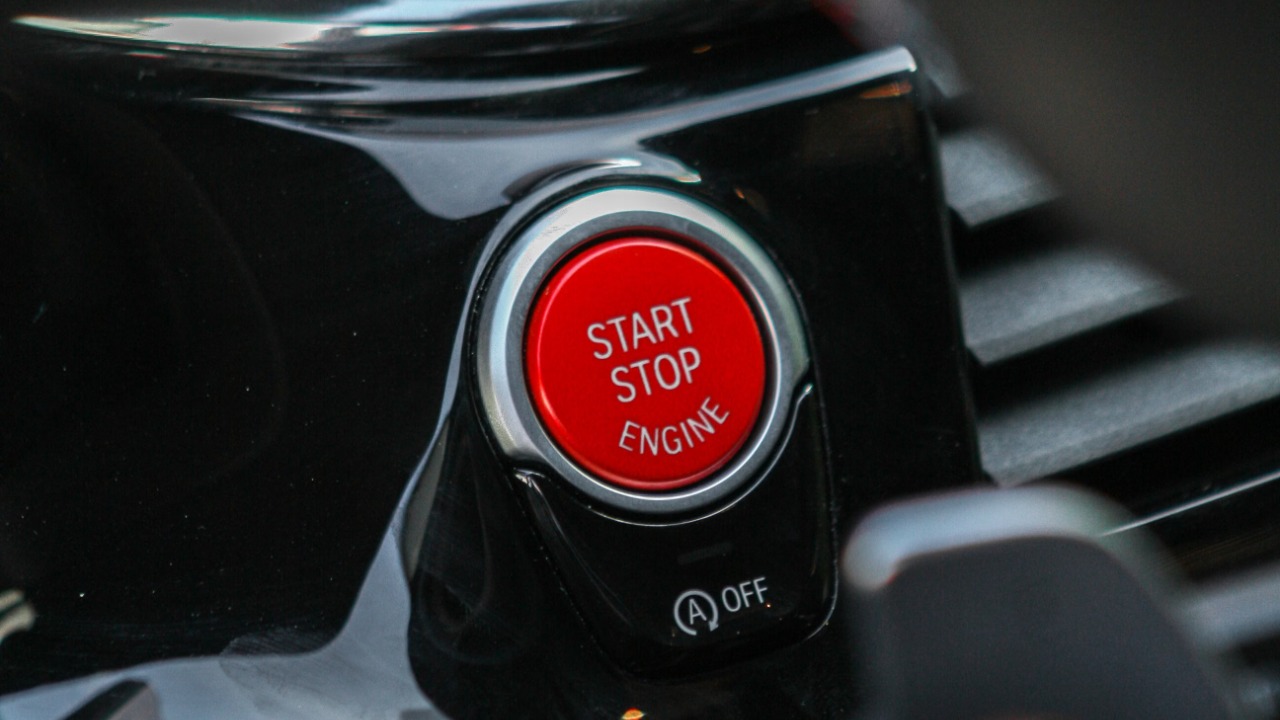
Climate controls, radio tuning, and even drive modes have migrated into touchscreen menus as automakers strip away the knobs and buttons that once lined the dashboard. The shift lets manufacturers simplify manufacturing and update functions with software instead of retooling hardware.
Safety testers in Europe have pushed back, warning that hunting through a menu to adjust wipers or hazard lights takes a driver’s eyes off the road too long, and some scoring rules now reward a few buttons kept.
6. Bench seat: Front Row Loses Its Middle Seat
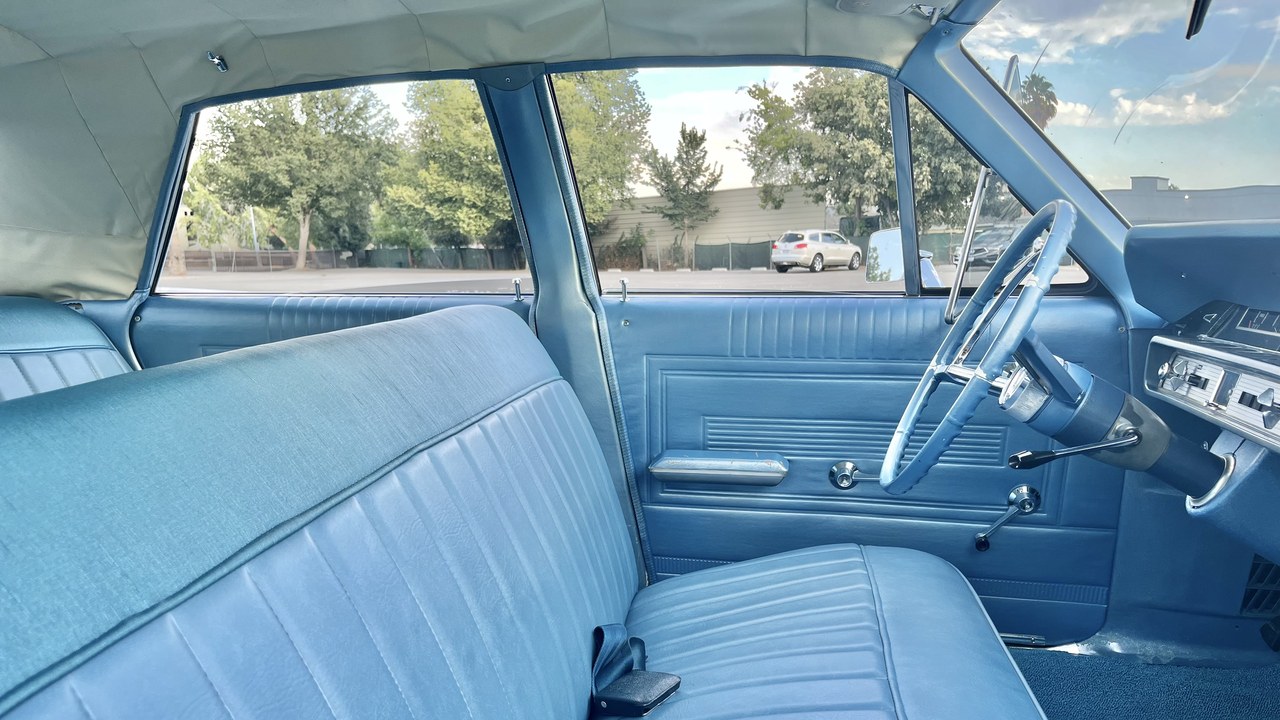
The front bench seat that once let three people ride up front has all but disappeared from passenger vehicles, replaced by bucket seats separated by a center console packed with cupholders, storage, and shifters. The shift tracks the industry’s move away from big sedans and trucks toward SUVs and crossovers built around individual seating.
A handful of full-size pickups still offer a bench up front as a low-cost option, but even there it is fading as buyers pay up for captain’s chairs instead.
7. Analog speedometer: The Needle Gauge Goes Digital

The analog speedometer, with its physical needle sweeping across a printed dial, is being replaced by fully digital instrument clusters that display speed, navigation, and trip data on a configurable screen. Drivers can now switch layouts or emphasize different readouts depending on what matters most on a given trip.
Some automakers still print a simulated needle onto the digital screen for familiarity, a small concession to drivers who still find a glance at an analog-style gauge easier to read at speed.
8. Internal combustion engine: Gas Engines Lose Ground
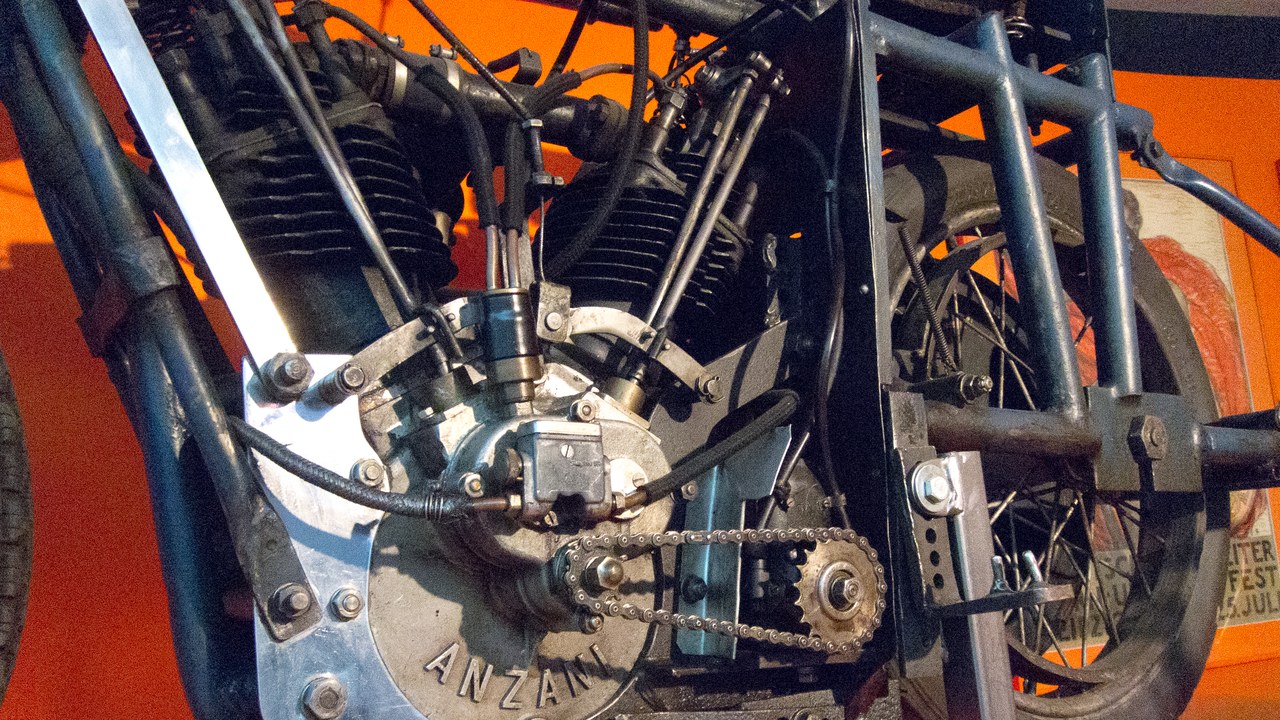
Several automakers are winding down internal combustion development, funneling engineering budgets into electric and hybrid powertrains instead of new generations of gas engines. Some brands have already announced electric-only lineups in certain markets, and others have quietly stopped offering a gas option on select models entirely.
Hybrids are filling the gap for buyers not ready to go fully electric, which means the traditional gas-only engine, not hybrid technology itself, is the piece actually disappearing first.
9. Hand brake lever: The Lever Gets A Switch
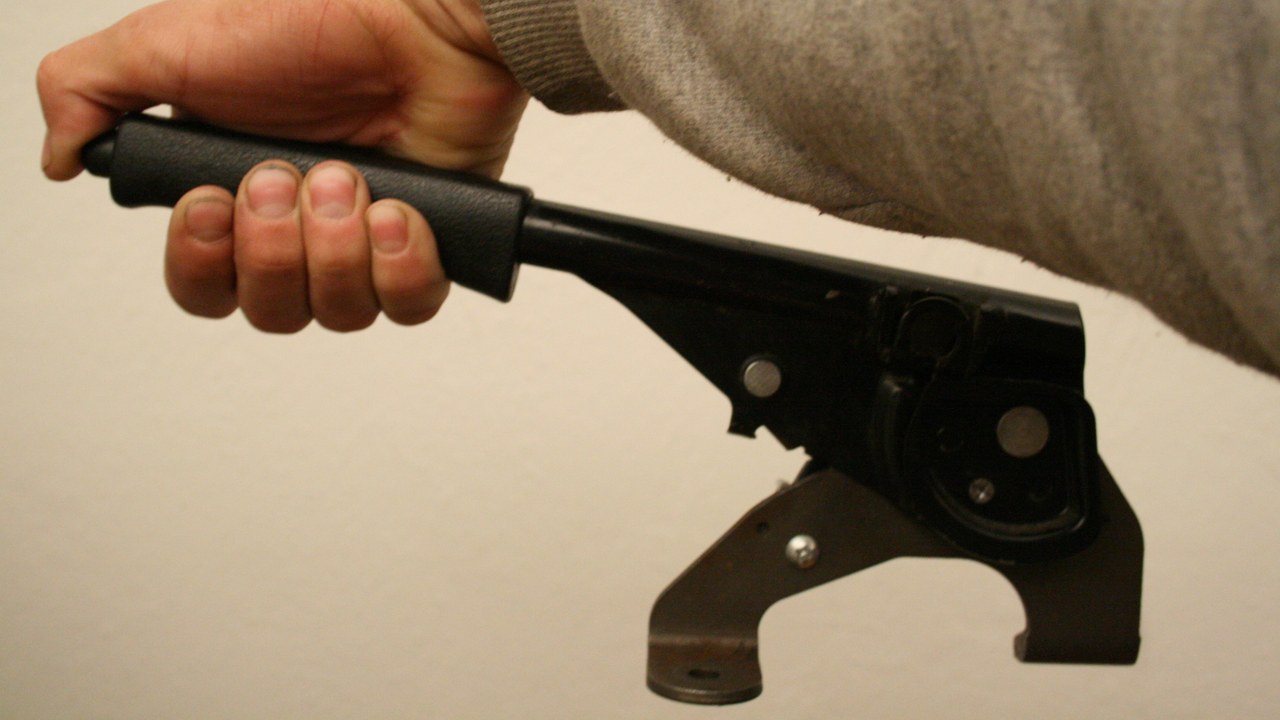
The mechanical hand brake lever that once ran up through the center console is being replaced by an electronic parking brake, engaged with the push of a small switch or button. The change removes a chunk of hardware and cabling, freeing up console space for storage or a wider armrest.
Enthusiasts who use the lever to slide a car into a corner have lost a tool in the process, since most electronic systems will not allow that kind of input.
10. Key ignition: Turn Keys Fall Out Of Favor
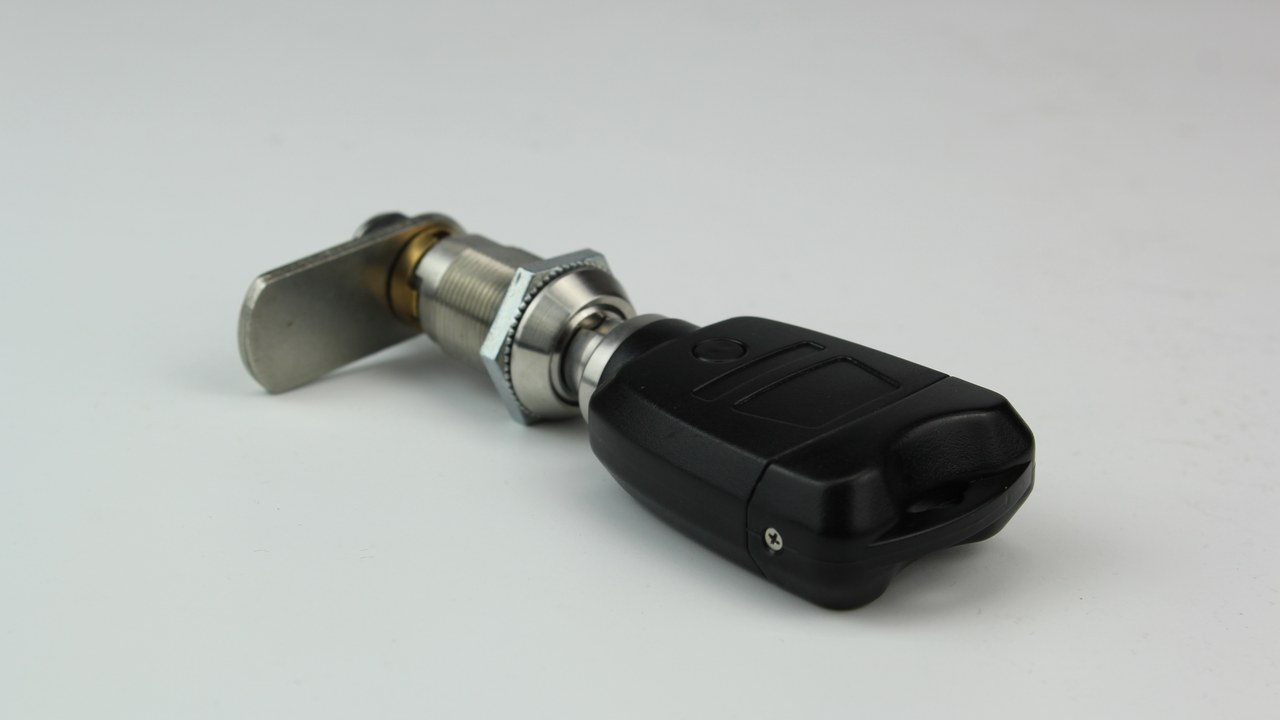
The metal key that had to be turned in a steering-column ignition is disappearing in favor of push-button start paired with a proximity smart key or fob. Drivers keep the key in a pocket or bag, and the car senses it nearby, unlocking doors and allowing the engine to start with a single press.
A lost or dead fob can leave a driver stuck, though most systems keep a hidden mechanical backup slot for exactly that emergency.
11. Sedan body style: Sedans Lose Their Spot In The Lineup
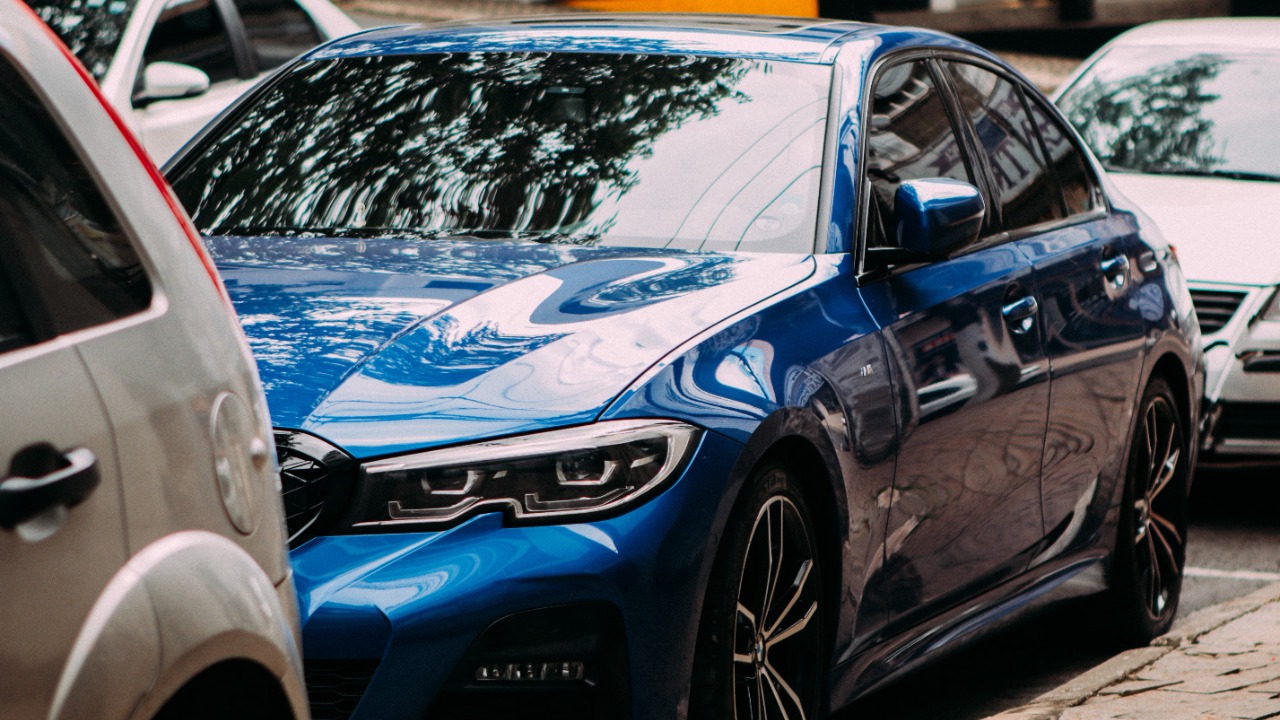
Traditional sedans are being discontinued across the industry as automakers shift factory space and marketing dollars toward SUVs and crossovers that command higher prices and stronger margins. Several long-running nameplates have already ended production, and the segment that once dominated American driveways keeps shrinking with each new model year.
A few sedans survive as flagship or performance halos, kept around for brand image even as the everyday four-door quietly loses its place in most showrooms.
12. Wired CarPlay port: The Cable Becomes Optional
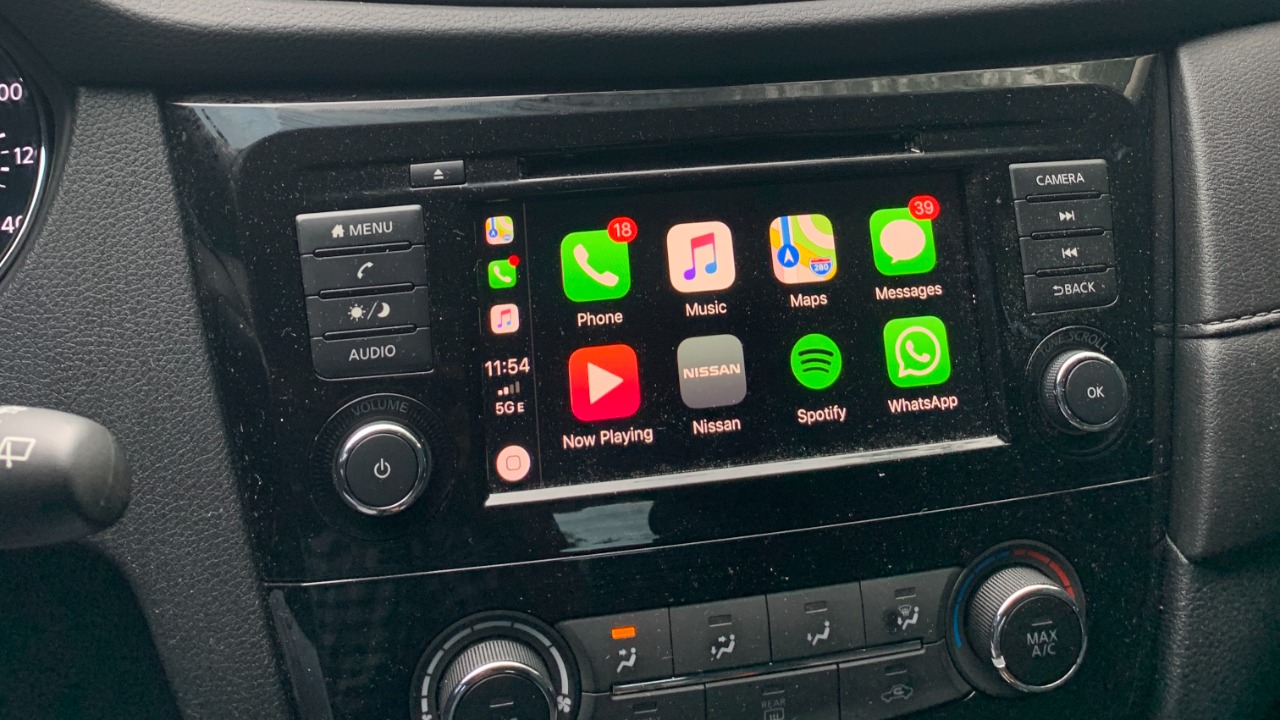
The USB cable once required to run Apple CarPlay or Android Auto is becoming optional as more automakers build wireless connectivity into new infotainment systems as standard equipment. A phone can pair automatically once it enters the cabin, projecting maps and messages onto the dashboard screen without ever leaving a pocket.
The tradeoff is a phone that drains faster without a charging cable plugged in, so some drivers still connect a wire anyway just to keep the battery topped off.
More from Morning Overview
