
Cadillac spent most of a century as the American benchmark for luxury, and its history includes soaring successes alongside some notable stumbles. The cars range from prewar excess to modern electric power, with a few embarrassing detours between. Here are twelve Cadillacs that defined luxury, from the $7,750 Eldorado of 1953 to the Escalade.
1. Cadillac V-16 (1930): Prewar Excess
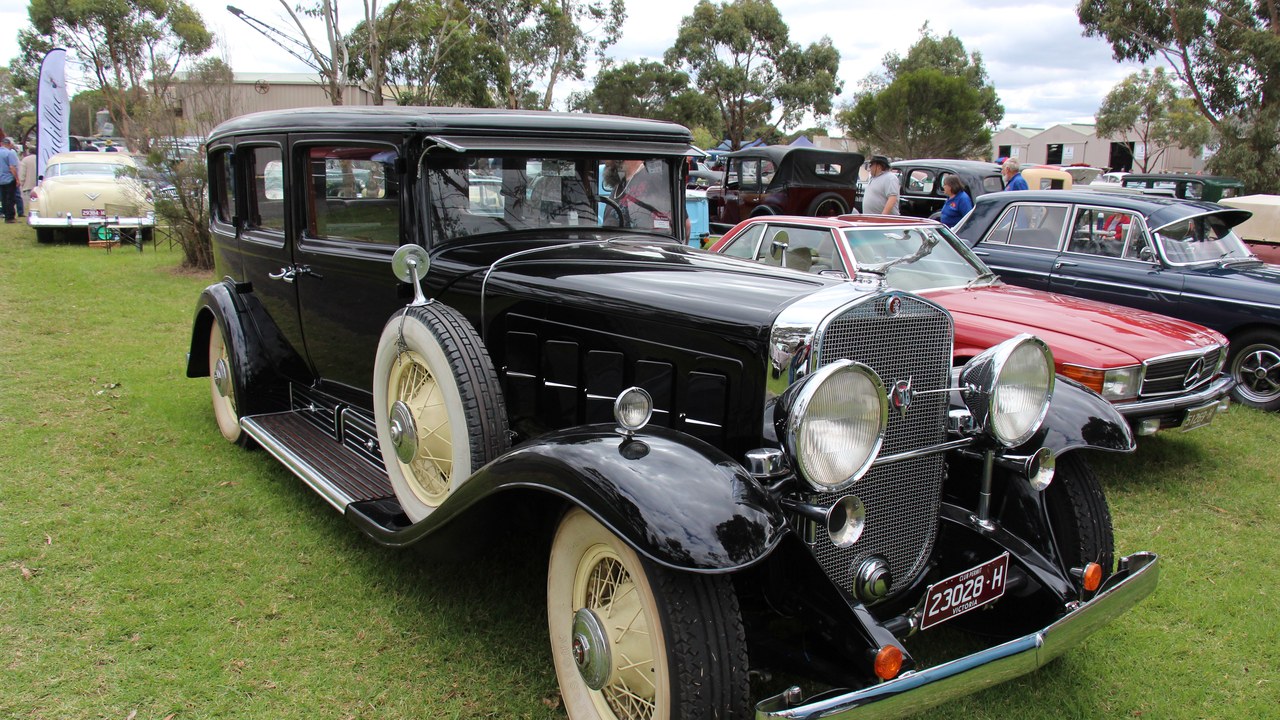
Cadillac’s first V-16 arrived in 1930 with a 45-degree overhead-valve engine of 452 cubic inches making 165 horsepower, a statement of prewar excess, according to the company history on Wikipedia.
Sixteen cylinders signaled that the brand intended to sit at the very top of the market. The V-16 remains a symbol of how far American luxury makers were willing to go, even as the economy struggled. Surviving cars are rarely seen outside concours lawns and museums, which only adds to the mystique.
2. Cadillac Coupe de Ville (1949): First Mass-Produced Hardtop
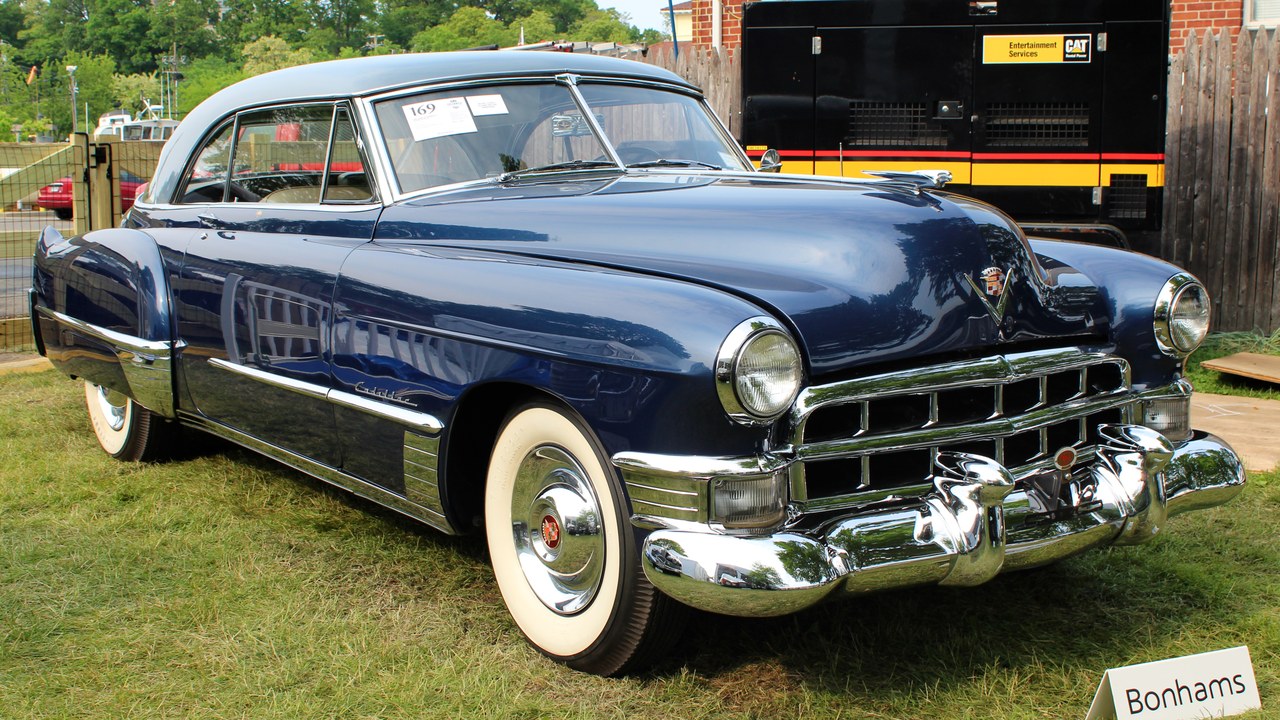
Introduced alongside Buick in 1949 as the first mass-produced hardtop coupe, the Coupe de Ville became one of Cadillac’s most popular models for many years, according to Wikipedia’s Cadillac article.
The pillarless profile gave luxury buyers an open, convertible-like look with a solid roof. That blend of style and practicality explains why the name stayed a fixture in showrooms for so long. Used examples are still easy to appreciate as classics, with period styling that stands out in any parking lot.
3. Cadillac Eldorado (1953): The $7,750 Eldorado
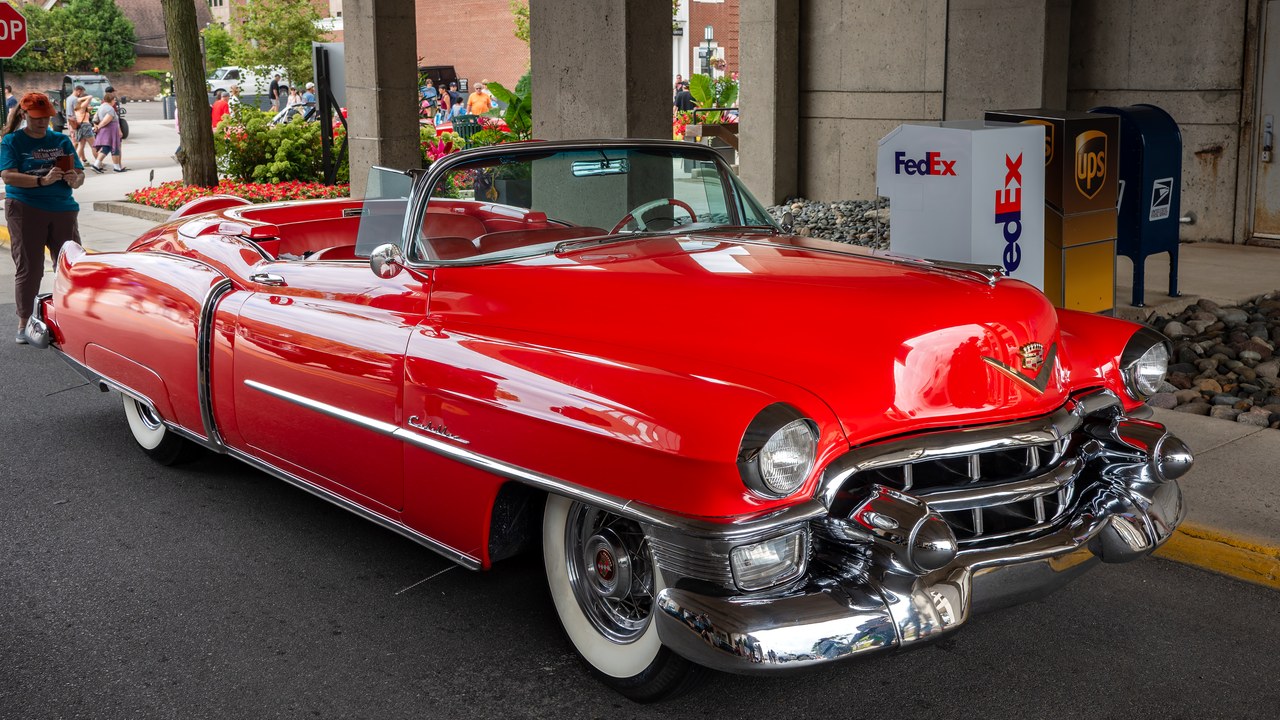
The first Eldorado cost $7,750 in 1953 and only 532 were built, powered by a 210-hp 331-cubic-inch V-8, according to Hagerty. Cadillac sold 2,150 the following year.
The tiny first-year run made the original a rare and expensive halo car. Its growth in the next year shows the Eldorado found a bigger audience once the idea was proven. Anyone chasing a first-year car today faces a very small pool of survivors and prices to match that scarcity.
4. Cadillac Eldorado Brougham (1957): Hand-Finished and Costly
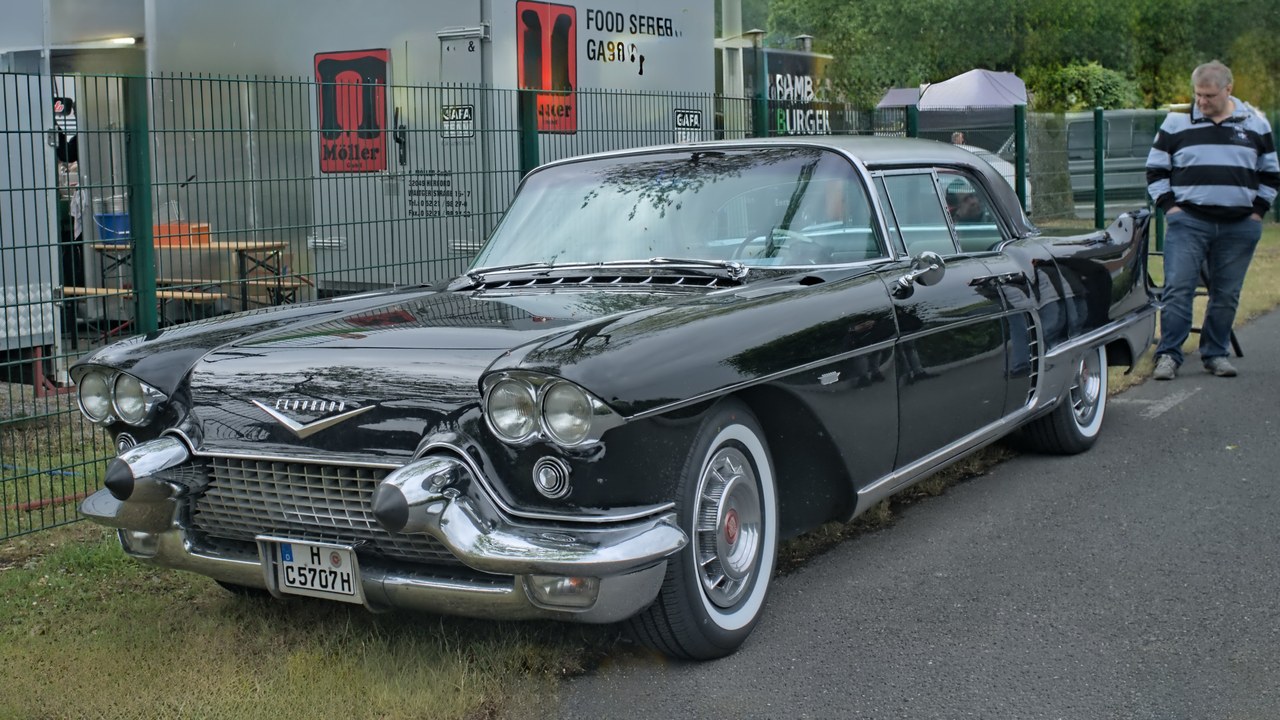
The hand-finished Eldorado Brougham cost $13,074, twice the price of a regular 1957 Eldorado, and sales totaled just 400 in 1957 and 304 in 1958, according to Wikipedia’s Eldorado history.
The Brougham pushed price and exclusivity as far as the brand dared. Its limited numbers show that even a wealthy market had a ceiling for how much buyers would pay. Anyone shopping for one now should expect a very limited supply and a premium for documented examples.
5. Cadillac Eldorado (1959): Peak Tailfins
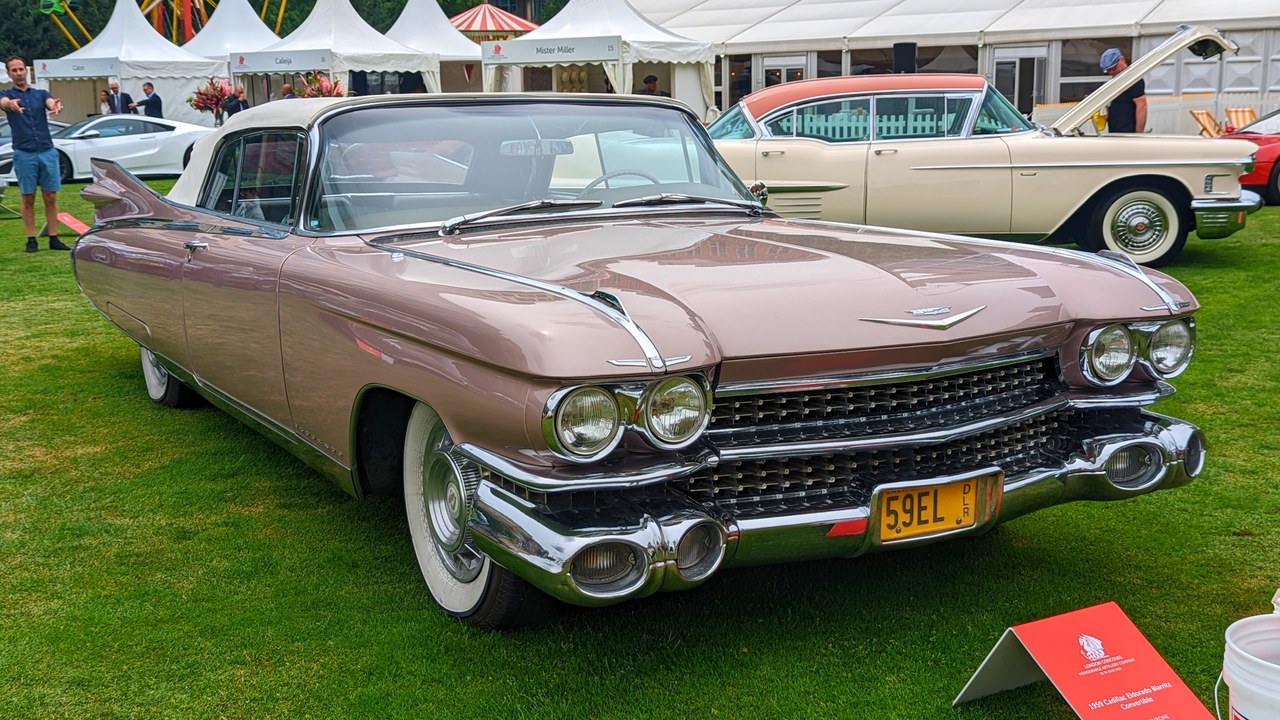
The 1959 Eldorado wore the styling for which the 1959 Cadillac is still remembered: huge, sharp tailfins carrying dual bullet taillights at the rear of the car, according to Wikipedia.
Those fins have become shorthand for the excess of the late-1950s American auto industry. The car is a favorite of collectors and a frequent subject of nostalgia whenever tailfins come up. Restorers and shoppers alike tend to value originality, since the details are what make these cars so recognizable.
6. Cadillac Eldorado (1967): Front-Wheel Drive Arrives
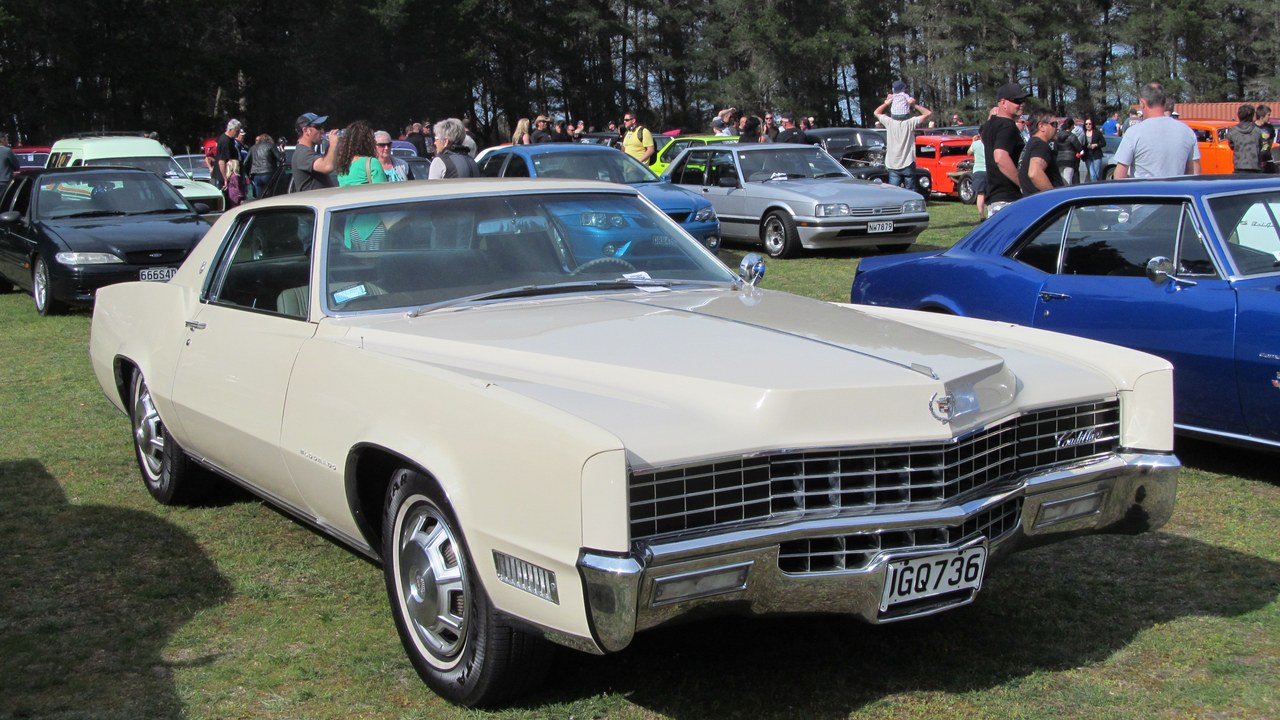
The 1967 Eldorado went front-wheel drive, sharing its E-body and drivetrain layout with the Oldsmobile Toronado, and sold 17,930 units in its first year, according to Wikipedia’s article.
The change marked a technical shift for a large luxury coupe. The strong first-year total suggests buyers were ready for the new layout and the long, low shape that came with it. Owners of the era were buying into a significant engineering change, and its influence carried into later luxury coupes.
7. Cadillac Seville (1975): An International Size
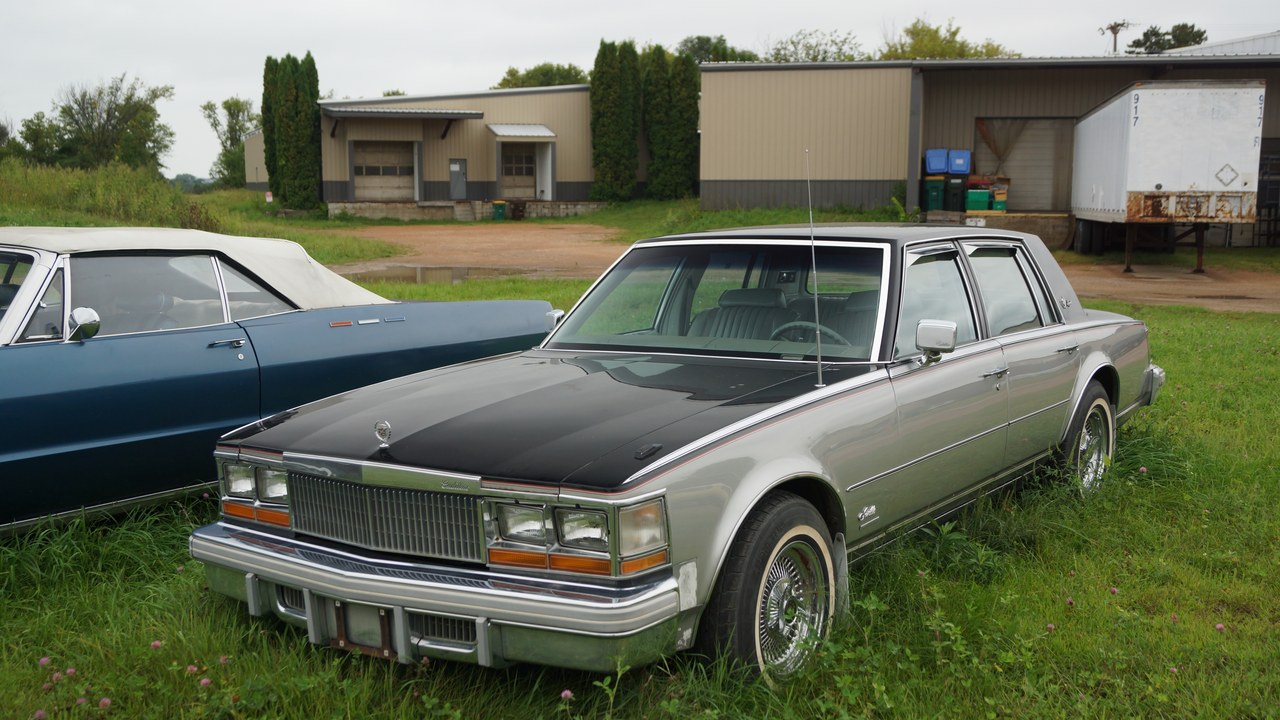
Cadillac introduced the Seville in May 1975 as an international size luxury car aimed squarely at the growing market for imported luxury sedans, according to Wikipedia’s Cadillac history.
The Seville reflected a company responding to European and Japanese competition. A smaller Cadillac was a major departure at the time, and it showed that the brand was willing to adapt. Smaller dimensions and tighter packaging also pointed toward the sizes that the whole American luxury segment would adopt.
8. Cadillac Cimarron (1982): The Compact That Failed
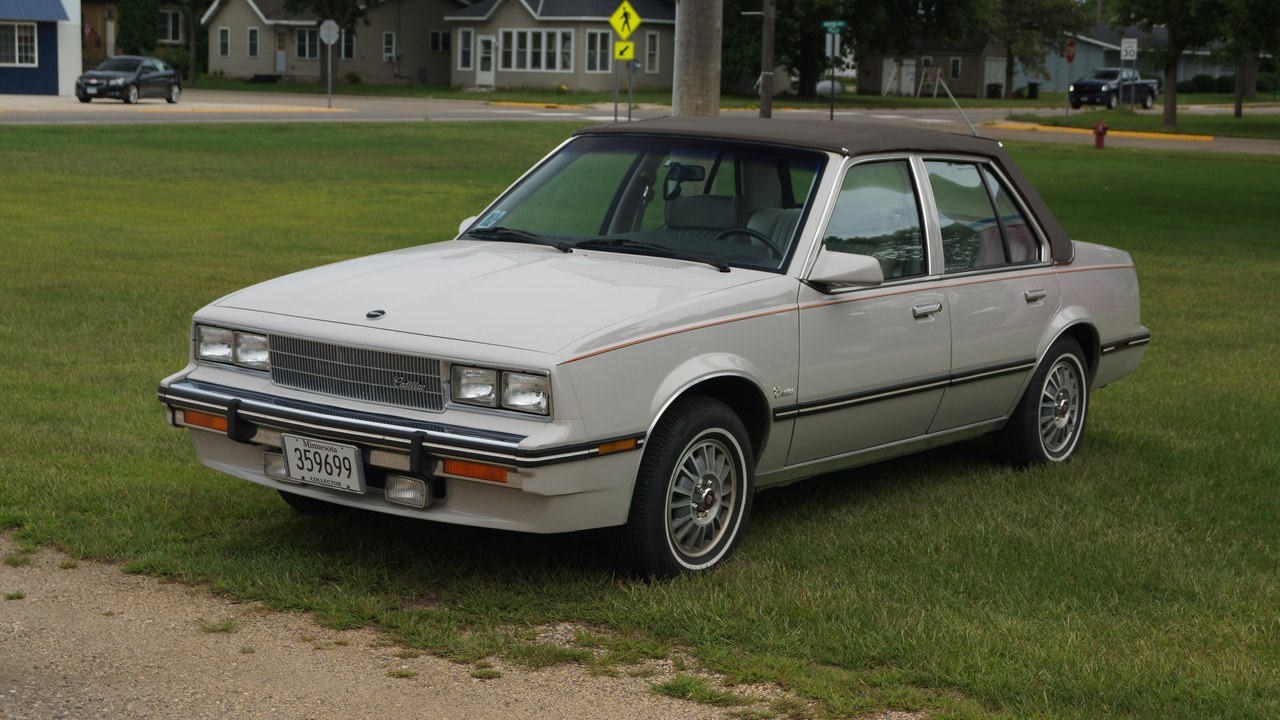
The 1982 Cimarron was the brand’s first compact car, and its failure is tied to Cadillac’s U.S. market share sliding from 3.8% in 1979 to 2.2% in 1997, according to Wikipedia’s company history.
The Cimarron is a standard example of how a luxury nameplate can be damaged by trimming a lesser product with its badge. Many observers treat it as a cautionary tale about brand dilution. For readers tracking the brand’s long run, its decline in share gives context for the later push toward better-engineered cars.
9. Cadillac Allanté (1987): Italian Body, Detroit Assembly
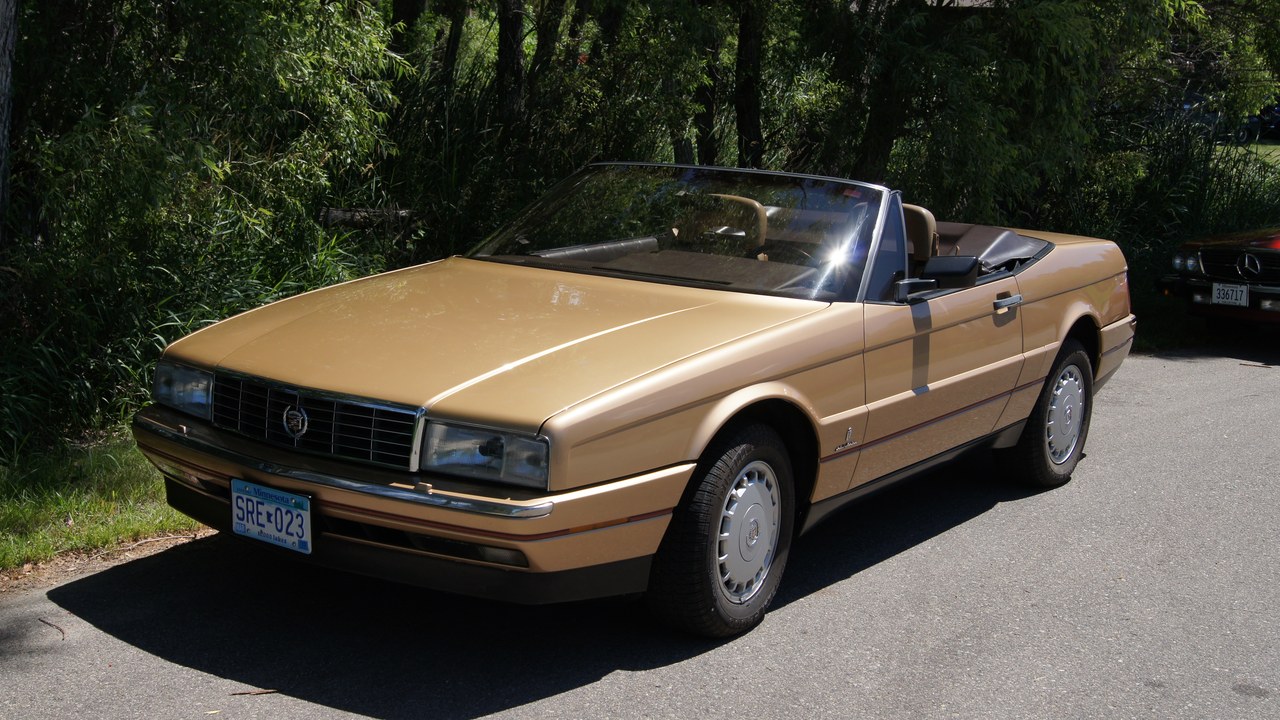
Allante bodies were built by Pininfarina in Italy and flown to Detroit for assembly, and the $50,000 roadster ended production with just over 21,000 cars built, according to Hagerty.
The unusual logistics were an ambitious effort to match European luxury sports cars. Today the Allante is discussed as a curious and expensive experiment, and it remains an interesting used-car oddity. Prospective buyers should expect complicated parts sourcing, since the construction method was unlike any other Cadillac.
10. Cadillac Escalade (1999): Savior of Cool
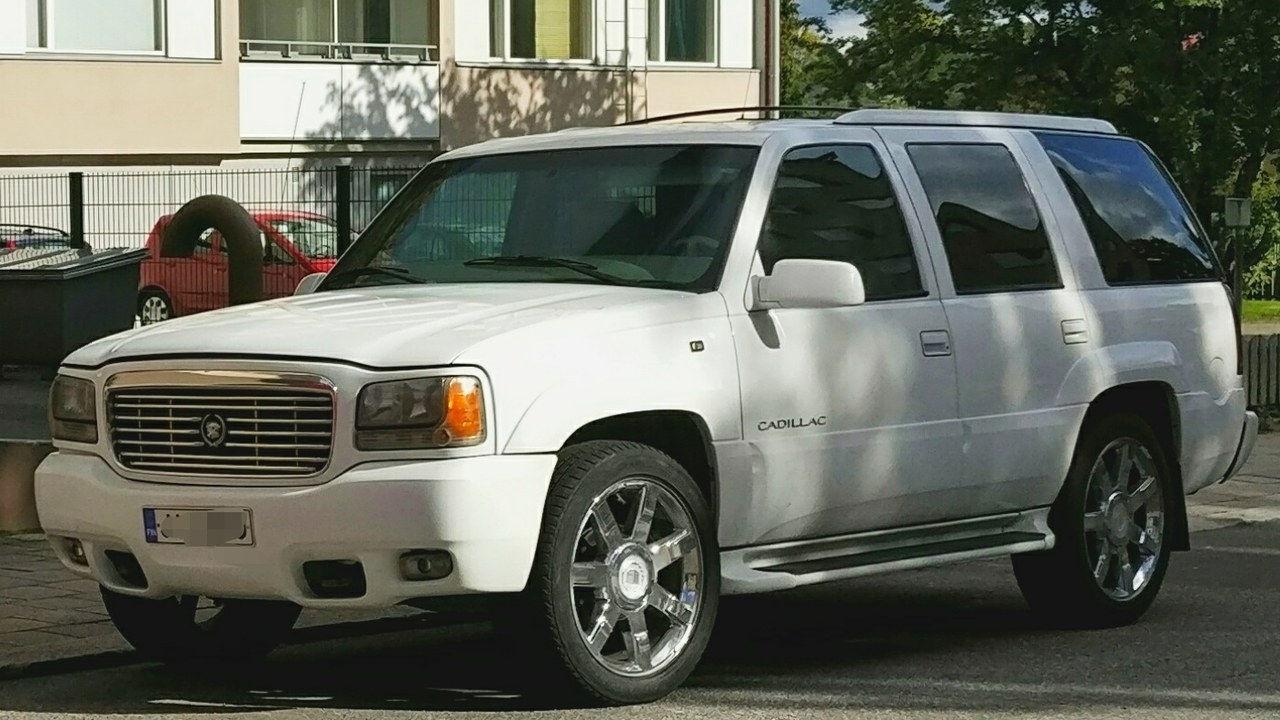
The first Escalade carried a 255-hp 5.7-liter Vortec V-8, reached market ten months after approval and has since sold more than one million units globally, according to GM.
Moving so fast from approval to showroom helped Cadillac answer rival luxury SUVs. The cumulative sales total shows how important the nameplate became for the brand’s fortunes. The truck’s popularity also reshaped the brand’s image, giving it a presence in popular culture that sedans alone had not provided.
11. Cadillac CTS-V: Supercharged Sedan
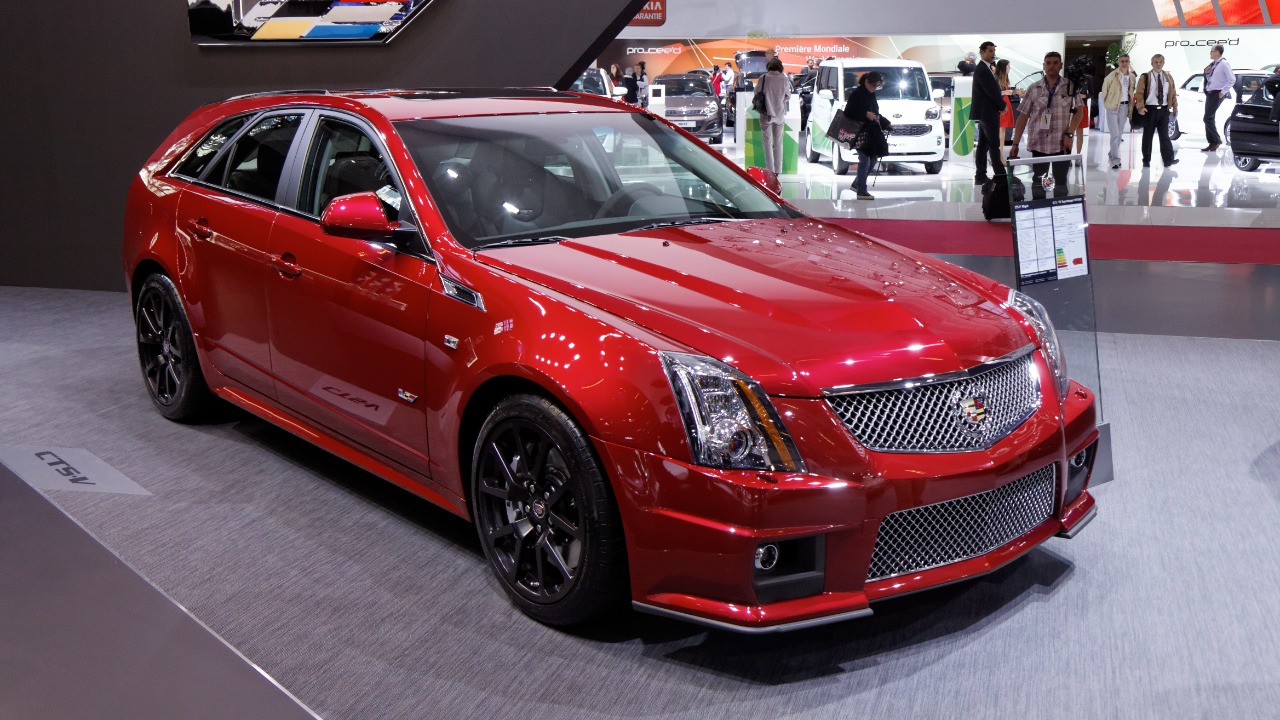
Introduced in 2004, the CTS-V gained a 556-horsepower supercharged V-8 in its second generation, with 0-60 mph times in the 4.0-second range, according to Hagerty’s guide to Cadillacs worth buying.
A big luxury sedan with that output showed that Cadillac could build serious performance machines. Used examples remain a popular pick for enthusiasts who want speed with a family-sized interior. Because the car combines everyday usability with supercar-like speed, it has built a loyal following in the used market.
12. Cadillac Escalade IQ: Electric Escalade
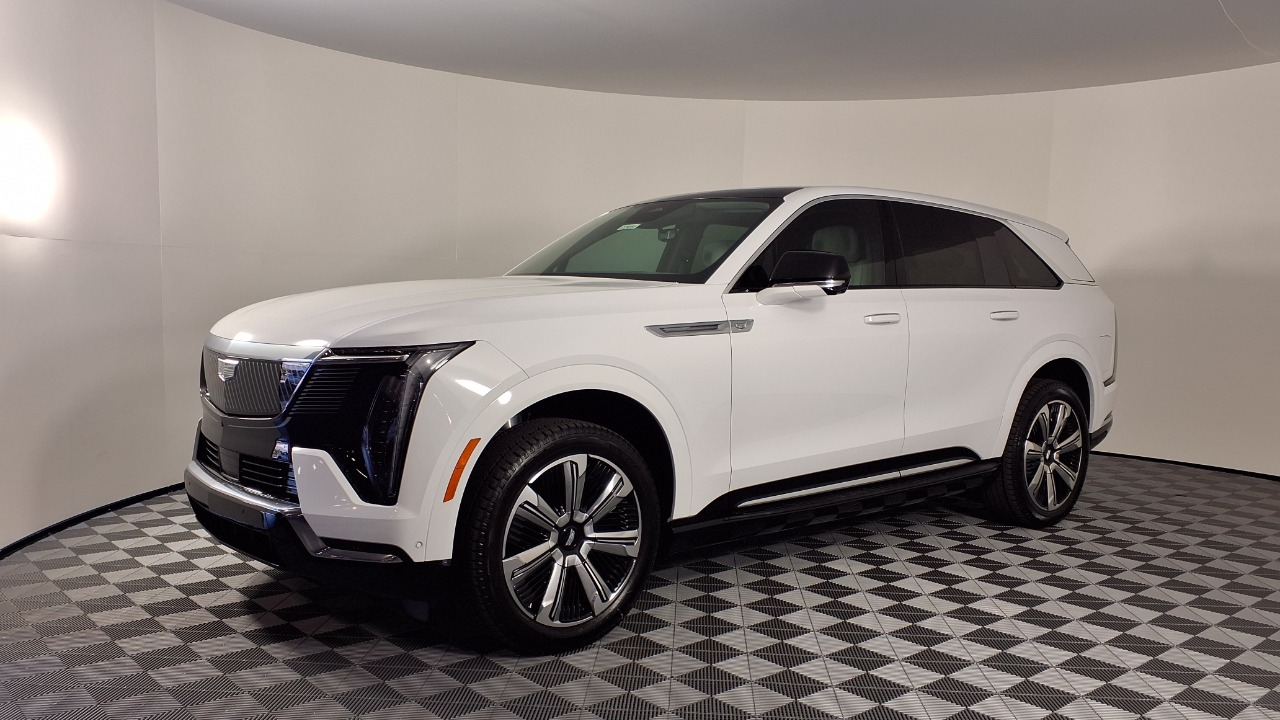
The all-electric Escalade IQ makes up to 750 horsepower by Cadillac’s estimate and is rated for an estimated 465 miles of range from its 24-module battery, according to GM.
The IQ brings the nameplate into the electric era without abandoning the large, high-status format. Both power and range are estimates, so buyers should check final figures before purchase. That blend of size, price and technology is likely to shape how traditional luxury buyers view the transition to electric power.
More from Morning Overview
- The FBI told the rest of ShinyHunters to surrender after a 24-year-old was arrested
- Two passengers died at an Ohio toll plaza, and the NTSB now wants the cash lanes shut
- Long use of a common prostate pill is tied to a higher chance of glaucoma
- Ford is recalling 223,472 F-150 pickups because the fuel tank can leak or detach
