
Recall campaigns filed between July and September 2026 swept up millions of vehicles, and a handful of models accounted for the largest shares. The entries below cover pickups, crossovers, minivans and sedans, with defects ranging from seat belt anchors to detaching coil springs. Here are eleven vehicles caught in the largest campaigns of the period.
1. Ram 1500: Largest Campaign of the Quarter
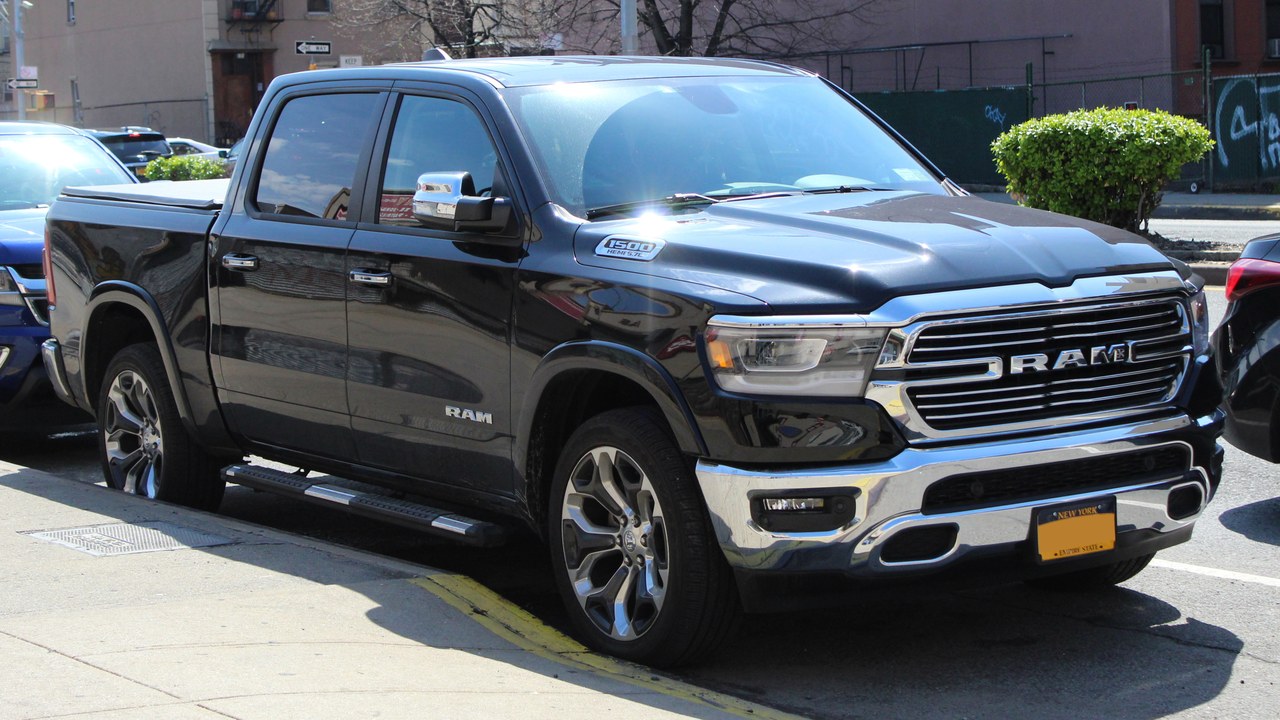
Chrysler campaign 67D, filed July 30, 2026, covers a seat belt anchor recall of 1,271,294 Ram 1500 pickups from the 2019 through 2026 model years because the seat belt buckle anchors were improperly installed. The filing, tracked by NHTSA as 26V495000, is the biggest of the quarter by vehicle count.
Owners of a 2019-2026 Ram 1500 should check the VIN against NHTSA’s recall lookup and keep the notice letter once it arrives. A buckle anchor is a load-bearing part of the restraint, so the defect deserves prompt attention.
2. Kia Telluride: Overheating Seat Motors
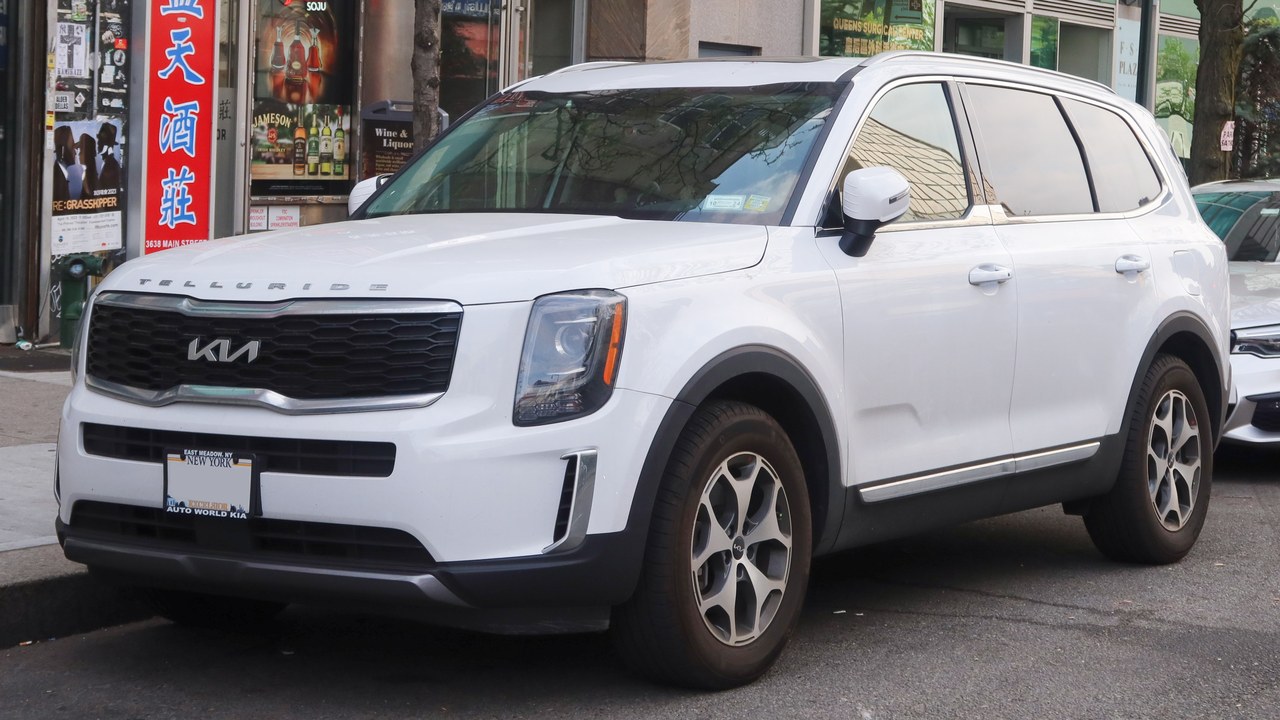
The campaign puts the Q3 recall report on 462,869 Kia Tellurides from the 2020 through 2024 model years, citing power seat motors that can overheat and create a fire risk. The figure makes the three-row crossover the second-largest entry in the quarter’s top campaigns.
Telluride owners in that range should confirm their VIN and avoid ignoring the notice, since an overheating motor under a seat is a fire hazard rather than a nuisance. Families who use the power seats daily are the likeliest to notice a problem first.
3. Honda Odyssey: Water in the Camera Path
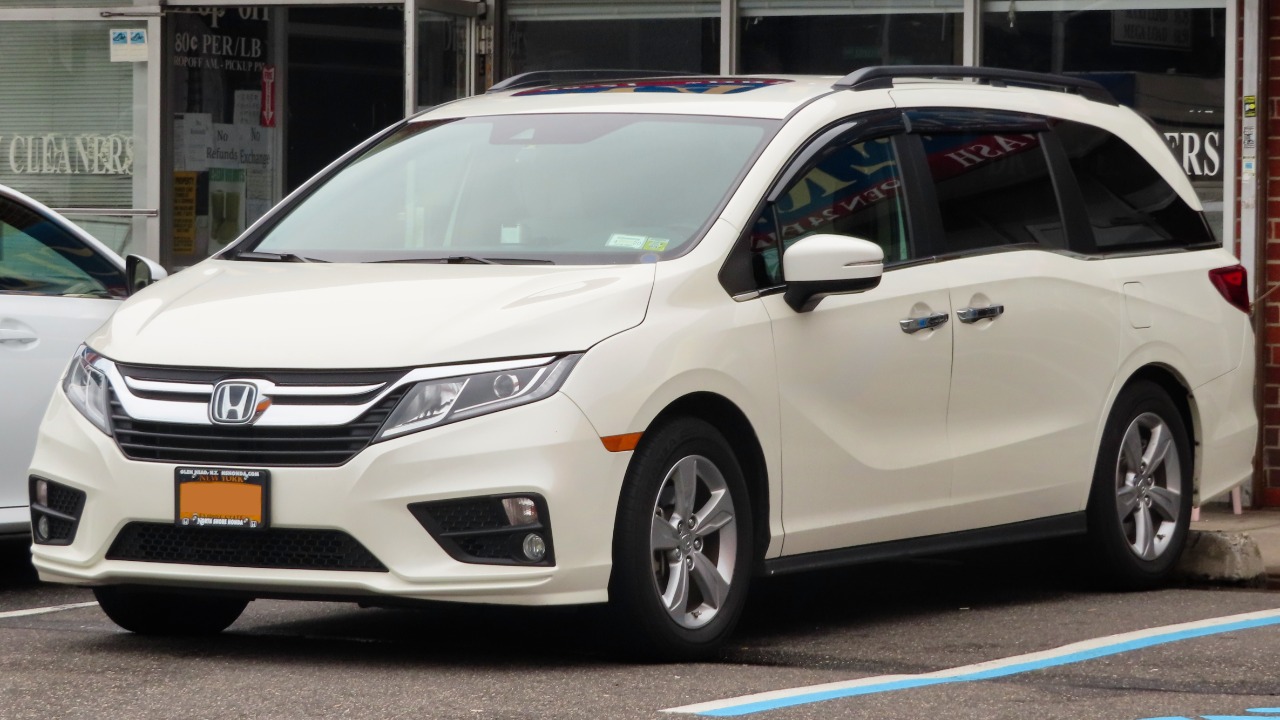
In this recall summary, 325,588 Honda Odysseys from the 2018 through 2020 model years are flagged because water intrusion can stop the rearview camera image from appearing. The minivan’s camera is the backup view drivers rely on when reversing in tight spaces.
A blank camera screen does not disable the car, which makes the fault easy to dismiss. Owners of a 2018-2020 Odyssey should check the VIN and report any flicker or dropout rather than waiting for a total failure.
4. Mercedes-Benz GLC: Rollaway Risk
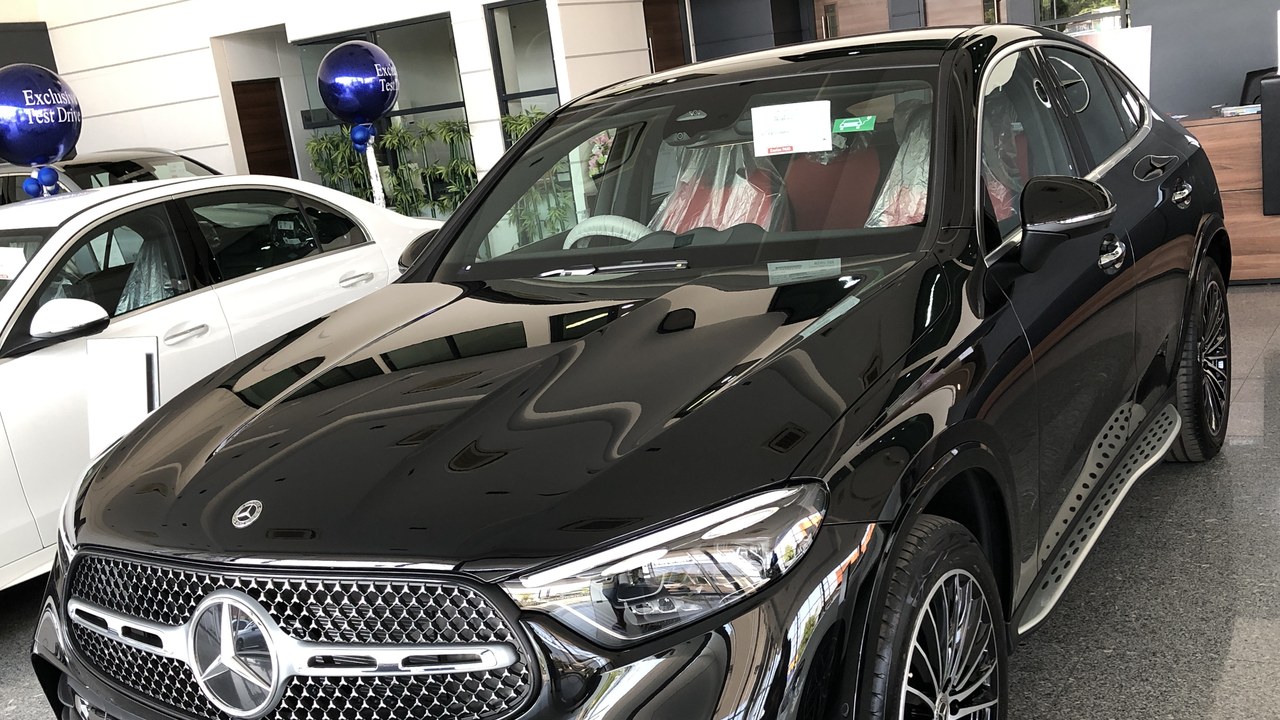
The 2023-2024 GLC 300 is one of the models named in NHTSA’s rollaway filing that covers 310,667 Mercedes-Benz vehicles under the rollaway recall, campaign 26V481000. The same filing also reaches the C-Class elsewhere on this list.
Anyone with a 2023-2024 GLC 300 should run the VIN through NHTSA’s lookup. A vehicle that can roll after being parked is a hazard for people standing nearby, which is why the agency treats rollaway filings seriously.
5. Subaru Forester: Wrong Weight Rating Label
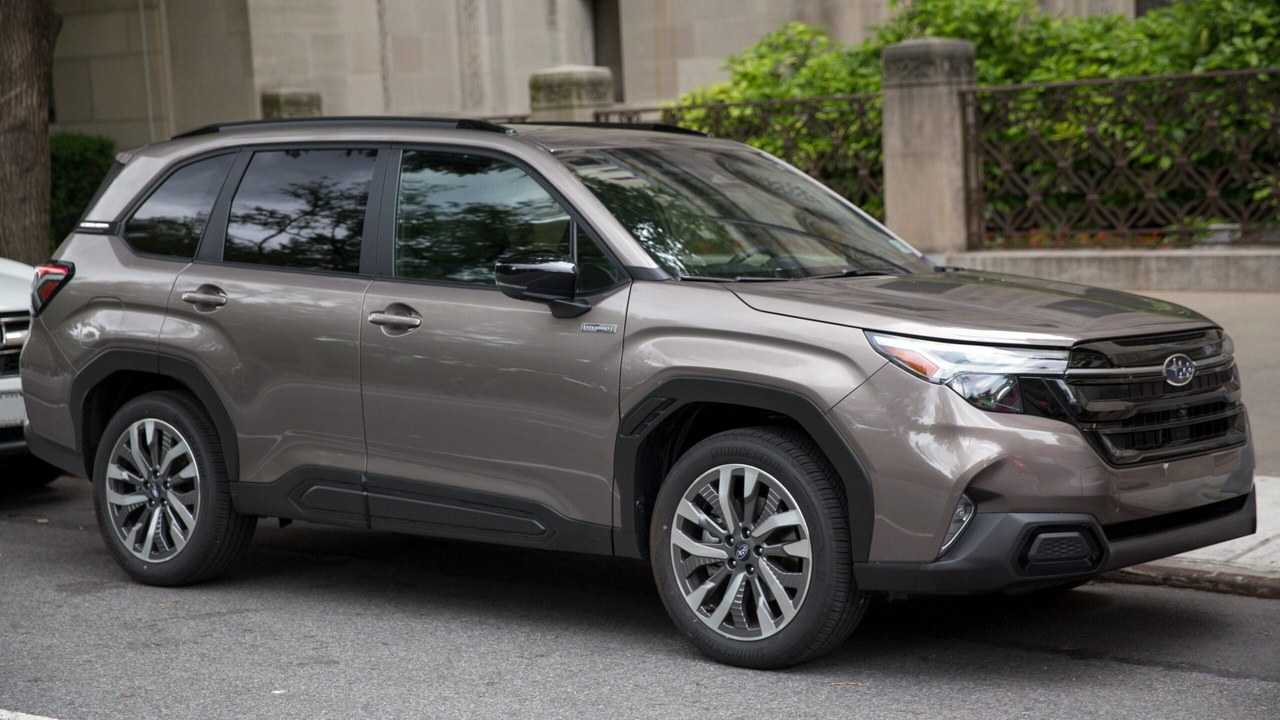
The Forester belongs to NHTSA’s Subaru label campaign that spans 541,237 Subarus, recalled because an incorrect GAWR label (gross axle weight rating) may lead to an overloaded vehicle. The problem is a printed rating that does not match the vehicle, not a failed part.
A wrong label matters most to owners who load the vehicle near its limit, such as with cargo or a full cabin. Forester drivers should check the VIN and treat the corrected rating as the figure to follow.
6. Subaru Ascent: Same Label, Bigger Crossover
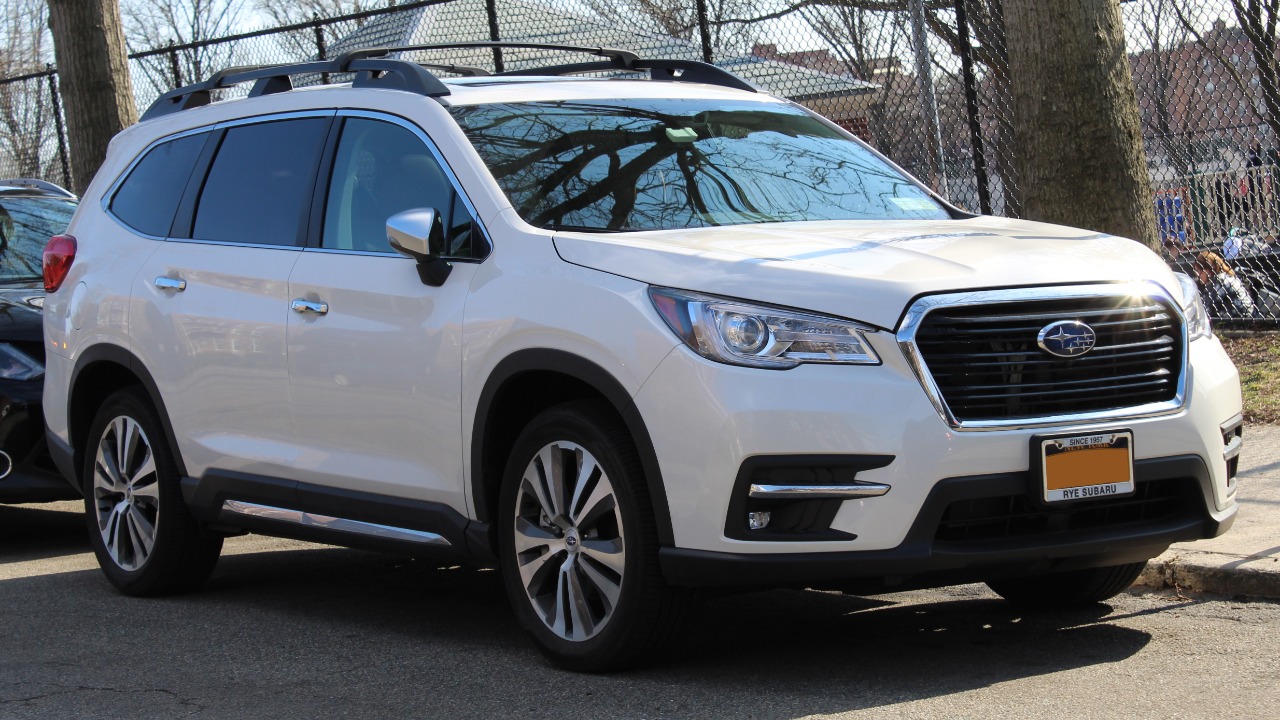
Subaru’s three-row crossover is covered by the 26V436000 campaign, with 2019 through 2026 Ascents among the 541,237 vehicles carrying an incorrect GAWR label. The model-year span means nearly the entire run of the Ascent is involved.
With such a wide range, owners of almost any Ascent should check the VIN rather than assume an older or newer build is clear. Families that tow or fill all rows with passengers and cargo have the most reason to know the right rating.
7. Toyota Camry Hybrid: Dash Display Fails to Warn
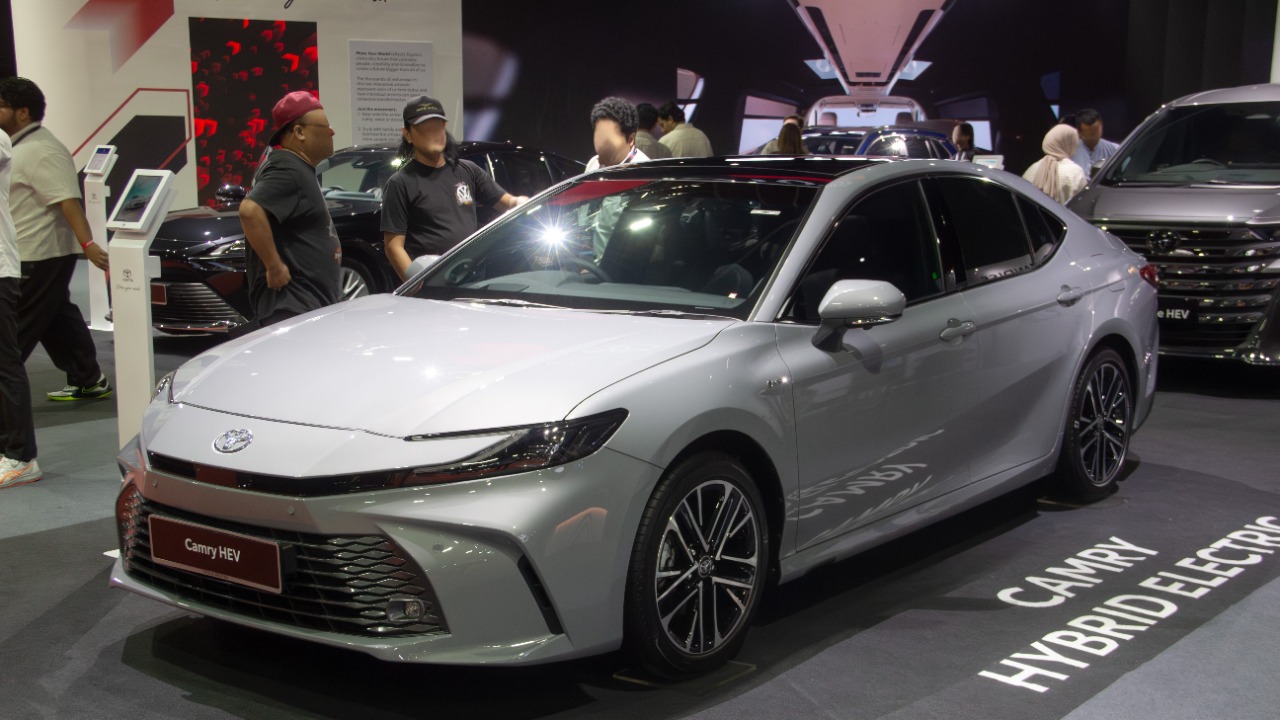
The filing identifies a Camry cluster recall as covering 508,354 Toyota Camry Hybrids from the 2025 and 2026 model years, where an instrument cluster fails to display critical safety information. The campaign number is 26V511000.
Because the current Camry is a high-volume sedan, many owners are affected within a single generation. A cluster that omits safety alerts removes a warning drivers depend on, so owners of a 2025-2026 hybrid should check the VIN promptly.
8. Ford Explorer: Second-Row Seat on the Move
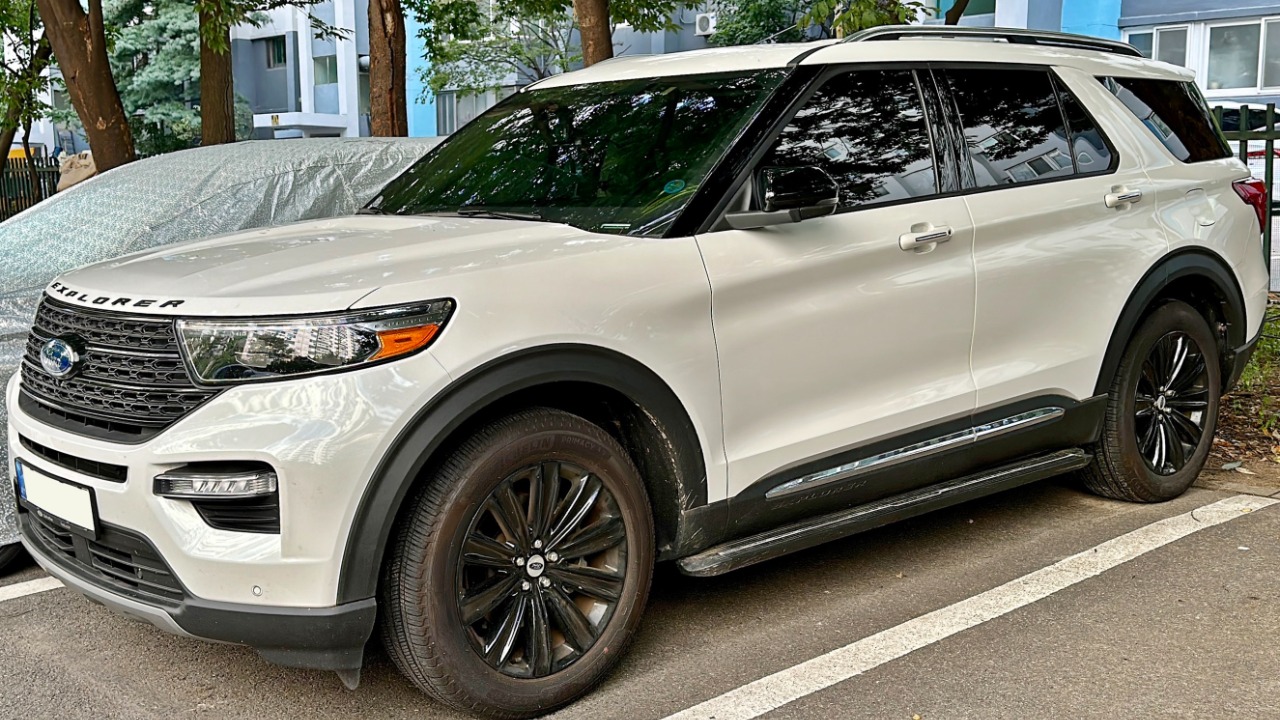
A second-row seat that moves unexpectedly may not restrain an occupant, the defect described in NHTSA’s seat movement recall covering 387,911 Explorers and Aviators. The Explorer is one of two nameplates sharing the campaign, number 26V451000.
Parents and anyone carrying passengers in the second row are the group most exposed to the fault. Explorer owners should check the VIN and test that the seat latches firmly until the notice arrives. The campaign also applies to the Aviator, so owners of either nameplate should read the notice carefully.
9. Lincoln Aviator: Luxury Twin in the Seat Recall
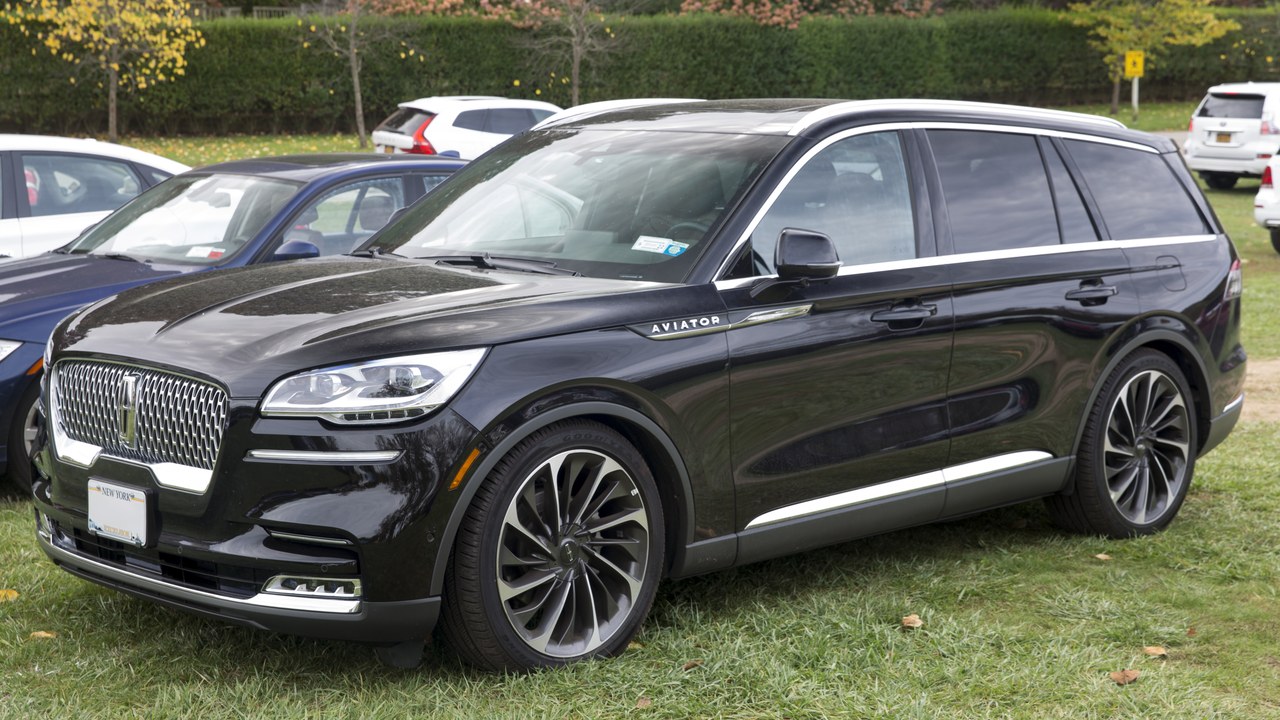
The Aviator is the second nameplate in the shared seat campaign, with 2020 through 2027 Aviators sharing the 387,911-vehicle total with the Ford Explorer. Both fall under campaign 26V451000.
The span of eight model years means most Aviators sold since launch could be involved. Owners should check the VIN rather than rely on trim level, and bear in mind that the fault concerns second-row seat restraint. Owners who bought used should confirm the VIN with a dealer, since previous keepers may have missed the mailed notice.
10. Jeep Grand Cherokee L: Springs That Can Let Go
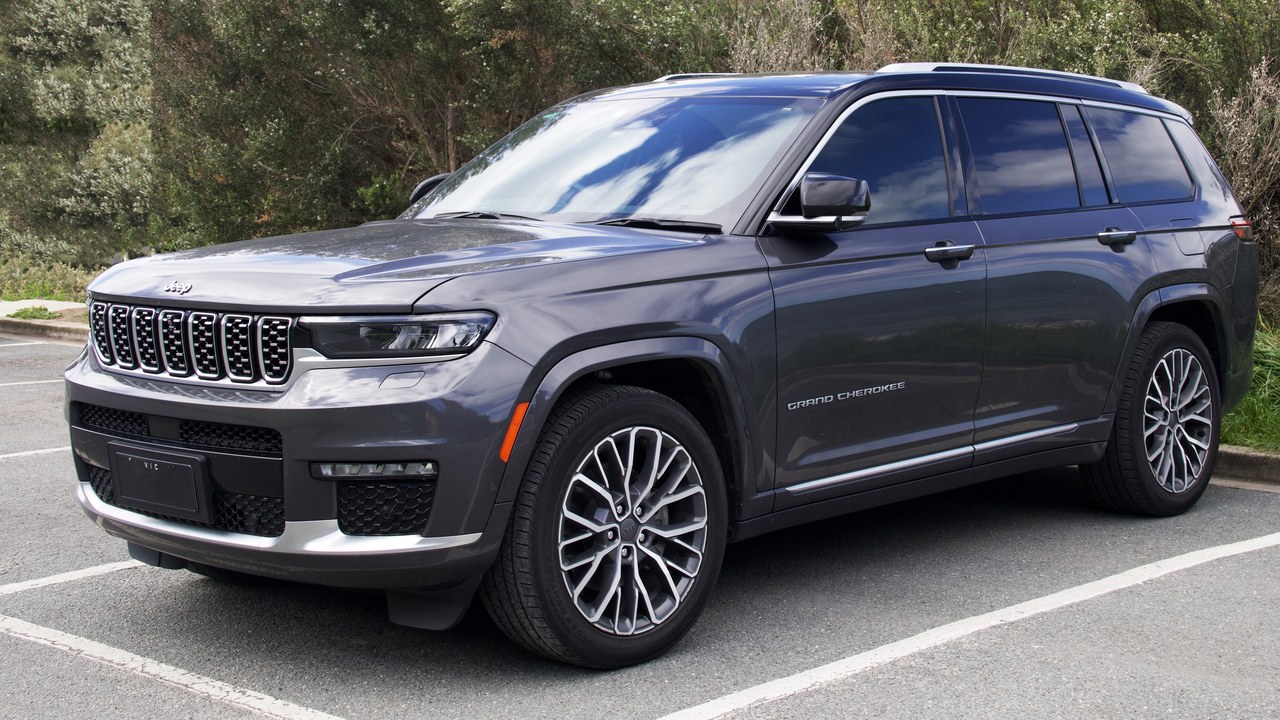
NHTSA’s coil spring filing lists 328,381 Grand Cherokees whose rear coil springs can detach while driving, under campaign 26V562000. The three-row Grand Cherokee L is the version on this list.
A spring that separates on the road is a failure with obvious consequences for the vehicle and for traffic behind it. Owners should check the VIN and report any unusual rear-end noise or ride change to a dealer. Drivers who tow or carry heavy loads in the rear have particular reason to ask a dealer about the inspection.
11. Mercedes-Benz C-Class: Corroded Door-Lock Switch
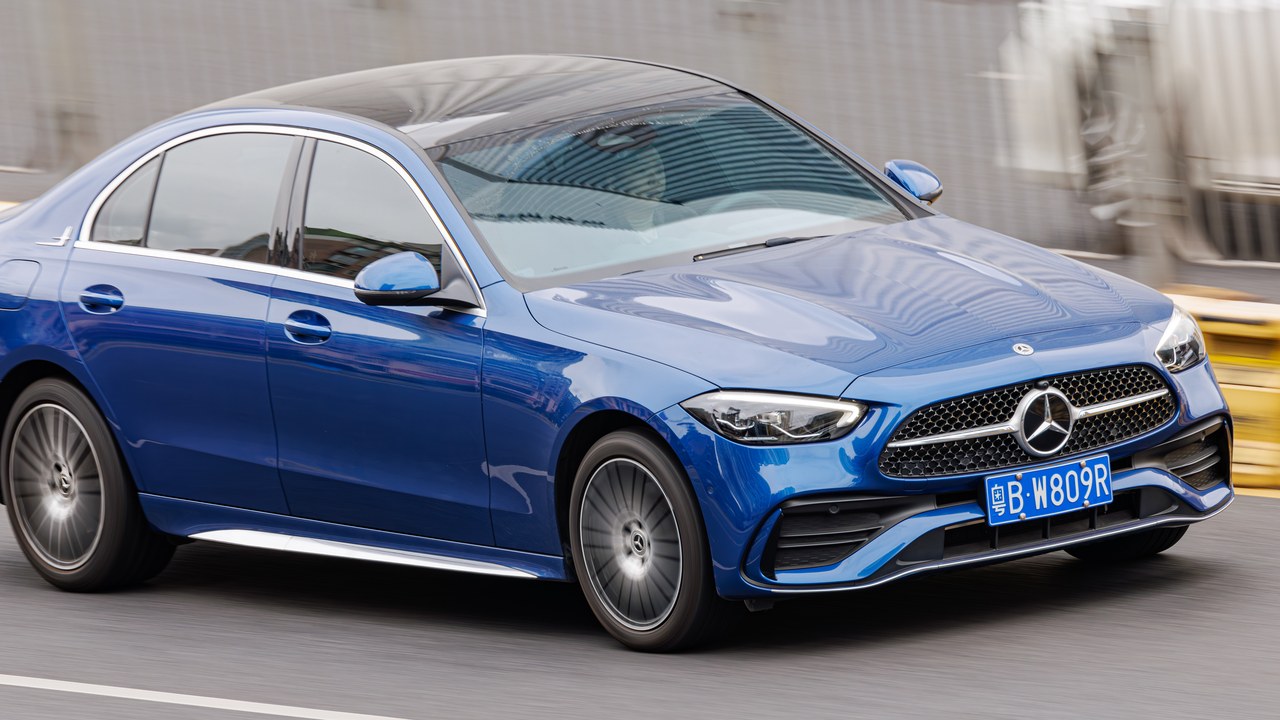
The C-Class is among 310,667 Mercedes-Benz vehicles in the Mercedes door-lock recall, recalled because a corroded door-lock switch can let the vehicle roll away. It shares campaign 26V481000 with the GLC.
Rollaway defects tend to surface when a vehicle is parked, often on a slope. C-Class owners should check the VIN against NHTSA’s lookup and use the parking brake as a habit until the remedy is done. Sedan owners often assume recalls target larger vehicles, but this campaign reaches the compact luxury class too.
More from Morning Overview
- Hybrids have 15% fewer problems than gas cars, while EVs and plug-in hybrids have about 80% more, Consumer Reports finds
- Regulators cleared the first U.S. small modular reactor, 4 months early
- Lake Powell sank to a record 3,517 feet, nearing the level that stops Glen Canyon Dam’s turbines
- Seven of Earth’s nine planetary boundaries are breached, and all seven are worsening
