
Used-car sticker prices have climbed sharply since 2019, and the pain is not confined to luxury badges. A study from iSeeCars compared what three-year-old models cost in 2019 with 2026 averages. Here are eleven models where prices rose sharply, from German performance SUVs down to humble economy sedans.
The tech news worth your time: 400,000+ professionals from Google, Apple and OpenAI read Techpresso, a daily email with the most interesting tech news and insights.
We may earn a commission if you sign up.
1. Porsche Cayenne: Luxury SUV Leads the Pack
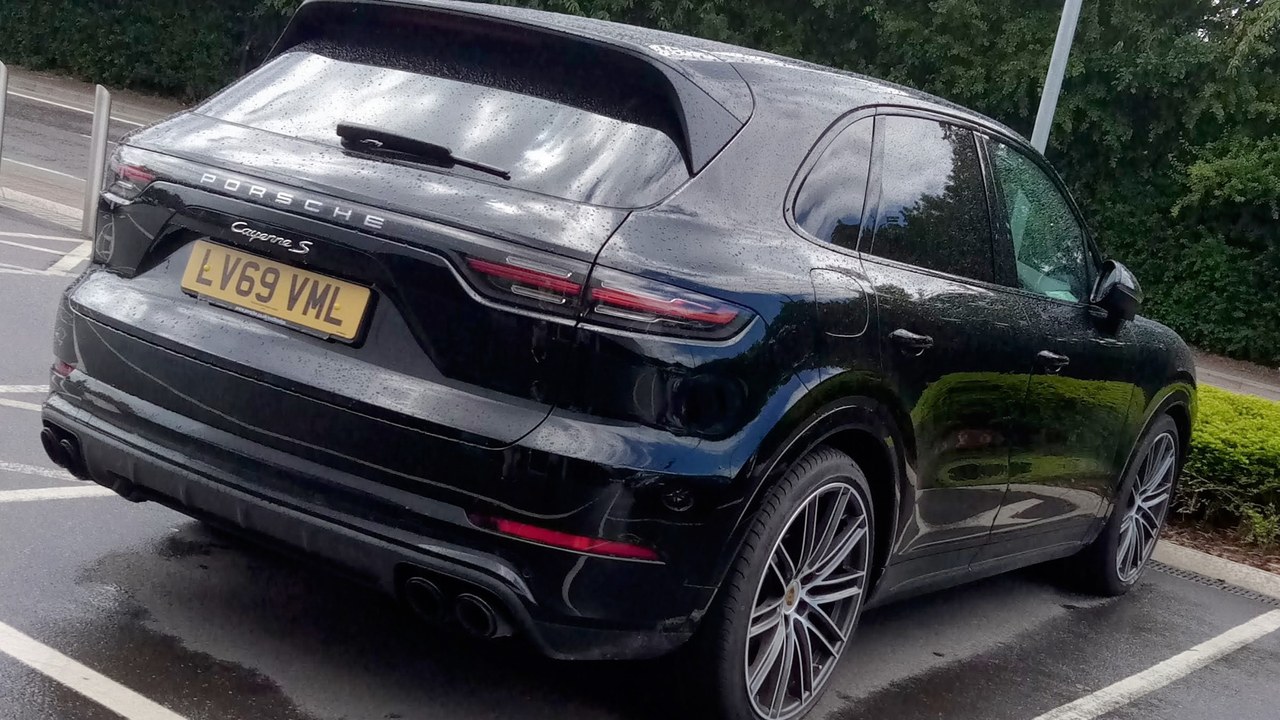
The iSeeCars price study found an average three-year-old Cayenne at $50,301 in 2019 and $88,387 in 2026, a 75.7% rise and the largest jump anywhere in the analysis. Porsche’s midsize luxury SUV therefore tops the list of models that have grown costlier since 2019.
Buyers shopping a lightly used Cayenne now face an average price near $88,000, a figure that once bought a well-equipped new luxury crossover. The numbers are not inflation-adjusted, so part of the gap is general price growth, but the Porsche still outran every other model profiled.
2. Porsche 911: Sports Car Sticker Shock
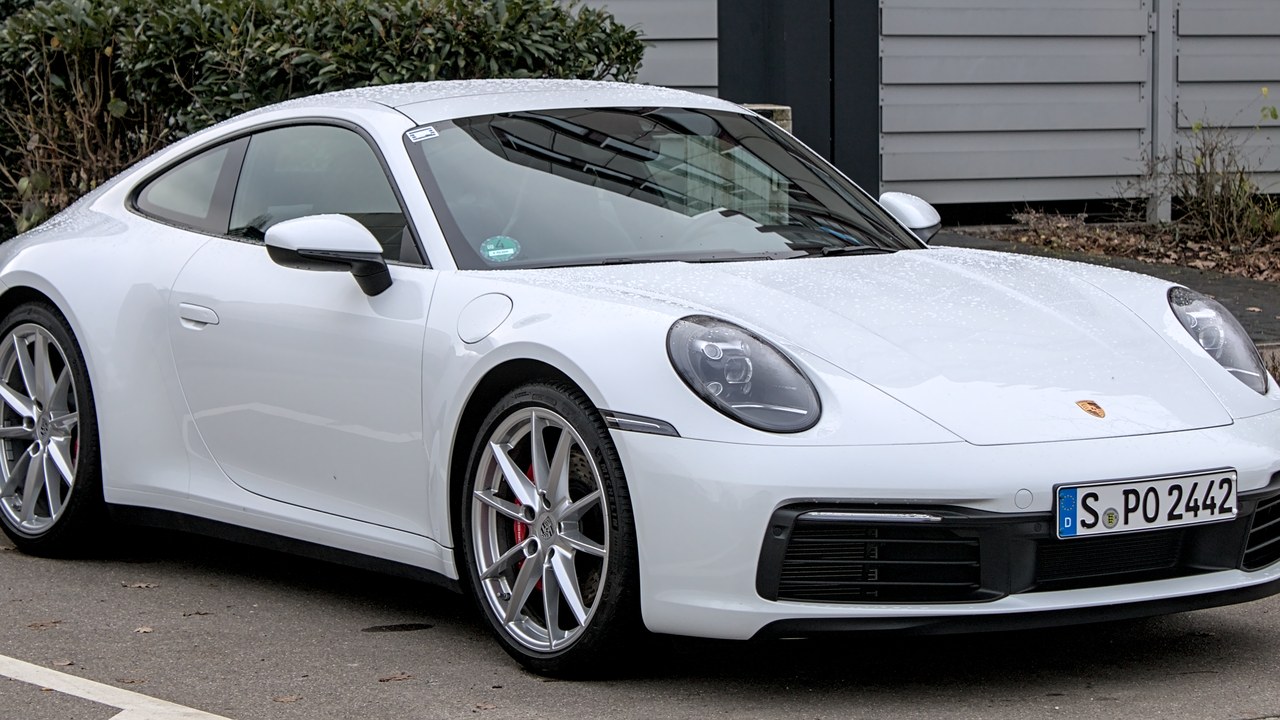
A three-year-old 911 coupe or convertible averaged $230,273 in 2026, against $132,369 in 2019, an increase of 74.0%, according to the iSeeCars 911 figures.
That is a gain of nearly $98,000 on a car only a few model years old. Shoppers who once treated a nearly new 911 as a smart way to dodge the first-owner hit now pay a premium that erases much of that logic, so patience and careful comparison of certified inventory matter more than ever.
3. Mercedes-Benz G-Class: Boxy Icon Gets Pricier

A three-year-old G-Class climbed from $99,967 to $172,781 between 2019 and 2026, up 72.8%, based on the G-Class price table in the study.
The squared-off Mercedes-Benz SUV has long enjoyed a cult following, and its used examples now carry prices that sit in exotic-car territory. Anyone eyeing one should compare several listings, since an average can hide wide swings between trims, mileage and options. Buyers should also expect limited supply, which tends to keep asking prices firm.
4. Lincoln Navigator: Three-Row Luxury Climbs
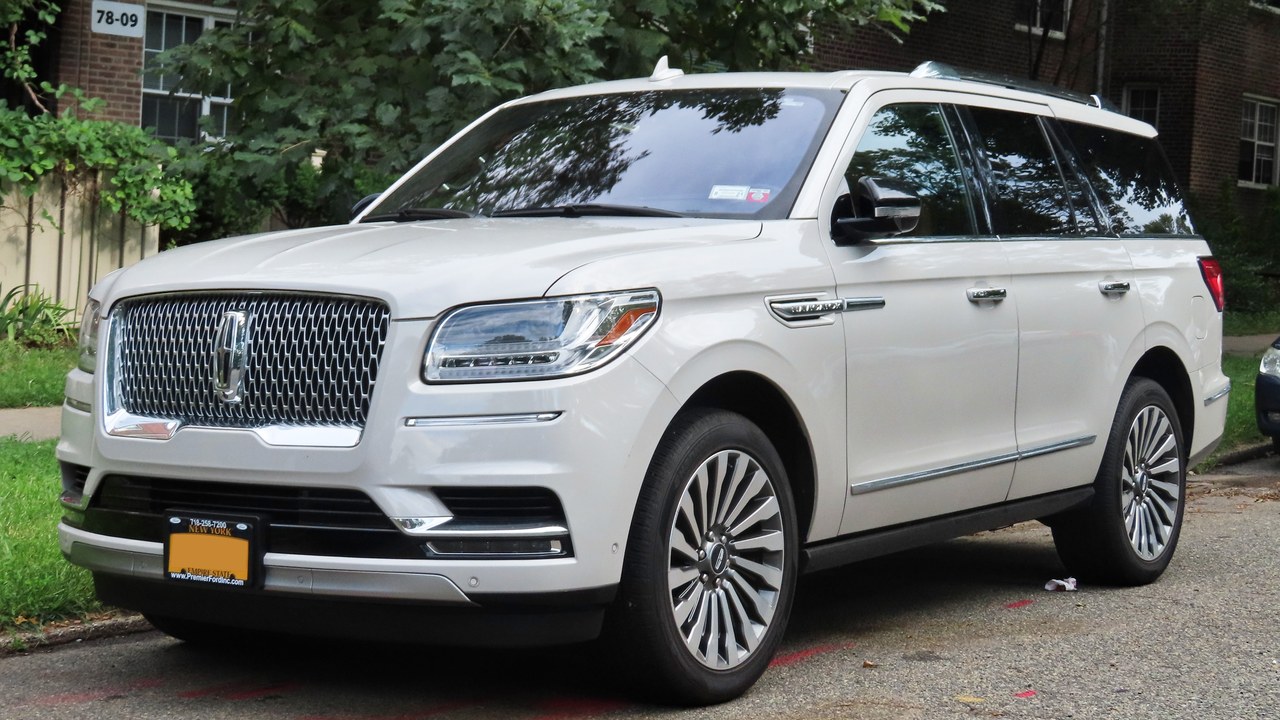
The average three-year-old Navigator rose from $38,375 to $61,755, an increase of 60.9% over the seven-year span, per the Navigator price figures in the iSeeCars study.
Lincoln builds the Navigator as a large luxury SUV with three rows of seating, and families wanting that much space have watched used prices stretch upward by more than $23,000. A buyer weighing one should price a current example against a used one before assuming the discount is still large.
5. Mercedes-Benz E-Class: Executive Sedan Surge
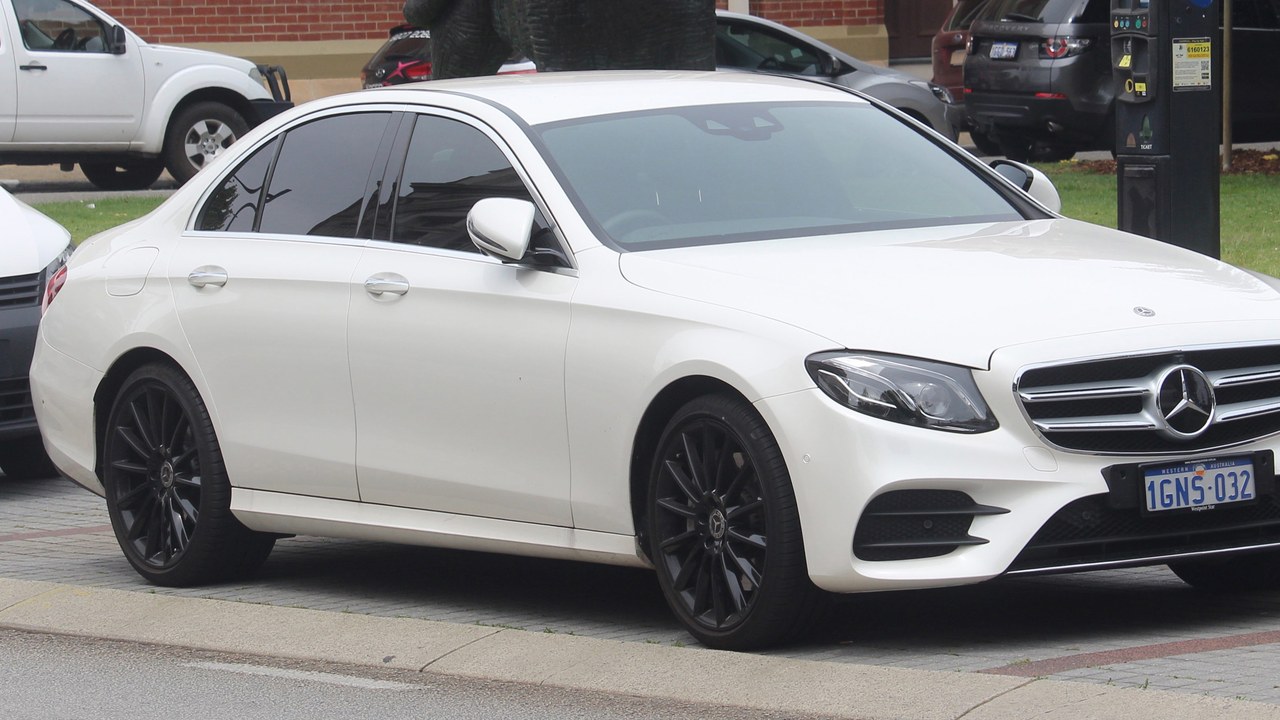
Carscoops, summarizing the same iSeeCars data in its price study write-up, reports that a three-year-old E-Class went from $31,059 in 2019 to $52,271 in 2026, a 68.3% rise.
The E-Class is Mercedes-Benz’s mainstream executive sedan, and its climb shows that the pressure was not limited to SUVs. For shoppers, a gain of roughly $21,000 means a used example now costs what a decent compact car might have sold for in the same period.
6. Acura TLX: Sporty Sedan Gains
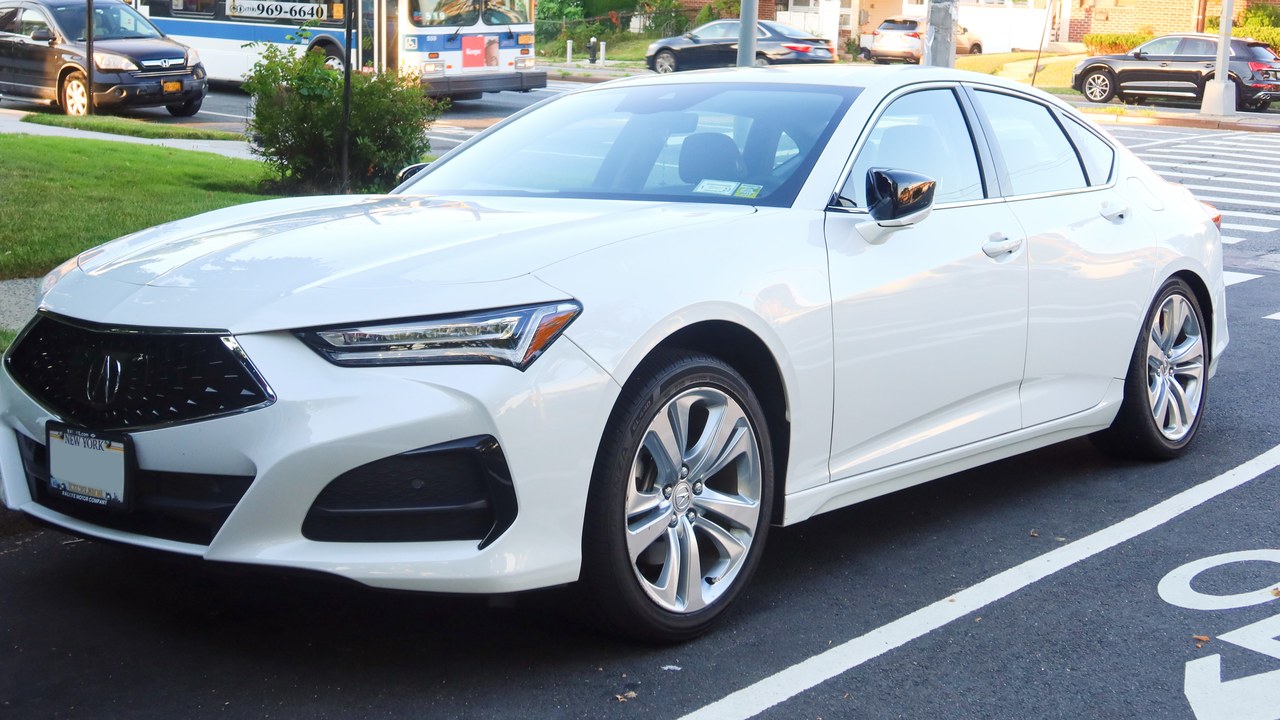
The Acura TLX, at three years old, rose from $21,277 to $35,555 in the study, up 67.1%, as shown in the Carscoops price tables.
The TLX is a sport sedan from Honda’s luxury brand, and it typically appealed to buyers wanting premium feel without the price tag of German rivals. That value pitch has narrowed, so comparing certified pre-owned programs and competing models is a sensible step before signing any paperwork.
7. BMW 3 Series: Compact Benchmark Costs More
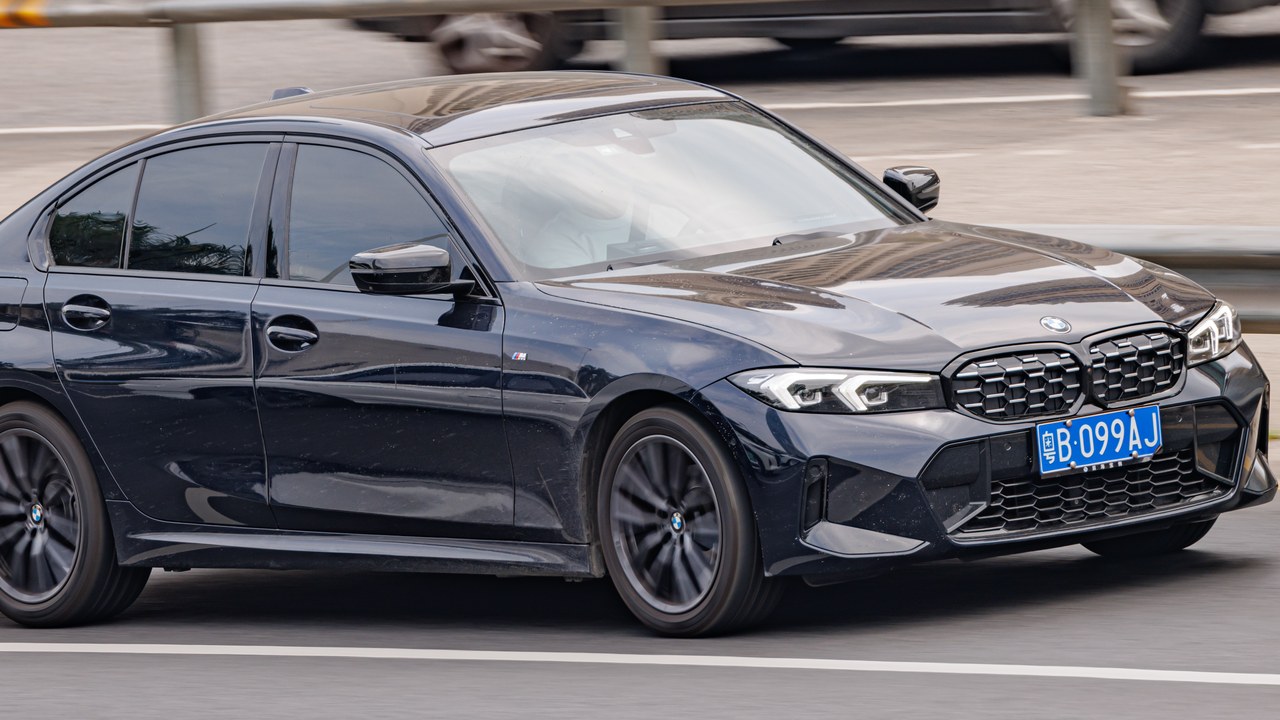
The BMW 3 Series, at three years old, moved from $23,698 to $37,922 in the study, a 60.0% rise, as listed in the Carscoops comparison tables.
Long regarded as a standard-setter among compact sport sedans, the 3 Series now begins its used life well above where a similar car sat in 2019. Buyers on a fixed budget may find that an older model year or a different brand stretches further than a nearly new BMW does.
8. Nissan Versa: Economy Car Not Spared
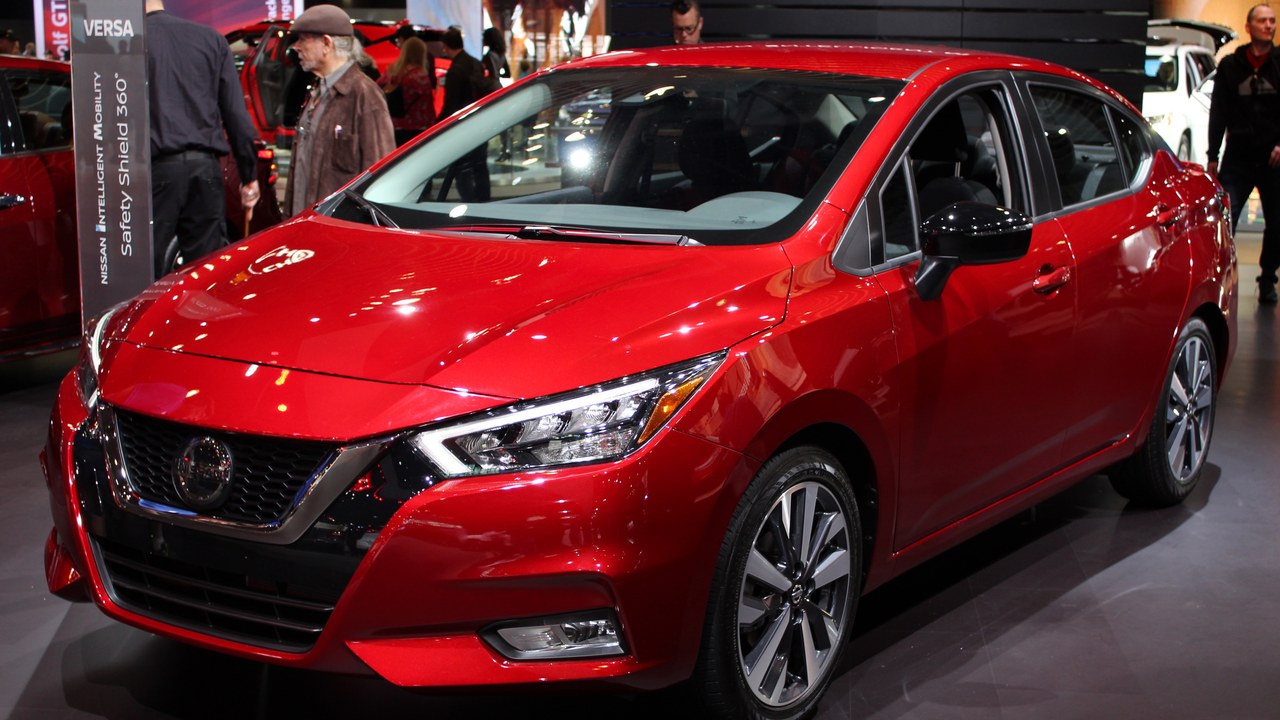
Even the entry-level Nissan Versa saw its three-year-old average jump from $10,146 to $15,718, a 54.9% increase, according to the Carscoops summary of the study.
The Versa is among the cheapest cars sold in America, so a rise of more than $5,500 lands on the shoppers least able to absorb it. The pattern suggests that low-priced used inventory has tightened just as much as the luxury end, which rewards early and flexible searching.
9. Hyundai Elantra: Best-Seller Tops Its Class
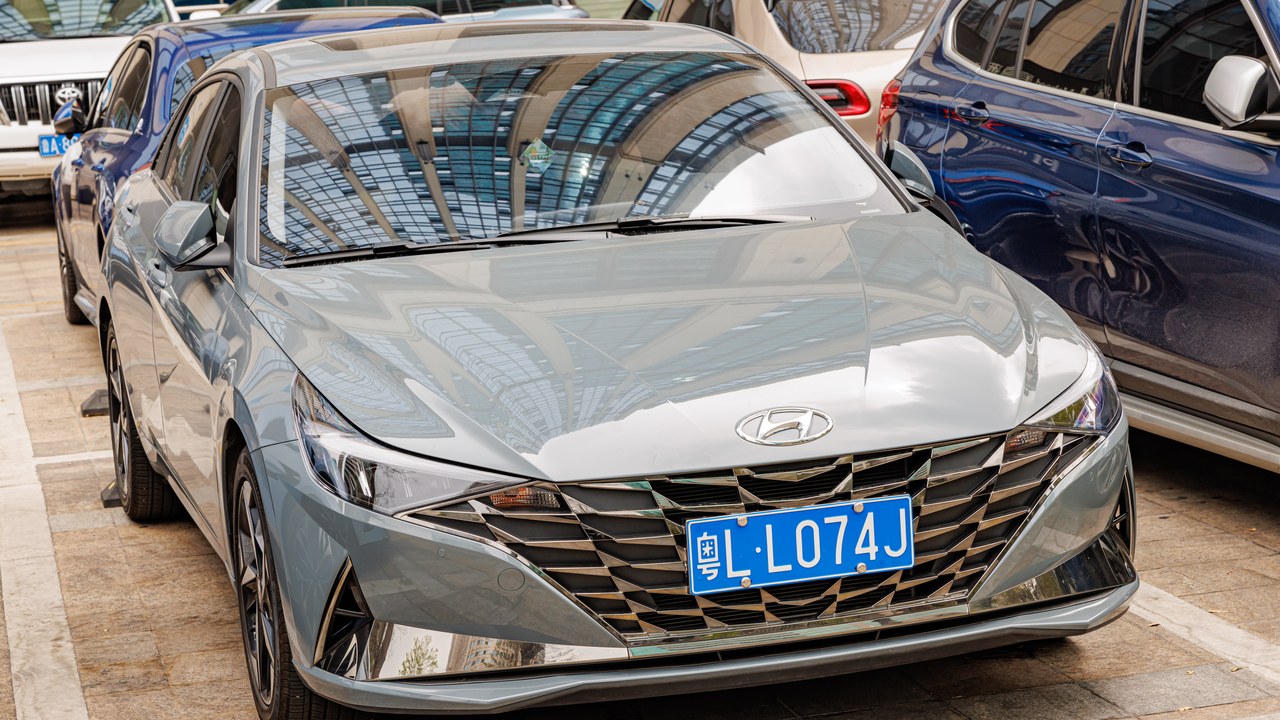
SlashGear reports in its used-car price report that a three-year-old Elantra rose from $12,295 to $19,178, a 56% jump and the biggest among 21 best-selling used cars.
Hyundai’s compact sedan sells in high volume, which makes its leap a useful gauge of what ordinary commuters now face. A shopper comparing small sedans should expect to pay roughly $6,900 more than in 2019 for an Elantra of the same age, and should budget accordingly.
10. Kia Sportage: Compact SUV Price Climb
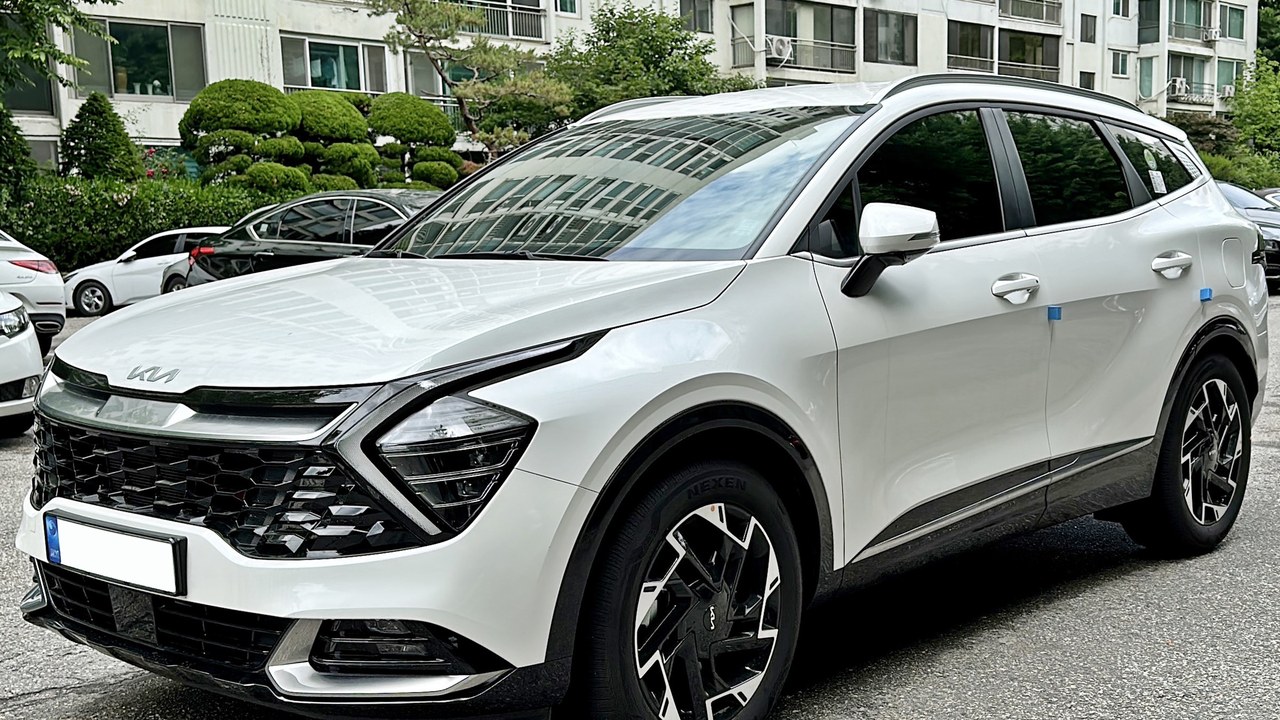
The three-year-old Kia Sportage saw its average price rise 50.5% between 2019 and 2026, as covered in the SlashGear price rundown of popular used cars.
The Sportage competes in the crowded compact crossover segment, where demand stays strong because of cargo room and family appeal. Since the coverage gives only a percentage here, shoppers should check current local listings rather than relying on a single national average when negotiating. A pre-purchase inspection and a vehicle history report help justify whatever premium a seller asks.
11. Toyota Camry: Family Sedan Holds Firm
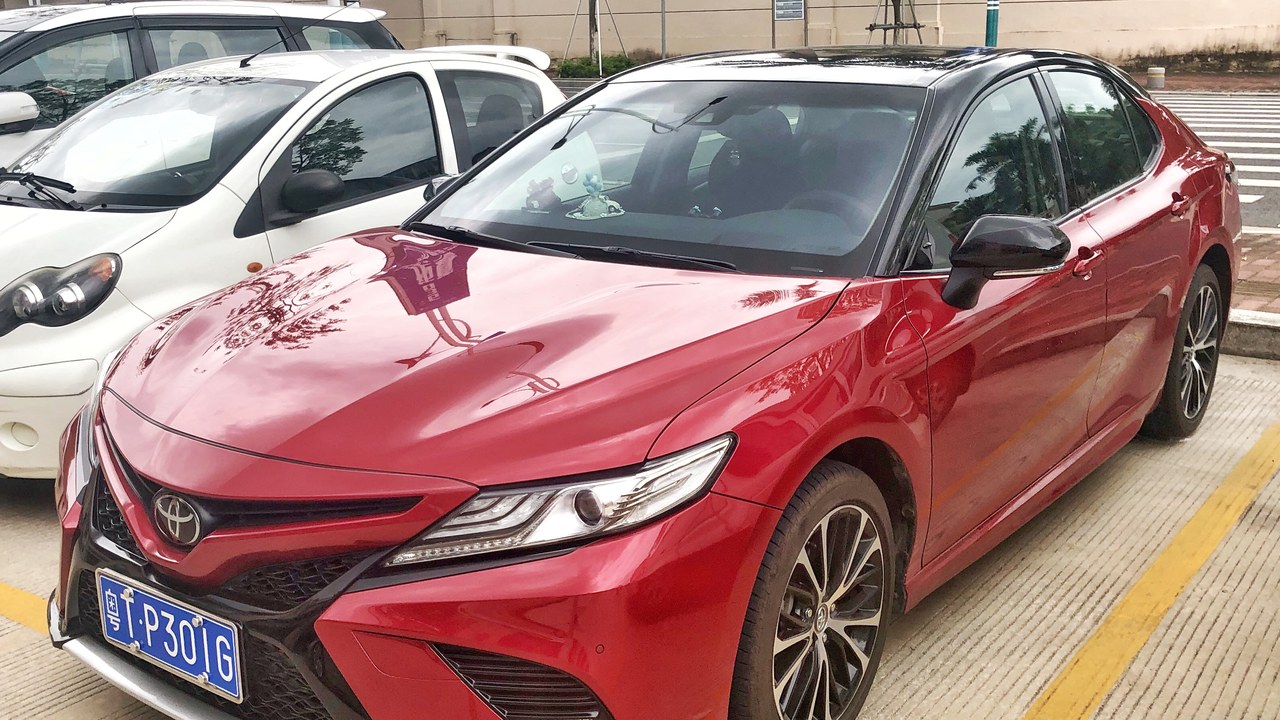
The average three-year-old Camry rose 49.9% between 2019 and 2026, the smallest gain of the eleven models profiled, according to SlashGear’s Camry coverage.
Toyota’s midsize sedan is known for durability and steady resale, and even that reputation did not shield it from a near 50% increase. For buyers, the Camry remains one of the more moderate bets on this list, though it is no longer the bargain it once was.
The tech news worth your time: Subscribe to Techpresso →
We may earn a commission if you sign up.
More from Morning Overview
- Ford is recalling 223,472 F-150 pickups because the fuel tank can leak or detach
- Hybrids have 15% fewer problems than gas cars, while EVs and plug-in hybrids have about 80% more, Consumer Reports finds
- Regulators cleared the first U.S. small modular reactor, 4 months early
- Lake Powell sank to a record 3,517 feet, nearing the level that stops Glen Canyon Dam’s turbines
