
Summers keep breaking records, and city halls across the country have stopped treating dangerous heat as a footnote to weather forecasts. Some governments now run dedicated heat offices, trigger formal emergency declarations at a specific temperature, or write brand-new response plans every year. Here are eleven cities that turned dangerous heat into an official, published plan.
1. Phoenix, Arizona: The Only Standing Heat Department
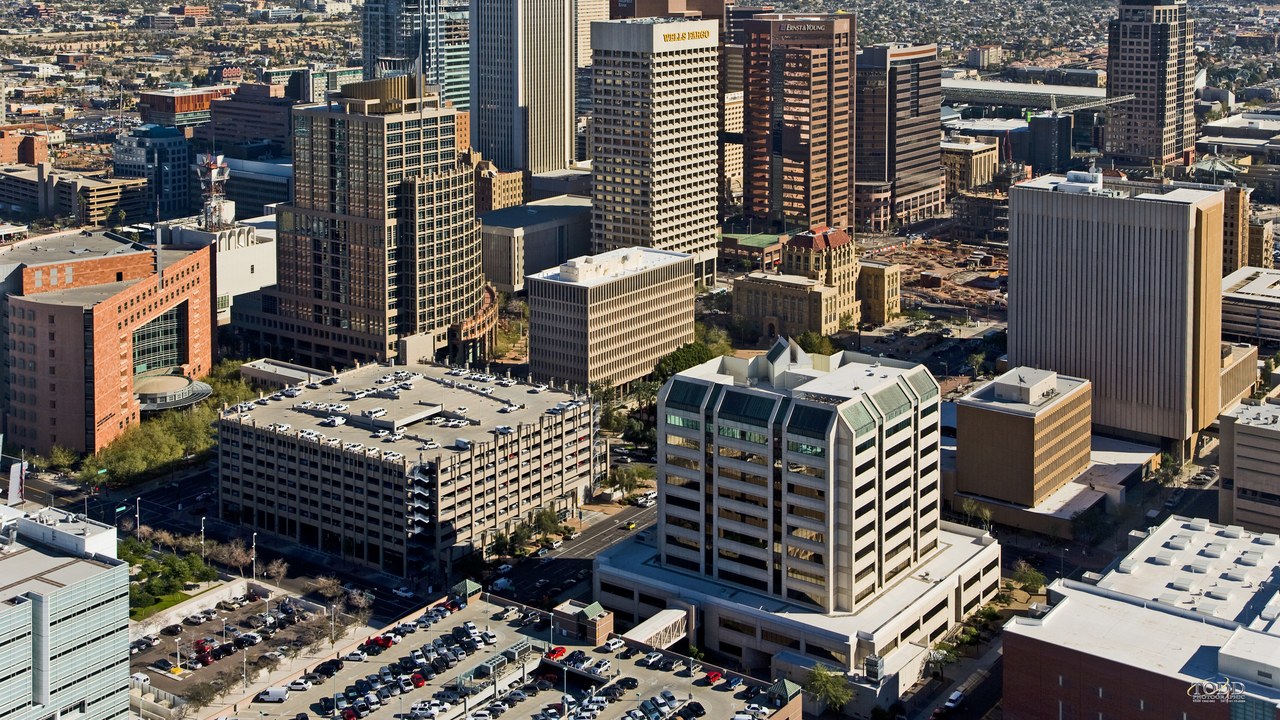
Phoenix runs the nation’s only standing heat department, and the Office of Heat Response and Mitigation rewrites its heat plan from scratch every year. The 2026 edition packs 23 specific actions into eight broad strategies, covering everything from outdoor worker protections to indoor illness prevention.
Older plans from 2023 through 2025 remain posted alongside it, showing how the strategy has shifted year over year as heat records keep falling across the Phoenix metro.
2. Miami-Dade County, Florida: A Chief Heat Officer’s Task Force
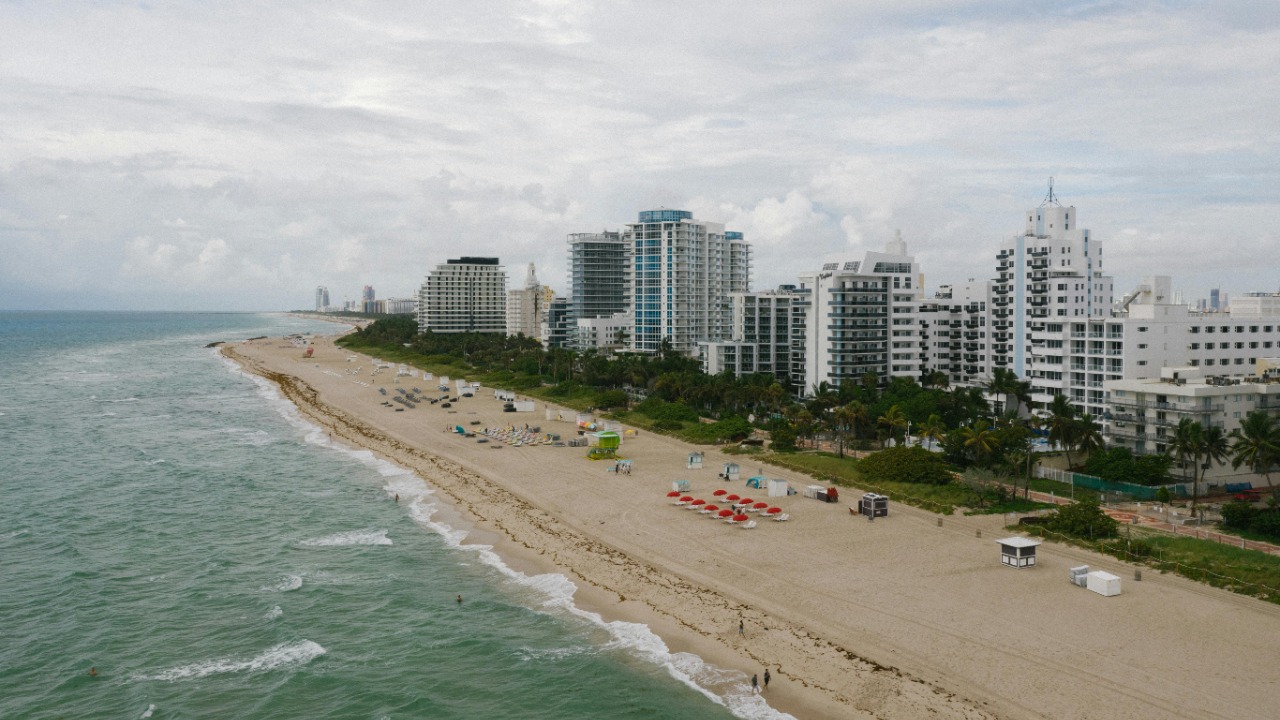
Miami-Dade appointed Jane Gilbert as Chief Heat Officer in November 2021, and she immediately launched the Climate and Heat Health Task Force with the Miami Foundation to shape the county’s response. The 15-member group, co-chaired by Gilbert and Dr. Cheryl Holder, pulled in 298 residents and outside experts through public workshops.
Their recommendations became the county’s formal Extreme Heat Action Plan, giving South Florida a documented strategy for a climate hazard that rarely gets the same emergency treatment as hurricanes.
3. New York City: More Than 500 Deaths A Year
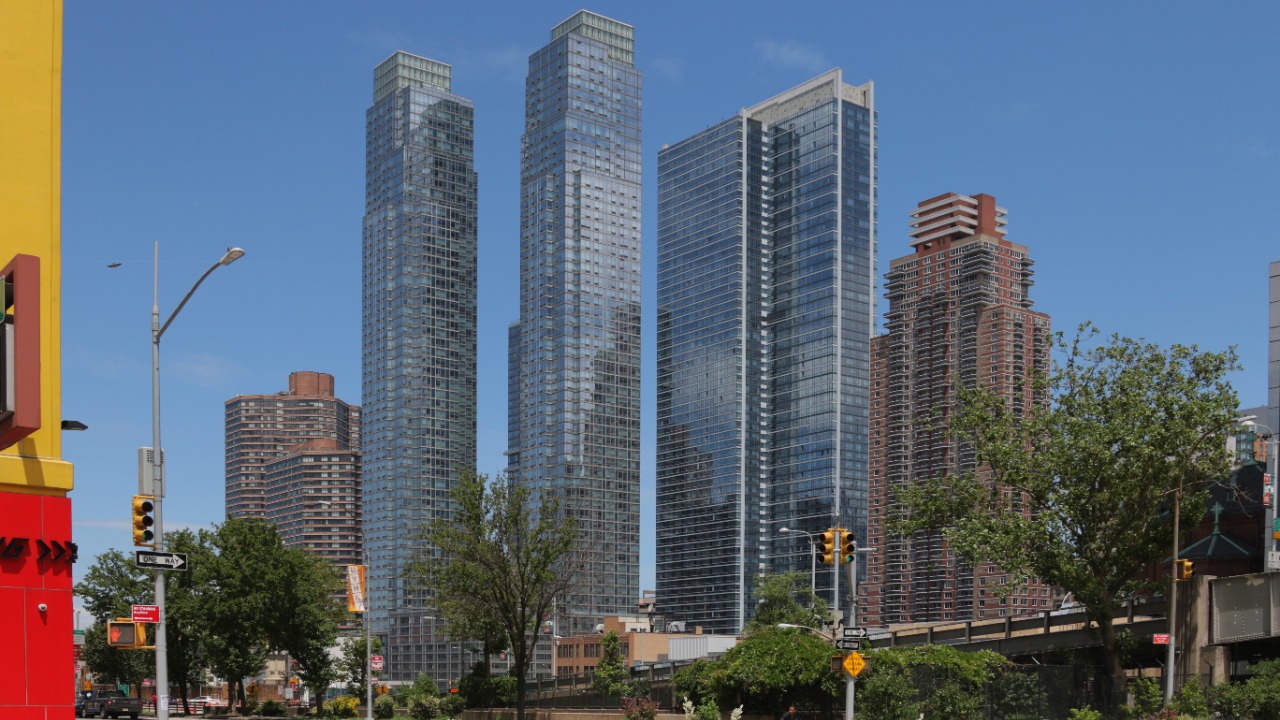
New York City’s own emergency managers say heat killed more than 500 New Yorkers prematurely last year, mostly indoors and mostly preventable. The Cooling Center Finder maps free air-conditioned spaces citywide, while a heat index above 95F triggers the city’s most urgent warnings.
Notify NYC pushes alerts in 14 languages, the Parks Department tracks shaded relief on its ‘Cool It! NYC’ map, and Cool Streets fits hydrants with spray caps for block-level relief in the hottest neighborhoods.
4. Los Angeles, California: Over 170 Places To Cool Off
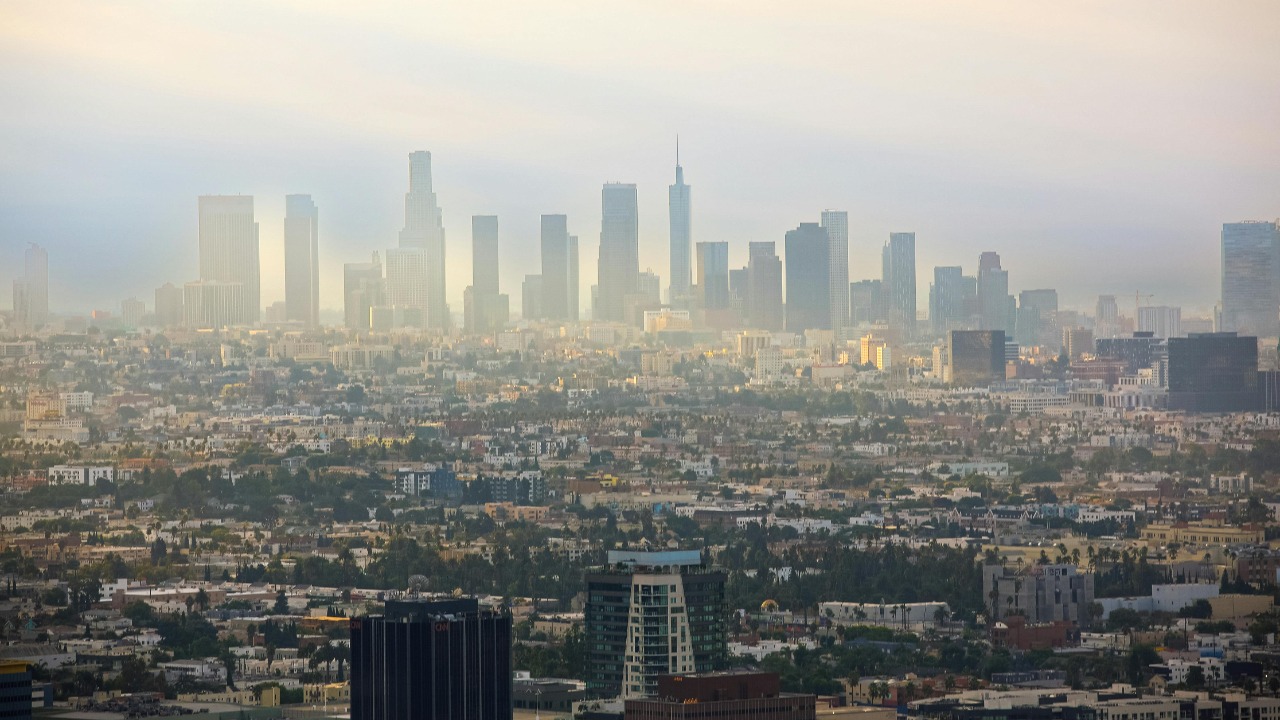
Los Angeles keeps more than 100 dedicated cooling locations open across the city, and its Cool Spots LA map adds over 70 public library branches to the list whenever the forecast turns dangerous. Four flagship centers run 10 AM to 9 PM during official heat activations.
One earlier activation sheltered more than 400 Angelenos in a single stretch, and the city’s utility now runs hydration stations alongside NotifyLA alerts to reach residents before conditions turn severe.
5. Philadelphia, Pennsylvania: A Nurse-Staffed Heatline On Call
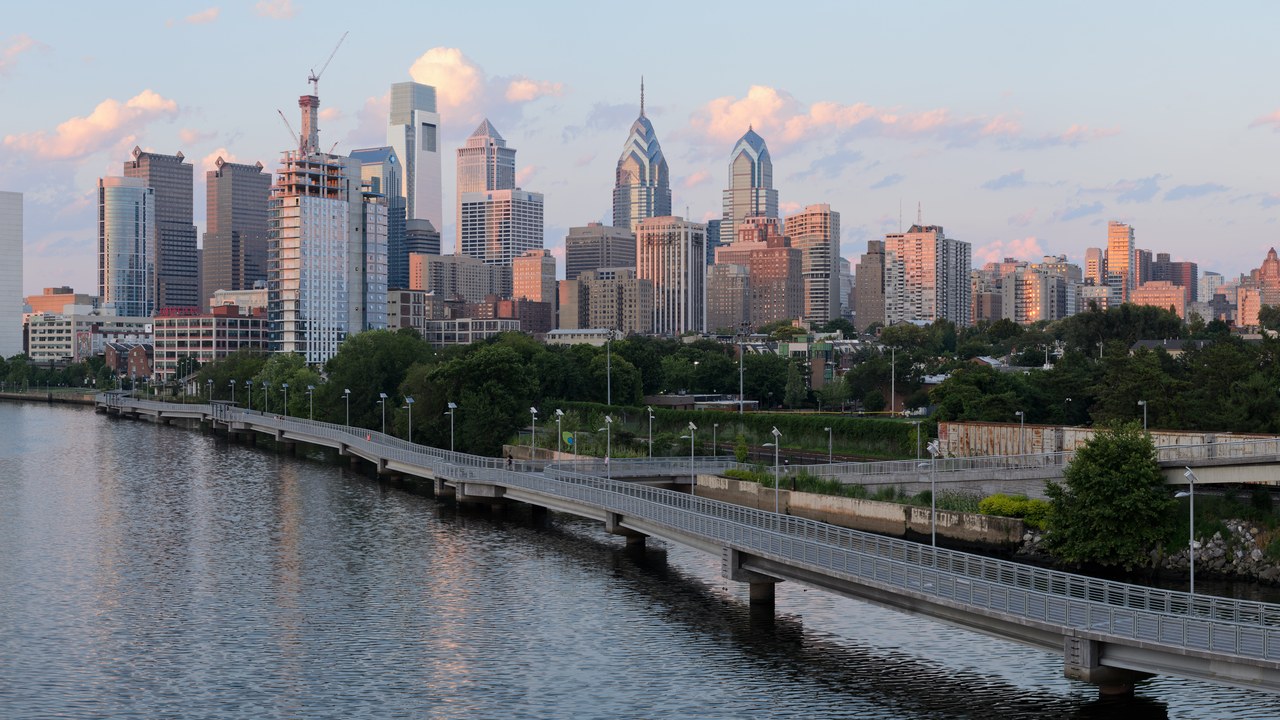
Once Philadelphia declares a heat health emergency, the city activates a nurse-staffed Heatline at (215) 765-9040 and keeps its cooling centers open later into the evening. Mobile heat health teams deploy directly into neighborhoods to check on residents most at risk.
The declaration also halts residential utility shutoffs and triggers ReadyPhiladelphia alerts sent out in 11 languages, pairing a health response with financial protection during the most dangerous stretches of summer.
6. Baltimore, Maryland: A 105-Degree Trigger Named Code Red
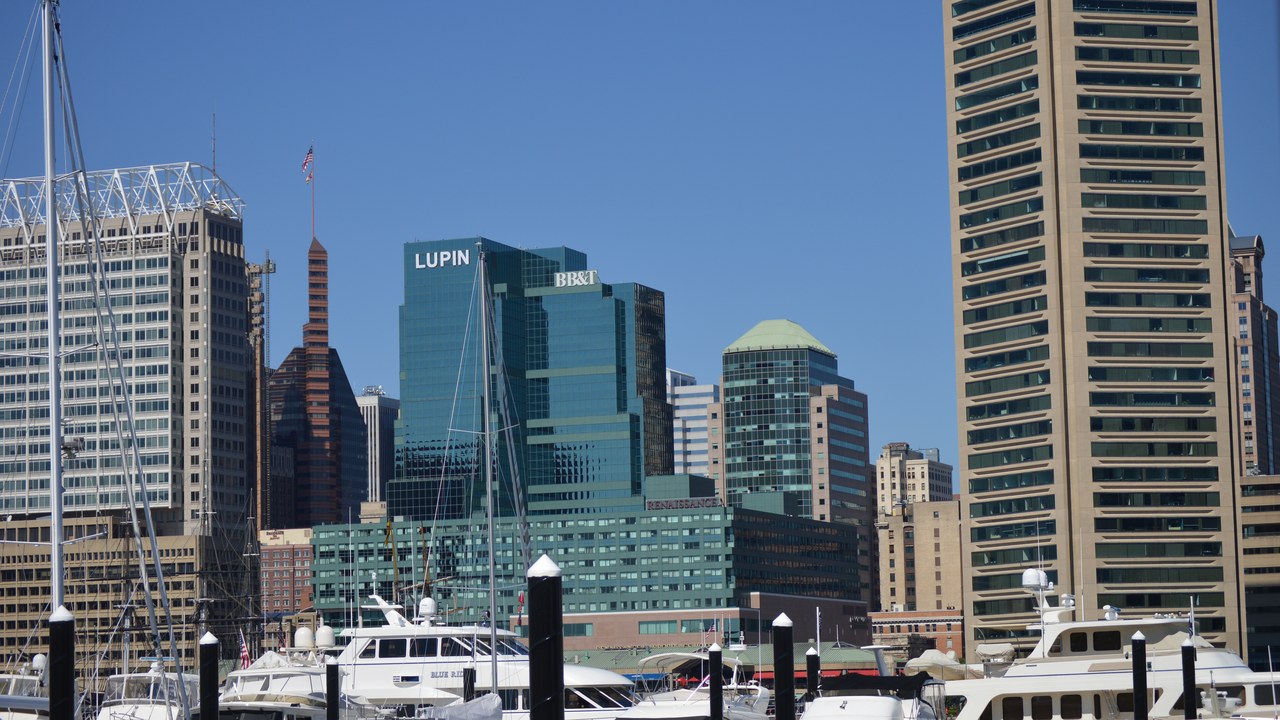
Baltimore’s Health Commissioner issues a Code Red Extreme Heat Alert the moment the forecasted heat index hits 105F or higher, no discretion involved. The city’s current plan runs under the name MOHS FY2027 Code Red Extreme Heat Alert Plan, active from mid-May through mid-September.
Once triggered, the network expands to five Continuum of Care cooling centers plus six separate cold-water distribution sites, aimed squarely at residents without reliable indoor shelter.
7. Houston, Texas: Two Straight Days At 108 Degrees
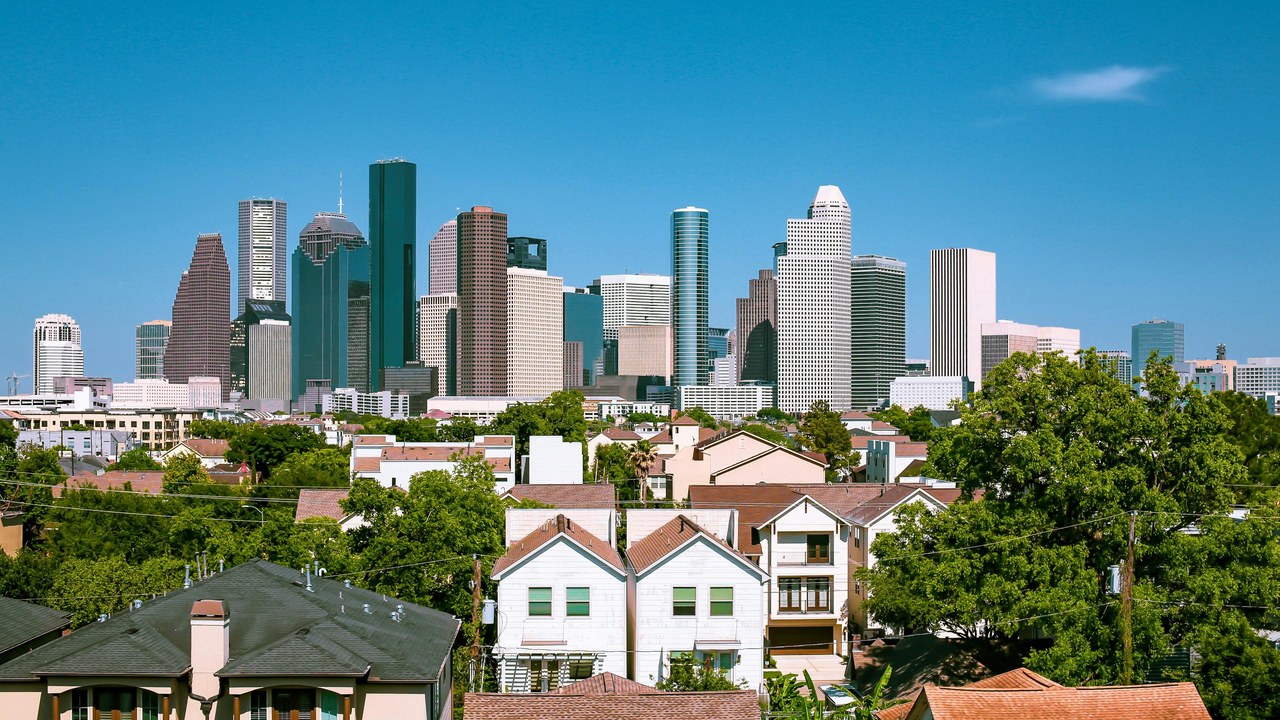
Houston Public Health does not activate its Heat Emergency Plan at the first hot afternoon; the trigger is a heat index of 108 on two consecutive days. Once it fires, roughly a dozen multi-service centers and about 37 libraries extend their hours as cooling space.
Anyone without transportation can ride free through 311-arranged trips with METRO or zTrip, a detail that turns Houston’s heat response into a transportation plan as much as a shelter plan.
8. Chicago, Illinois: More Than 200 Places At 90 Degrees
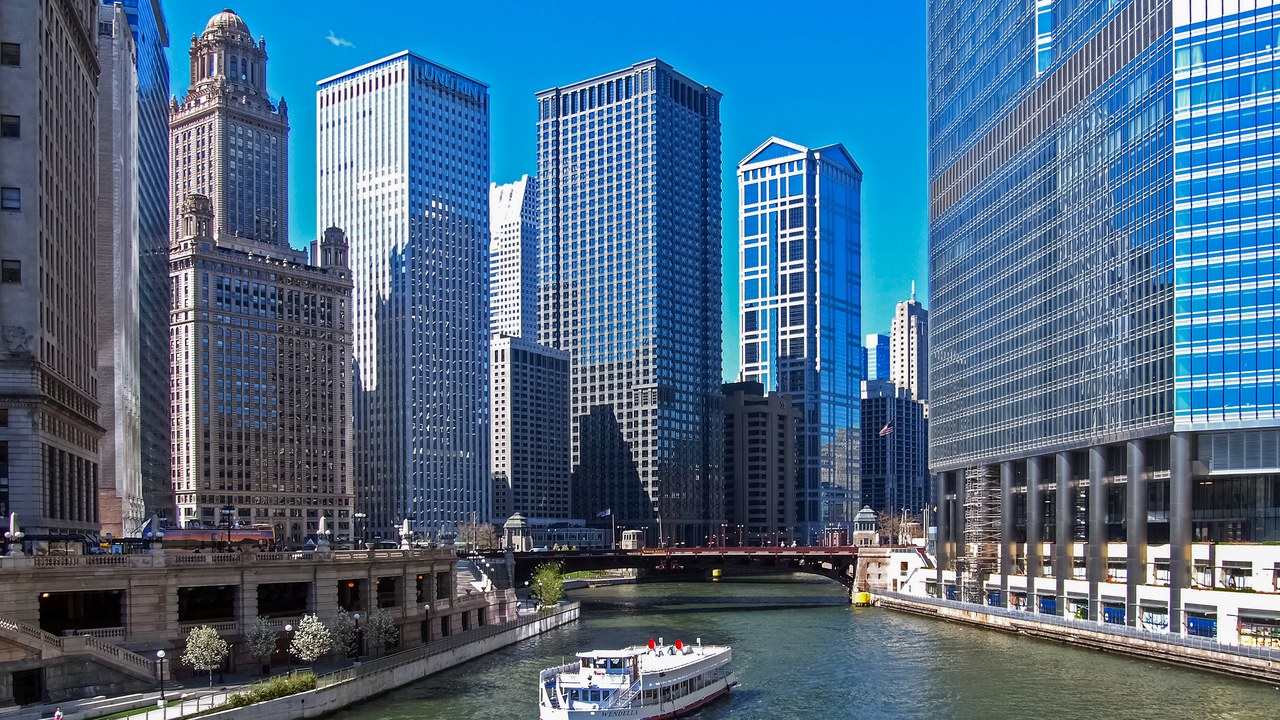
Chicago’s Department of Family and Support Services opens the city’s six community service centers as cooling areas once temperatures reach 90F, running weekdays from 9 AM to 5 PM. Beyond those, 21 senior centers, 79 libraries and 43 park fieldhouses join the network.
The National Weather Service escalates its own extreme heat warnings on a sliding scale, from a 100-105F heat index held for three straight days up to a single day at 110F or above.
9. Boston, Massachusetts: Heat Protection Written Into City Law
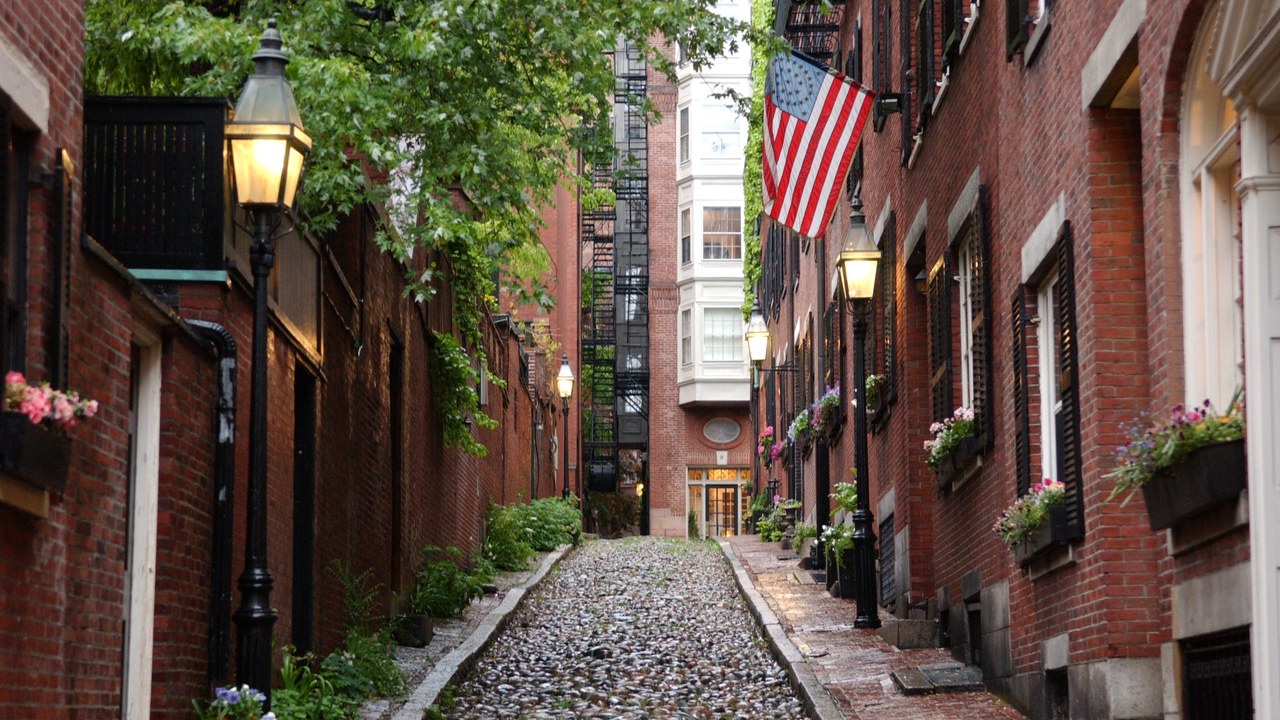
Boston defines a heatwave as three or more consecutive days above 90F, and its Heat Illness and Injury Prevention Ordinance extends legal protection to city workers and contractors, not just residents. BCYF community centers convert into cooling centers the moment that threshold hits.
Pop-up misting tents appear around the city during the worst stretches, and AlertBoston pairs with a public Cooling Resource Map so residents can find the nearest relief in real time.
10. Portland, Oregon: 20,000 Cooling Units After A Deadly Dome
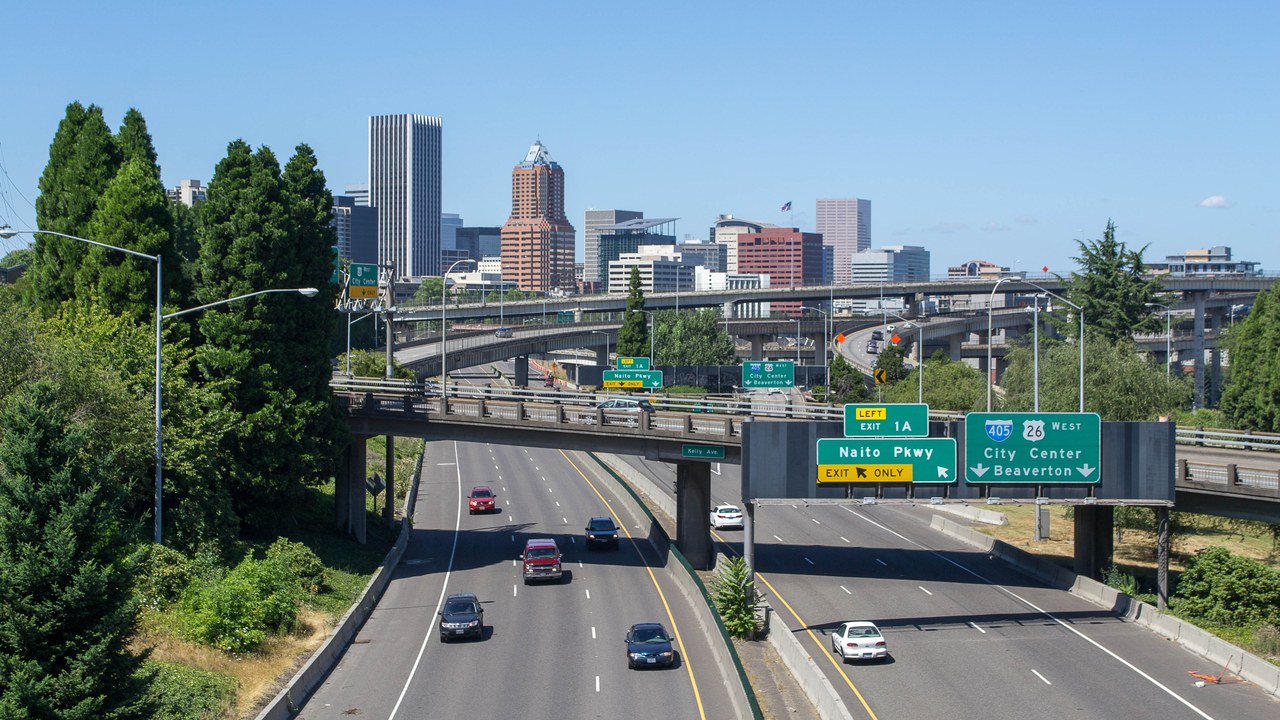
Portland’s deadly heat dome pushed the city to build the Cooling Portland program, which has since handed out 20,000 portable cooling units to residents across the metro. The program is set to end on June 30, 2026.
Splash pads and fountains number 28 across the city, alongside four indoor and seven outdoor pools, and free TriMet rides carry residents to cooling centers, shelters and misting stations whenever officials declare a heat emergency.
11. Seattle, Washington: Tiered Alerts And An Armory Cooling Hall
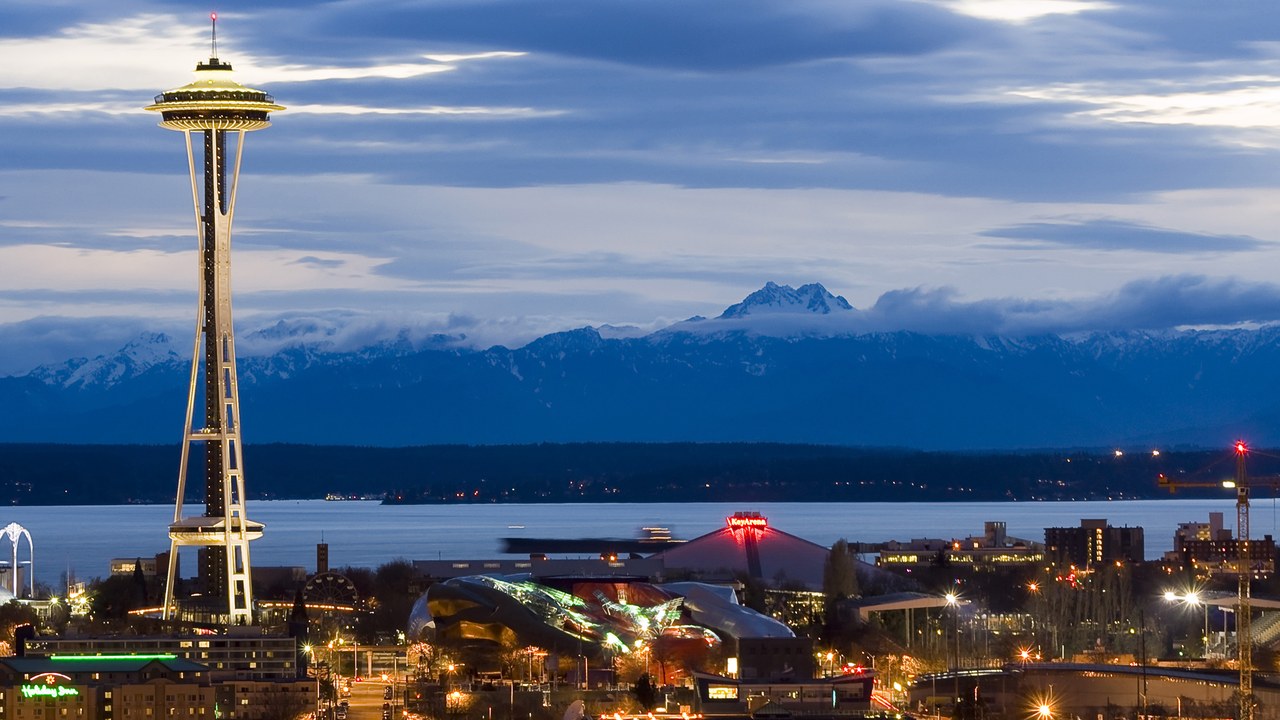
Seattle activated tiered KCRHA Severe Weather protocols from July 5 to July 14, 2024, escalating from Tier 2 to the most severe Tier 3 red alert before easing back down. The Seattle Center Armory ran as a cooling center from 7 AM to 9 PM daily.
The Central Library and 20 branches offered air-conditioned space, Union Station Great Hall opened for daytime hours, and city crews sprayed water on the Ballard, Fremont and University Bridges to ease the strain on infrastructure.
