
A high redline is not a marketing number. It is the product of short strokes, light rods, exotic valve gear and a willingness to accept fragile, expensive engineering in exchange for the noise that comes with it. These eleven sports cars carry some of the highest crank speeds ever fitted to a road car.
1. Honda S2000: Two Litres, Nine Thousand Revs
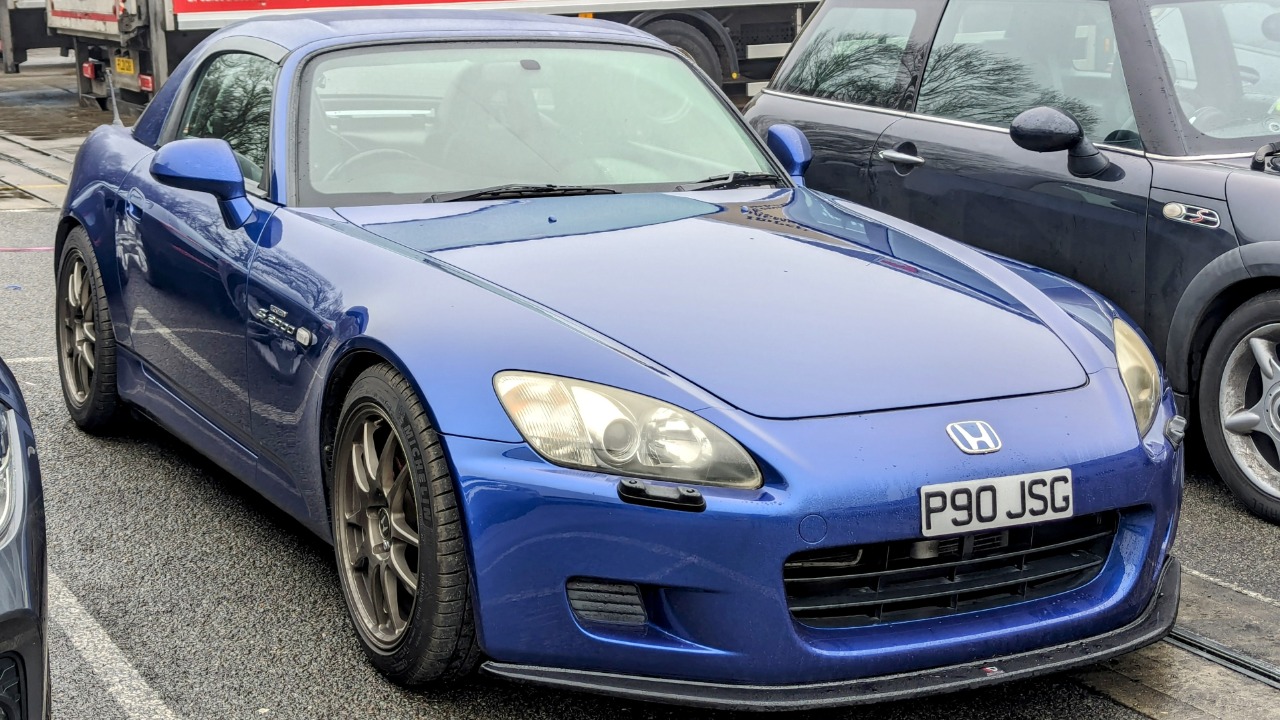
Honda’s F20C displaced just two litres yet carried an 8,800 rpm redline and a fuel cut at 9,000, a specific output no naturally aspirated production engine matched at the time. Getting there required an 87 mm bore against an 84 mm stroke, a forged crankshaft, fibre-reinforced cylinder liners and the roadster VTEC valvetrain whose roller followers jump to a wild high-lift cam profile beyond 6,000 rpm.
Later AP2 cars traded that ceiling for mid-range torque, moving to a 2.2-litre F22C1 and an 8,000 rpm redline, which is part of why early examples now command the premium.
2. Ferrari 458 Italia: The Last Screaming Ferrari V8
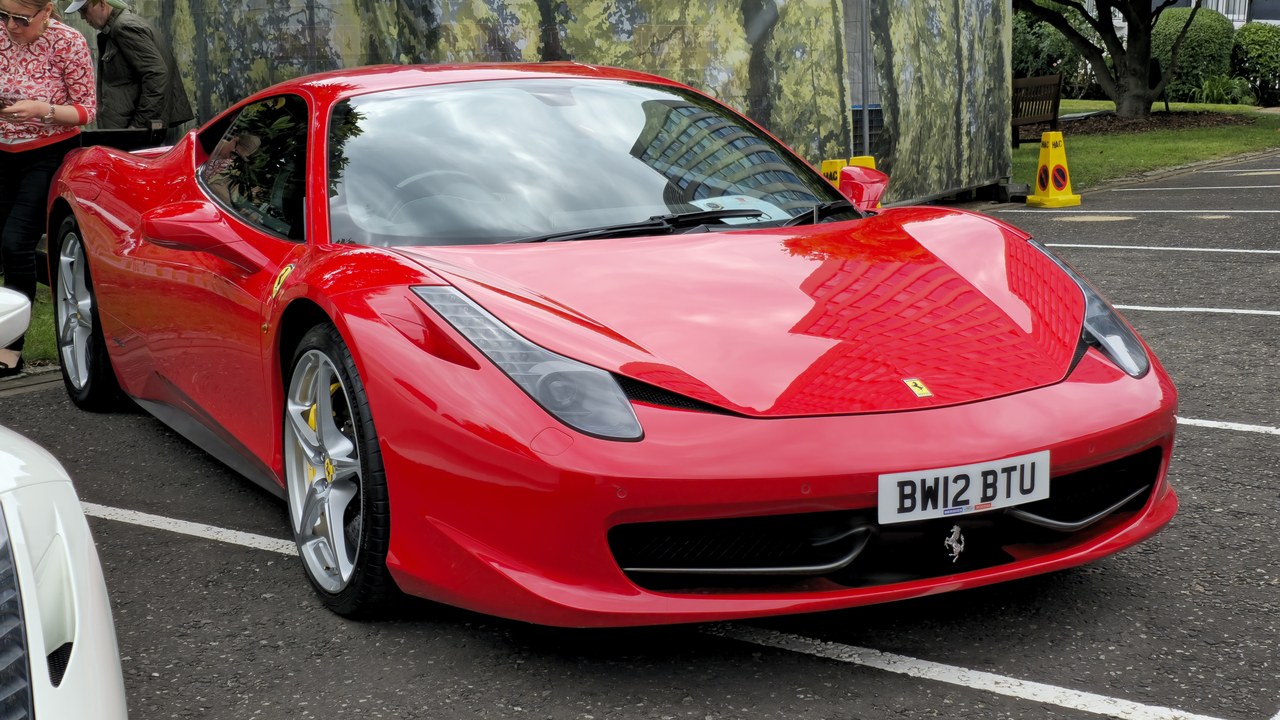
The 4.5-litre F136 FB in the 458 Italia berlinetta makes its 562 hp peak precisely at 9,000 rpm, then the highest crank speed of any road-going Ferrari V8. A flat-plane crankshaft keeps the rotating assembly light and the firing order alternating cleanly between banks, while a stubby 81 mm stroke holds piston speed inside survivable limits.
Its replacement, the turbocharged 488 GTB, surrendered roughly a thousand revs of that range for torque lower down, which is why the 458 gets described as the end of a naturally aspirated line.
3. Lexus LFA: The V10 That Outran Its Needle
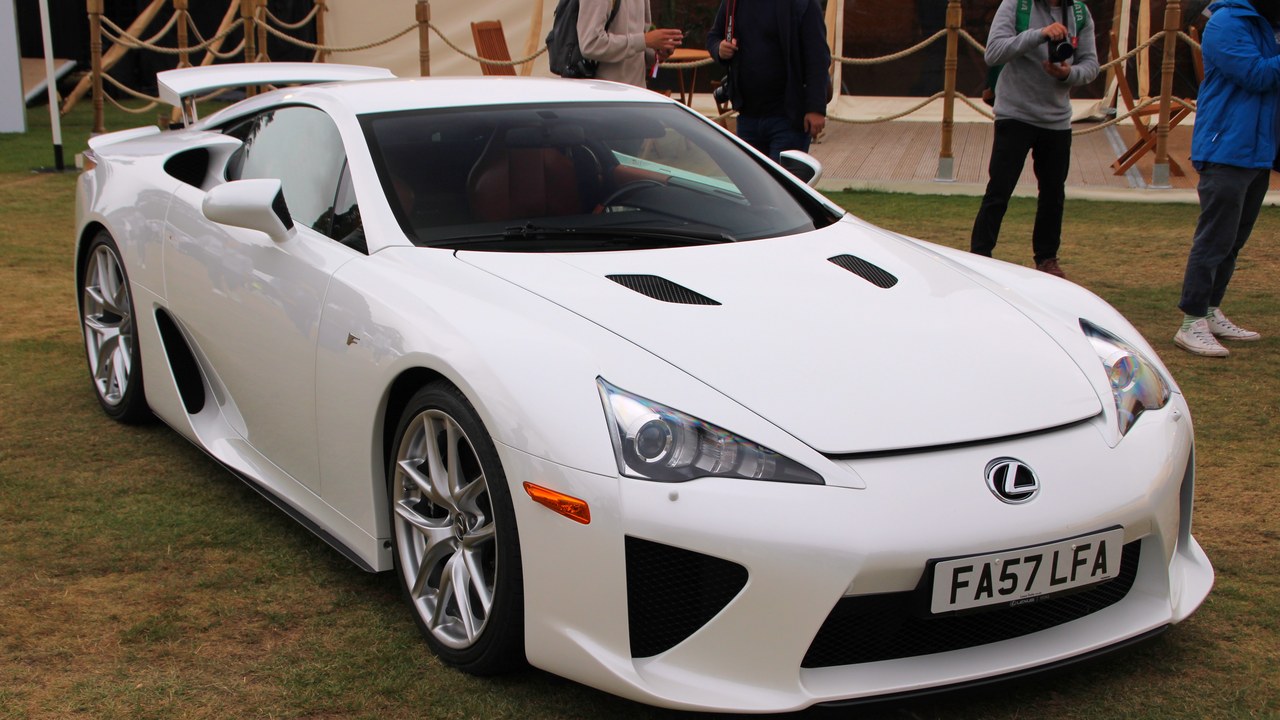
Yamaha helped Toyota build the 1LR-GUE, a 4.8-litre V10 with titanium connecting rods, forged titanium valves and ten individual throttle bodies. The LFA supercar engine climbs from idle to its 9,000 rpm power peak in roughly six-tenths of a second, faster than an analogue needle can physically track, so the instrument binnacle uses a digital tachometer instead.
The limiter sits higher still at 9,500 rpm, and the whole V10 weighs less than the V8 it superseded during development. Only 500 cars were built, and values have climbed ever since.
4. Porsche 911 GT3: Nine Thousand From A Flat-Six
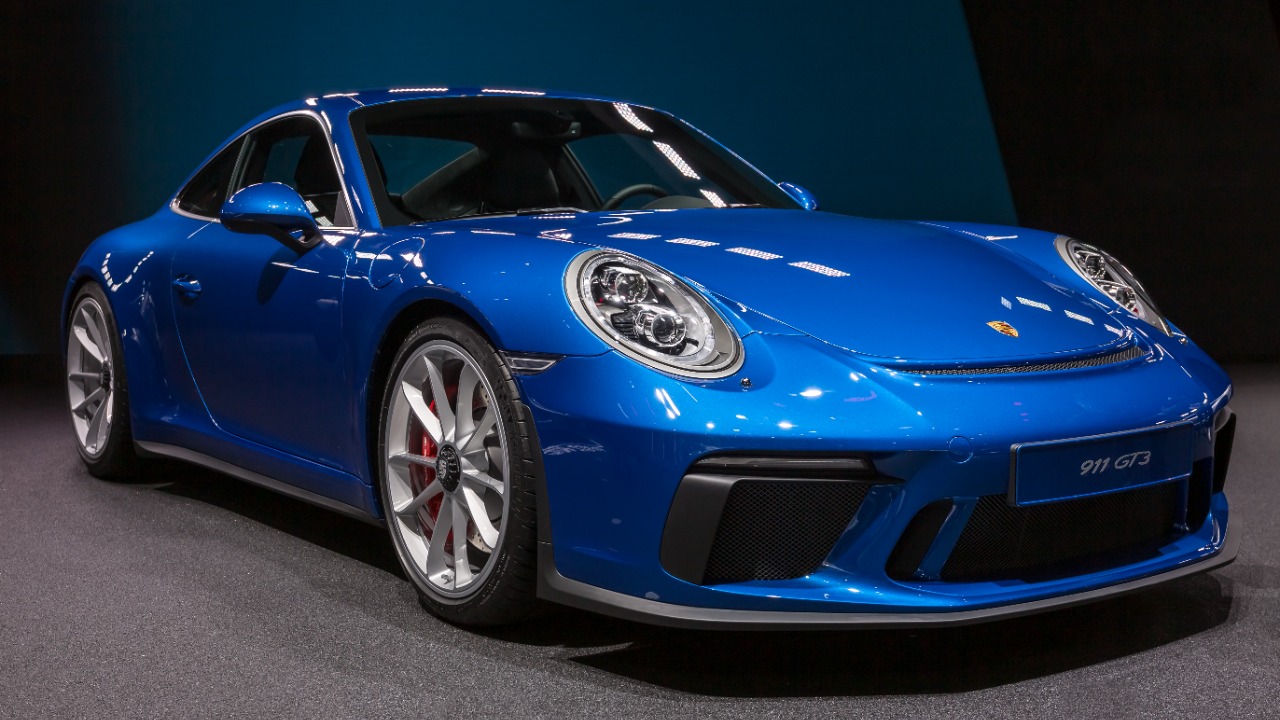
Porsche’s 4.0-litre flat-six in the 991.2 and 992 GT3 track variants spins to a 9,000 rpm redline, fed by individual throttle bodies and a dry-sump oiling system lifted almost directly from the 911 Cup racers. Rigid finger followers instead of hydraulic lifters are what let the valvetrain survive those crank speeds lap after lap.
Every other 911 in the range moved to turbocharging in 2016, leaving the naturally aspirated GT3 as an increasingly rare survivor. Residual values have reflected that scarcity ever since.
5. Mazda RX-8: No Valves, No Limit
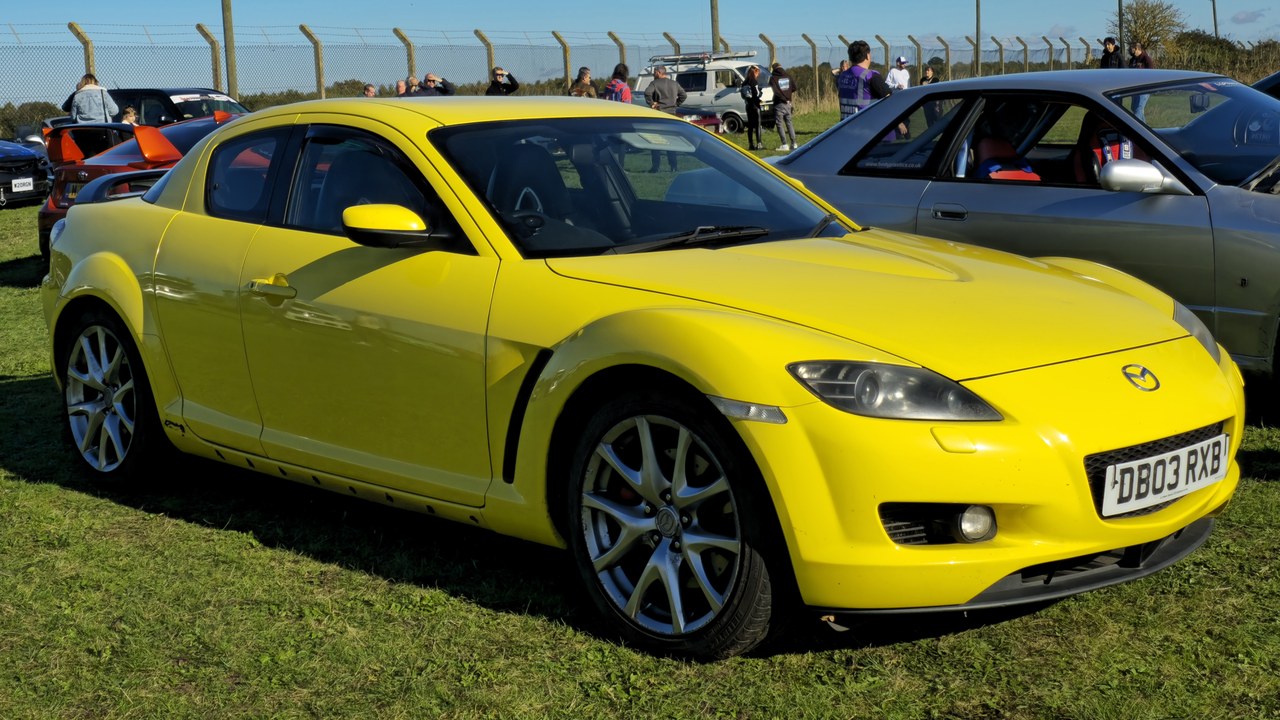
The Renesis 13B-MSP has no reciprocating valvetrain to hold it back, only two triangular rotors orbiting an eccentric shaft, so the high-output manual RX-8 rotary coupe peaks at 232 hp at 8,200 rpm and carries a 9,000 rpm redline. Relocating the exhaust ports to the sides of the rotor housings improved breathing and let the engine rev harder than its predecessor.
The trade-offs are severe: barely 159 lb-ft of torque, and oil consumption by design, since apex seals are lubricated by injecting oil straight into the combustion chambers.
6. BMW M3 (E46): Six Throttle Bodies, Eight Thousand Rpm
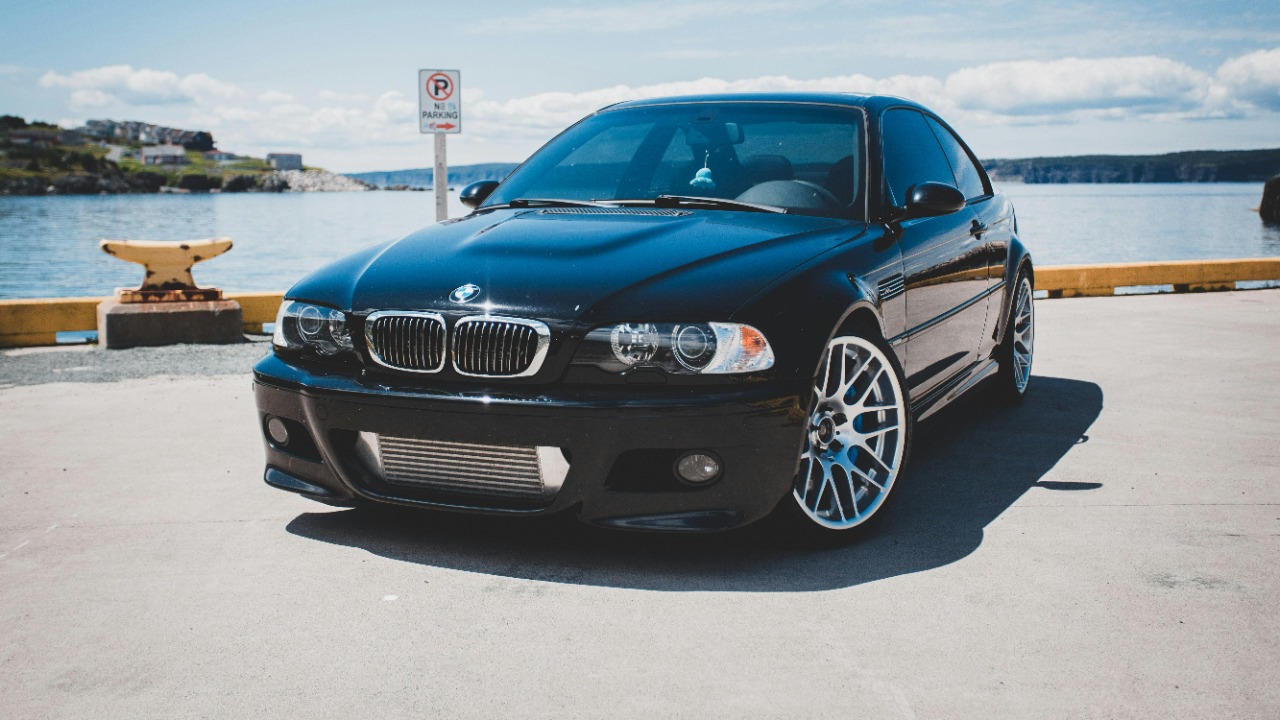
BMW’s S54B32 extracts an 8,000 rpm redline from 3.2 litres using six individual throttle bodies, double-VANOS variable timing and a forged steel crankshaft carried in seven main bearings. Peak output of 343 hp arrives at 7,900 rpm, meaning the E46 M3 straight-six produced better than 100 hp per litre without forced induction back in 2000.
Its documented weakness is rod-bearing clearance, tight enough from the factory that many owners replace the shells preventively. The lighter CSL edition pushed output to 355 hp with a carbon airbox.
7. Ferrari 812 Superfast: A V12 Chasing Nine Grand
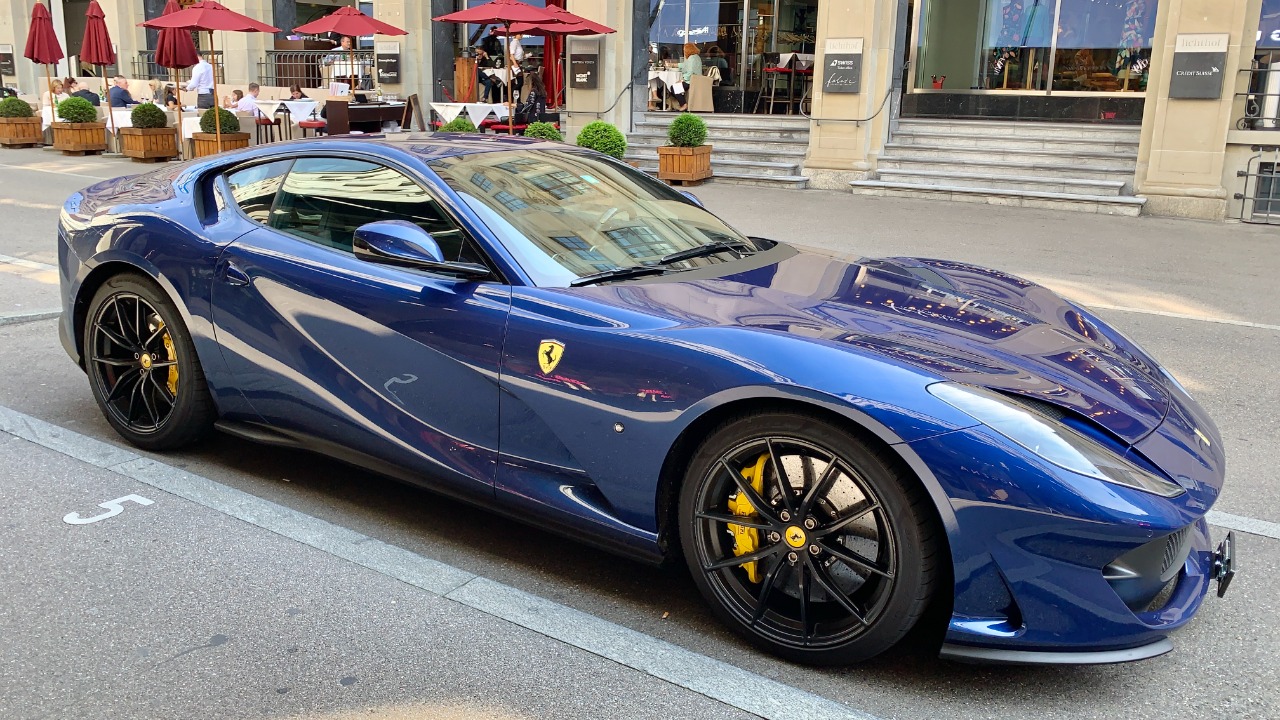
The 6.5-litre F140 GA makes 789 hp at 8,500 rpm and runs to an 8,900 rpm redline, the highest ever fitted to a front-engined production Ferrari. The 812 Superfast grand tourer gained its displacement through a longer stroke than the F12 unit, then clawed back breathing with 350-bar direct injection and variable-geometry intake tracts.
That made it the most powerful naturally aspirated road-car engine Ferrari had built, and the later 812 Competizione went further still, raising the redline to 9,500 rpm with titanium connecting rods.
8. Lamborghini Huracan: Ten Cylinders, No Turbochargers
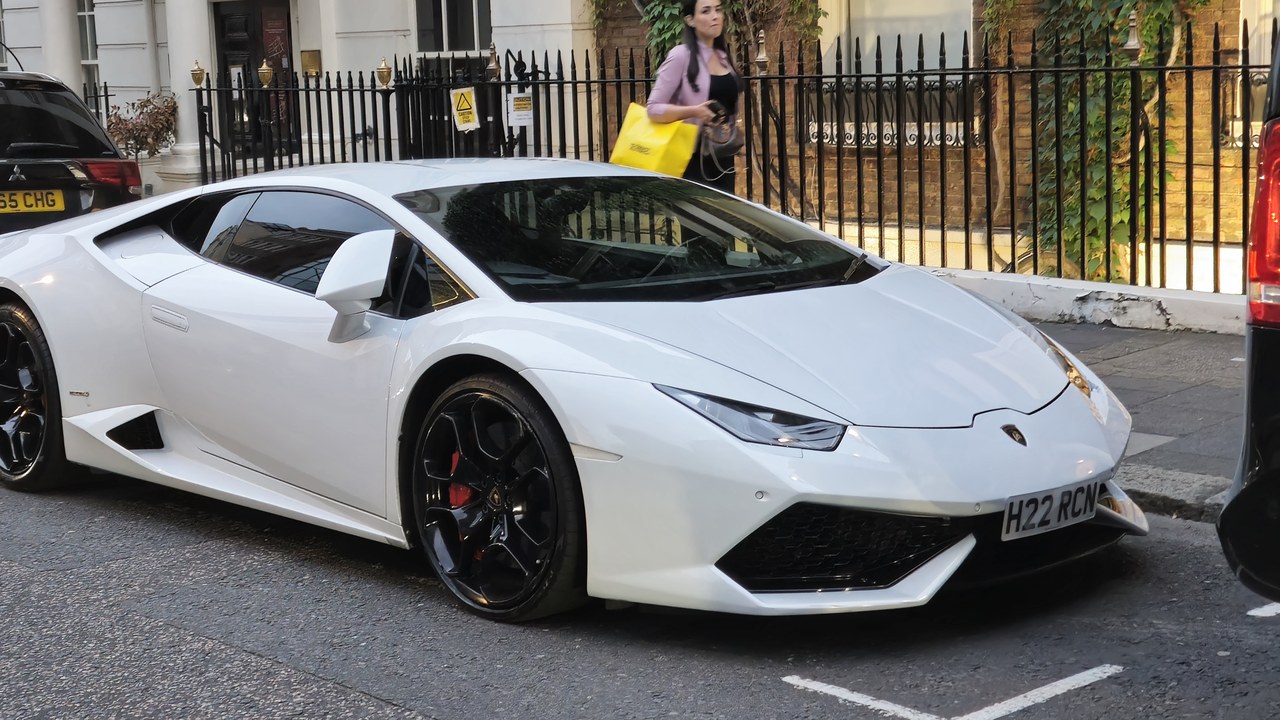
Lamborghini’s 5.2-litre V10 turns to 8,500 rpm and delivers 602 hp at 8,250 in the launch LP 610-4, helped by a dry-sump layout that drops the engine low in the chassis and by combined port and direct injection. Every Huracan V10 coupe kept that architecture rather than following rivals toward smaller turbocharged units.
Sharper Performante and STO versions climbed to 631 hp on the same rev ceiling, using titanium intake valves. The V10 lasted into the 2020s, long after most supercar makers abandoned the format.
9. Audi R8: Same V10, Different Accent
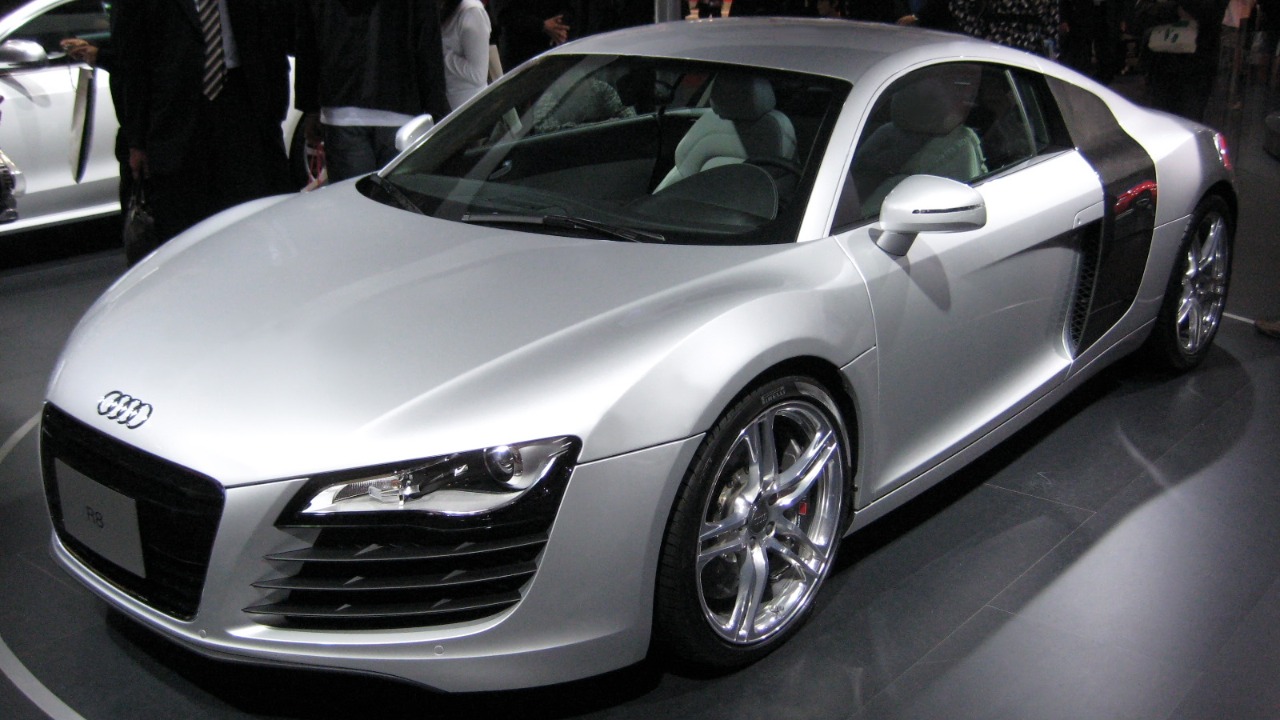
Audi builds its 5.2-litre V10 around the same architecture as Lamborghini’s, tuned for a broader torque curve: the V10 plus delivers 602 hp at 8,250 rpm and carries an 8,700 rpm redline. Placing the R8 mid-engined coupe motor behind the cabin with dry-sump lubrication allowed a lower crank centreline and a lower centre of gravity.
Audi kept the naturally aspirated V10 across two full generations while turbocharging almost everything else it sold, then ended R8 production entirely in 2024 without a direct combustion-engined successor.
10. LaFerrari: Hybrid Power, Analogue Redline
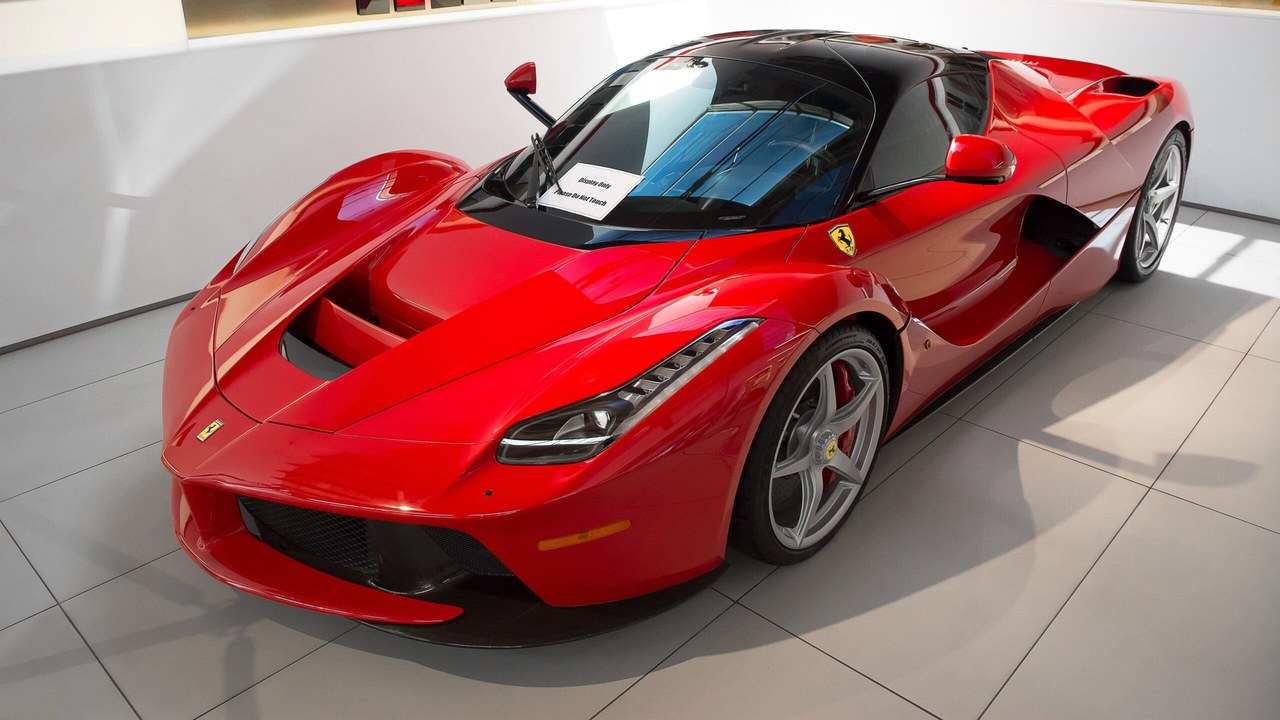
The F140 FE V12 grew to 6.3 litres and produces 789 hp at 9,000 rpm behind a 9,250 rpm redline, the highest of any Ferrari road engine. A 161 hp HY-KERS electric motor then fills in the low-rpm torque that such a peaky combustion engine gives up, taking the LaFerrari hybrid hypercar to roughly 950 hp combined.
Electrification here was not about efficiency. It existed so Ferrari could keep chasing crank speed at the top of the range without making the car undriveable below it.
11. Ferrari F40: The Turbocharged Outlier
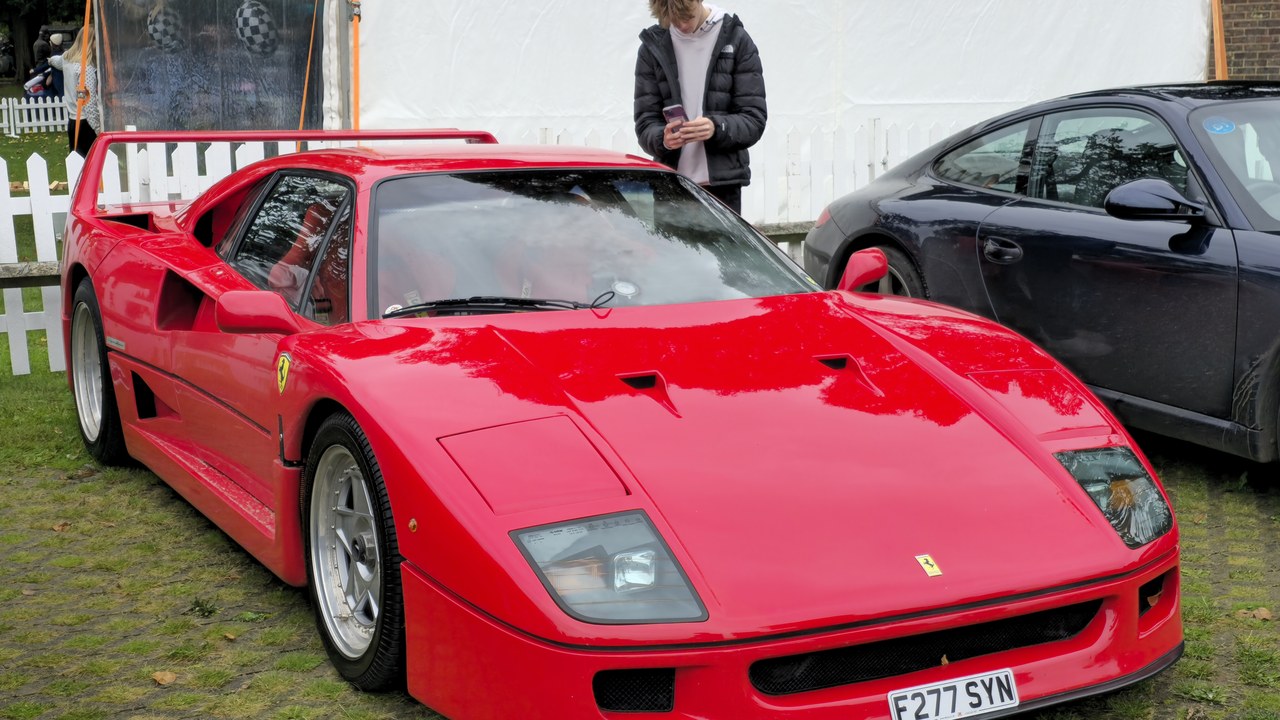
The F40 is the exception on this list. Its 2.9-litre twin-turbocharged F120A V8 produces 471 hp at 7,000 rpm and stops at a 7,750 rpm redline, modest next to the naturally aspirated engines here, though the F40 supercar still revved far harder than most forced-induction engines of 1987.
Boost and high crank speeds rarely coexisted then. The abrupt surge as the IHI turbochargers wake above 3,500 rpm accounts for much of the car’s fearsome reputation.
More from Morning Overview
