
Detroit’s muscle car era detonated in the 1960s, when factory engineers dropped enormous V8s into midsize bodies and let horsepower do the marketing. Only a handful of these machines became true legends, remembered decades later for their engineering, their design, or the way they redefined an entire segment. Here are eleven muscle cars from the 1960s that earned lasting legend status.
1. Pontiac GTO: The Car That Started It All
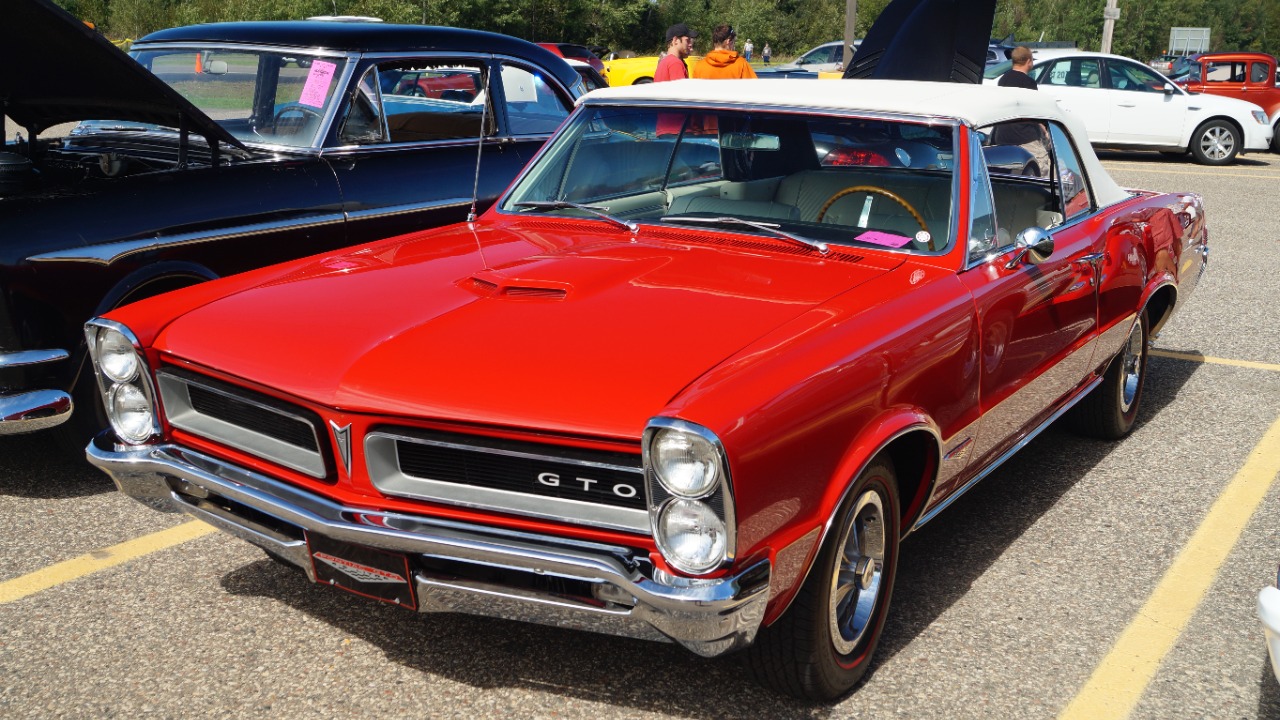
Pontiac dropped a 389-cubic-inch V8 into the mid-size Tempest body for 1964, a formula management had initially resisted, and the resulting Pontiac GTO is widely credited as the car that launched the muscle era. Chief engineer John DeLorean built it around a simple idea: put the biggest available engine in the lightest available body and let buyers do the math themselves.
Rivals scrambled to copy the recipe within two model years, and the GTO name became shorthand for the entire genre it created. Collectors still treat clean, numbers-matching examples from the mid-1960s as the benchmark against which every later muscle car is measured.
2. Chevrolet Chevelle SS: The Big-Block Benchmark
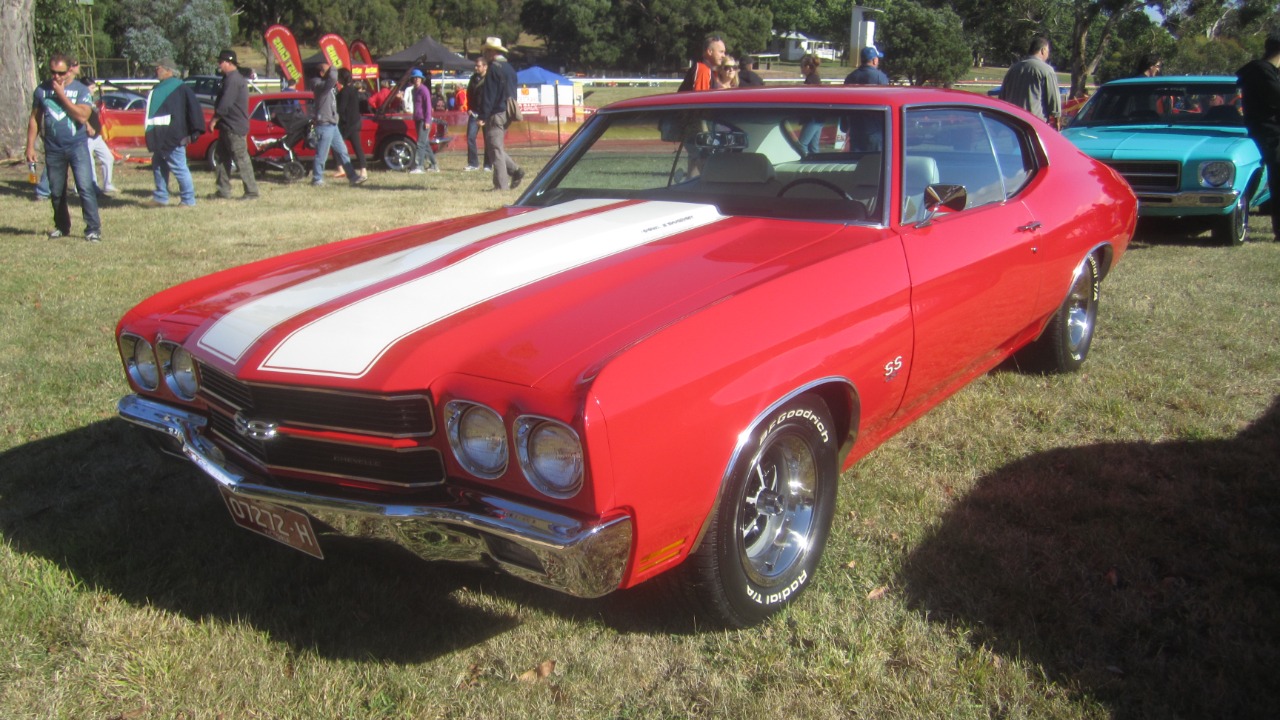
Chevrolet built the Chevelle as a trim, practical intermediate, then let its SS package grow steadily more serious through the decade until the 454-cubic-inch big-block arrived as the Chevelle SS‘s defining engine. It combined a comparatively plain body with genuinely serious torque, giving buyers a muscle car that didn’t announce itself with flamboyant styling.
That understatement is exactly why the SS 454 endures: it out-torqued flashier rivals while looking like an ordinary family sedan. Original SS 454 Chevelles remain among the most sought-after big-block cars from the era, prized for straight-line performance that belied their conservative sheet metal.
3. Ford Mustang: The Pony Car That Defined a Class

Ford’s 1964½ debut of the Mustang created a new market segment almost overnight, proving that a stylish, affordable coupe built on humdrum Falcon underpinnings could outsell every expectation Ford’s own planners had set. It offered buyers a menu of engines, from economical six-cylinders to increasingly potent V8s, letting one nameplate serve both commuters and racers.
That flexibility is what separated the Mustang from one-off performance specials: it scaled from grocery-getter to genuine muscle car within the same body. The pony car class it spawned pulled in Chevrolet, Plymouth, and AMC within a few short years, reshaping Detroit’s entire product lineup.
4. Plymouth Barracuda: The Hemi Legend Worth a Fortune
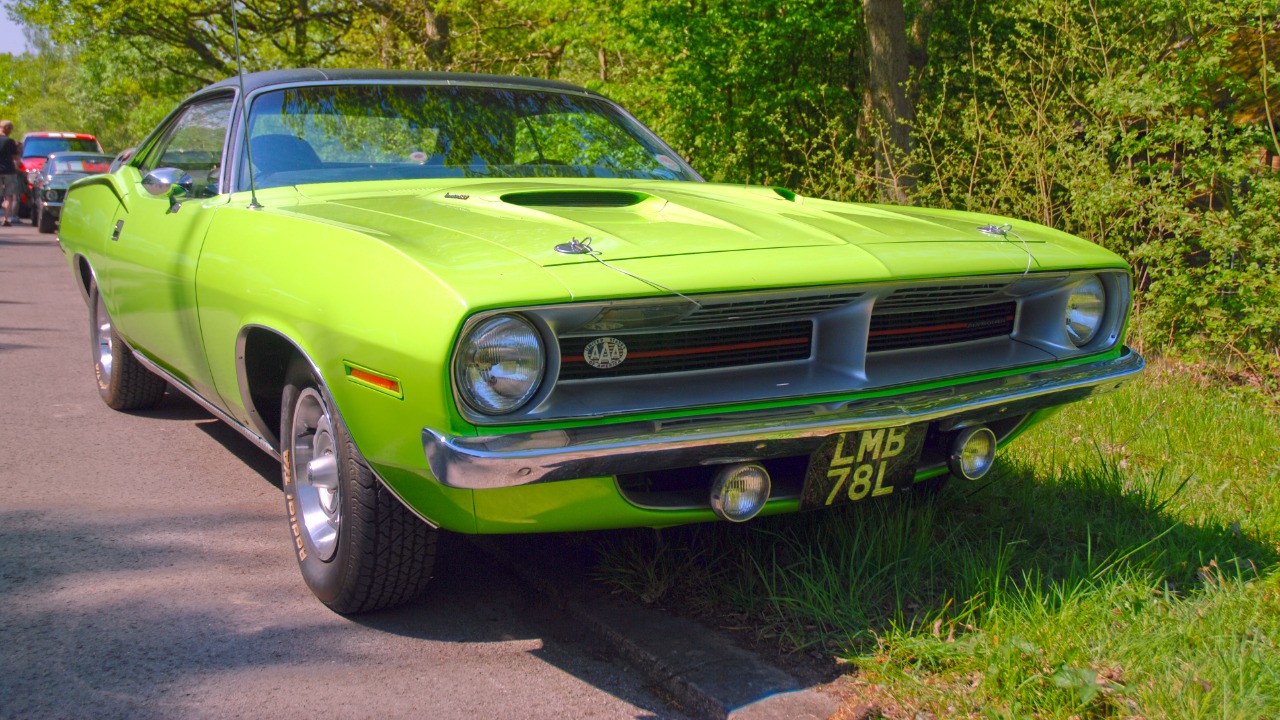
Plymouth’s Barracuda spent its early years as a fastback answer to the Mustang before the 1970 redesign gave it a wider engine bay built specifically to accept the 426 Hemi. That single packaging decision turned a competent pony car into one of the most feared quarter-mile machines Detroit ever sold to the public.
Because so few Hemi ‘Cudas were built and even fewer survive unmodified, they now command some of the highest prices of any American production car at auction. Rarity, combined with the Hemi’s outsized reputation, is what elevated the Barracuda from also-ran to legend.
5. Dodge Charger: The Fastback That Became a Screen Icon
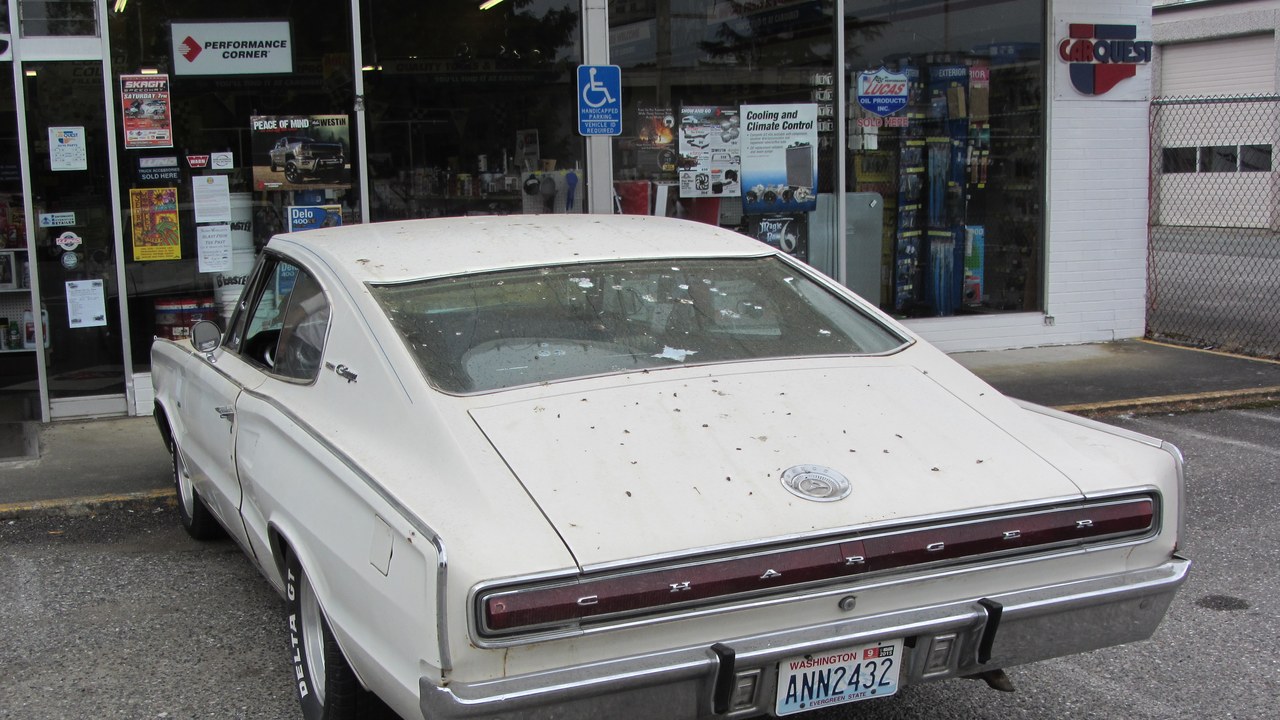
The second-generation Dodge Charger‘s sweeping fastback roofline and hidden headlights gave it a silhouette unlike anything else on a Dodge showroom floor, and that shape carried it straight into popular culture as the star of countless chases on film and television. The styling alone would have made it memorable.
Paired with big-block engine options, the Charger backed up its looks with genuine street performance, and that combination of drama and capability is why it still headlines muscle car auctions today. Few 1960s designs remain as instantly recognizable to non-enthusiasts as the Charger’s fastback profile.
6. Chevrolet Camaro: Chevy’s Answer to the Mustang
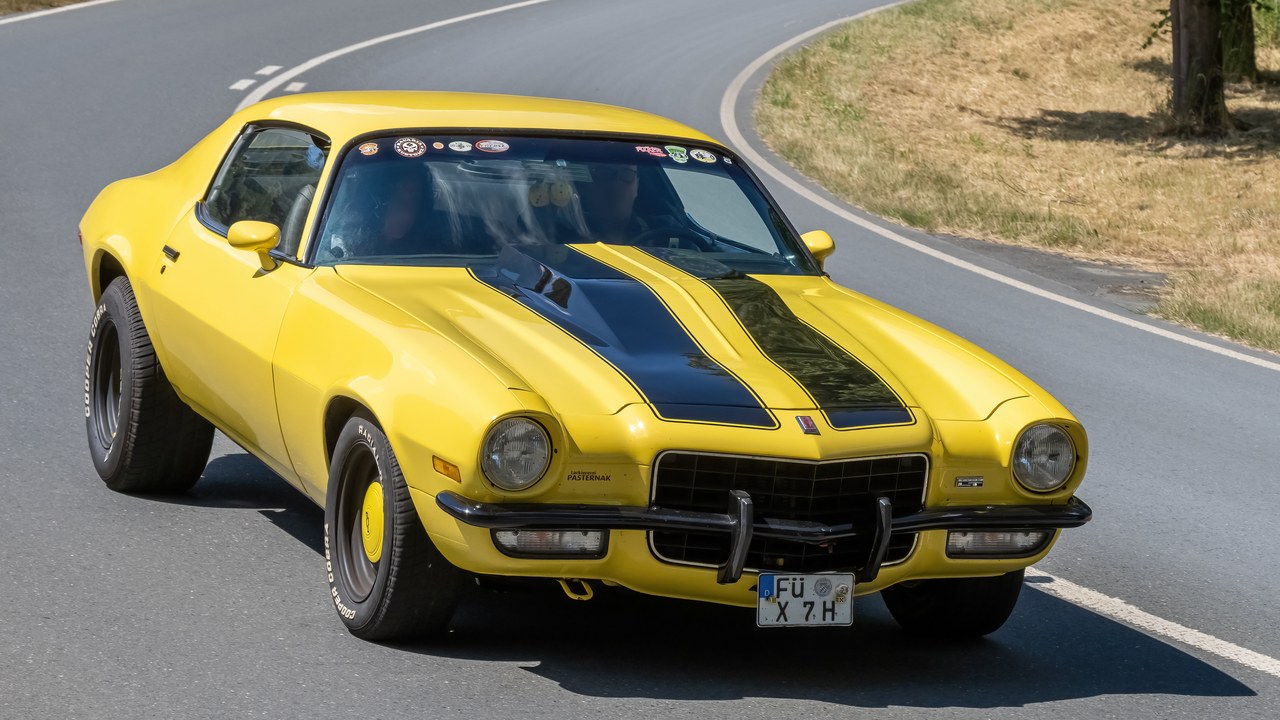
Chevrolet rushed the Camaro into production for 1967 specifically to compete with Ford’s Mustang, sharing the same basic formula of a compact body with a broad menu of engines. The Z/28 package, developed with Trans-Am racing rules in mind, turned the Camaro from a Mustang clone into a genuine handling and performance rival.
That racing pedigree separated the Z/28 from ordinary pony cars of the period, giving it credibility on road courses as well as drag strips. Original Z/28s remain the Camaro variant collectors chase hardest, valued for the balance the racing-derived suspension gave the car.
7. Shelby Cobra: The Featherweight Stuffed With a Ford V8
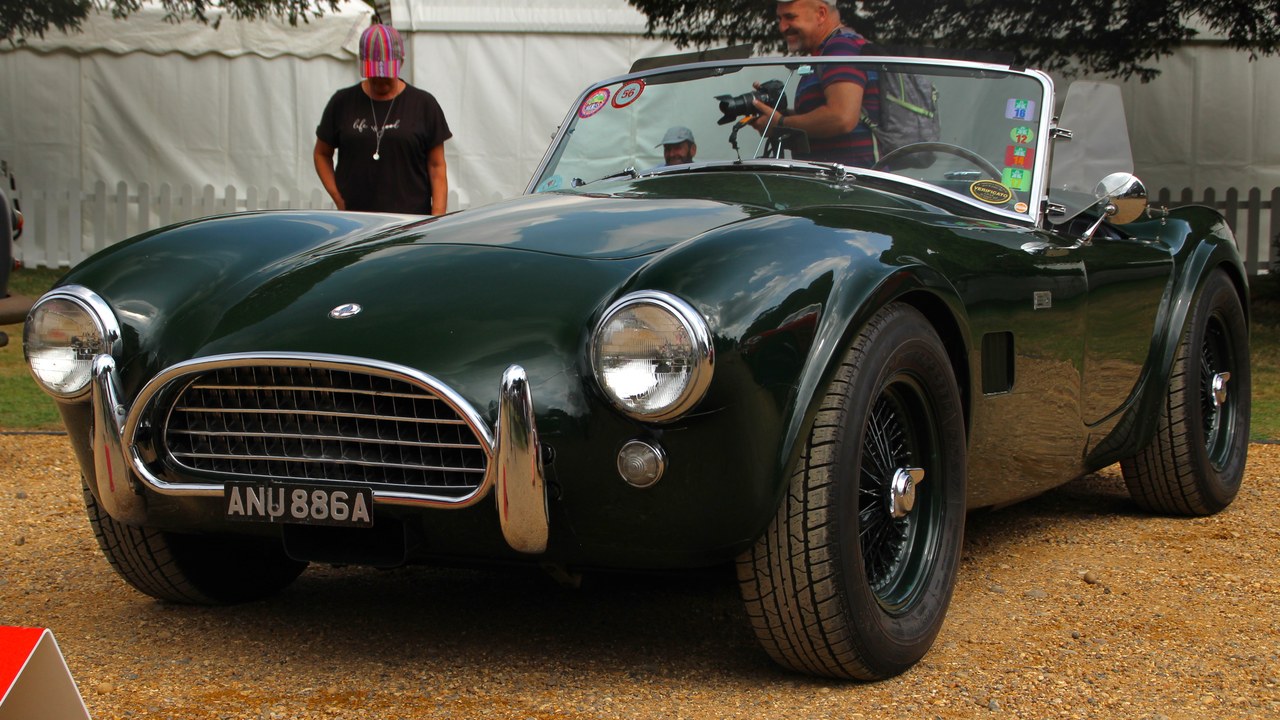
Carroll Shelby took a lightweight British AC roadster body and stuffed it with a Ford V8, creating the Cobra, a car so light for its power that it embarrassed far more expensive sports cars on road courses throughout the 1960s. The pairing of European chassis engineering with American V8 muscle was unlike anything else being built at the time.
That imbalance between weight and power is exactly what makes the Cobra a muscle car rather than merely a sports car, and it’s why the formula still gets imitated by kit-car builders decades later. Original factory Cobras are now among the rarest and most valuable cars from the entire era.
8. Chevrolet Corvette: A Design High-Water Mark
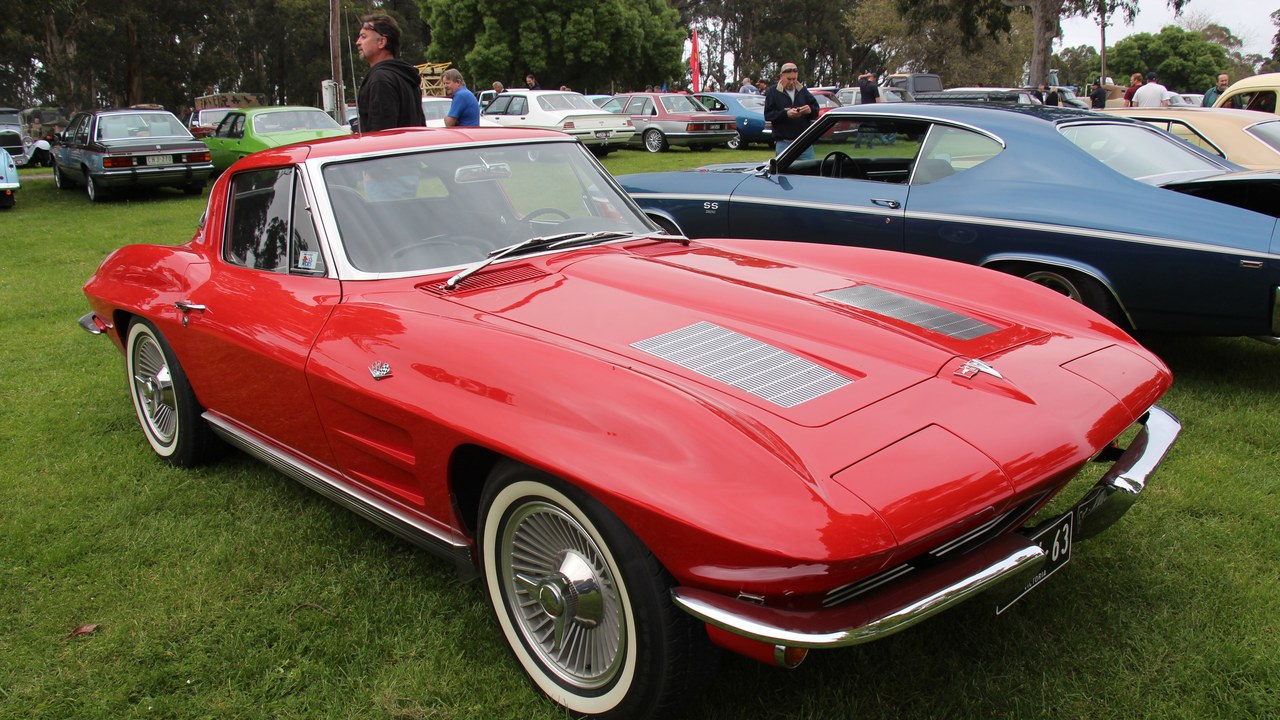
The second-generation Corvette, sold as the Sting Ray, paired a completely new independent rear suspension with sharply creased styling that broke from the rounder first-generation car. It was the first Corvette generation to offer a coupe body alongside the convertible, with distinctive split-window styling on the debut year alone.
Enthusiasts and designers still regard the Sting Ray’s lines as the high point of Corvette styling, a reputation that has only grown as later generations traded some of that drama for other priorities. Big-block options later in the run gave the design the muscle to match its looks.
9. Dodge Coronet R/T: The Sleeper With Big-Block Muscle
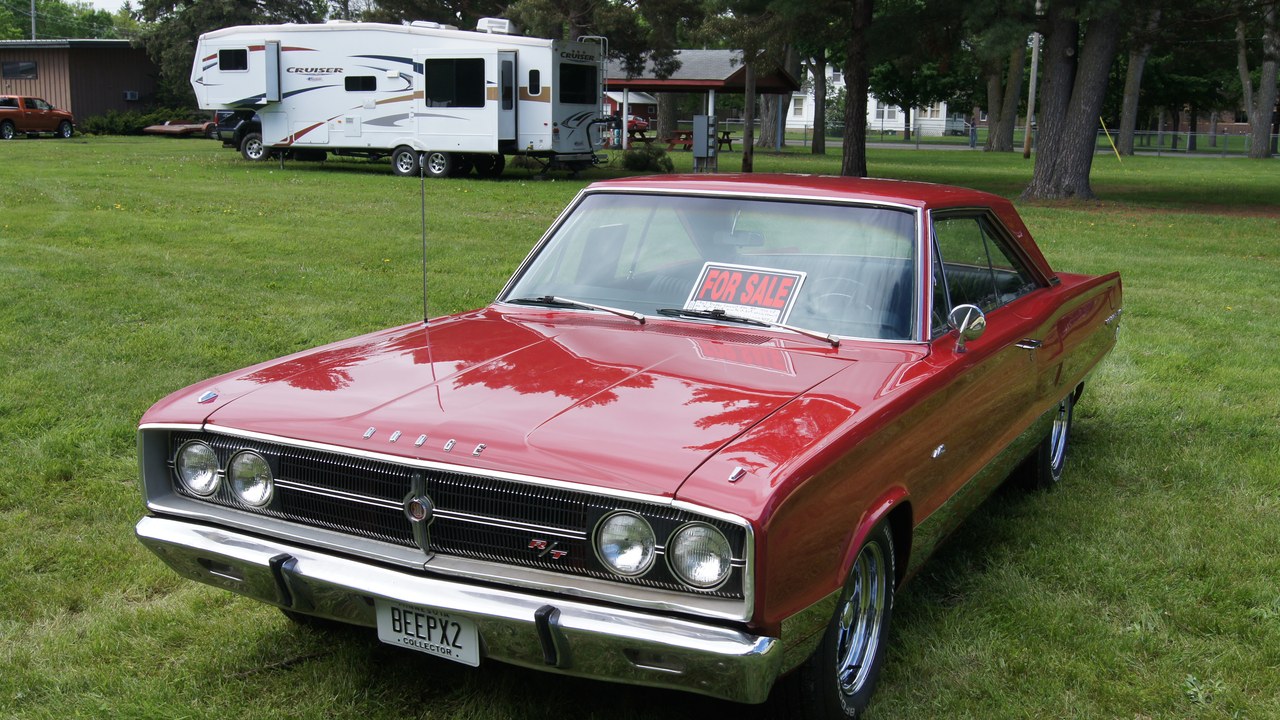
Dodge built the Coronet R/T around conservative, boxy sedan styling that gave away almost nothing about what sat under the hood, pairing big-block V8 power with a bumblebee stripe as the only real hint. That restraint made it a genuine sleeper next to flashier stablemates wearing the same corporate engines.
Because it looked so ordinary, the Coronet R/T could surprise unsuspecting rivals at stoplights, and that reputation is a large part of its lasting appeal among collectors who prefer substance over showmanship. It remains one of the most underrated big-block Mopars of the decade.
10. Oldsmobile 442: Oldsmobile’s Understated Muscle Entry
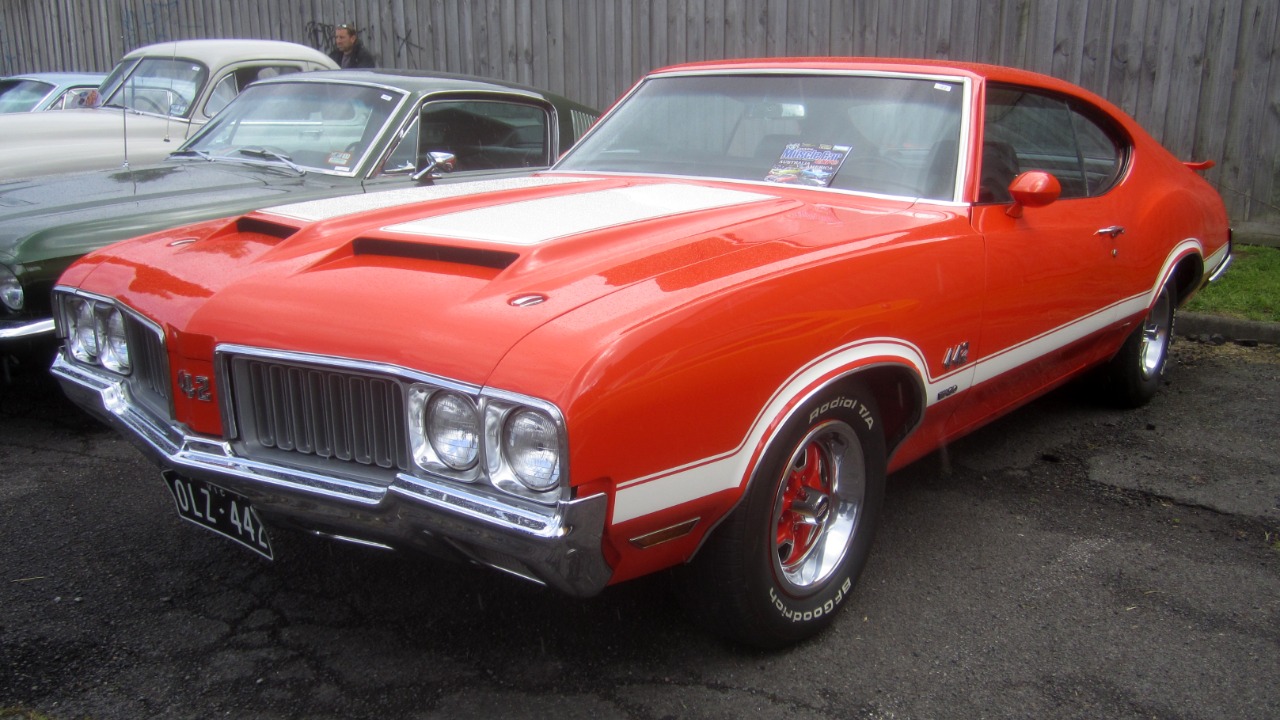
Oldsmobile entered the muscle car fight with the 442, a package built around a stiffer suspension, a four-barrel carburetor, and dual exhausts layered onto the division’s mid-size Cutlass, giving it genuine performance credentials without abandoning Oldsmobile’s more upscale, buttoned-down image. The result split the difference between comfort and outright aggression.
That balance made the 442 attractive to buyers who wanted real performance without the raw edge of a Plymouth or Dodge, and the division kept refining the package through the decade. Well-preserved 442s are now valued precisely for that blend of civility and capability.
11. Buick GSX: The Torque Monster That Surprised Everyone
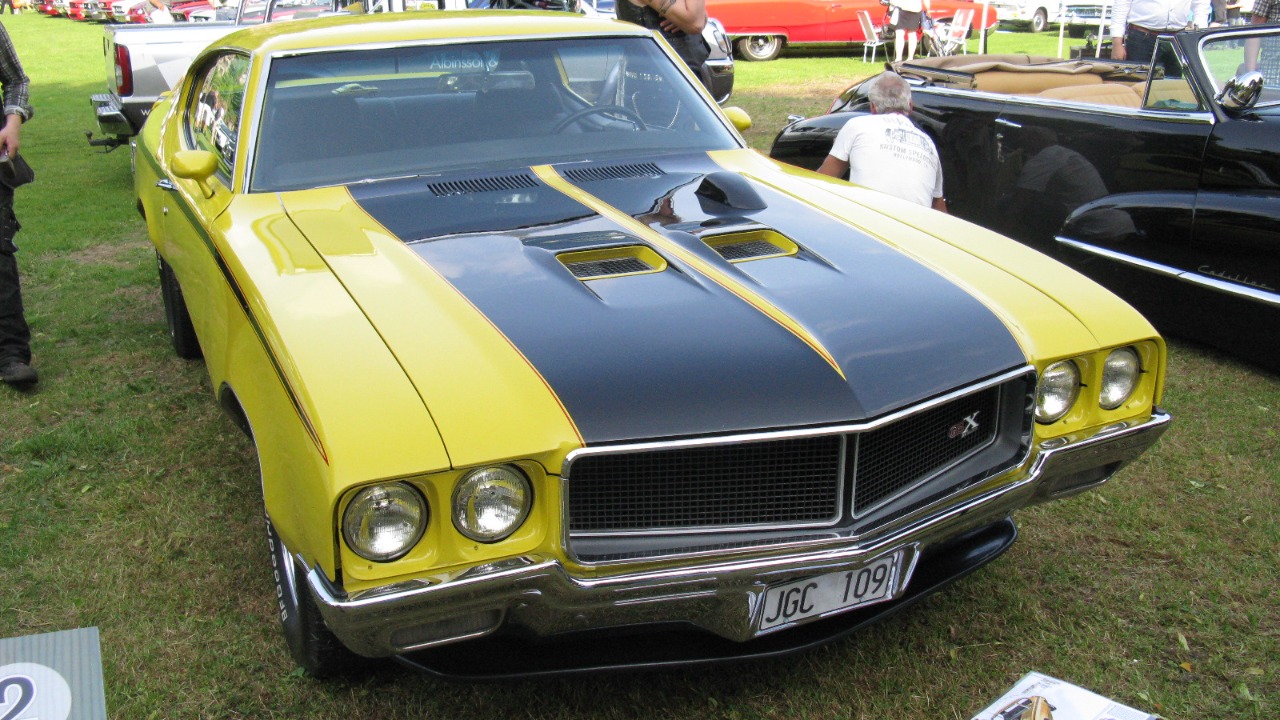
Buick was the last brand anyone expected to build a serious muscle car, yet the GSX arrived with a big-block V8 tuned for enormous torque, wrapped in bold stripes and eye-catching colors that were a sharp break from Buick’s usual conservative image. It stunned a segment that had written the brand off.
That torque advantage let the GSX out-pull rivals with larger advertised horsepower figures in real-world driving, cementing its reputation among enthusiasts who value grunt over bragging-rights numbers. Because relatively few were built, surviving GSXs are now prized rarities within the muscle car hobby.
More from Morning Overview
