
Japan’s automakers climbed from postwar unknowns to global powerhouses on the backs of a handful of remarkable machines. Some sold in staggering numbers while others thrilled enthusiasts, but each one cemented a hard reputation for durability, value, or sheer engineering nerve. From humble commuters to rally legends, these are the eleven.
1. Toyota Corolla: The Car That Conquered the Planet
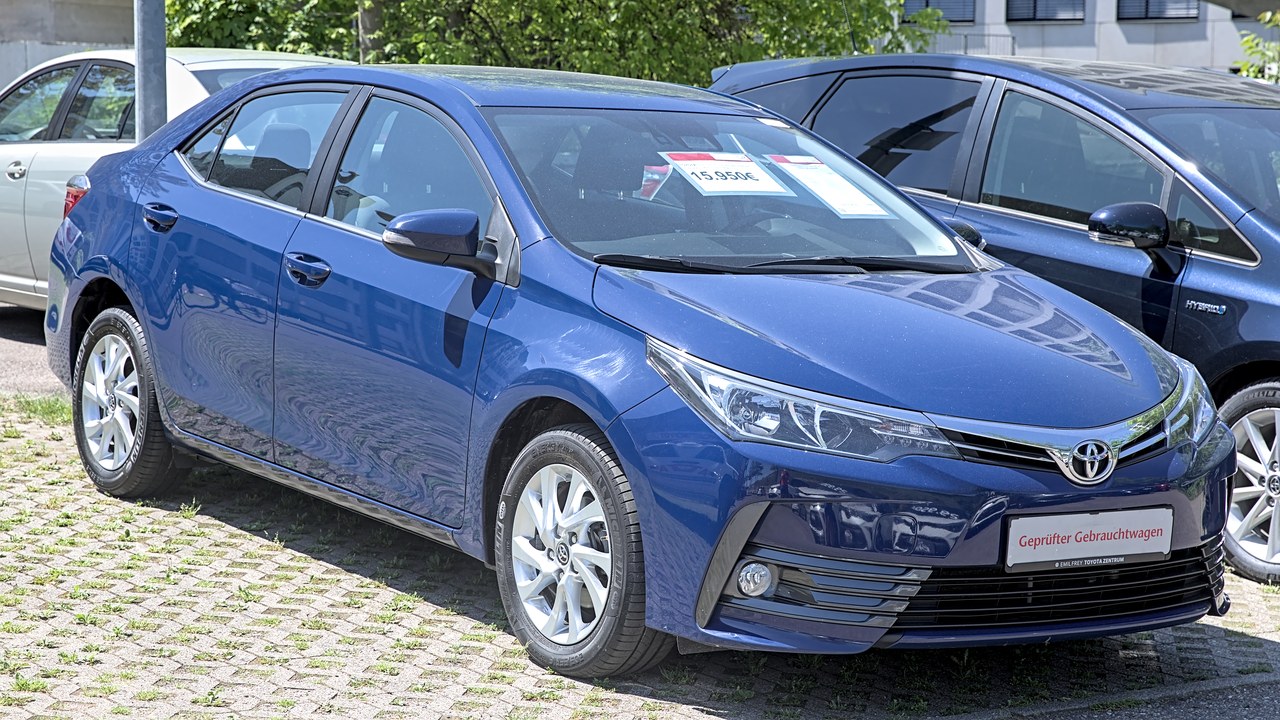
Few nameplates carry the weight of the best-selling nameplate ever built. Since 1966 the compact has moved more than 50 million units across a dozen generations, quietly becoming the default answer for buyers who wanted a car that simply started every morning and refused to break.
That relentless dependability did more than move metal. It taught a generation of American drivers that a Japanese badge meant fewer trips to the mechanic, reshaping expectations for what an affordable car should deliver and forcing domestic rivals to chase a standard they had never before been held to.
2. Honda Civic: The Compact That Rewrote the Rules
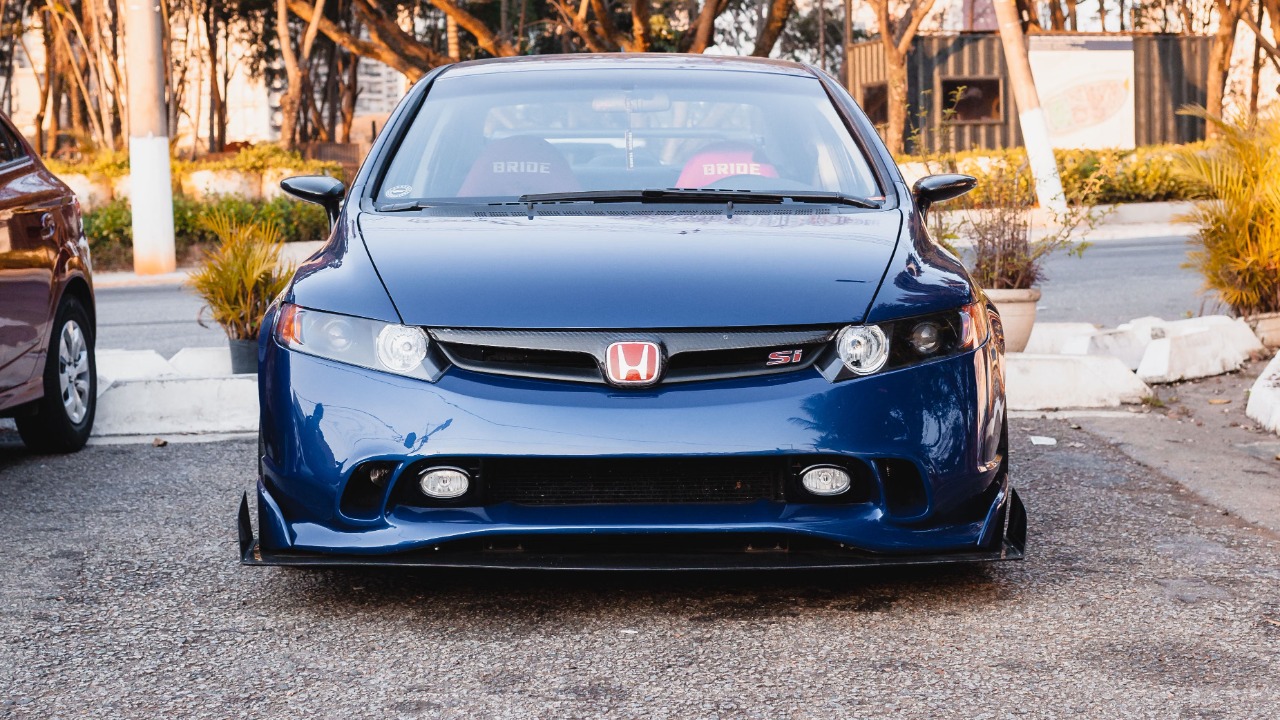
Arriving in 1972 amid an oil crisis, the Civic turned frugality into an advantage. Its early CVCC economy engine met tough emissions rules without a catalytic converter, a bit of engineering theater that announced Honda as a company willing to out-think, not just out-price, the competition.
Decades of steady refinement built a reputation for reliability that outlasted every trend. The nameplate became a rite of passage for first-time buyers and a canvas for tuners, proving a sensible economy car could inspire genuine loyalty rather than mere resignation, and anchoring Honda’s foothold in North America for good.
3. Toyota Camry: America’s Quiet Default Sedan
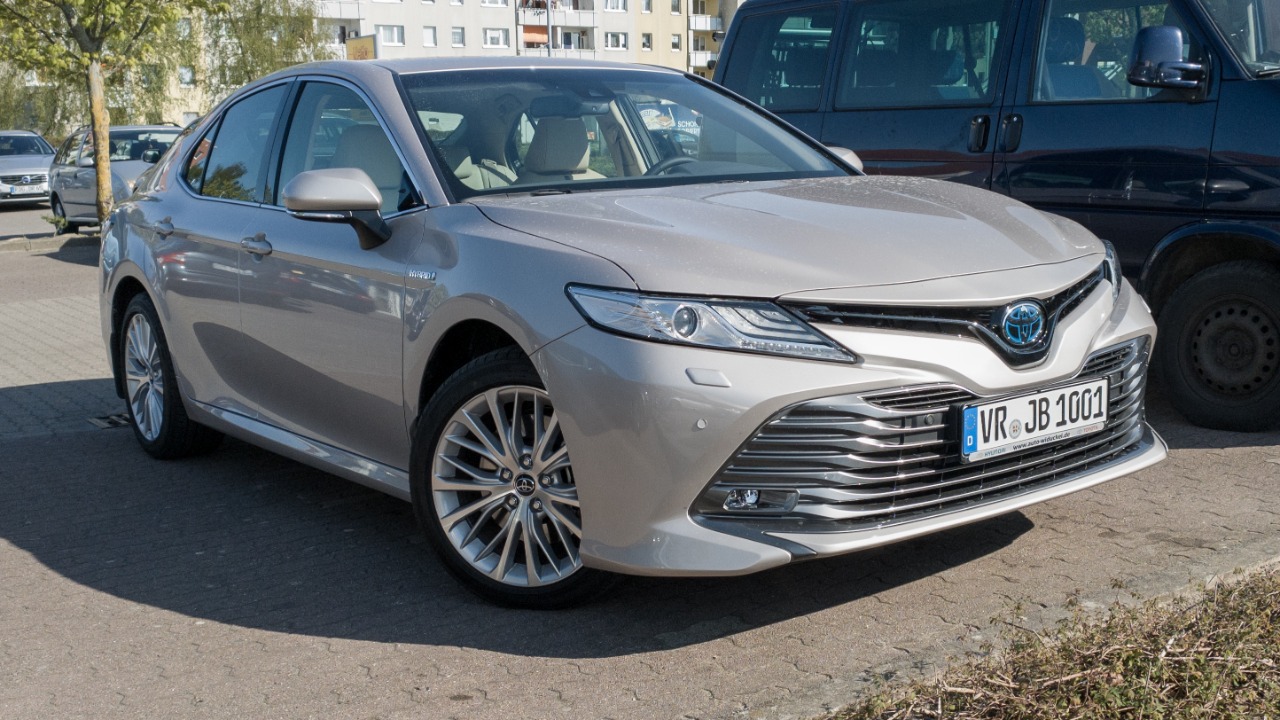
For years the Camry sat atop the sales charts as the top-selling passenger car in the country. Its appeal was never flash; it was the near-certainty that the sedan would run past 200,000 miles with little more than oil changes and fresh tires.
That predictability made it the household workhorse for millions of families and a fixture in rental lots and driveways alike. By owning the sensible middle of the market so completely, it bankrolled Toyota’s expansion and set the durability benchmark every competing midsize sedan has been measured against since.
4. Honda Accord: The Benchmark Nobody Could Ignore
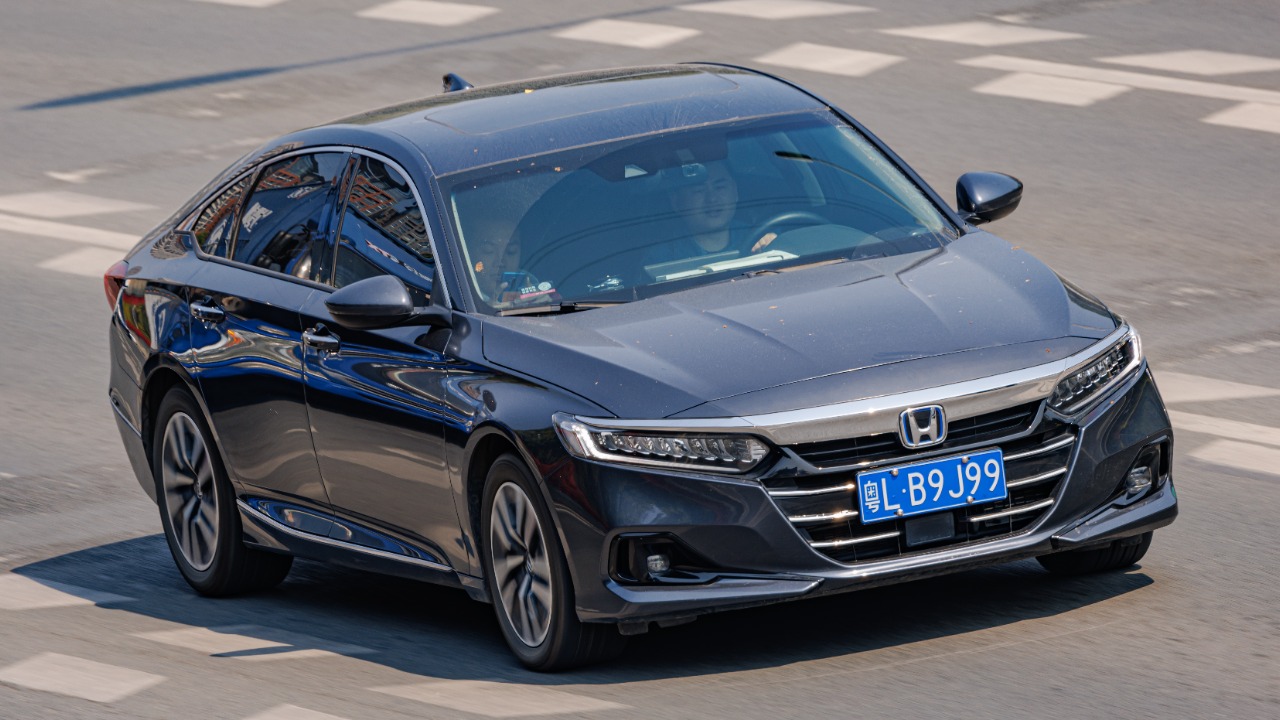
Launched in 1976, the Accord grew from a tidy hatchback into a midsize sedan reviewers used as a yardstick for the class. Sharp handling, a refined cabin, and Honda’s engineering polish made it feel a clear cut above its modest price.
Its success proved buyers would pay a little more for a car that drove better and lasted longer, nudging the entire segment upmarket. The Accord also became one of the first Japanese models built in America, quieting protectionist critics and cementing Honda as a domestic manufacturer in all but heritage.
5. Toyota Land Cruiser: Proof of Unbreakable Toughness
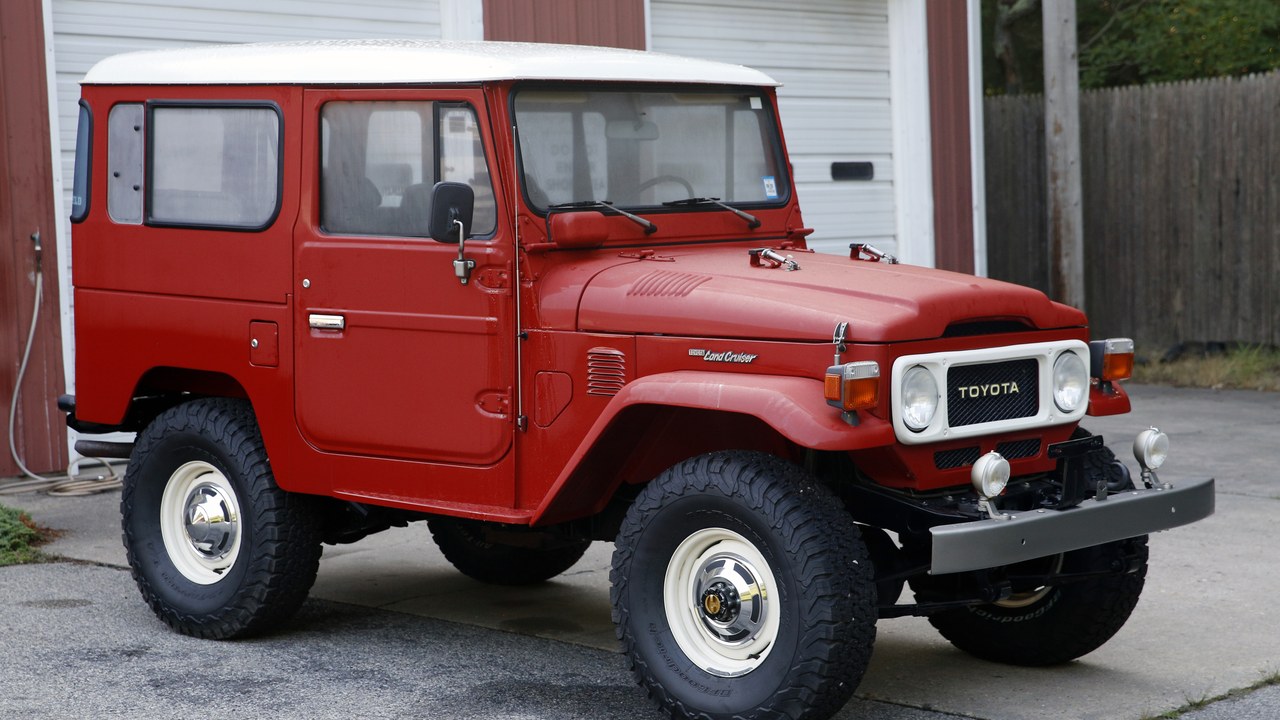
Traced to a 1951 military prototype, the Land Cruiser earned a global reputation as the go-anywhere workhorse of choice for aid agencies, deserts, and remote outposts where a breakdown could turn fatal.
That hard-won ruggedness gave Toyota a halo of durability no marketing budget could ever buy. In the toughest corners of the world, spotting the boxy off-roader became shorthand for equipment that endures, a reputation that quietly reinforced the brand’s dependable image across every showroom back home.
6. Nissan Z: Keeping the Sports Car Dream Alive
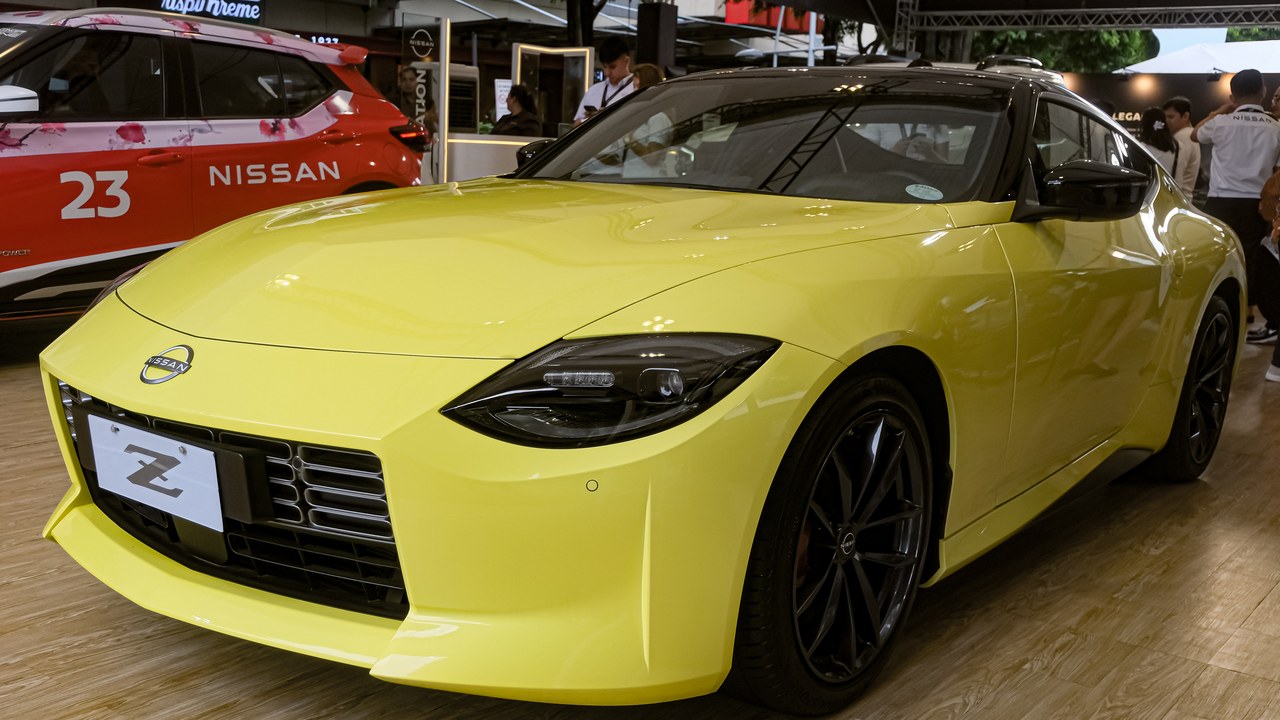
The Z lineage stretches back to the 1969 Datsun 240Z, a car that stunned buyers with real performance at a reachable price. The latest RZ34 revival carries that same attainable sports coupe promise into a turbocharged era.
By refusing to let the affordable coupe die, Nissan kept a piece of enthusiast culture breathing when most rivals abandoned it. The Z proved a Japanese brand could build genuine desire, not just dependability, and gave the company a soul that showroom sedans alone could never provide.
7. Mazda RX-7: When a Rotary Beat the Odds
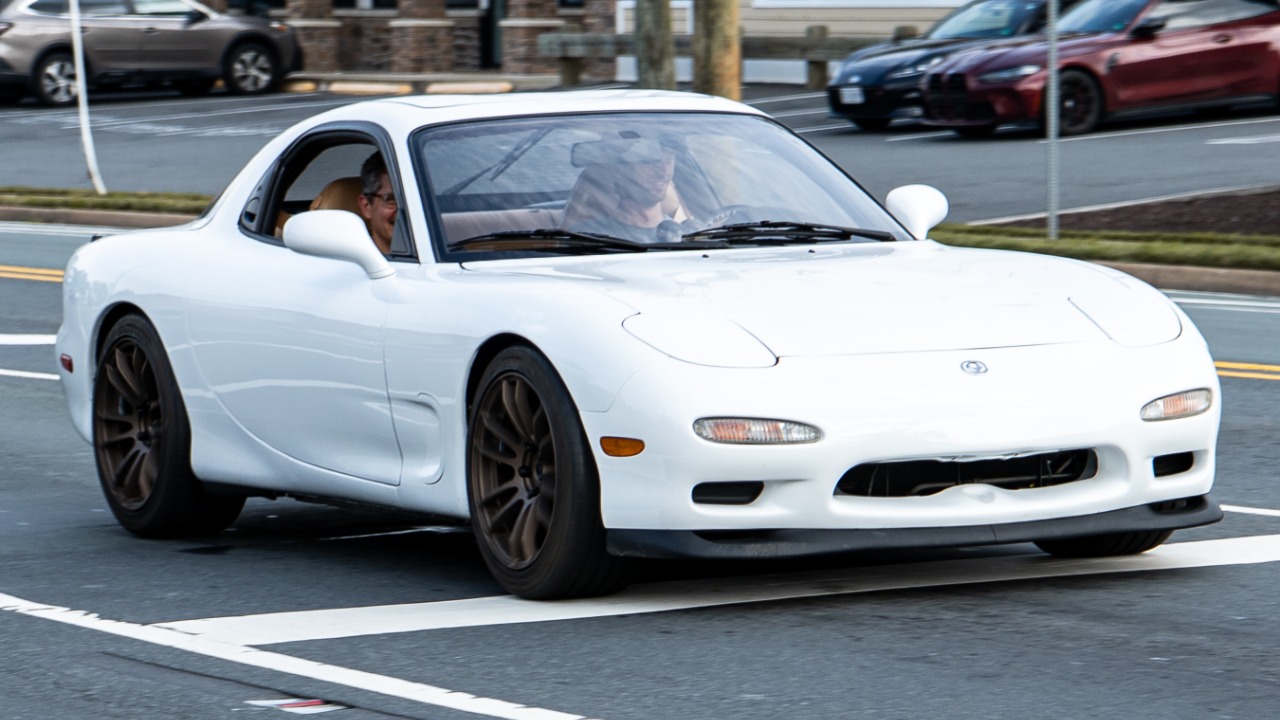
Mazda staked its identity on the compact, high-revving rotary engine, and the RX-7 was its finest expression. The lightweight coupe delivered a driving feel rivals struggled to match, turning an unusual engine layout into a genuine badge of honor.
Its racing wins and cult following gave a small automaker outsized credibility with enthusiasts. The RX-7 showed that engineering bravery could carve out a fiercely loyal audience, and it remains the emblem of Mazda’s willingness to chase ideas the giants deemed far too risky.
8. Subaru Impreza WRX: Rally Glory in a Sedan
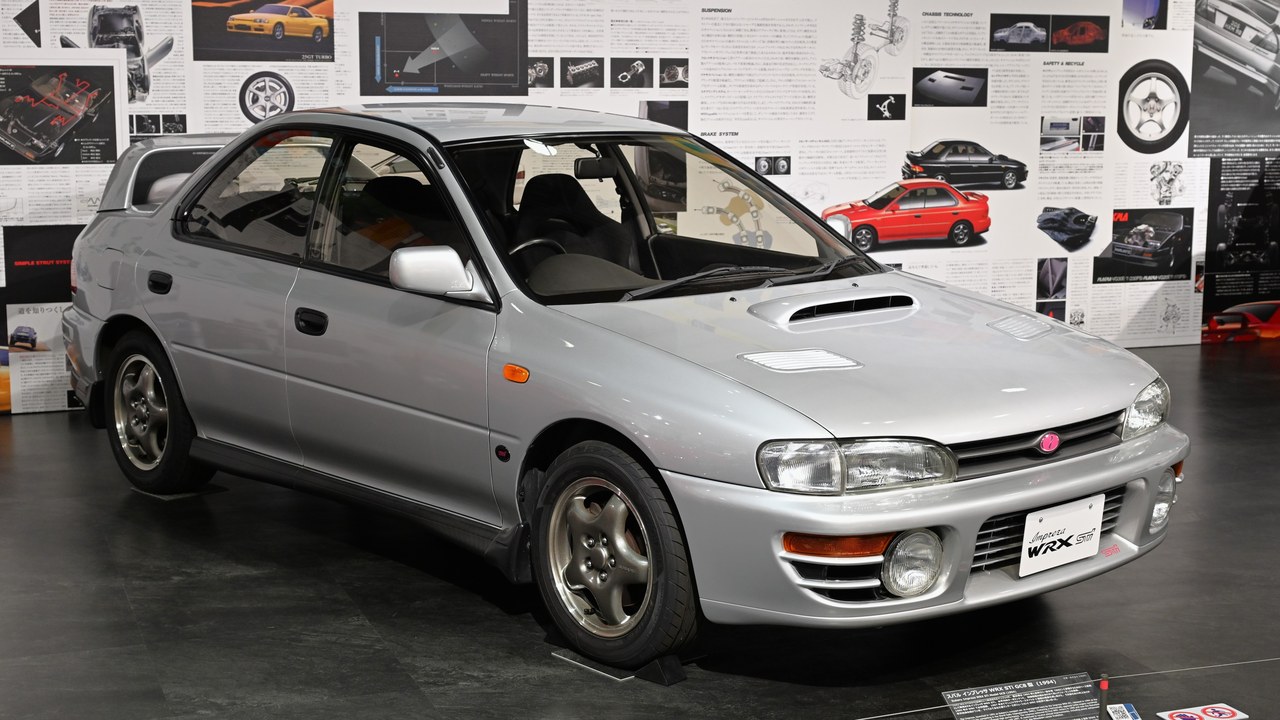
Forged in the crucible of the World Rally Championship, the WRX put turbocharged power and standard all-wheel drive into an unassuming compact sedan. Its blue-and-gold rally livery became instantly recognizable to a whole generation of fans.
The car translated motorsport dominance into street credibility, giving Subaru an identity built on grip and grit rather than luxury. It converted rally spectators into buyers and made all-wheel drive a defining brand trait, a niche the company still proudly owns decades later.
9. Mitsubishi Lancer: The Humble Sedan Turned Giant-Killer
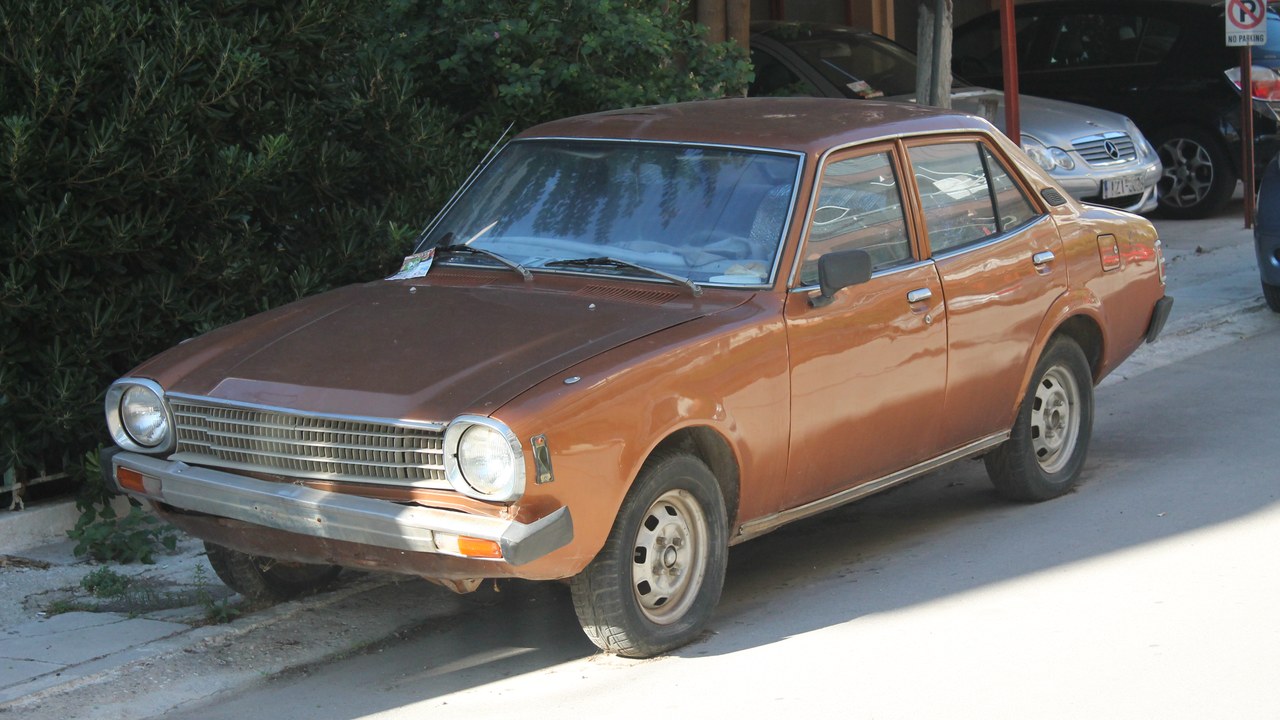
An ordinary compact on its own, the Lancer became a legend through its high-performance Evolution variant. The Evo’s turbocharged engine and advanced all-wheel-drive system let a modest sedan humble exotic machinery on road and rally stage alike.
That giant-killing reputation lent Mitsubishi a performance halo far larger than its market share. The Evo became a poster car for enthusiasts and a symbol that clever engineering could beat a raw budget, keeping the brand relevant in conversations it had no business dominating.
10. Toyota MR2: A Mid-Engine Bargain for the Masses
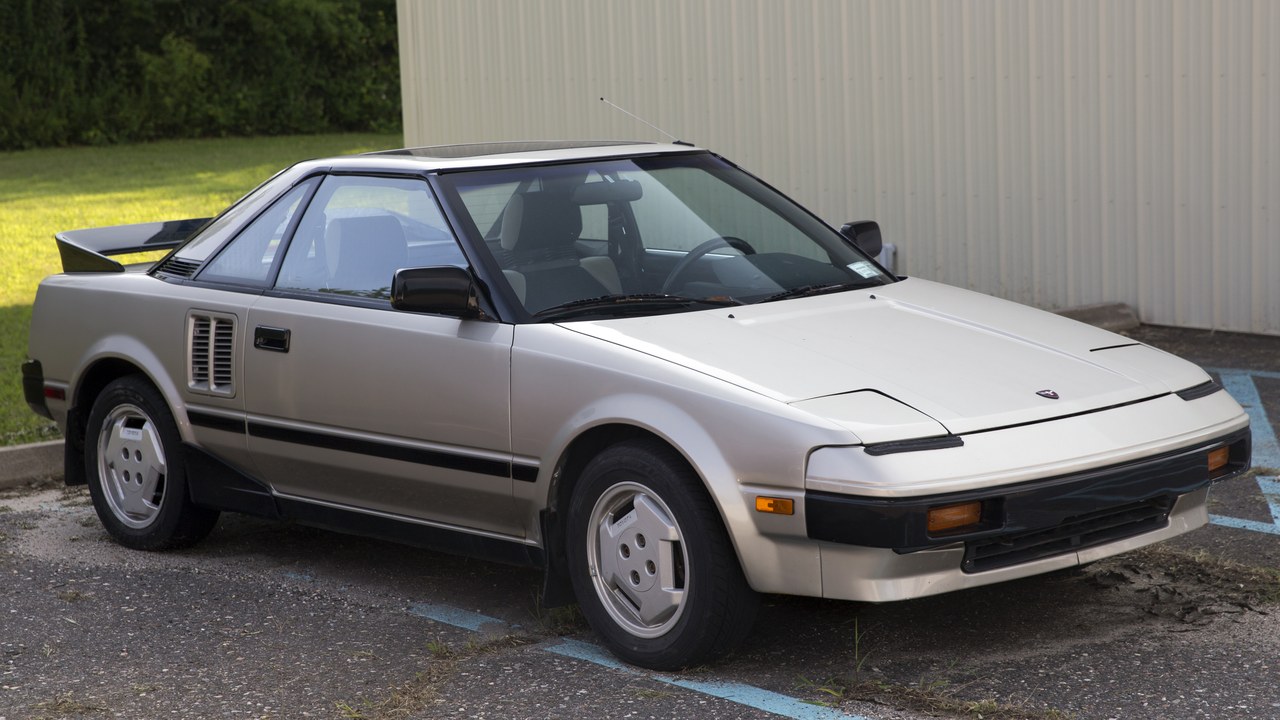
Toyota brought exotic-car architecture to everyday buyers with the MR2, a mid-engine sports car priced within reach of ordinary wallets. Its beautifully balanced handling delivered a real taste of supercar layout without the crushing supercar bill.
The nimble two-seater proved Toyota could build something playful, not just practical, softening its reputation as a maker of sensible appliances. It gave enthusiasts a fresh reason to visit the showroom and demonstrated that mainstream engineering could produce genuine driving joy on a budget.
11. Honda CR-X: Light, Frugal, and Genuinely Fun
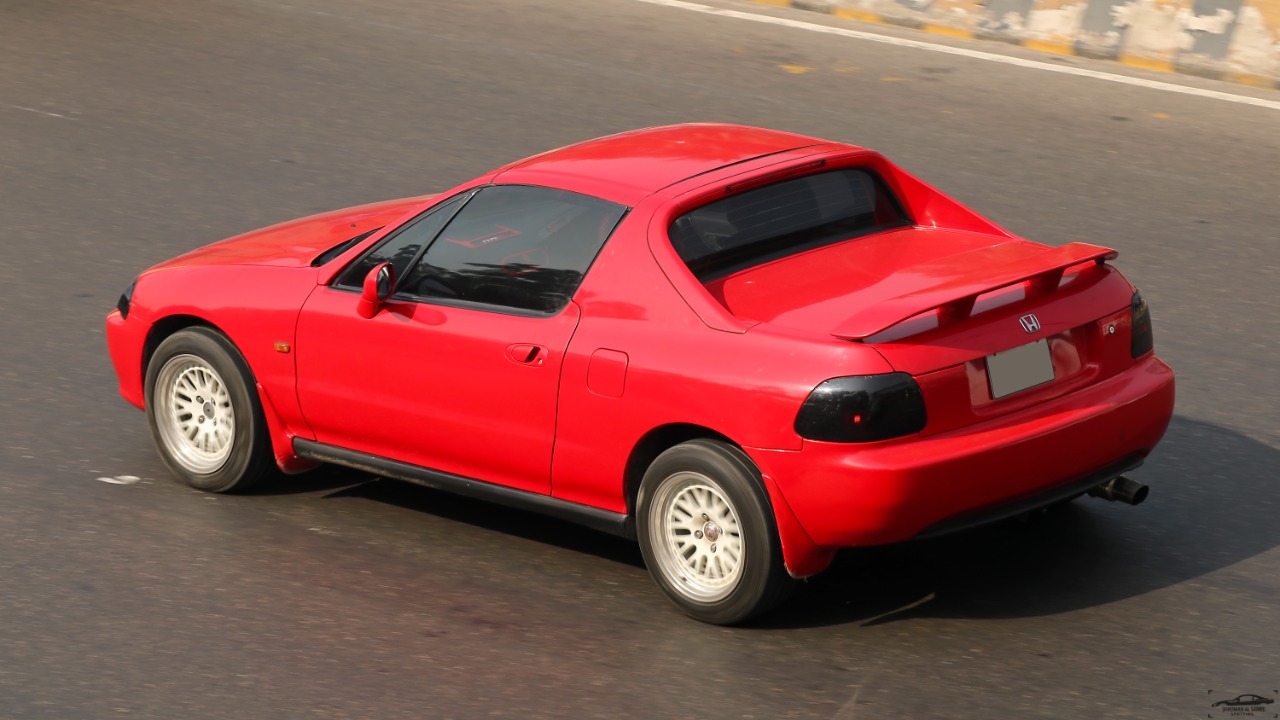
The CR-X packaged remarkable fuel economy and eager handling into a tiny, lightweight body. Certain versions posted efficiency figures that shamed far duller cars, and later variants added a spirited engine that made the little coupe a tuner and enthusiast favorite.
By proving frugality and fun could comfortably coexist, the CR-X captured the very spirit that made Honda famous. It attracted young buyers on tight budgets and cemented the idea that a sensible commuter could still put a real grin on a driver’s face.
More from Morning Overview
- Card skimmers hidden on gas pumps and ATMs are draining accounts, and here’s the tell
- The FBI says hackers are hijacking outdated home routers, and it named the models to check
- Older Teslas are wearing out in ways early owners never saw coming
- A common childhood virus is now tied to multiple sclerosis years later
