
German automakers built reputations on engineering that feels effortless behind the wheel, but that polish rests on air suspension, twin-turbo engines, and layers of adaptive electronics that rarely age cheaply. Once the factory warranty lapses, routine service can rival a car payment, and one failed component often triggers a cascade of repairs. Shoppers eyeing a used luxury import should weigh long-term upkeep before choosing among these eleven German luxury cars.
1. BMW 7 Series: Where Flagship Tech Turns Costly
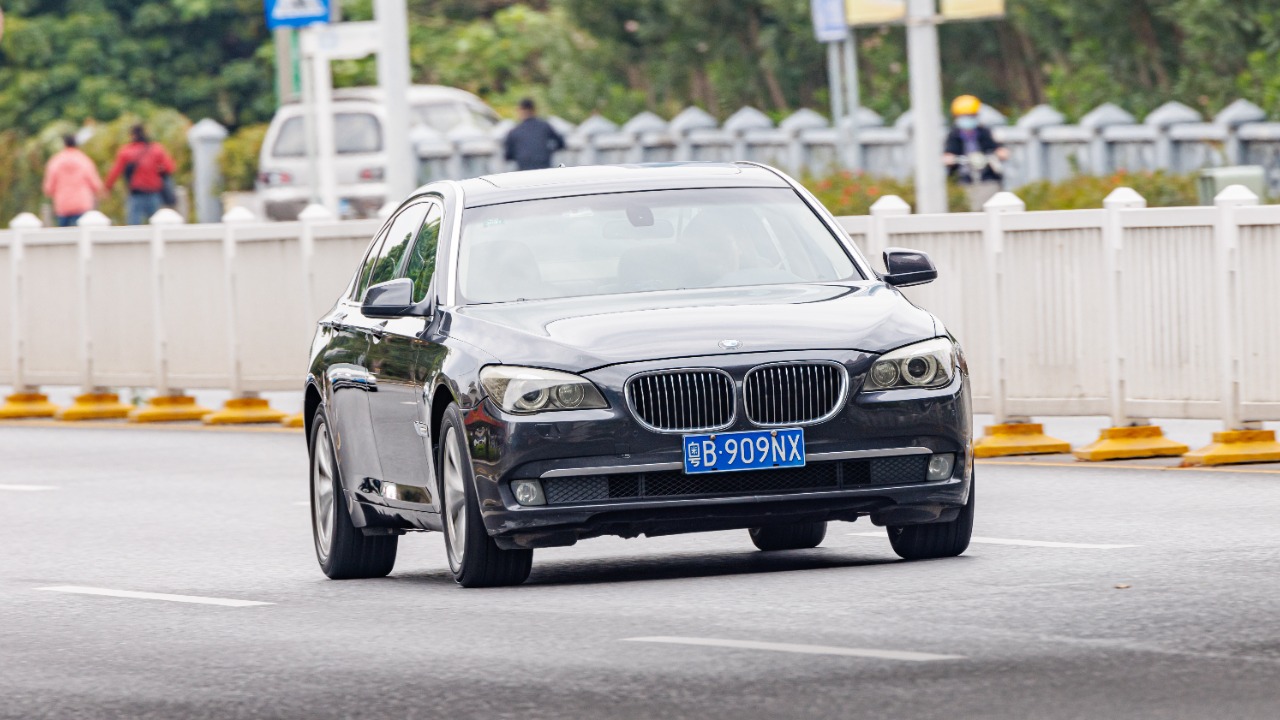
The flagship sedan relies on an adaptive air suspension system, active anti-roll bars, and a dense network of onboard computers that manage everything from ride height to climate control and driver assistance. Once the factory warranty expires, diagnosing a single electrical fault can require hours of specialized labor, and replacing worn air-suspension components often costs thousands rather than the few hundred dollars a conventional steel-spring setup demands.
Independent shops that specialize in German luxury cars can ease costs somewhat, but parts pricing on this platform still runs well above mainstream sedans, and buyers who skip a pre-purchase inspection often inherit deferred maintenance bills.
2. Mercedes-Benz S-Class: Comfort Systems That Wear Expensively
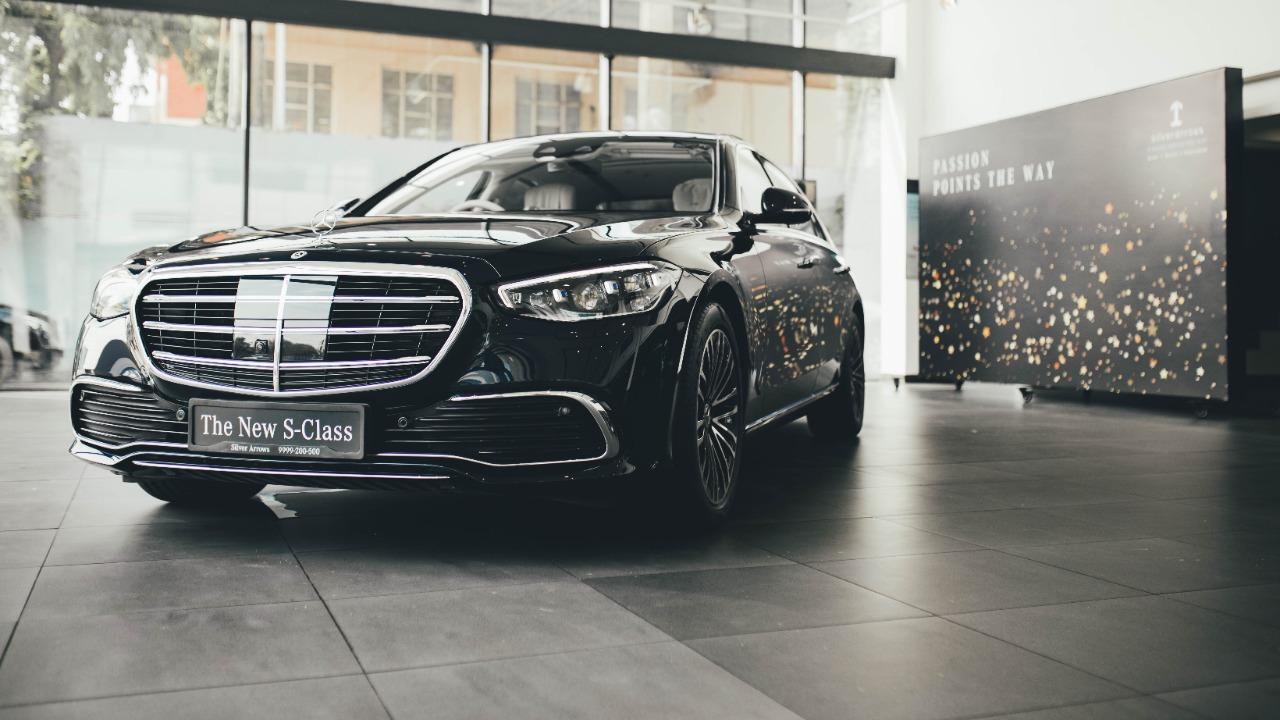
The S-Class earns its reputation for a serene ride through an Airmatic air suspension system, active body control, and layered driver-assistance electronics that constantly monitor road conditions. Once components age past the warranty period, air-suspension struts, sensors, and control modules routinely cost far more to replace than the equivalent parts on a mainstream sedan, and dealer diagnostic time adds up quickly.
Owners who keep the car well past the warranty window often budget for periodic suspension overhauls, and finding an independent mechanic comfortable with the electronics can take some searching in smaller markets.
3. Audi A8: Complex Luxury, Complicated Repairs
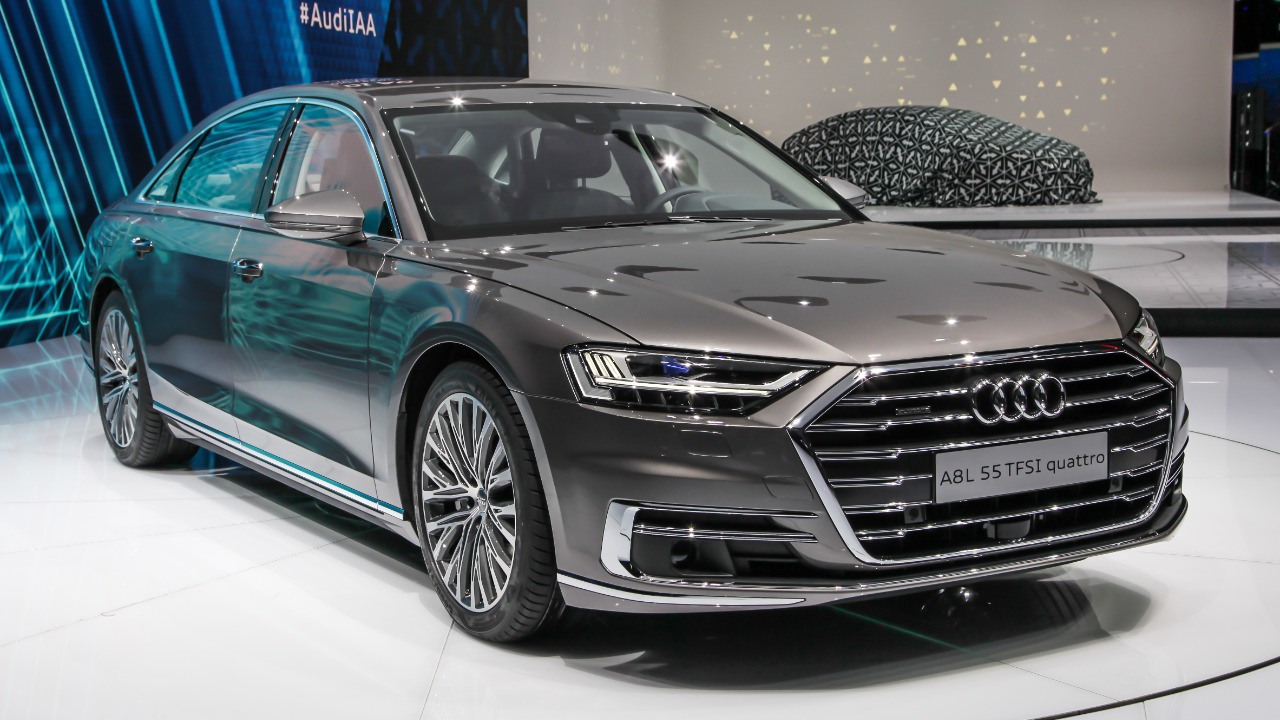
Audi’s full-size flagship pairs a standard quattro all-wheel-drive system with adaptive air suspension and a multimedia interface built from several linked touchscreens and control units. When one of those systems falters outside the warranty period, technicians often need to replace entire modules rather than individual sensors, and the labor to access some components under the dashboard or rear subframe adds meaningfully to the bill.
Timing-chain and turbocharger service on the V8 variants is another recurring expense once the car passes the 60,000-mile mark, and Audi specialists tend to charge more than general import shops.
4. Porsche Panamera: Sports-Sedan Speed, Sports-Sedan Bills
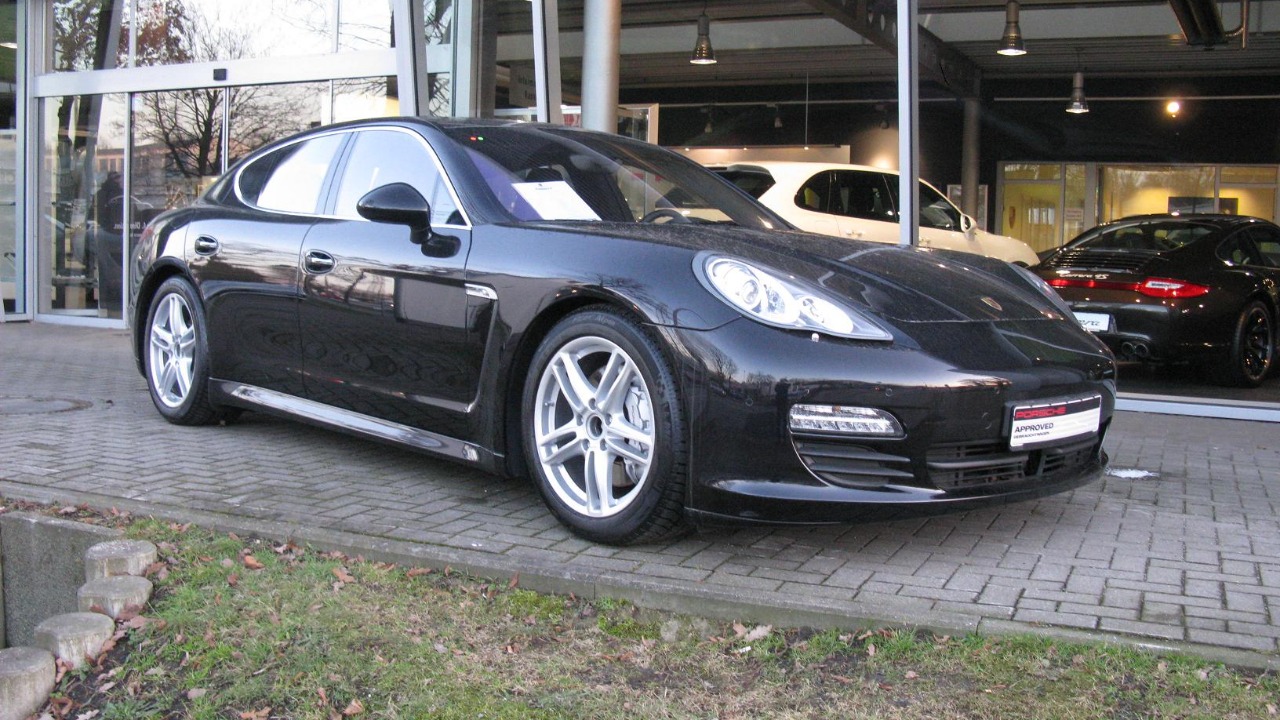
Porsche builds its four-door grand tourer around a dual-clutch transmission, adaptive air suspension, and a turbocharged engine tuned for track-capable performance, all of which demand more frequent and more specialized service than a typical luxury sedan. Fluid changes for the transmission alone can run several hundred dollars, and the air suspension compressor and struts are known wear items once the car passes 80,000 miles.
Tire wear on the performance-oriented models adds another ongoing cost, since staggered wheel setups wear unevenly and require replacement in pairs rather than one at a time.
5. BMW M5: Super-Sedan Power Carries Super Costs
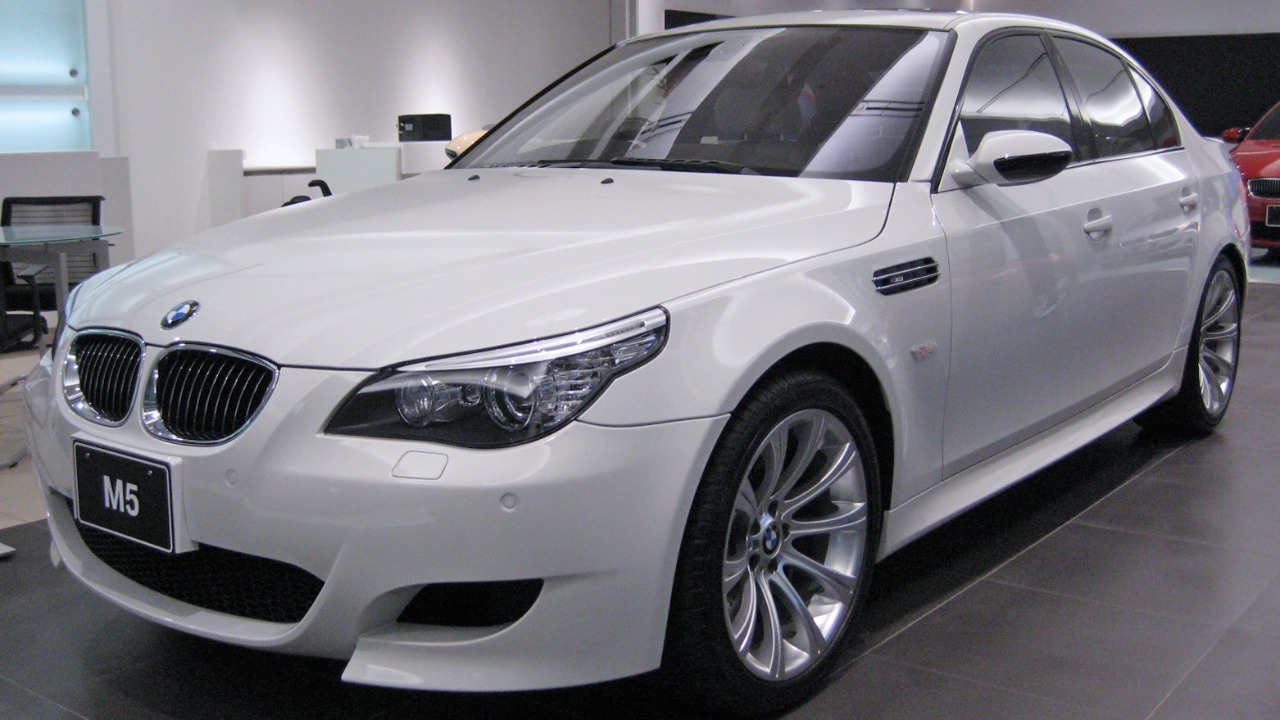
BMW built the M5 around a high-output twin-turbo V8 engine, upgraded brakes, and a reinforced chassis meant to handle serious power, and each of those upgrades comes with a matching service bill. Brake pads and rotors sized for genuine performance driving wear faster than standard equipment, and engine work on the turbocharged V8 requires technicians trained specifically on BMW’s M division hardware.
Insurance premiums also run higher on this model than on a standard 5 Series, and a car driven the way the factory intended will need tires more often than most sedans ever do.
6. Audi S8: Peak Performance Demands Peak Upkeep
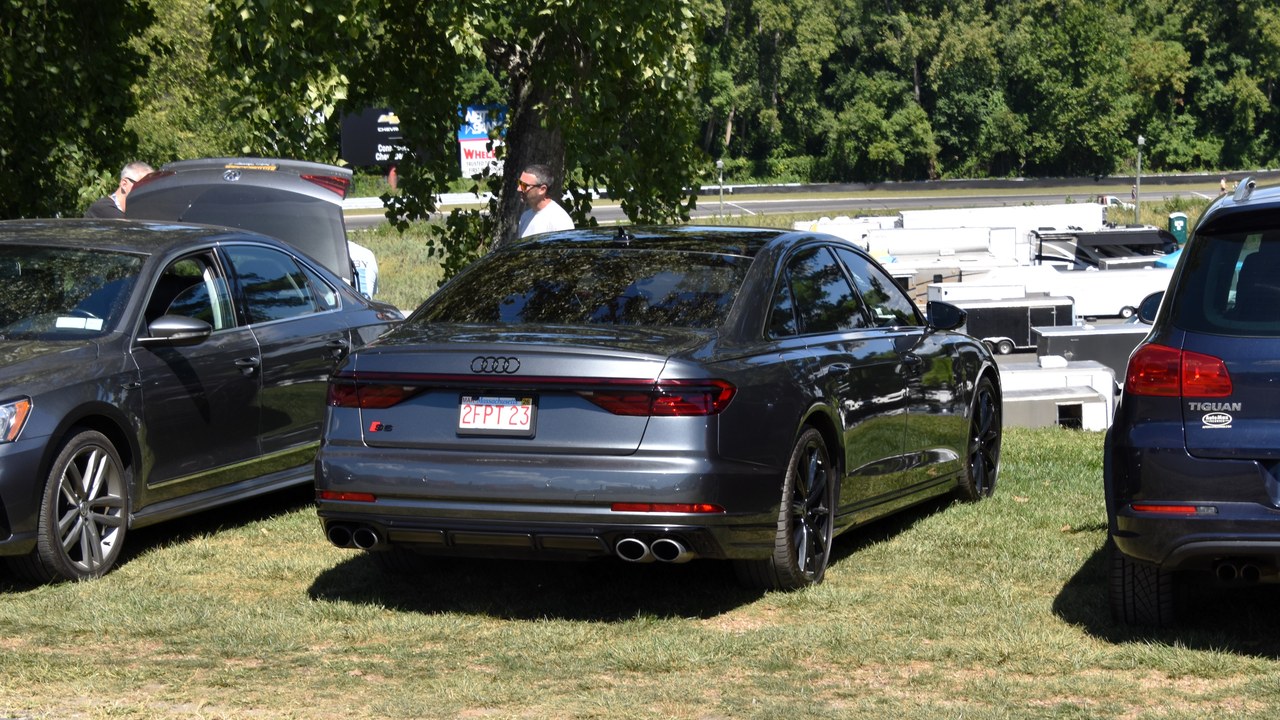
Audi’s high-performance flagship pairs a twin-turbocharged V8 with quattro all-wheel drive and an adaptive air-suspension system tuned for both comfort and cornering grip. Because the engine and suspension hardware overlap with Audi’s most expensive components, a failed air strut or turbocharger seal can produce repair estimates well into four figures once the factory coverage lapses.
Routine brake and tire replacement also costs more than on a standard A8, since the S8’s larger, high-performance components carry a price premium at nearly every service interval.
7. Audi RS7: A Hatchback With Supercar Bills
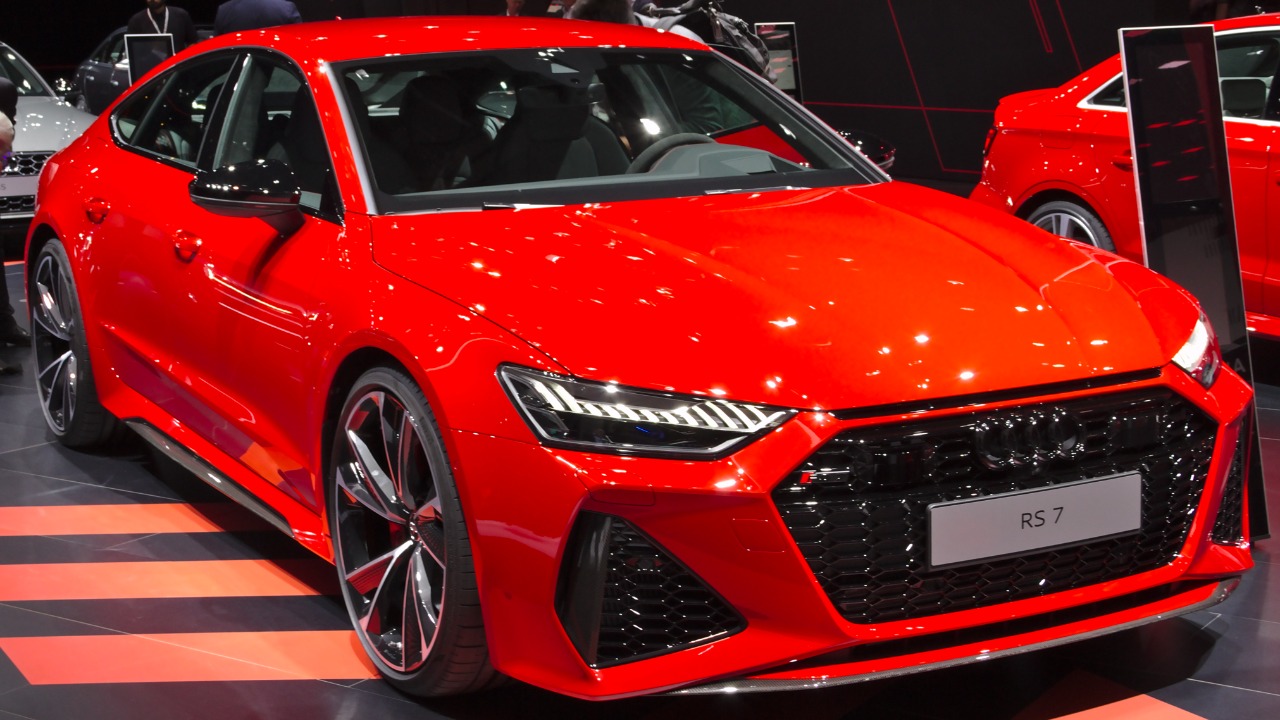
The RS7 pairs a twin-turbo V8 producing well over 500 horsepower with carbon-ceramic brake options, staggered performance tires, and an adaptive air suspension carried over from Audi’s larger sedans. Feeding and cooling that much power shortens the service life of belts, turbochargers, and brake components compared with a standard A7, and replacement parts sized for this level of performance rarely come cheap.
Insurance and tire costs alone can rival what many drivers spend on an entire economy car payment each year, and finding a shop equipped to service its performance hardware often means a dealership visit.
8. BMW X7: A Big SUV, Bigger Bills
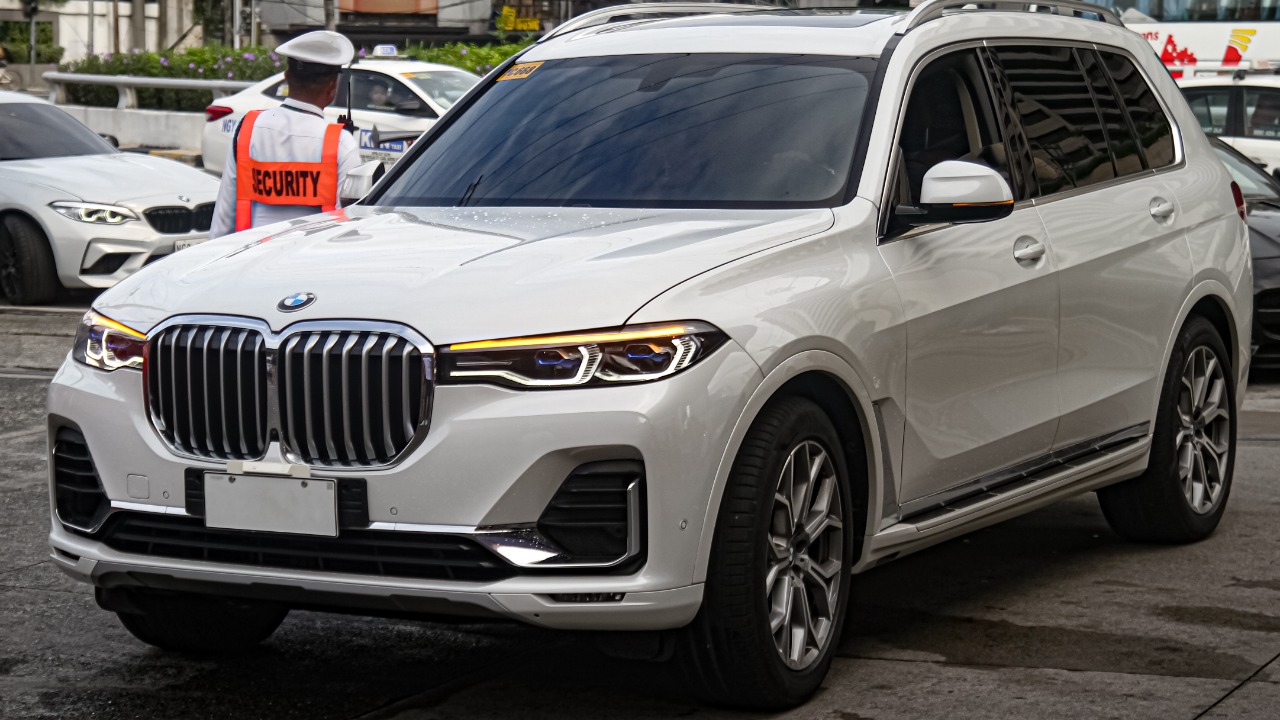
BMW’s largest SUV carries the same adaptive air suspension and electronic all-wheel-drive hardware found in its sedans, scaled up to manage a heavier three-row body. That added mass strains suspension bushings, air struts, and brakes faster than it does in a lighter car, and replacing the third-row climate and entertainment electronics can add unexpected cost when something in the system fails.
Tires sized for a vehicle this large and heavy wear down faster and cost more per set than tires on a midsize sedan, and routine service intervals come with correspondingly larger parts bills.
9. Mercedes-Benz GLS: Three Rows Of Luxury, Three Rows Of Cost
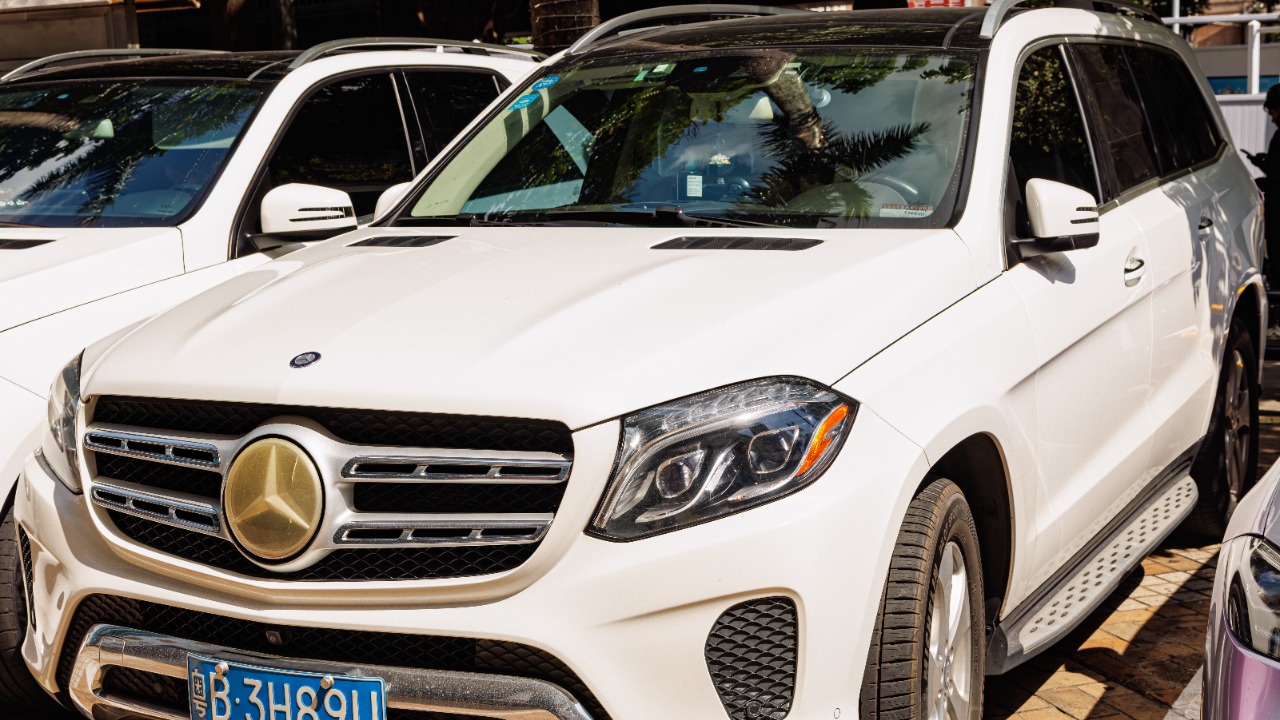
Mercedes built its largest SUV around the same Airmatic air suspension and driver-assistance electronics found in the S-Class, then added a third row of seating and climate zones that multiply the number of components that can eventually fail. Air-suspension struts and compressors are among the most expensive repairs on the platform, and a failure often shows up as a dashboard warning long before the ride quality visibly changes.
Owners who tow or load the SUV heavily accelerate wear on the suspension and drivetrain, and specialized labor rates at a Mercedes dealership add up quickly once the warranty ends.
10. Porsche Cayenne Turbo: Track-Bred Power In An SUV Body
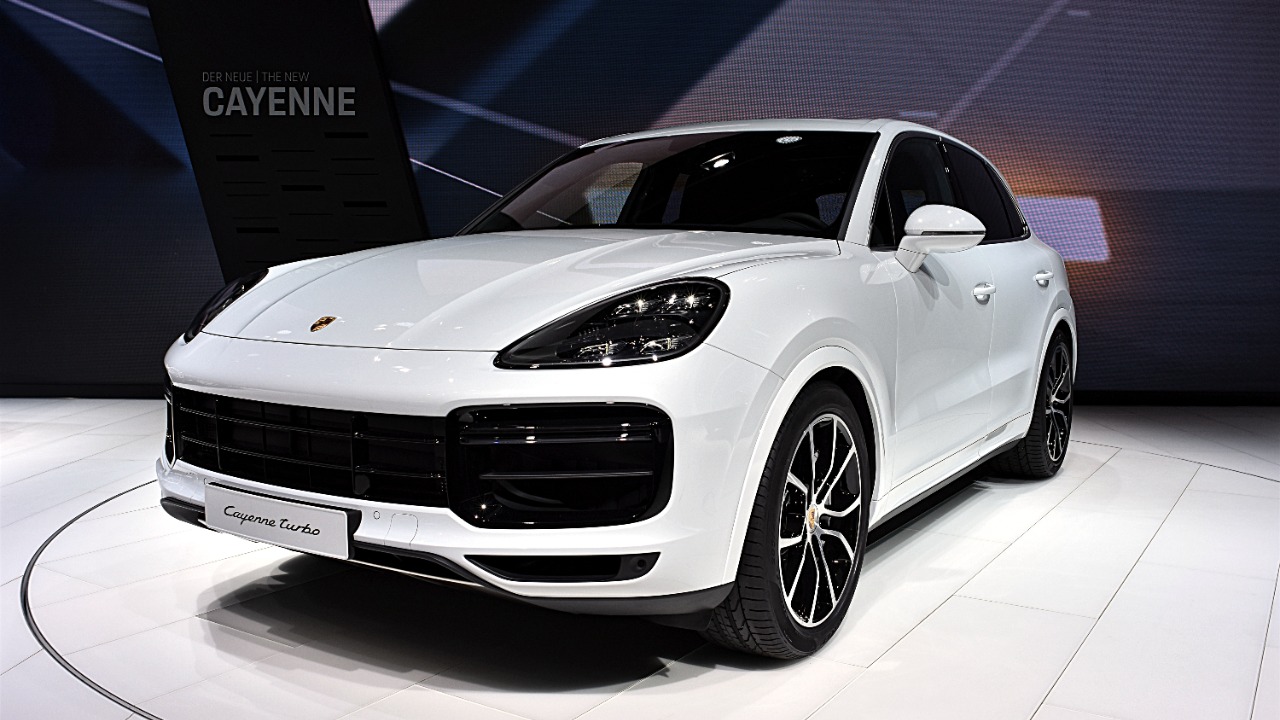
Porsche’s performance SUV carries a twin-turbo engine, big performance brakes, and an adaptive air suspension tuned to keep a heavy vehicle composed at speed, all borrowed from hardware developed for its sports cars. Servicing that engine and suspension setup costs meaningfully more than on a mainstream SUV, and brake jobs sized for genuine performance driving are rarely inexpensive.
Fuel and tire costs run higher than on the standard Cayenne trims, and the turbocharged engine calls for more frequent oil changes to keep up with the added heat and stress of daily performance driving.
11. Audi Q8: A Stylish Shape, A Costly Upkeep
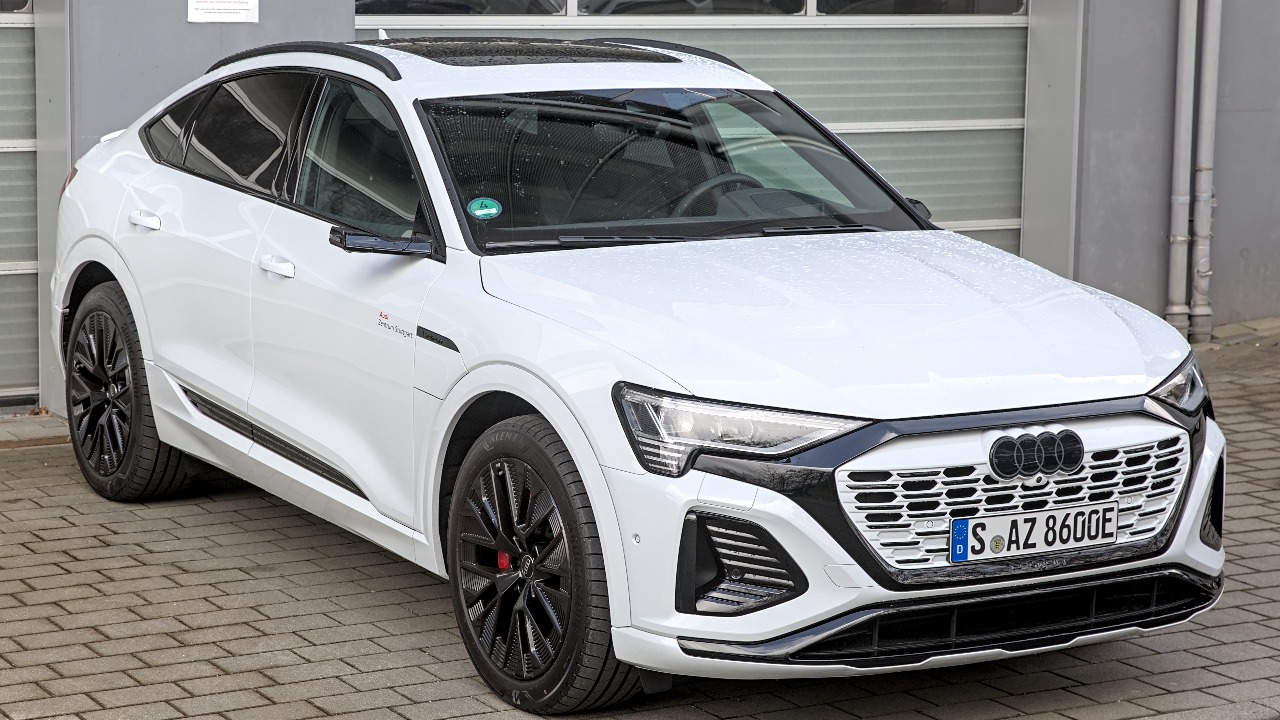
Audi’s coupe-styled SUV shares its quattro all-wheel-drive system and adaptive air suspension with the brand’s larger sedans, wrapped in a lower, sportier body that trades some cargo space for style. Those shared mechanical systems mean Q8 owners face the same expensive suspension and electronics repairs as A8 owners once the factory warranty runs out, but with a body style that carries its own parts premium.
Its unique roofline and glass also cost more to replace than a shared-platform part, and owners who prioritize style over cargo room should plan for those parts costs too.
More from Morning Overview
- Long-term use of common heartburn pills is tied to kidney and dementia risk
- A California supervolcano has bulged upward about two and a half feet since 1978
- The FTC is warning about a scam quietly draining thousands from victims
- The NSA is again telling phone owners to switch off one location setting
