
Fast charging has become the new yardstick for electric cars, because minutes at the plug matter more than range on a long trip. The figures below come from Edmunds, InsideEVs and Recurrent, and peak power tells only part of the story. Here are eleven EVs that charge the fastest, ranked by what their hardware can deliver.
Save more, waste less: The Cool Down’s newsletter sends smart, simple changes that help you and the planet in your everyday life.
We may earn a commission if you sign up.
1. Tesla Cybertruck: Peak Power Leader
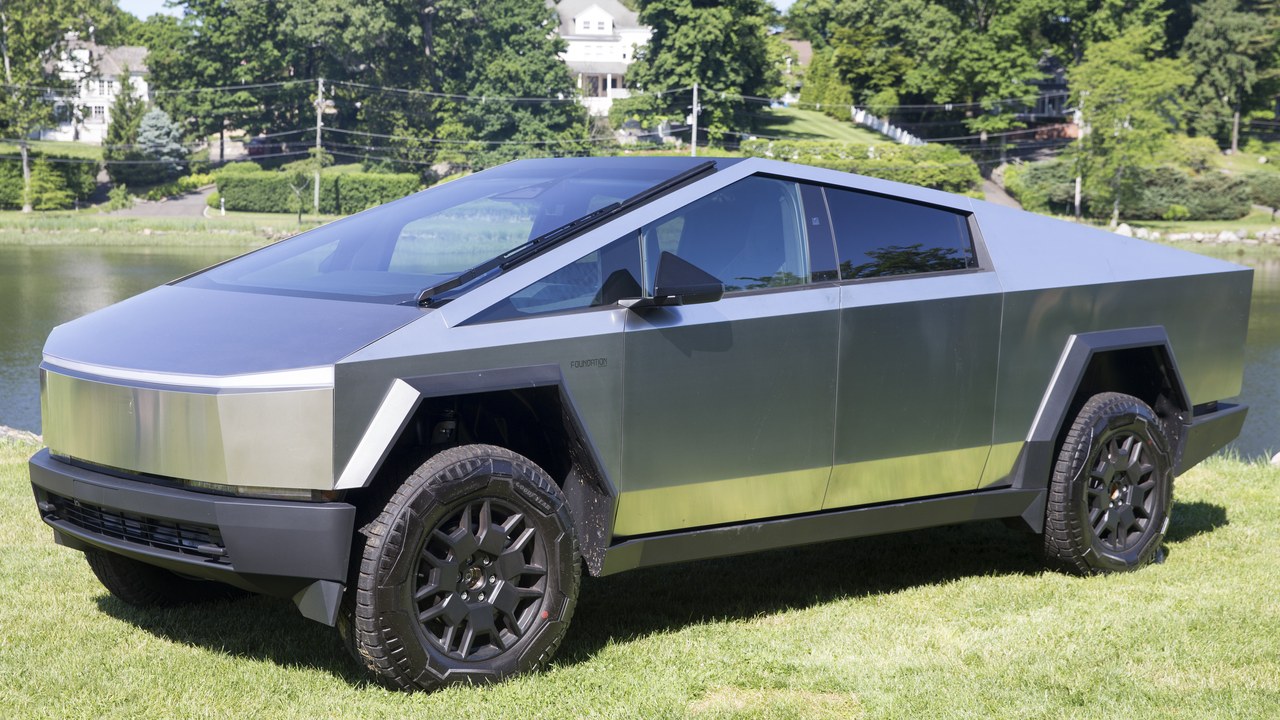
Edmunds lists a 500-kW peak DC rate for the Cybertruck, the highest figure in its fastest-charging table. On a charger able to deliver that much, the estimate for a 10 to 80 percent session is roughly 25 minutes. The truck’s Edmunds ranking sit at the top of the ranking, ahead of every other pickup and SUV on the list.
The caveat is the charger. Few public stations can supply a full 500 kW, so the 25-minute estimate describes a best case rather than the typical stop. Owners planning long trips should check what a given site actually delivers, since the truck cannot draw more than the equipment offers.
2. Lucid Gravity: Quick Stop for a Big SUV
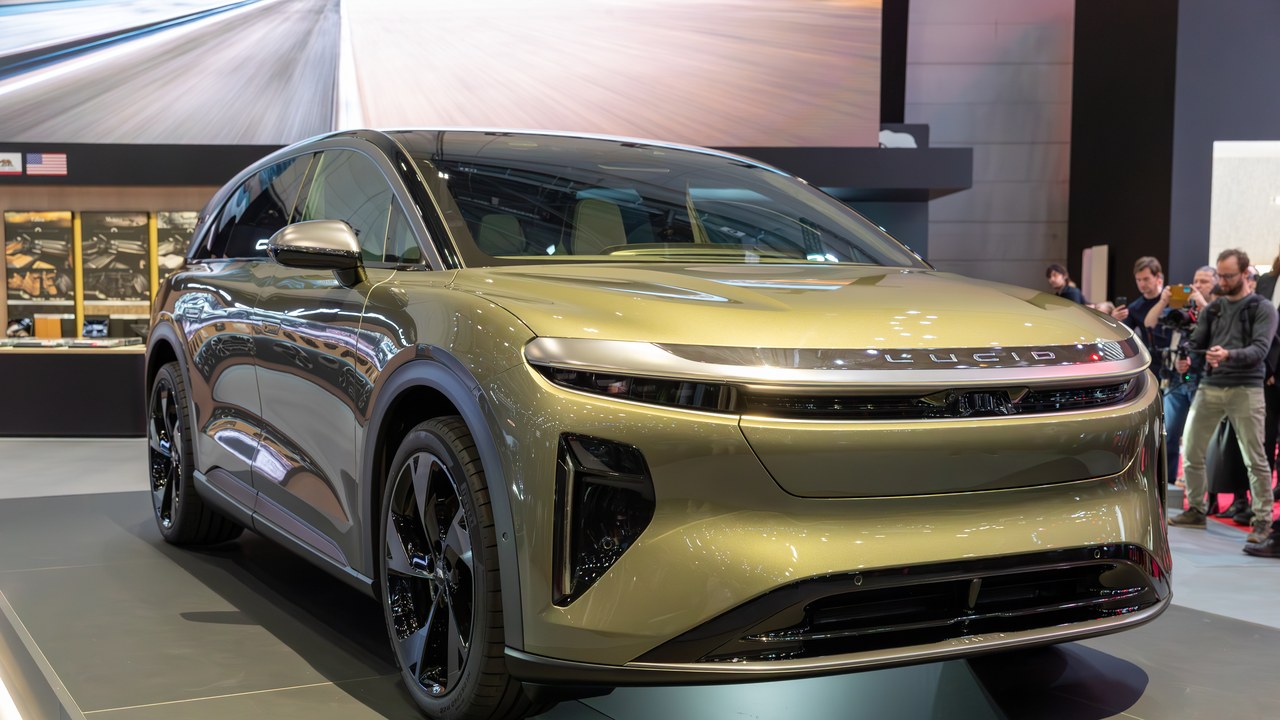
The Gravity peaks at 400 kW and covers 10 to 80 percent in 23 minutes, according to InsideEVs ranking. That pairing of a high ceiling and a short session is what puts a three-row luxury SUV near the top of the list, where heavier vehicles usually fall behind lighter sedans on time.
For buyers, the practical takeaway is that a large battery does not automatically mean a long wait at the plug. A stop of under half an hour, comparable to a coffee and restroom break, makes road trips in a vehicle this size far less of a planning exercise.
3. GMC Hummer EV: Heavy Truck, High Rate

Edmunds lists a 350-kW peak DC charging rate for the Hummer EV pickup, placing the Edmunds lists among the quickest-charging vehicles of any size. The figure is notable because the truck carries one of the largest battery packs sold, and moving that much energy at speed takes serious hardware.
Peak rate is only part of the story, though. A very large pack means a long session even at 350 kW, so owners should expect meaningful time at the charger on a big trip, and should confirm that nearby stations can deliver the full rate.
4. Cadillac Escalade IQ: Big Battery, Long Session
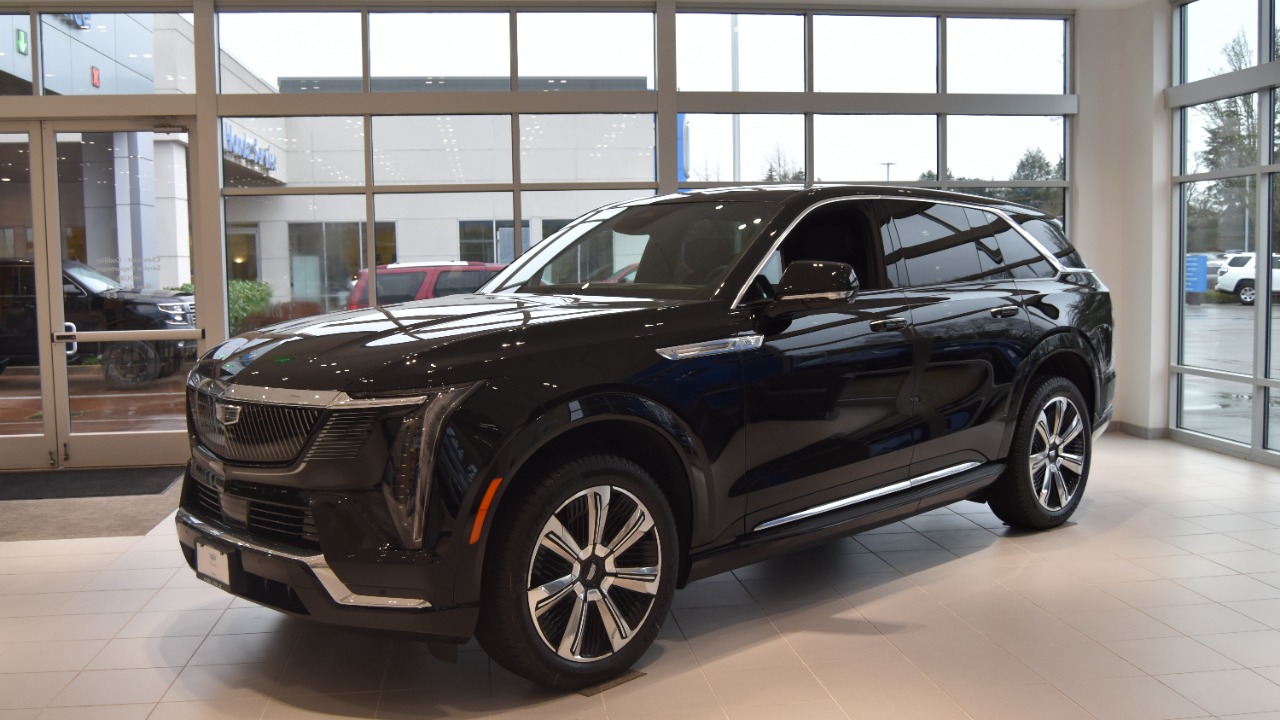
The Escalade IQ peaks at 350 kW but needs about 50 minutes to go from 10 to 80 percent because of its huge battery, based on the Edmunds table. It shows how a headline power number can mislead when the pack being filled is enormous.
The lesson for shoppers is to compare session times as well as peak kilowatts. A vehicle with a smaller pack and a lower peak can finish sooner, so the luxury SUV’s 350 kW figure should be read alongside the clock.
5. Chevrolet Silverado EV: Electric Pickup at Speed
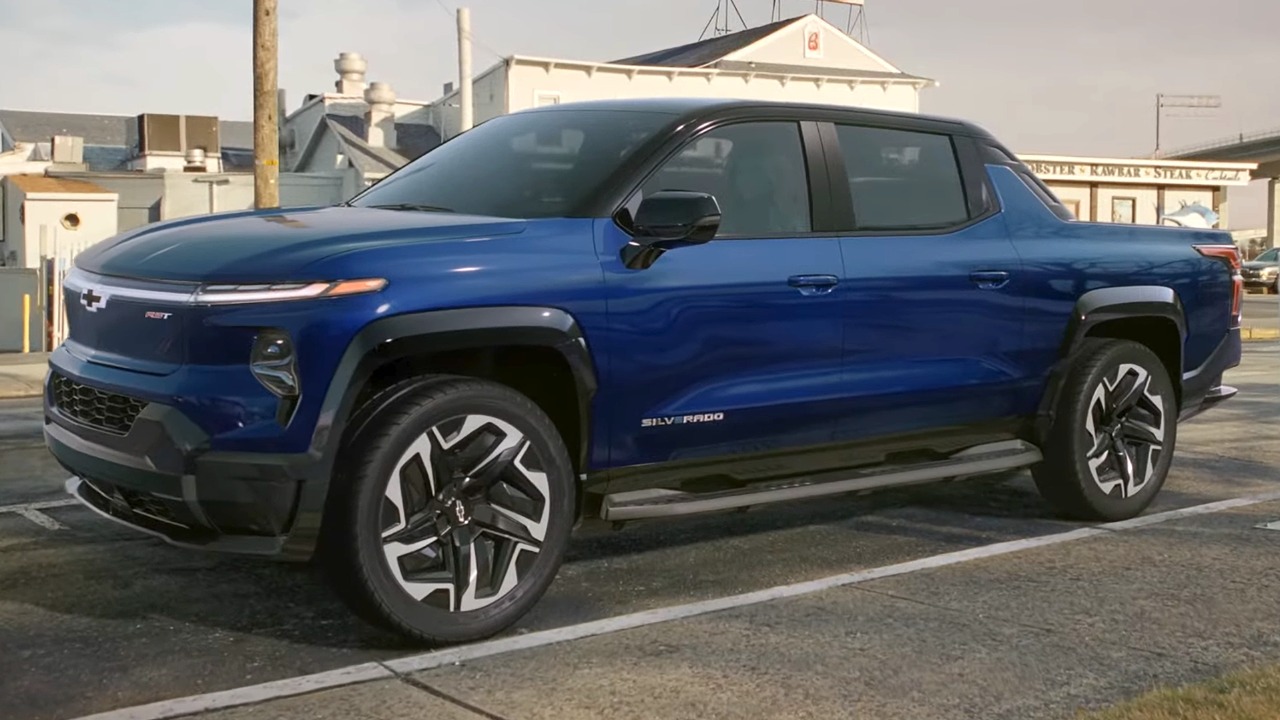
Edmunds lists a 350-kW peak DC charging rate for the Silverado EV, matching the Hummer EV and Escalade IQ in the same table. The Edmunds figures shares that ceiling with its General Motors siblings, which suggests common high-power charging hardware across the brand’s electric trucks and SUVs.
For work-truck buyers, a rate of that size matters when downtime costs money. It is a peak figure, so real sessions will start fast and taper, and depots or job sites will need chargers capable of supplying the full amount.
6. Lucid Air: Sedan With 300 kW
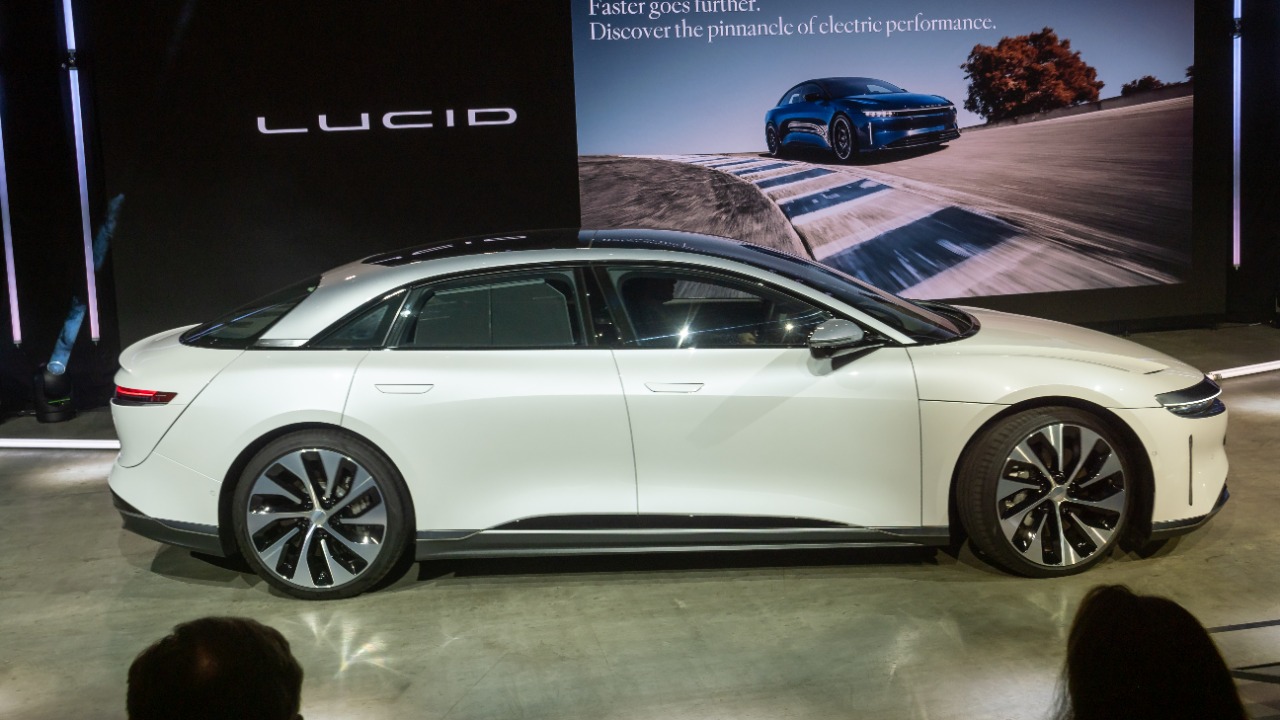
The Air Grand Touring and Sapphire peak at 300 kW on a DC fast charger, according to InsideEVs list. That makes the Lucid sedan one of the quickest-charging cars on the road, and it earns its slot ahead of several well-known 800-volt rivals on the list.
The number is specific to those trims, so other versions of the Air should not be assumed to match it. Shoppers who prioritize road trips should confirm the exact configuration before treating 300 kW as a given.
7. Audi e-tron GT: Taycan Hardware, Grand Tourer Body
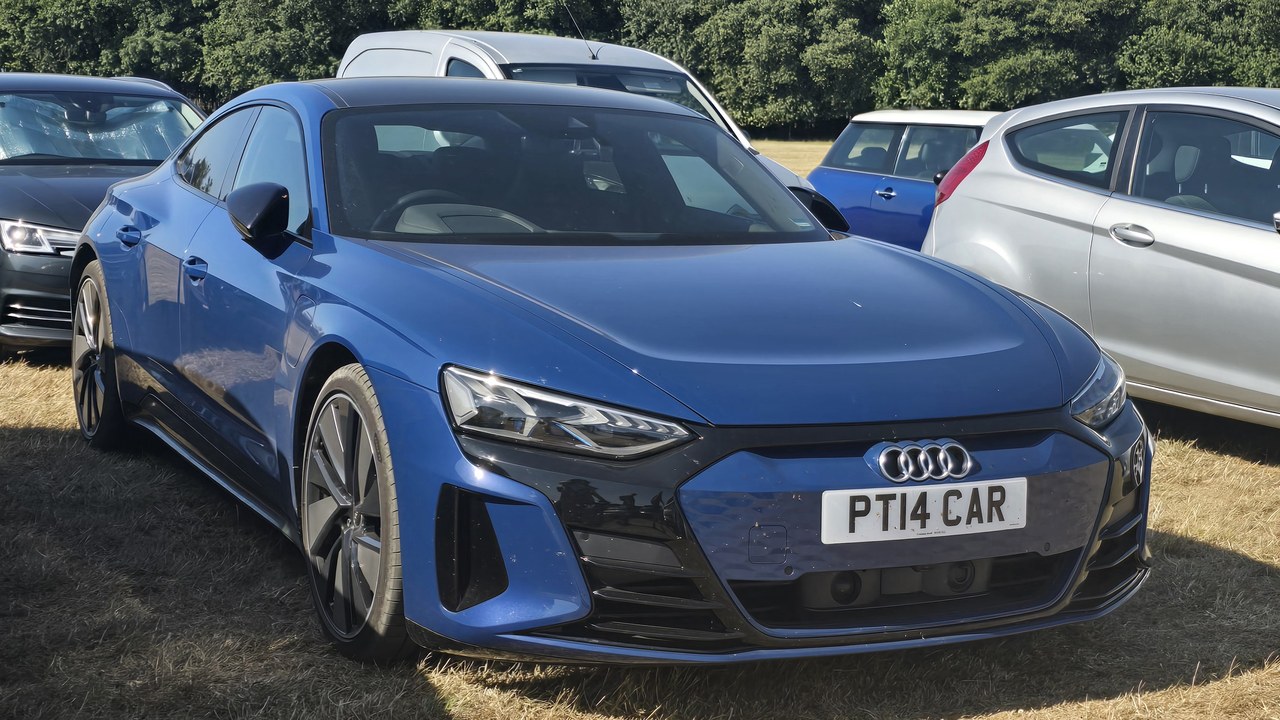
The e-tron GT shares the Taycan’s 800-volt hardware, peaking at 270 kW with a 5 to 80 percent time of about 22.5 minutes, per the InsideEVs table. Borrowing a proven electrical platform gives the Audi a brisk charging curve despite a body aimed at comfort.
The 5 percent starting point is worth noting, because many rankings use 10 percent, which makes direct comparison with other entries imperfect. Drivers should treat the time as a close guide rather than an exact match.
8. Porsche Macan Electric: Compact SUV, Premium Rate
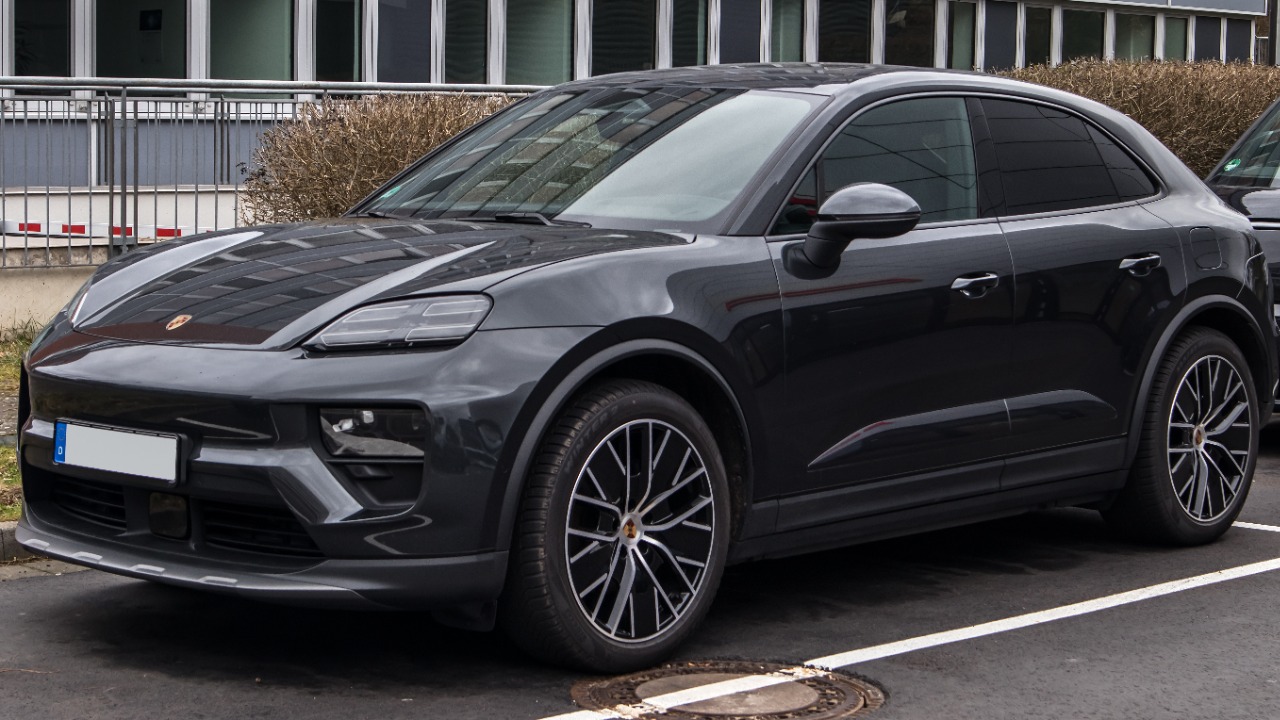
Recurrent lists the electric Macan at a 270-kW peak, measured as high as 278 kW in its charging chart, as shown in the Recurrent’s chart. The measured value slightly beating the rated figure is unusual, since most vehicles fall short of their claims in real testing.
That makes the Porsche one of the more dependable performers in the group. For owners, it suggests the quoted number is a floor rather than a best case, though results still vary with battery temperature and charger quality.
9. Tesla Model Y: Fast Start, Quick Taper
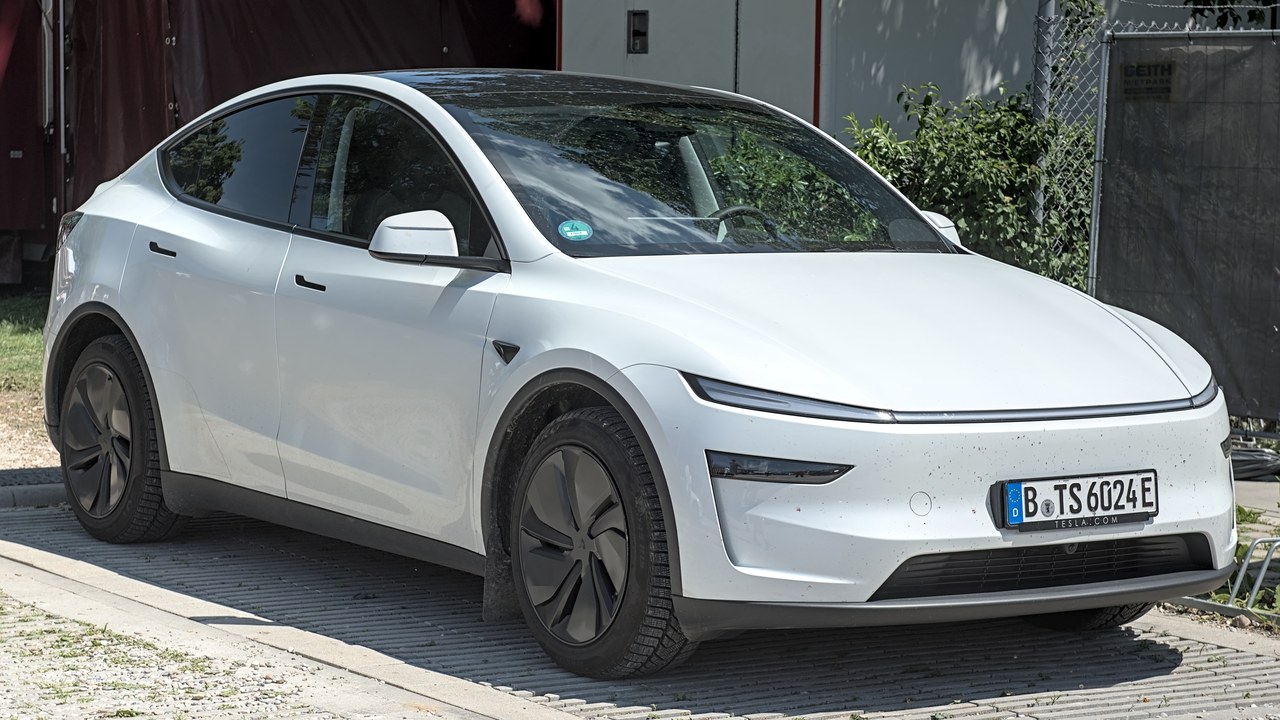
The Model Y peaks at 250 kW but tapers to roughly 100 kW by a 50 percent state of charge, according to Recurrent’s research. The figure explains why a high peak can flatter a vehicle: the top rate lasts only for a short stretch of the session.
For owners, the sensible habit is to charge only as far as needed and leave while the rate is still high. Stopping near the middle of the battery usually saves more time than waiting for a full fill.
10. Kia EV6: 800-Volt Road Tripper
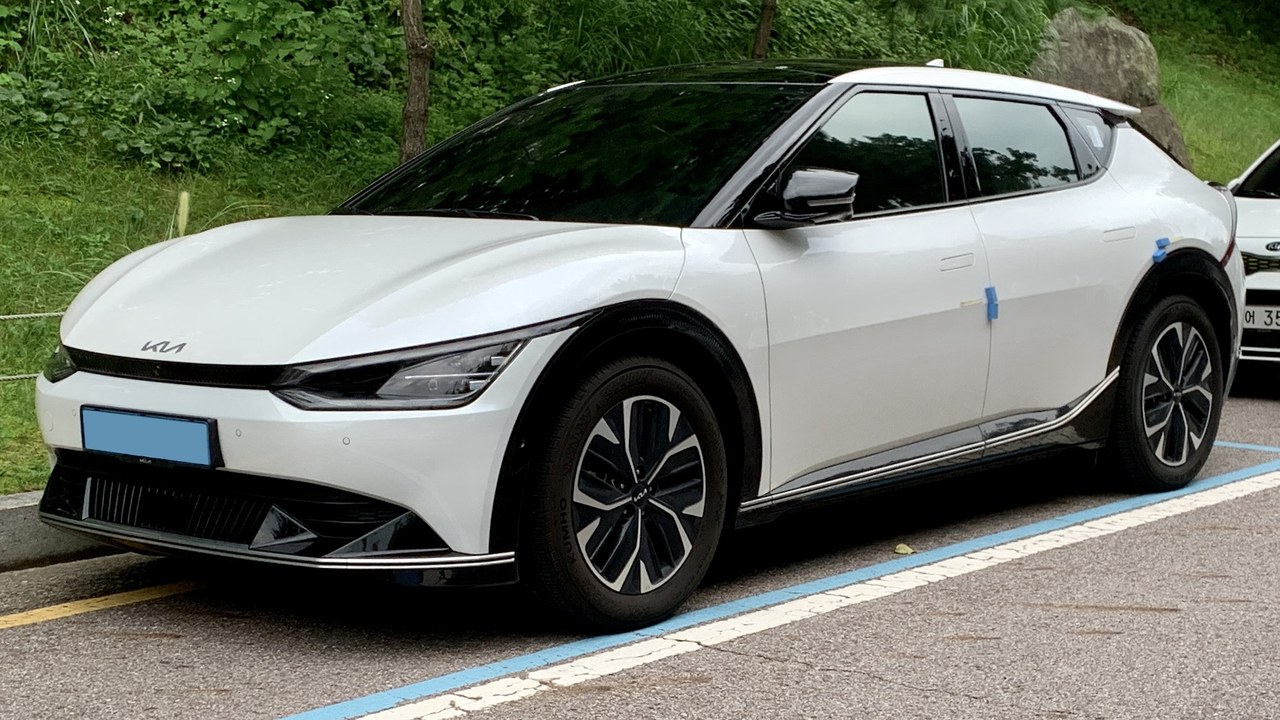
The 800-volt EV6 peaks at 240 kW on a DC fast charger, according to Recurrent data. That is the lowest peak among the eleven vehicles here, yet it still ranks among the quickest-charging EVs in the research, which says something about the field.
The 800-volt architecture is the reason it holds up. For buyers who want a mainstream price with fast road-trip stops, the EV6 shows that a modest peak figure can still translate into short, practical sessions.
11. Hyundai Ioniq 5: Rated Higher Than It Delivers
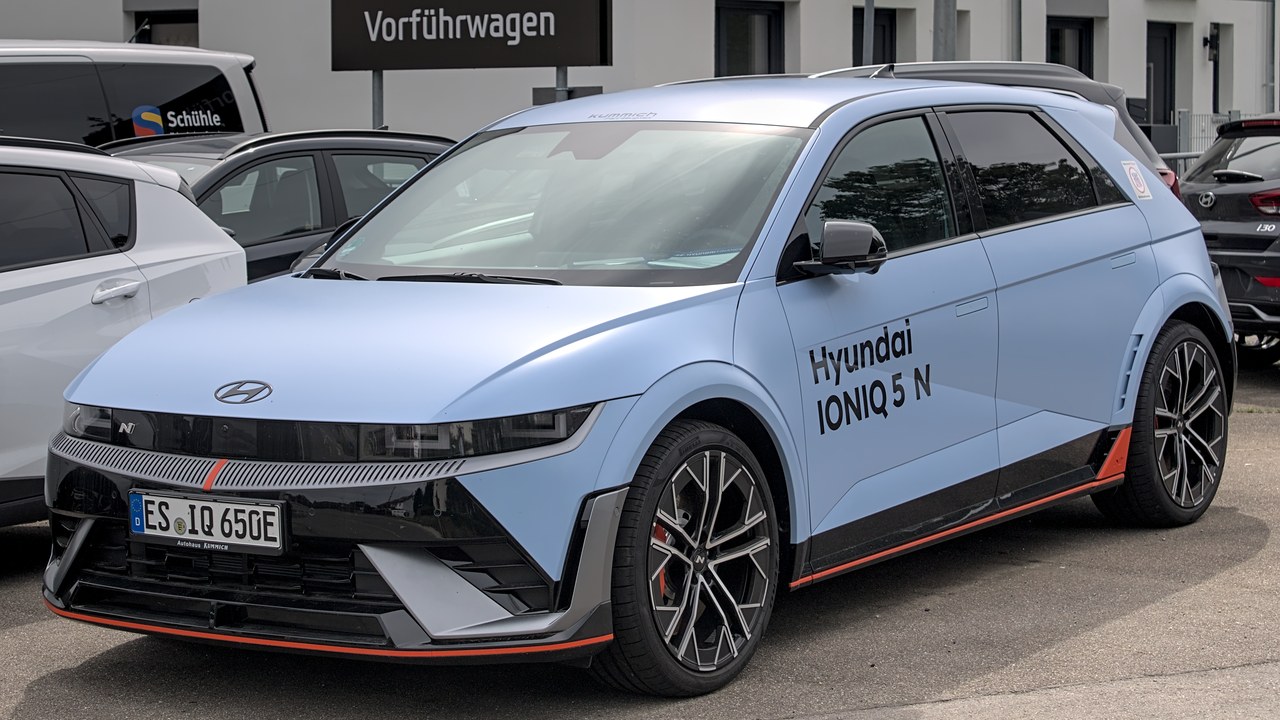
The Ioniq 5 is rated for 350-kW hardware but tops out around 235 to 240 kW in Recurrent’s charging data. The gap between the rating and the measurement shows how a spec sheet can differ from what a driver sees at the plug.
Shoppers should lean on measured data over marketing numbers when comparing charging. Even at roughly 240 kW, the Hyundai sits alongside the EV6 and stays competitive, so the shortfall hurts the claim more than the car.
Save more, waste less: Subscribe to The Cool Down →
We may earn a commission if you sign up.
More from Morning Overview
- NOAA now gives this winter a 75% chance of the strongest El Nino since 1950
- Doctors warn a silent liver disease now affects one in three American adults
- The FBI told the rest of ShinyHunters to surrender after a 24-year-old was arrested
- Two passengers died at an Ohio toll plaza, and the NTSB now wants the cash lanes shut
