
Not every car holds its value once it leaves the dealer lot, and luxury badges often lose the most ground the fastest. Electric pioneers, oversized SUVs, and once-fashionable small cars can all fall into the same trap, sliding well below their original sticker price within a few years. Used-car shoppers looking for a bargain, and new-car buyers wanting to avoid one, should take a closer look at these eleven cars.
1. BMW 7 Series: A Flagship That Falls Fast
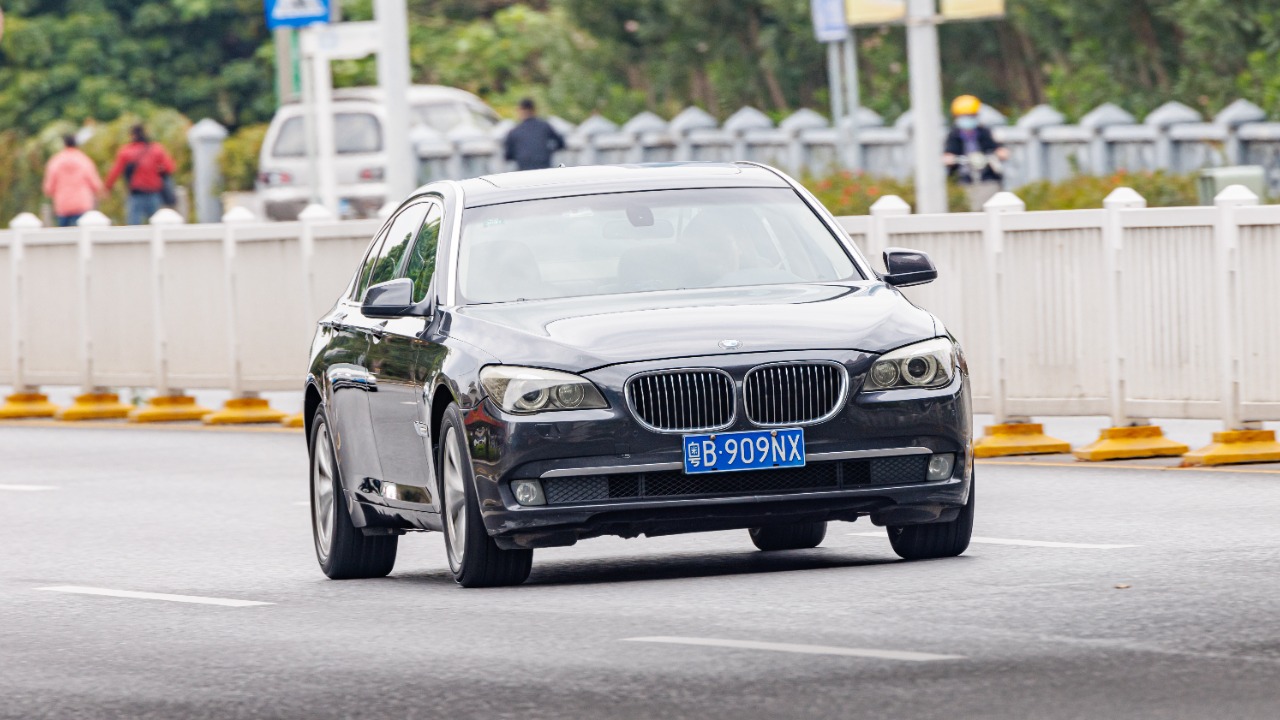
The BMW 7 Series carries a steep window sticker as BMW’s full-size luxury sedan, but buyers shopping for six-figure prestige rarely pay retail for a used one. Its complex electronics, adaptive suspension, and turbocharged or hybrid drivetrains raise the cost and risk of ownership once the factory warranty runs out, which pushes resale values down faster than mainstream sedans in the same price range.
That steep drop works in favor of secondhand buyers, who can often find a loaded, low-mileage 7 Series for a fraction of its original price within a few years. Sellers trading one in, however, should expect a disappointing number compared with what they originally paid.
2. Maserati Quattroporte: Italian Prestige, Punishing Resale
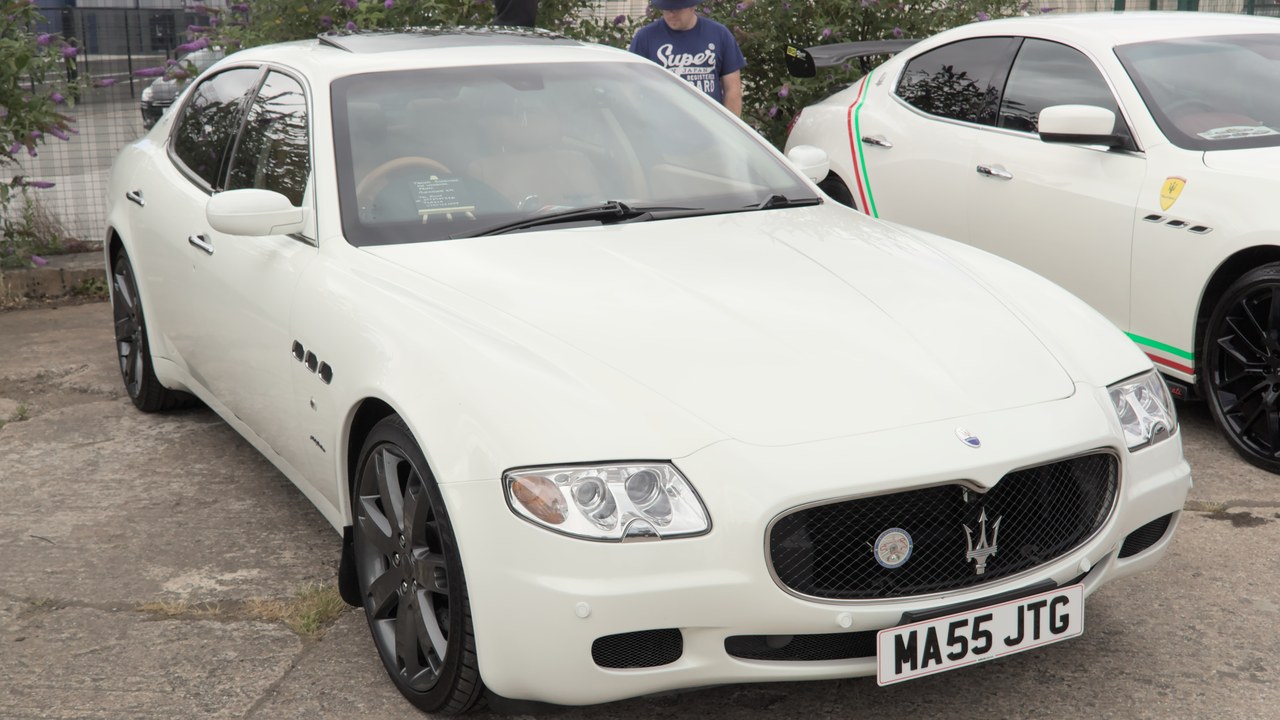
The Quattroporte trades on Maserati’s Italian luxury sedan image, with a hand-finished cabin and a Ferrari-built engine in some versions, but that exotic pedigree comes with a reputation for expensive maintenance and unpredictable reliability. Shoppers weighing a big luxury sedan against a Mercedes or BMW often choose the safer badge, which leaves the Quattroporte sitting longer on dealer lots and losing value at a faster clip.
The upside for a patient used-car buyer is real bargain pricing on a car that once carried a six-figure sticker. Owners who bought new, though, typically absorb a loss far steeper than what a comparable German rival would post over the same years.
3. Nissan Leaf: Early EV, Outdated Fast
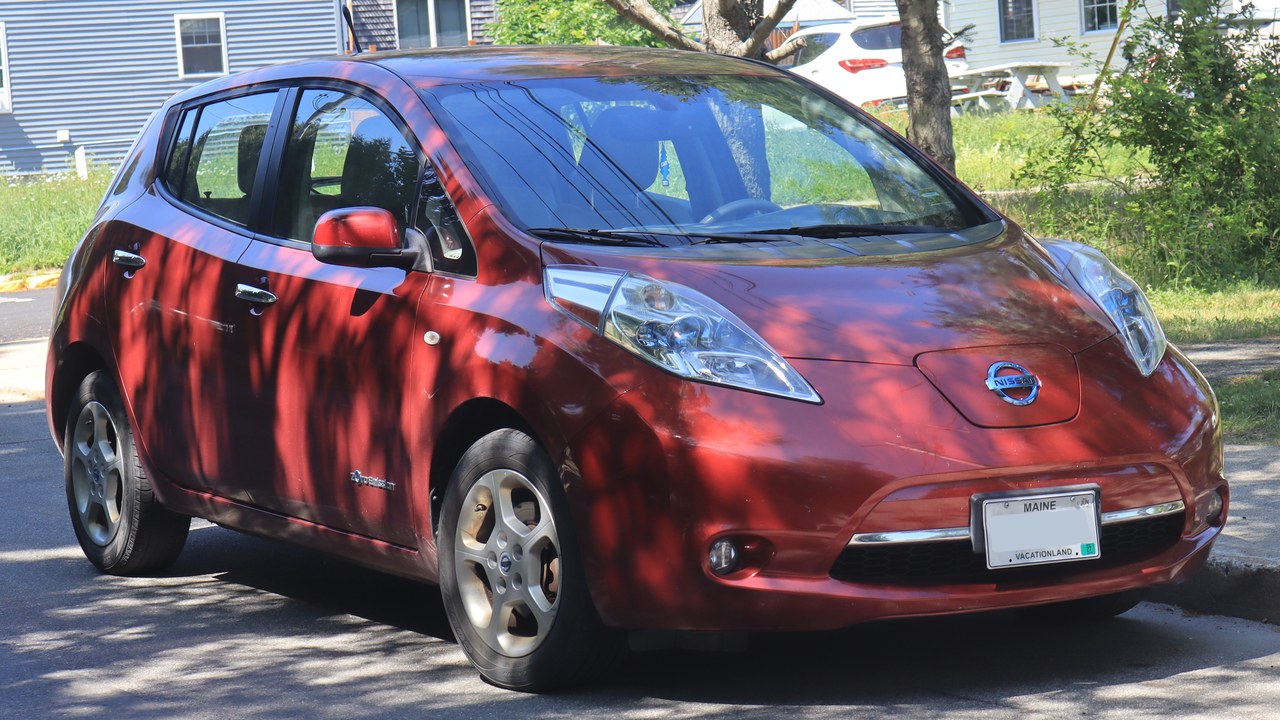
As one of the first mass-market electric cars, the Nissan Leaf built a reputation for being affordable and practical, but rapid battery improvements soon left early models looking outdated. Newer electric vehicles arrived with far greater range, faster charging, and improved battery chemistry, making older Leaf models with limited range feel obsolete to shoppers who once paid a premium for the technology.
Battery degradation compounds the problem, since an older Leaf can lose a meaningful share of its original driving range, further denting resale value. Buyers seeking a cheap commuter EV benefit from the discount, but original owners often see one of the industry’s steepest value drops.
4. Mercedes-Benz S-Class: Big Sticker, Bigger Drop
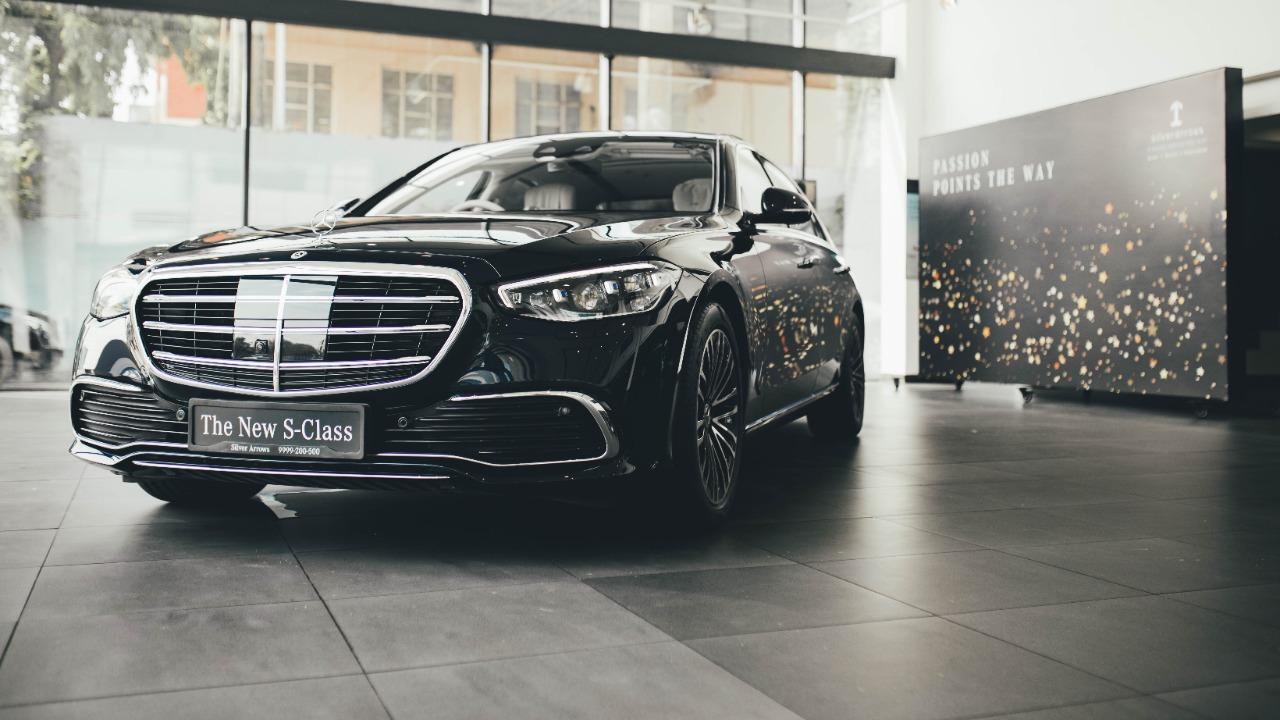
The S-Class sets the benchmark for Mercedes-Benz as its flagship luxury sedan, loaded with cutting-edge technology and options that push its starting price well past six figures. That same complexity becomes a liability once the car ages, since repairing air suspension, advanced driver-assist sensors, and elaborate infotainment systems can cost far more than owners of mainstream sedans ever budget for, which scares off many used buyers.
The result is a used S-Class that can look like remarkable value on paper, offering near-limousine comfort for a fraction of its original cost. Original buyers, though, absorb a depreciation hit that ranks among the steepest of any luxury sedan on the market.
5. Cadillac Escalade ESV: Icon Status, Steep Decline
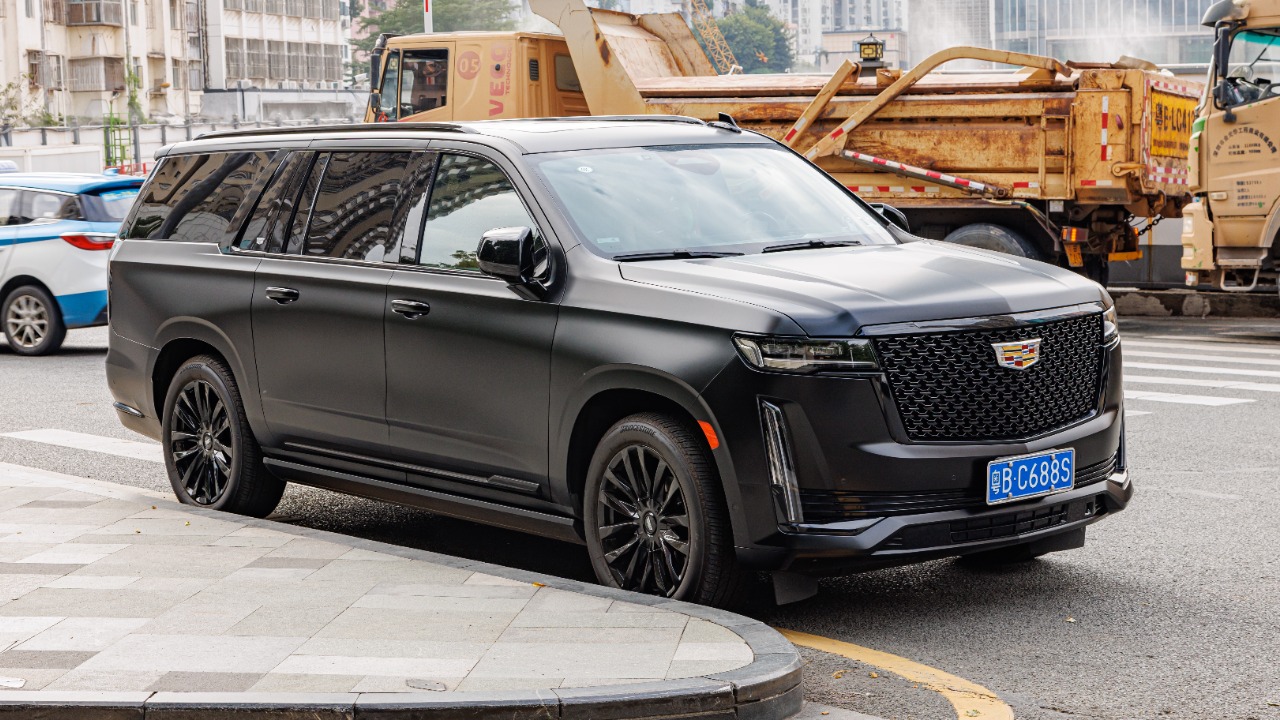
The Escalade ESV is Cadillac’s extended-length full-size luxury SUV, prized for its imposing presence and status among buyers who want to be noticed. That same size and thirst for fuel work against it used, since rising gas prices and newer three-row luxury SUVs with better efficiency give shoppers reasons to look elsewhere for a nearly identical model year.
A used Escalade ESV can therefore be had for notably less than sticker within a few years, appealing to buyers chasing presence on a budget. Original owners, however, watch its value slide faster than smaller, more efficient luxury SUVs from the same segment.
6. Audi A8: Understated Flagship, Fast Fade
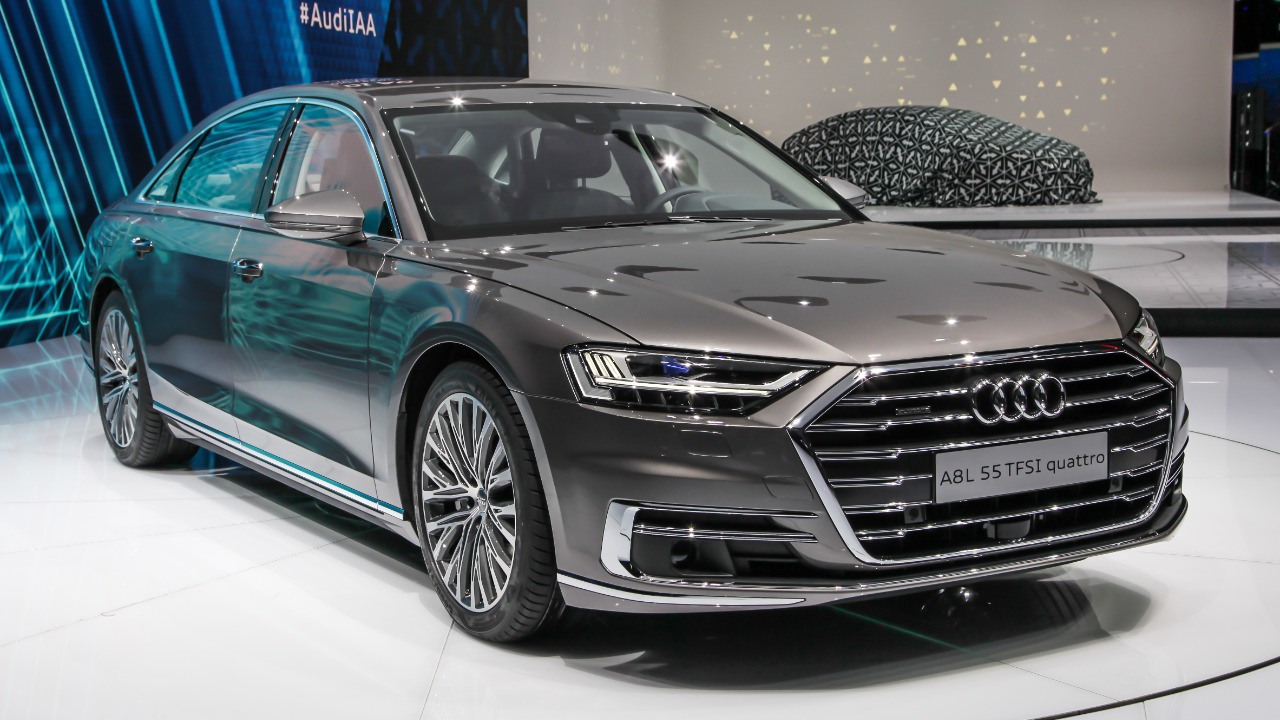
The A8 is Audi’s German flagship sedan, packed with advanced air suspension, all-wheel drive, and cabin technology meant to rival the S-Class and 7 Series. Its understated styling, however, means it never commands the same brand cachet as its German rivals among luxury shoppers, and that weaker demand pushes used values down faster than the more recognizable flagships it competes against.
Buyers who want flagship comfort and technology without the flagship price often find the A8 offers exceptional value on the used market. Original owners, though, typically see a bigger gap between what they paid and what the car is later worth.
7. Jaguar XF: Stylish Sedan, Soft Resale
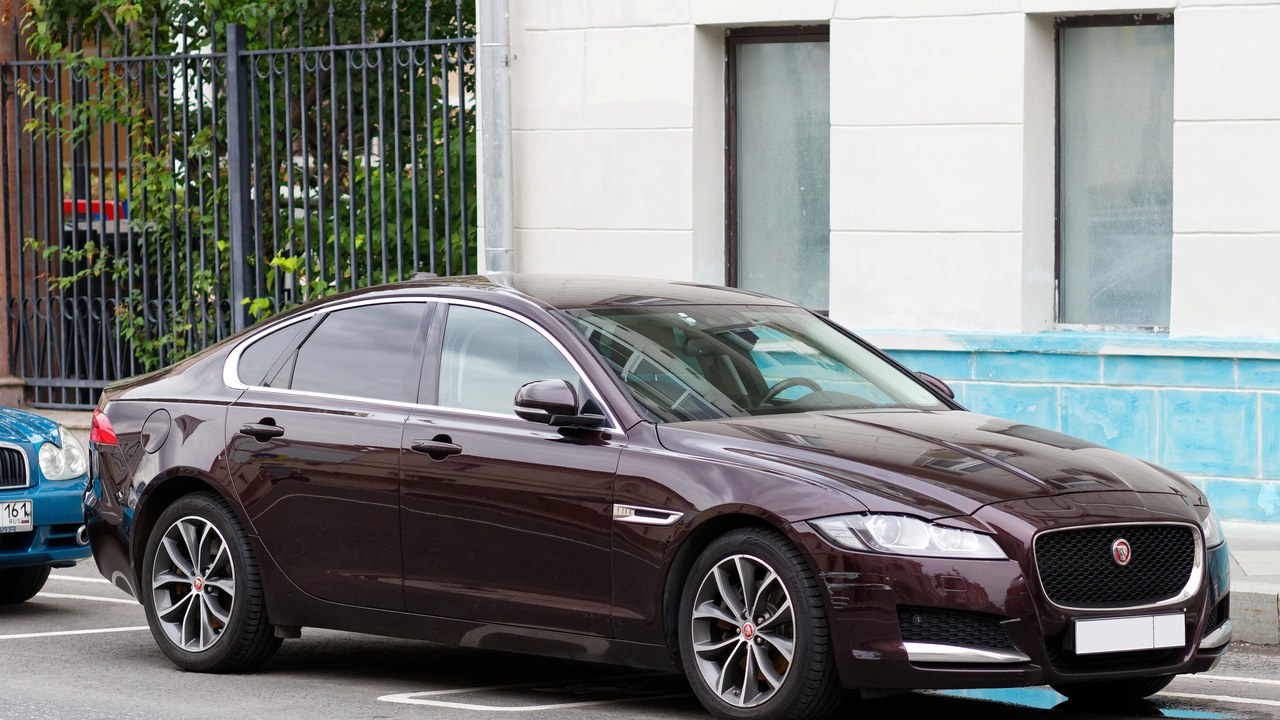
The XF competes as a midsize luxury sedan against the BMW 5 Series and Mercedes E-Class, offering sharp styling and a genuinely engaging drive, yet it has never matched their sales volume or brand pull in the United States. That smaller following translates into weaker demand on the used market, and concerns about long-term reliability and dealer network size add further pressure on resale prices.
The upside is a used XF that can undercut its German rivals by a wide margin while still delivering comparable performance and comfort. Sellers, however, often find fewer buyers willing to pay a premium for the badge compared with more established competitors.
8. Lincoln Navigator: Shared Platform, Steeper Drop
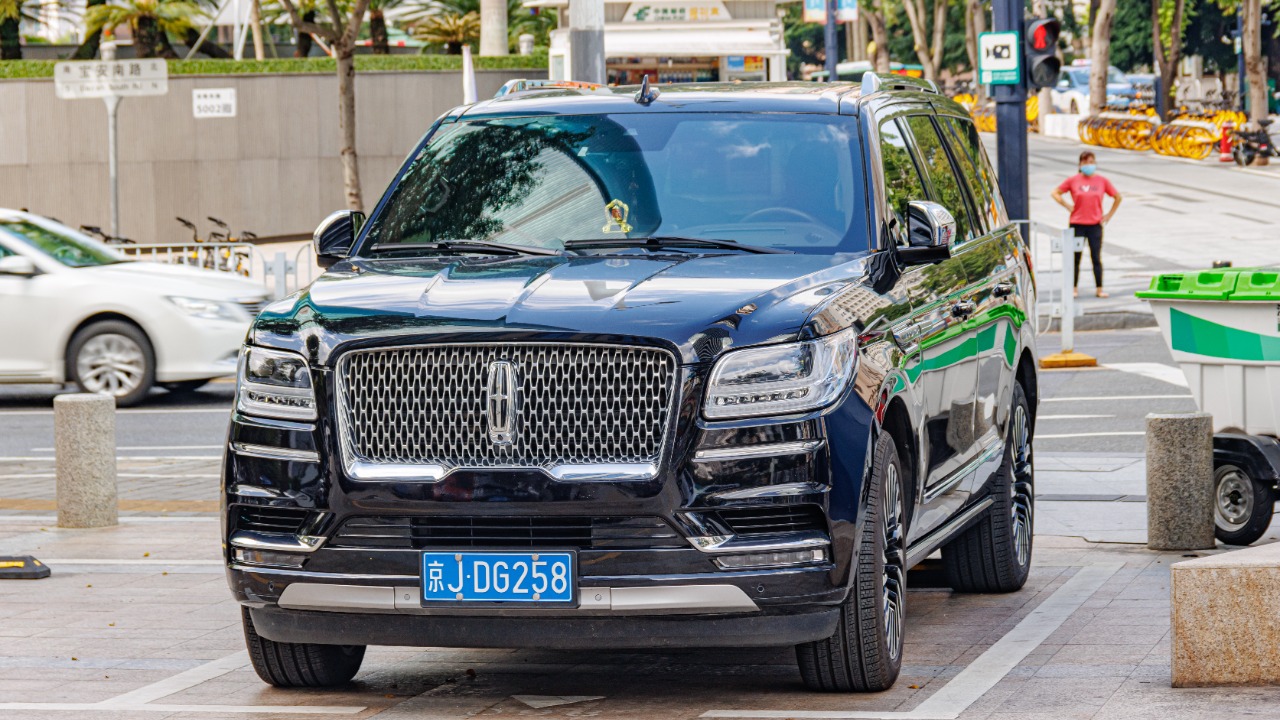
The Navigator is Lincoln’s three-row luxury SUV, sharing its bones with the Ford Expedition but wrapped in a plusher cabin and a heftier price tag. That shared platform works against it at resale time, since shoppers comparing the two often gravitate toward the less expensive Ford for nearly identical space and capability, leaving the Navigator to compete mainly on badge appeal alone.
That dynamic creates real opportunity for used buyers, who can land a loaded Navigator for meaningfully less than a comparably equipped new one within a few years. Original owners, by contrast, tend to see one of the larger depreciation hits in the full-size SUV class.
9. Infiniti QX80: V8 Power, Weak Resale
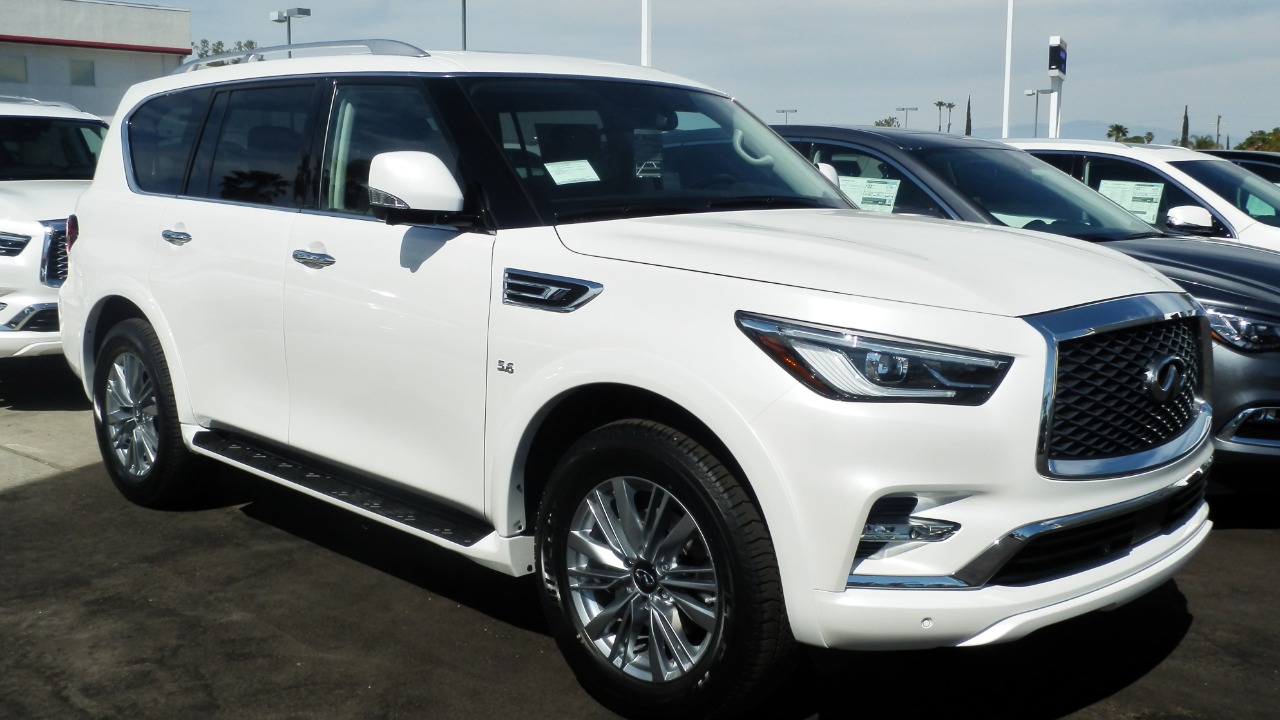
The QX80 is a body-on-frame luxury SUV built for towing and three-row hauling, competing against the Escalade and Navigator with a bold exterior and a V8 engine that trades efficiency for power. Infiniti’s smaller dealer network and less prestigious badge compared with its rivals mean the QX80 struggles to hold buyer interest once it leaves the lot, and that weaker demand drags resale values down faster.
For a shopper chasing three-row luxury and towing capacity on a tight budget, a used QX80 can represent one of the segment’s better deals. Original buyers, though, typically watch it lose value faster than the Cadillac and Lincoln SUVs it was designed to challenge.
10. Volvo S90: Sedan Squeezed by SUVs
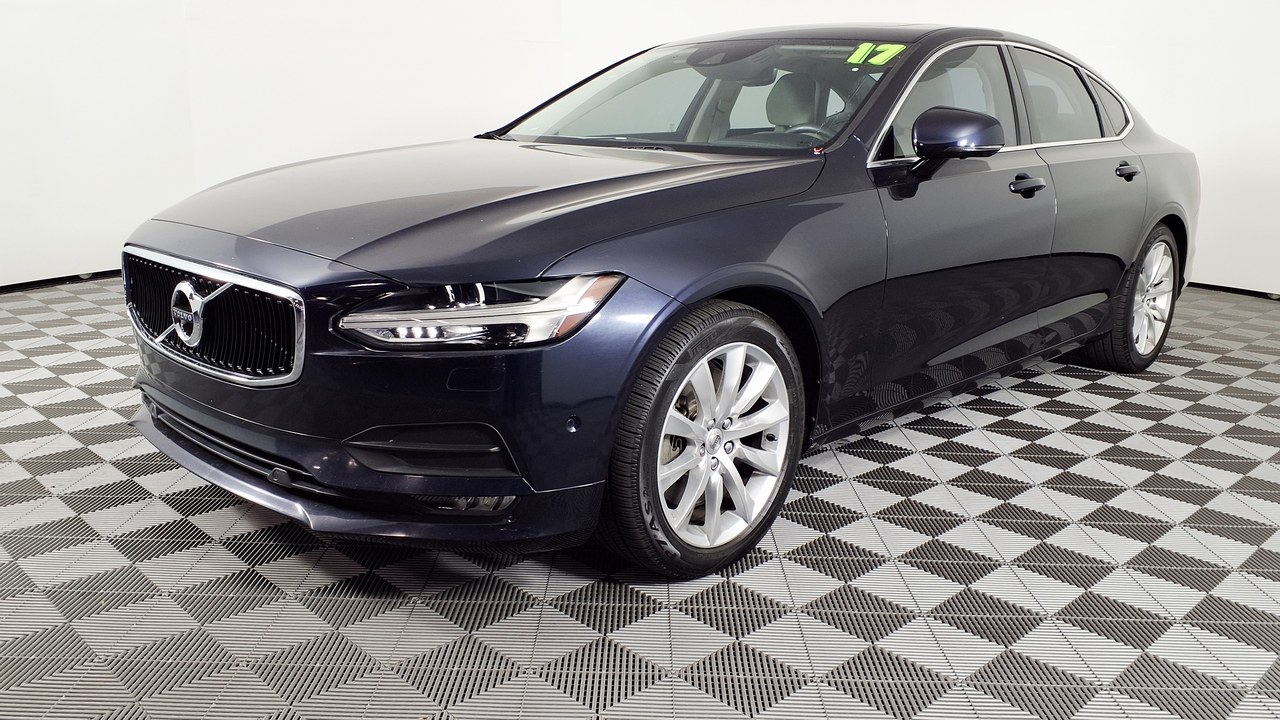
The S90 is Volvo’s flagship, an understated luxury sedan built around safety technology, Scandinavian design, and a smooth ride rather than outright performance or flash. Sedans across the luxury segment have fallen out of favor as buyers shift toward SUVs, and the S90 feels that shift more than most, since even loyal Volvo shoppers increasingly choose the XC90 over its sedan sibling.
That shrinking demand makes a used S90 an appealing option for buyers who still want a quiet, safety-focused sedan without paying near the original price. Owners who bought new, though, often find the car worth less at trade-in time than comparable sedans held only a few years earlier.
11. Fiat 500: Quirky Design, Quick Depreciation
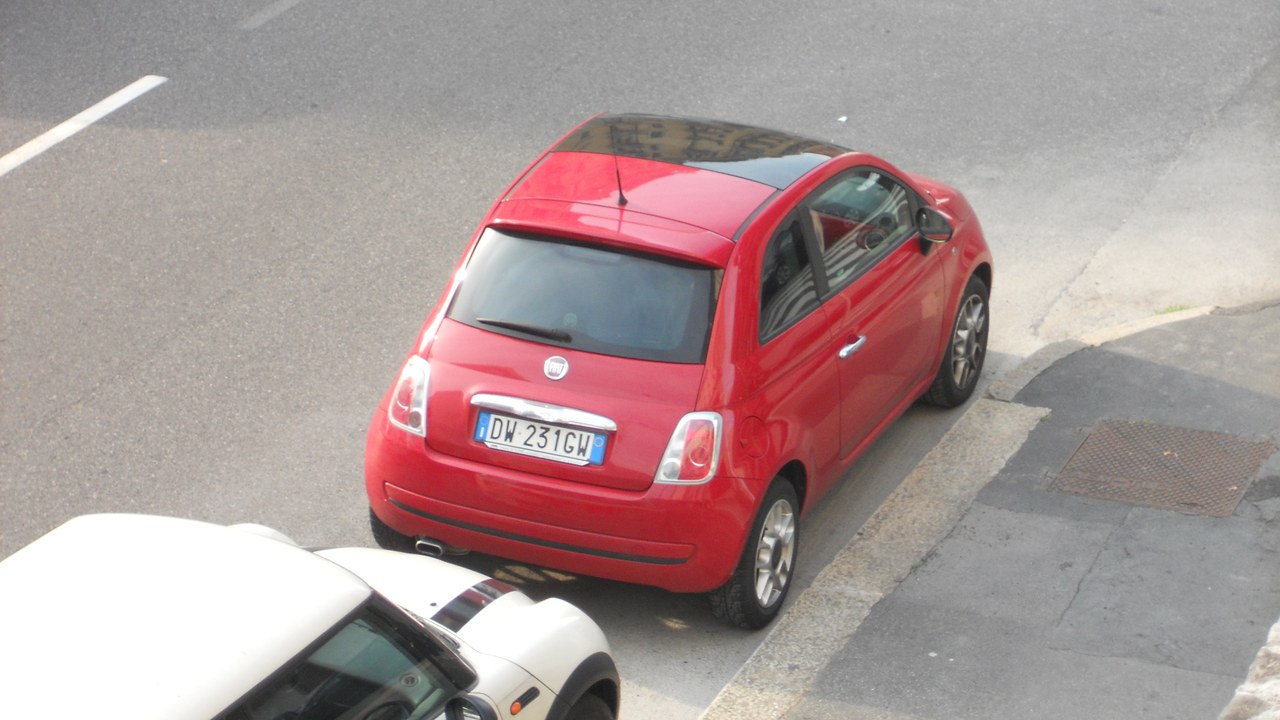
The Fiat 500 arrived in the United States as a stylish subcompact city car, prized for its retro design and tight turning radius rather than outright practicality. Its small back seat, limited cargo space, and a spotty reliability reputation made it a tough sell once the initial novelty wore off, and Fiat’s shrinking American dealer network deepened buyer hesitation about parts and service.
Those factors combine to make a used 500 remarkably cheap, appealing to shoppers who want a quirky, inexpensive city runabout and are willing to accept the tradeoffs. Original buyers, however, saw the car lose a large share of its value within just a few years of ownership.
More from Morning Overview
- The FTC is warning about a scam quietly draining thousands from victims
- The NSA is again telling phone owners to switch off one location setting
- A handful of car transmissions are so tough mechanics say they almost never fail
- A handful of SUVs keep hitting 300,000 miles, and they share one engine trait
