
Long road trips reward a car that treats the human body kindly, not just one that gets great mileage. Automakers have spent decades chasing that comfort, from orthopedic cushioning to seats that heat, cool, and massage away stiffness. These eleven cars stand out for cabins built to make hours behind the wheel feel effortless.
1. Volvo XC90: Orthopedic Engineering
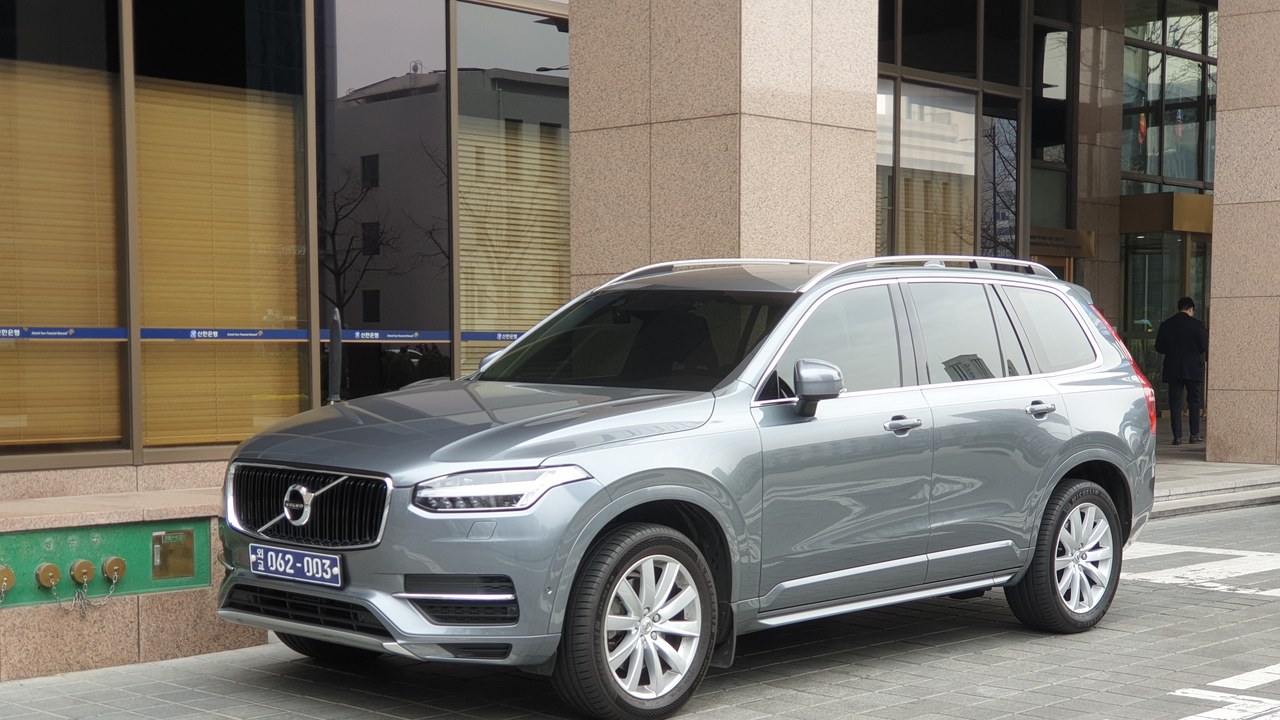
The XC90’s front seats were shaped with guidance from independent orthopedic researchers in Sweden, who helped Volvo tune bolster width, cushion firmness, and lumbar curve specifically to limit back fatigue during long highway stretches. The same philosophy extends to the optional integrated booster cushions in back, built for growing kids rather than adults alone.
Volvo treats seating as a safety system as much as a comfort feature, reasoning that a well-supported spine keeps a driver alert for more of a trip, not just more relaxed. That mindset traces back decades to the brand’s early ergonomic seat patents, long before massage functions became a luxury-segment expectation.
2. Lincoln Navigator: 30-Way Massage
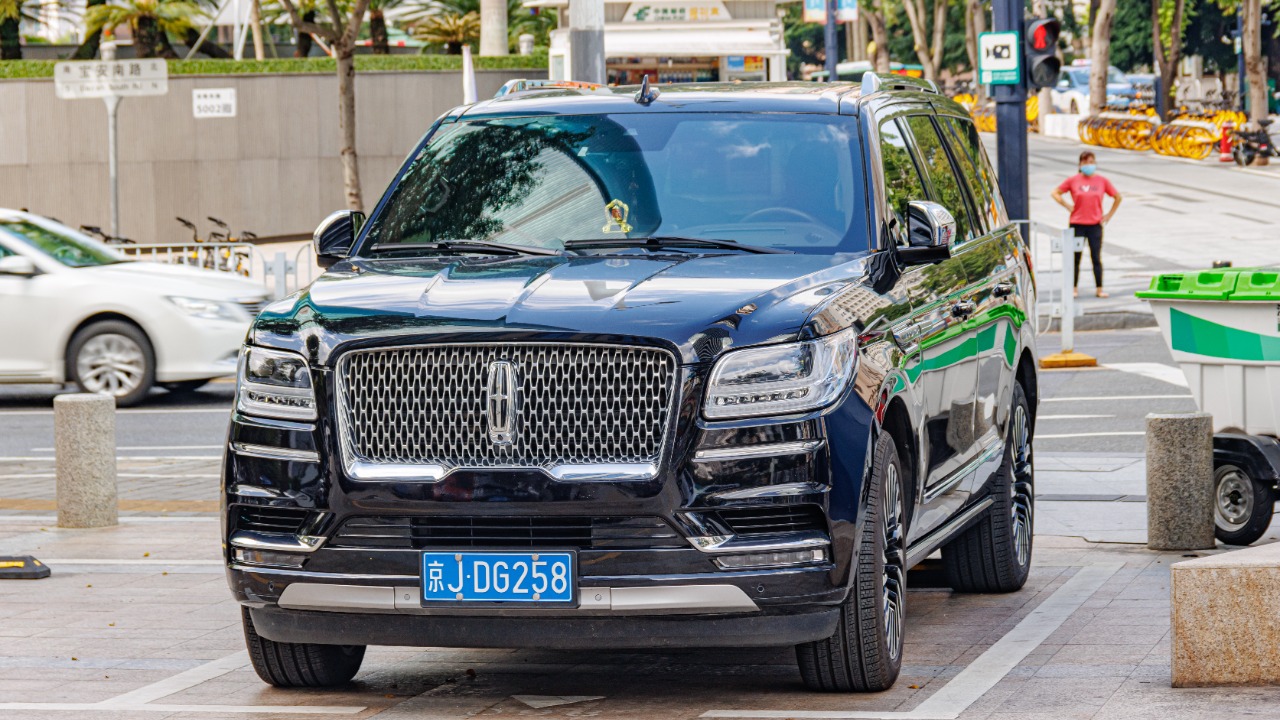
Top Navigator trims offer 30-way adjustable front seats with active motion massage, letting driver and passenger fine-tune thigh support, recline angle, and bolster pressure individually. Ford’s luxury brand pairs the seats with a Perfect Position system that also memorizes settings for multiple drivers.
The massage function is designed to knead out stiffness gradually over hours rather than in one jarring burst, which owners say matters more on interstate stretches than in city driving. Reviewers have repeatedly singled out the Navigator’s cabin as closer to a private lounge than a typical three-row SUV.
3. Mercedes-Benz S-Class: Heated And Cooled Thrones
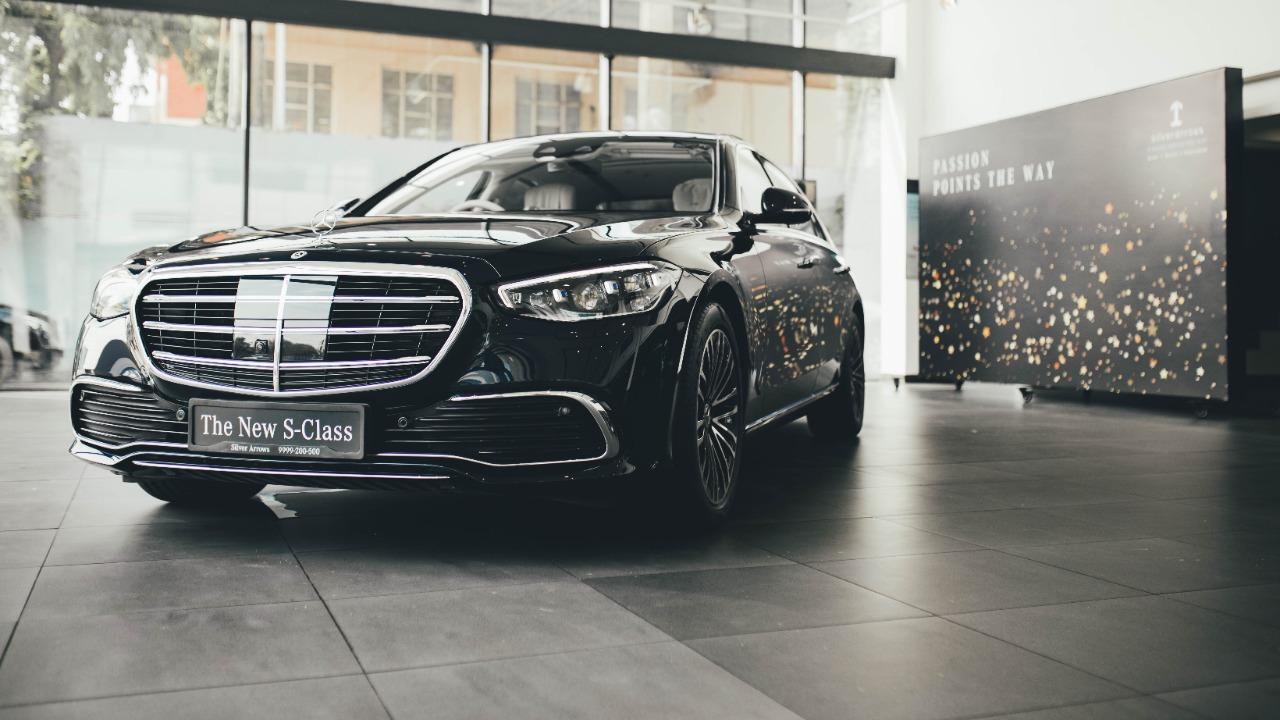
The S-Class pairs heating, ventilation, and multi-contour massage into what Mercedes-Benz calls its flagship seat, a setup few rivals match at any price point. Available hot-stone-style massage programs and adjustable side bolsters let occupants customize support for their own build and posture.
Rear passengers get nearly the same treatment as the driver, which is why the S-Class remains a favorite for chauffeured long-distance travel rather than just owner-driven trips. Mercedes has used the S-Class for decades as the testbed for seating technology that later trickles down to cheaper models.
4. BMW 7 Series: Executive Lounge Seating

Long-wheelbase 7 Series models offer an executive lounge seating package in back, complete with a reclining rear right seat, an extending footrest, and a fold-out table for stretching out on longer journeys. BMW positions the package specifically for owners who are driven rather than drive themselves.
The setup borrows more from first-class air travel than from a typical sedan, reflecting BMW’s bet that rear-seat comfort now sells cars as much as horsepower does. Buyers in China and other chauffeur-heavy markets were part of the reason the feature reached North American order sheets at all.
5. Audi A8: Rear Comfort Package
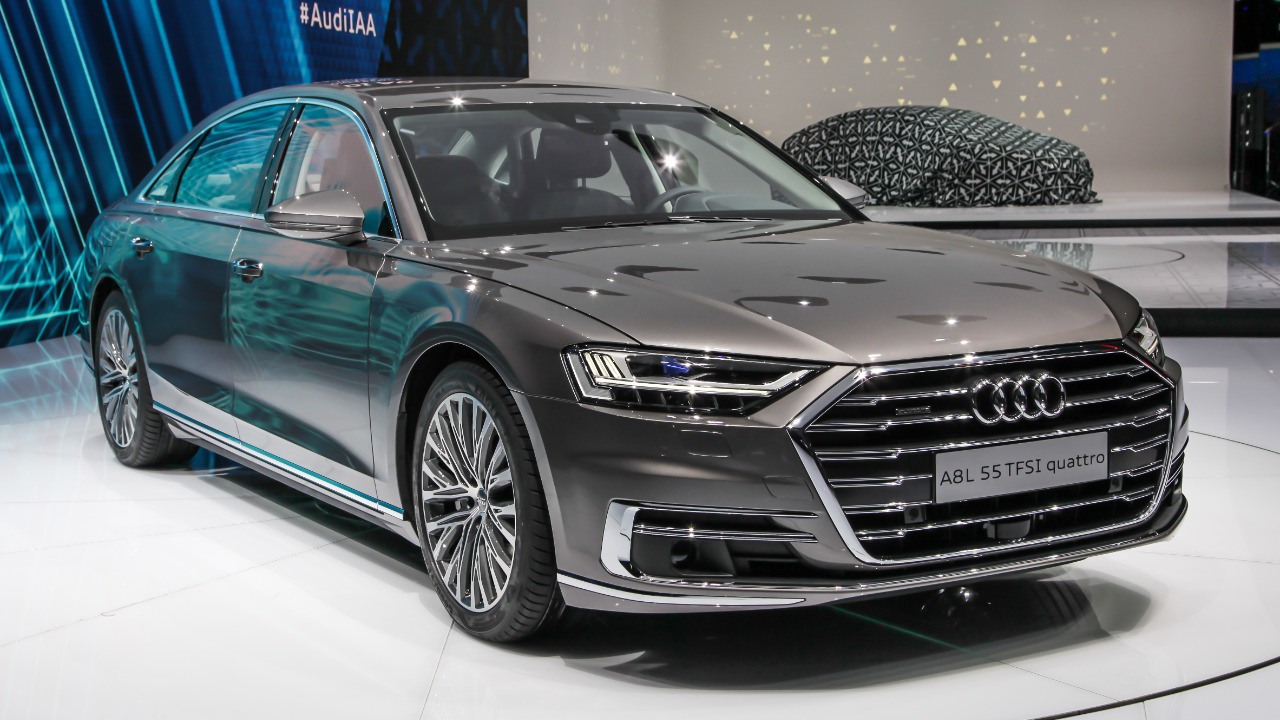
Audi’s rear comfort seats in the A8 add power footrests, extended calf support, and massage functions borrowed from the brand’s chauffeur-focused trims, effectively turning the back seat into a recliner on wheels. Reclining rear backrests and a center console full of controls reinforce the lounge feel.
The A8 was built with an eye toward markets where owners are driven rather than driving, so its back seat gets engineering attention a front seat usually claims first. That rear-first approach sets it apart from sportier German sedans that still treat the driver’s seat as the priority.
6. Lexus LS: Serene Cabin Tuning
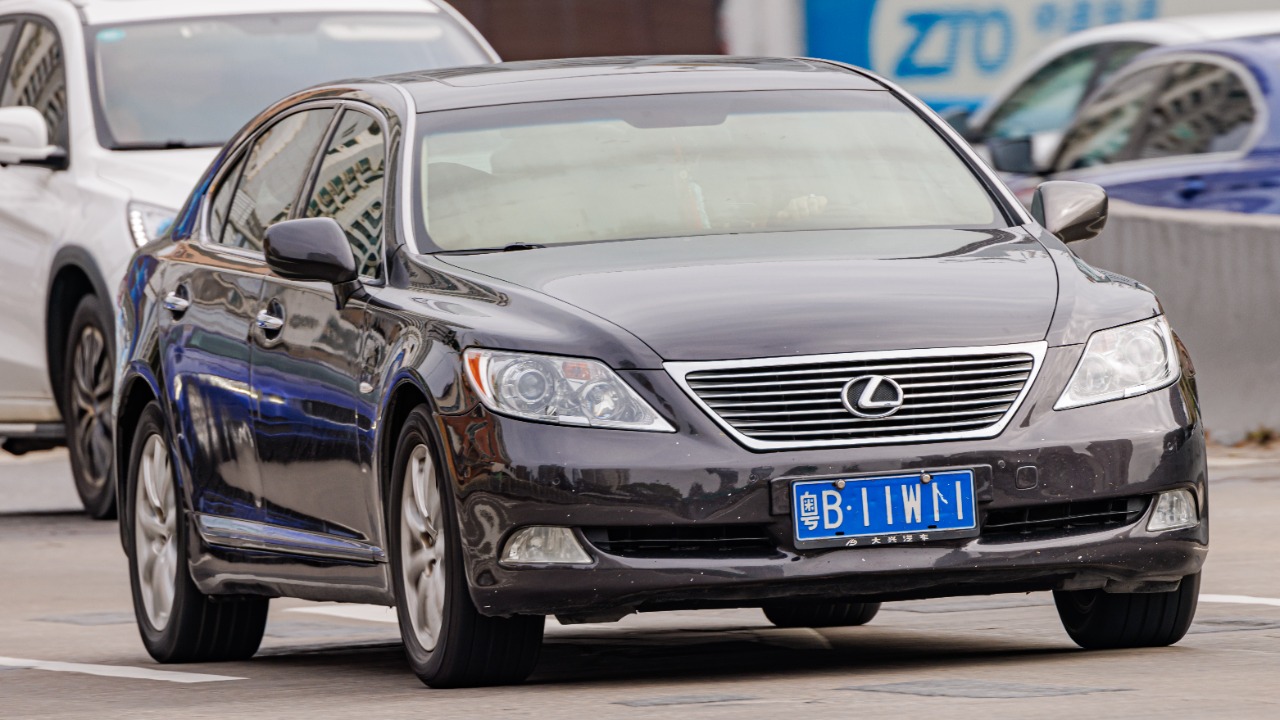
The LS pairs plush, deeply cushioned seats with extensive cabin sound insulation, a Lexus combination aimed squarely at making quiet, fatigue-free mileage feel routine. Available shiatsu-style massage and heated armrests round out a cabin built around calm rather than sportiness.
Reviewers consistently note that the seat cushioning alone would be unremarkable without the hushed cabin around it, since road noise is often what wears a passenger out first. Lexus engineers have said publicly that reducing fatigue, not maximizing luxury branding, was the real design target for the LS interior.
7. Buick Enclave: Quiet Cabin Value
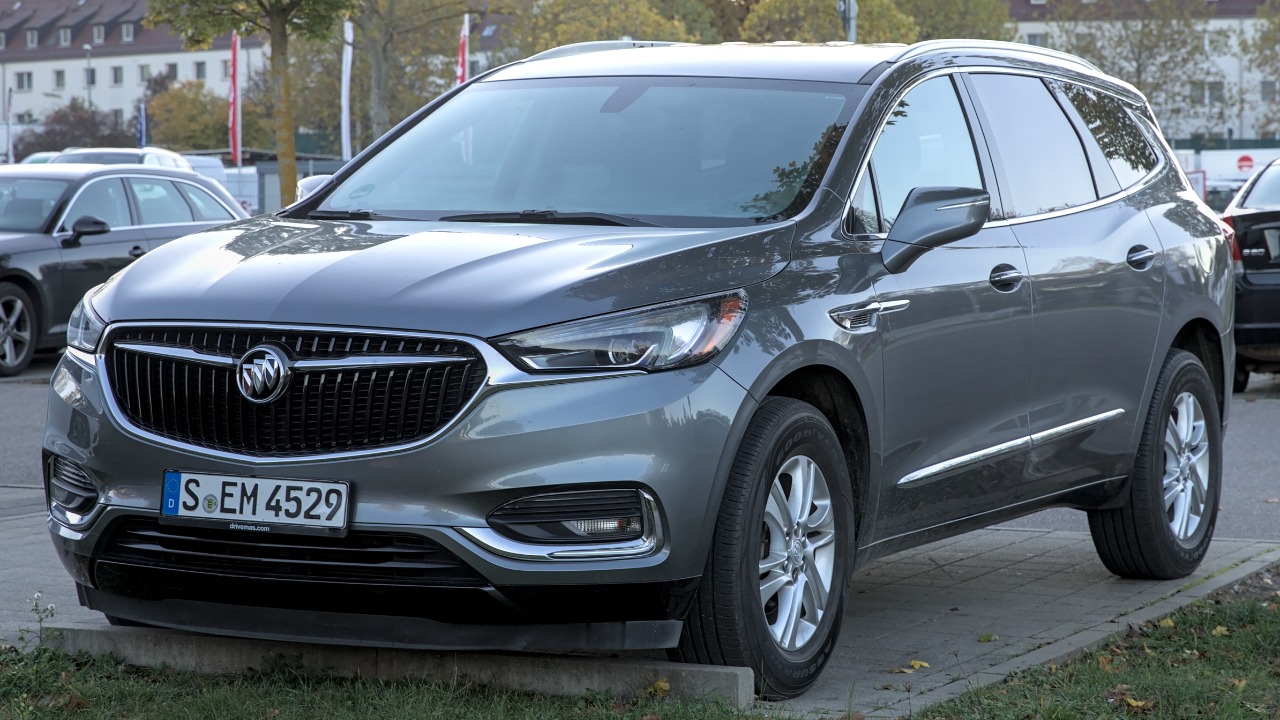
The Enclave delivers a whisper-quiet cabin and softly padded seats at a price well below its German and Japanese luxury rivals, per Buick’s own Enclave specifications, including standard heated front seats and available ventilated captain’s chairs in higher trims. Buick has marketed quietness as the model’s signature trait for years.
That value angle is part of why families cross-shop it for road trips, getting most of the hush and cushioning of pricier three-row SUVs without the matching sticker price. Its softer suspension tuning also reduces the jolts that make firmer, sportier seats feel less comfortable after hours on the road.
8. Genesis G90: Ergo-Motion Seating
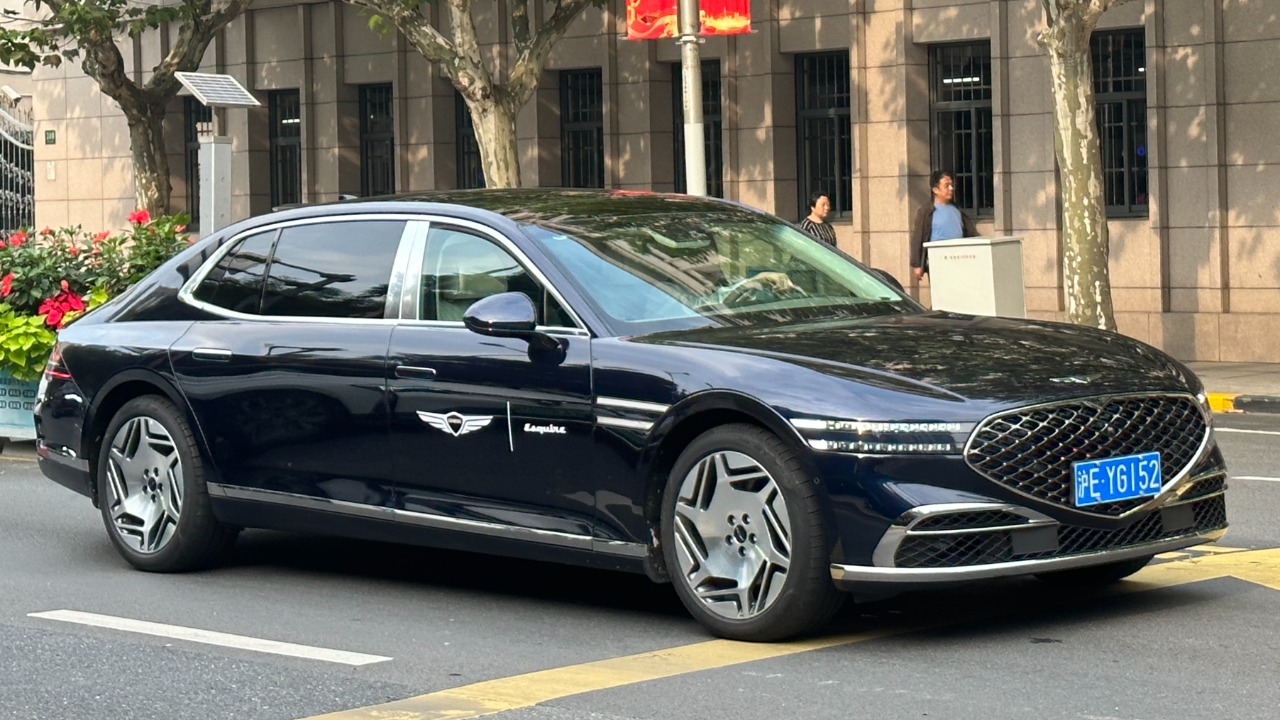
Genesis fits the G90 with Ergo-Motion seats that shift position automatically at set intervals, nudging occupants just enough to prevent the stiffness that builds during hours of stillness behind the wheel. The system works alongside heated, ventilated, and massaging functions across both front and rear seats.
The feature works quietly in the background rather than as an obvious massage, which owners describe as feeling less tired at the end of a trip without noticing exactly why. Genesis has leaned on that kind of quiet, understated engineering to differentiate the G90 from flashier European flagships.
9. Cadillac Escalade: Big, Cushioned Thrones
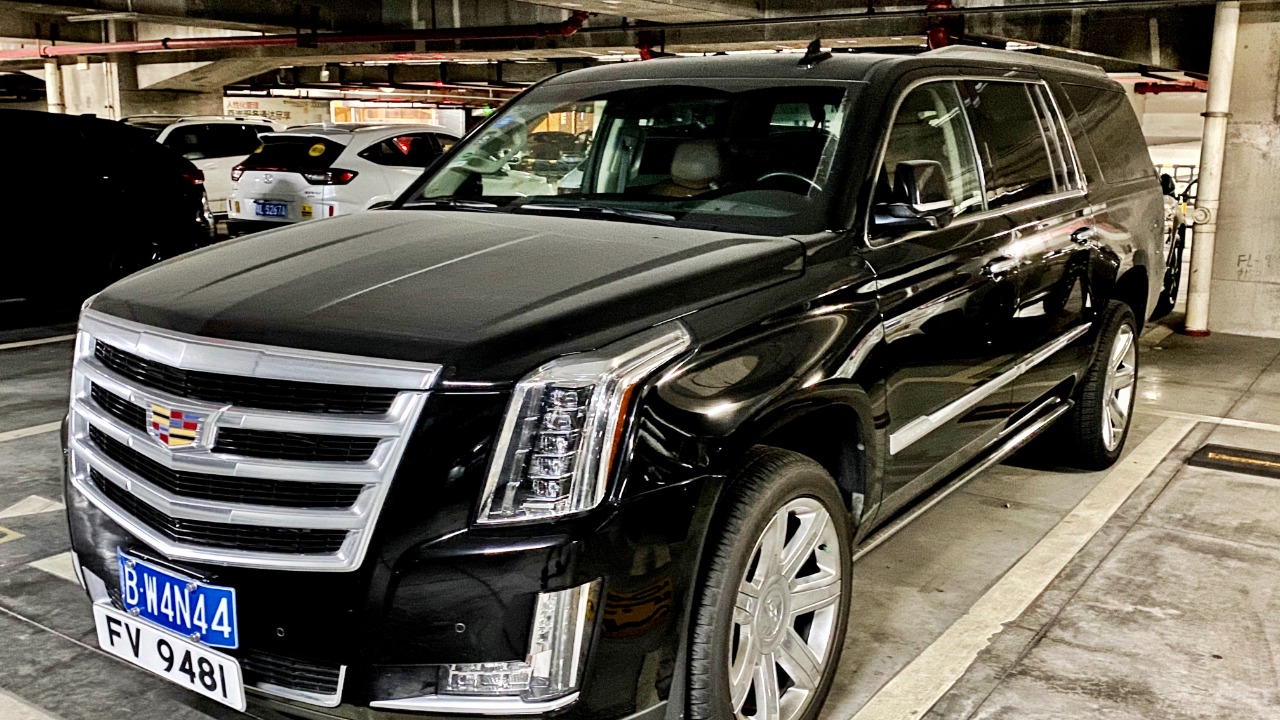
The Escalade’s front and captain’s chairs are oversized and heavily cushioned, giving taller passengers the kind of room and support that Cadillac’s flagship SUV is built around, with massage and heating available across all three rows in top trims. Its cabin width lets Cadillac fit noticeably wider seats than most competitors.
Its sheer size lets Cadillac use thicker padding and wider bolsters than a smaller vehicle could fit, which is part of why it dominates long highway convoy duty for large families. Owners frequently cite that extra width, more than any single feature, as what makes multi-hour drives feel manageable.
10. Volvo S90: Scandinavian Sculpting
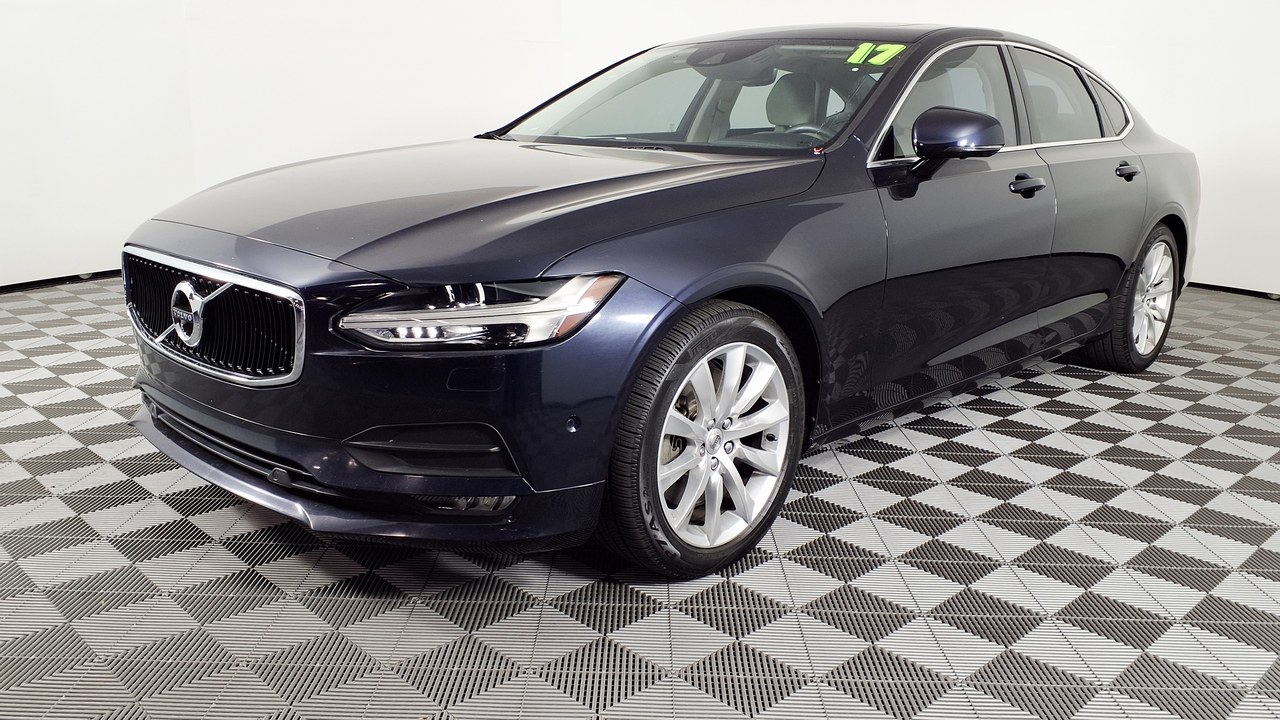
The S90 carries Volvo’s Scandinavian ergonomic philosophy into a sedan body, with sculpted, contour-hugging front seats that support the back without feeling stiff, plus available massage and extended thigh cushions for taller drivers. Volvo applies much of the same seat engineering used in the larger XC90 to this lower-slung sedan.
It gives buyers who want XC90-style seat comfort but prefer a lower, sportier body a nearly identical seating experience in a different shape. That shared approach across Volvo’s lineup is part of why the brand’s cars are frequently cited for road-trip comfort regardless of body style.
11. Lincoln Aviator: Perfect Position Adjustability
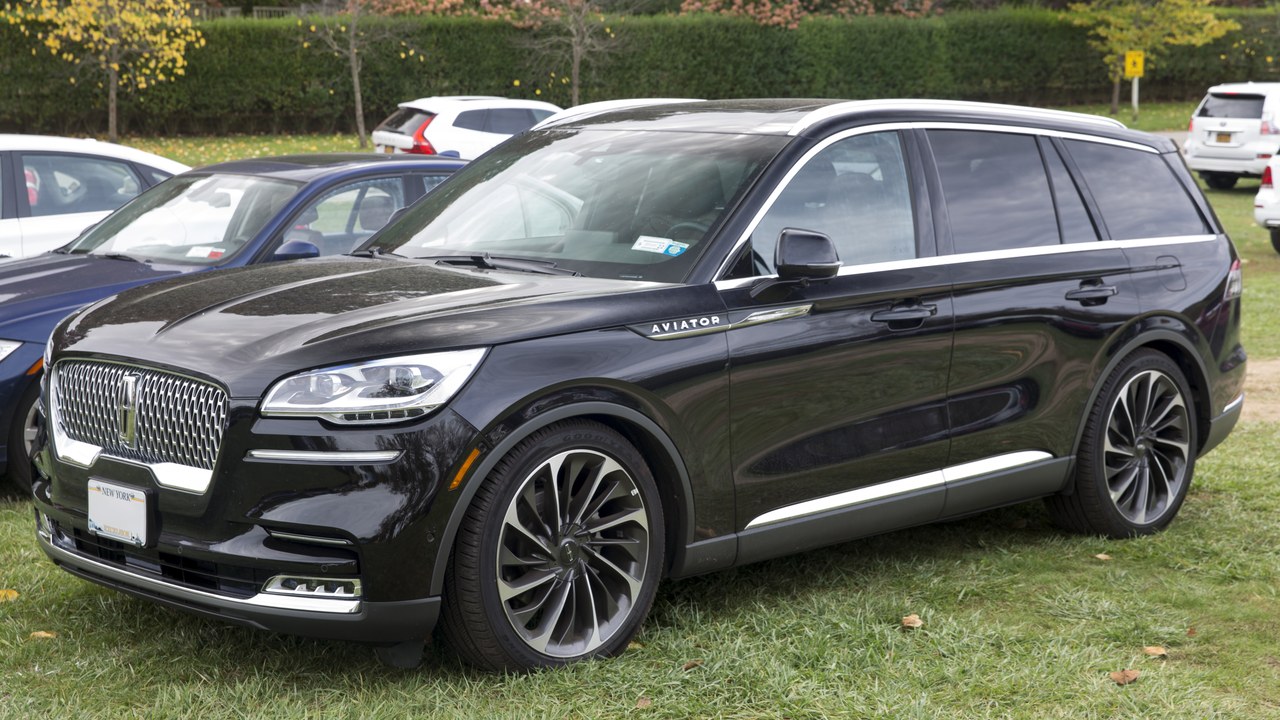
The Aviator’s Perfect Position seats adjust across dozens of points, letting occupants dial in thigh extension, bolster width, and lumbar support with unusually granular controls for the segment, and available massage functions add another layer of long-drive relief. Lincoln shares much of this seat hardware with its Navigator flagship.
That level of adjustment matters most on trips long enough for a single seat position to start feeling wrong, which is exactly when most road-trip fatigue sets in. Lincoln has used that granular fit, rather than raw horsepower, as its main pitch against rival three-row luxury SUVs.
More from Morning Overview
