American new-vehicle sales stay remarkably concentrated: a handful of nameplates account for an outsized share of every year’s volume, and the same badges keep reappearing at the top. Full-size pickups, compact crossovers and a few stubbornly popular sedans do most of the work. Here are eleven vehicles that anchor the American sales charts.
1. Ford F-150: The Perennial Volume Leader
<p>Image Credit: Alexander-93 – CC BY-SA 4.0/Wiki Commons</p>
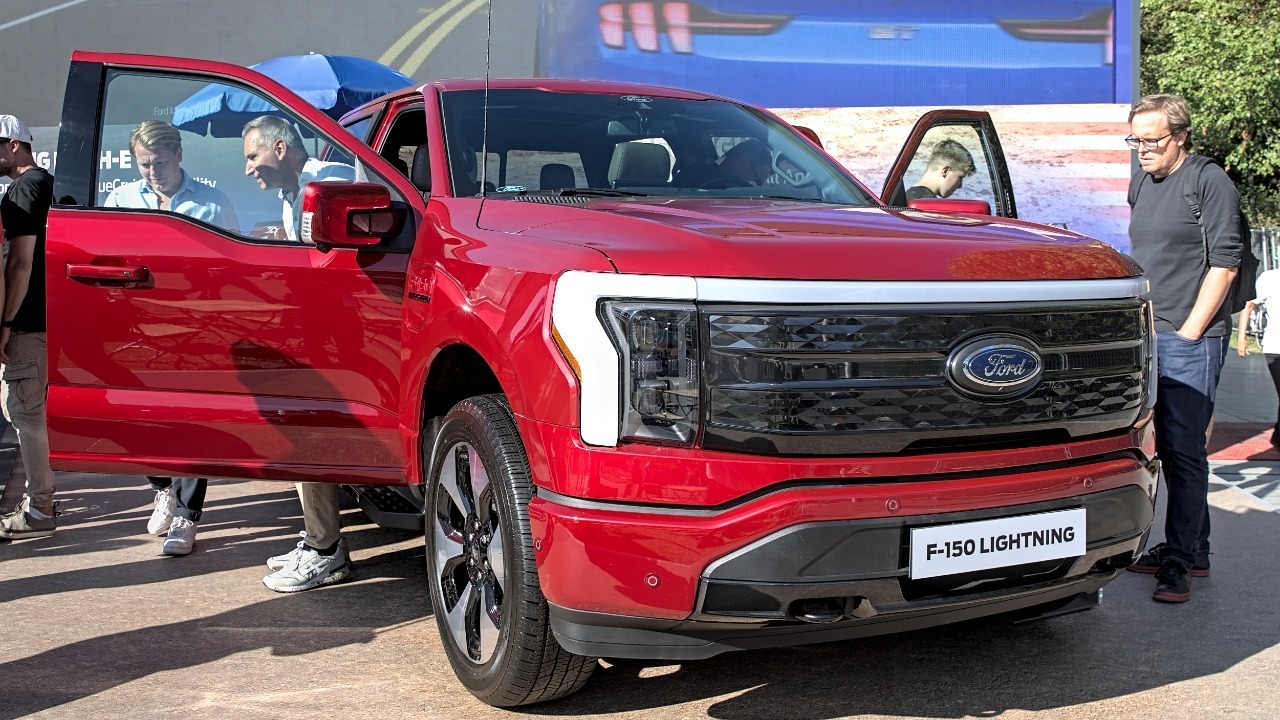
Ford’s full-size pickup has anchored American vehicle volume since the early 1980s, and the F-150 is the highest-volume member of the Ford F-Series line, a nameplate introduced in 1948 and now in its fourteenth generation. Assembly runs at Ford’s Dearborn and Kansas City truck plants, and the lineup stretches from stripped work trims to leather-lined luxury, with gasoline, hybrid and battery-electric drivetrains.
Breadth is the reason the truck rarely slips. Contractors, fleet managers and suburban families all shop the same badge, so softness in one buyer group is usually offset by another.
2. Chevrolet Silverado: Chevrolet’s Full-Size Workhorse
Image Credit: HJUdall – CC0/Wiki Commons
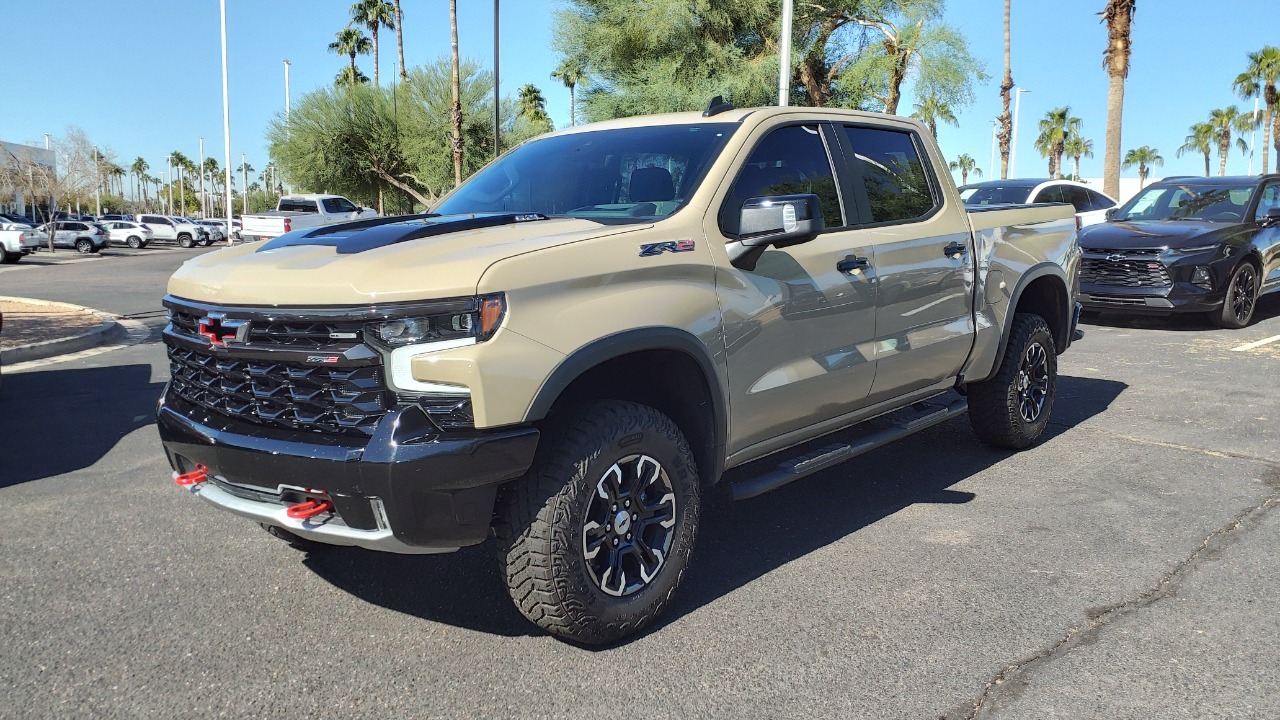
Chevrolet replaced the long-running C/K series with the Silverado for 1999, and the Silverado 1500 range has been the brand’s volume backbone ever since. The current generation launched for 2019 and was heavily restyled midway through, with assembly split between Fort Wayne, Indiana and Silao, Mexico.
Combined with its GMC counterpart, the platform gives General Motors two entries in the same segment. That twin strategy spreads output across more dealers and price bands than a single nameplate could reach on its own.
3. Ram 1500: The Coil-Sprung Challenger
Image Credit: HJUdall – CC0/Wiki Commons
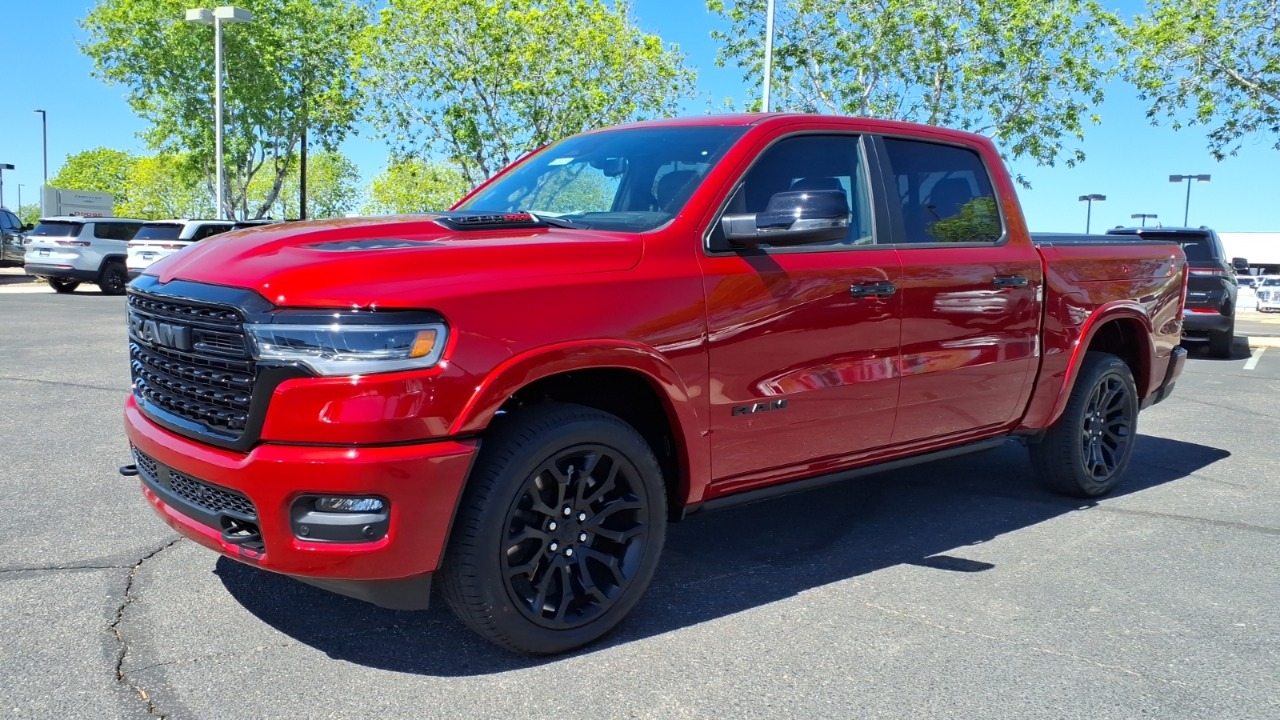
Chrysler spun Ram off from Dodge as a standalone truck brand in 2010, and the Ram 1500 pickup carried the division’s volume from the start. Its defining engineering choice is a coil-spring rear suspension, adopted in 2009 while rivals stayed with leaf springs, and later offered with an air-spring option. Sterling Heights Assembly in Michigan builds the current fifth-generation truck.
The ride advantage helped pull retail buyers who might otherwise have shopped a crossover. It also pushed the segment upmarket, with interior materials and screen sizes that once belonged to luxury sedans.
4. Toyota RAV4: The Compact Crossover Benchmark
Image Credit: Charles01 – CC BY-SA 4.0/Wiki Commons
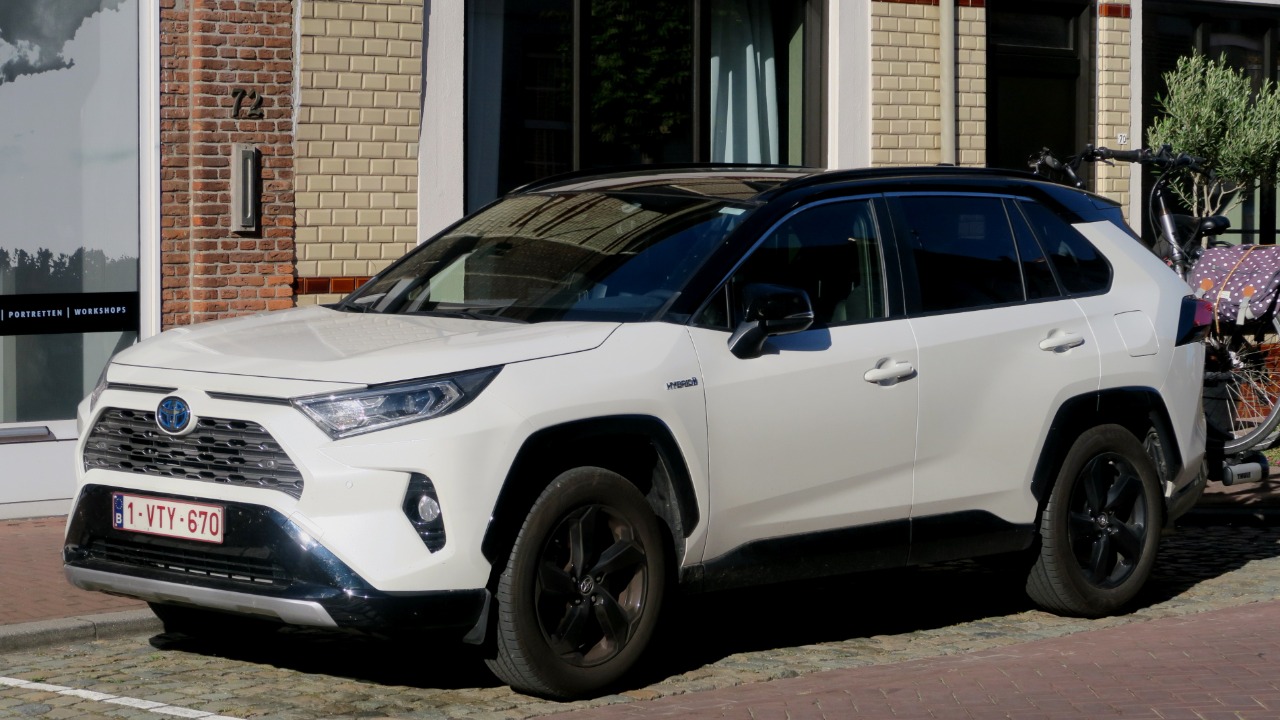
Toyota effectively invented the compact crossover with the 1994 RAV4, and the RAV4 crossover has since become the best-selling non-pickup vehicle in the United States. The fifth-generation model arrived for 2019 on the TNGA-K platform, and hybrid versions now account for a large share of North American deliveries. Ontario and Kentucky plants supply the American market.
The hybrid mix matters more than the badge. It gave Toyota a high-volume electrified product years before most rivals had one, at a price ordinary buyers were willing to pay.
5. Honda CR-V: A Two-Plant American Staple
Image Credit: Alexander Migl – CC BY-SA 4.0/Wiki Commons
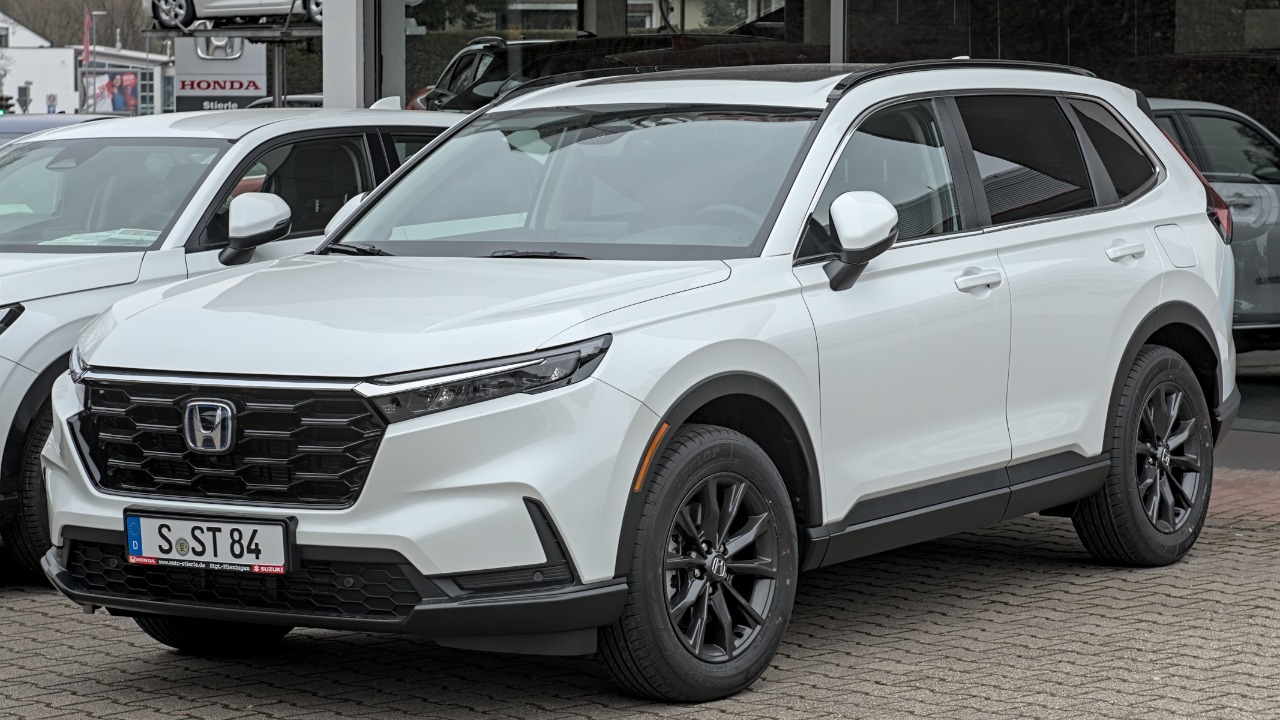
Honda’s compact crossover reached the United States in 1997 and has been a fixture of the segment ever since; the Honda CR-V entered its sixth generation for the 2023 model year. North American examples come out of East Liberty, Ohio and Greensburg, Indiana, and the lineup pairs a turbocharged 1.5-liter engine with a two-motor hybrid system.
Longevity is the CR-V’s real asset. Two decades of steady residual values and low running costs built a repeat-buyer base that does not need to be re-won with every redesign.
6. Tesla Model Y: The Electric Volume King
Image Credit: Aos.1905 – CC BY-SA 4.0/Wiki Commons
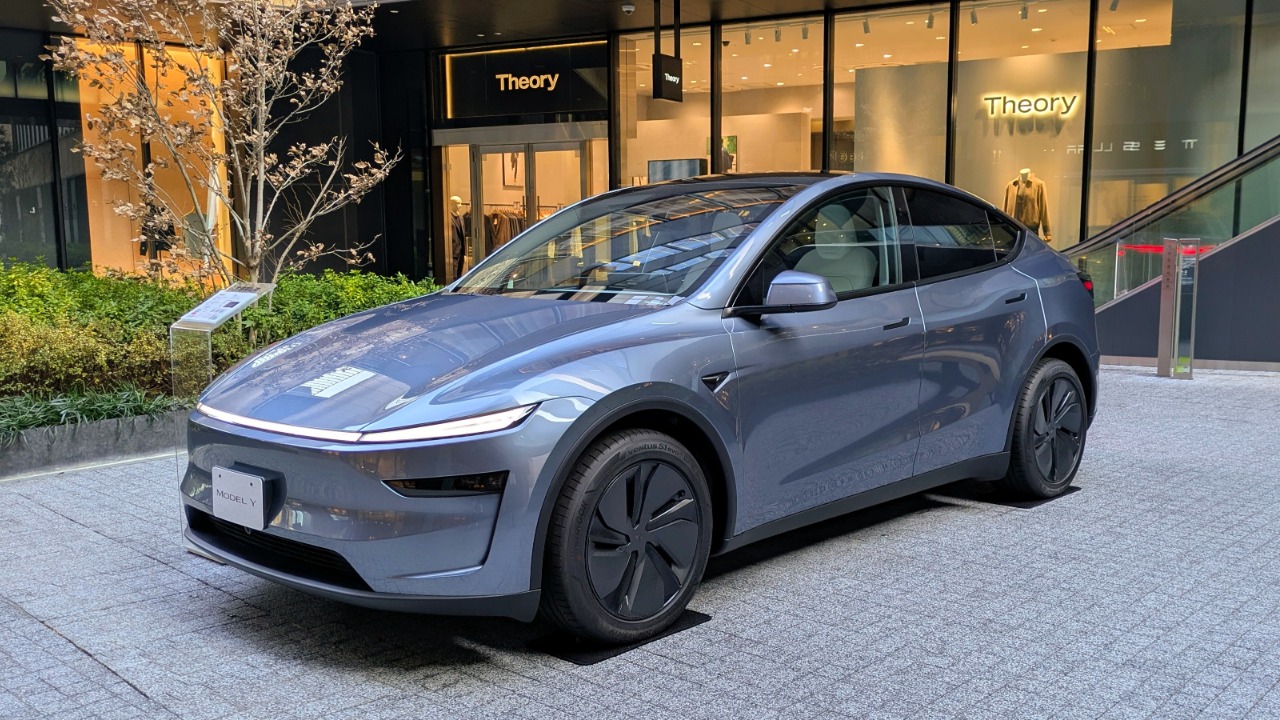
Tesla’s compact electric crossover began deliveries in 2020 and shares a majority of its parts with the Model 3, a decision that let production scale quickly. The Model Y crossover was the world’s best-selling vehicle of any kind in 2023, and North American cars are built at Fremont, California and Austin, Texas.
Scale has made it the default electric family car rather than an enthusiast purchase. Price cuts and a mid-cycle refresh have kept it in contention as legacy automakers finally fielded credible rivals.
7. Toyota Camry: The Sedan That Refused To Fade
Image Credit: Hdbdp4 – CC BY 4.0/Wiki Commons
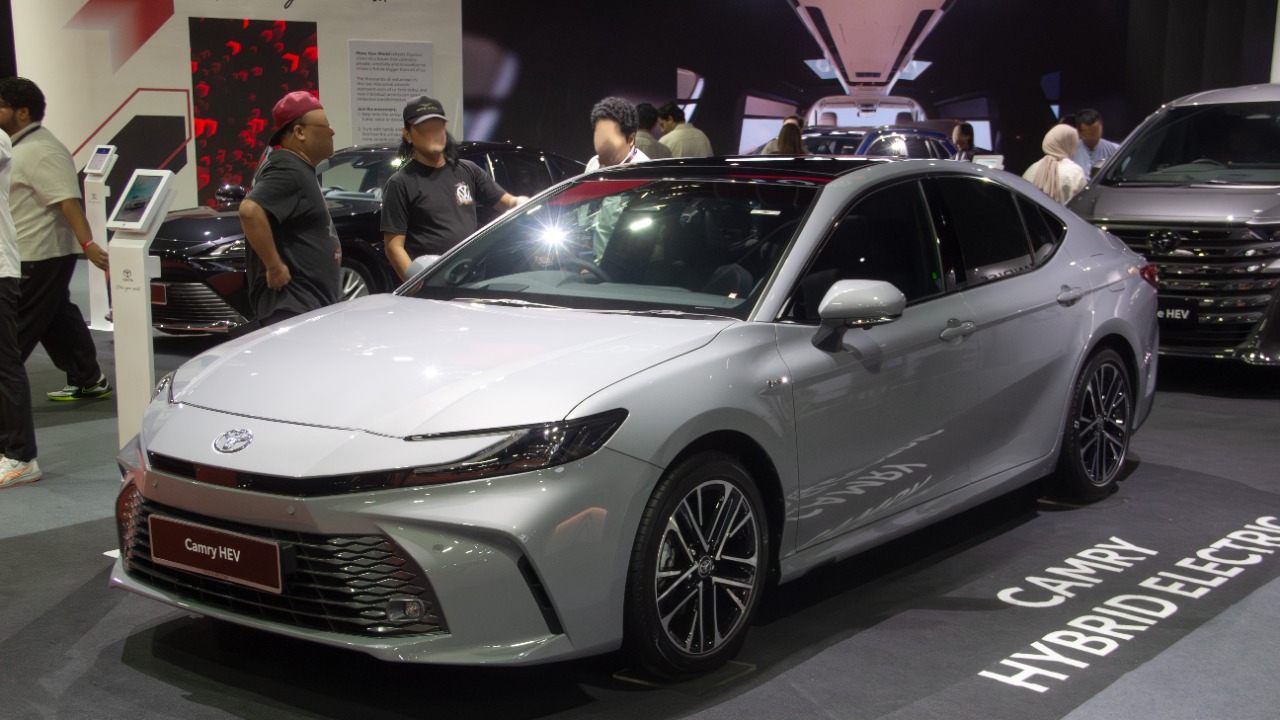
Few nameplates have held a segment as long as Toyota’s midsize sedan, which reached American showrooms in 1983 and spent decades near the top of the passenger-car charts. The Toyota Camry sedan moved to a ninth generation for 2025, sold in the United States exclusively as a hybrid, and is assembled at Georgetown, Kentucky.
The hybrid-only decision is the notable part. Toyota dropped the V6 and the conventional four-cylinder from a car that had offered both for decades, betting that fuel economy now outsells outright power.
8. GMC Sierra: The Silverado’s Upmarket Twin
Image Credit: HJUdall – CC0/Wiki Commons
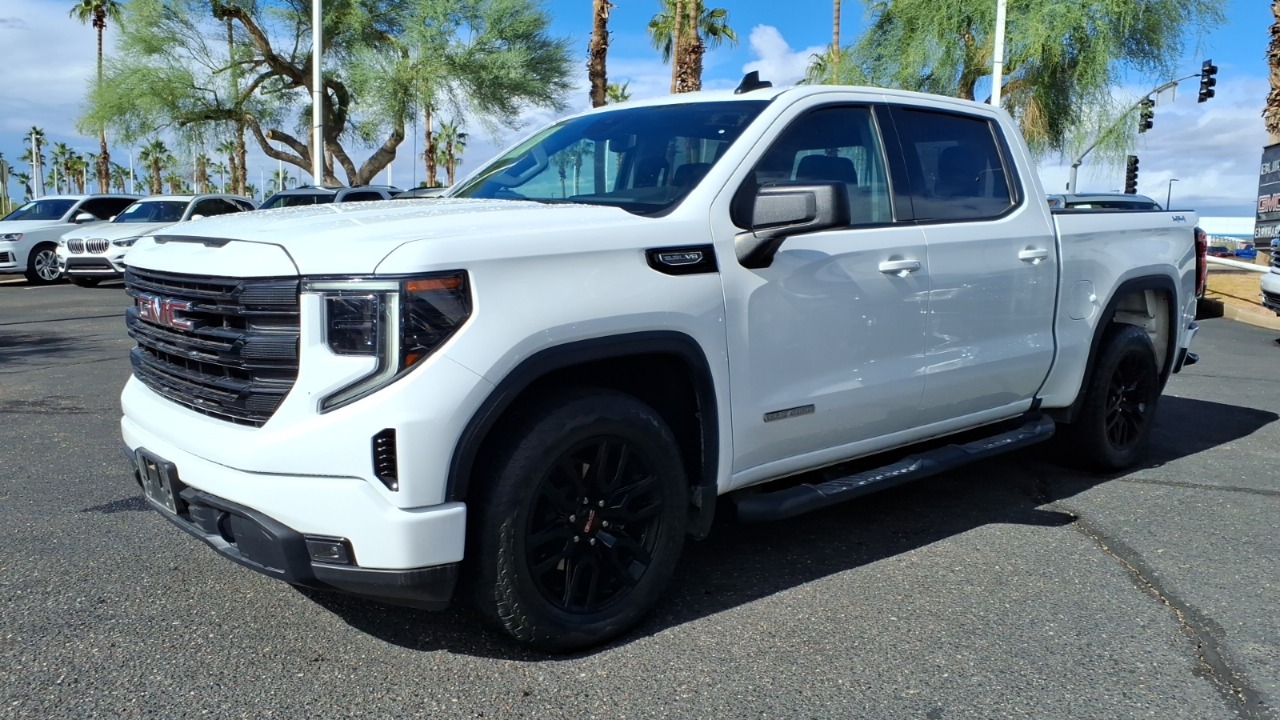
GMC’s full-size pickup is mechanically a Silverado, sharing platform, powertrains and assembly plants, but the GMC Sierra 1500 is positioned above it, and the Denali and Denali Ultimate trims push transaction prices into luxury territory. The current generation appeared for 2019 alongside its Chevrolet sibling and received a substantial interior overhaul for 2022.
Badge engineering of this kind is unusual at such volume. It works because GMC dealers are often separate storefronts, letting General Motors sell what is effectively one truck to two distinct sets of buyers.
9. Nissan Rogue: Nissan’s Volume Anchor
Image Credit: OWS Photography – CC BY 4.0/Wiki Commons
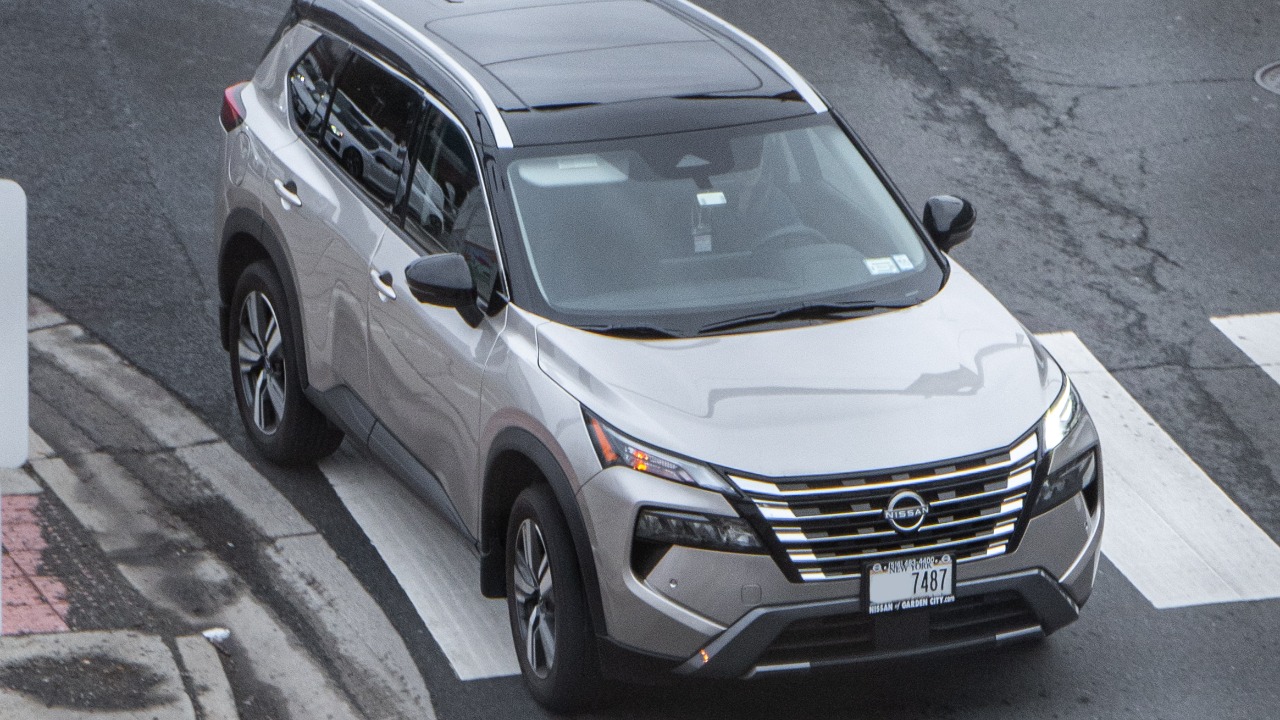
Sold elsewhere as the X-Trail, the Nissan Rogue crossover has been the brand’s highest-volume American product for most of the past decade. The third generation arrived for 2021 and gained a 1.5-liter variable-compression three-cylinder turbo the following year, an engine that alters its own compression ratio on the fly. Smyrna, Tennessee builds it.
That engine is the gamble. Variable compression buys efficiency from a smaller displacement, but it adds complexity to a mainstream family vehicle whose buyers prize predictable maintenance above all.
10. Honda Civic: The Compact-Car Constant
Image Credit: Mr.choppers – CC BY-SA 3.0/Wiki Commons
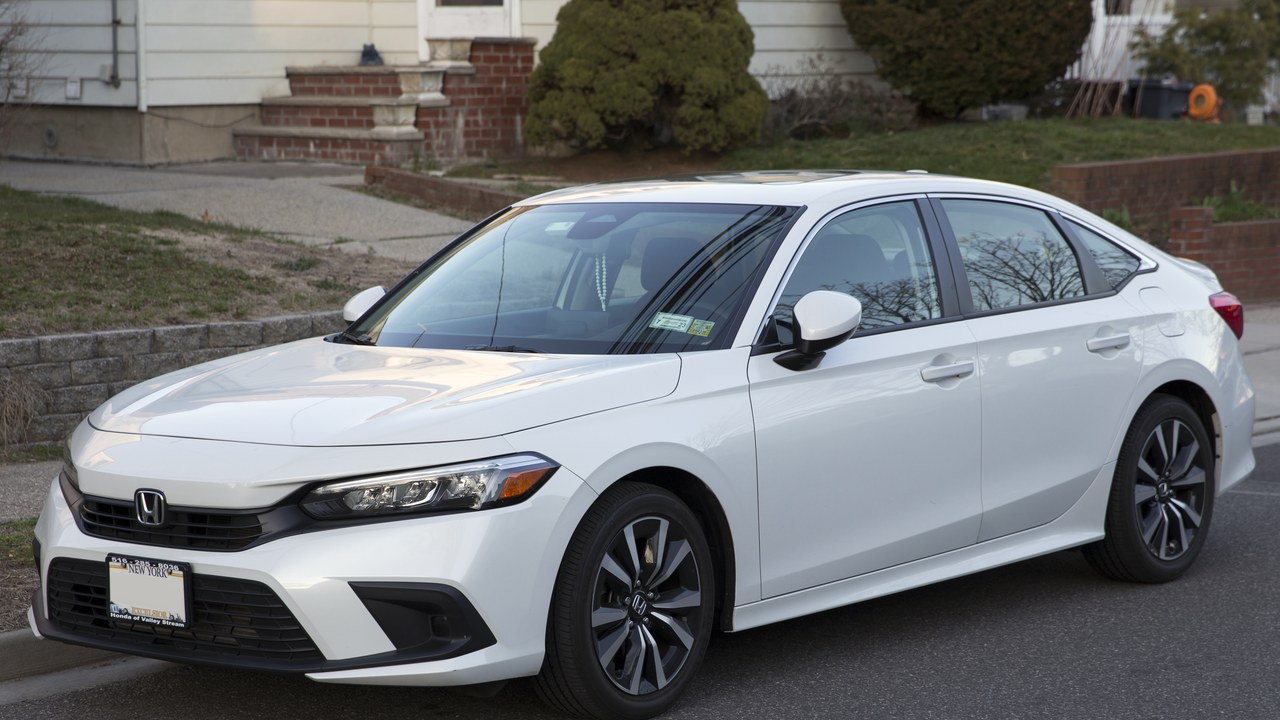
In production since 1972, the Honda Civic has outlasted nearly every compact car it once competed against, and the eleventh generation went on sale for 2022 in sedan and hatchback form. American-market cars come from Greensburg, Indiana and Alliston, Ontario, and the range still spans economy trims through the turbocharged Si and Type R.
Range is why the nameplate survived the sedan collapse. A single badge covers first-time buyers, commuters and track-day enthusiasts, so Honda never had to choose which of them to abandon.
11. Toyota Tacoma: The Midsize Pickup Standard
Image Credit: Alexander Migl – CC BY-SA 4.0/Wiki Commons
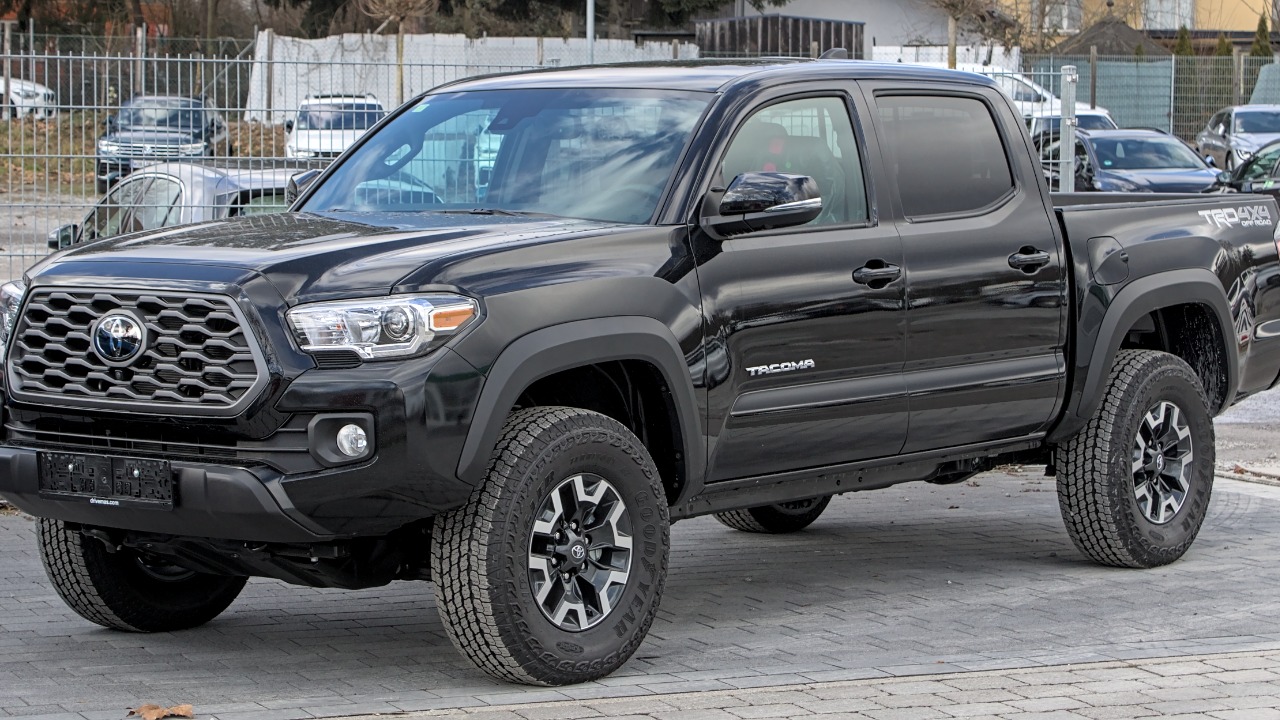
Midsize pickup sales have belonged to Toyota since the 1990s, and the Toyota Tacoma has held the class lead through several redesigns, built for North America at plants in Mexico. Its reputation rests on drivetrains that routinely survive high mileage, which is why used examples hold value unusually well and why trade-in supply stays tight.
A fourth generation arrived for the 2024 model year on the body-on-frame TNGA-F architecture shared with the Tundra, replacing the long-serving V6 with turbocharged four-cylinder and hybrid power. The change modernizes the truck without disturbing the formula that made it dominant.
More from Morning Overview
Morning Overview is reader-supported. Some links in our articles are affiliate links, and we may earn a commission at no extra cost to you. As an Amazon Associate I earn from qualifying purchases. Full disclosure.