
Snow-belt drivers do not have to move to a crossover to find winter traction. Sedans ranging from mainstream commuters to German luxury models still offer all-wheel-drive systems that shuffle torque between the axles the moment a tire begins to slip. Here are eleven all-wheel-drive sedans built for winters where the plow arrives late.
1. Subaru Legacy: Standard Symmetrical Traction
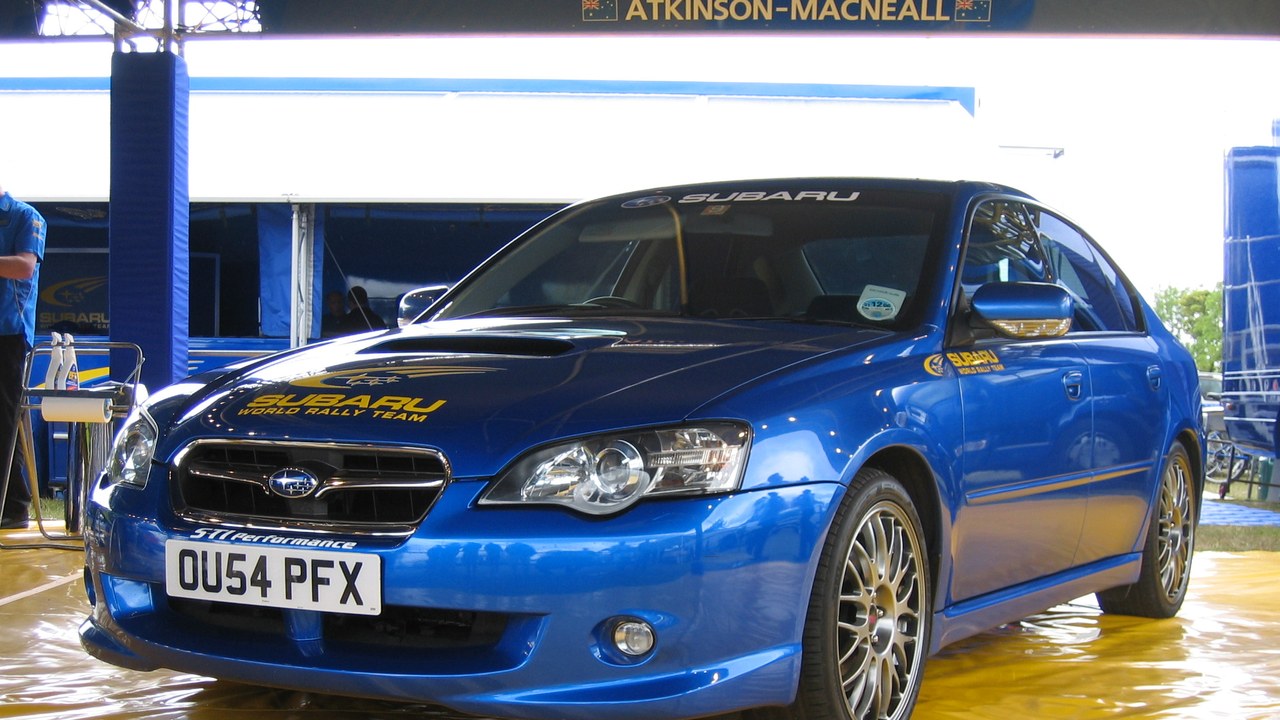
Subaru fits all-wheel drive to every Legacy sold in the United States rather than charging for it as an option. The layout is distinctive: the flat-four engine sits longitudinally, letting the midsize Subaru sedan run its driveshafts in a straight, symmetrical line to both axles. Automatic versions rely on a clutch pack that nominally favors the front wheels, then push torque rearward as grip falls away.
Because the system stays permanently engaged, nothing waits for a front wheel to spin before help arrives. The penalty is a little fuel economy against front-drive rivals, and sedan ground clearance still limits how deep the snow can get.
2. Subaru Impreza: The Compact With The Same Hardware
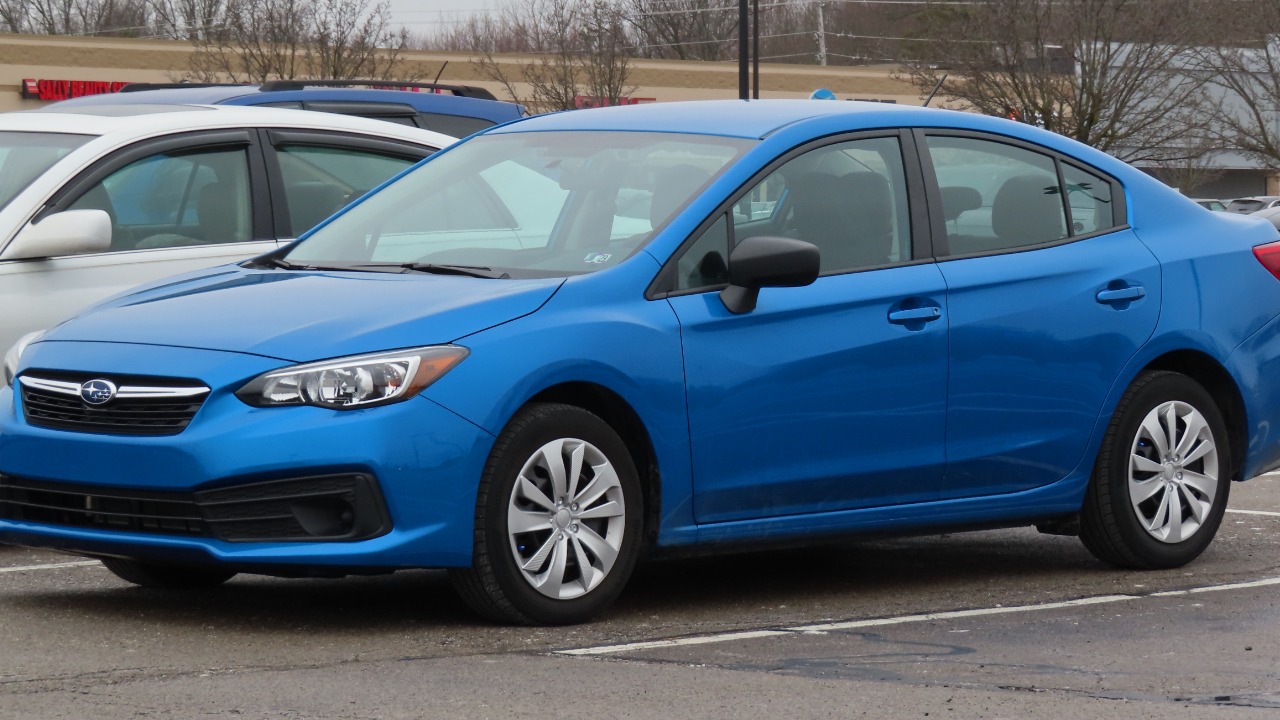
Much the same all-wheel-drive architecture appears in a smaller and cheaper package here, and Subaru has never sold a front-drive Impreza in North America. Sedan and hatchback bodies have both worn the badge across its generations, and the compact Subaru model uses the boxer engine’s low, flat shape to keep weight close to the road.
Lower mass helps on packed snow, since there is less momentum to arrest once traction disappears. Winter tires still matter more than the driven axles: the all-season rubber fitted at the factory hardens well before temperatures reach single digits.
3. Audi A4: Quattro, Mechanical And Deliberate
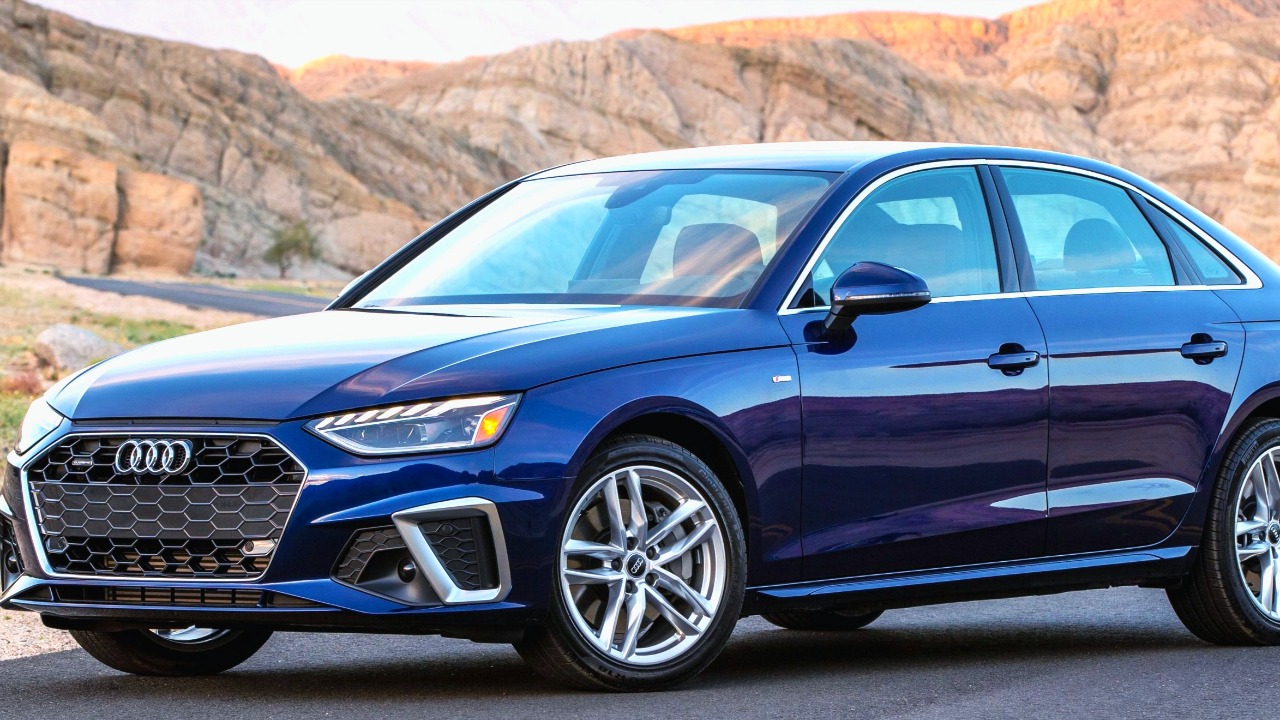
Quattro has been Audi’s winter signature since the early 1980s, and on the compact Audi sedan it settles into a rear-biased split before shifting effort toward whichever axle can still use it. Higher-output and manual-gearbox versions historically used a purely mechanical Torsen center differential, a device that redistributes torque through gear loading rather than waiting on a sensor reading.
Mechanical redistribution reacts quickly on surfaces that alternate between ice and bare pavement. Not every A4 is a quattro, though; front-drive versions have been sold in various markets and model years, so the badge on the trunk lid is worth confirming before a purchase.
4. BMW 3 Series: xDrive Behind A Rear-Drive Habit
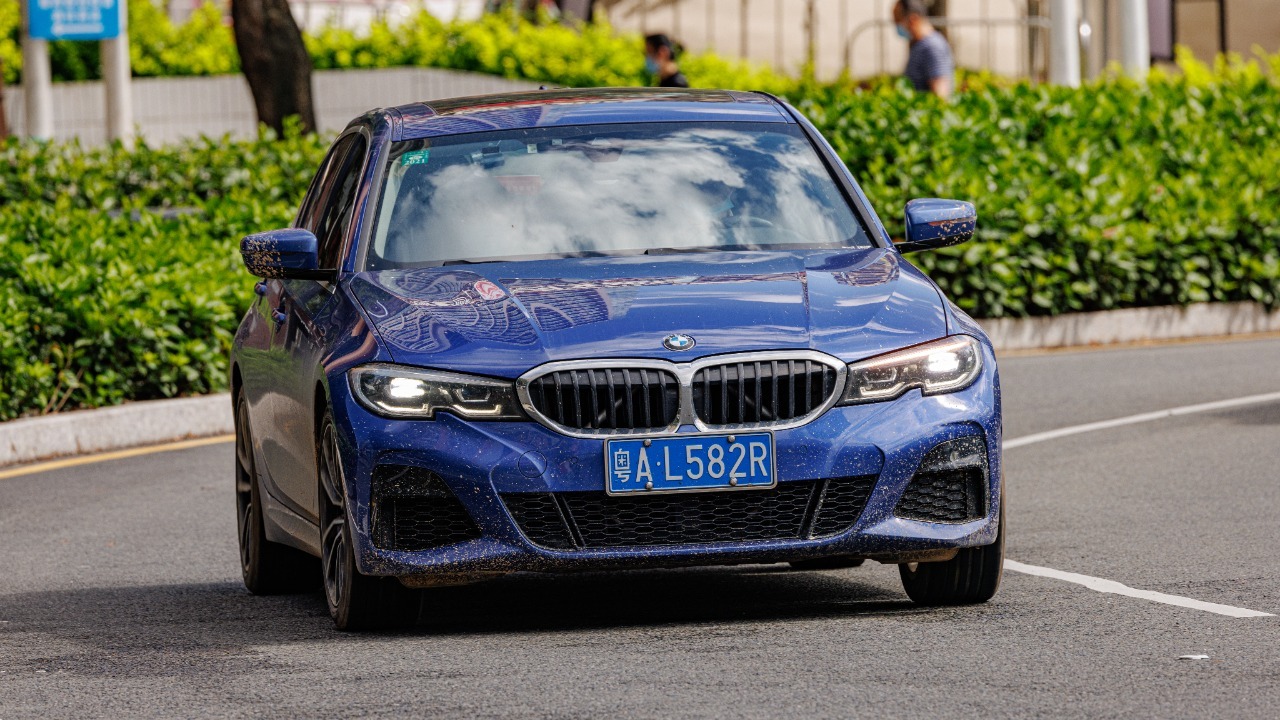
Rear-wheel drive remains the default configuration, with xDrive sold as the extra-cost alternative, so all-wheel drive on this car is a choice rather than a given. An electronically controlled multi-plate clutch sits in the transfer case, and the xDrive sports sedan holds a rear-biased split in ordinary driving before sending most of the torque forward within a fraction of a second.
That speed of reaction is the point on a chassis that would otherwise feel nervous on ice. Low-profile summer tires, common on the sportier trims, cancel most of the benefit, which makes a dedicated winter set a condition of the car working as advertised.
5. Mercedes-Benz C-Class: 4MATIC As A Box To Tick
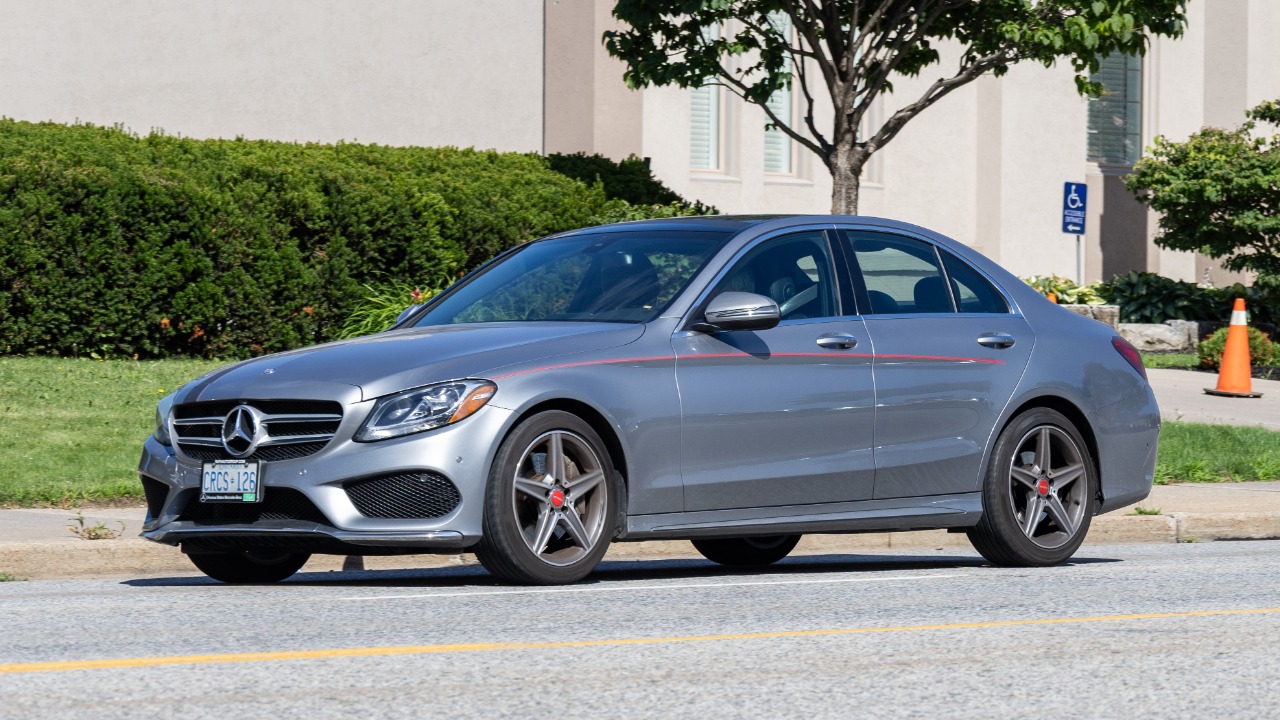
Mercedes-Benz badges its all-wheel-drive cars 4MATIC and has offered the system on selected C-Class trims rather than across the entire range. In the compact Mercedes sedan it keeps a modest rear bias in normal conditions and works alongside the stability-control system, which brakes an individual spinning wheel so effort routes to the tires that are still gripping.
The combination handles slush and packed snow without altering how the car feels in July. Since 4MATIC has been optional in most years, a used example sitting on a dealer lot may well be rear-wheel drive, which behaves very differently on an unplowed hill.
6. Volvo S60: Two Different Routes To Grip
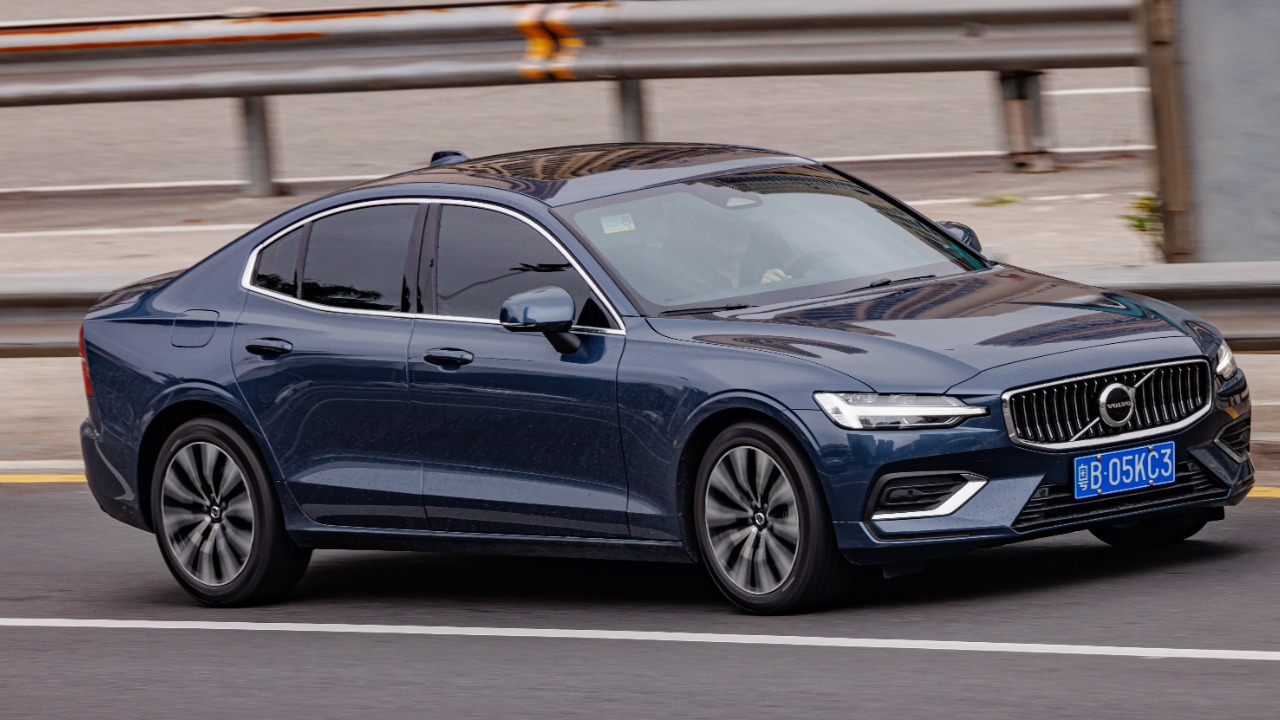
Volvo has driven the rear wheels of this car in two mechanically different ways. Earlier all-wheel-drive versions used a clutch pack feeding a conventional propshaft, while the plug-in hybrid version of the Swedish midsize sedan abandons that shaft entirely and turns the rear axle with an electric motor, giving each end of the car its own source of power.
An electric rear axle produces torque almost immediately, which suits the low-speed pull away from a snowbound intersection. Volvo’s cold-weather reputation also rests on unglamorous equipment such as heated seats, heated wipers and heated washer nozzles, none of which appear on a specification sheet under traction.
7. Genesis G70: HTRAC On A Rear-Drive Chassis
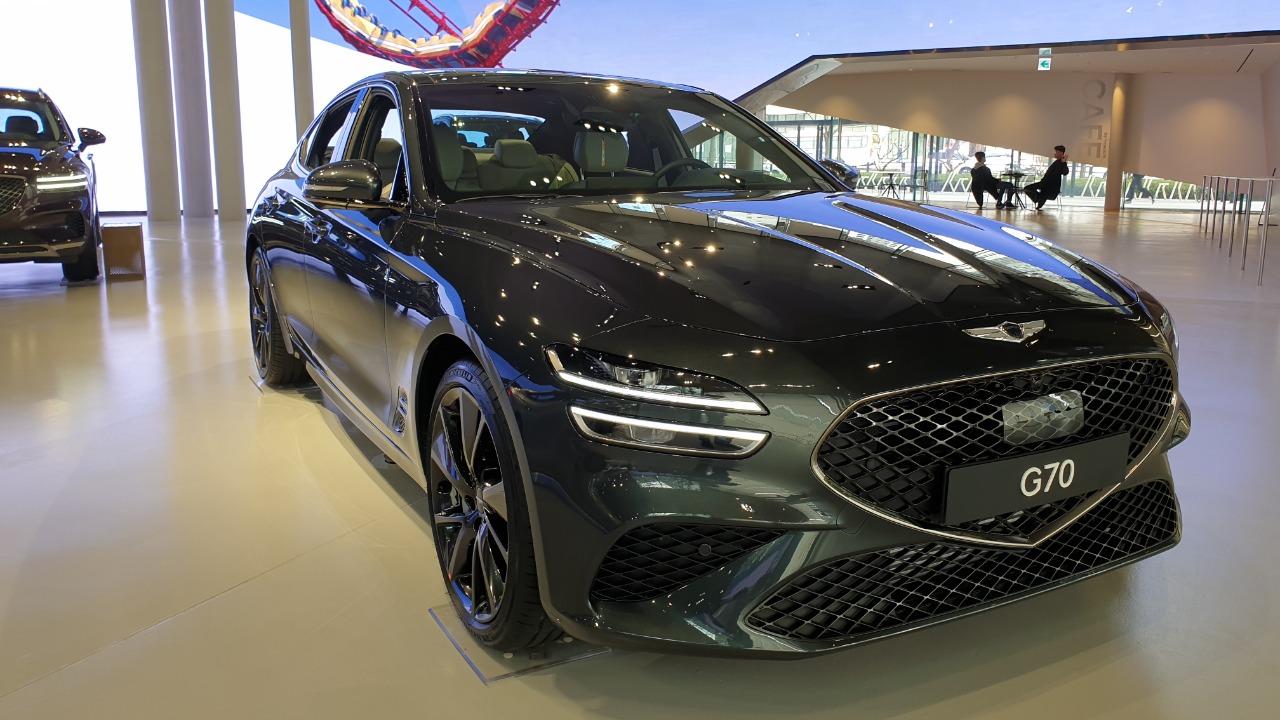
Built on a rear-drive platform, the G70 offers the HTRAC all-wheel-drive system as an option across most of its engine range. Torque distribution varies with the selected drive mode, so the Genesis sport sedan stays rear-biased in comfort settings and spreads effort more evenly once the surface deteriorates or the sensors register slip.
A variable split gives the car a genuinely different character on snow than on dry asphalt. Drive modes intended for slippery conditions do much of their work elsewhere, softening throttle response and starting in a taller gear, which suppresses wheelspin more reliably than any torque split.
8. Cadillac CT4: The Small Cadillac’s Optional Front Axle
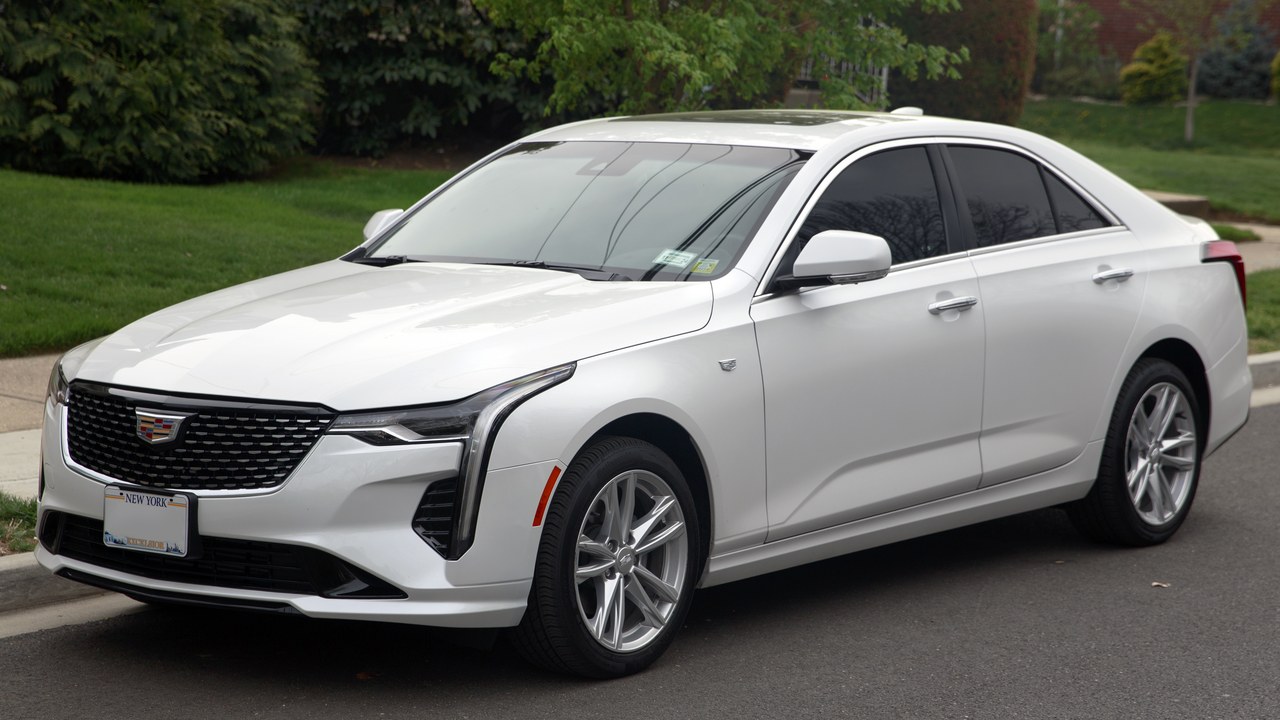
Cadillac’s smallest sedan begins as a rear-drive car, with all-wheel drive available as an option on its turbocharged four-cylinder trims. The compact Cadillac sedan engages the front axle when the rear wheels begin to lose their footing, and the highest-performance Blackwing variant is not offered with the system at all.
Shoppers therefore pick between the quickest version and the most weather-capable one. For a snow-belt commute the ordinary trims are the practical answer, particularly because the performance model’s wide, soft-compound tires turn hard and unhelpful below freezing.
9. Toyota Camry: AWD Returns To The Mainstream Sedan
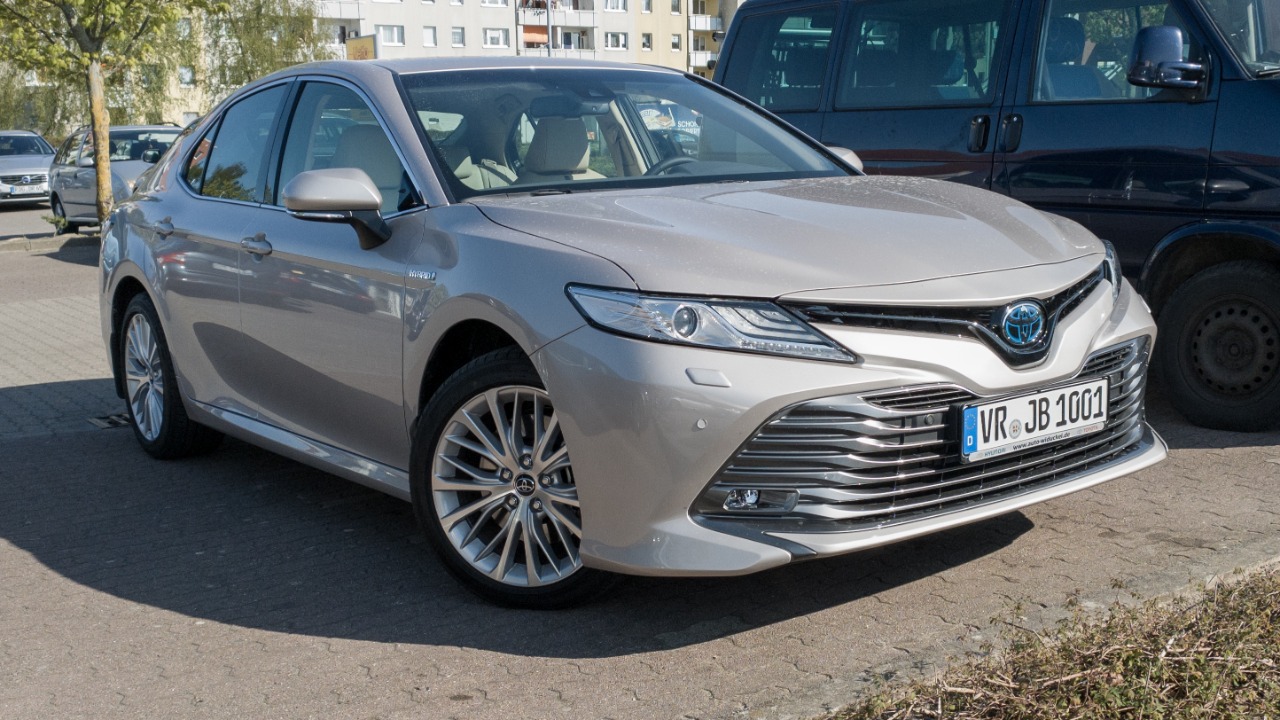
Toyota returned all-wheel drive to the Camry for the 2020 model year, decades after the previous all-wheel-drive version disappeared from the lineup. Hybrid versions of the midsize Toyota sedan manage it without a driveshaft at all: a separate electric motor turns the rear wheels on demand, engaging as the car pulls away or when the front tires start to slip.
Little weight and almost no mechanical complexity come with that arrangement compared with a conventional transfer case. Its limitation is speed range, because electric rear axles of this type contribute most at low speed and taper off once the car is rolling steadily.
10. Nissan Altima: Intelligent AWD For The Commuter
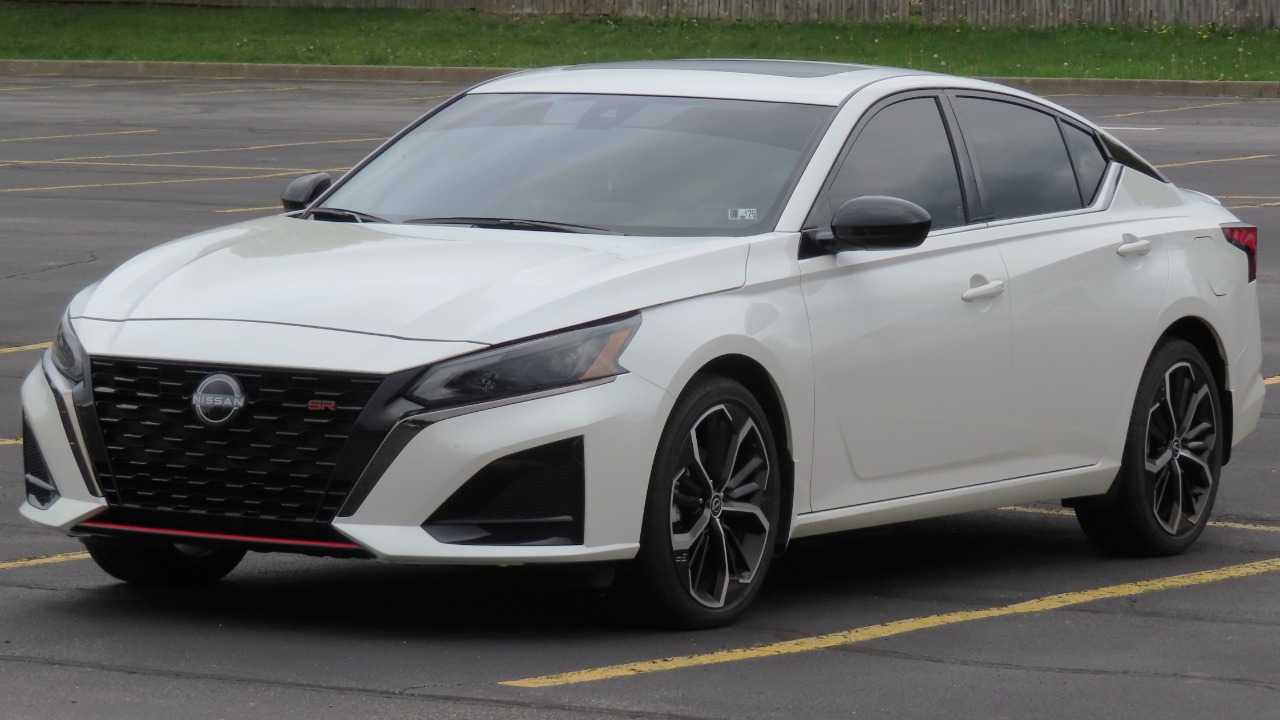
All-wheel drive arrived on the Altima for the 2019 model year, paired with the naturally aspirated 2.5-liter engine rather than the variable-compression turbo. The midsize Nissan sedan can route up to half its torque rearward once sensors register slip, then hand drive back to the front wheels on clear pavement to protect fuel economy.
What results is an ordinary commuter car that behaves conventionally for most of the year and finds extra grip when a storm arrives. Engine choice is the catch, since the more powerful turbocharged version has been sold as a front-drive car only.
11. Kia K5: An AWD Option In The Midsize Class
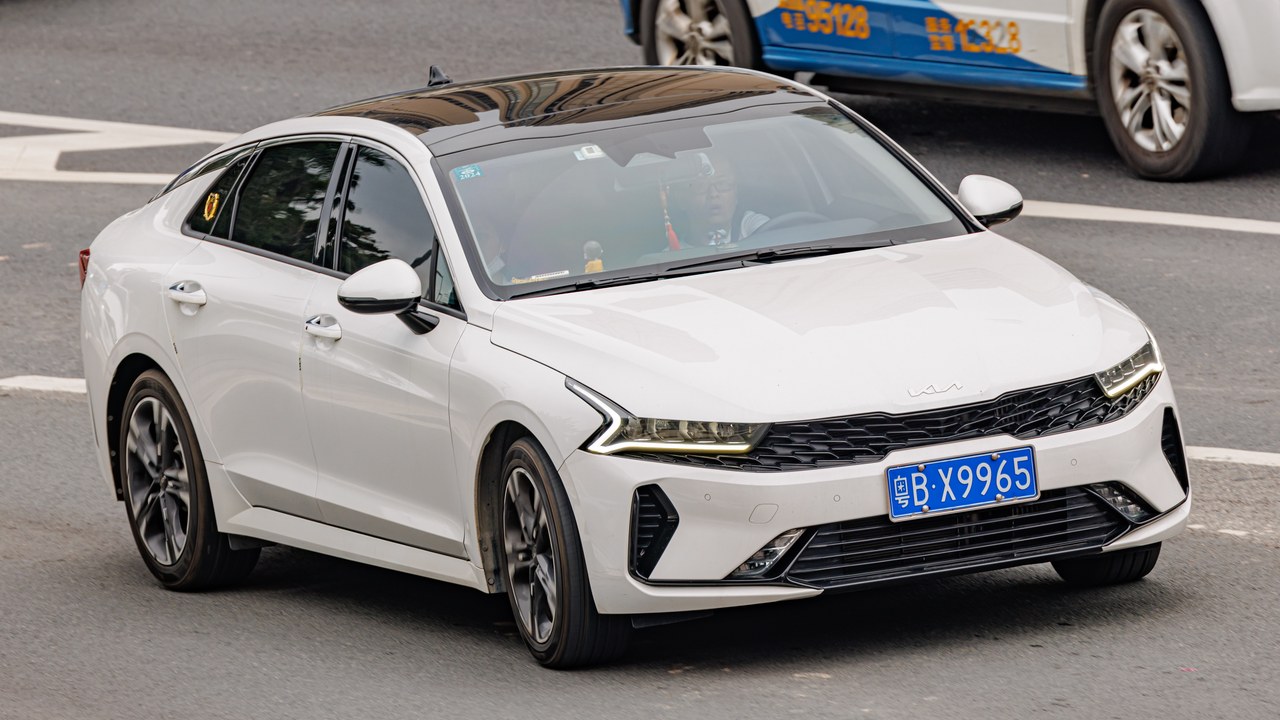
Kia replaced the Optima with the K5 for the 2021 model year and made all-wheel drive available on selected trims, an unusual offer in a class that had largely stopped bothering. The Kia midsize sedan pairs that system with the 1.6-liter turbocharged engine, while the sportier GT model and its larger turbo engine drive the front wheels only.
Availability rather than capability is the real story: a mainstream sedan buyer facing lake-effect snow has a genuine choice again. As with every car on this list, the driven axles matter considerably less than a set of proper winter tires on all four corners.
More from Morning Overview
