
Missile defense is built in layers, with different systems assigned to different ranges, altitudes and kinds of threat. This list groups well-known Israeli, Russian and American systems by the role each plays in its country’s layered setup. Eleven are covered here, described as the CSIS Missile Defense Project frames them.
Read next on Morning Overview: Neanderthals in Spain carved a wooden object that matches nothing archaeologists have ever found
1. Iron Dome: Bottom of the Israeli Stack
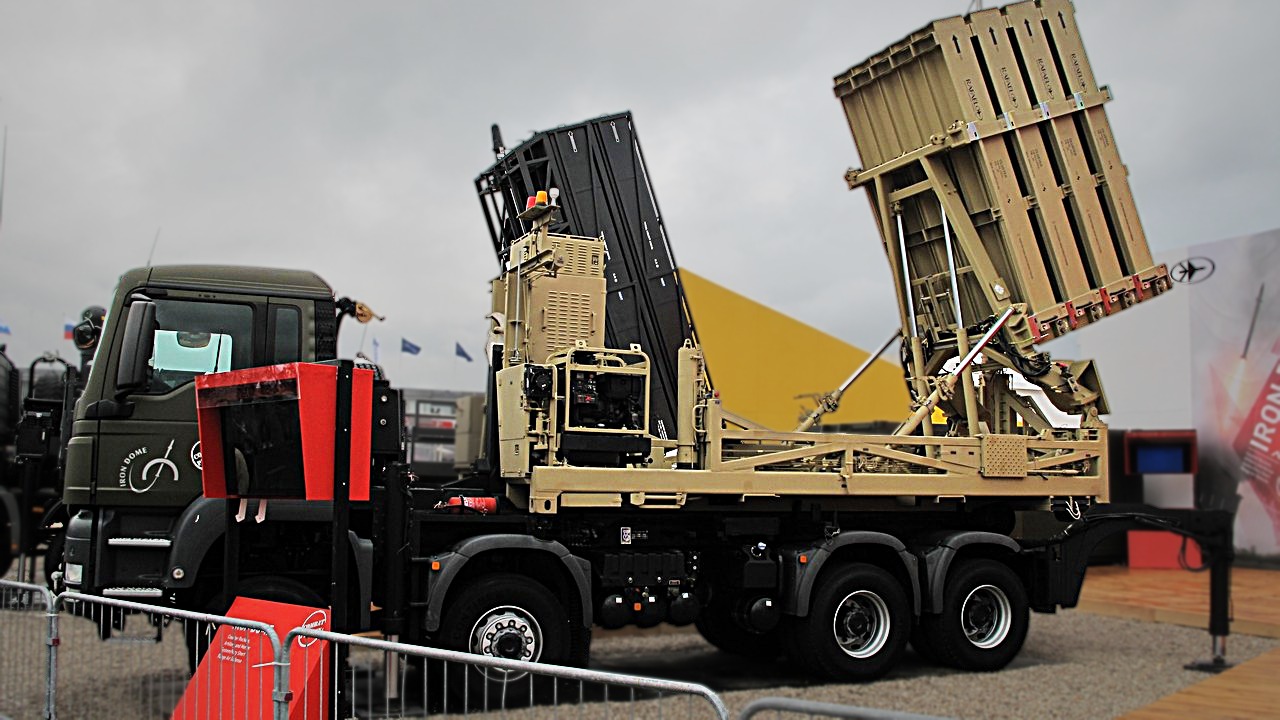
According to CSIS’s Israeli systems page, Iron Dome makes up the lowest tier of Israel’s layered defense. It is aimed at short-range rockets, artillery and mortars, which the source says are largely fired by Hamas and Hezbollah.
Its place at the bottom reflects the short-range threats it handles rather than any lesser importance. The higher Israeli tiers, covered next, take on cruise and ballistic missiles instead. Together the three tiers show the layered logic that gives this list its theme.
2. David’s Sling: The Middle Layer
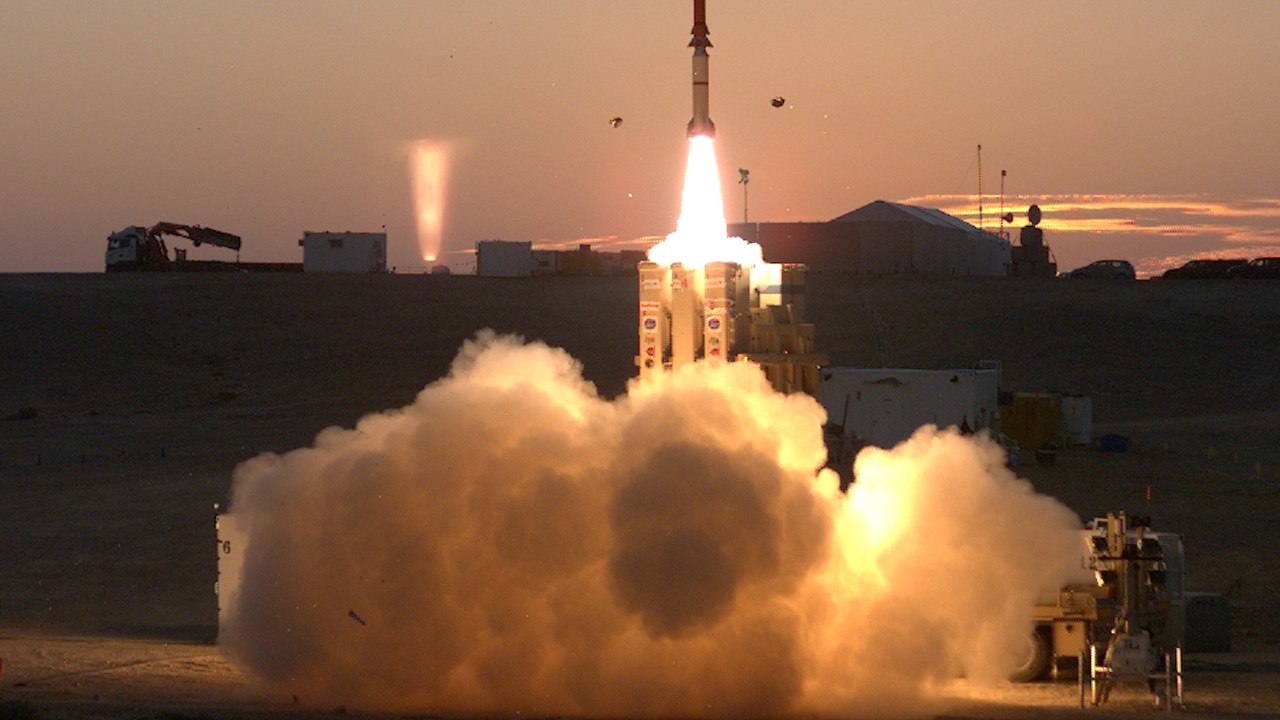
David’s Sling is the middle layer of Israel’s defense, according to the same CSIS overview. It is aimed at cruise missiles and lower-tier ballistic missiles, which places it between the rocket-focused lower tier and the ballistic-missile-focused upper tier.
The middle position makes it the bridge in a layered design: threats that get past one tier can meet another system built for a different range. The source describes the roles, and it does not rank the systems by performance.
3. Arrow 3: The Upper Tier
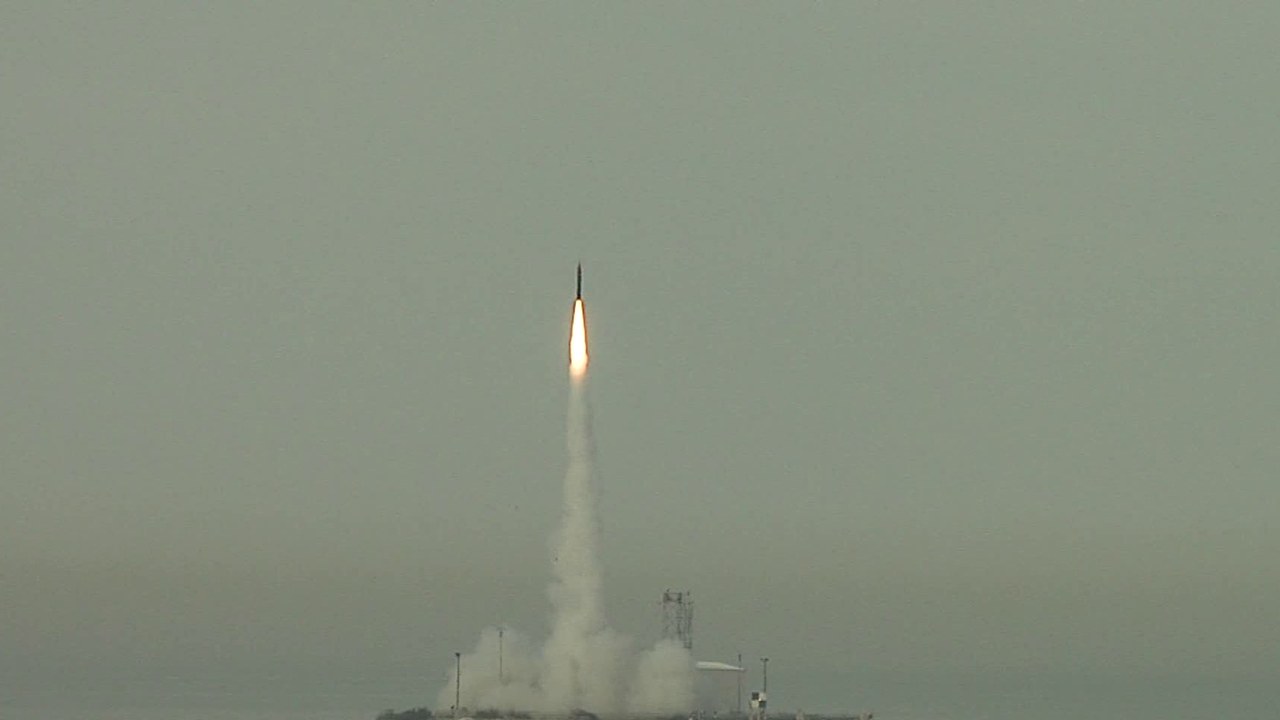
Arrow provides the upper tier of Israel’s missile defense against ballistic missiles, per the same Israeli systems summary. This entry covers Arrow 3, the upper layer in the country’s three-tier arrangement.
With Iron Dome below and David’s Sling in the middle, Arrow completes the stack. The CSIS description is about structure, so it explains where each system sits instead of how any of them has performed in practice. Readers should not infer effectiveness from the tier labels.
4. S-300: Big Bubbles, Long Reach
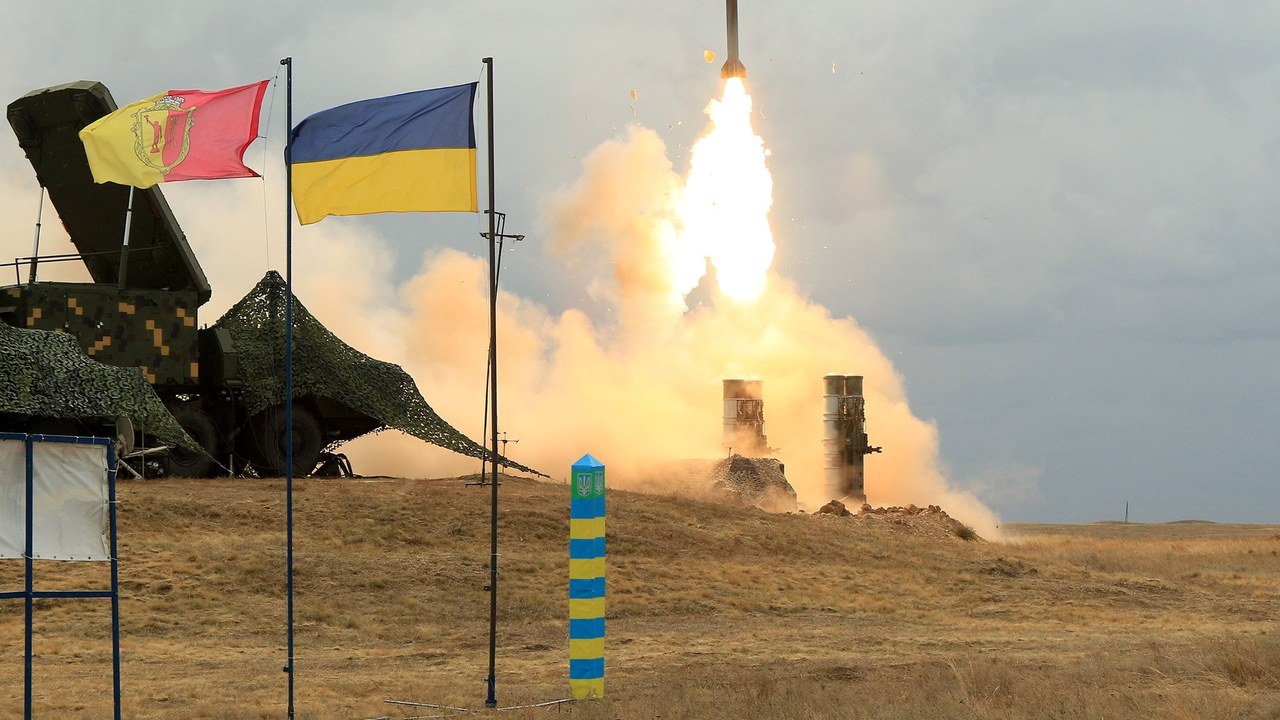
CSIS describes the S-300 as part of the long-range top tier of Russian air defense, providing bubbles potentially up to 800 km in diameter, in its Russian air defense overview. The word bubble refers to the protected airspace around the system.
The figure is hedged as potentially up to 800 km, so it describes an upper bound rather than a guaranteed footprint. The S-300 shares that top tier with the S-400, which the source treats together.
5. S-400 Triumf: Sharing the Top Tier
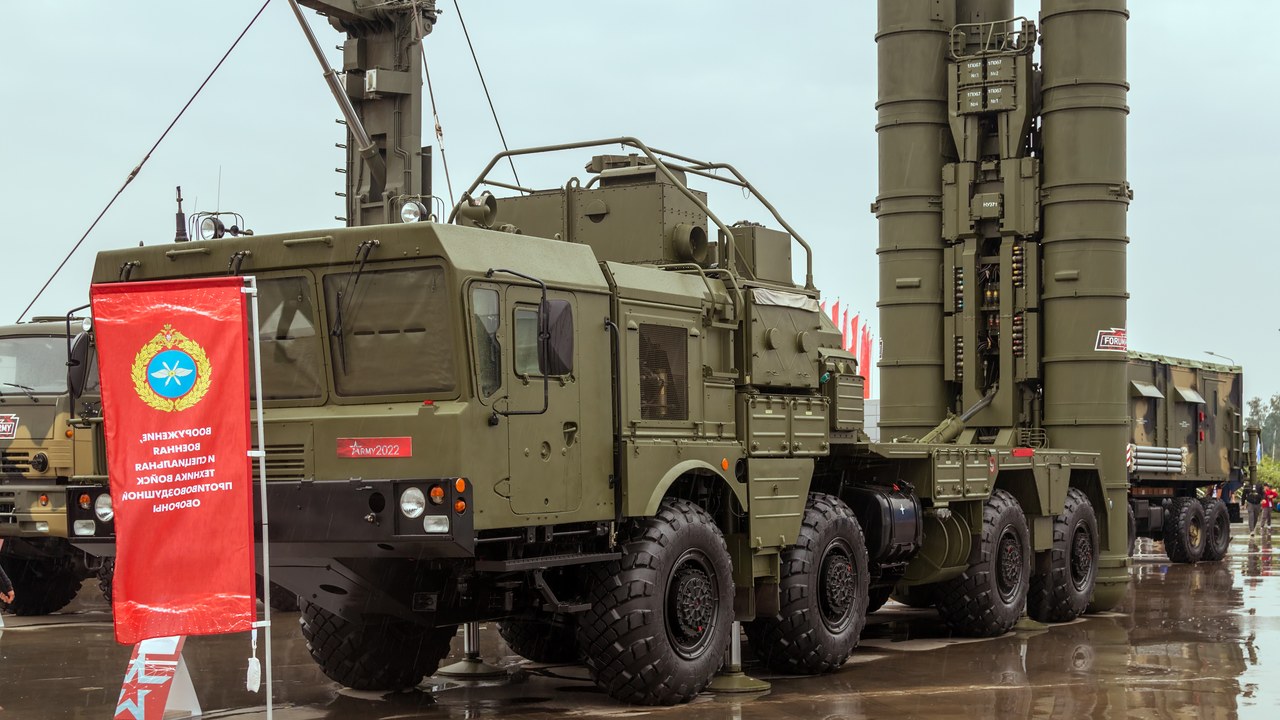
The S-400 Triumf sits with the S-300 in the highest tier of Russia’s three-layer air defense, according to the CSIS Russian page. The page gives both systems air defense bubbles potentially up to 800 km in diameter.
The source groups the two systems rather than separating them, so the shared description applies to the top tier as a whole. Lower layers, handled by shorter-range systems, make up the rest of the three-layer design.
6. Pantsir-S1: Point Defense for Outer Layers
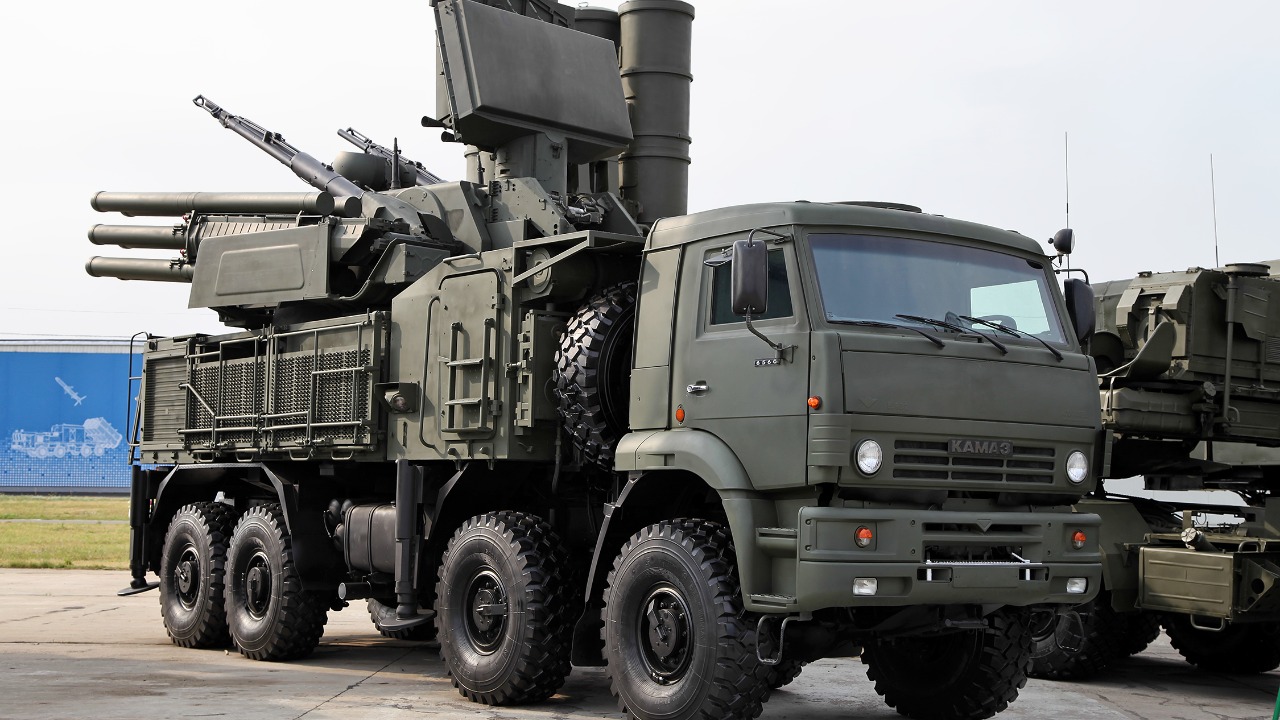
Pantsir-S1 is a point-defense system, one of the systems CSIS says guards the outer layers against low-flying threats such as cruise missiles, in its Russian layered-defense page. Point defense means protecting a specific site rather than a broad area.
The source names it beside the Tor, describing both as point-defense systems. Their job is to cover gaps that longer-range systems at the top tier are not meant to handle, according to the source’s layered description.
7. Tor (SA-15 Gauntlet): Guarding Layers One and Two
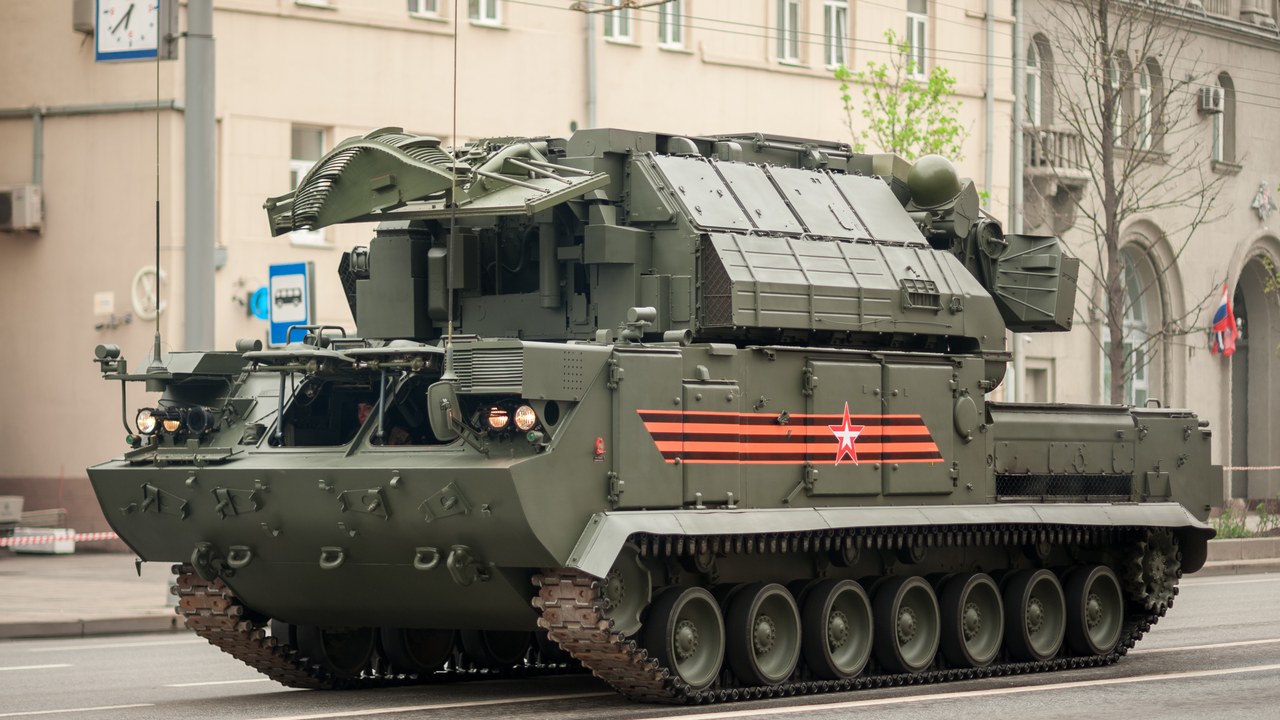
The Tor, also listed as the SA-15 Gauntlet, is a point-defense system that protects the first and second layers against low-flying threats, per the CSIS air defense summary. The source lists it alongside the Pantsir-S1.
The Tor’s role is defined by what it covers: the lower and middle layers of Russia’s three-layer design. As a point-defense weapon, it is meant for shorter-range, low-altitude threats than the long-range systems above it.
8. MIM-104 Patriot: America’s Workhorse
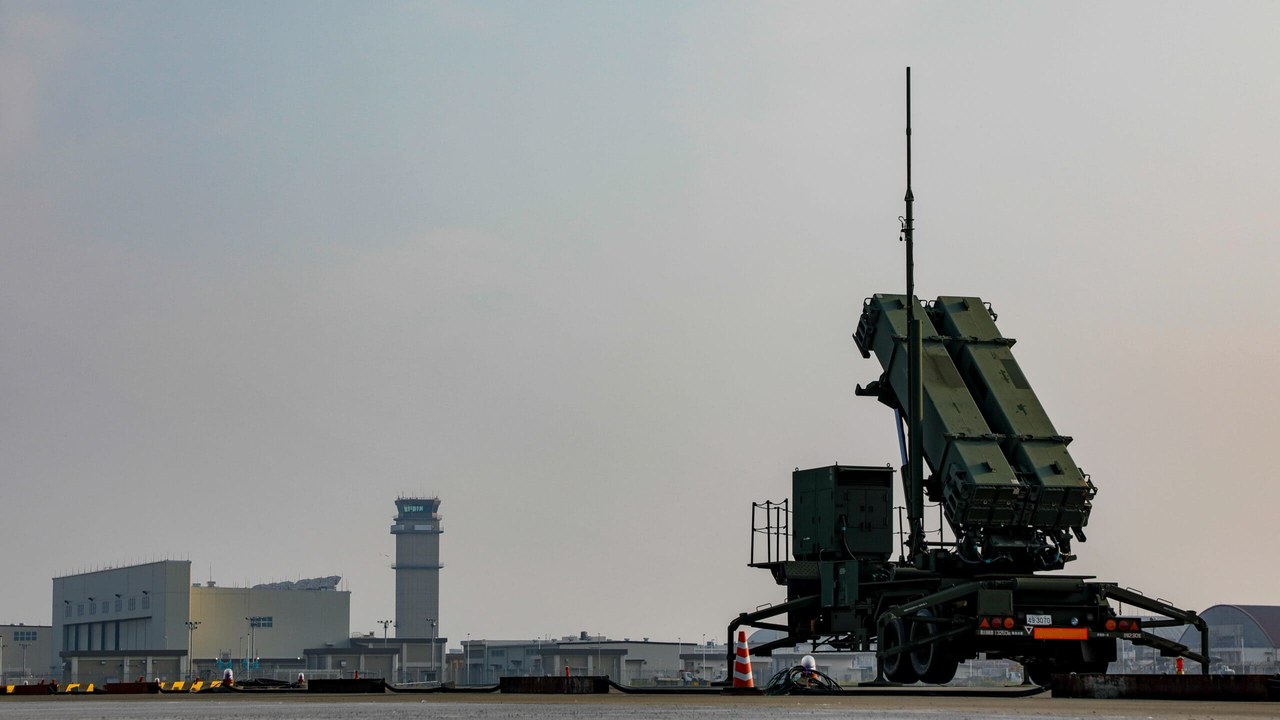
The MIM-104 Patriot is the U.S. Army’s primary air and missile defense system, according to its CSIS Patriot profile. It was first used in combat in the 1991 Gulf War and is now held by 18 countries, including the United States.
The 18-country figure shows how widely the system has spread beyond the American military. The source supplies those facts as background, and it does not claim any particular success rate for the Patriot in combat.
9. THAAD: Terminal-Phase Interceptor
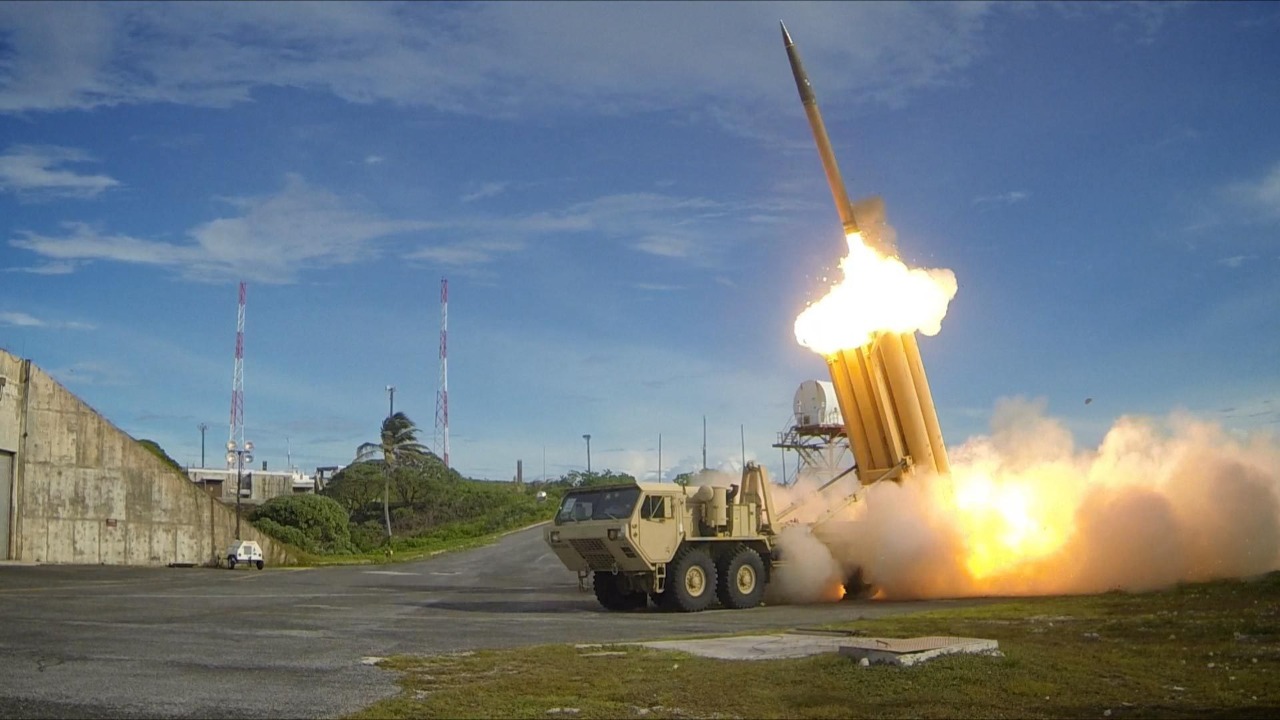
THAAD is a transportable system that intercepts ballistic missiles during their final, or terminal, phase of flight, according to CSIS’s THAAD entry. It uses a hit-to-kill interceptor, destroying the target through impact instead of an explosive warhead.
Transportability is part of the pitch, since the system can be moved to where it is needed. The terminal phase is the last stretch before a missile reaches its target, which is where THAAD is designed to act.
10. Standard Missile 3: The Aegis Interceptor

The primary ballistic missile defense interceptor of the Aegis system is the Standard Missile-3, per the CSIS Aegis page. It destroys warheads by direct collision outside the atmosphere, a hit-to-kill approach.
Operating above the atmosphere puts this interceptor at a different stage of flight from the terminal-phase systems on this list. The source ties it to Aegis, which means it works as part of that larger combat system rather than on its own. The source’s emphasis is on the collision method, not on a kill record.
11. Ground-Based Midcourse Defense: Homeland Defense Interceptors
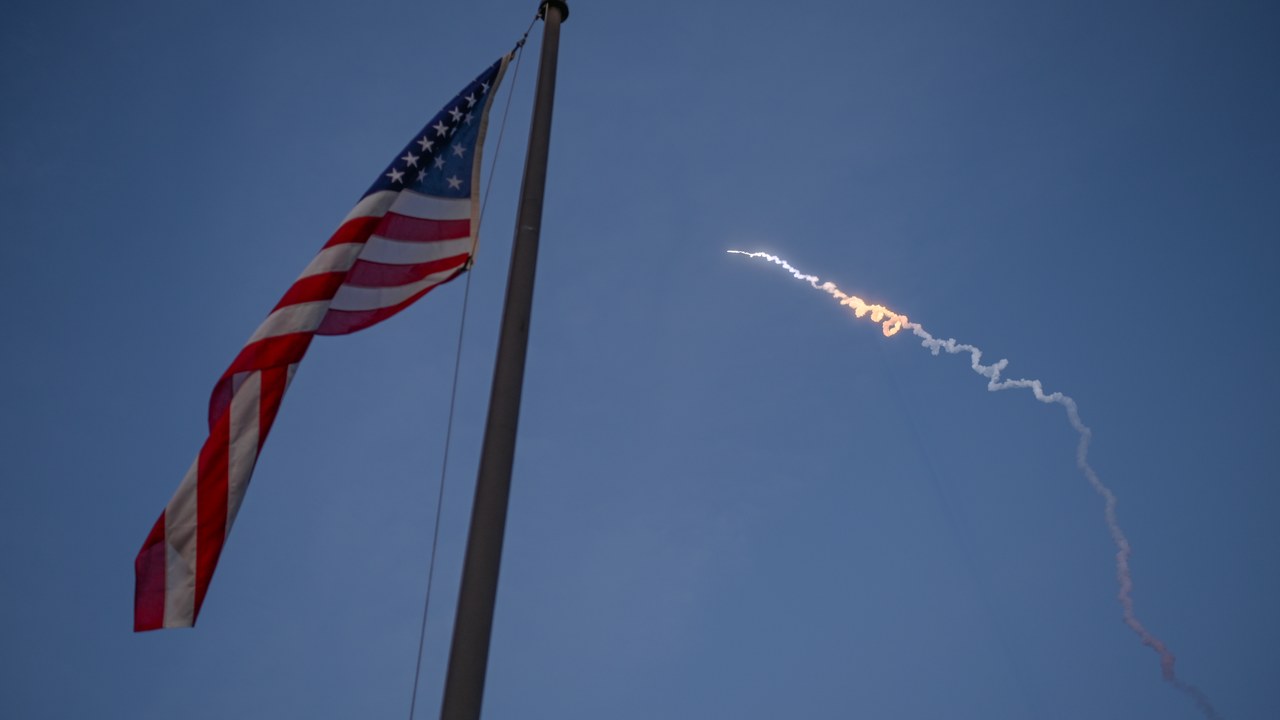
Ground-Based Midcourse Defense is the U.S. homeland missile defense system, with Ground-based Interceptors at Fort Greely, Alaska, and Vandenberg Air Force Base, California, according to its CSIS GMD overview.
The two-site arrangement is the defining detail in the source’s description. Unlike the regional systems elsewhere on the list, this one is described in terms of protecting the United States itself, and the page lists the interceptor locations plainly. Whether the interceptors would succeed is not something this description addresses.
More from Morning Overview
- Winter weather advisories cover I-80, I-70 and the Bighorns with up to 15 inches of snow
- Arizona’s governor declared a statewide emergency after Flagstaff logged its wettest Nov. 1 on record
- Zero Motorcycles unveiled an electric motorcycle targeted at under $8K and a street-legal dirt bike at EICMA
- New FCC rules on how people can stop robocalls and texts take effect Nov. 25
