
The Insurance Institute for Highway Safety tracks how many people die behind the wheel of each vehicle model, measured per million registered vehicle years on the road. Small, lightweight cars and powerful two-wheel-drive muscle cars dominate the worst end of that list, both groups exposed to crash forces their designs cannot absorb. Here are ten vehicles carrying the highest driver death rates the study recorded.
1. Kia Rio: The Study’s Highest Rate

The Insurance Institute for Highway Safety recorded 170 driver deaths per million registered vehicle years for the Rio, the highest figure of any model in its latest driver death rate study. That is more than four times the institute’s 37-death average across all makes and models combined.
The rate reflects registered vehicles on the road, not miles driven, and IIHS adjusts it for driver age and gender but not for how fast or how far a car is typically driven. Small, light vehicles like the Rio absorb less crash energy than larger cars, a physical limit no safety rating can fully offset.
2. Nissan Versa: Second-Worst Small Sedan
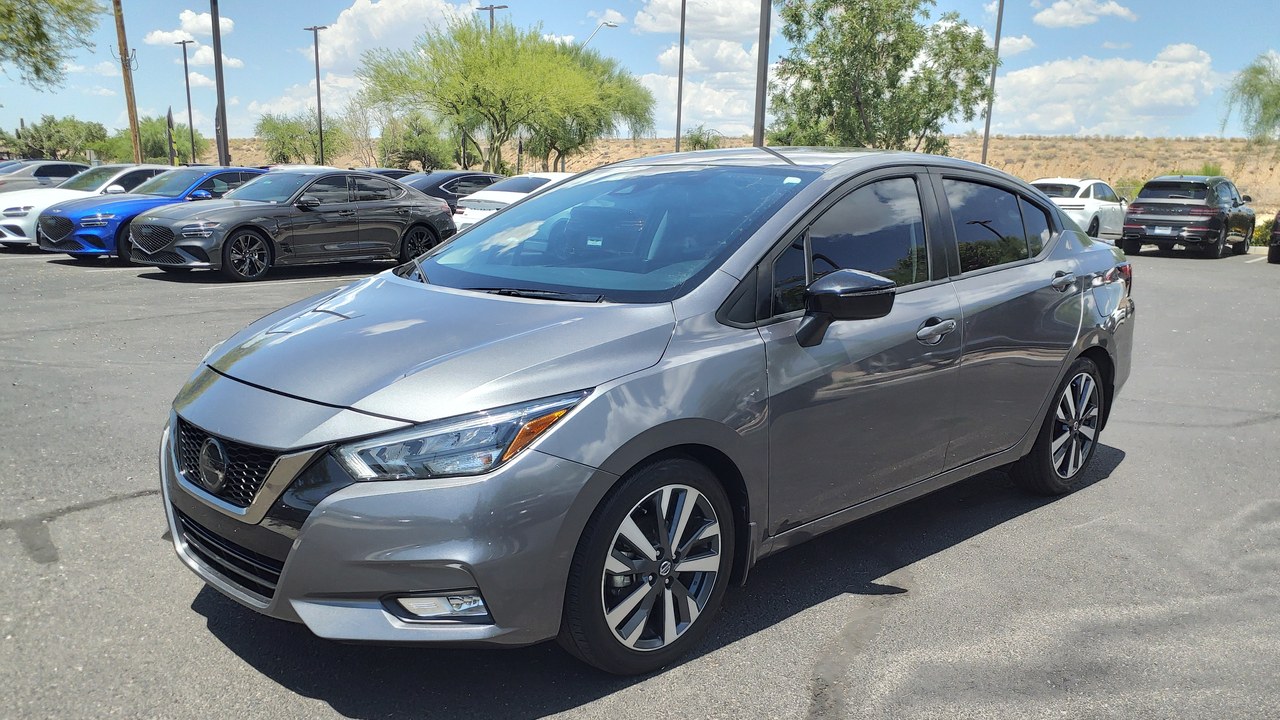
The Versa records the second-highest rate in the IIHS driver death rate study, at 164 driver deaths per million registered vehicle years. Only the Rio tests worse, and the subcompact sedan’s rate remains well above the 37-death average IIHS calculated for all vehicles combined.
Like the Rio, the Versa falls inside the minicar class, where IIHS found an average of 158 deaths per million registration years against 37 across the full fleet. Its small size and low curb weight leave less structure to absorb crash forces in a collision with a larger vehicle.
3. Chrysler 300 2WD: Full-Size Sedan, High Toll
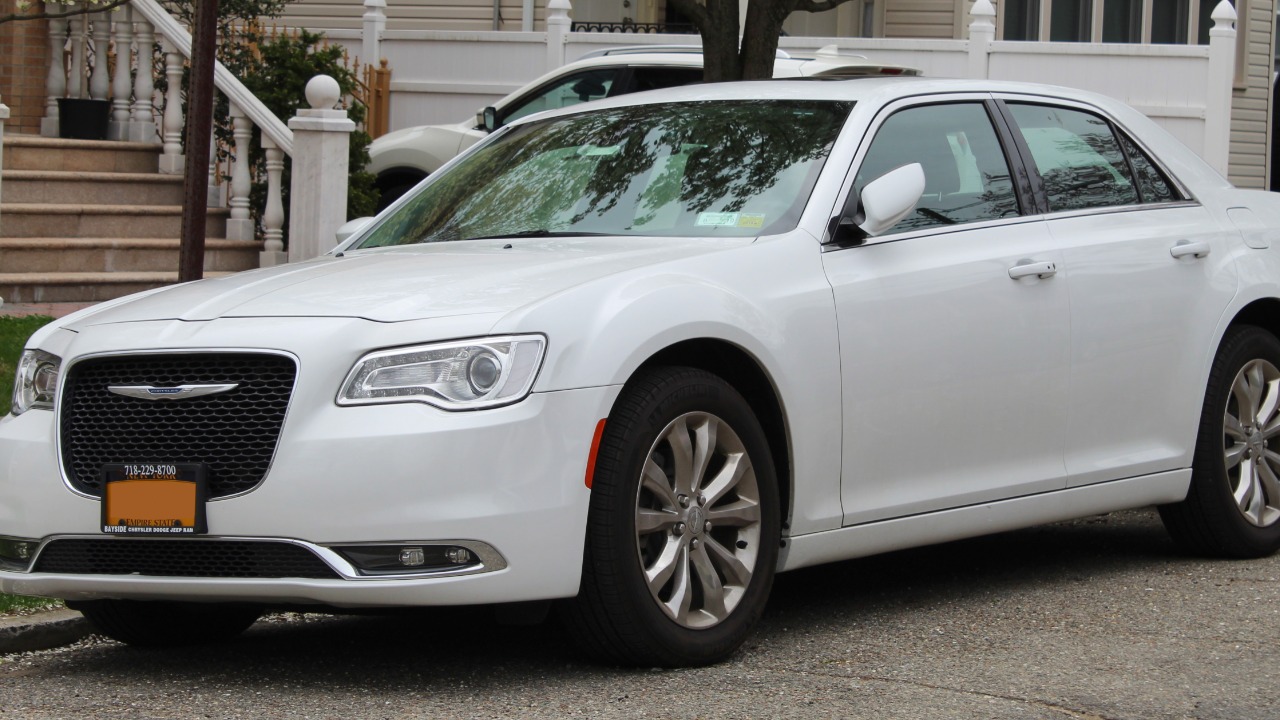
The rear-wheel-drive Chrysler 300 posts 132 driver deaths per million registered vehicle years, according to the same nationwide analysis. That places the full-size sedan well above the 37-death average IIHS recorded across every model it studied, despite its larger size and weight compared with the subcompacts topping the list.
IIHS groups the 300 among large cars, a class that typically posts lower rates than minicars, which makes its result stand out inside its own size category. The rear-drive powertrain and available V8 engine point toward the same powerful-engine pattern the institute flagged across several other vehicles on the list.
4. Dodge Charger HEMI 2WD: Power Cuts Both Ways
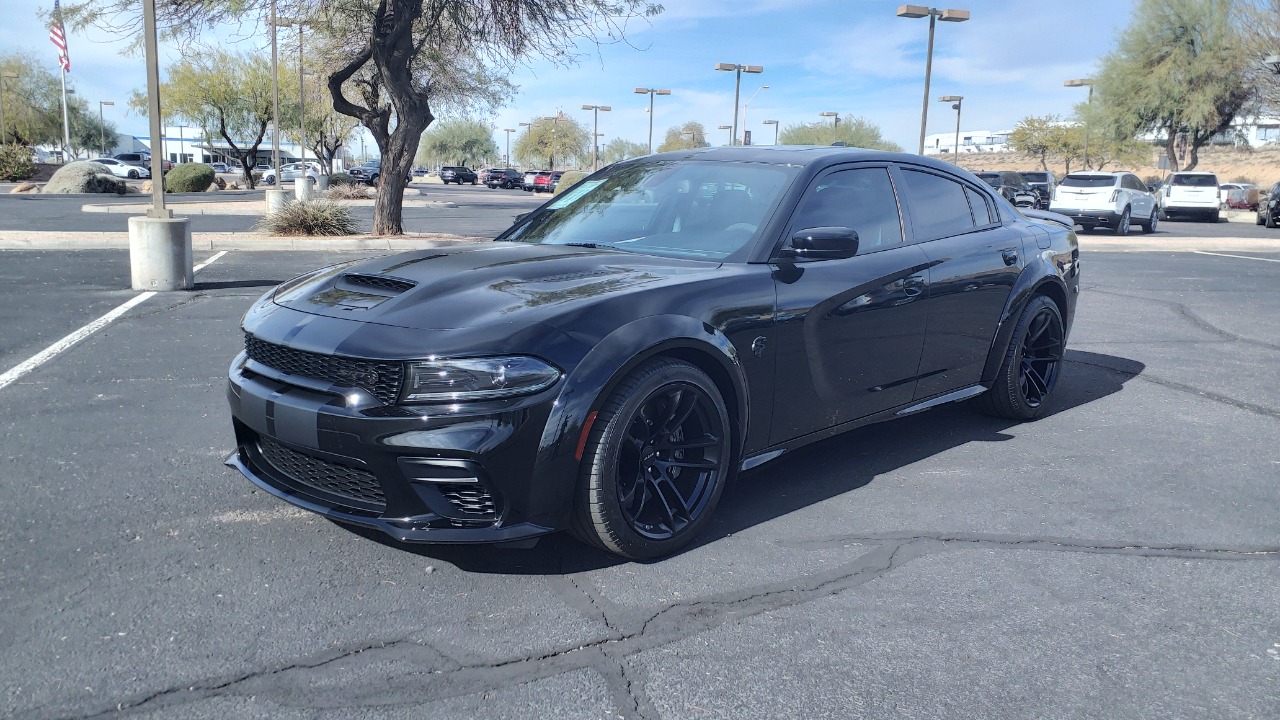
The rear-drive HEMI Charger records 127 driver deaths per million registered vehicle years, and the same IIHS analysis credits it with 161 other-driver deaths per million registration years, the second-worst mark in that separate category. The pairing means the Charger poses elevated risk both to its own driver and to people in vehicles it collides with.
IIHS has linked powerful engines in two-wheel-drive muscle cars to higher rates on both measures, since the same horsepower that appeals to buyers can also raise crash speeds. The HEMI V8 available in this generation of Charger sits at the high end of that engine-power range.
5. Dodge Challenger 2WD: Muscle Coupe, Steep Odds
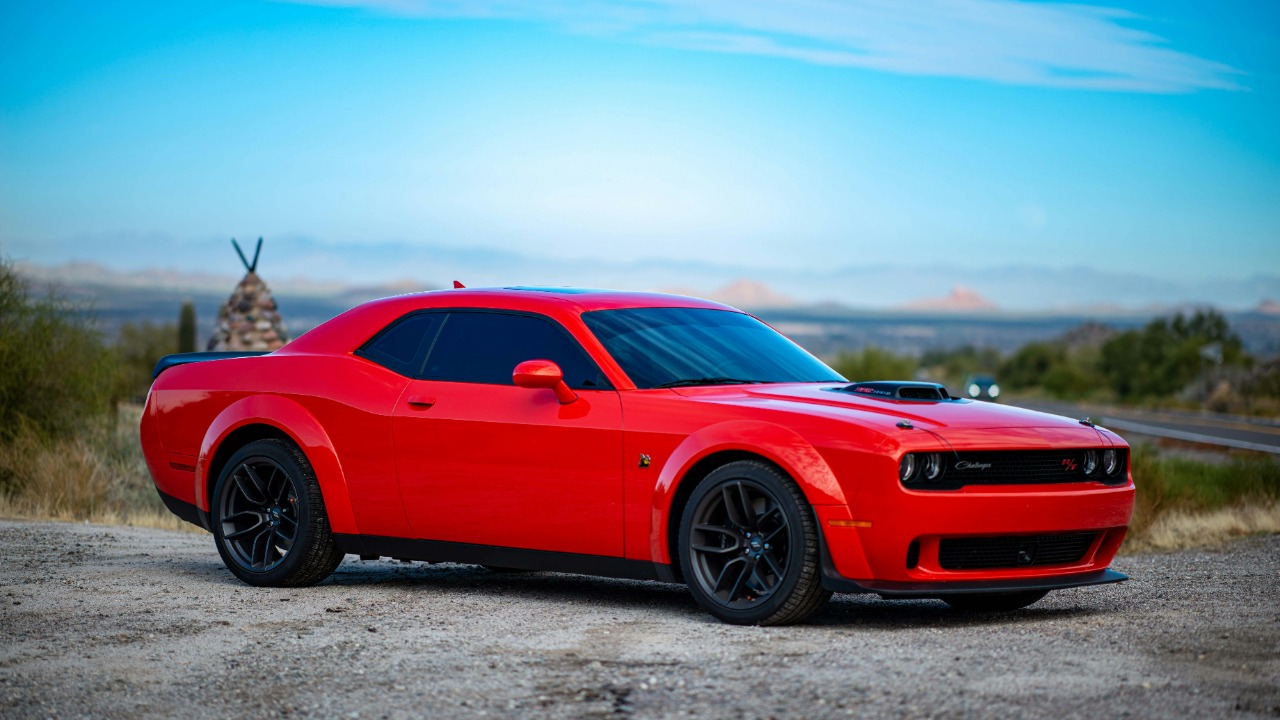
The two-wheel-drive Challenger logs 125 driver deaths per million registered vehicle years, placing the muscle coupe among the highest-rated vehicles in the IIHS driver death rate report. That figure is more than three times the 37-death average the institute calculated across every model in the current study.
Like the Charger, the Challenger is built on a rear-drive platform with high-output engine options, a combination IIHS has repeatedly tied to elevated driver death rates in two-wheel-drive form. All-wheel-drive versions of similar performance cars have historically posted lower rates in the institute’s data.
6. Kia Forte: Compact Sedan, Elevated Risk
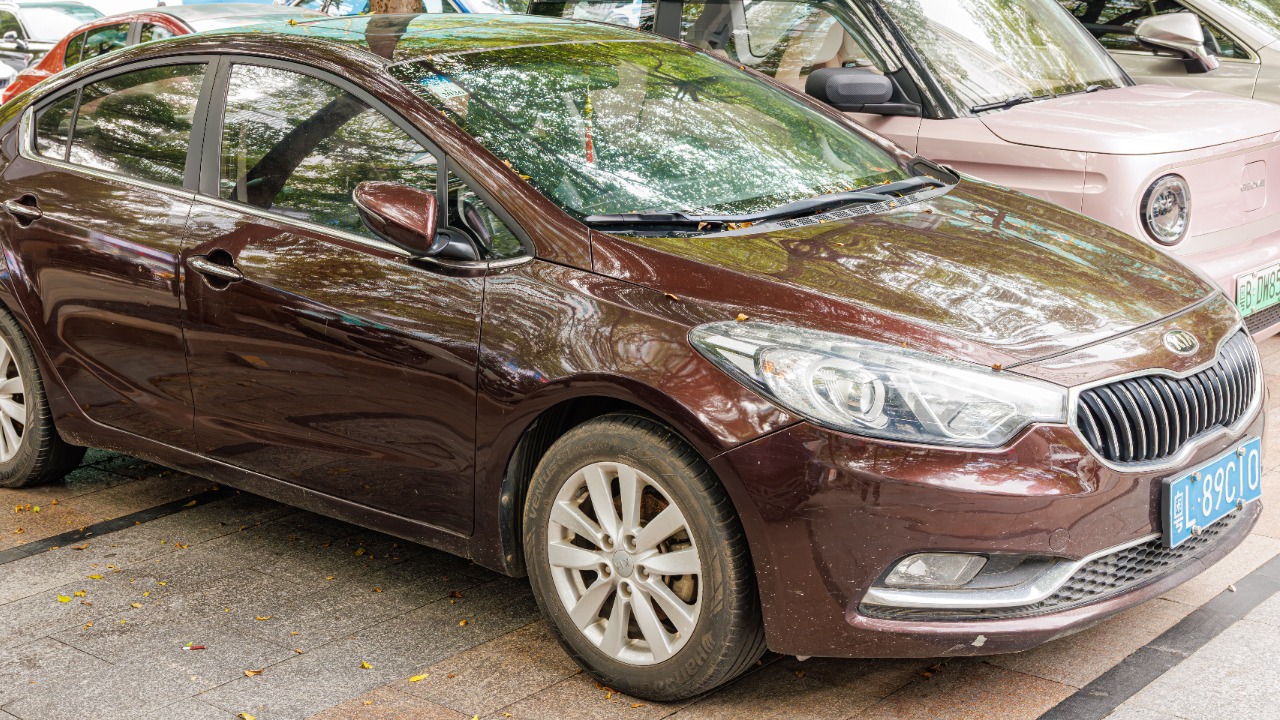
The Forte records 120 driver deaths per million registered vehicle years in the IIHS driver death data, placing the compact sedan among the ten worst-performing models the institute tracked. That rate runs more than three times the 37-death average IIHS measured across its full vehicle sample.
The Forte sits in the compact-car class rather than the minicar segment that dominates the top of the list, showing the pattern extends beyond the smallest models. Its result places it closer to the subcompacts than to larger sedans in the same study.
7. Chevrolet Malibu: On Both IIHS Lists
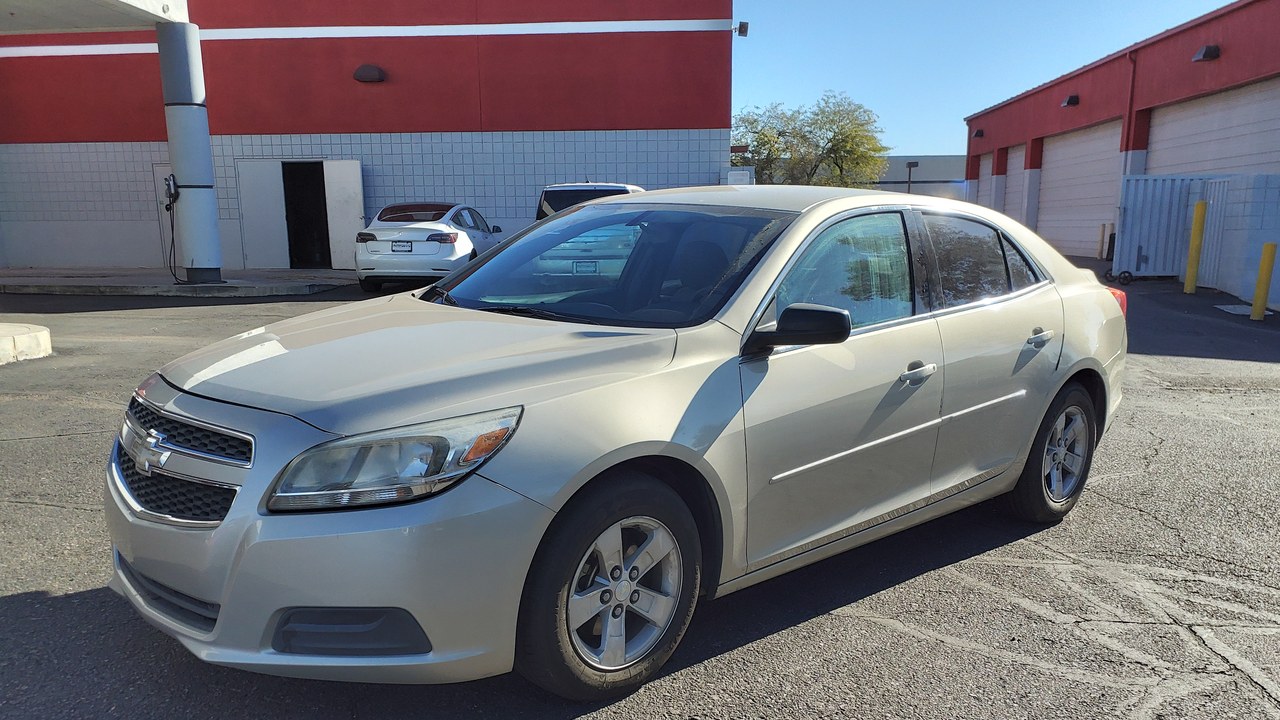
The Malibu records 116 driver deaths per million registered vehicle years and 91 other-driver deaths per million registration years, the only midsize sedan the IIHS study lists among the worst vehicles on both measures at once. That dual ranking sets it apart from most other cars on the list, which tend to score poorly on only one scale.
IIHS ties higher other-driver death rates to a vehicle’s mass and structure, since a heavier or stiffer front end can transfer more force in a crash with another car. The Malibu has ranked among the best-selling midsize sedans in the United States for more than two decades, keeping a large number of them on the road.
8. Hyundai Venue 2WD: Smallest SUV, Highest Rate
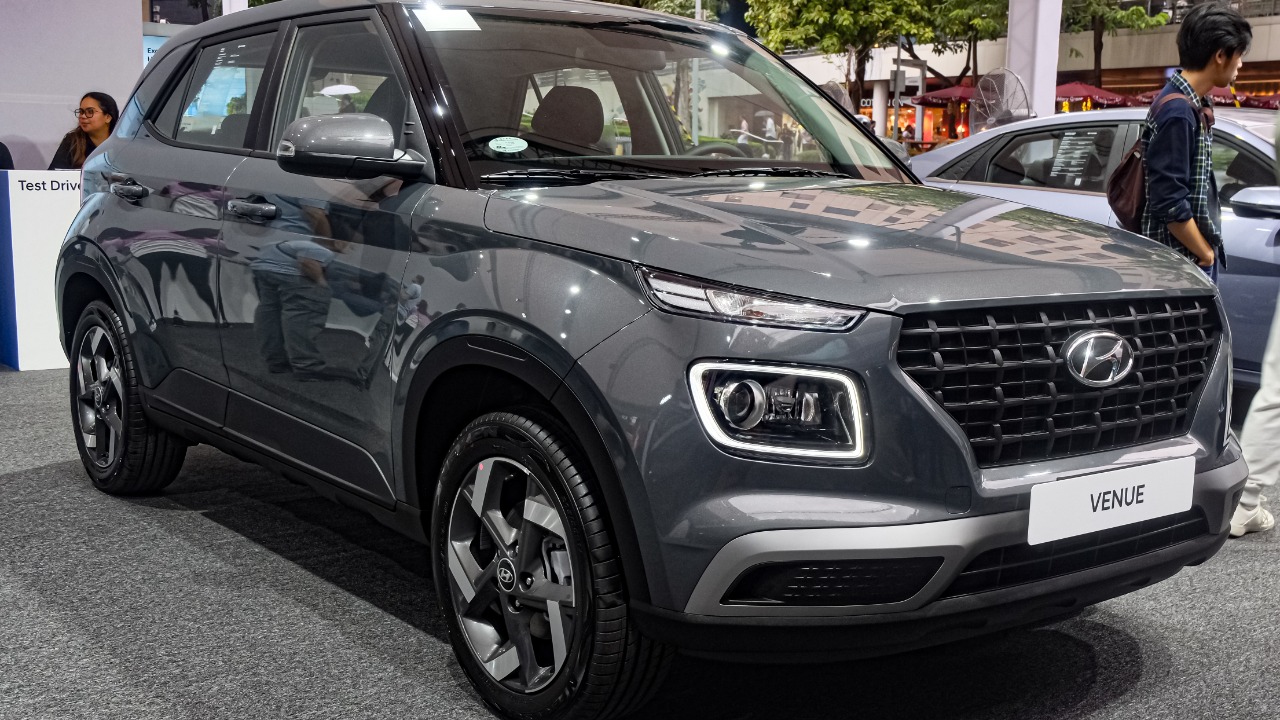
The two-wheel-drive Venue posts 113 driver deaths per million registered vehicle years, according to the carrier management report on the IIHS study, making it the highest-rated small SUV on the list. That rate stands out because SUVs generally post lower driver death rates than small cars in IIHS data.
The Venue is one of the smallest and lightest SUVs sold in the United States, closer in size and weight to a subcompact car than to a typical crossover. Its result suggests small SUVs are not automatically safer than small cars once size and weight are this limited.
9. Nissan Altima: Midsize Sedan, Above Average
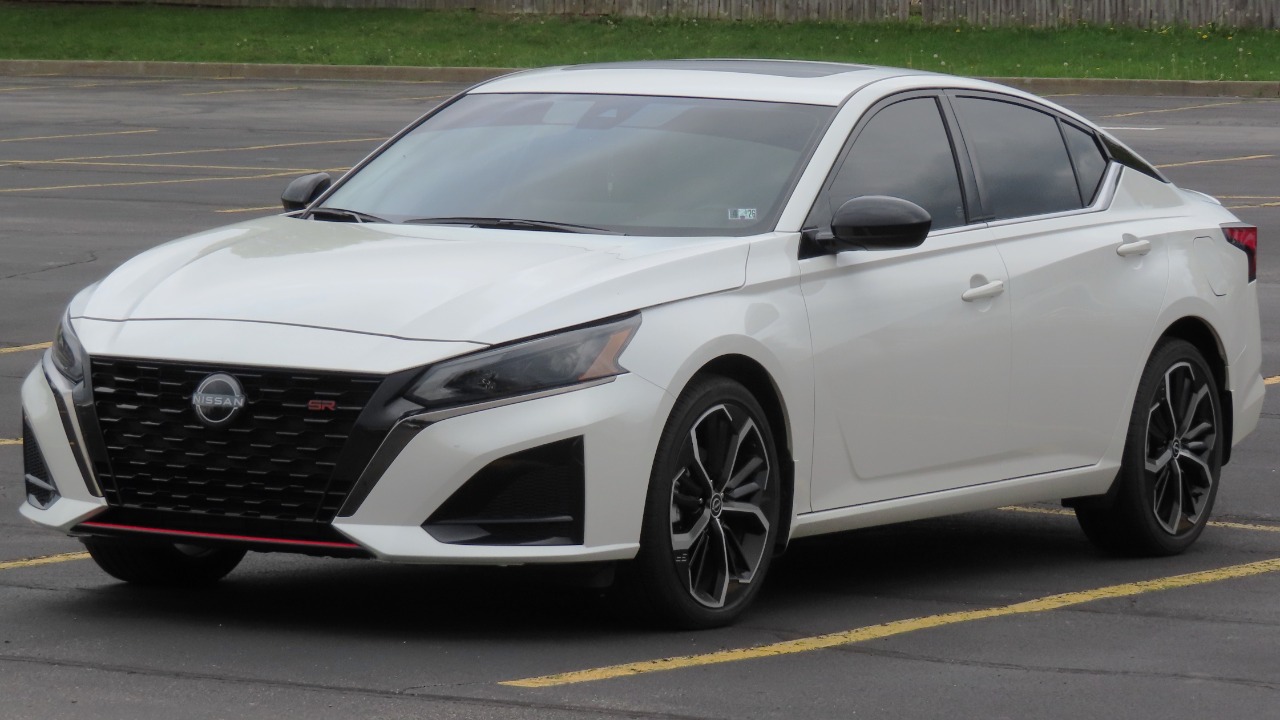
The Altima records 105 driver deaths per million registered vehicle years in the same IIHS tables, nearly triple the 37-death average across all vehicles the institute studied. That places the midsize sedan roughly midway between the extremes of the list, well below the minicars at the top but still elevated against the full fleet.
The Altima has ranked as one of the best-selling midsize sedans in the United States for years, so its rate applies to a large share of vehicles on the road. IIHS notes the rankings reflect deaths per registered vehicle, not the total number of crashes involving each model.
10. Nissan Maxima: Tied With Its Sibling
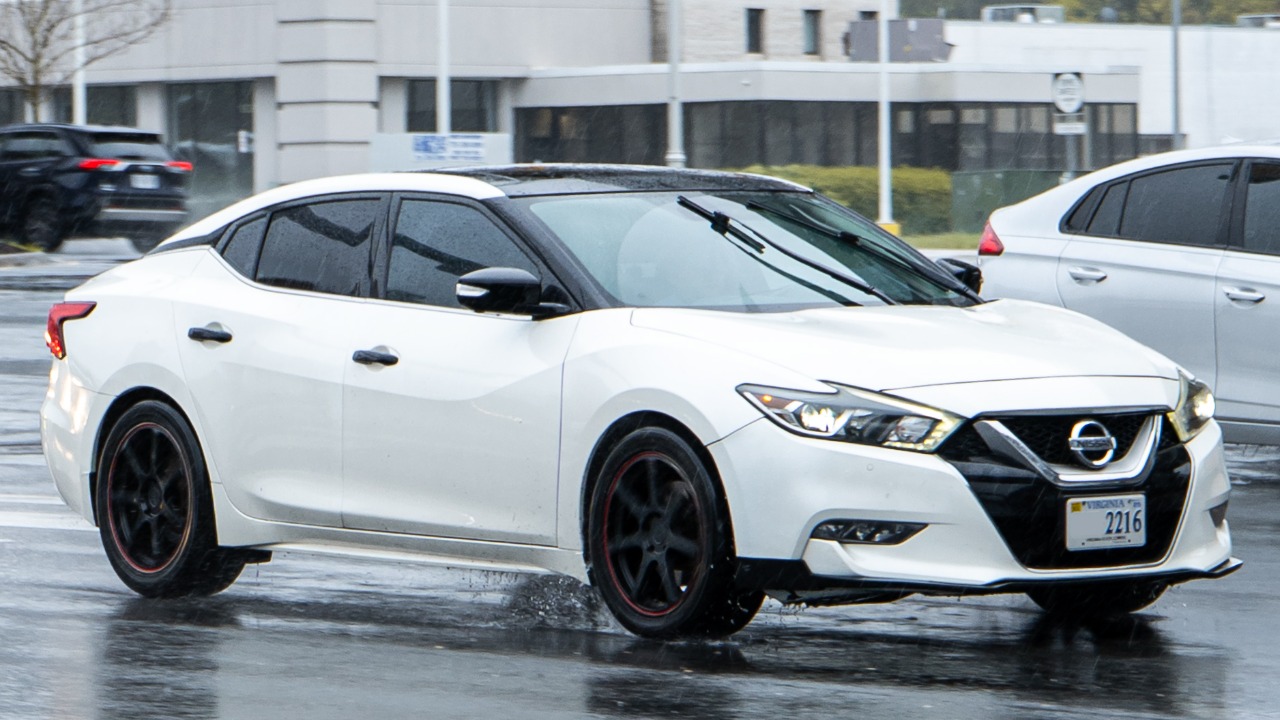
The Maxima ties its Altima sibling at 105 driver deaths per million registered vehicle years, the same carrier management summary of the IIHS study shows. Both Nissan sedans land in the middle tier of the ranking, above the fleet-wide average but well short of the minicars and muscle cars leading the list.
The Maxima was Nissan’s largest sedan before production ended for the US market, positioned above the Altima in size, price and engine output. Two related sedans from the same automaker landing at an identical rate points to shared platform or engine factors rather than pure coincidence.
More from Morning Overview
