
Vehicle theft patterns reflect opportunity as much as desirability: huge sales volumes, valuable parts, and exploitable security gaps all raise exposure. The models that dominate American roads can therefore become especially visible targets, even when individual model years carry different technology. These ten vehicles illustrate the recurring combinations that attract thieves across the United States.
1. Chevrolet Silverado 1500: Volume and Utility Raise Exposure
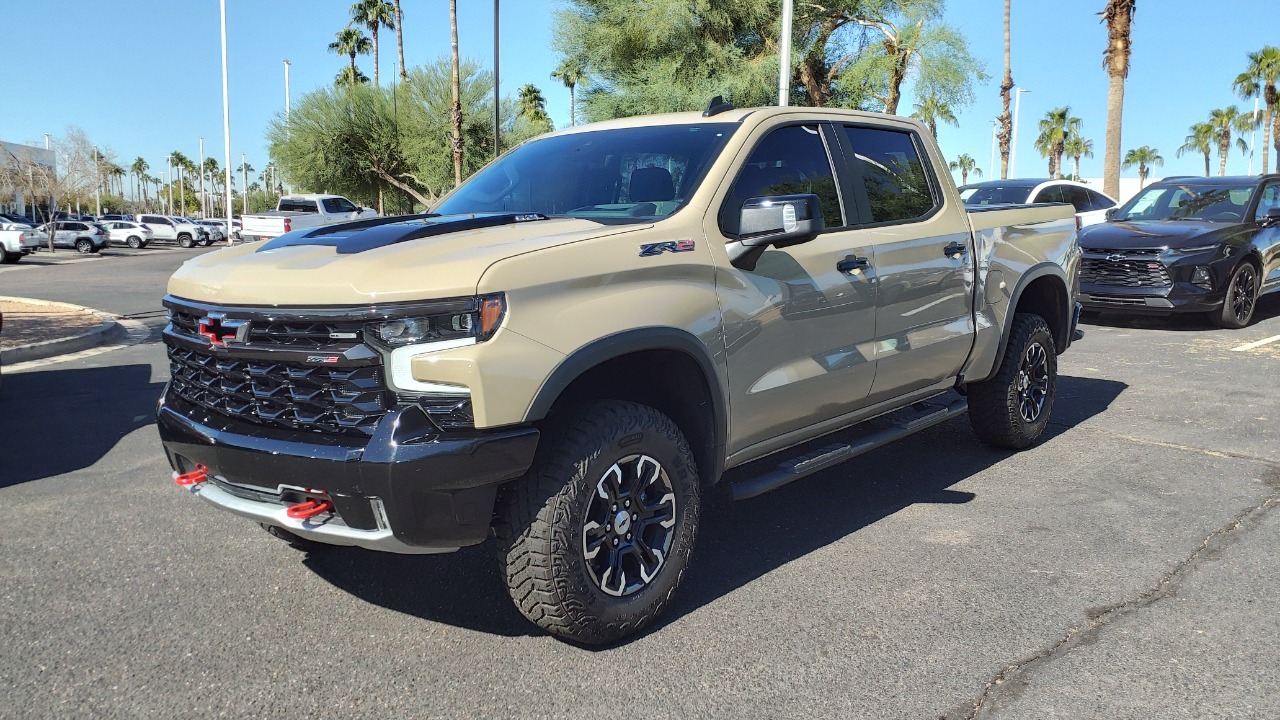
The Silverado 1500 combines national visibility with the utility of a full-size pickup. Its long model history spans several generations and an enormous population of work, fleet, and personal-use trucks. That scale creates two attractions for thieves: complete vehicles retain broad demand, while interchangeable body and mechanical components can feed a large repair market.
Risk is not identical across every Silverado year or trim. Factory security hardware changes over time, and theft conditions vary by region, parking location, and key control. Owners of older trucks can reduce exposure with layered measures such as locked parking, visible steering-wheel barriers, protected keys, and tracking devices rather than relying on one factory system.
2. Ford F-150: A Huge Fleet Creates Opportunity
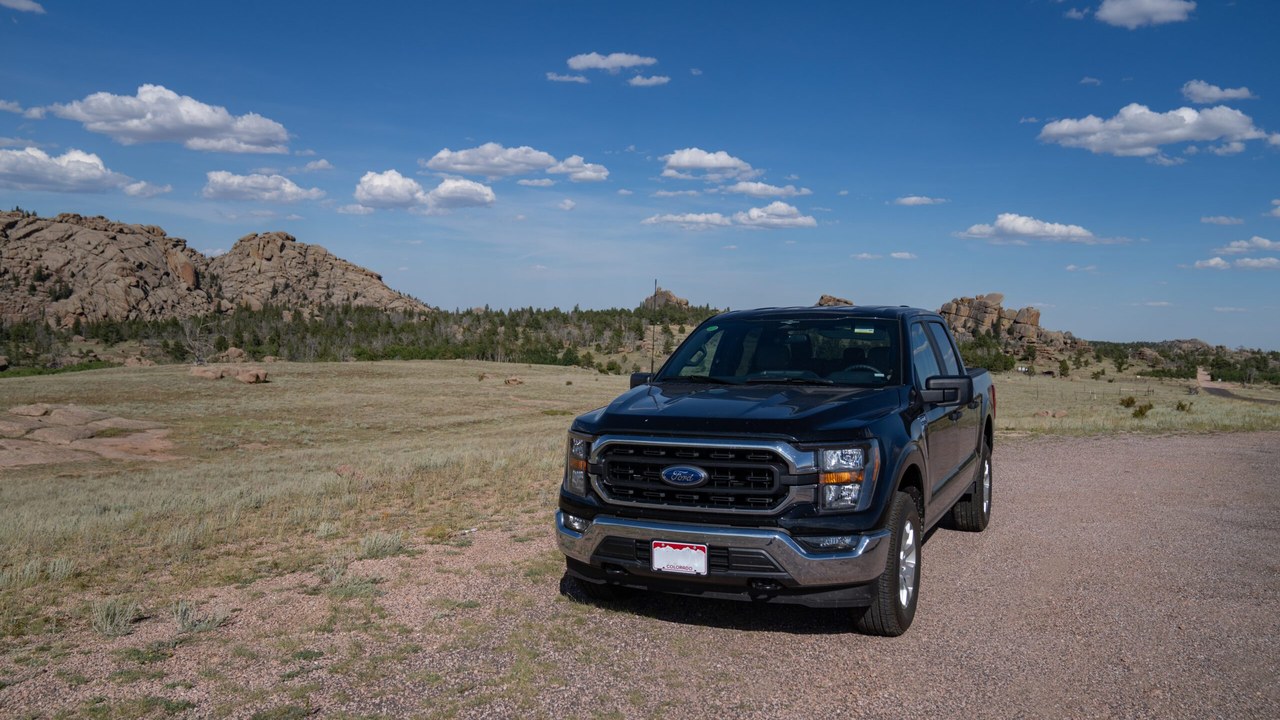
The F-150’s ubiquity makes it difficult for thieves to ignore. The truck’s many generations cover millions of vehicles used by households, contractors, and fleets, creating steady demand for trucks and parts. Popular configurations also spend long periods in driveways, commercial lots, and job sites where predictable routines can create openings for organized or opportunistic theft.
Modern technology does not make every example equally secure. Key-fob handling, unattended spare keys, aftermarket equipment, and parking practices still influence the risk around newer trucks, while older generations may lack current deterrents. A layered approach is strongest: secure keys away from exterior walls, lock valuable tools separately, use visible physical barriers, and enable factory tracking features when available.
3. Honda Accord: Older Cars Keep Parts Demand High
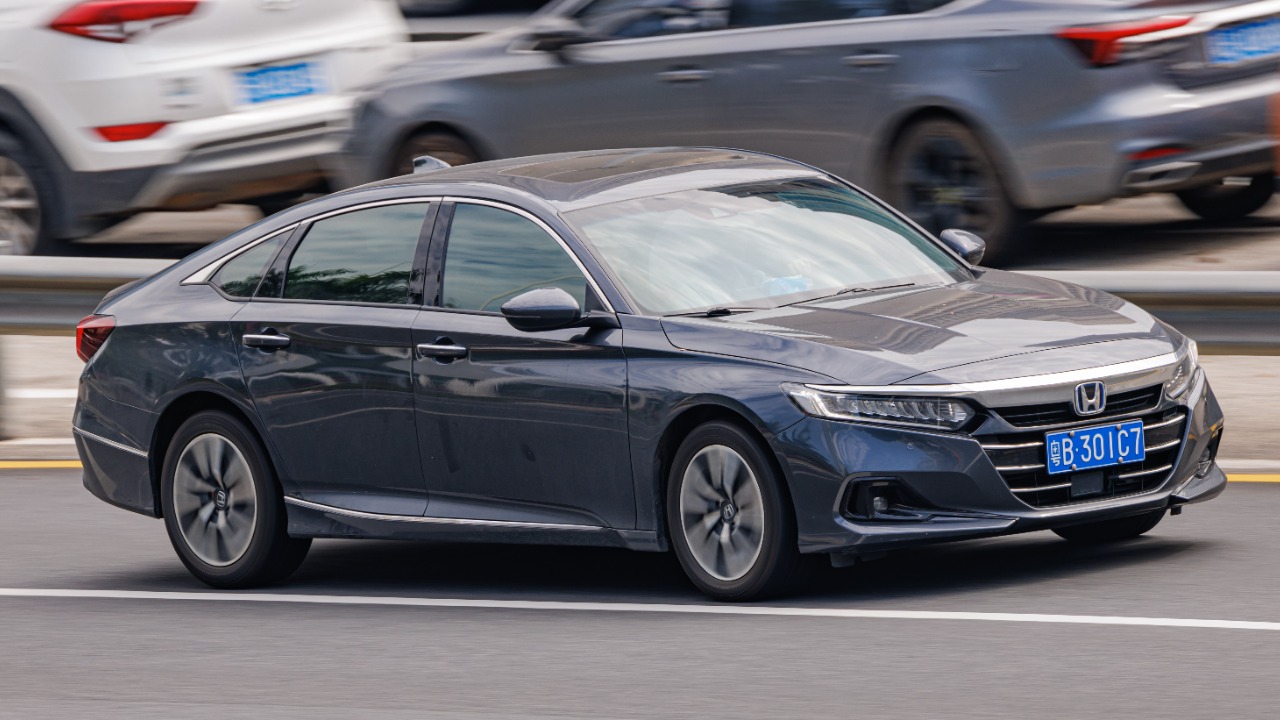
Accords remain common long after their original sale, and that longevity can sustain demand for replacement components. The model’s history reaches across numerous generations, with older sedans and coupes still serving as daily transportation. A plentiful vehicle population gives stolen parts a ready field of compatible cars, while familiar designs can be easier for experienced thieves to recognize quickly.
The risk surrounding a 1990s Accord differs from that surrounding a current sedan. Immobilizers, key systems, and factory alarms evolved, so model year matters alongside the badge. Older examples benefit from visible mechanical locks, improved alarms, secure nighttime parking, and discreet tracking. Documentation of identifying information can also help police and insurers if prevention fails.
4. Honda Civic: Sheer Numbers Sustain the Risk
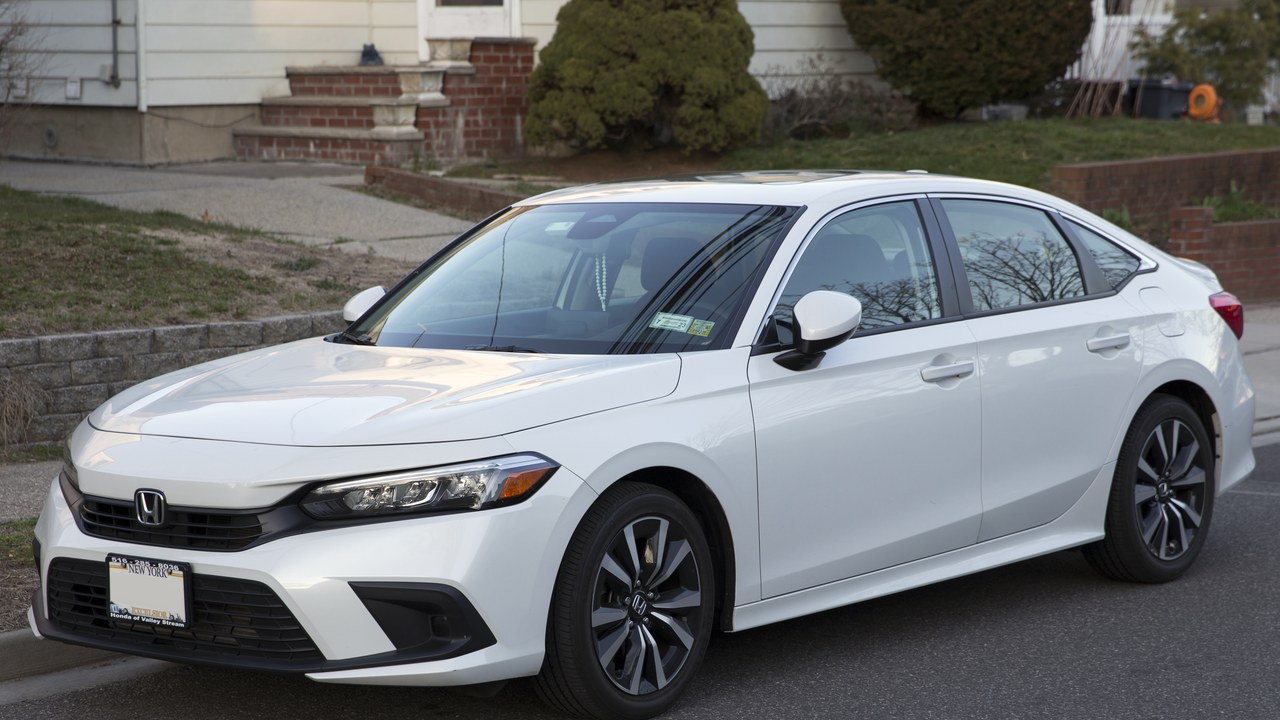
The Civic presents the same exposure as the Accord on a broader compact-car footprint. Its multi-generation production run includes hatchbacks, sedans, and coupes widely used across the country. High visibility, long service lives, and parts commonality make the nameplate familiar to legitimate repairers and thieves alike, especially where older models lack newer security layers.
A Civic’s age and exact configuration matter more than the reputation alone. Newer immobilizers may discourage one technique without preventing key theft, wheel theft, or towing, while older cars can need additional physical deterrents. Well-lit parking, locked keys, wheel locks where appropriate, an audible alarm, and a hidden tracker create overlapping obstacles that make a nearby easier target more attractive.
5. Hyundai Elantra: A Security Gap Fueled the Surge
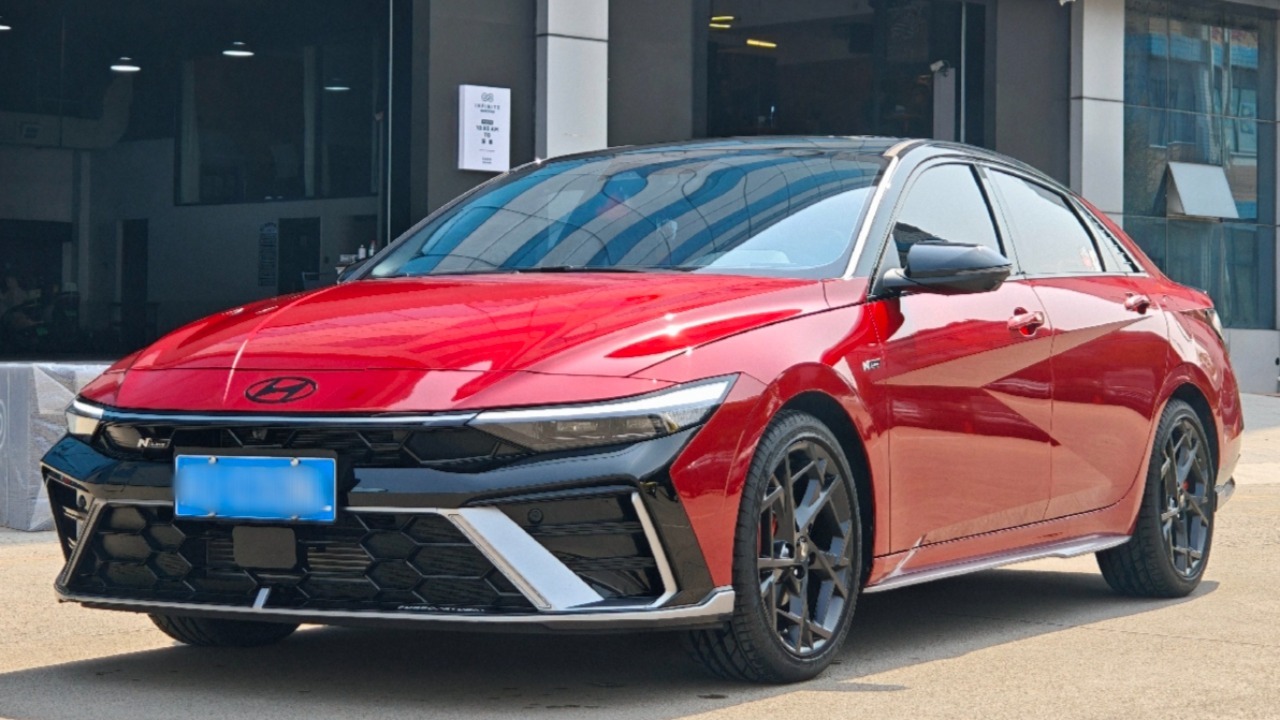
The Elantra became central to a publicized theft wave involving certain key-start Hyundai and Kia vehicles that lacked engine immobilizers. The Elantra nameplate spans generations, so the vulnerability does not describe every car carrying the badge. Still, circulation on social media increased attention around affected model years and made attempted theft damaging.
Owners need year-specific information, not a blanket assumption about the line. Applicable software updates, campaign remedies, steering-wheel locks, secure parking, and comprehensive insurance play different roles. Visible deterrents matter even after a technical fix because a thief may break a window before recognizing updated hardware. Push-button-start vehicles use different security designs but still benefit from careful key storage.
6. Kia Optima: The Immobilizer Wave Hit Hard
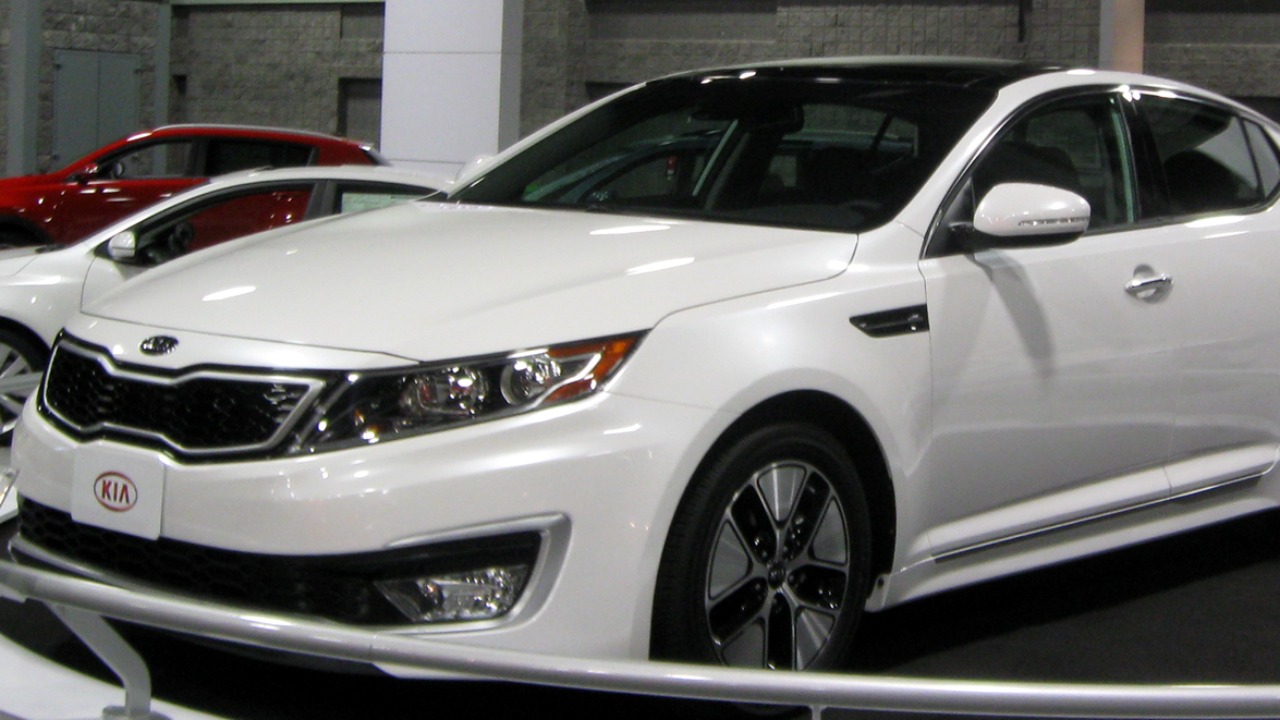
Certain Optimas were swept into the same key-start theft phenomenon as affected Hyundais. The sedan’s generational history shows why precision matters: the Optima name covers different designs, powertrains, and security configurations rather than one identical vehicle. Yet the technique raised risk for vulnerable years and created collateral damage through break-ins and failed attempts.
Protection begins with confirming the exact model year, ignition type, and available manufacturer remedy. A completed update should be paired with a visible steering-wheel lock where recommended, because deterrence can prevent a window from being broken in the first place. Secure nighttime parking, removal of valuables, strong insurance coverage, and a tracker add layers for cars that remain exposed in high-theft areas.
7. Toyota Camry: Popularity Keeps It Visible
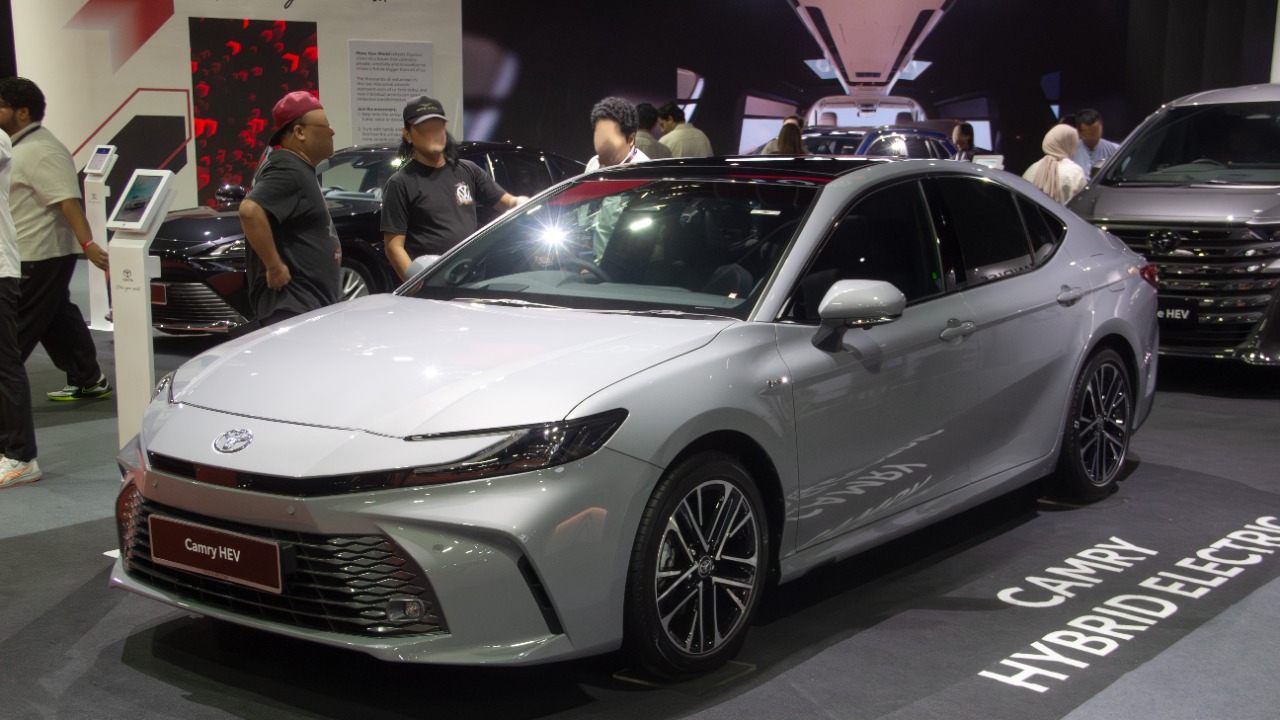
The Camry’s appeal to thieves begins with the quality that makes it practical: there are many of them. The long-running sedan spans numerous generations, and older examples remain common in daily use. That population supports demand for replacement panels, wheels, electronics, and mechanical parts while giving stolen cars less visual novelty in traffic.
Broad theft counts do not mean every Camry has the same vulnerability. Age, trim, key technology, wheel design, and local patterns change the threat. Owners can reduce opportunity through protected key storage, locked and illuminated parking, wheel locks when appropriate, and an independent tracker. A visible steering-wheel lock also adds time and noise, two conditions thieves seek to avoid.
8. GMC Sierra 1500: Silverado Hardware Shares the Exposure
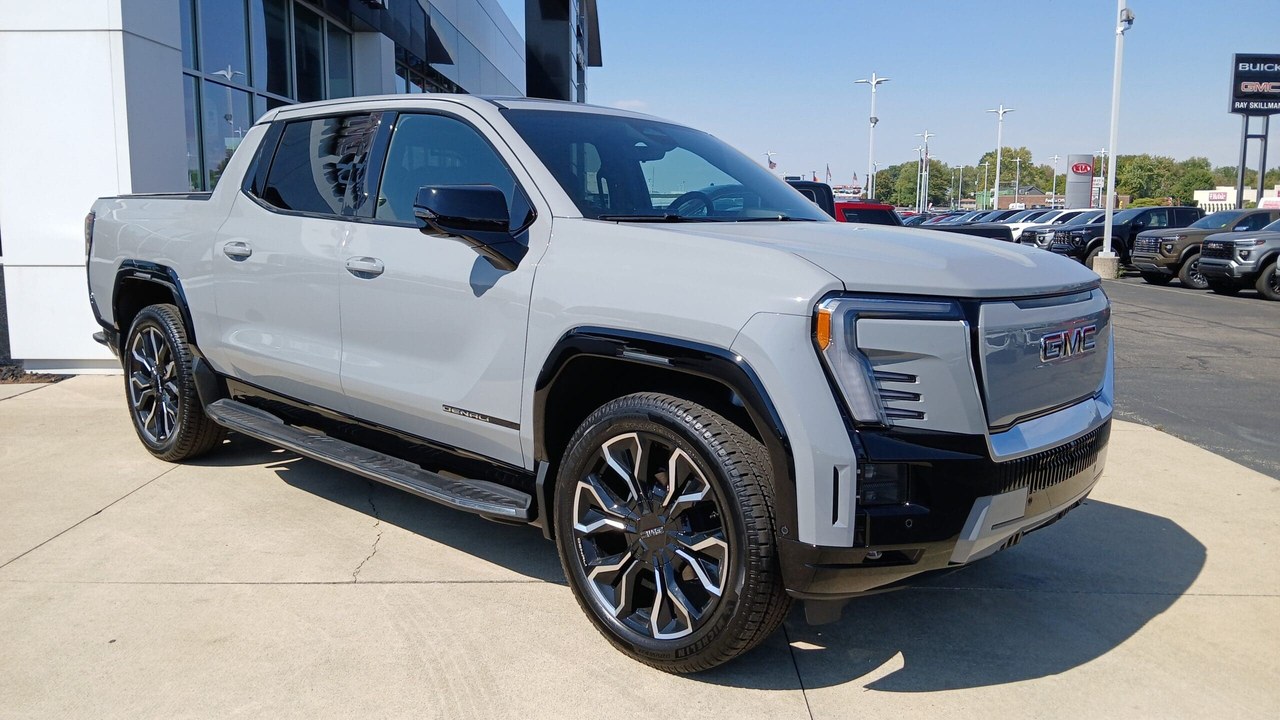
The Sierra 1500 shares engineering and market position with Chevrolet’s Silverado. Its model lineage covers full-size pickups sold in large numbers for work and personal use, producing valuable components and compatible vehicles. High-trim trucks add expensive wheels, electronics, and interior parts to the attraction of the complete pickup.
Truck owners face more than the possibility of losing the vehicle itself. Tools, trailers, tailgates, wheels, and cargo can be separate targets, so factory locks address only part of the exposure. Secure storage boxes, trailer locks, protected keys, cameras, visible steering barriers, and tracking systems work best as a package. Parking orientation and lighting can also limit access to vulnerable exterior components.
9. Kia Sportage: The Viral Method Reached Crossovers
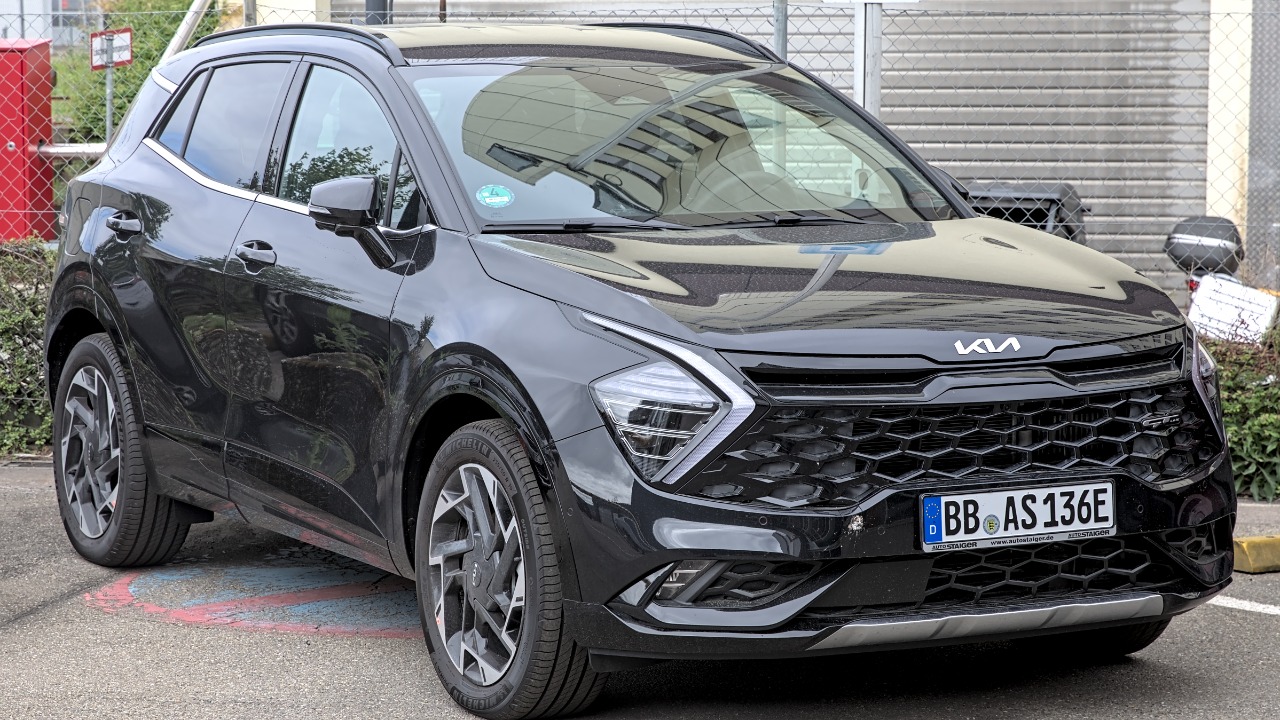
The Sportage shows that the key-start theft wave was not limited to compact sedans. Across its several generations, the crossover used different platforms and security equipment, but affected years were pulled into the social-media-driven pattern associated with missing immobilizers. The badge’s visibility could also invite attempts against vehicles that did not share the vulnerable configuration.
That distinction makes model-year verification essential. Owners should confirm campaign eligibility, complete applicable remedies, and use any recommended visible lock. Good lighting, secure parking, a tracker, and comprehensive coverage reduce consequences that software alone cannot address. Newer or differently equipped Sportages still require normal key security, since theft by stolen or relayed credentials follows another path.
10. Hyundai Sonata: Missing Immobilizers Changed the Risk
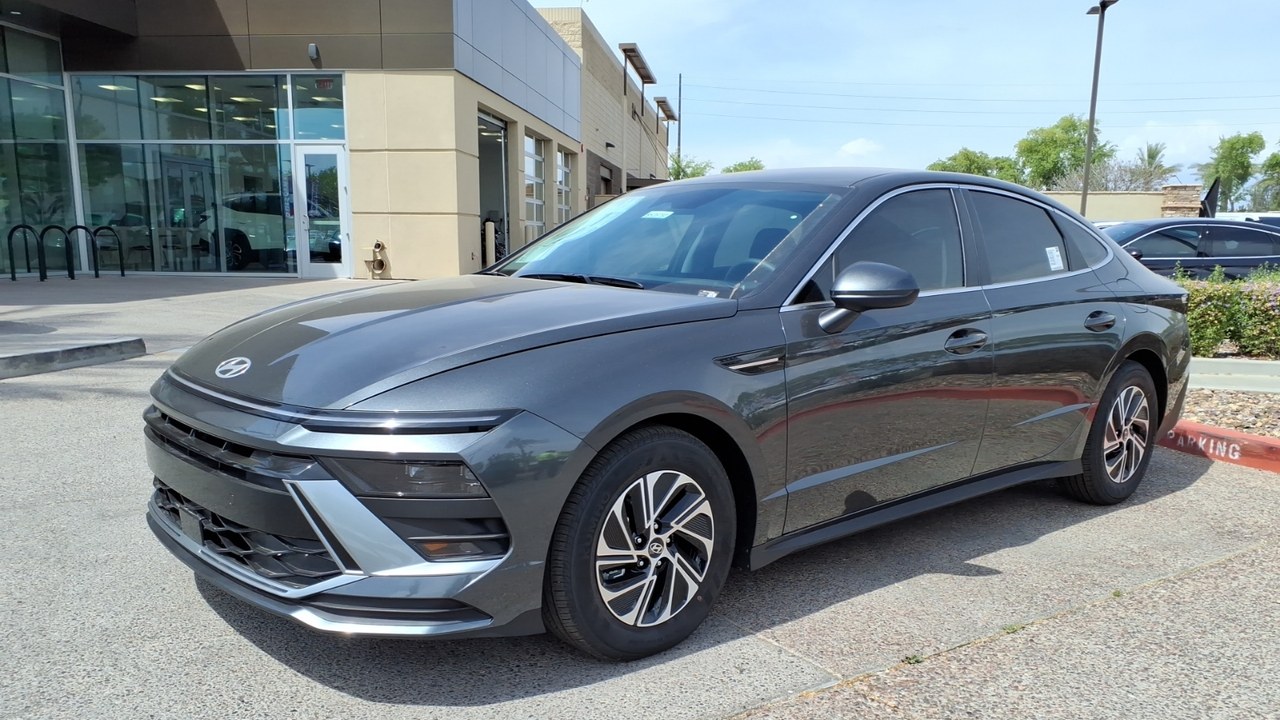
The Sonata’s theft exposure rose with the vulnerability affecting certain key-start vehicles in the Hyundai and Kia families. Its production history spans distinct generations, so the missing-immobilizer issue belongs to specific years and configurations rather than every Sonata. Shared demonstrations lowered the knowledge barrier for attempts and increased damage even when a car was not taken.
A sound response combines the manufacturer’s remedy with deterrence obvious through the window. Steering-wheel locks, removal of valuables, secure parking, updated insurance, and a hidden tracker address different stages of risk. Push-button-start Sonatas use different systems, but owners still need to protect smart keys from theft or relay and should enable factory alerts when supported.
More from Morning Overview
- Scientists spotted a rare tusked whale alive at sea for the first time, then fired a crossbow at it.
- A Colorado wildfire forced level-three ‘leave now’ orders across Ouray County
- A skeleton beneath Petra’s Treasury was found clutching a chalice that resembles the Holy Grail
- 8 SUVs mechanics are quietly steering buyers away from in 2026
