
Hands-free highway driving has moved from a showroom curiosity to a feature spread across mainstream nameplates, pickups and family SUVs included. The catch is that access runs through subscriptions, option packages and trim limits that differ sharply by brand. Here are ten models where the driver can take both hands off the wheel on mapped highways.
Save more, waste less: The Cool Down’s newsletter sends smart, simple changes that help you and the planet in your everyday life.
We may earn a commission if you sign up.
1. Ford Mustang Mach-E: Subscription Entry Point
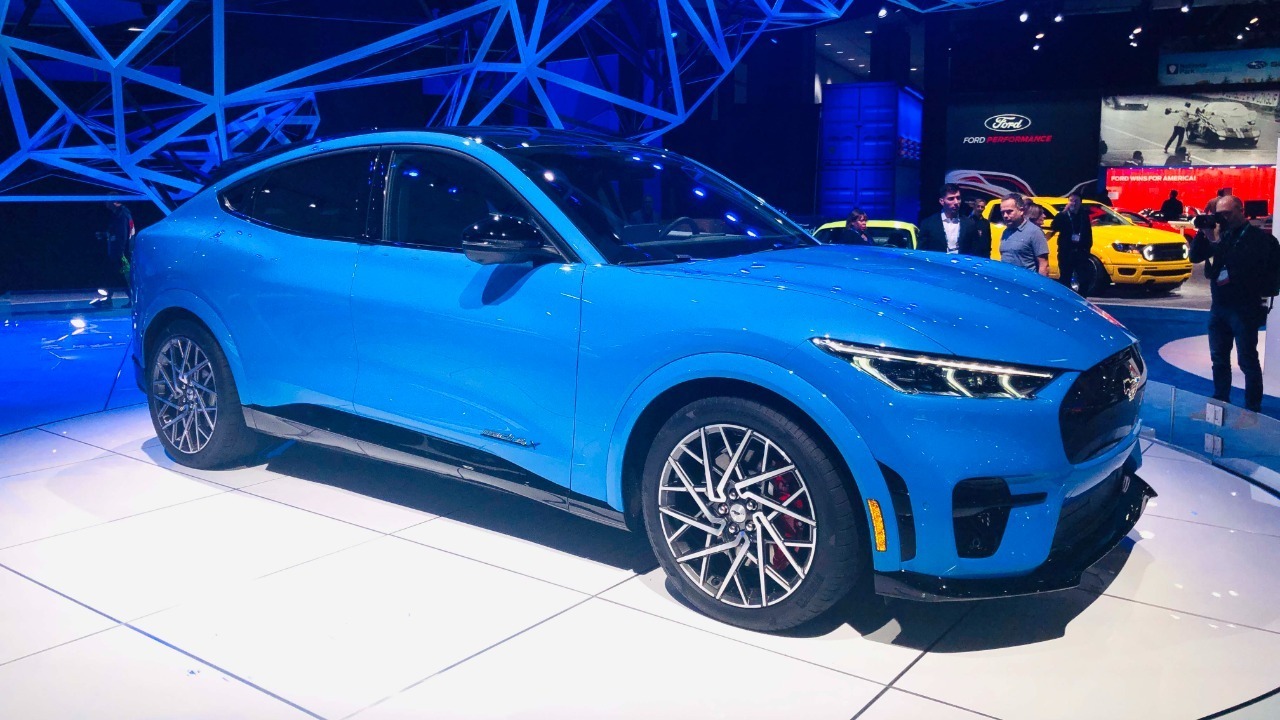
Ford lists the Mach-E among its BlueCruise models, and the BlueCruise pricing page spells out the cost of keeping the system running: $49.99 a month or $495 a year, following a three-month trial. That makes the electric crossover one of the cheapest ways in, at least up front.
Subscription pricing suits owners who only want hands-free driving for road trips, since a month can be bought without a long commitment. Anyone planning to keep the car for years should weigh the recurring fee against the one-time purchase Ford offers elsewhere in its lineup.
2. Ford Expedition: Pay Once, Own It
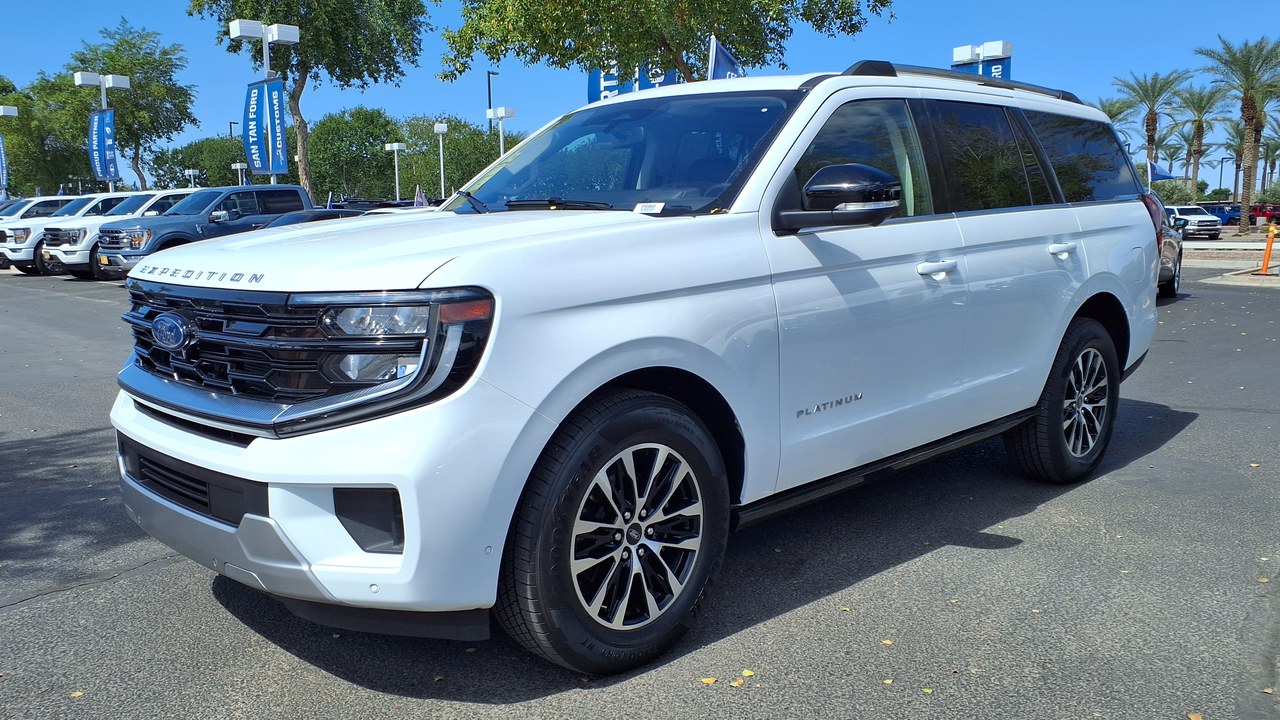
The Expedition offers BlueCruise, and Ford’s one-time purchase option costs $2,495 through a dealer, unlocking the system permanently. Ford says that works out 28% cheaper than renewing the annual plan for seven years, which turns a software feature into something closer to a fixed asset.
Large SUV buyers tend to hold vehicles for a long stretch, so the permanent unlock suits that pattern better than a yearly renewal. The savings claim comes from Ford itself and assumes a full seven years of use, so shorter ownership changes the math.
3. Ford Explorer: Eyes Still Required
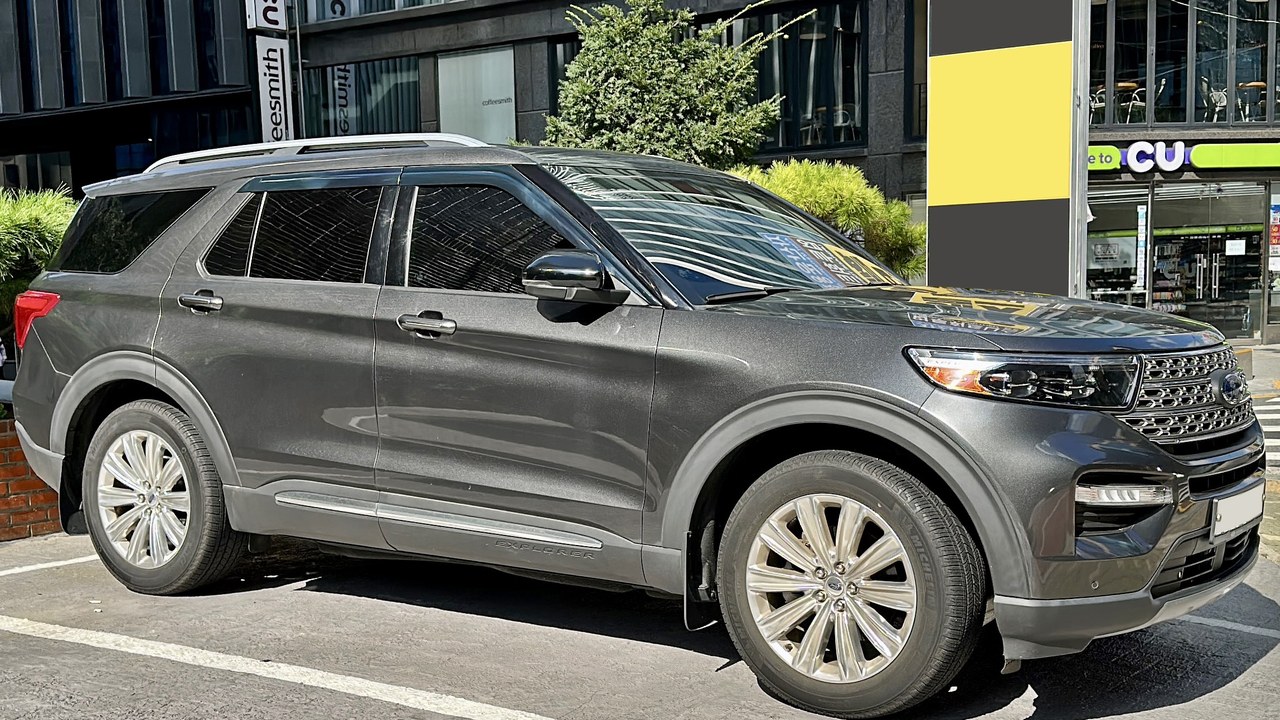
The Explorer is BlueCruise-capable, and Ford’s driver monitoring description explains the trade for taking hands off the wheel: a driver-facing camera tracks where the driver is looking. If attention drifts from the road, the system is designed to prompt a return of focus.
For a three-row family hauler, that monitoring is the real safeguard, because hands-free does not mean attention-free. Shoppers should treat the feature as a fatigue reducer on long highway stretches and expect the car to insist that eyes stay forward.
4. Cadillac Lyriq: Electric Luxury Pioneer
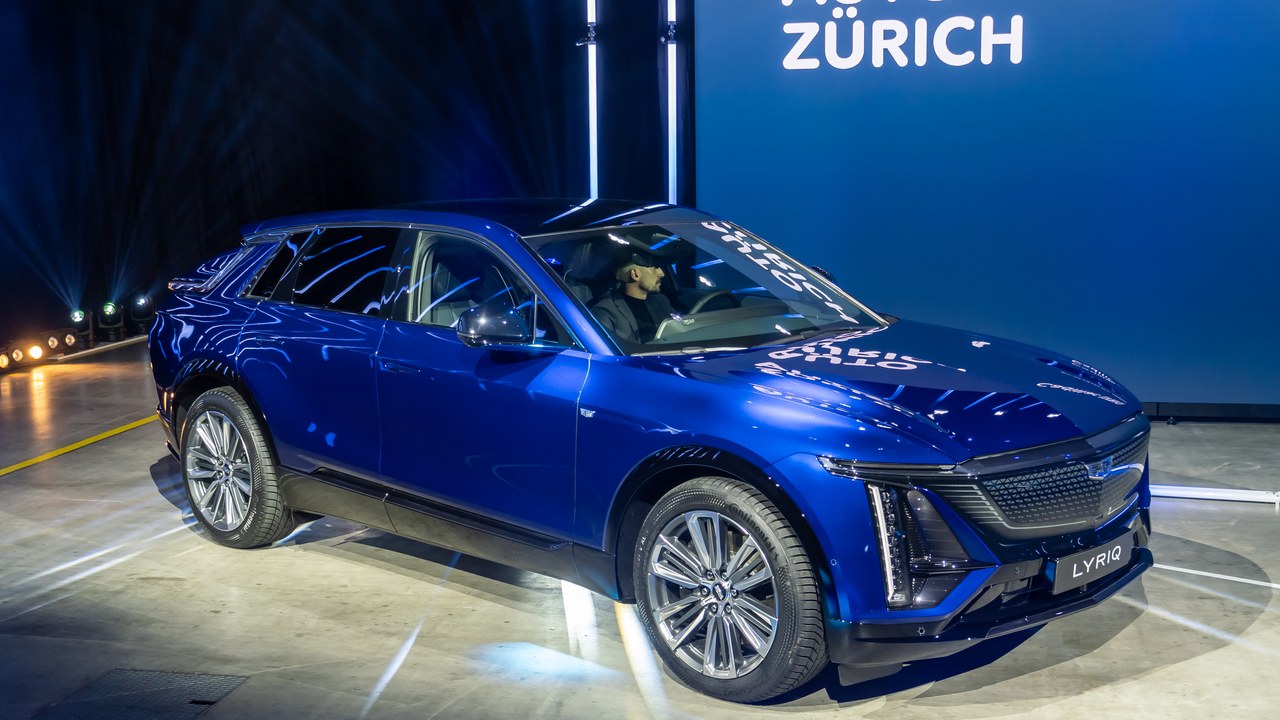
Cadillac says the all-electric Lyriq has offered Super Cruise across model years 2023 through 2026, according to its Super Cruise overview. That long run of availability makes it one of the more established electric entries on the list, with several years of owners behind it.
Used-market shoppers benefit most from that history, since a number of earlier Lyriqs carry the hardware. Anyone considering one should confirm that a specific car actually has Super Cruise activated, because availability across model years is not the same as standard equipment.
5. Chevrolet Silverado: Trim Level Gatekeeping
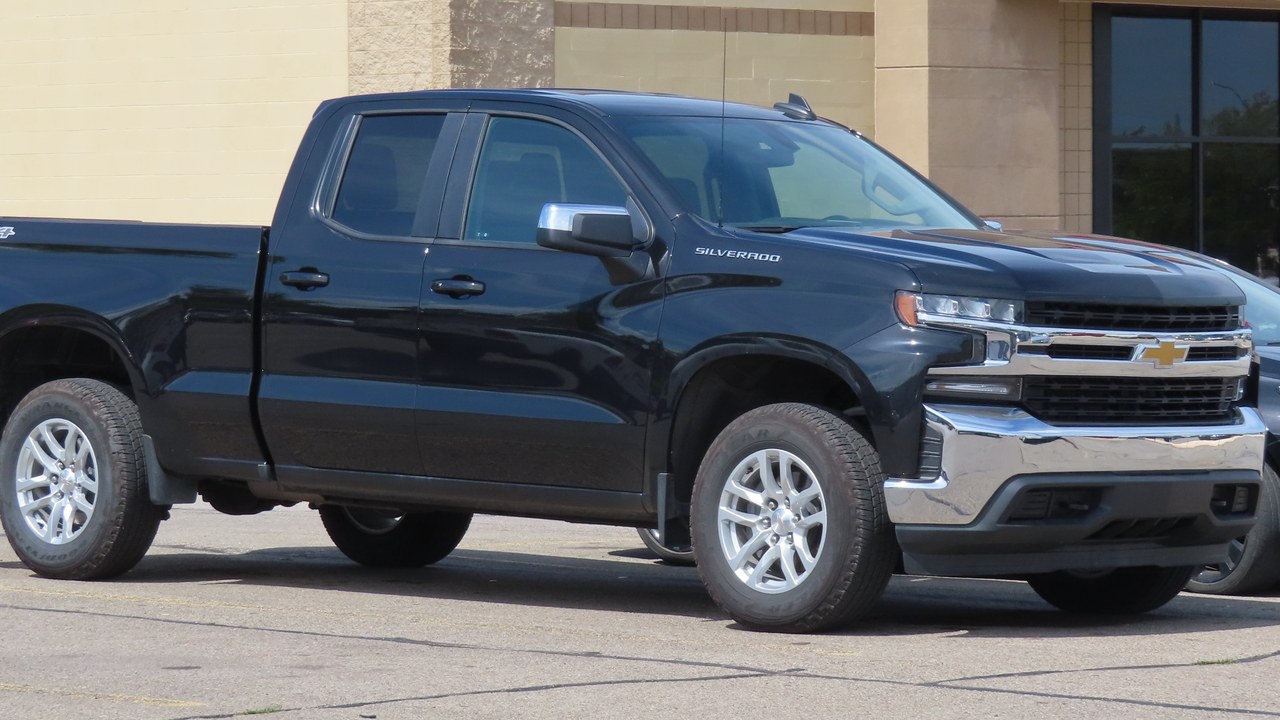
On the 1500 pickup, Super Cruise is limited to High Country trims, and Jalopnik reported in its Chevy roundup that heavy-duty Silverados did not yet have it as of early December 2025. Hands-free truck driving therefore sits at the top of the price ladder.
Work-truck buyers should not expect the feature on lower trims or on the heavy-duty models. Anyone who wants it should check current availability with a dealer, since the reporting reflects a specific moment in late 2025 and the lineup can change.
6. Chevrolet Tahoe: Package Price Tag
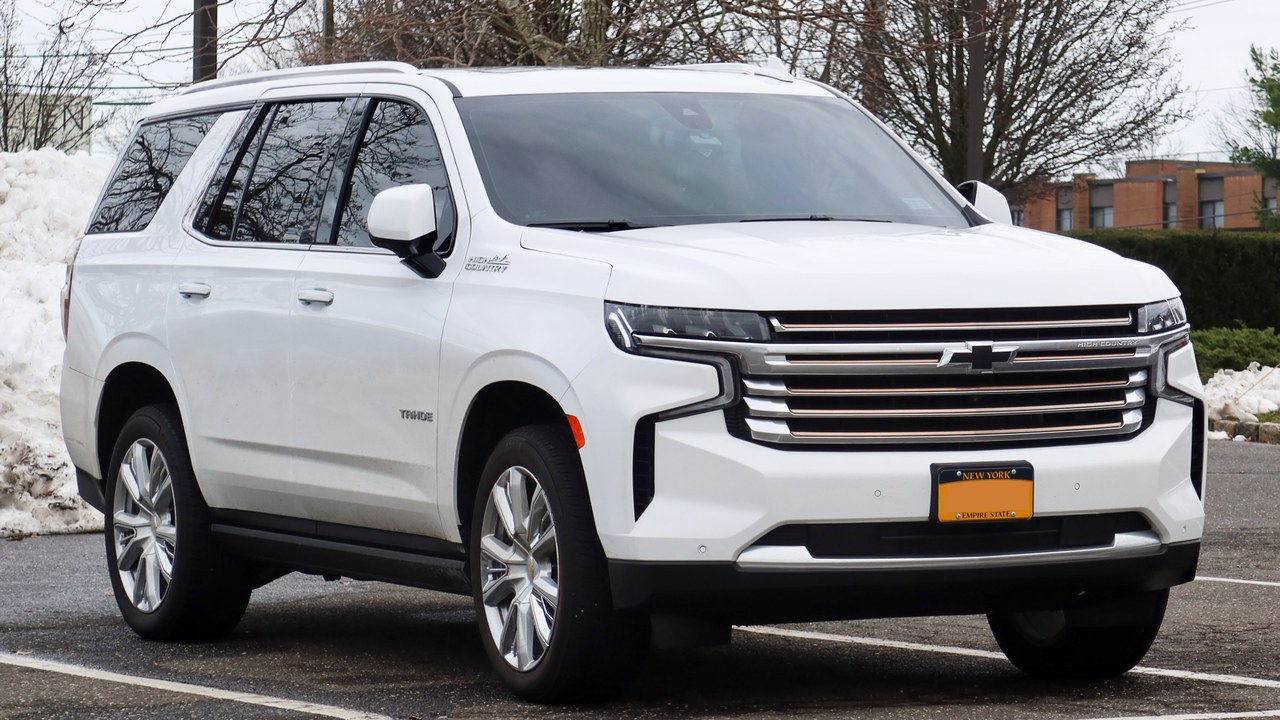
Super Cruise is optional on the Tahoe RWD LT, but Jalopnik’s Chevy pricing breakdown shows it requires a $9,030 Advanced Technology Package. With that package, the example vehicle reaches $74,125, so the feature arrives bundled with other equipment rather than on its own.
Bundling softens the sticker shock a little, since the package covers more than hands-free driving, but it still pushes a mid-trim Tahoe into premium territory. Buyers focused purely on highway assistance should compare that cost against subscription-based rivals.
7. Chevrolet Equinox EV: Two Packages Deep
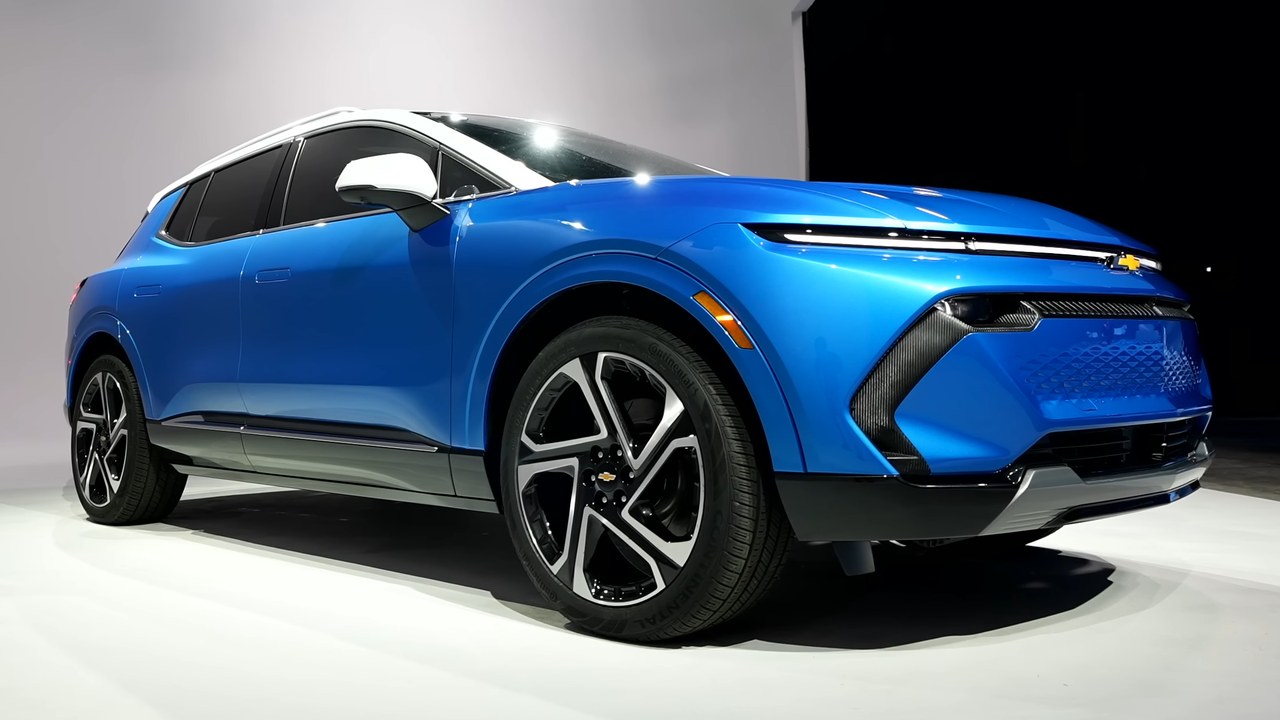
Getting Super Cruise on an Equinox EV LT2 takes a $3,395 package plus a $3,100 package, according to Jalopnik’s Chevy listing, for a $49,240 total. It is the most affordable Chevrolet on this list, though still a stacked purchase that lands close to fifty thousand dollars once both options are added.
The two-step ordering process matters because skipping either package leaves the feature off the car. Shoppers eyeing a compact electric crossover with hands-free capability should price the full configuration before assuming an entry-level sticker applies.
8. Rivian R1S: Trial Then Choose
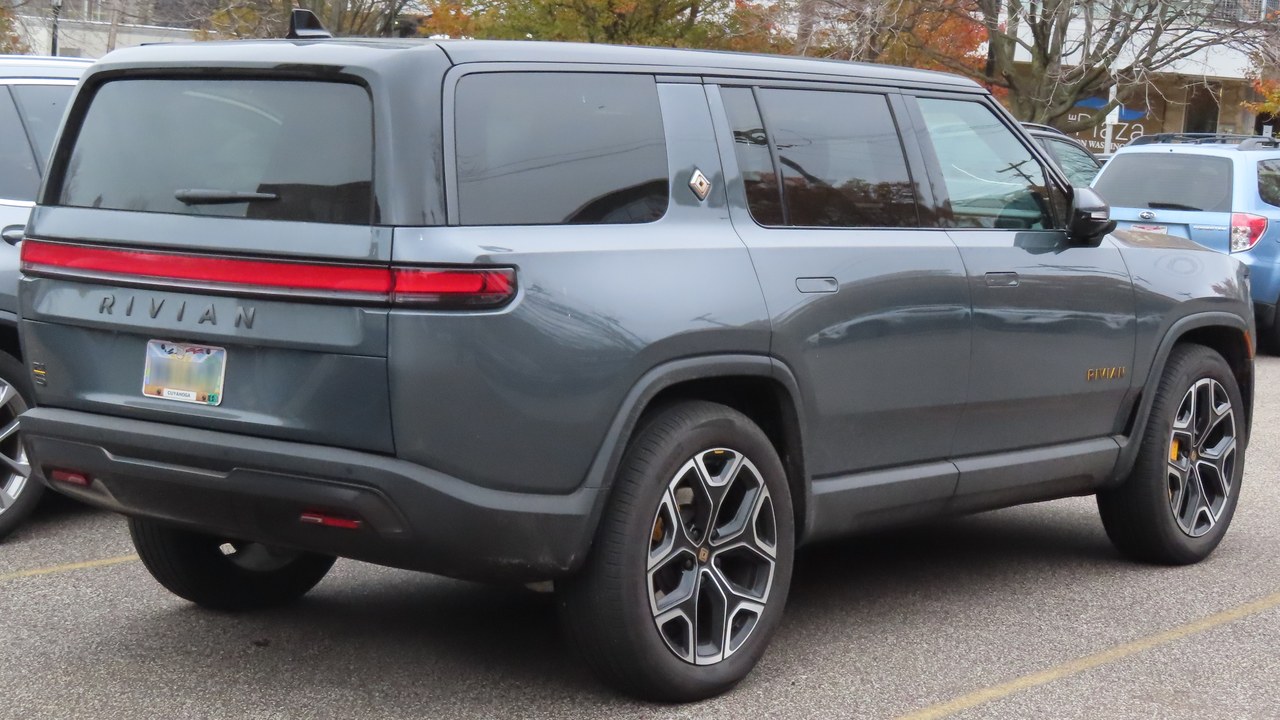
Rivian’s Universal Hands-Free system covers 3.5 million miles of American and Canadian roads and costs $49.99 a month or $2,500 once. New R1S deliveries come with a 60-day trial, giving owners time to test it before paying a cent. That trial window is a notable feature of the offer, since few driver-assistance systems let owners test the hardware on their own commute first.
The pricing mirrors Ford’s monthly rate, so the decision again comes down to how long the SUV will stay in the driveway. With a free trial built in, a skeptical owner can judge real highway behavior before committing to either option.
9. BMW 7 Series: Fastest Hands-Free Speed
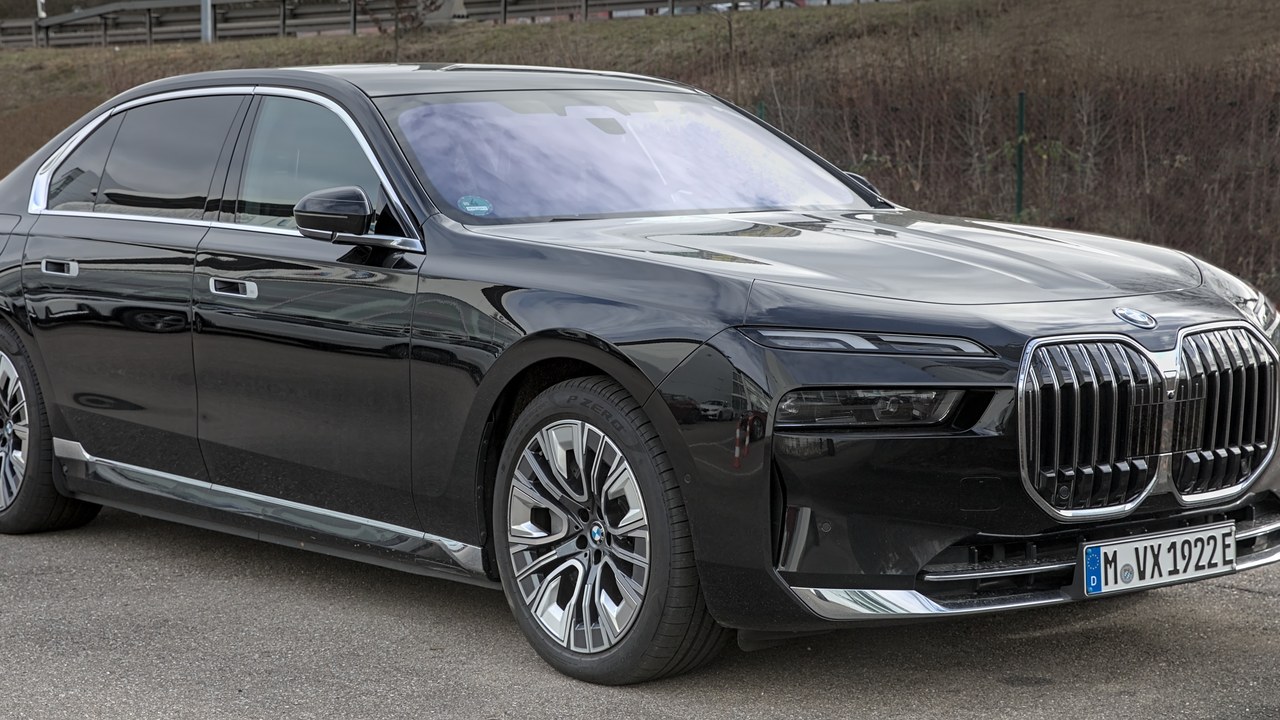
BMW’s Highway Assistant on the 7 Series runs hands-free at up to 85 mph on compatible divided highways, per a CarTipsDaily roundup. That ceiling is the highest speed among the systems here and the reason BMW anchors the headline.
The flagship sedan fits the long-distance driver who spends hours on interstates, where a higher limit keeps the system engaged in fast-moving traffic. The roundup is a secondary source, so confirm the speed limit and road coverage with BMW before relying on it.
10. BMW X5: Proven Mileage Record
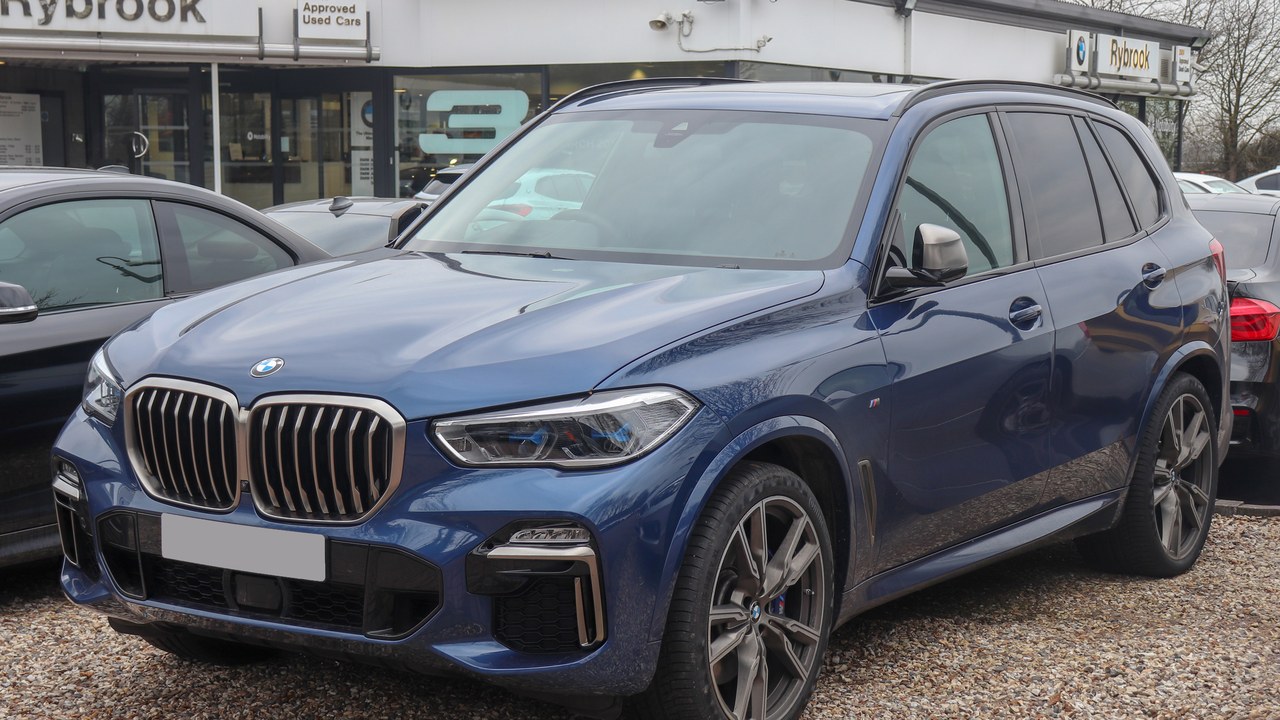
The X5 is among the BMWs offering Highway Assistant, and the same CarTipsDaily roundup says owners have logged over 200 million kilometers with the system. That is a large body of real-world use for a hands-free feature, and it suggests the X5 is one of the more common ways BMW owners actually use the technology.
For SUV shoppers, the mileage figure suggests the technology has been widely used rather than occasionally tested. It remains a secondary-source claim, so it works better as a sign of maturity than as a safety guarantee. Drivers still need to stay alert and ready to take over whenever the system asks.
Save more, waste less: Subscribe to The Cool Down →
We may earn a commission if you sign up.
More from Morning Overview
- Regulators cleared the first U.S. small modular reactor, 4 months early
- Lake Powell sank to a record 3,517 feet, nearing the level that stops Glen Canyon Dam’s turbines
- Seven of Earth’s nine planetary boundaries are breached, and all seven are worsening
- The NSA says three phone features should be off whenever you aren’t using them
