
High-mileage owners tend to gravitate toward a small set of vehicles that keep running with only routine maintenance. Simple mechanical layouts, proven engines, and strong parts availability let these models rack up repair bills far lower than their odometer readings would suggest. Longevity-focused shoppers and current owners planning to keep a vehicle for the long haul should recognize these ten vehicles.
1. Toyota Land Cruiser: Built For The Long Haul
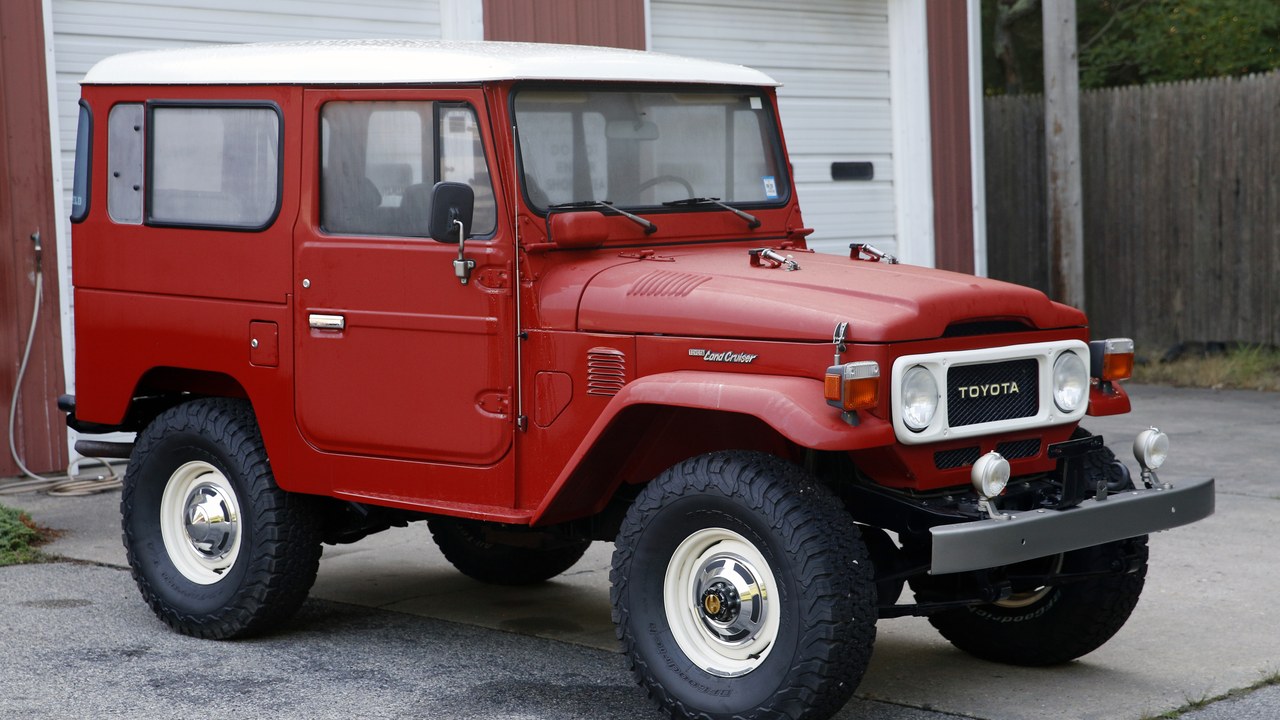
The Land Cruiser’s reputation for extreme longevity rests on body-on-frame construction, conservative engine tuning, and a design philosophy that favors durability over refinement, a formula documented across the model’s long international service record. Overlanders, aid groups, and export fleets in punishing climates have long treated it as the benchmark for an SUV that keeps running with only routine maintenance and basic parts.
Owners who buy one rarely sell it for mechanical reasons, and used examples with six-figure odometers still command strong prices because buyers trust the platform to keep delivering, not merely survive, well past the point where most rival SUVs would already be retired or scrapped for parts.
2. Toyota Tacoma: A Truck Built To Outlast Its Owner
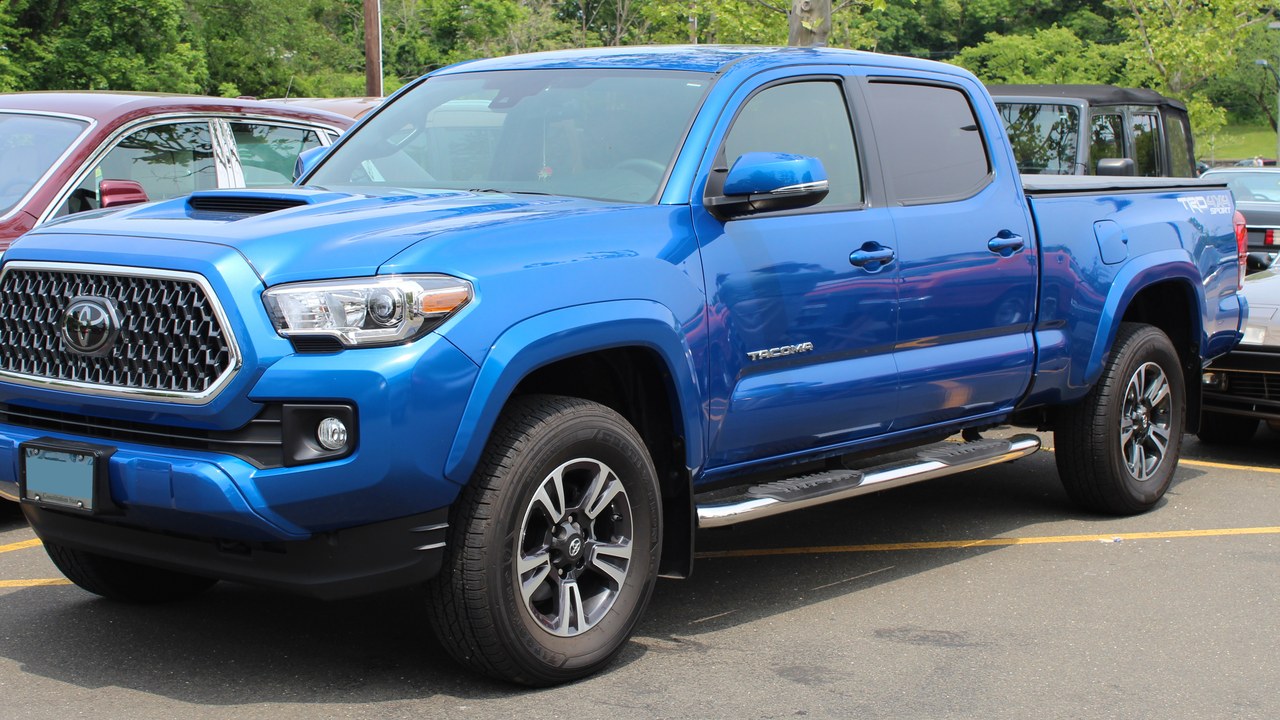
The Tacoma earned its reputation on a simple body-on-frame layout, unstressed four-cylinder and V6 engines, and a used market that treats a well-kept midsize pickup as a long-term asset rather than a depreciating one. Contractors, ranchers, and commuters routinely push examples well past 200,000 miles on the original transmission.
Its drivetrain is known for failing gradually and predictably rather than suddenly, which lets owners budget for repairs instead of absorbing surprise breakdowns, and that reputation is a major reason secondhand Tacomas often sell for more than newer competing trucks with far fewer miles on the odometer.
3. Toyota 4Runner: Rugged Simplicity Adds Up To Longevity
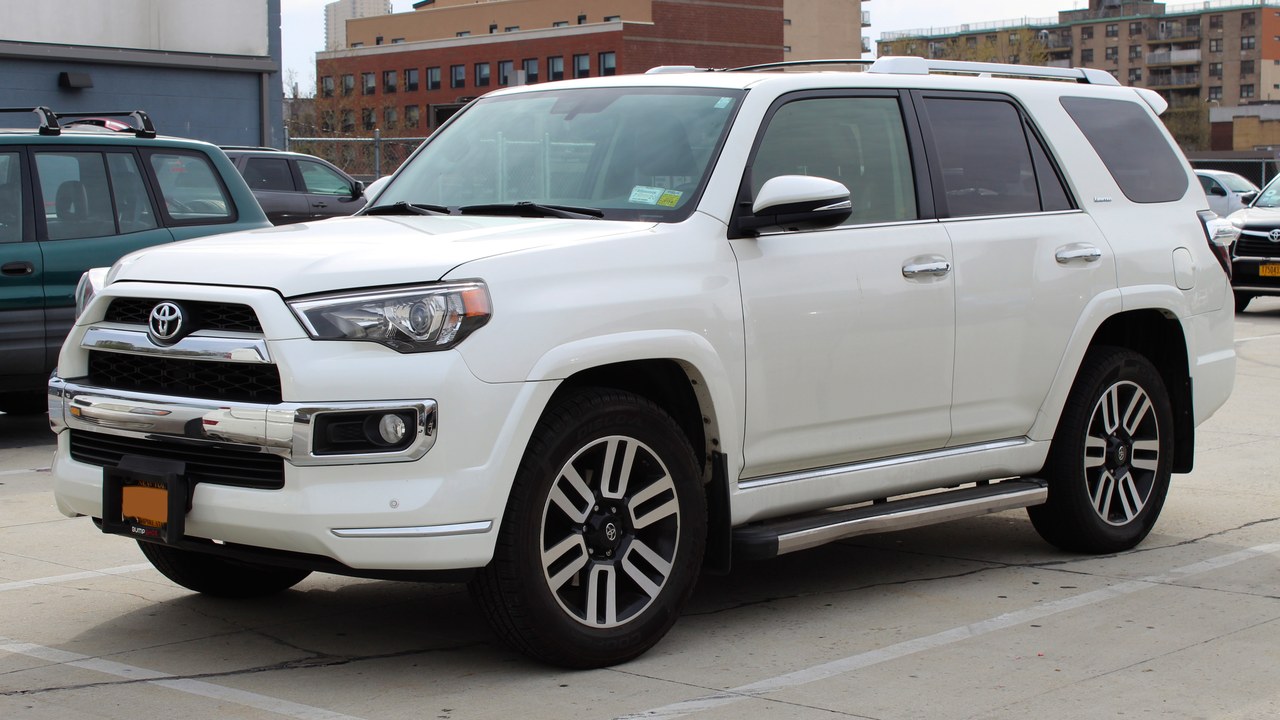
The 4Runner has stuck with a truck-based frame and a naturally aspirated V6 for generations even as most rivals switched to unibody crossovers, a deliberate design tradeoff that trades some fuel economy and ride comfort for mechanical simplicity and off-road toughness.
Fewer complex components means fewer things to fail as the miles accumulate, and owners of high-mileage examples frequently report the original engine and transmission still performing well beyond 200,000 miles, reinforcing the model’s standing as one of the most dependable SUVs sold in the United States today.
4. Honda CR-V: America’s Long-Haul Commuter Favorite
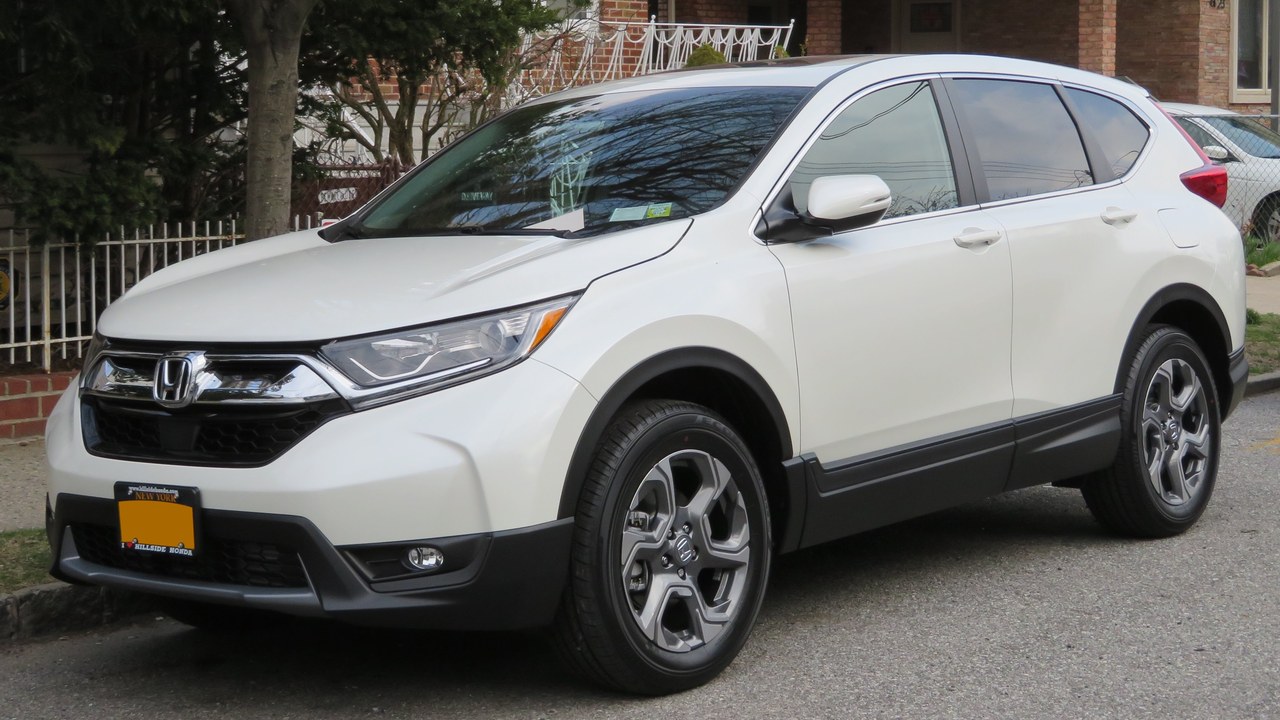
The CR-V pairs a proven four-cylinder engine with a lightweight unibody chassis, a combination that keeps stress on the drivetrain low even under daily commuting duty, according to the model’s long production and ownership history as one of the best-selling compact crossovers in America.
Because parts are inexpensive and widely available, and because independent shops know the platform inside and out, owners have an unusually strong incentive to keep repairing rather than replacing one, which is part of why so many CR-Vs remain on the road well past the 200,000-mile mark.
5. Toyota Highlander: A Family Hauler That Keeps Going
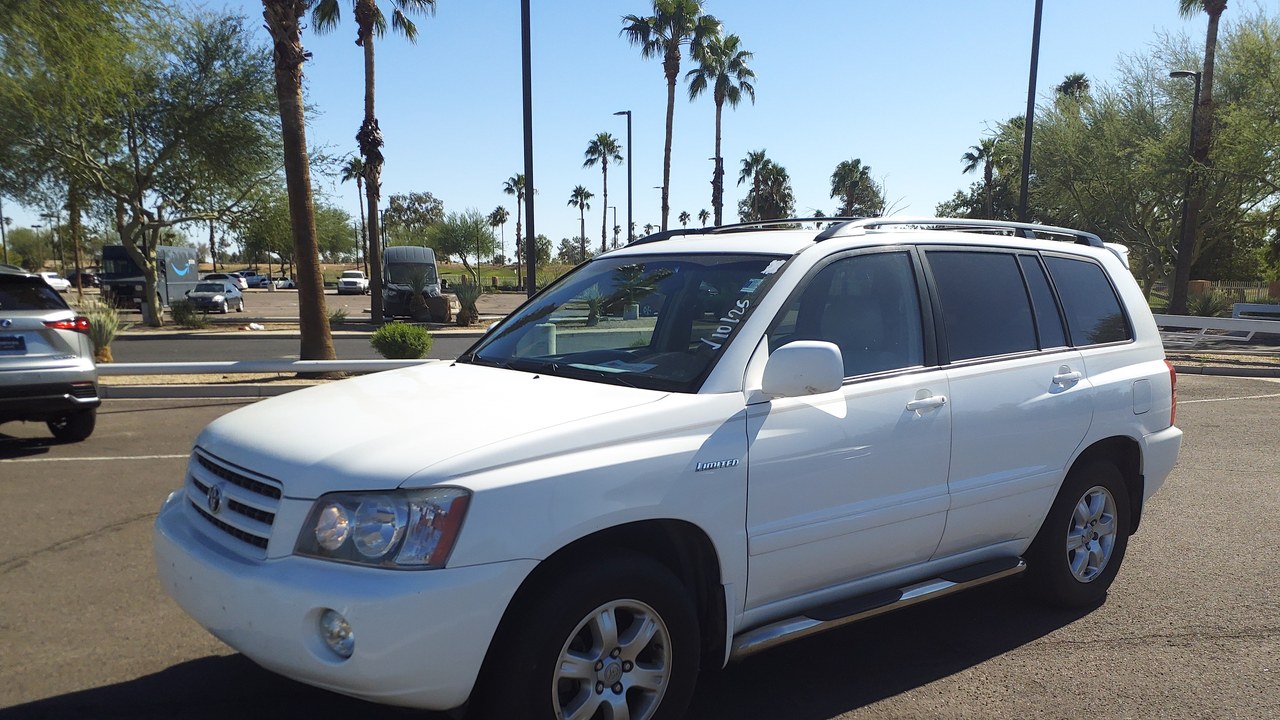
The Highlander shares much of its underlying engineering with the Camry sedan, borrowing a mechanically simple, well-tested platform rather than chasing novel technology, a strategy the model’s engineering lineage has leaned on for two decades of family duty.
That shared-platform approach means the Highlander benefits from parts and fixes already proven across millions of Toyota sedans, and three-row families who buy one for school runs and road trips routinely report the original engine and transmission still running strong well after 200,000 miles of daily use.
6. Honda Odyssey: Minivan Durability Under Heavy Duty
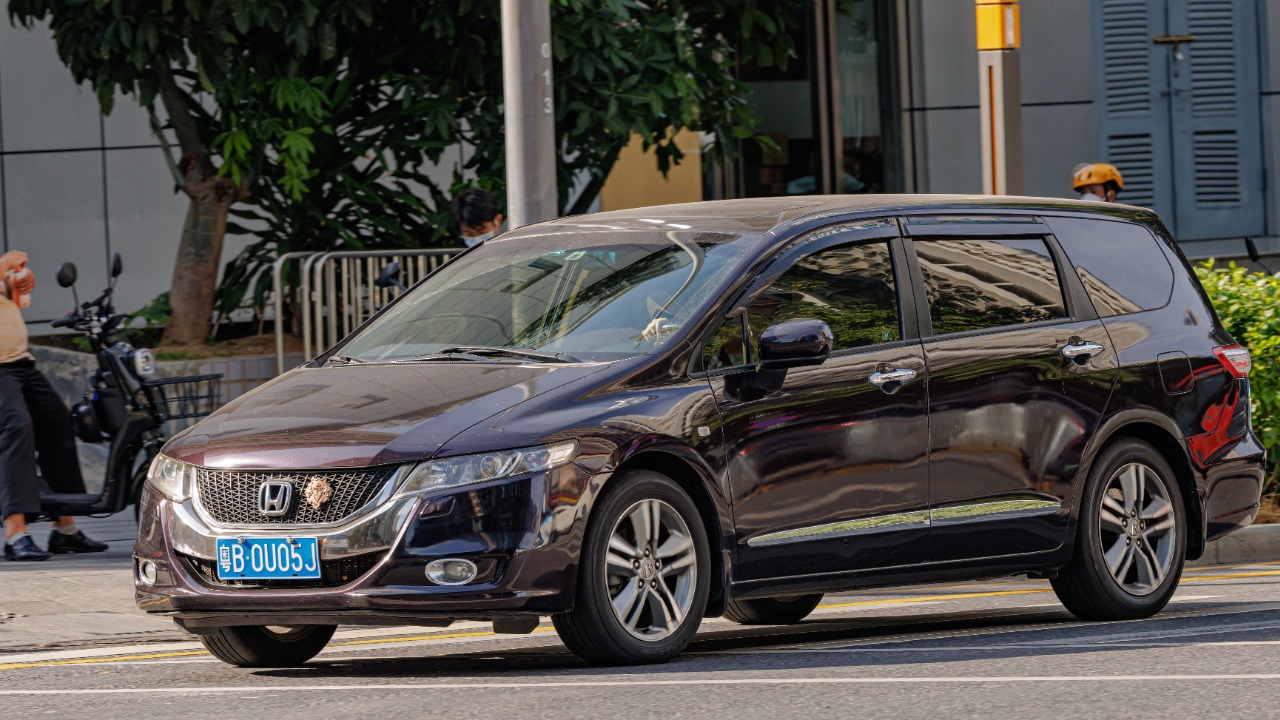
The Odyssey carries a reputation for absorbing the wear of daily family transport, from school runs to long road trips, without the drivetrain problems that shortened the lives of many rival minivans documented across its multi-generation history in the segment.
Its V6 engine and transmission were refined over successive generations specifically to handle the heavier, harder-working duty cycle that minivans see compared with sedans, and families who maintain one on schedule commonly report it still hauling kids and cargo reliably well beyond 200,000 miles on the clock.
7. Toyota Sienna: Minivan Reliability, Toyota Style
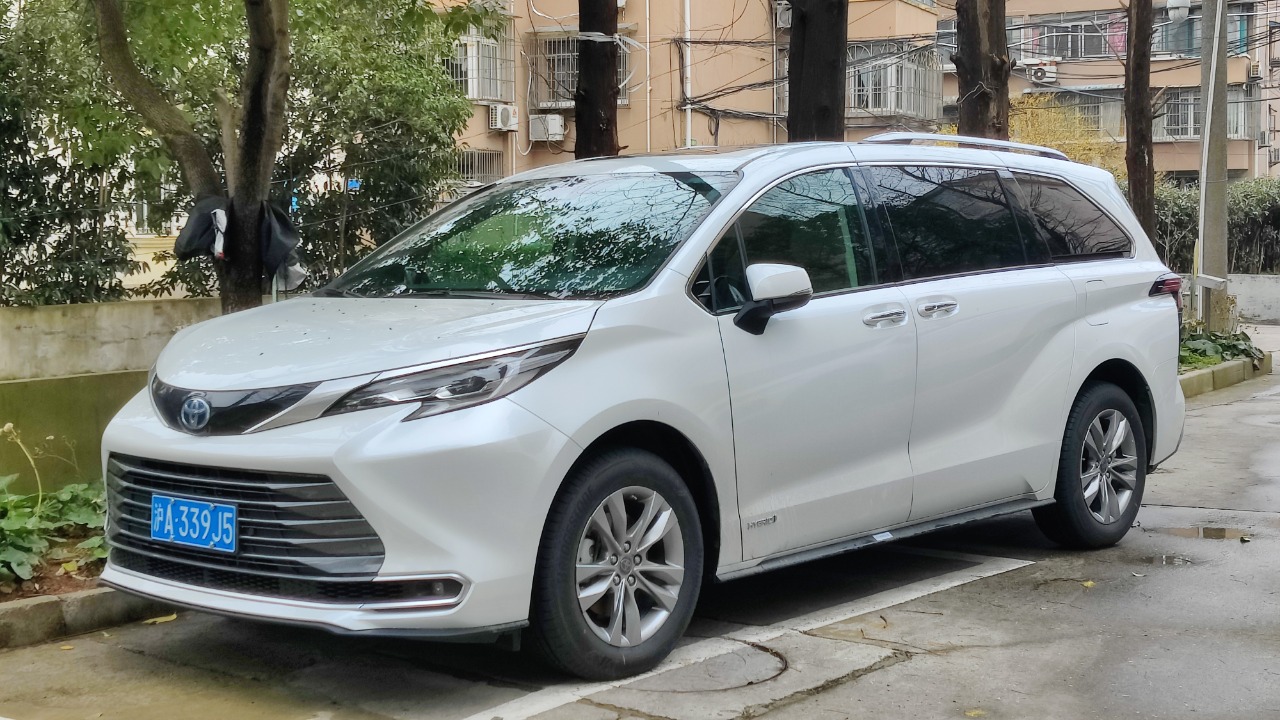
The Sienna borrows Toyota’s broader reputation for mechanical simplicity and applies it to a minivan body style, and its long-running V6 and hybrid lineup has consistently ranked among the most dependable minivans sold in the United States across independent reliability surveys.
Families that put tens of thousands of miles a year on a minivan tend to gravitate toward the Sienna specifically because it keeps running with predictable, inexpensive maintenance rather than expensive surprises, and high-mileage examples routinely stay in daily service for well over a decade of hard use.
8. Toyota Tundra: Full-Size Toughness That Adds Up
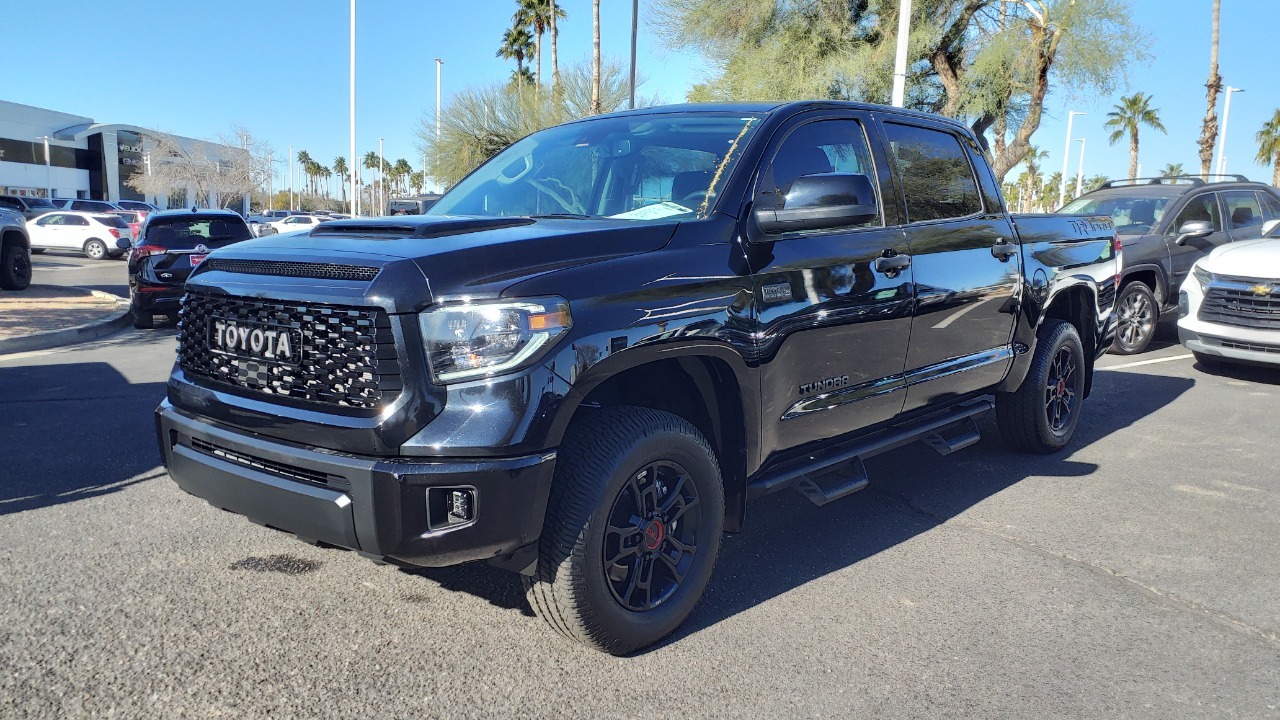
The Tundra applies Toyota’s truck-building philosophy to the full-size segment, favoring a robust frame and unstressed engines over aggressive performance figures, an approach the truck’s model history has stuck with even as domestic rivals chased more power and towing capacity.
That conservative engineering shows up in resale data, where high-mileage Tundras routinely fetch prices well above comparable domestic trucks, because buyers expect the frame and drivetrain to keep working with only routine maintenance long after the truck has crossed the 200,000-mile threshold most owners treat as a milestone.
9. Subaru Outback: Boxer-Powered Wagons Go The Distance
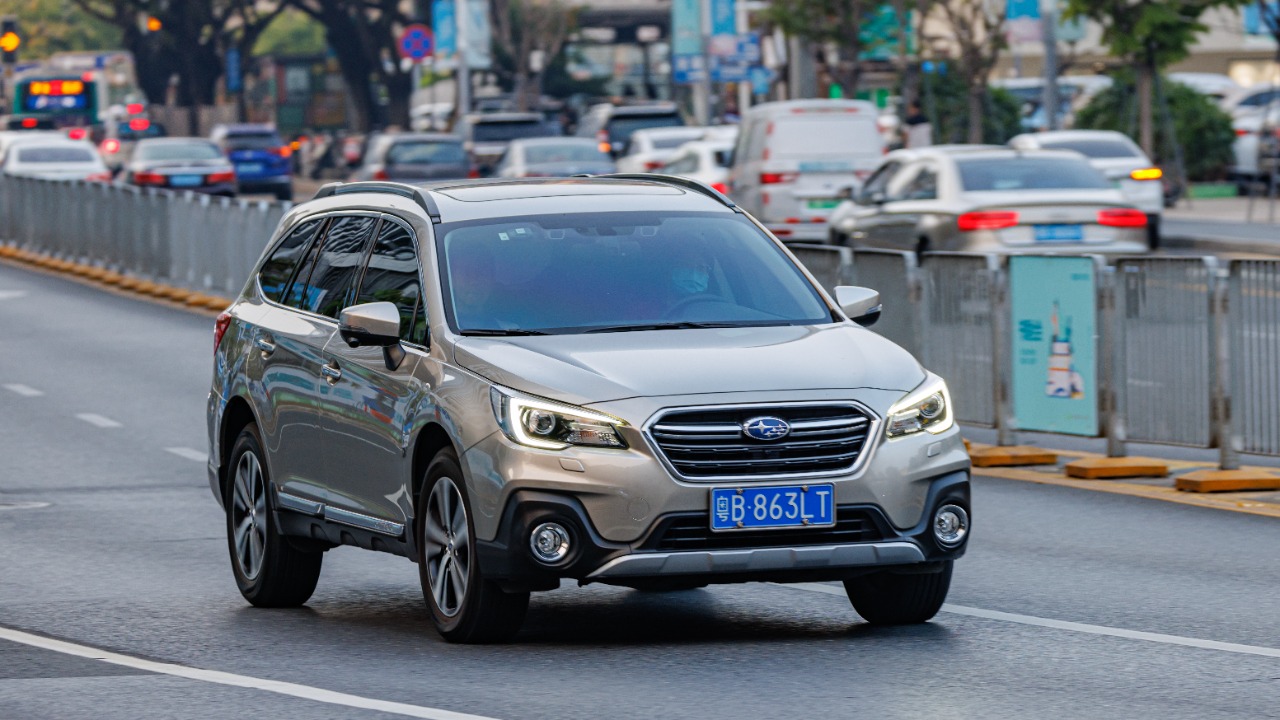
The Outback pairs a horizontally opposed boxer engine with standard all-wheel drive, a combination that gives it a lower center of gravity and balanced wear compared with rivals, a layout the model’s engineering history has kept largely unchanged for decades.
Owners in snowy and rural regions especially value the drivetrain’s ability to handle rough roads without shortening its lifespan, and while timing belts and head gaskets require attention on schedule, well-maintained Outbacks are common sights well past 200,000 miles in the used-car listings across the country.
10. Honda Pilot: A Three-Row That Ages Gracefully
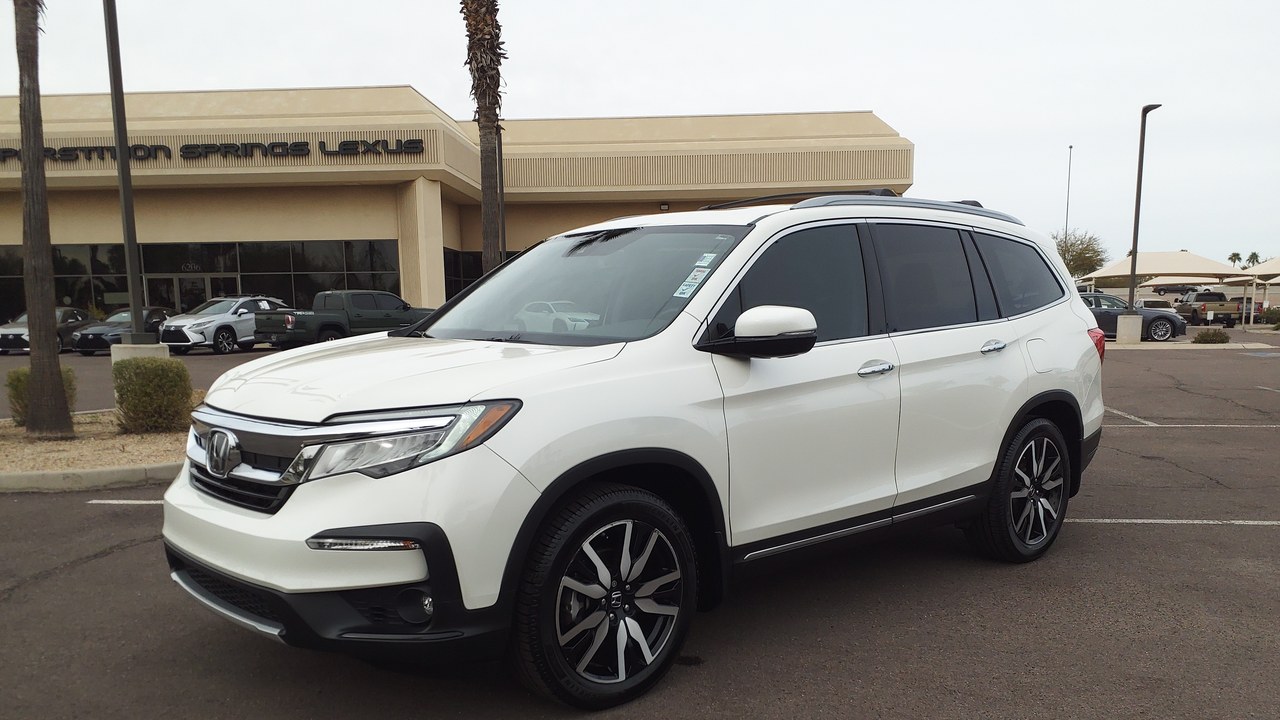
The Pilot shares its underlying platform and V6 engine with other long-lived Honda models, giving it access to the same well-proven components rather than a bespoke design unique to one three-row SUV alone in the lineup.
That shared-parts strategy keeps repair costs down and parts availability high even as a Pilot ages, and large families who buy one for its interior space commonly report the engine and transmission holding up well past 200,000 miles with nothing more than scheduled fluid changes and routine upkeep.
More from Morning Overview
- A handful of SUVs keep hitting 300,000 miles, and they share one engine trait
- Supplements now rank as the fifth-leading cause of death from liver disease.
- A study names the one SUV most likely to reach 250,000 miles
- More than 60,000 people flee the Spokane area as complex fires overrun 600 structures
