
Small, affordable cars keep drivers moving on a budget, but their light weight and short frames can work against them when a collision hits. Independent crash programs have singled out several subcompacts and city cars for weak protection, especially in the tougher small-overlap tests that mimic a corner striking a pole or another vehicle. These are ten of the small models that drew the harshest safety marks.
1. Mitsubishi Mirage: The Bargain That Cut Corners
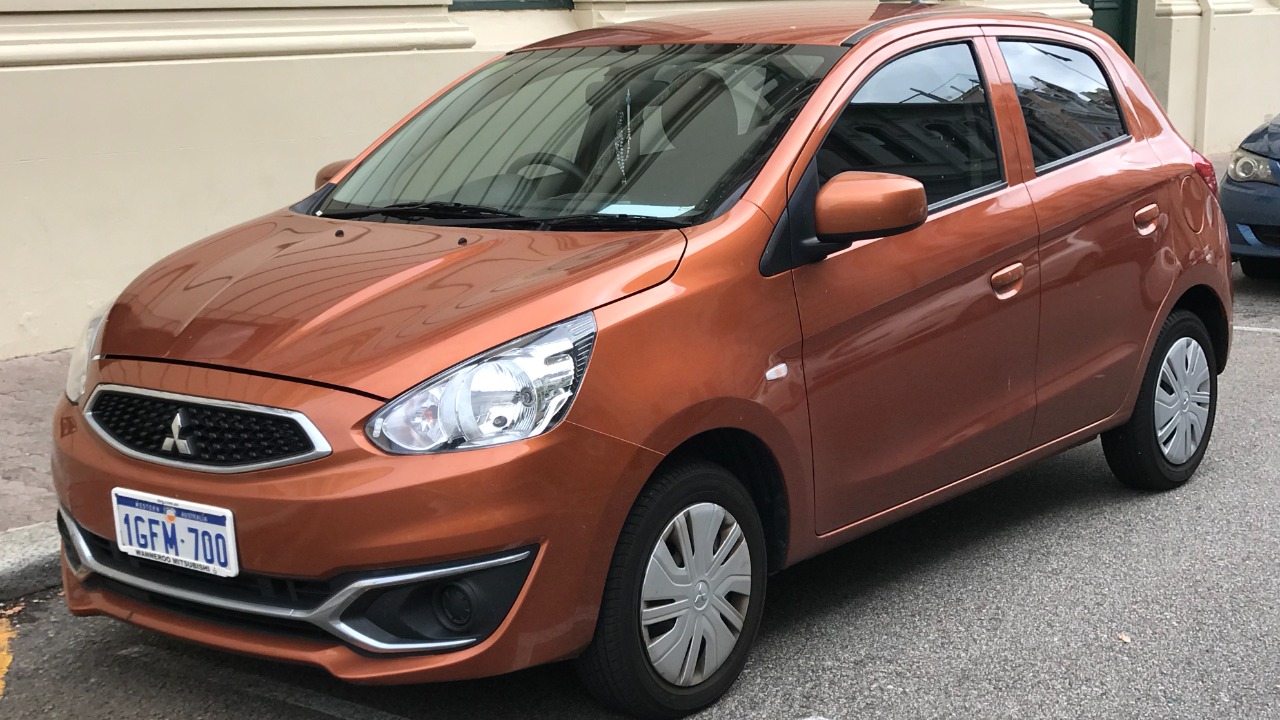
The Mitsubishi Mirage built its reputation on being one of the cheapest new cars around, and that thin price tag came with a thin safety margin. Reviewers of the subcompact hatchback repeatedly flagged mediocre crash protection, particularly in the demanding small-overlap tests that stress the front corner.
Buyers drawn to rock-bottom pricing were essentially trading crash performance for cost. The Mirage moved people affordably, but its low scores meant less protection in exactly the scenarios where a heavier car fares better, making it a recurring name among small cars that graded poorly.
2. Chevrolet Spark: A City Car Short On Cushion
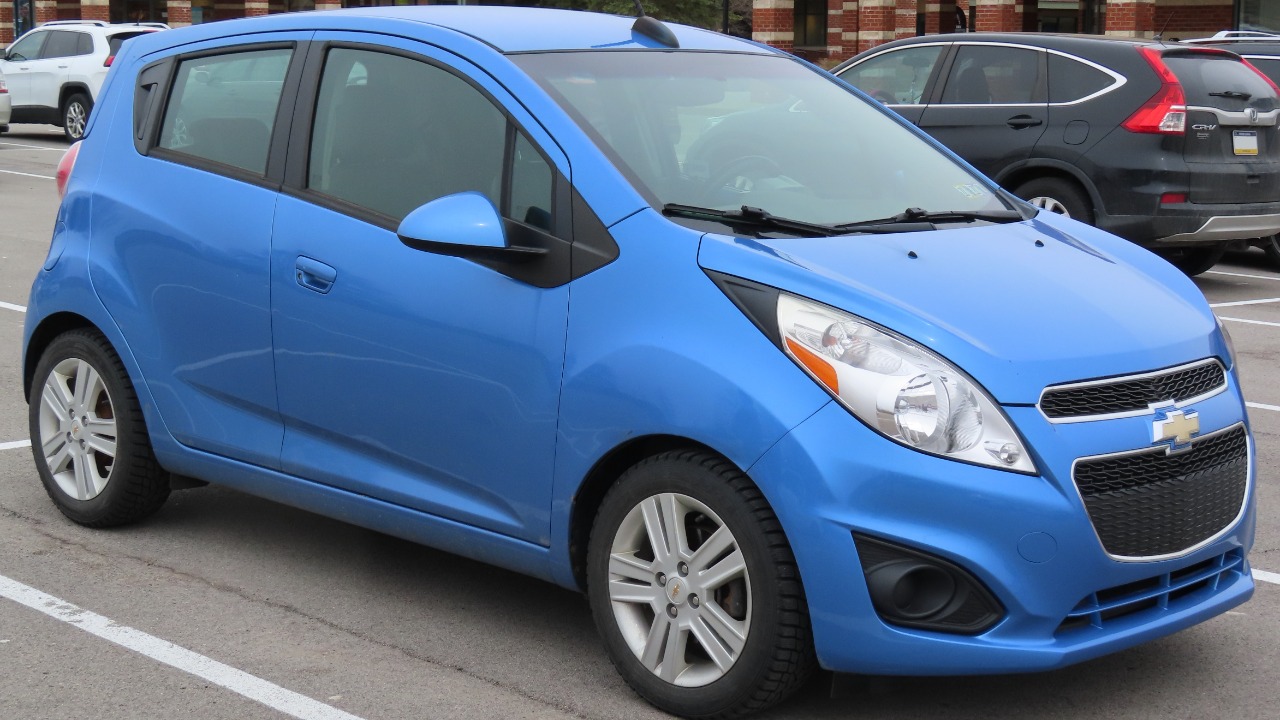
The Chevrolet Spark was General Motors’ answer to buyers who wanted a genuinely small, easy-to-park runabout, but that minimalism cost it in crash resilience. As a minicar built for tight streets, the Spark had little crumple structure to soak up a collision before forces reached the cabin.
The appeal was obvious for crowded cities and tight budgets, where a compact shape and low sticker price matter most. But the same size that made the Spark nimble worked against it in a serious wreck, which is why it surfaced among small cars flagged for underwhelming crash outcomes.
3. Nissan Versa: Budget Sedan, Uneven Results
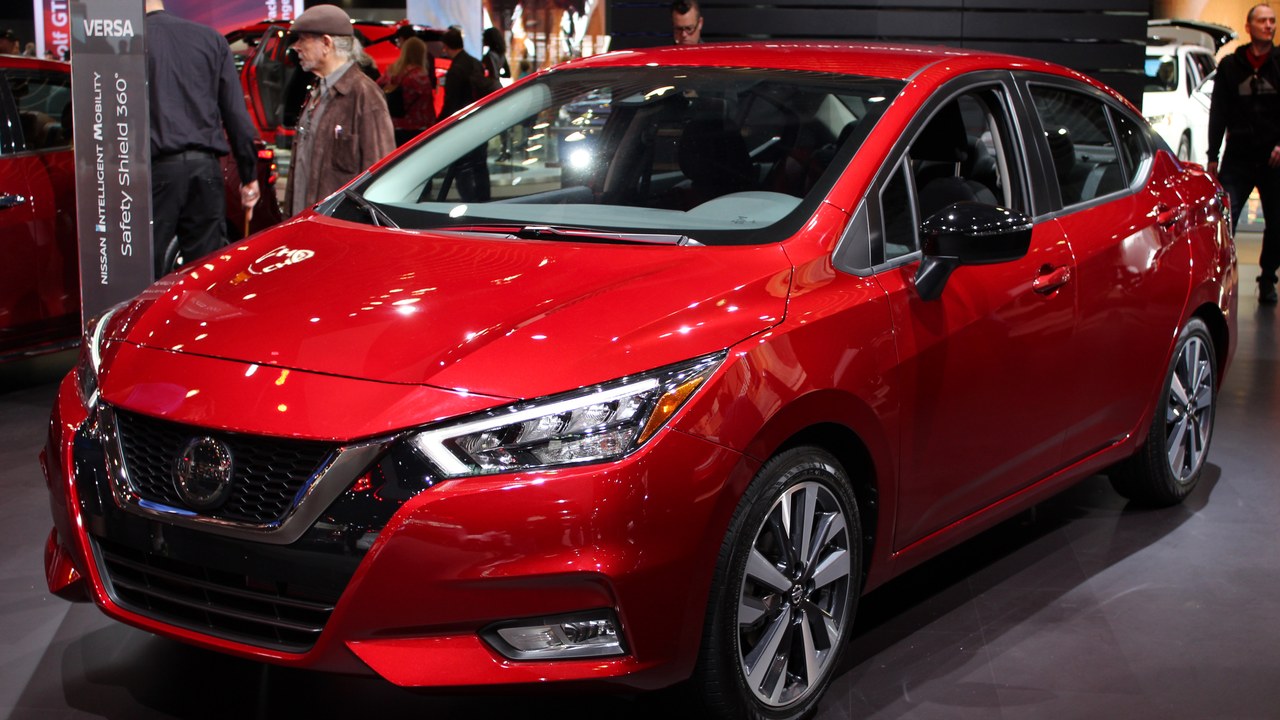
The Nissan Versa positioned itself as a roomy, value-focused entry sedan, yet earlier versions struggled to keep pace with rising safety standards. The low-cost Nissan sedan drew criticism on some tests as the tougher small-overlap evaluation exposed weaknesses older frontal checks had missed.
Newer generations improved as the automaker added structure and standard safety features, but the Versa’s history left a mixed record. Shoppers hunting for the most car for the least money often landed on it without realizing the earlier models graded poorly, showing how fast a budget car can fall behind.
4. Kia Rio: Small Price, Marked-Down Scores

The Kia Rio served as an affordable gateway into the brand, a tidy sedan or hatchback for drivers who wanted low payments over plush features. Even so, the entry-level Kia was marked down in the more punishing crash evaluations.
The Rio delivered a lot of practicality per dollar, keeping it popular with first-time buyers and commuters. But value shoppers focused on price sometimes overlooked how it stacked up in a collision, and its middling grades placed it alongside the other subcompacts that testers singled out.
5. Hyundai Accent: Value Pick With Middling Marks

The Hyundai Accent shared much of its budget-minded formula with its Kia Rio cousin, and it shared some of the same safety criticisms. The small Hyundai sedan earned only mediocre safety scores, with the toughest frontal tests exposing the limits of its compact structure.
For years the Accent was a dependable pick for reliable, low-cost transportation, and it delivered on that. The catch was that its crash protection did not match the strongest cars in its class, leaving less margin in a hard hit and keeping it on the list of small cars whose ratings lagged.
6. Fiat 500: Charming Size, Costly Physics
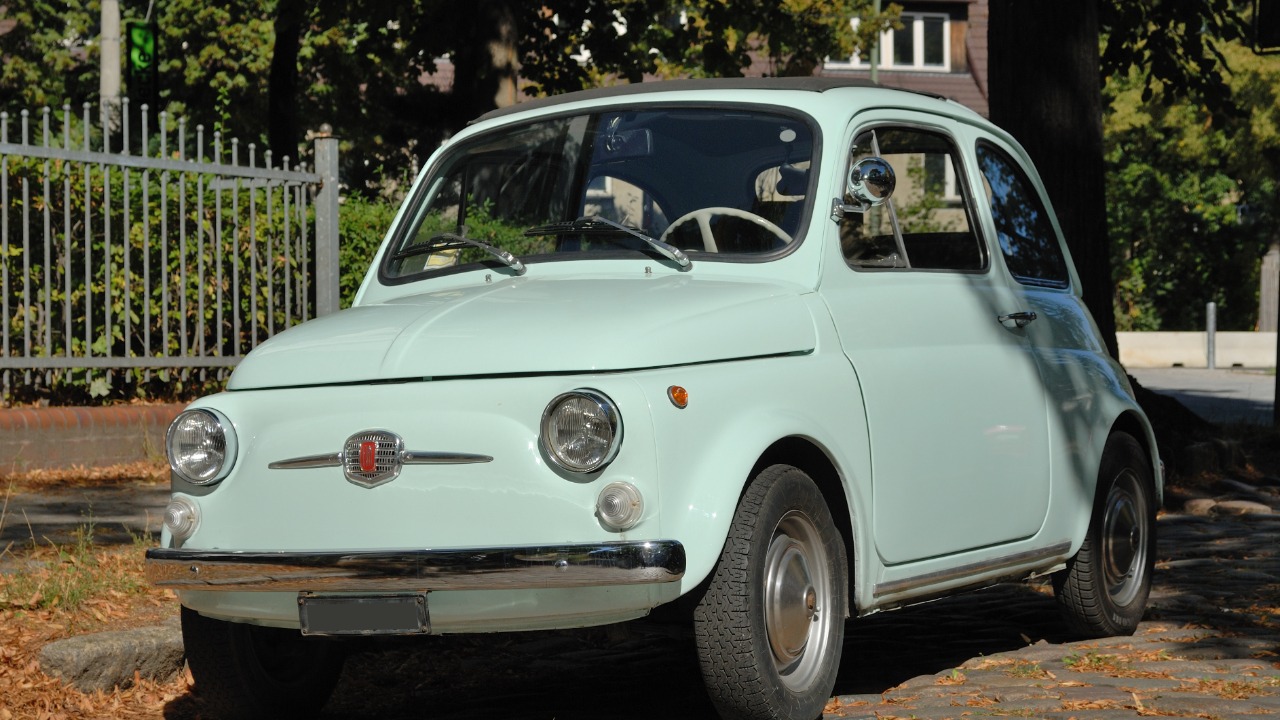
The Fiat 500 won fans with its retro styling and city-friendly dimensions, but its tiny footprint carried a real safety cost. The pint-sized Italian hatchback was penalized in small-overlap crash testing, where its short front end had little room to manage the forces of a corner impact.
Micro cars like the 500 excel at squeezing into tight spaces and sipping fuel, which is exactly why buyers loved them. Yet that minimal size meant less material between occupants and a collision, and its weak small-overlap result kept it among the small cars scoring poorly.
7. Smart Fortwo: The Smallest Footprint’s Tradeoff
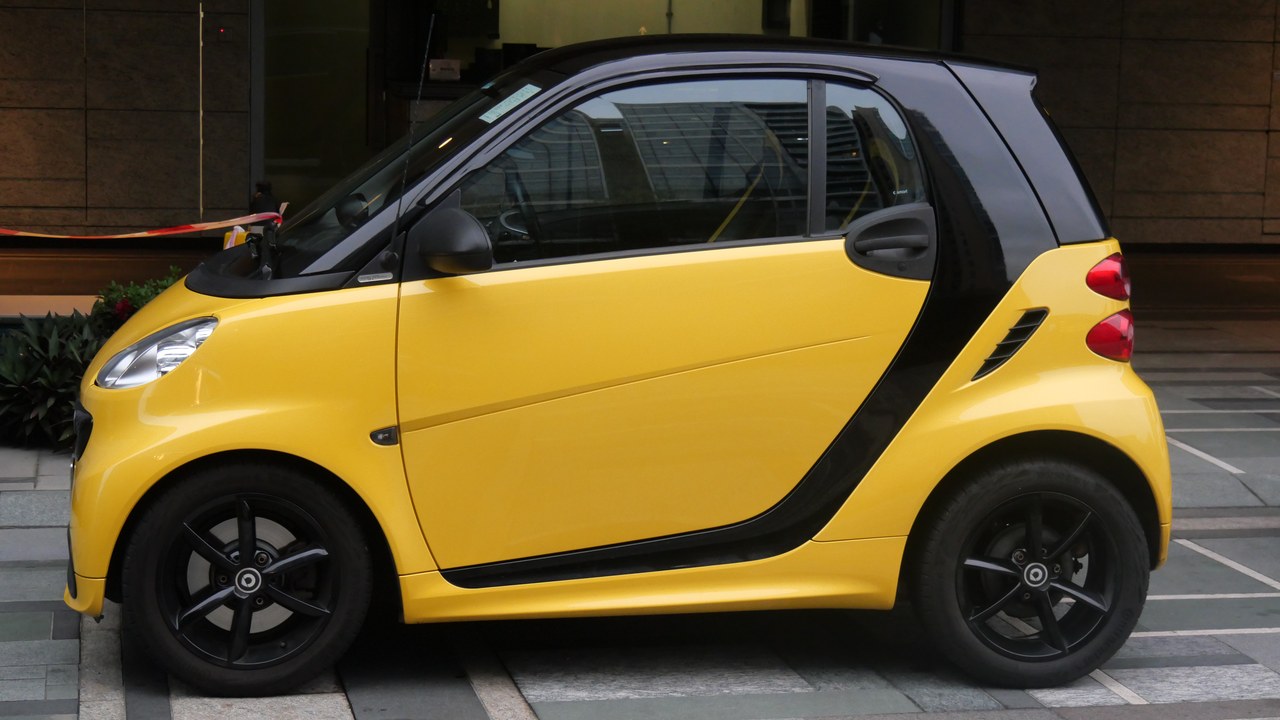
The Smart Fortwo took the small-car idea to an extreme, shrinking to a two-seat pod barely longer than some cars are wide. That radical packaging made the ultra-compact two-seater brilliant for parking but tough to protect, since its footprint left almost no crush space.
Engineers gave the Fortwo a reinforced safety cell to compensate, and it handled some impacts better than its size suggested. Even so, physics is unforgiving when a car this small meets a much larger vehicle, and it became the poster child for the tradeoff every tiny car makes.
8. Toyota Yaris: Reliable Runabout, Unremarkable Guard
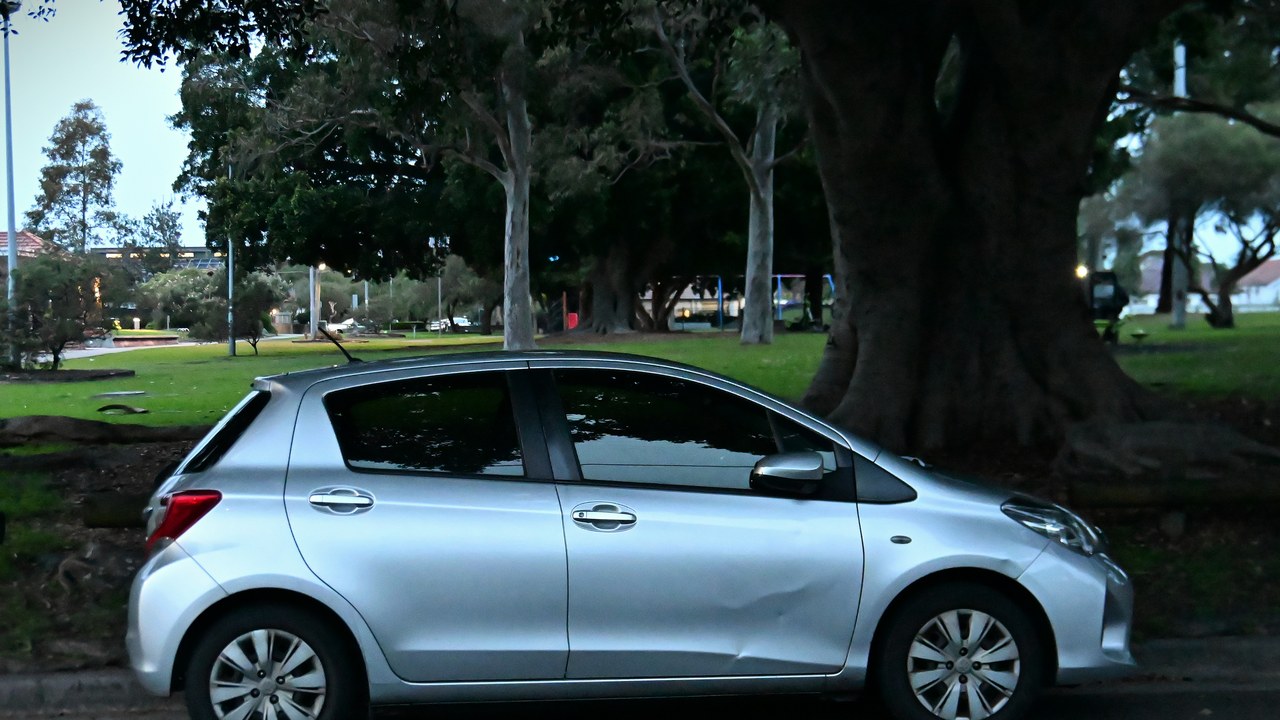
The Toyota Yaris earned a loyal following for its reliability and low running costs, but its crash ratings were more ordinary than its reputation suggested. The budget Toyota subcompact posted unremarkable safety scores, with the tougher tests revealing the same size-related limits that dog the class.
For drivers who wanted a small, no-drama car that would last, the Yaris was an easy recommendation. The nuance was that dependability under normal use is not the same as protection in a wreck, and here the little Toyota only kept pace rather than leading.
9. Chevrolet Sonic: Fell Behind As Tests Got Harder

The Chevrolet Sonic gave GM a slightly larger subcompact than the Spark, aimed at drivers who wanted small-car economy with more substance. But the compact Chevrolet lagged as newer, harder crash tests raised the bar and added the demanding small-overlap scenario.
The Sonic still offered practical space and a comfortable ride for its size, keeping it competitive on paper. The problem was timing: as safety benchmarks tightened, the car did not keep up, and its grades slipped relative to newer rivals, leaving it among the small cars scoring poorly.
10. Ford Fiesta: Poor Grades Before The Axe
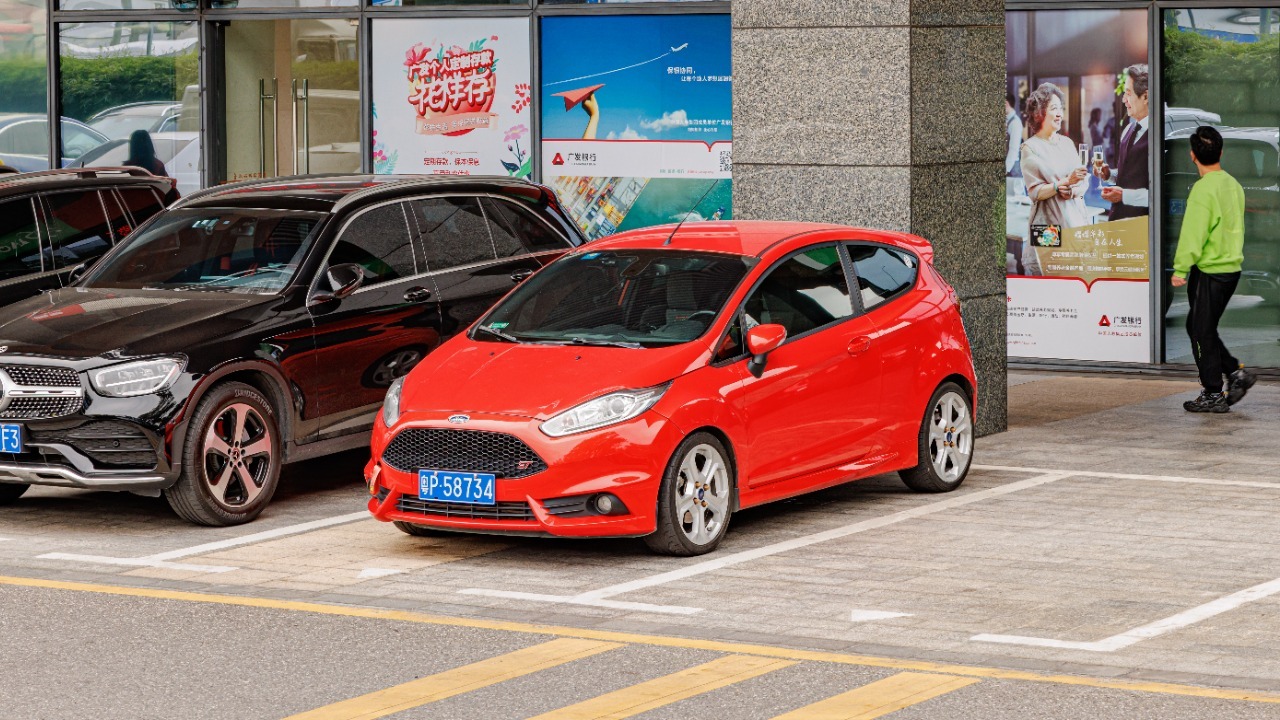
The Ford Fiesta was a fun-to-drive subcompact with sharp handling that made it a favorite among small-car enthusiasts. Yet the nimble Ford hatchback scored poorly on crash tests in its later years, before the automaker discontinued it while retreating from small cars.
Ford eventually dropped the Fiesta in North America as buyers shifted toward crossovers and SUVs, and its weak crash results made the exit easier to justify. The car stayed enjoyable to the end, but enjoyment does not show up on a crash-test scorecard, and its low grades defined its final stretch.
More from Morning Overview
- More than 60,000 people flee the Spokane area as complex fires overrun 600 structures
- 11 engines built to run well past 200,000 miles
- Card skimmers hidden on gas pumps and ATMs are draining accounts, and here’s the tell
- The FBI says hackers are hijacking outdated home routers, and it named the models to check
