
Automakers have spent recent years quietly dropping sedans that once anchored their lineups, retiring them as SUVs and crossovers took over sales charts. Some were domestic icons with decades of history, while others barely got a fair shot before their factories were retooled for something else. Here are ten sedans that quietly disappeared from showrooms even though many buyers never noticed them go.
1. Ford Fusion: Ford’s Midsize Sedan Casualty
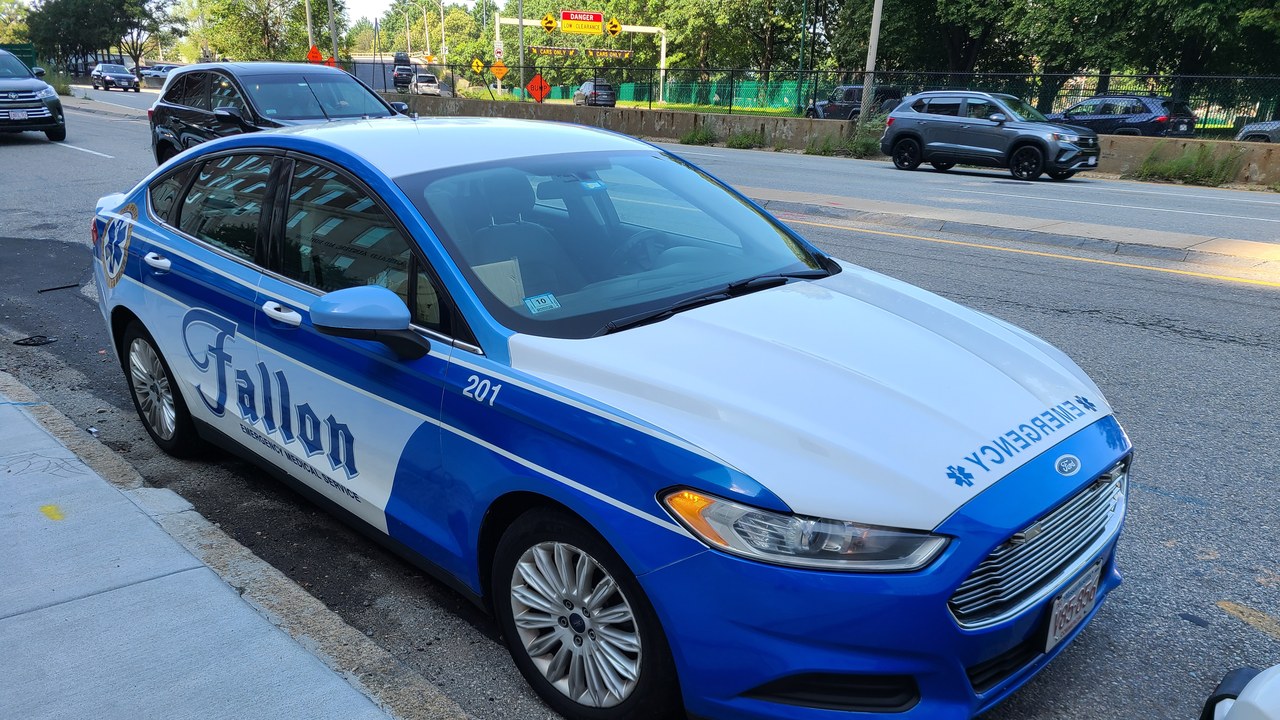
The Ford Fusion left the U.S. market after the 2020 model year, its production run at Ford’s Hermosillo, Mexico plant ending in July 2020 as Ford carried out a 2018 pledge to drop nearly every traditional car from its North American lineup in favor of trucks and SUVs.
The Hermosillo plant was retooled for the electric Mustang Mach-E rather than any sedan successor, so Fusion owners now rely on Ford’s parts network with no direct replacement in the current lineup, and clean low-mileage examples are becoming harder to find as the model ages out of daily used-car rotation.
2. Chevrolet Malibu: GM’s Last Affordable Family Sedan
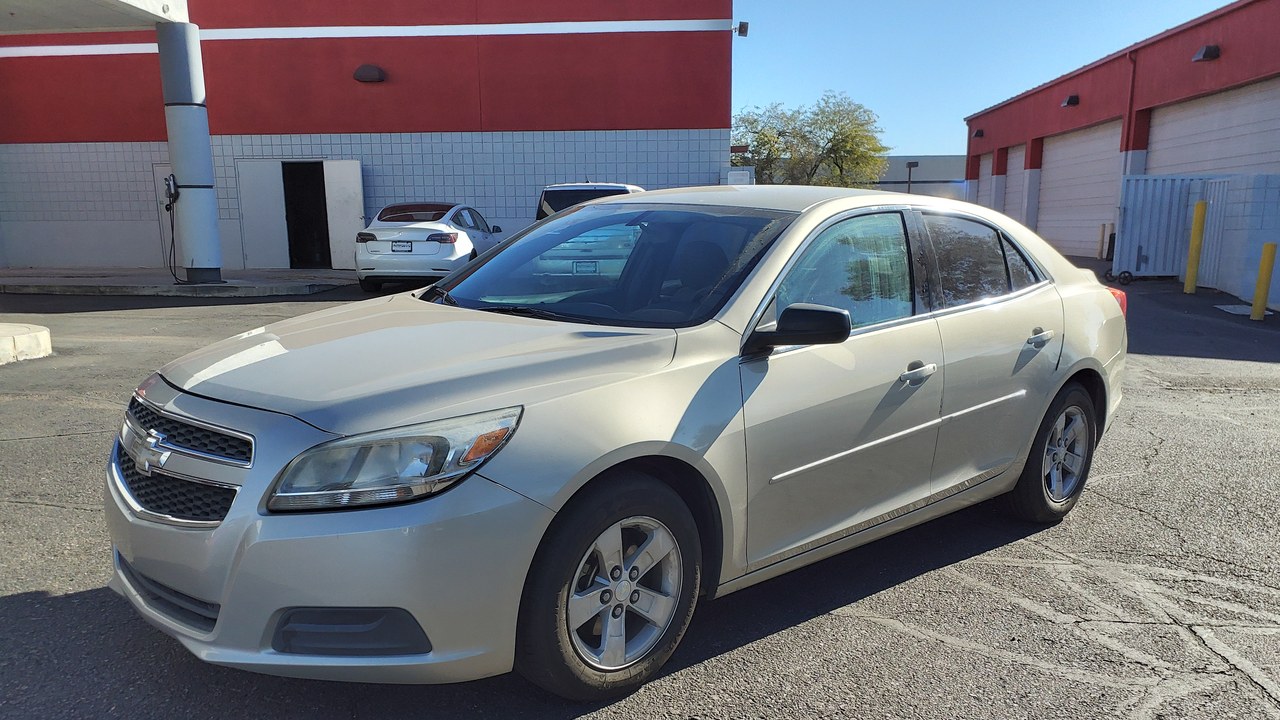
General Motors built its final Chevrolet Malibu in November 2024 at the Fairfax Assembly plant in Kansas, closing out a nameplate dating back to the 1960s as Chevrolet shifted that plant toward building the electric Bolt EUV rather than another gasoline sedan.
The Malibu had been Chevrolet’s last mainstream sedan sold at real volume, regularly ranking among the brand’s top sellers even in its final years, and its exit leaves the brand’s car lineup to the Corvette alone, meaning buyers who still want an affordable Chevy sedan now have to shop the used market instead of a dealership order sheet.
3. Toyota Avalon: Toyota’s Flagship Sedan Retirement
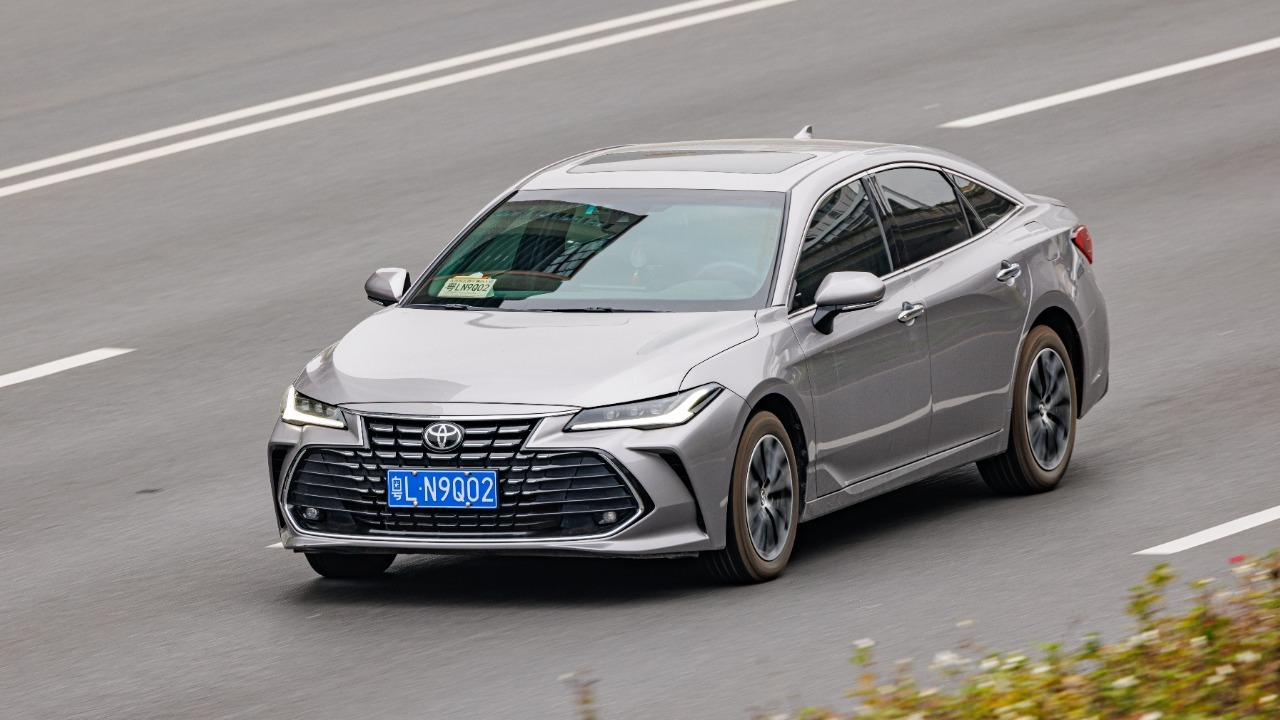
Toyota built the last Toyota Avalon in July 2022 at its Georgetown, Kentucky plant, ending a nameplate that had served as the brand’s largest, most upscale sedan since 1994 across five full generations and roughly 28 years on sale.
Toyota never named a direct sedan successor, instead nudging Avalon buyers toward the Crown, a taller hybrid-only sedan riding on a different platform, or the Highlander SUV, which means shoppers who specifically want the Avalon’s low-slung proportions and available V6 engine are now confined entirely to the used market.
4. Buick Regal: Buick’s Retreat to SUVs Only
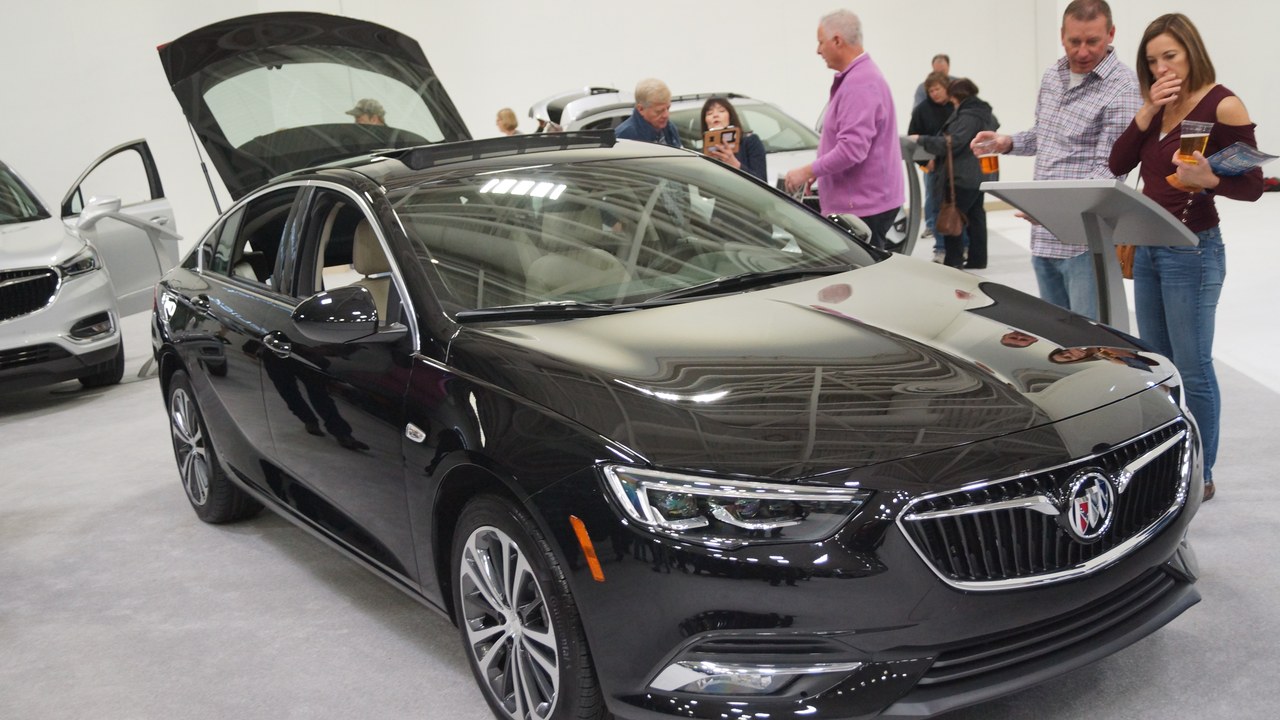
Buick pulled the Buick Regal from U.S. showrooms after the 2020 model year, discontinuing both the sportback and wagon-styled TourX versions as the brand completed a full transition to an SUV-only lineup domestically, even as related models kept selling overseas under different badges.
That shift left Buick without a single car body style in its American lineup for the first time in its history, replacing it entirely with the Encore, Envision and Enclave crossovers, so anyone wanting a Regal’s low roofline or wagon-like cargo space now has to search used inventory rather than a current-year order guide.
5. Chrysler 300: The Last Big American Rear-Drive Sedan
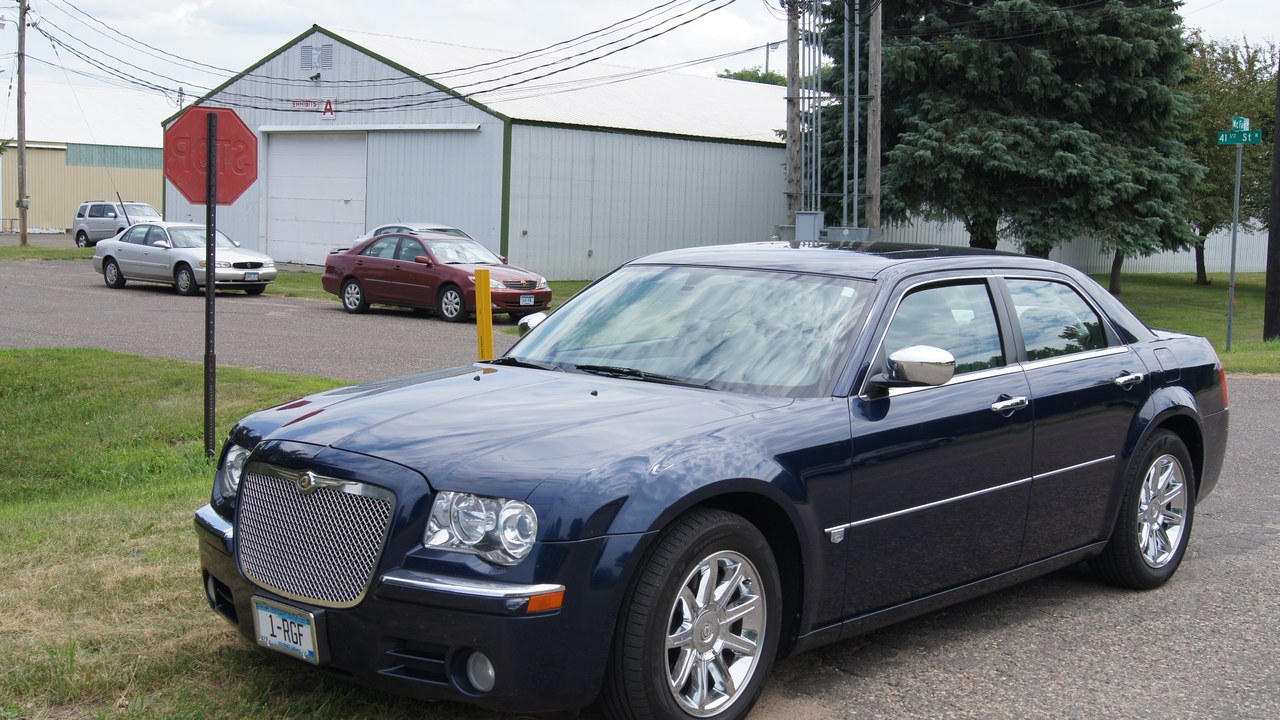
Chrysler ended Chrysler 300 production in December 2023 at the Brampton Assembly plant in Ontario, closing out a final run of limited 300C editions that marked the last full-size, rear-wheel-drive American sedan still in production after Chrysler had sold the nameplate for two full decades.
Brampton was retooled for a next-generation Dodge Charger built on a different, lighter platform, so the 300’s traditional Hemi V8, body-on-frame-adjacent rear-drive layout has no factory successor, pushing enthusiasts who want that specific combination toward used examples that are already climbing steadily in price.
6. Ford Taurus: The Family Car That Defined an Era, Gone
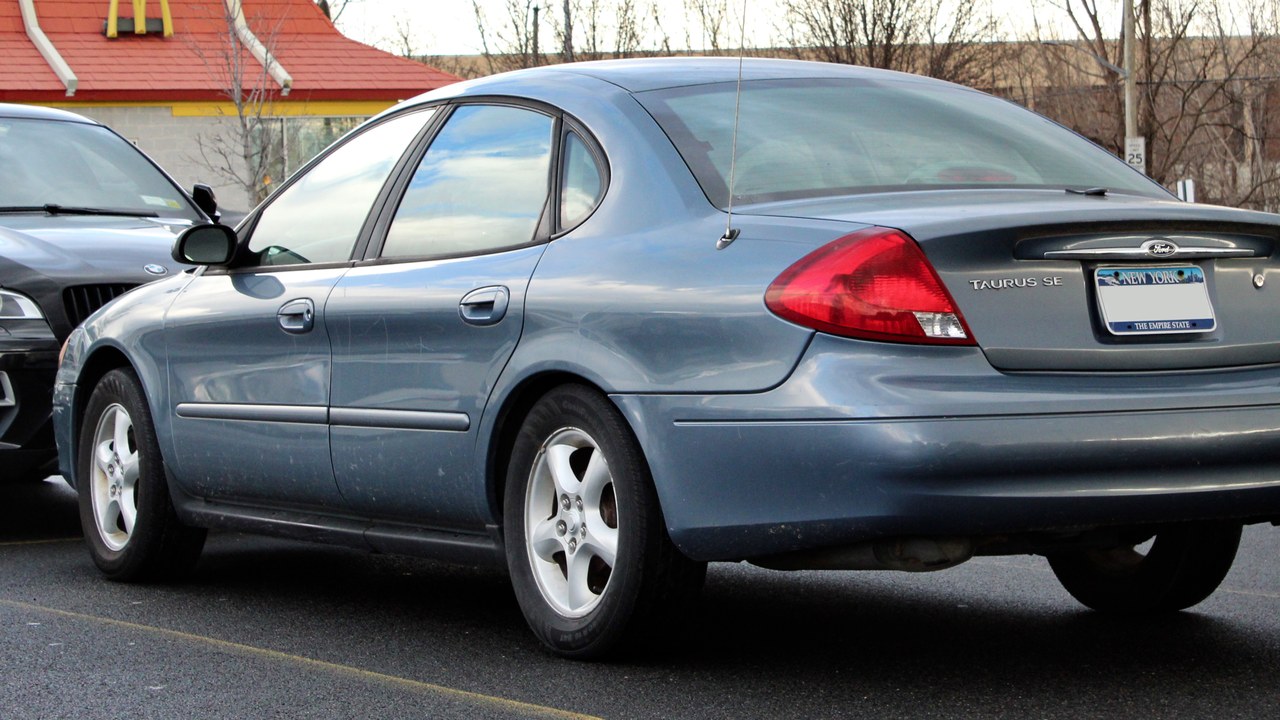
Ford built its final Ford Taurus in March 2019 at the Chicago Assembly plant, ending a nameplate that had once been America’s best-selling car in the 1990s and remained a fixture of rental and police fleets for decades afterward.
The Chicago plant’s freed capacity went entirely to the Ford Explorer and Lincoln Aviator, both SUVs built on a rear-drive platform, confirming there was no sedan successor planned, so Taurus loyalists now shop a shrinking, aging used supply rather than a dealer lot stocked with new models.
7. Chevrolet Impala: A Multi-Generation Nameplate Retired
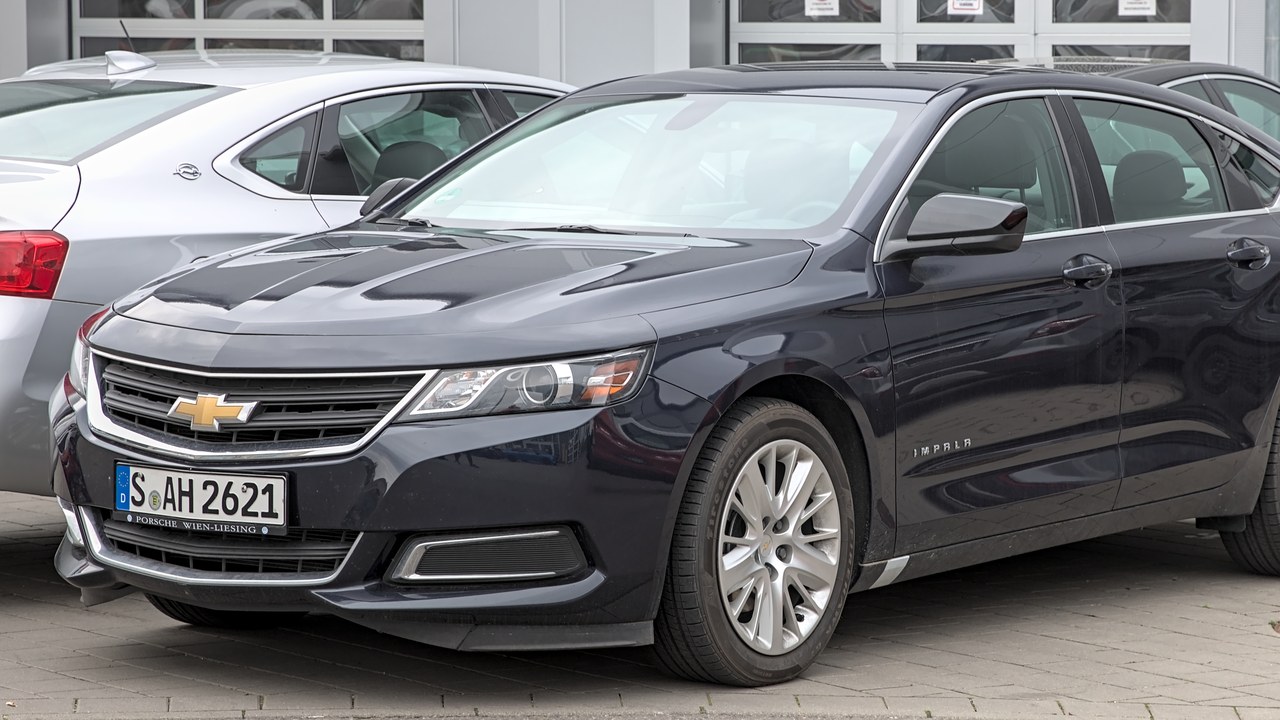
GM stopped building the Chevrolet Impala in February 2020 at the Detroit-Hamtramck plant, closing out a nameplate that first appeared in 1958 and had cycled through ten generations, including a long run as a favored full-size fleet and livery car, before GM shifted focus to crossovers.
That same Hamtramck plant was rebuilt to produce electric trucks and the Hummer EV, underscoring that the Impala’s exit was permanent rather than a pause, and buyers seeking its traditional full-size, cushioned ride now compete for a fixed, aging pool of used cars with no new equivalent in Chevrolet’s current lineup.
8. Volkswagen Passat: VW’s American Sedan Exit
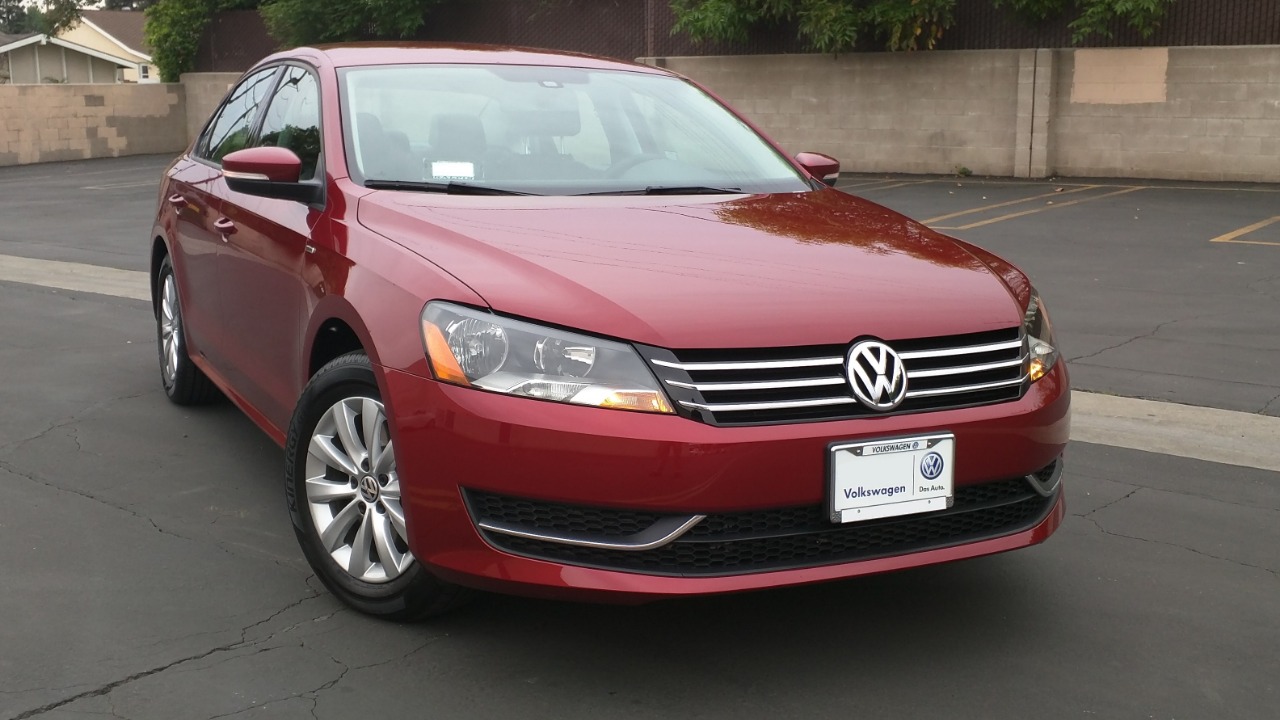
Volkswagen built its last U.S.-market Volkswagen Passat in 2022 at its Chattanooga, Tennessee plant, ending domestic sedan production there after roughly a decade of American assembly as the factory shifted its lines toward building the electric ID.4 crossover instead.
The Passat continues to sell in other global markets under updated generations, so the nameplate is not entirely dead worldwide, but American buyers now have no new-Passat option at any VW dealer, meaning a used example is the only way to get VW’s midsize sedan on this side of the Atlantic.
9. Cadillac CT6: A Flagship That Barely Got Started
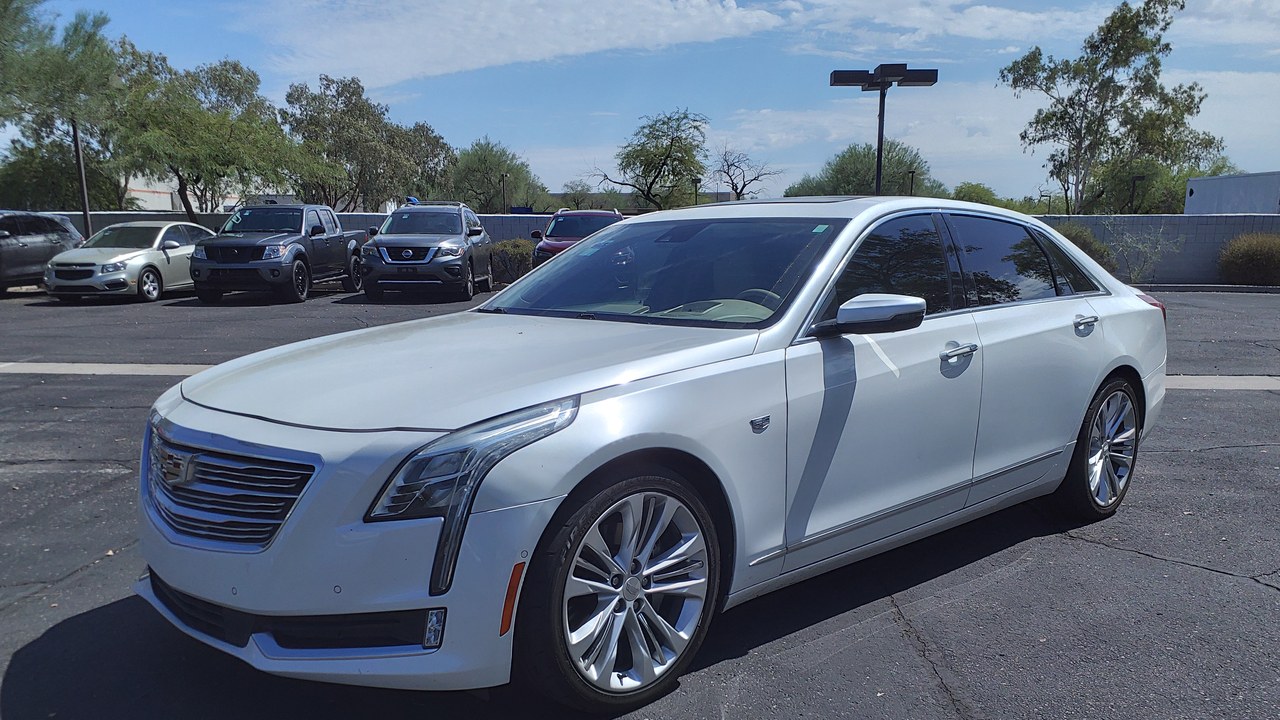
Cadillac ended Cadillac CT6 production in early 2020 at the Detroit-Hamtramck plant after only about four model years on sale, cutting short a flagship sedan that had been built to compete directly with German luxury rivals like the BMW 7 Series.
The short production run makes surviving CT6 examples relatively scarce already, and with Hamtramck converted entirely to electric vehicle assembly for GM’s newer trucks, Cadillac has no traditional flagship sedan left to replace it, leaving buyers who want that full-size luxury layout hunting a genuinely thin used market.
10. Hyundai Azera: Hyundai’s Quiet American Departure
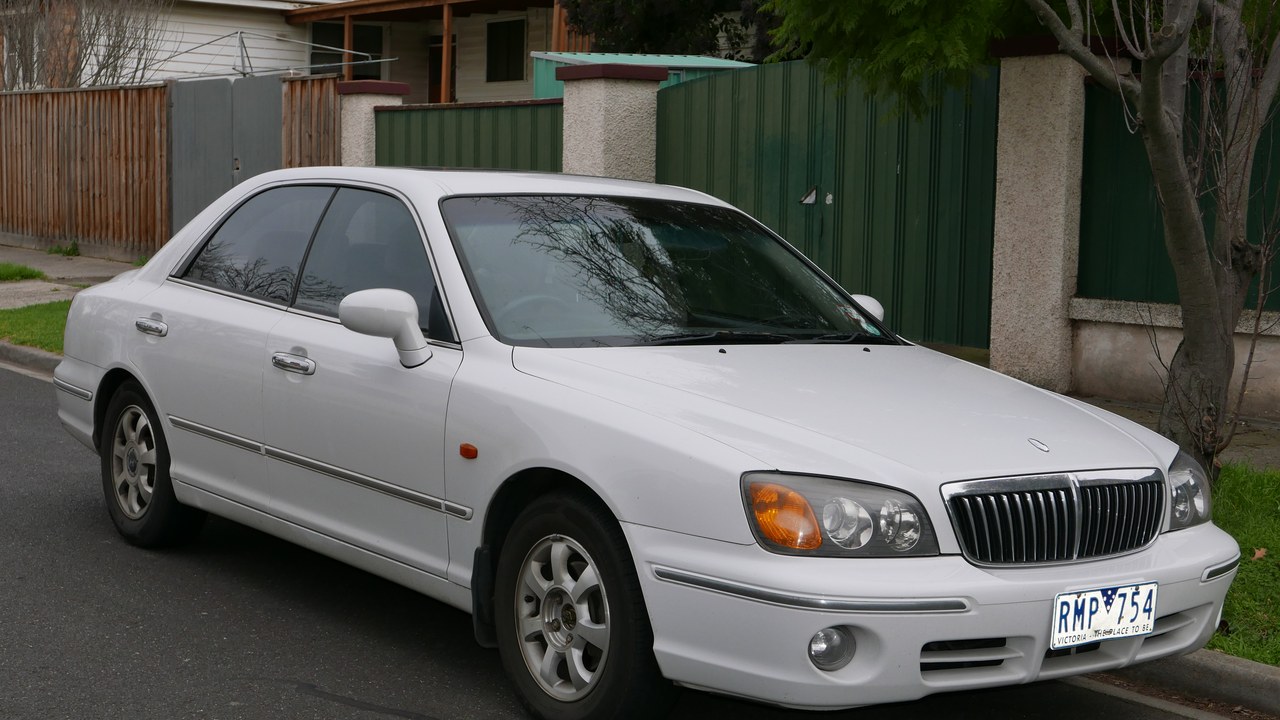
Hyundai discontinued the Hyundai Azera in the U.S. after the 2017 model year, pulling its largest sedan from American showrooms even as the closely related Grandeur kept selling steadily in South Korea under a different nameplate and styling.
Hyundai never brought a direct successor stateside, instead letting the Sonata serve as its top sedan offering for American buyers, so shoppers who want the Azera’s extra rear-seat room and higher-end content now have to look for aging used models rather than anything on a current Hyundai dealer lot.
More from Morning Overview
