
Placing an engine behind the rear axle was once a serious engineering choice, not a novelty. It changed weight distribution, freed the nose for luggage, and gave certain cars a distinctive character that lingers in collector circles today. Here are ten rear-engine machines remembered for keeping their power plant in the tail.
1. Volkswagen Beetle: The People’s Car
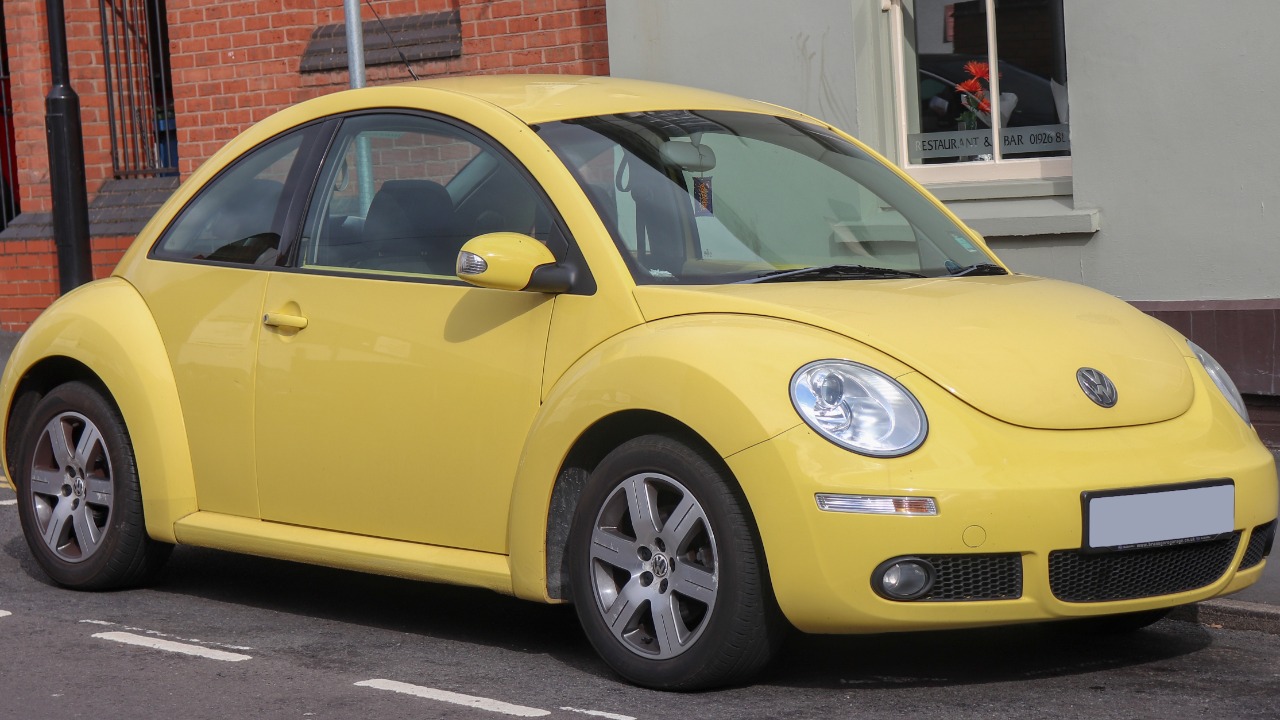
Designed in the 1930s to motorize Germany, the Beetle carried an air-cooled flat-four engine mounted behind the rear wheels. That layout kept the drivetrain compact and cheap to build, helping the car become one of the most-produced vehicles ever made.
The rearward weight bias gave the Beetle a reputation for lively, sometimes tricky handling in corners. Even so, its simplicity and durability made it a global icon, and the tail-mounted engine remained a defining trait across many decades of production.
2. Porsche 911: The Rear-Engine Icon
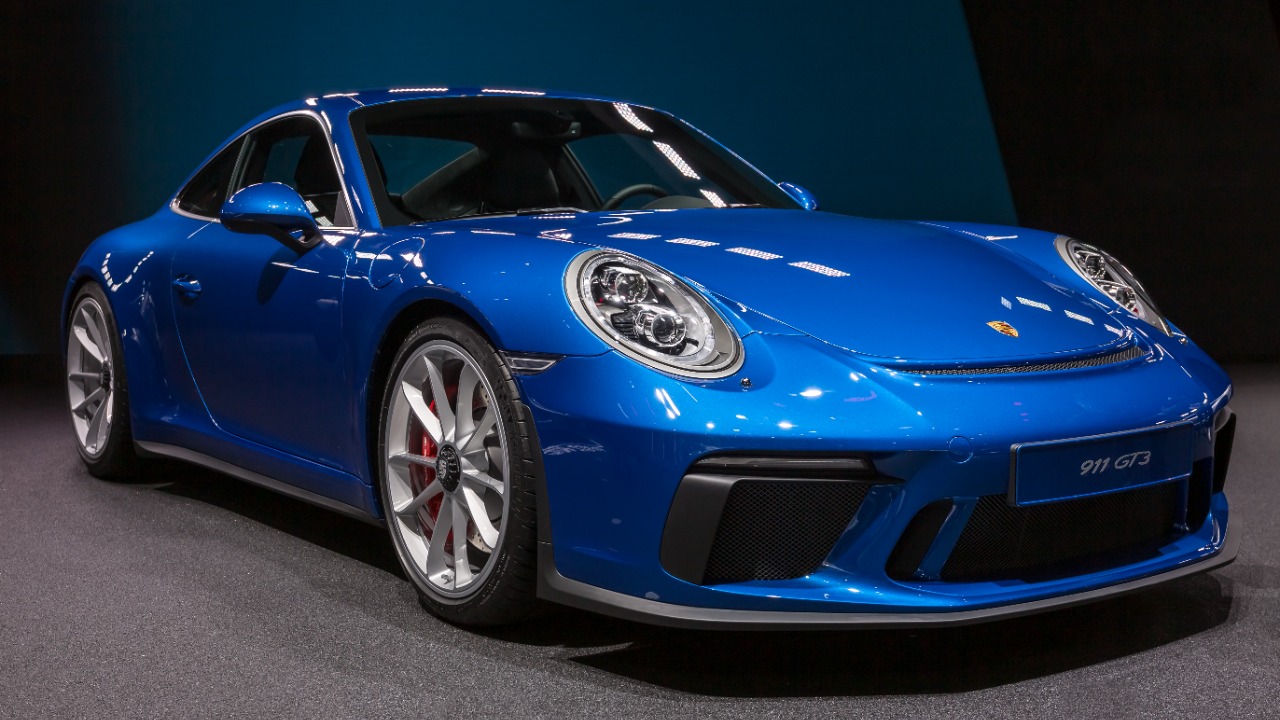
Introduced in 1963, the 911 planted its flat-six engine behind the rear axle, an arrangement most rivals abandoned as unstable. Porsche instead refined it over generations, turning a theoretically awkward layout into a hallmark of the marque’s sports cars.
Rear weight aids traction under acceleration but historically threatened sudden oversteer at the limit. Decades of chassis development, wider tires, and eventually stability systems tamed that behavior, and the engine’s stubborn placement remains central to how a 911 drives and feels.
3. Porsche 356: Porsche’s First
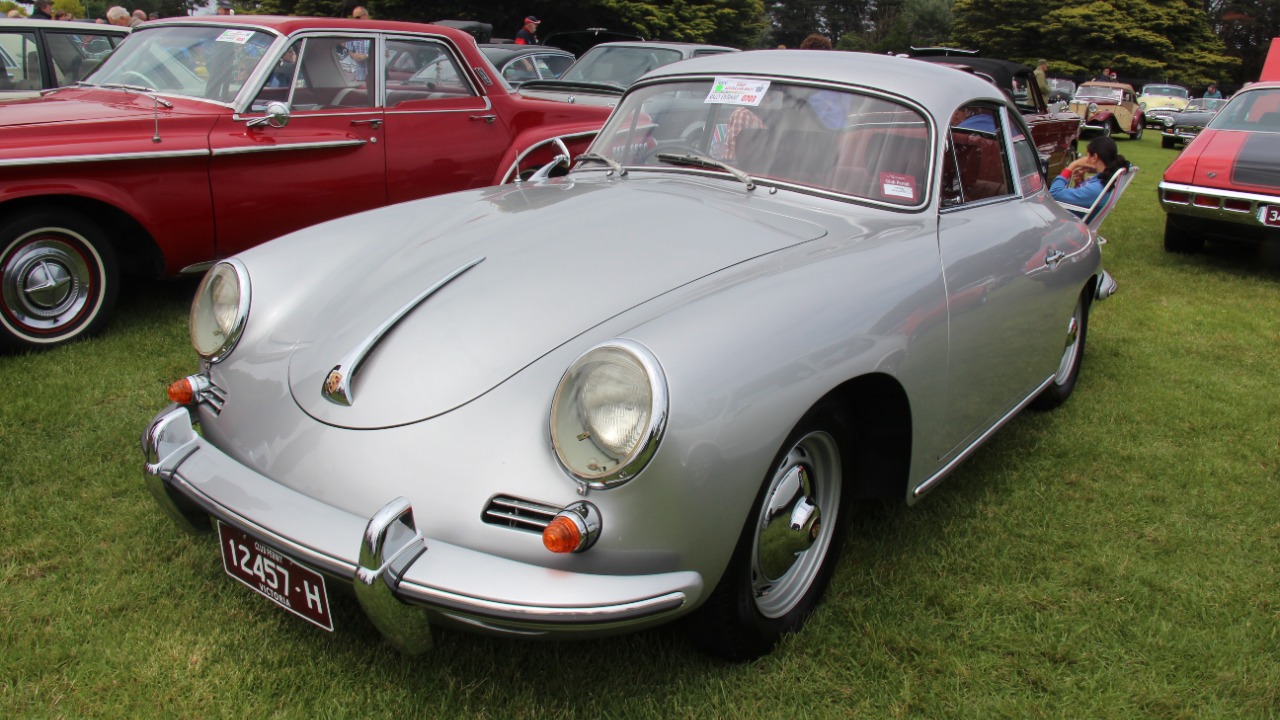
The 356 was Porsche’s first production model, built from 1948 with a rear-mounted, air-cooled engine derived from Volkswagen components. Its lightweight body and tail-heavy balance established the engineering template the company would follow for many decades.
Early cars made modest power, yet their low mass and nimble feel made them competitive in period racing and beloved by enthusiasts. The 356 proved that a rear engine could underpin a serious sports car, directly seeding the celebrated 911 that eventually replaced it.
4. Chevrolet Corvair: America’s Rear-Engine Gamble
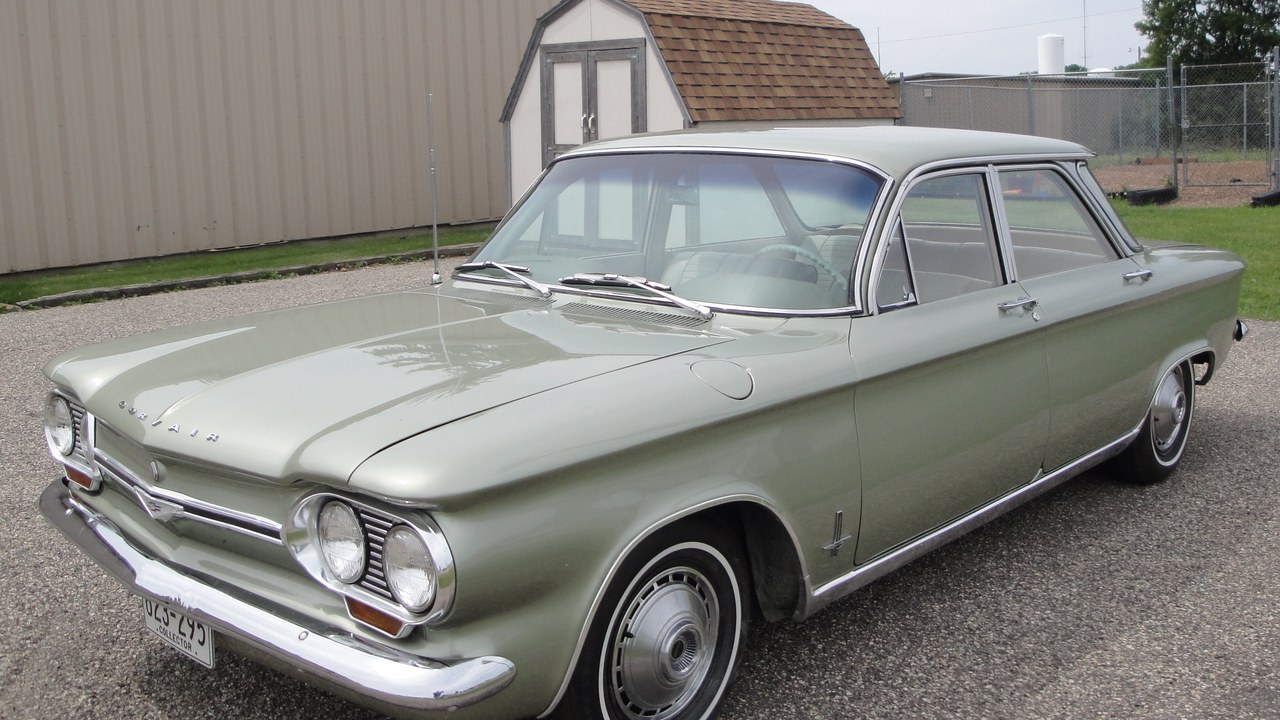
General Motors launched the Corvair in 1960 as America’s boldest rear-engine production car, powered by an air-cooled flat-six behind the rear axle. The unconventional layout offered a flat floor and compact packaging rare among domestic sedans of the era.
Early swing-axle models drew scrutiny over handling, most famously in Ralph Nader’s pointed critique of automotive safety. Later revisions improved the suspension, but the controversy shadowed the car and helped end mainstream American interest in the rear-engine passenger-car formula for decades.
5. Tatra 603: Czech Rear-V8 Oddity
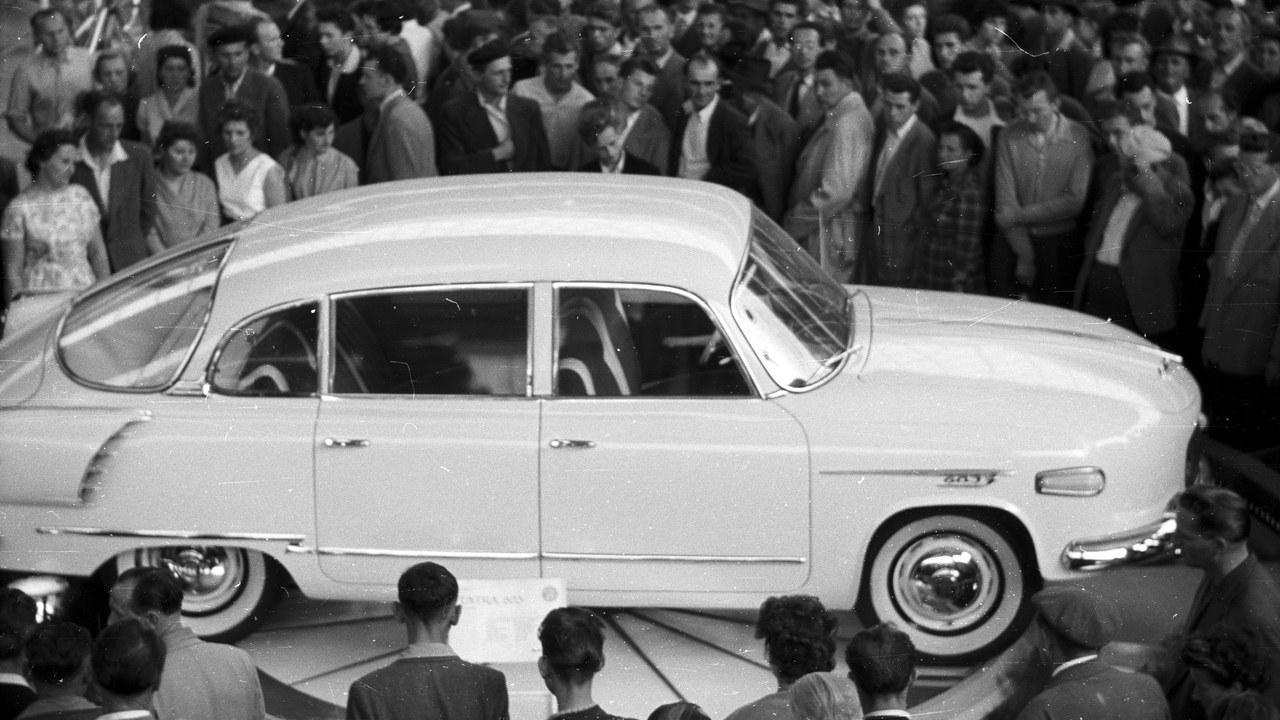
Built in communist Czechoslovakia from 1956, the Tatra 603 hid an air-cooled V8 in its tail, an unusual choice for a full-size luxury sedan. Reserved largely for officials, it paired aerodynamic styling with the rear-engine tradition Tatra had championed for decades.
The heavy engine hung behind the rear wheels demanded careful driving, a trait shared by other Tatra designs. Rare outside the Eastern Bloc, the 603 survives as a curiosity that shows how far the rear-engine idea could be pushed upmarket.
6. Renault Dauphine: The French Economy Runner
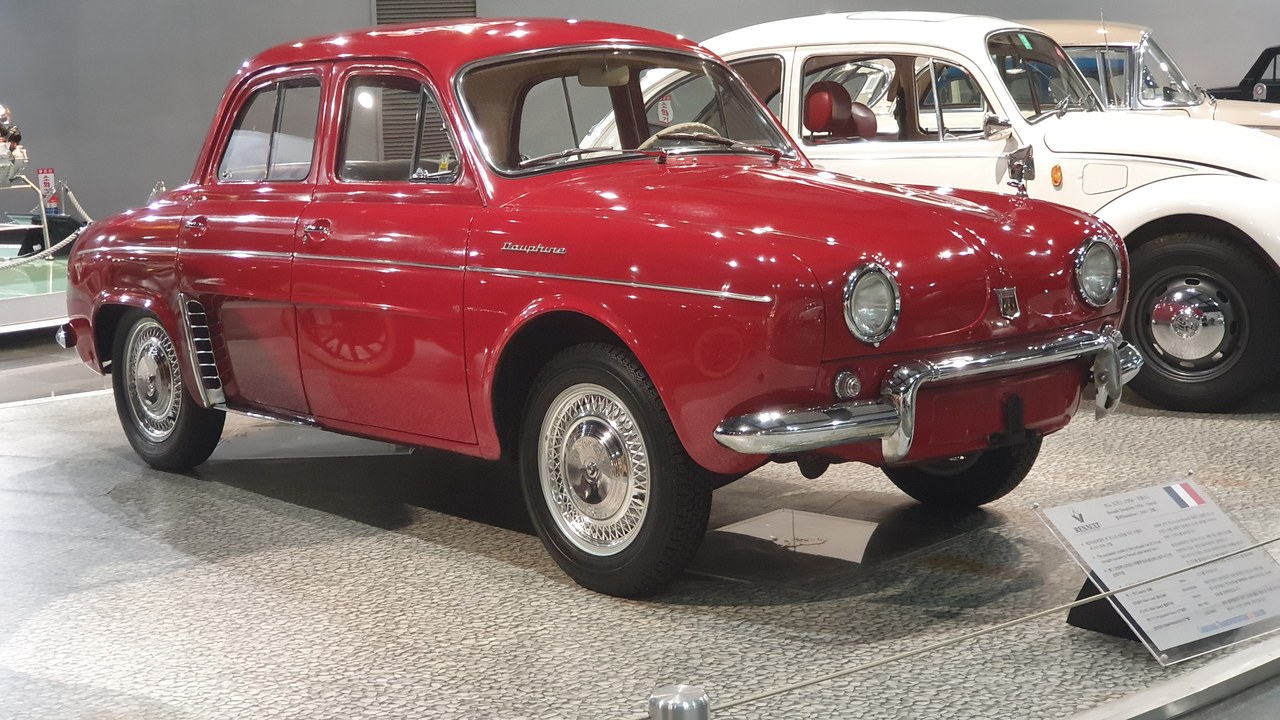
Renault built the Dauphine from 1956 as an affordable, thrifty family car with a small water-cooled engine mounted at the rear. Millions sold across global markets, making it one of the best-selling European economy cars of its era.
Light steering and modest power suited crowded city streets, though the rearward weight could unsettle the car in strong crosswinds and hard cornering. The Dauphine helped mobilize postwar Europe and, decades on, remains a familiar symbol of the era’s compact, rear-engine motoring.
7. Fiat 500: Italy’s City Classic
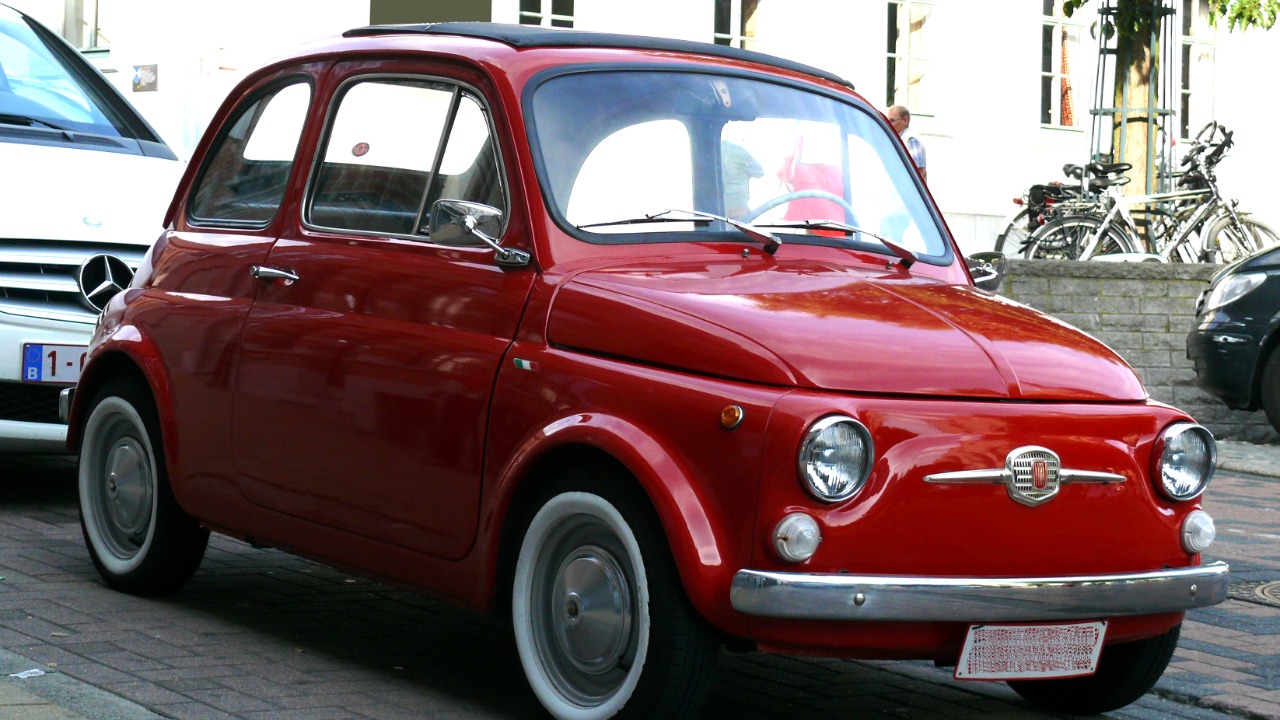
Launched in 1957, the Nuova 500 packed a tiny air-cooled twin behind the rear seats to create Italy’s definitive city car. Its minimal footprint and rear-engine layout let it thread narrow streets and squeeze into spaces larger postwar cars could not.
The two-cylinder engine made little power, but low weight kept the car lively enough for urban traffic. Cheap to buy and run, the 500 motorized a generation of Italians and became a lasting emblem of small, thrifty rear-engine design.
8. Tucker 48: The Postwar Innovator
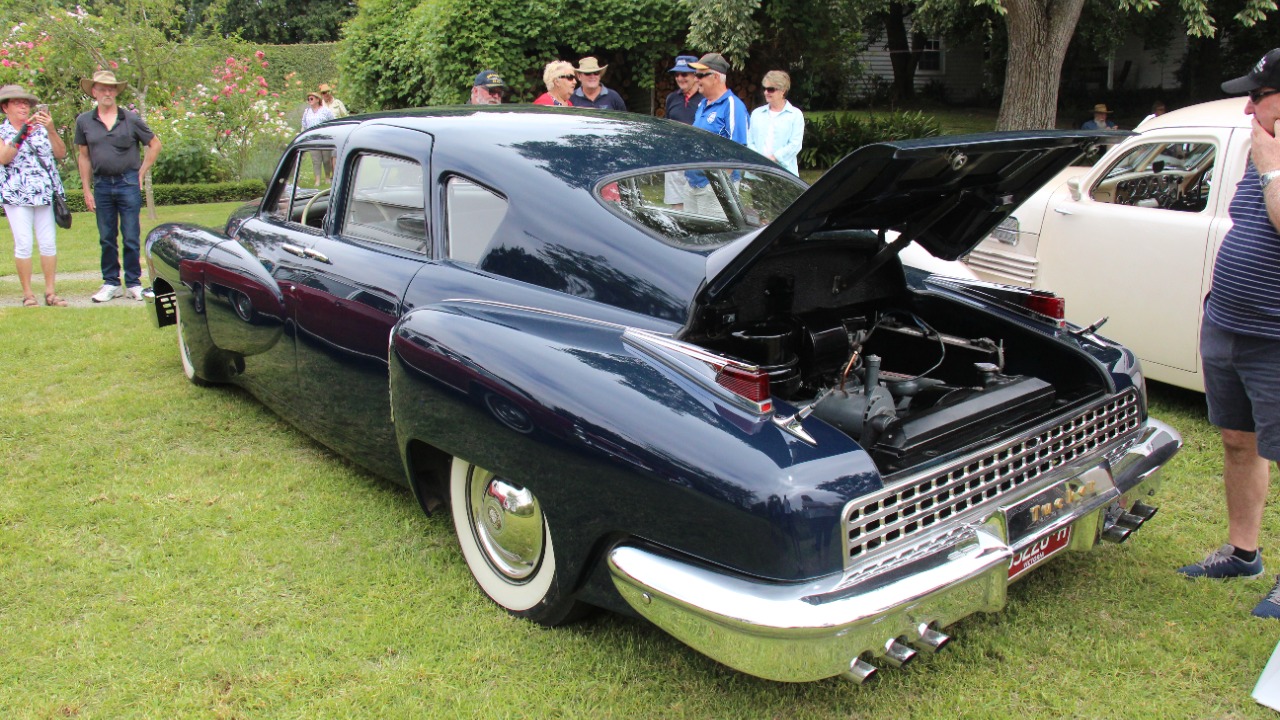
Preston Tucker’s 1948 sedan mounted a large flat-six behind the rear axle, part of an ambitious package of forward-looking safety features and fresh engineering. Only 51 examples were built before the company collapsed amid serious financial and legal troubles.
The rear engine freed the interior and complemented ideas like a padded dash and a center headlight that turned with the wheels. Though production ended almost immediately, the Tucker 48 endures as a symbol of bold postwar ambition and rear-engine daring.
9. Volkswagen Type 3: VW’s Family Squareback
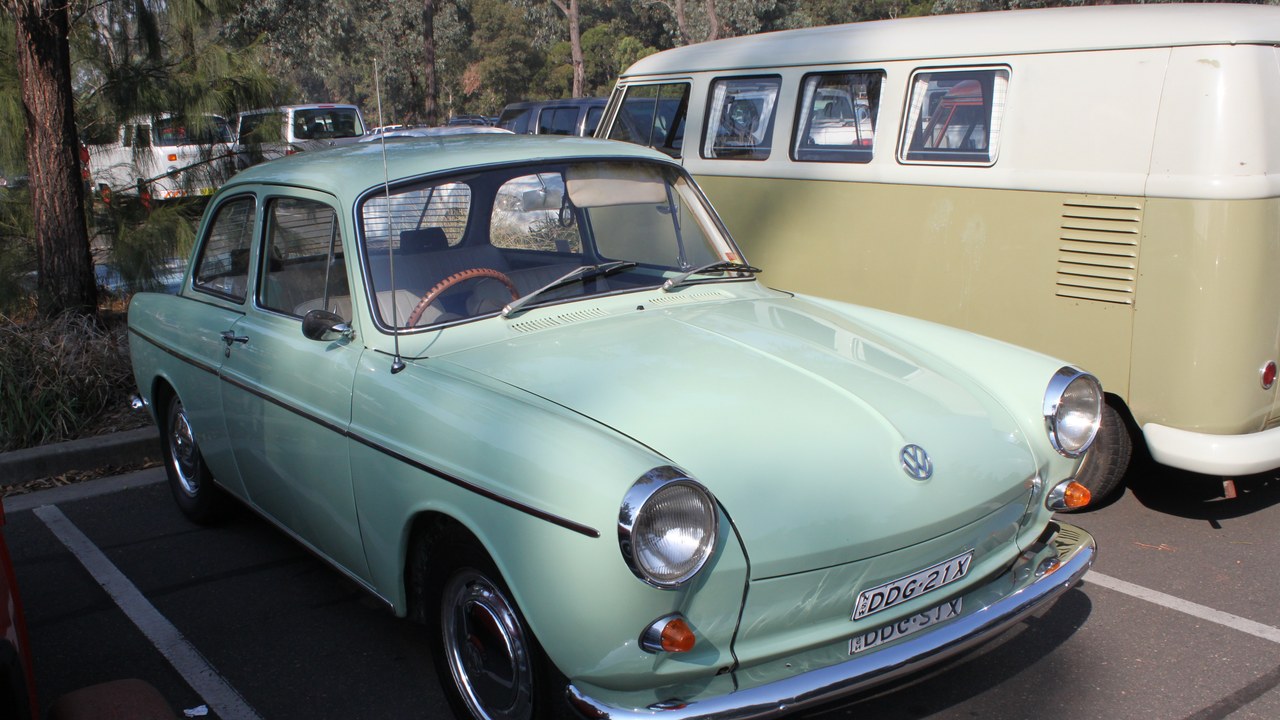
Introduced in 1961, the Type 3 gave Volkswagen a roomier family car while retaining the rear-engine layout of the Beetle. A flattened ‘pancake’ engine tucked low beneath the cargo floor, freeing usable luggage trunks at both ends of the compact body.
Offered as a notchback, a fastback, and a wagon, it broadened the brand’s appeal beyond the Beetle. The clever engine packaging showed the rear-engine concept could deliver practicality, bridging Volkswagen’s air-cooled past and its later shift to front-drive designs.
10. Smart Fortwo: The Modern Two-Seater
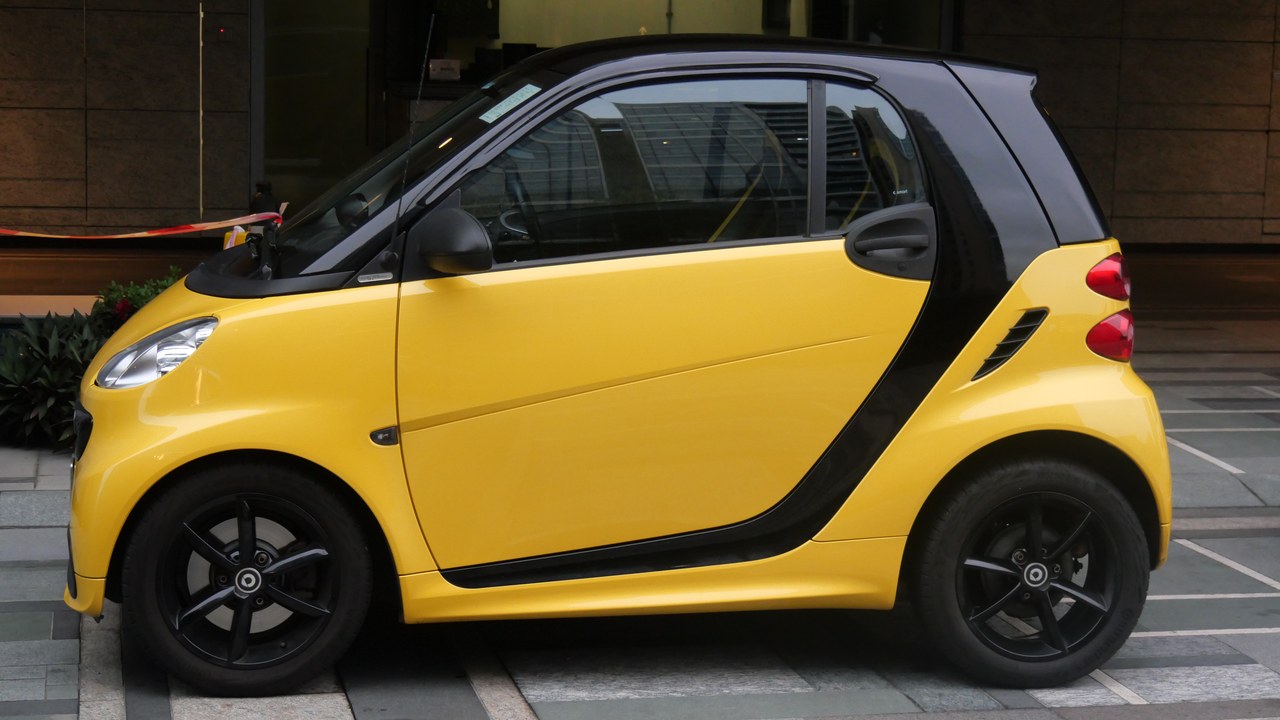
The Smart Fortwo revived the rear-engine idea for the modern era, placing a small engine beneath the cargo area to keep its footprint barely over two meters long. That packaging made it one of the shortest production cars sold widely in cities.
The layout enabled tight turning and easy parking, though the short wheelbase produced a firm, choppy ride. Sold in numerous countries as urban transport, the Fortwo proved the rear-mounted engine still had a role in twenty-first-century car design.
More from Morning Overview
