
Most modern cars hinge every door at the front, but a small lineage of production vehicles has done the opposite for style, access, or nostalgia. Rear-hinged coach doors, once nicknamed suicide doors, let occupants step out facing forward instead of into traffic. Here are ten production cars that borrowed the layout, from ultra-luxury sedans to a compact rotary coupe.
1. Rolls-Royce Phantom VIII: A Return To Coach Doors
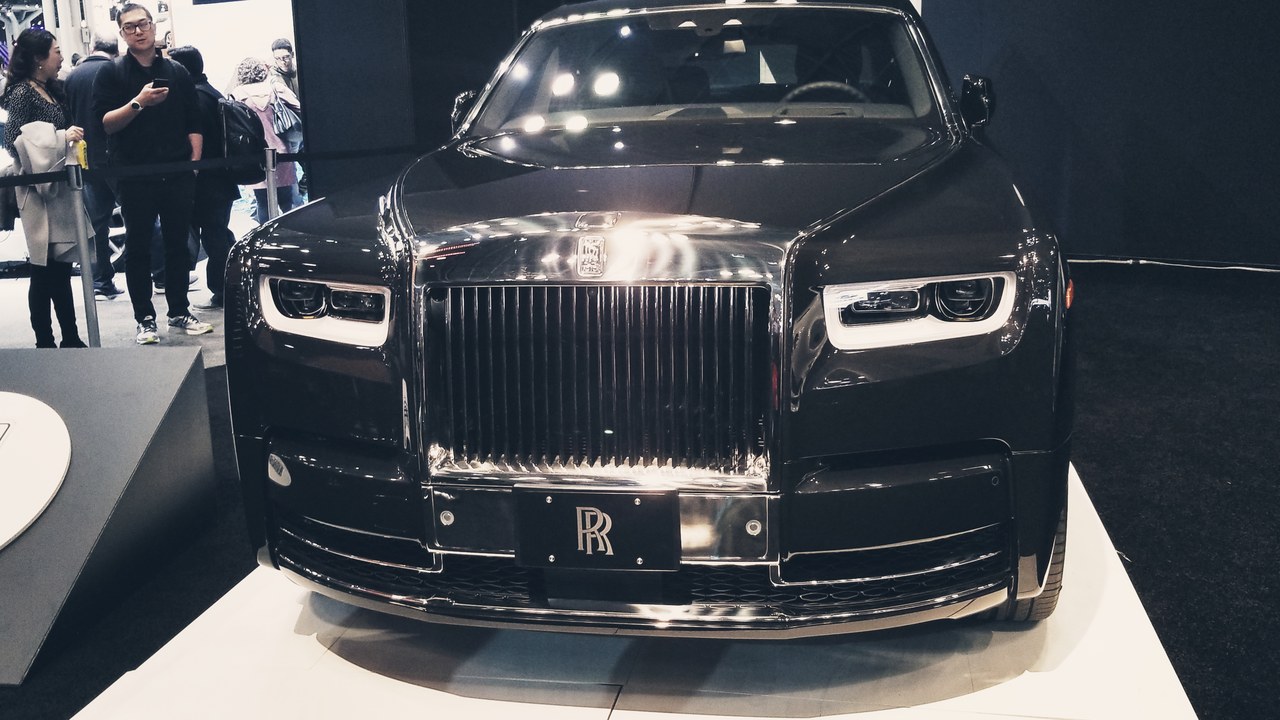
Rolls-Royce hinges the rear doors of its eighth-generation Phantom at the back rather than the front, so passengers step out facing forward instead of into the road. The brand markets the layout as coach doors, a direct callback to the horse-drawn carriages that inspired its earliest models decades ago.
Each door closes itself at the push of a button, since the panels are too heavy and too wide for most owners to shut by hand from a seated position. The setup also removes the center pillar, opening a wide gap for formal arrivals and chauffeured exits alike.
2. Rolls-Royce Cullinan: An SUV Keeps The Tradition
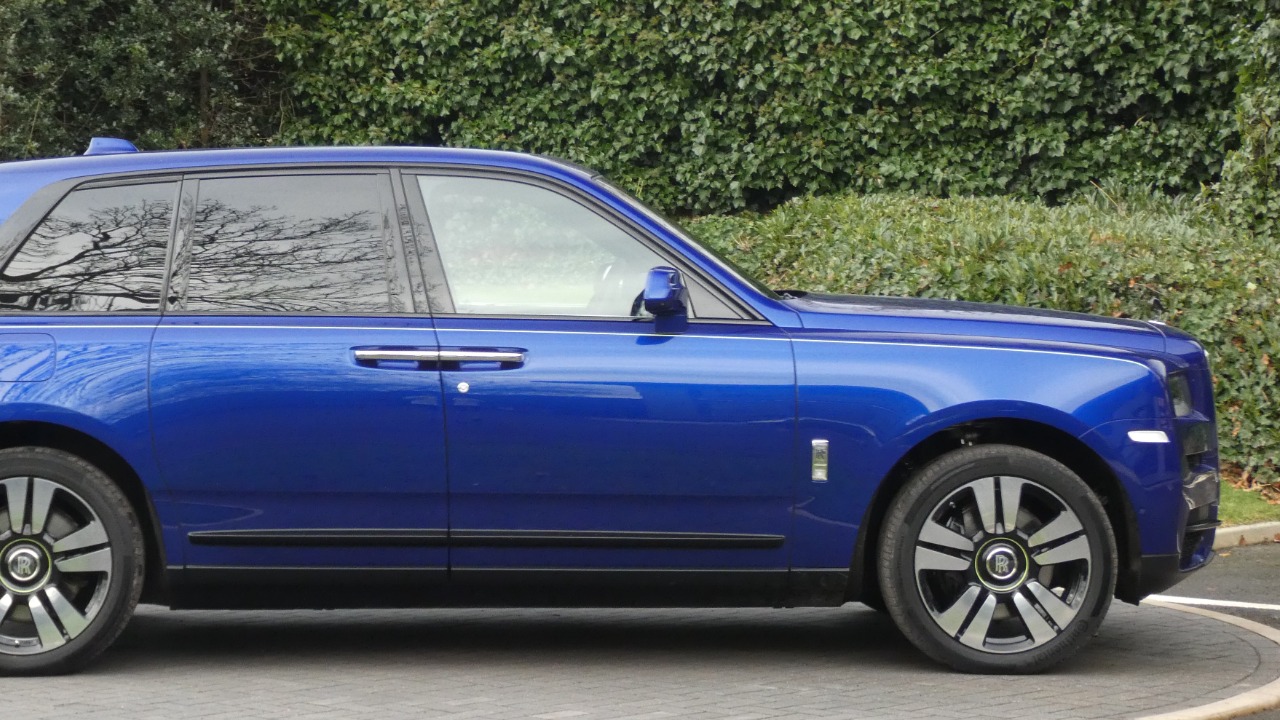
Rolls-Royce carried its signature rear-hinged doors onto the Cullinan SUV, making it one of the only off-road-capable vehicles anywhere with coach doors front and back. Buyers can option a matching umbrella holder built into each door, continuing a feature the brand has offered since the Silver Cloud era.
The rear doors swing wide enough to load bulky cargo or step out in formalwear without ducking under a low roofline. Rolls-Royce also pairs the doors with adjustable-firmness seats, treating the SUV as a lounge on wheels rather than a simple family hauler.
3. Mazda RX-8: Hidden Doors With No Pillar
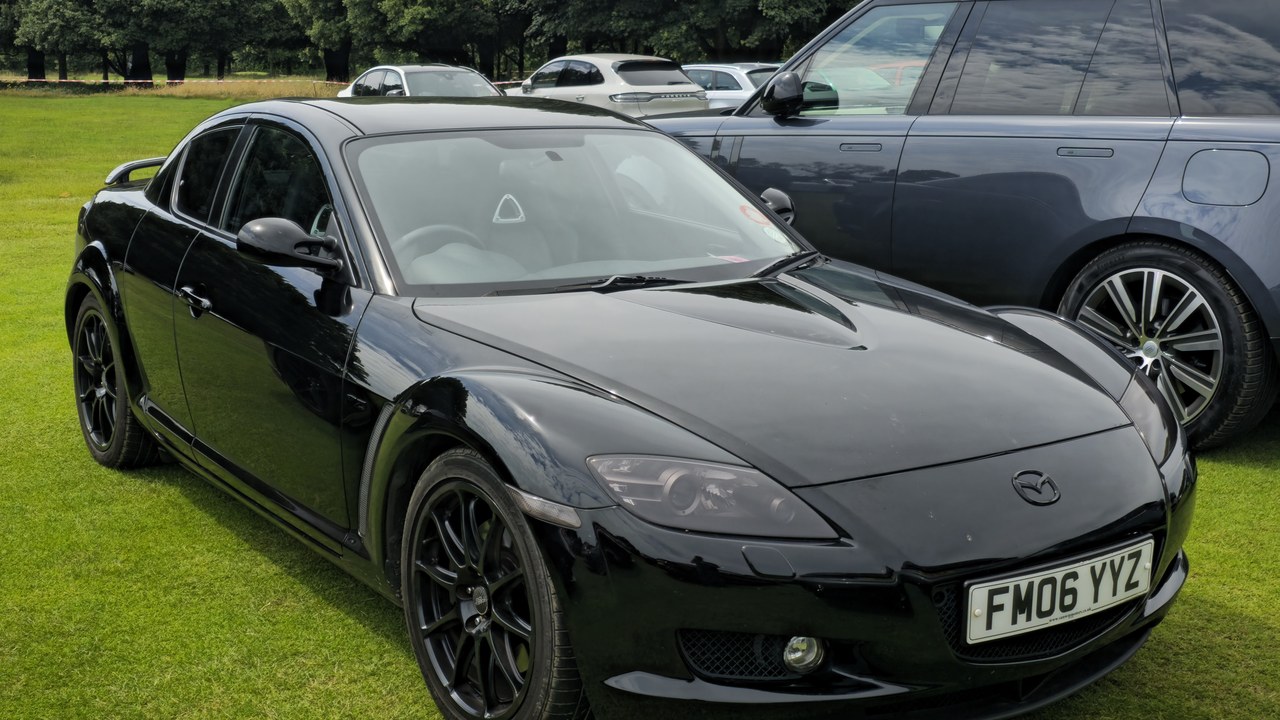
Mazda built the rotary-powered RX-8 with small rear-hinged doors it called freestyle doors, tucked flush into the bodywork with no center pillar between them and the fronts. The rear doors could only open once the front doors were unlatched, a sequence the coupe required for structural rigidity.
The layout gave backseat riders a wide opening despite the coupe’s low, sporty roofline, something few two-door cars of its era offered. Mazda discontinued the RX-8 in 2012, and the freestyle-door layout never returned on any later rotary concept.
4. Honda Element: Clamshell Doors On A Box
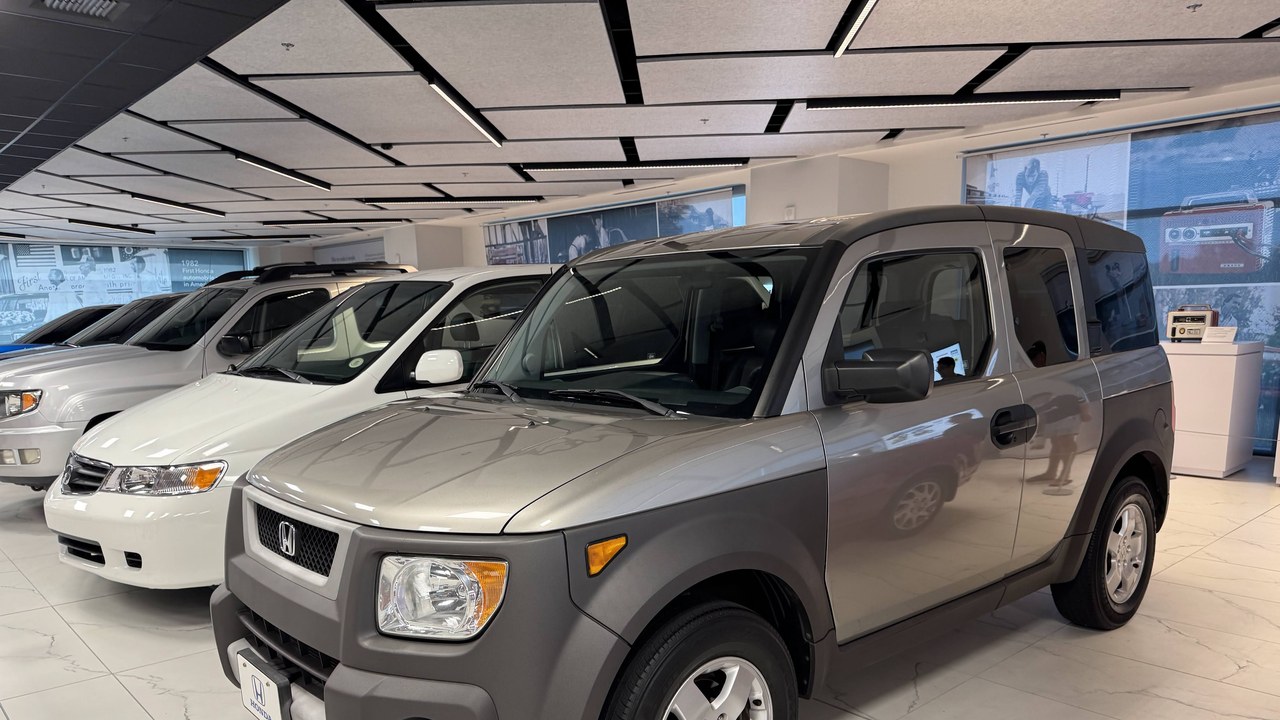
Honda built the boxy Element SUV with rear doors hinged at the back, swinging open against the closed front doors in a clamshell arrangement. Like the RX-8, the rear doors stayed locked until the fronts opened, since neither pair had its own center pillar to lean on.
The setup made loading surfboards, bikes, and camping gear far easier than a conventional door layout, matching the Element’s outdoorsy marketing. Honda ended Element production in 2011, and no direct successor kept the same door arrangement.
5. BMW i3: An Electric City Car’s Twist

BMW gave its electric i3 hatchback narrow rear doors hinged at the back, openable only after the front doors swung out first. The carbon-fiber-heavy body let BMW skip a conventional center pillar, since the passenger cell itself supplied the needed rigidity.
Rear passengers get a surprisingly wide opening for such a compact car, useful for child seats in a vehicle built mainly for city driving. BMW ended i3 production in 2022 after nearly a decade on sale, closing out one of the few electric cars with the layout.
6. Toyota FJ Cruiser: Half Doors On A Retro SUV
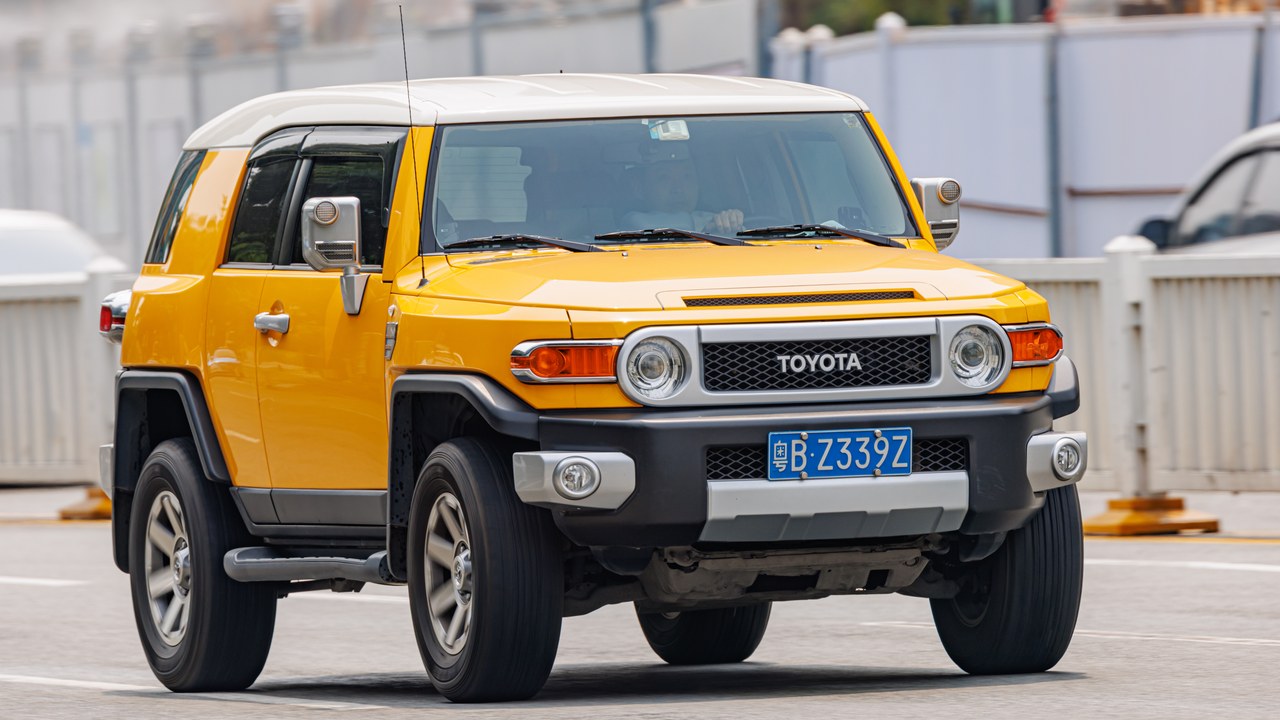
Toyota fitted the retro-styled FJ Cruiser with rear-hinged half doors that opened backward to reach the small back seat, echoing the two-door layout of the original FJ40 Land Cruiser it was styled after. The half doors could not open independently of the fronts, keeping the SUV’s off-road structure intact.
The narrow rear opening made the back seat awkward for taller adults, a common complaint in period reviews despite the SUV’s off-road strengths. Toyota sold the FJ Cruiser in the United States through the 2014 model year before retiring the nameplate.
7. Mini Clubman: One Door, Passenger Side Only
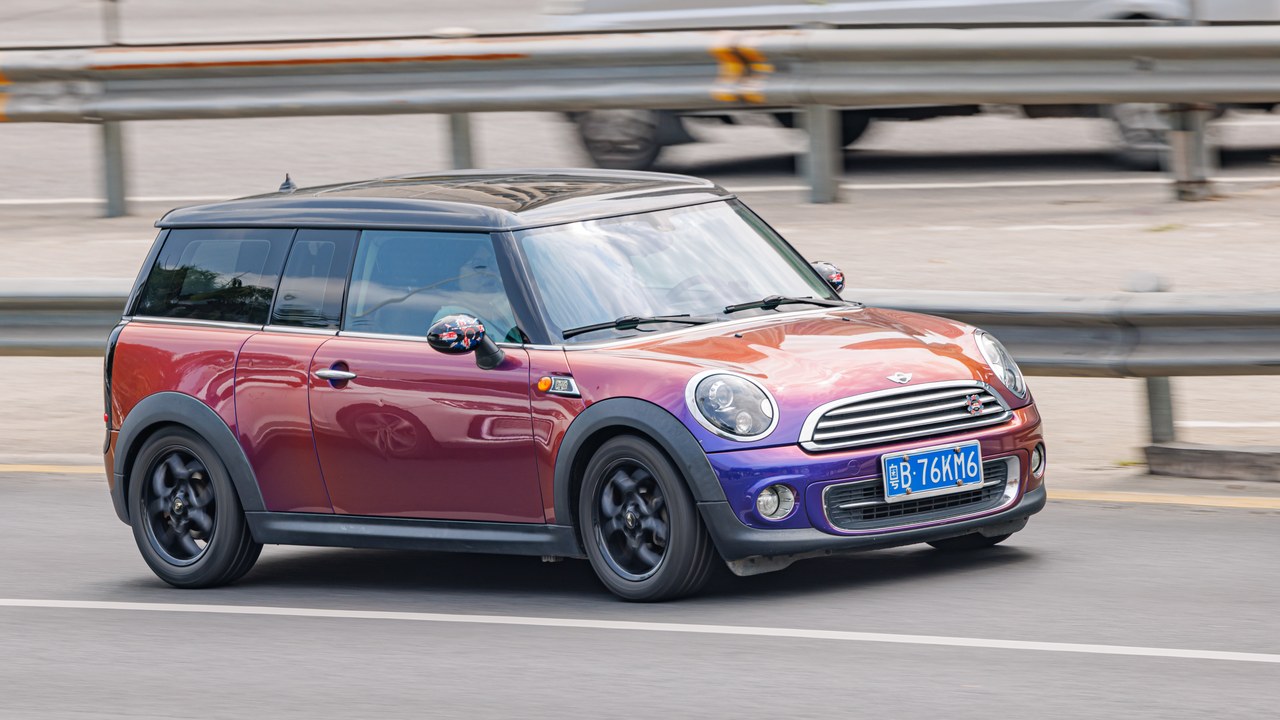
The first-generation Clubman wagon added a single rear-hinged door, nicknamed the Clubdoor, on just one side of the car rather than a matching pair. Mini placed it on the curb side in most markets, giving rear passengers a dedicated entry without the cost of doubling the mechanism.
The asymmetric layout drew criticism from reviewers who found it awkward in tight parking spaces or on the traffic side of a street. Mini dropped the single Clubdoor when it redesigned the Clubman for its second generation, switching to a more conventional four-door layout instead.
8. Saturn Ion Quad Coupe: Rear Access Without A Pillar
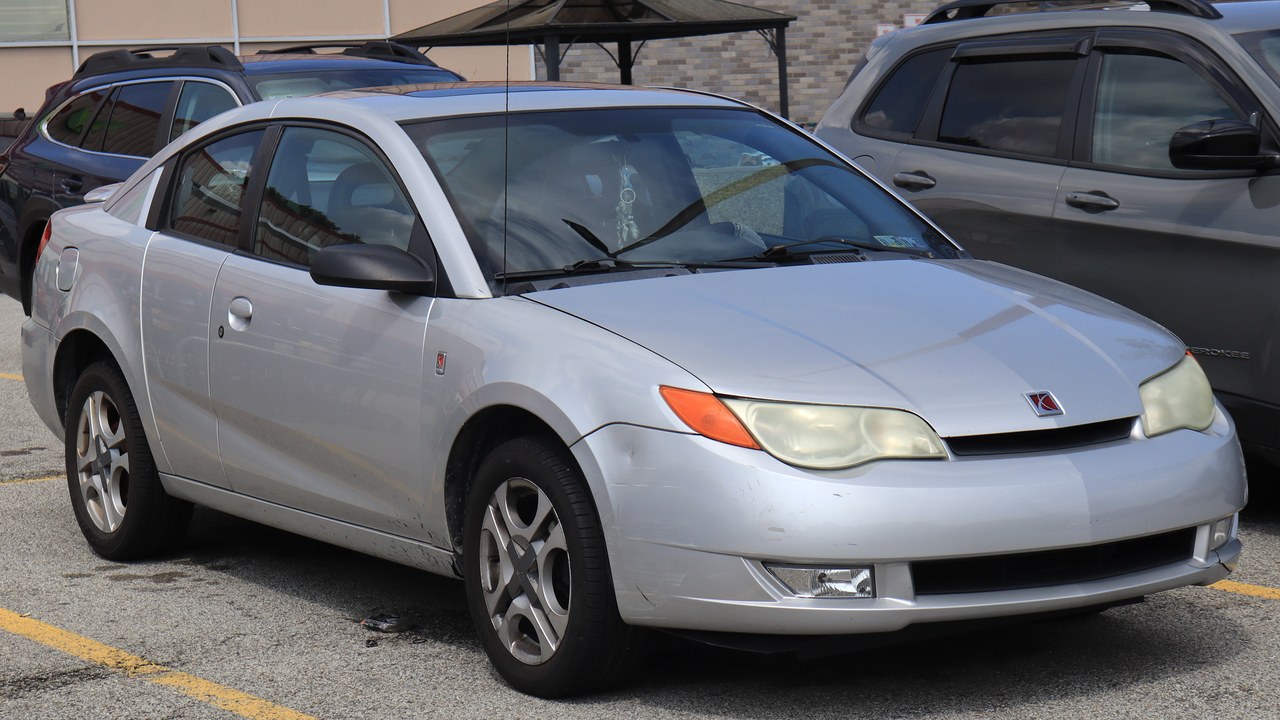
Saturn offered the Ion compact as a Quad Coupe with small rear-hinged doors and no fixed center pillar, similar in concept to Mazda’s freestyle doors on the RX-8. Like those rivals, the rear doors on the Ion only opened once the fronts were already open.
The layout let Saturn sell what was effectively a two-door coupe with the practicality of easier rear-seat access for kids or cargo. General Motors discontinued the Ion, along with the entire Saturn brand, by 2010 as part of its bankruptcy restructuring.
9. Ford F-150 SuperCab: Half Doors On America’s Truck
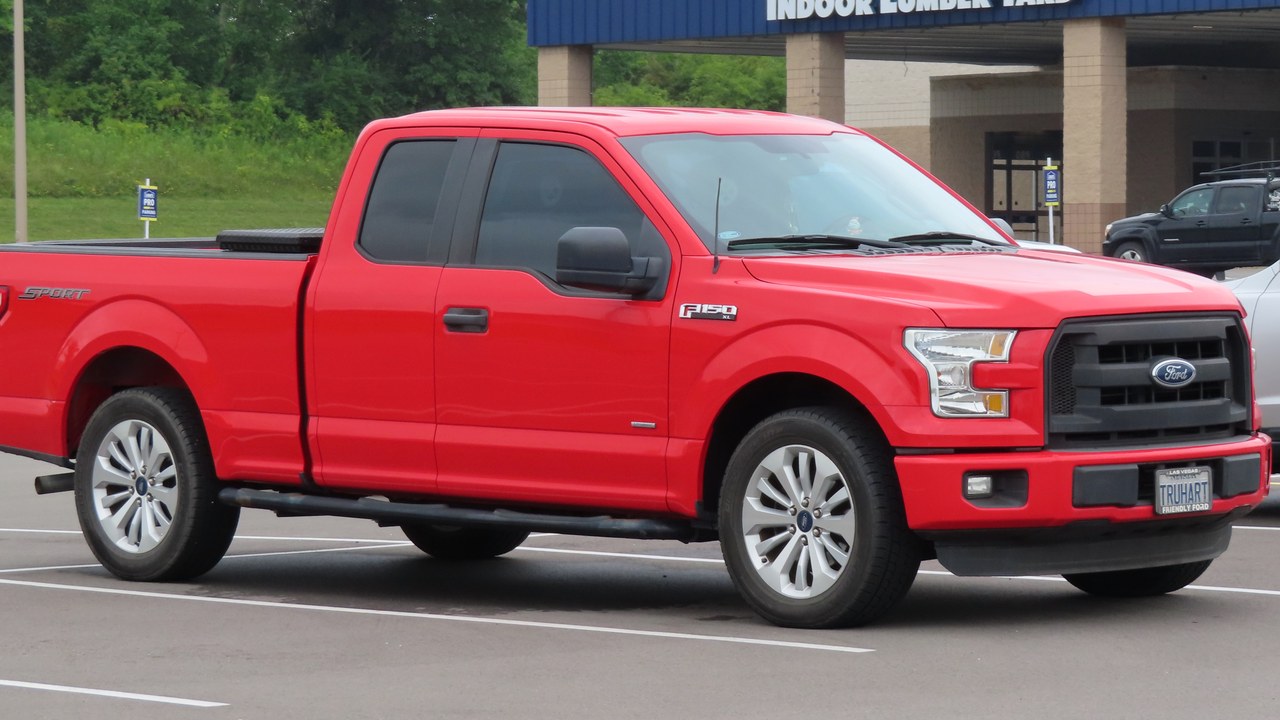
Ford built extended-cab versions of the F-150 pickup, badged SuperCab, with small rear-hinged half doors that opened backward into a compact back seat behind the front bench. The half doors, like similar setups on rival trucks, could not swing open until the front doors were unlatched first.
The design let Ford offer extra cabin space and modest rear seating without the cost and length of a full four-door SuperCrew body. Ford has sold SuperCab F-150s alongside regular- and crew-cab versions for decades, aiming the configuration at buyers who rarely carry rear passengers.
10. Lincoln Continental Coach Door Edition: A Limited Return Of Suicide Doors
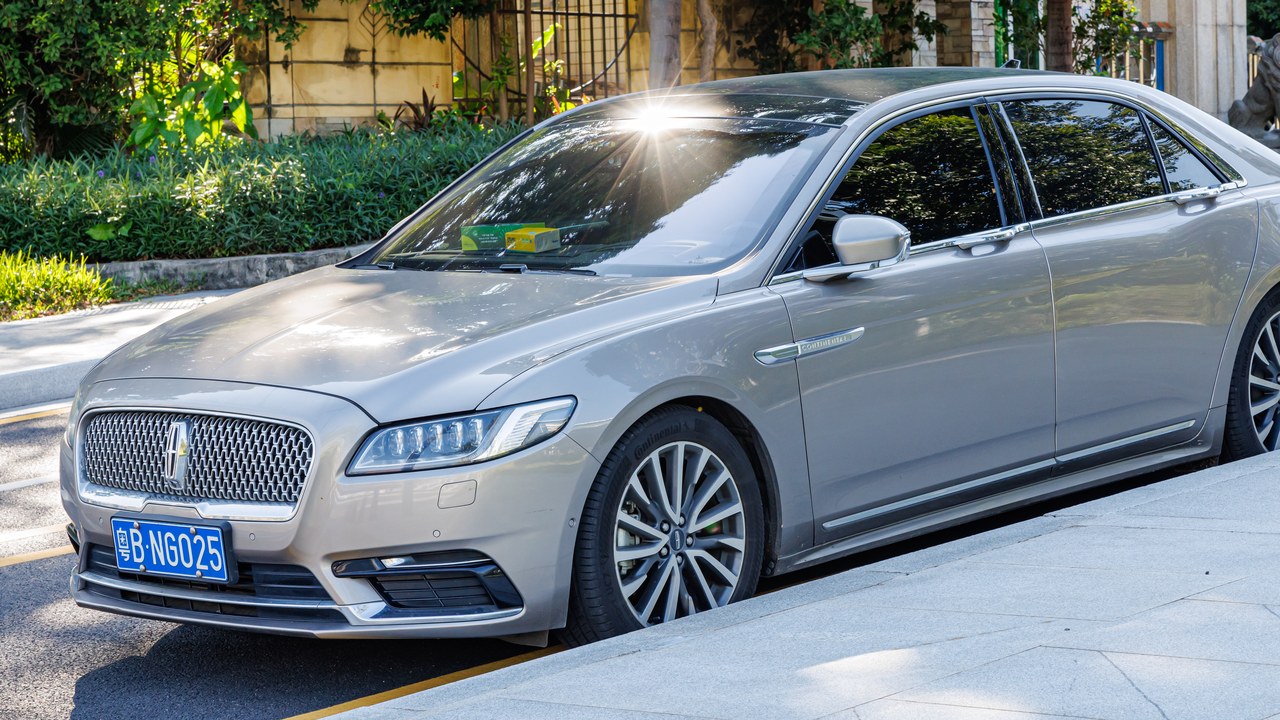
Lincoln revived rear-hinged coach doors on a stretched version of its tenth-generation Continental sedan, building the limited Coach Door Edition for the 2019 and 2020 model years. The extended wheelbase gave the rear doors room to swing wide without interfering with the front doors.
Lincoln built only a small run of roughly eighty cars, each hand-finished and priced well above a standard Continental, aiming squarely at collectors. The Coach Door Edition arrived just before Lincoln discontinued the Continental nameplate entirely, making it one of the last cars to wear the name.
More from Morning Overview
- The NSA warns one messaging setting can clone your texts to a stranger
- Security experts still urge phone owners to switch off one location-tracking setting
- Automakers are quietly dropping the stop-start feature many drivers love to hate
- A granite sarcophagus surfaced in Egypt with its original lid still sealed
