
Automakers thin their lineups every year, but the current round cuts unusually deep into names that shaped American driveways. Muscle coupes, full-size sedans, cheap commuters and a full-size pickup are all being retired as budgets shift toward crossovers and electric models. Here are ten popular models automakers are killing off for 2027.
1. Chevrolet Camaro: The Muscle Icon Signs Off
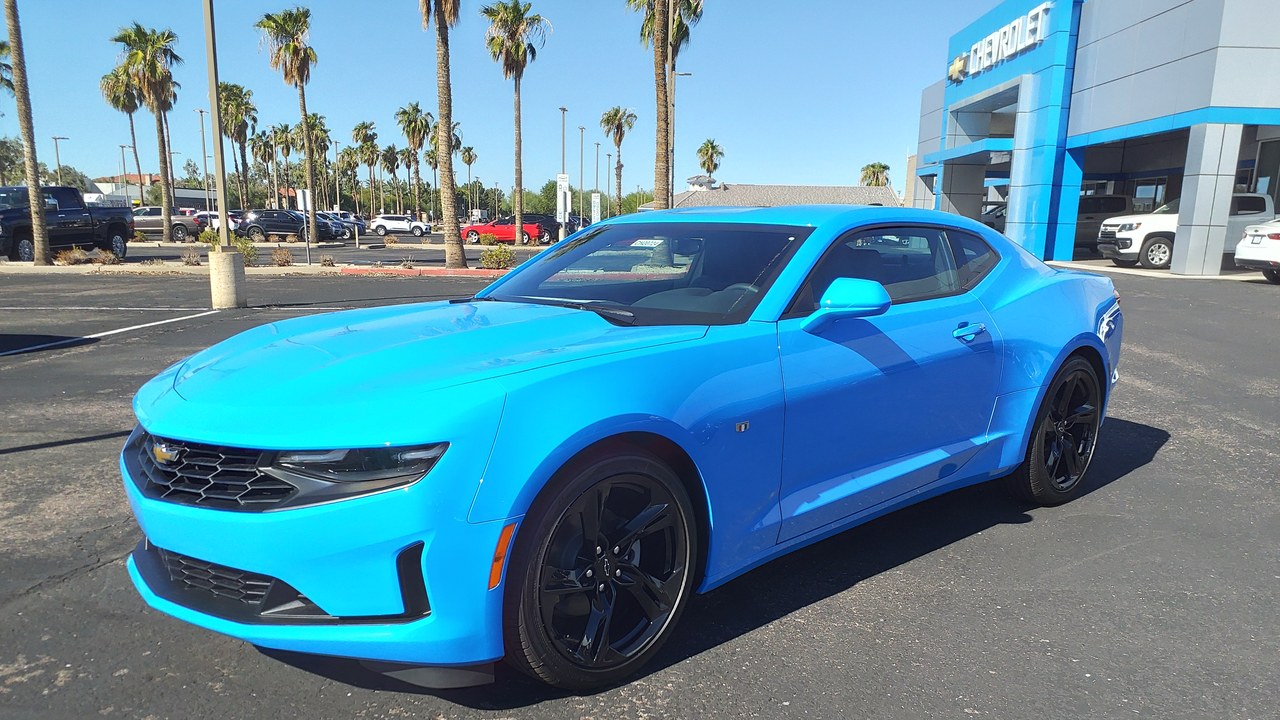
General Motors closed the book on the Camaro without naming a direct successor, retiring a nameplate that anchored Chevrolet’s performance image for generations. The rear-drive muscle coupe leaves the lineup with no equivalent two-door taking its place on the price list.
Shoppers wanting that formula are left with rival pony cars or the used market, where late-run examples become the only way into the nameplate. The absence also thins Chevrolet’s showroom of two-door options, leaving crossovers and trucks to carry a brand once defined by its coupes.
2. Dodge Charger (V8): Hemi Power Steps Aside
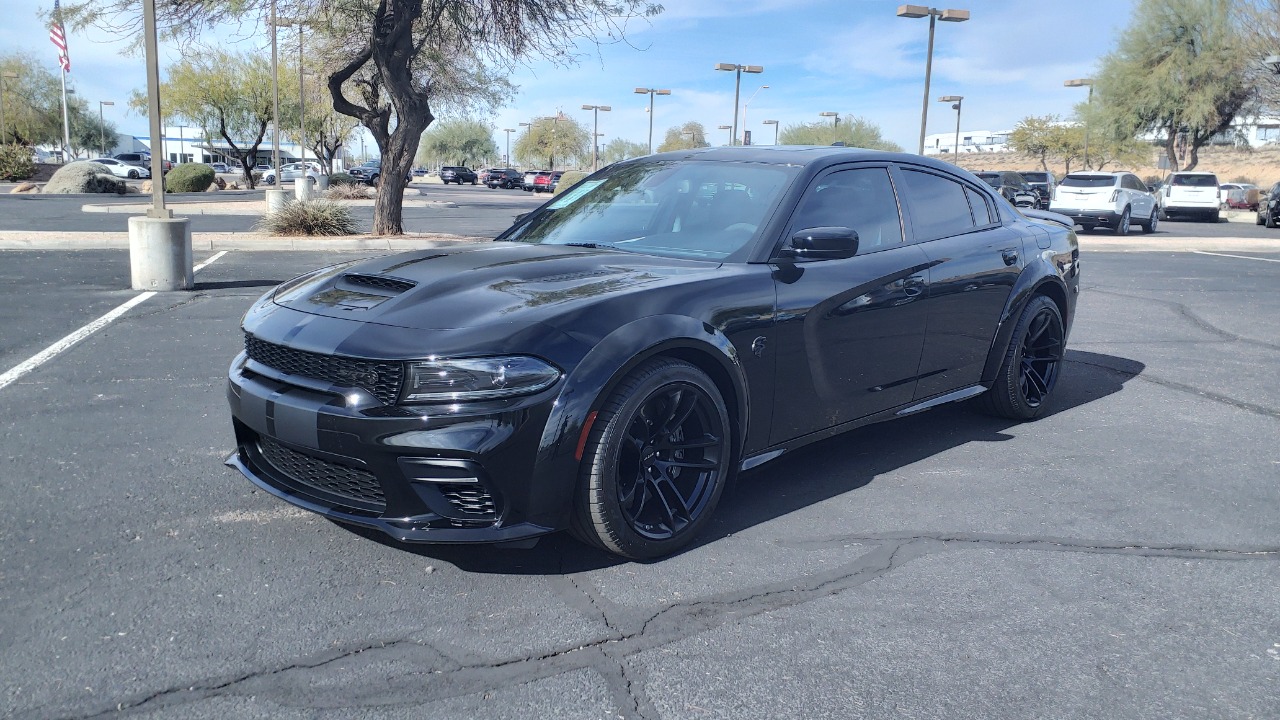
Dodge is retiring the V8 version of the Charger, closing out the era in which a Hemi-powered four-door served as the default American muscle sedan. The nameplate carries on into an electric future, but the combustion formula that made its reputation steps aside.
That shift changes what the badge means, since instant torque replaces the exhaust note that sold the car to a generation of enthusiasts. Owners of the outgoing V8 cars hold something the factory no longer builds, and the aftermarket that grew around the engine loses its newest supply.
3. Chrysler 300: Two Decades, Then Silence
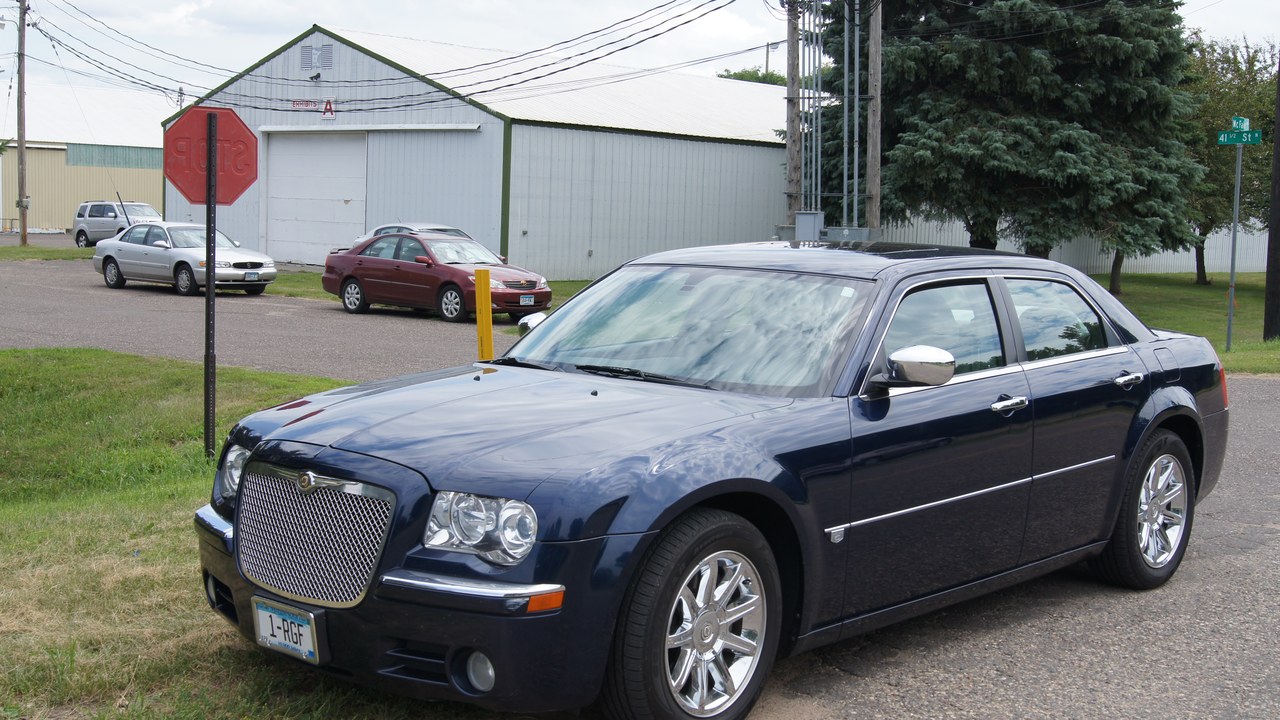
After roughly two decades on sale, the full-size Chrysler sedan has been retired, taking with it one of the last big rear-drive four-doors offered by a mainstream American brand. Its long hood and upright grille gave Chrysler an identity that nothing else in the range repeats.
Large, quiet, rear-drive sedans without a luxury badge are now a thin category, so buyers who wanted that combination face a narrower set of choices. Most end up in the used market or shopping a class above on price, which is a meaningfully different purchase.
4. Ford Edge: The Middle Crossover Exits
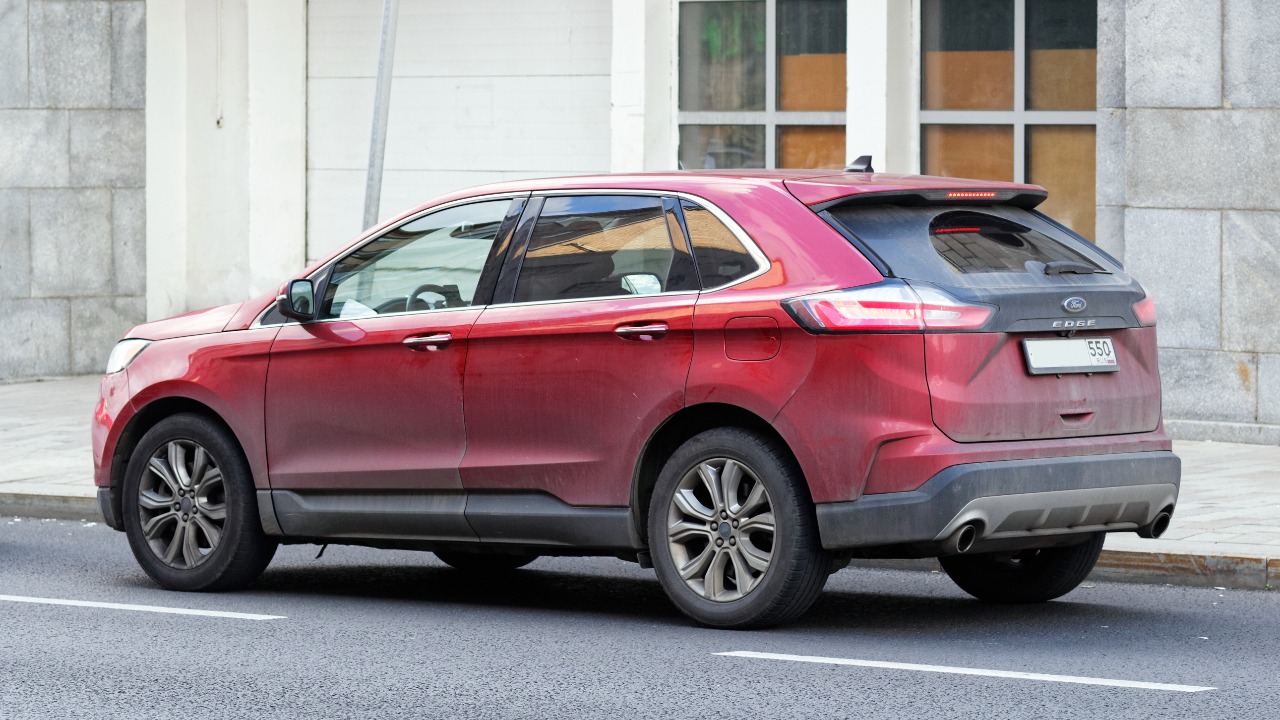
Ford stopped selling the Edge in the United States, pulling a two-row crossover out of the gap between the compact Escape and the three-row Explorer. The midsize Ford crossover suited buyers who wanted more room than a compact without the length or third row of a full family hauler.
Its departure hands that middle rung to rivals and steers shoppers up or down Ford’s ladder rather than across it. Remaining inventory and off-lease examples become the practical route to one, with parts and service still running through the existing dealer network.
5. Nissan Titan: Pulled From the Truck Fight
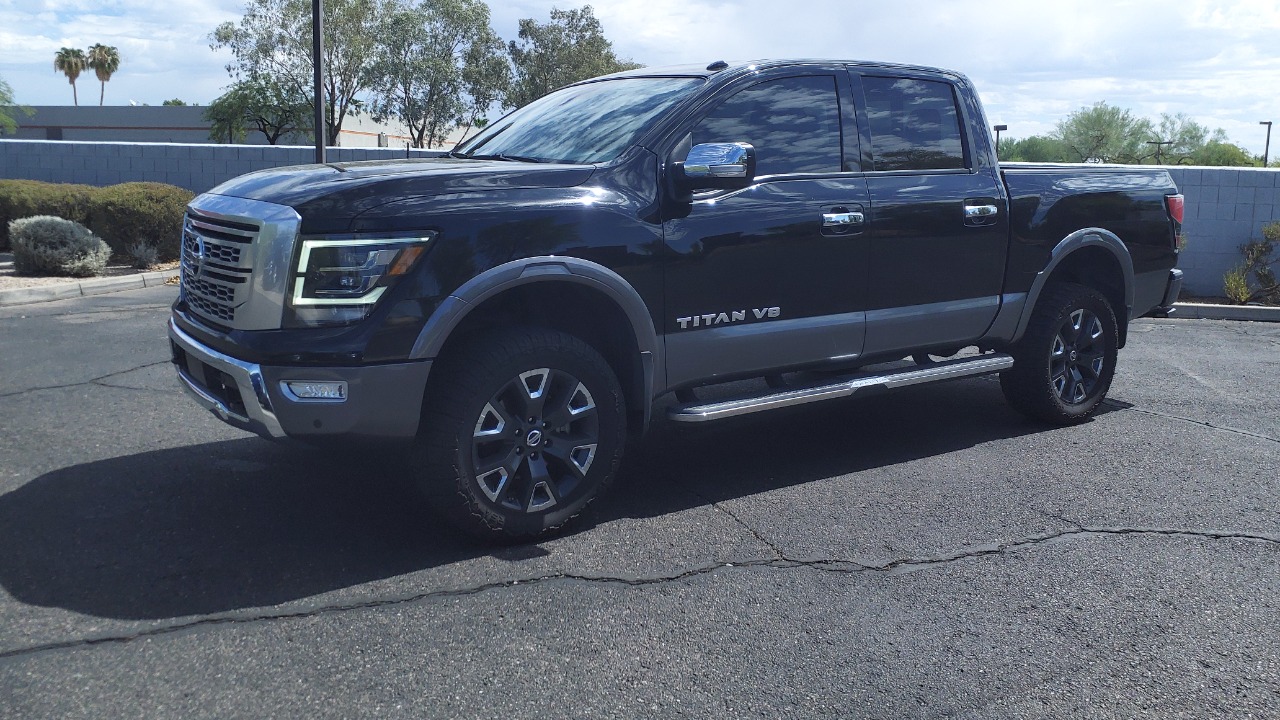
Nissan dropped the Titan, stepping out of the full-size pickup class that domestic brands have long dominated. The full-size Nissan pickup was the company’s attempt to fight in the most profitable corner of the American market, and ending it concedes that ground entirely.
Nissan’s truck presence now rests on the smaller Frontier, which answers a different buyer and a different job. Existing Titan owners keep dealer service, though a discontinued nameplate typically softens resale as the model ages out of showrooms and cross-shoppers stop recognizing the name.
6. Toyota Venza: The Quiet Hybrid Bows Out
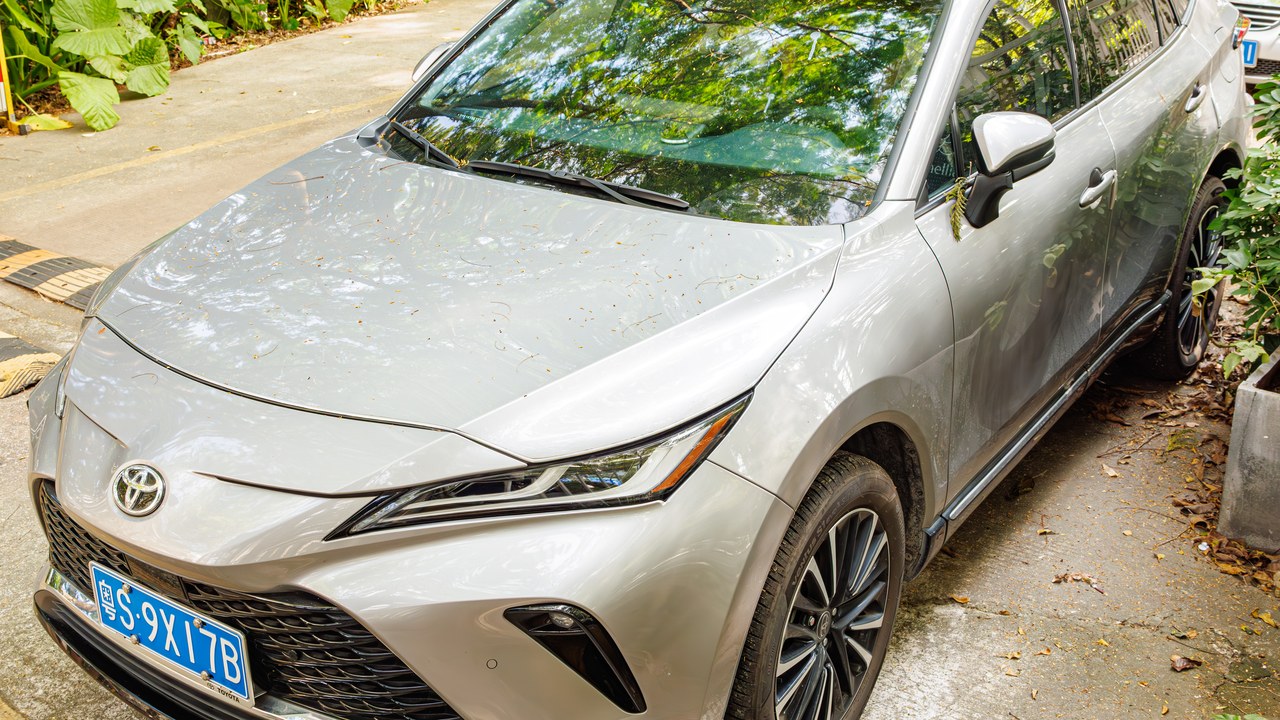
Toyota discontinued the Venza, ending a hybrid crossover that traded off-road pretense for smooth road manners and a low-key premium feel. The hybrid Toyota crossover stood apart from the boxier RAV4 with sleeker sheetmetal and a quieter cabin, aimed at drivers who valued refinement over ruggedness.
Removing it leaves that particular blend to the brand’s other hybrids, none of which pitch themselves in quite the same way. Anyone drawn to the styling gets pointed toward stablemates that overlap on efficiency but not on character, which makes used examples the closest match.
7. Hyundai Accent: The Cheapest Door Closes

Hyundai pulled the Accent from its American lineup, removing one of the brand’s least expensive ways into a new car. The budget subcompact sedan filled the role of a basic, warranty-backed commuter for shoppers who put purchase price ahead of size, features, or badge appeal.
With it gone, the industry-wide retreat from small sedans leaves that price band thinly stocked and the remaining options concentrated in a handful of nameplates. First-time and fixed-budget buyers increasingly find their closest match in used inventory rather than anywhere on a new-car lot.
8. Chevrolet Malibu: The Family Standby Retires
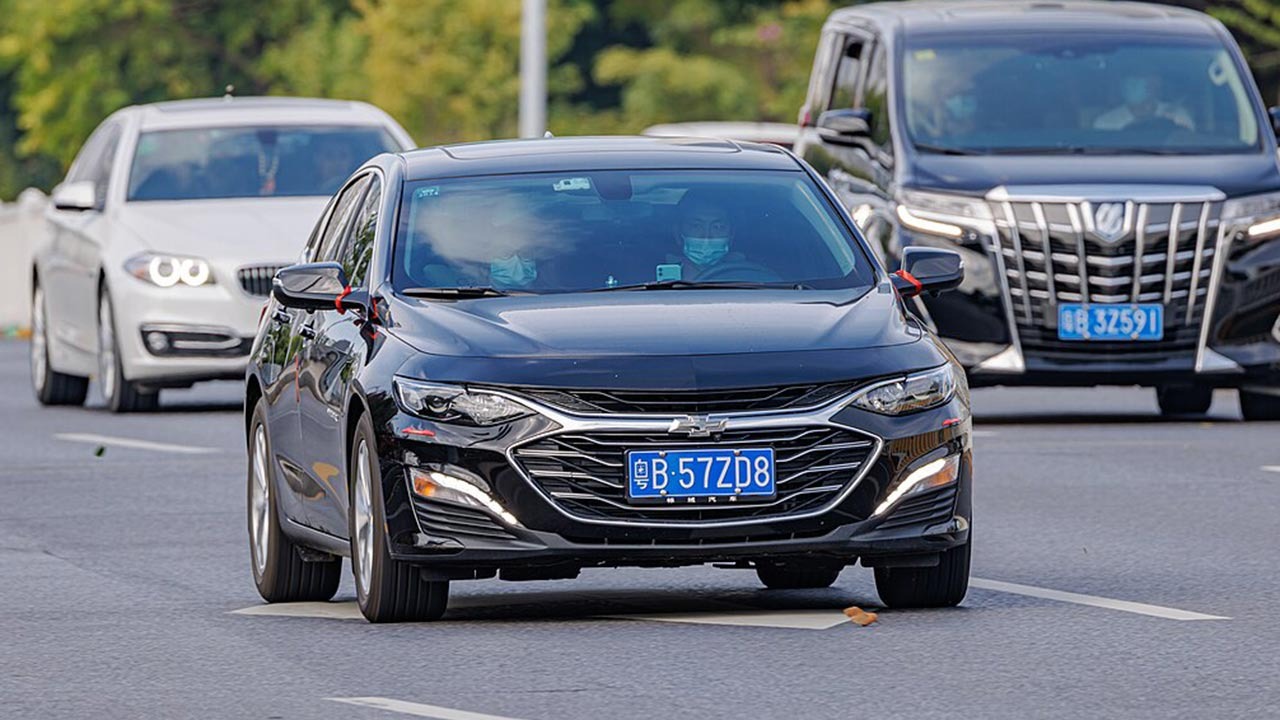
The Malibu is finished, ending a midsize nameplate that ran for decades and served as a default family car, fleet order, and rental-counter keys. The long-running midsize sedan closes out Chevrolet’s presence in a class the brand once contested hard, at a point when crossovers have absorbed most of that demand.
With the Malibu and the Camaro both gone, Chevrolet’s showroom leans on trucks, crossovers, and electric models. Anyone who wanted a straightforward midsize four-door wearing a bowtie has to look at rivals that stayed in the segment, or at used stock that thins out each year.
9. Kia Rio: Value Play Dropped

Kia dropped the Rio from its range, cutting a subcompact that competed almost entirely on sticker price and running costs. The affordable Kia subcompact sat at the bottom of a lineup that has moved steadily toward larger crossovers, offering a small, simple, warranty-covered new car and little else.
Cutting it takes another rung off the bottom of the new-car ladder, a change felt hardest by buyers with tight budgets and no trade-in. Rivals in that segment are a shrinking group, so used Rios and their corporate siblings carry more weight for anyone shopping that price band.
10. Infiniti Q50: The Sports Sedan Signs Off
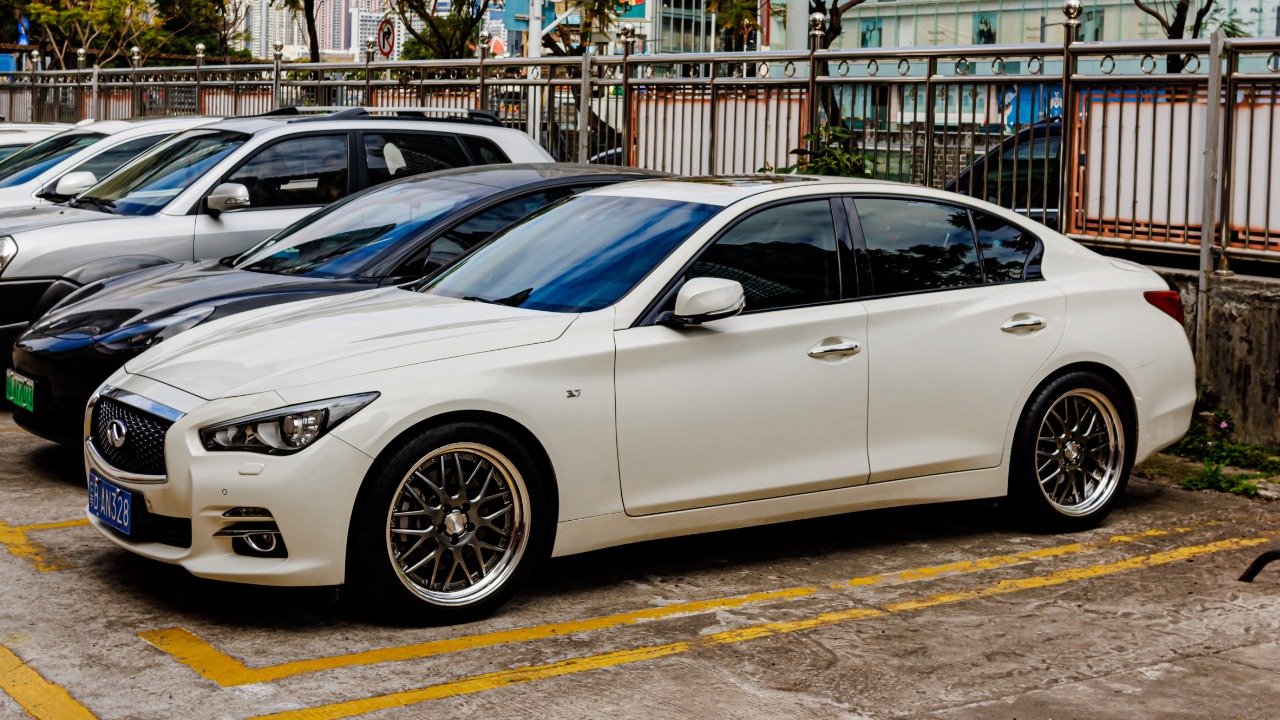
Nissan’s luxury division reached the end of the Q50’s run, retiring a rear-drive sports sedan that carried Infiniti’s identity in a segment defined by German rivals. The Infiniti luxury sedan paired turbocharged power with a comparatively modest price, which was much of its appeal against better-known badges.
Its exit tilts Infiniti further toward crossovers and leaves the brand without a mainstream sedan entry. For drivers who valued that layout and the discount relative to the establishment, the realistic option becomes a used example or a step into a rival that stayed in the class.
More from Morning Overview
- More than 60,000 people flee the Spokane area as complex fires overrun 600 structures
- 11 engines built to run well past 200,000 miles
- Card skimmers hidden on gas pumps and ATMs are draining accounts, and here’s the tell
- The FBI says hackers are hijacking outdated home routers, and it named the models to check
