
Forecasters rank a landfalling hurricane by more than the number attached to its category, weighing barometric pressure at the coast, sustained wind speed, storm surge and the water that arrives after the wind stops. The storms below each set a marker that later ones are measured against. Here are ten hurricanes that came ashore in the United States with extraordinary force.
1. Hurricane Katrina: The Levee Failure Catastrophe
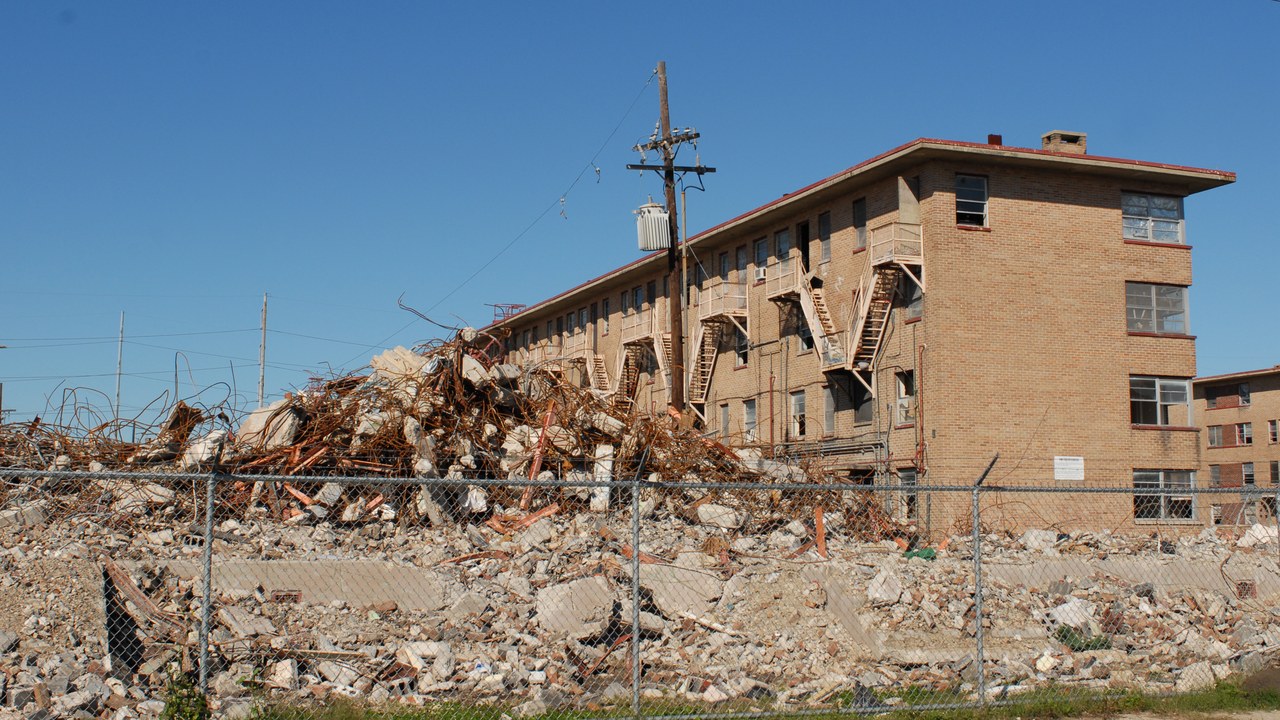
Katrina reached southeast Louisiana on August 29, 2005, with a landfall pressure near 920 millibars, among the lowest measured for any storm striking the United States. Surge overwhelmed the flood-protection system around New Orleans, and the levee and floodwall breaches left roughly 80 percent of the city underwater.
Engineering reviews conducted afterward attributed much of the flooding to design and construction flaws in that system rather than to wind alone. The storm is associated with more than 1,800 deaths across the Gulf Coast, and the rebuilt New Orleans defense network that followed ranks among the largest civil works efforts undertaken in the country.
2. Hurricane Andrew: The South Florida Benchmark
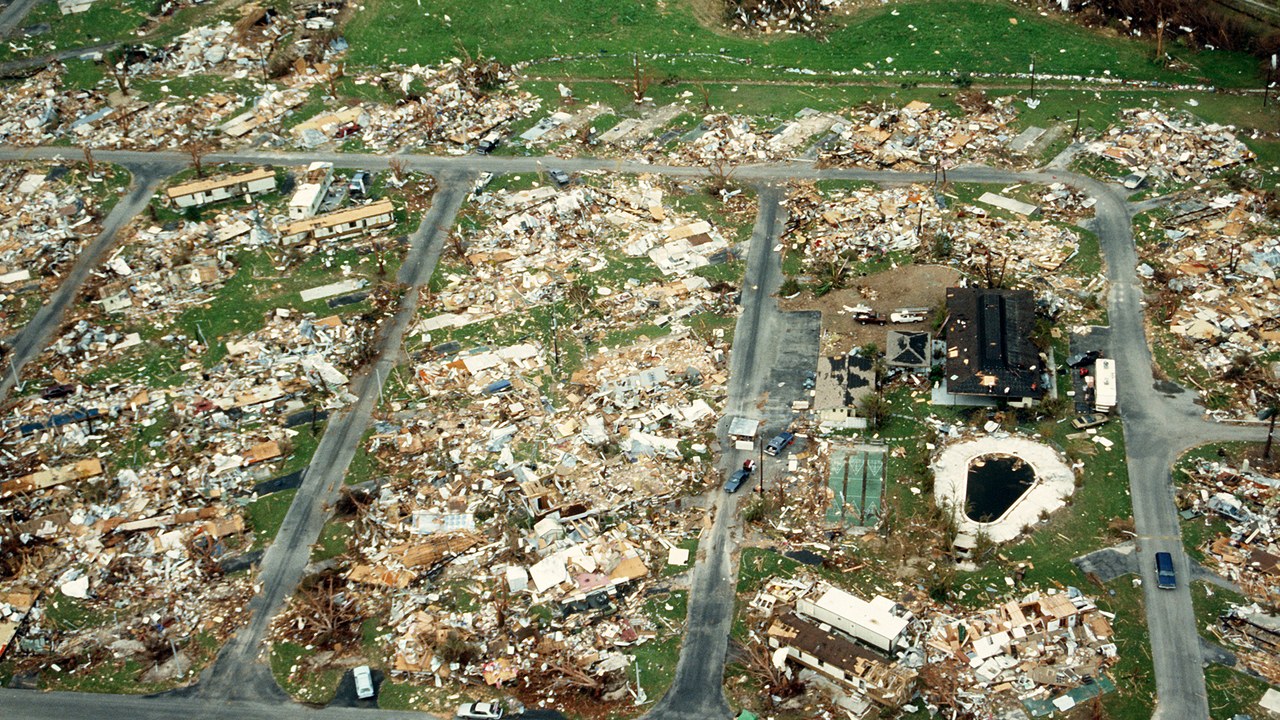
Striking near Homestead on August 24, 1992, Andrew carried a landfall pressure of about 922 millibars and estimated sustained winds near 165 mph. A reanalysis completed a decade later reclassified it as a Category 5 at Florida landfall, and the Homestead area destruction included entire subdivisions reduced to concrete slabs.
Weak enforcement of construction standards turned out to be as decisive as the wind speed, and Florida answered with a statewide building code organized around wind resistance. Insurance losses reshaped the property market, pushing carriers out of the state and leading to public backstops that still underpin coastal coverage.
3. Hurricane Michael: The Panhandle’s First Category 5
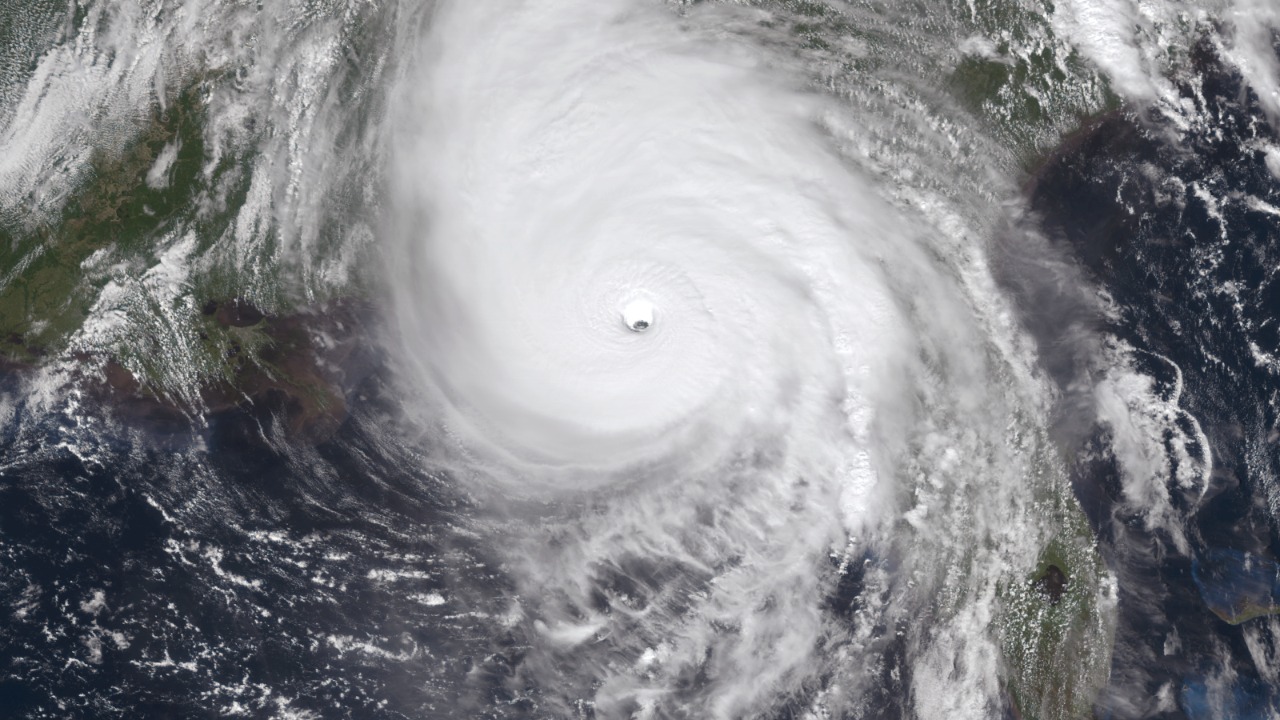
Michael came ashore near Mexico Beach on October 10, 2018, with a pressure of roughly 919 millibars and winds close to 160 mph. A post-storm reanalysis released the following spring upgraded it to Category 5, making it the first such landfall recorded in the Florida Panhandle.
Rapid intensification during the final day before landfall compressed the warning window for a lightly developed stretch of coast. Tyndall Air Force Base sustained severe damage, and forecasters still cite the storm when explaining why intensity forecasting, rather than track forecasting, remains the harder unsolved problem.
4. Hurricane Camille: The 1969 Gulf Coast Standard
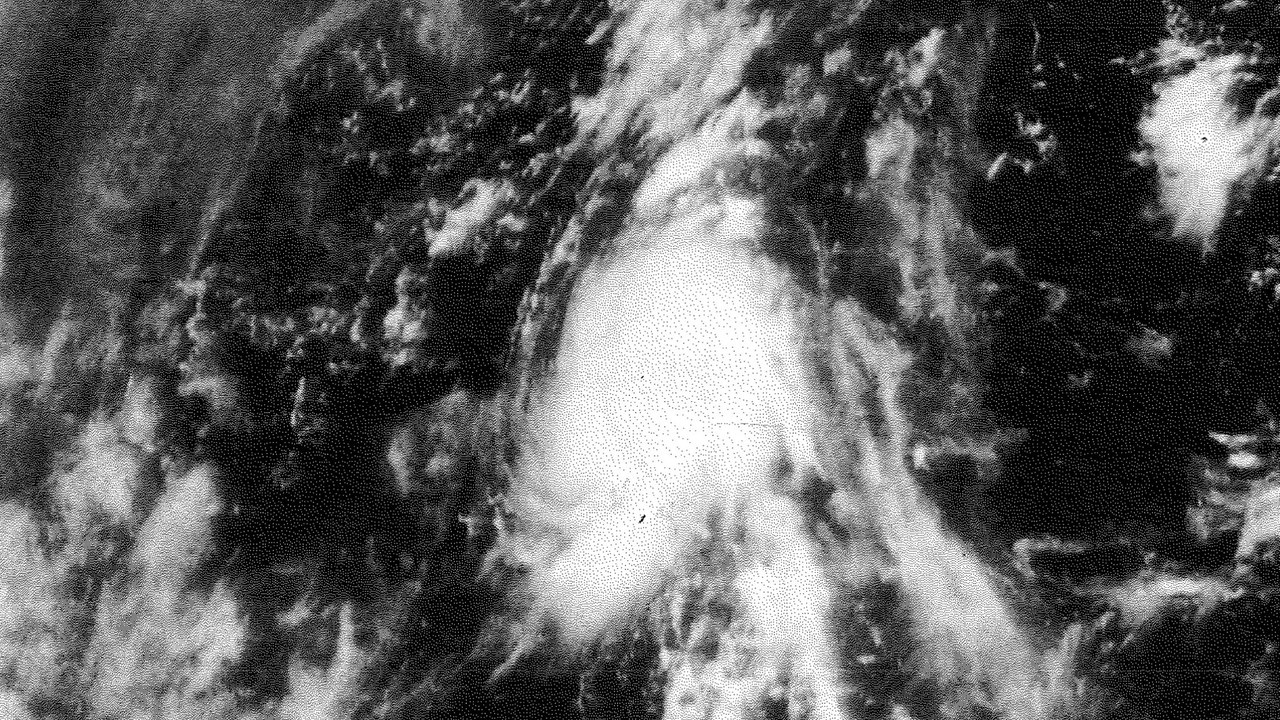
Camille struck the Mississippi coast on August 17, 1969, with a landfall pressure near 900 millibars, lower than any other storm to reach the United States apart from the 1935 Labor Day hurricane. The Mississippi coast damage included beachfront blocks removed entirely by surge.
Accounts of the storm place the toll near 259, a figure that includes victims of catastrophic flash flooding in Virginia two days after landfall, hundreds of miles inland. Meteorologists reference the sequence when explaining that a compact, intense hurricane can produce freshwater flooding as deadly as its surge.
5. Hurricane Ian: The Southwest Florida Surge
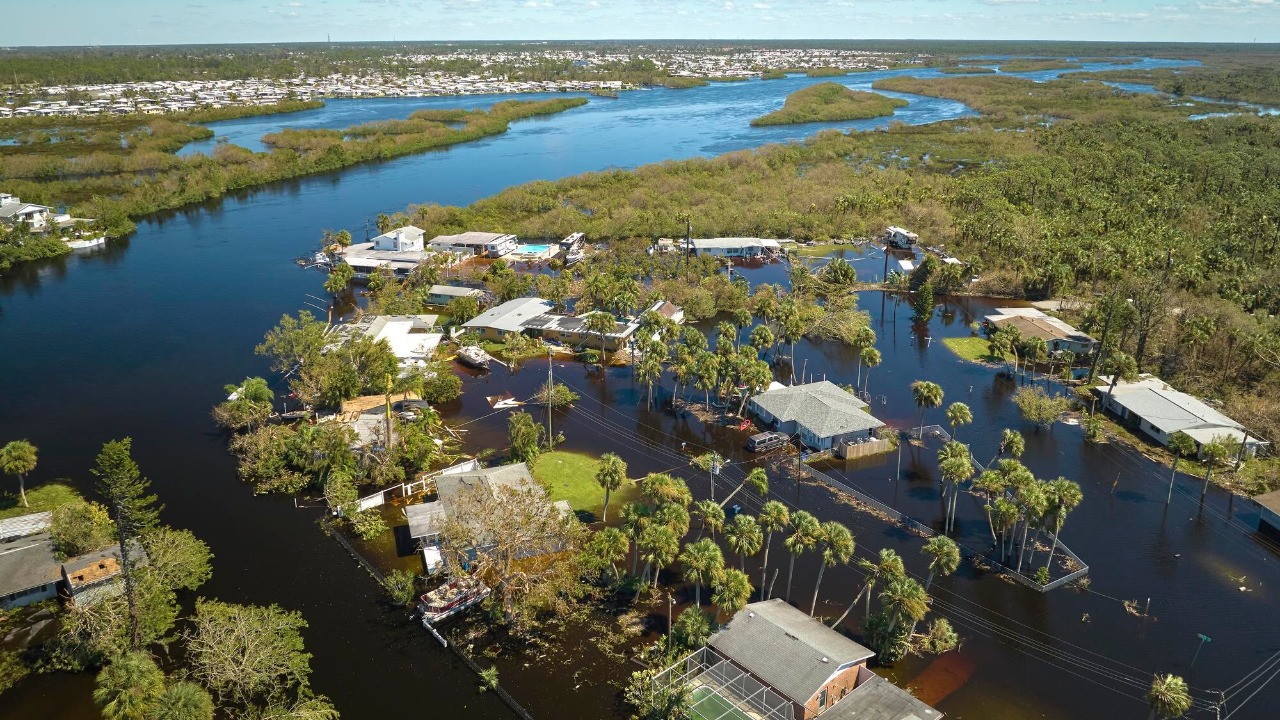
Ian made landfall at Cayo Costa on September 28, 2022, as a Category 4 with winds near 150 mph and a pressure around 941 millibars. Surge of roughly 10 to 15 feet pushed into Fort Myers Beach and Sanibel, and the Sanibel Causeway failure severed road access to the island.
Roughly 150 deaths in Florida have been attributed to the storm, most of them drownings within the surge zone. That pattern moved state messaging toward evacuation by flood zone rather than by wind category, and the financial losses concentrated in a narrow band of Lee and Charlotte counties.
6. Hurricane Harvey: The Rainfall Record
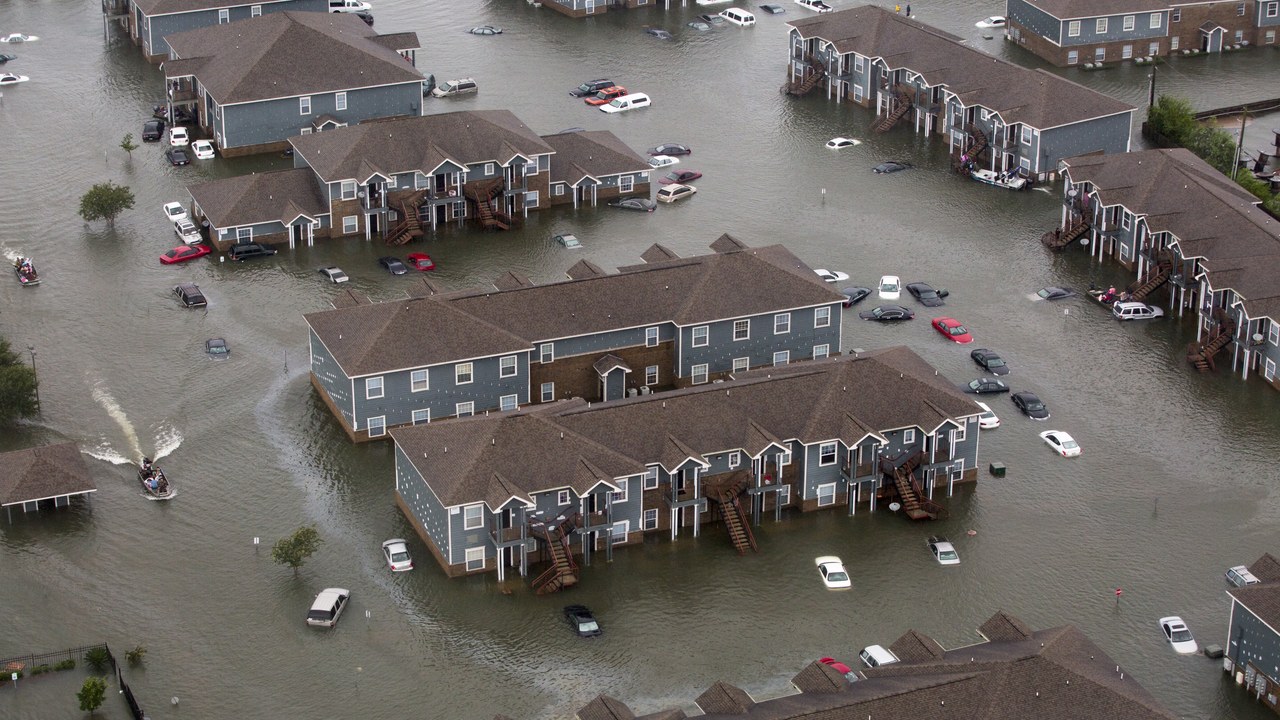
Harvey came ashore near Rockport, Texas, on August 25, 2017, as a Category 4, then stalled for days over the upper Gulf Coast. The Nederland rainfall total of about 60.6 inches set the record for any tropical cyclone in the continental United States, and reservoir releases extended flooding across Houston for weeks.
Because the damage arrived as rainfall rather than wind, much of it fell outside mapped flood zones and outside standard insurance coverage. Federal reporting places the direct death toll near 68, and the flooding reshaped how Harris County approaches detention basins and property buyouts.
7. Hurricane Ida: The Long Reach Inland

Ida struck Port Fourchon, Louisiana, on August 29, 2021, with winds near 150 mph and a pressure around 929 millibars, ranking it among the strongest landfalls recorded in the state. The grid failed across metropolitan New Orleans, and a transmission tower collapse into the Mississippi River left the city dark for days.
Remnants of the system later produced record rainfall rates over New Jersey and New York, where flash flooding into basement apartments accounted for dozens of deaths. The sequence pushed the Northeast to treat tropical remnants as a serious flood hazard rather than a weakened afterthought.
8. Hurricane Laura: The Cameron Parish Landfall
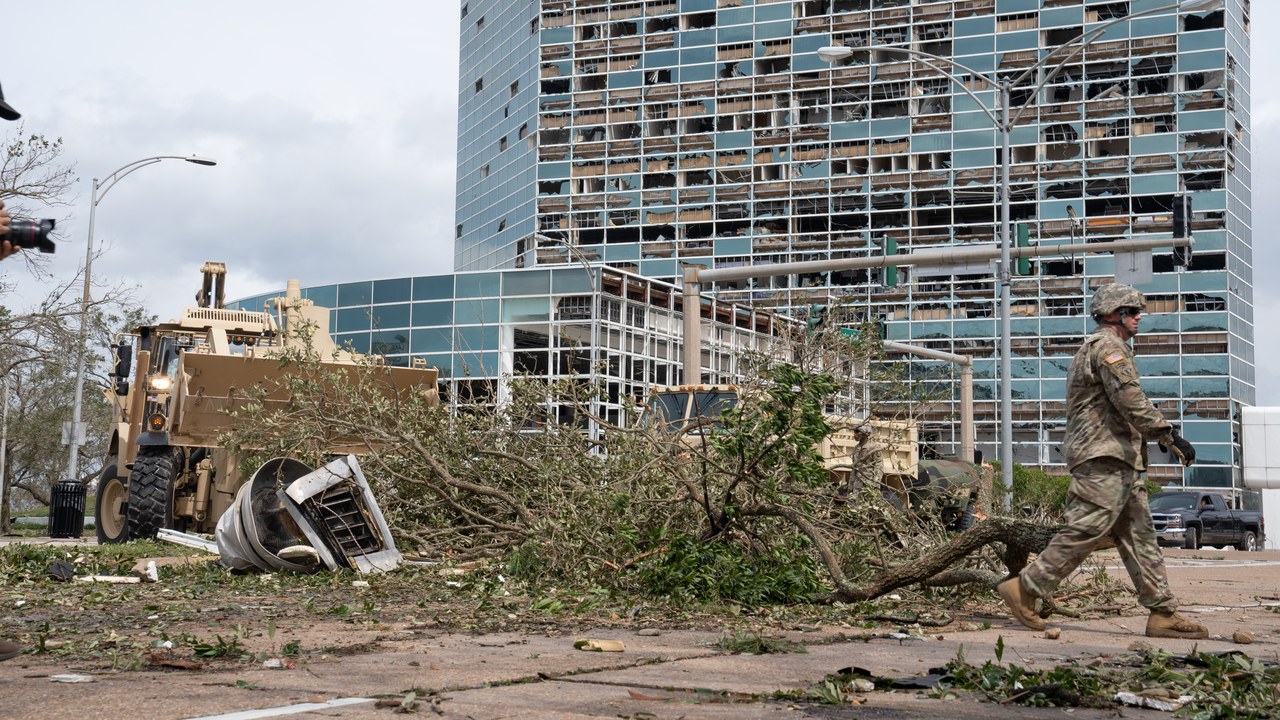
Laura reached Cameron, Louisiana, on August 27, 2020, with sustained winds of about 150 mph, matching the strongest wind speed recorded at a Louisiana landfall. Forecasters had warned of an unsurvivable storm surge in advance, and the Lake Charles damage extended well inland through a city of roughly 78,000.
Direct fatalities in the United States stayed comparatively low, helped by evacuation orders issued more than a day before landfall. Carbon monoxide poisoning from portable generators accounted for a share of the deaths that followed, a recurring hazard during the weeks after a prolonged power loss.
9. Hurricane Charley: The Compact Category 4
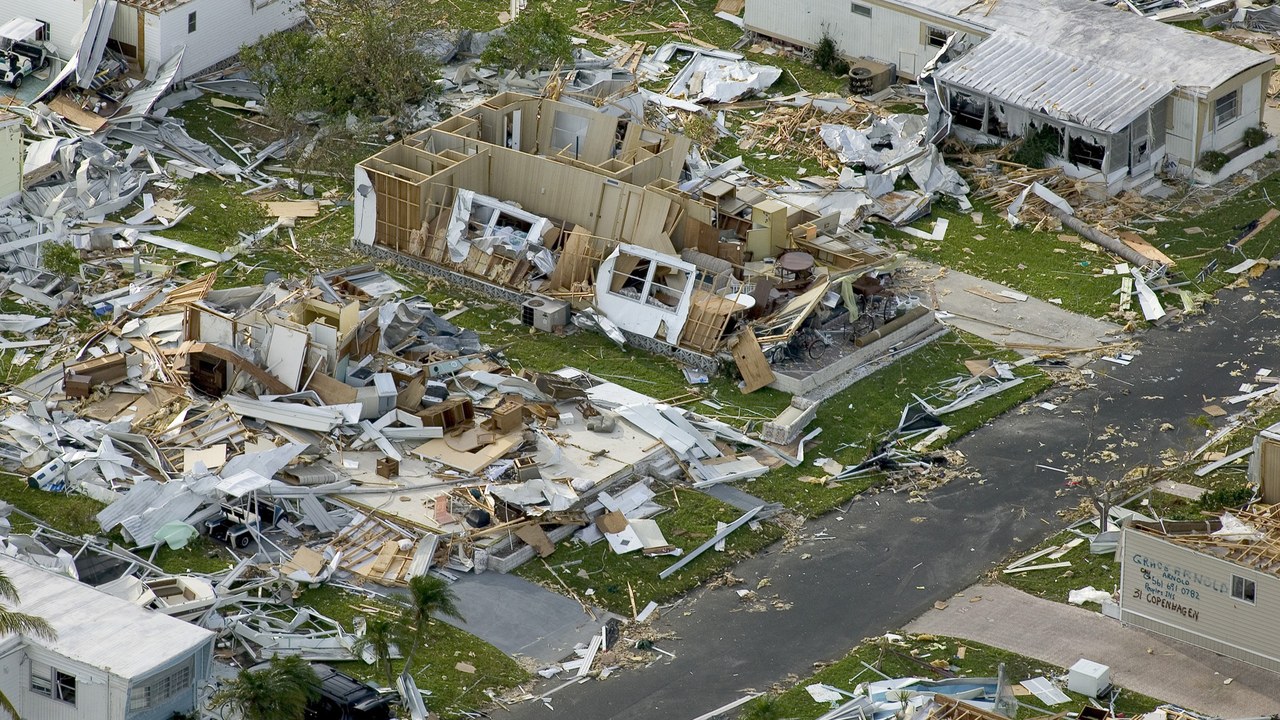
Charley crossed Cayo Costa and Punta Gorda on August 13, 2004, with winds near 150 mph and a pressure around 941 millibars. Its radius of maximum winds measured only a few miles, so the Charlotte County damage path stayed narrow while proving nearly total inside that corridor.
A late shift east of the forecast track left parts of the coast with less preparation time than anticipated. The storm showed that a physically small hurricane can still deliver top-tier winds, and it opened a season during which four hurricanes crossed Florida in roughly six weeks.
10. Hurricane Maria: The Puerto Rico Grid Collapse

Maria made landfall in southeastern Puerto Rico on September 20, 2017, with winds near 155 mph and a pressure of roughly 917 millibars. The island’s electrical network collapsed almost entirely, and the extended power restoration took close to a year in the most remote municipalities.
A study commissioned by the territorial government and conducted at George Washington University estimated close to 3,000 excess deaths, most occurring in the months after the wind passed. That finding changed how researchers count hurricane fatalities, extending the counting window far beyond the storm itself.
More from Morning Overview
- The NSA is again telling phone owners to switch off one location setting
- A handful of car transmissions are so tough mechanics say they almost never fail
- A handful of SUVs keep hitting 300,000 miles, and they share one engine trait
- Supplements now rank as the fifth-leading cause of death from liver disease.
