
The 1960s produced a wave of American performance cars built for speed, style, and street bragging rights. Detroit’s Big Three raced to stuff bigger engines into lighter bodies, creating icons that still headline car shows decades later. Restorers and collectors chase these ten muscle cars for their raw power, historical weight, and rising values.
1. Pontiac GTO: The Original Muscle Car Blueprint
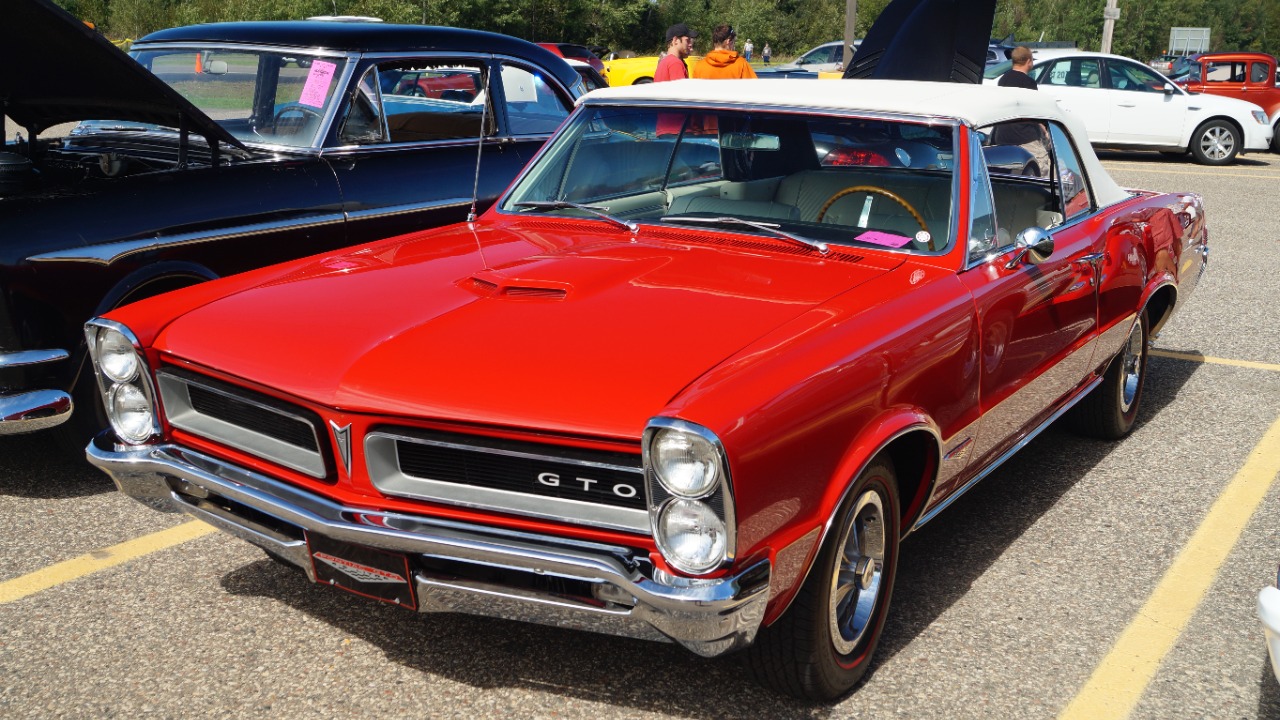
Pontiac introduced the GTO in 1964 as an option package on the Tempest, pairing a 389 cubic-inch V8 with modest weight to create what many historians consider the first true muscle car. The formula of a big engine in a mid-size body became the template every rival scrambled to copy, and original GTOs from that debut year carry outsized historical significance among collectors.
Restorers prize numbers-matching GTOs with factory Tri-Power carburetion or the rare Ram Air setups, since matching drivetrains sharply increase resale value. A well-documented example can command well into six figures at major auctions, making authenticity the single biggest factor in any restoration project.
2. Ford Mustang: The Pony Car That Started It All

Ford launched the first-generation Mustang in April 1964 as an affordable sporty car, but the arrival of the 289 cubic-inch V8 and later the 428 Cobra Jet turned it into a genuine street performer. Collectors gravitate toward the fastback body style, which combines the model’s clean early design with real muscle car credentials from the GT and Shelby variants built alongside it.
Early Mustangs are among the most accessible entry points into muscle car ownership, since parts remain widely reproduced and shops nationwide specialize in their restoration. Values climb sharply for documented GT, K-code, and Shelby GT350 examples, rewarding owners who preserve original engine codes and trim.
3. Chevrolet Camaro: GM’s Late Answer To The Mustang
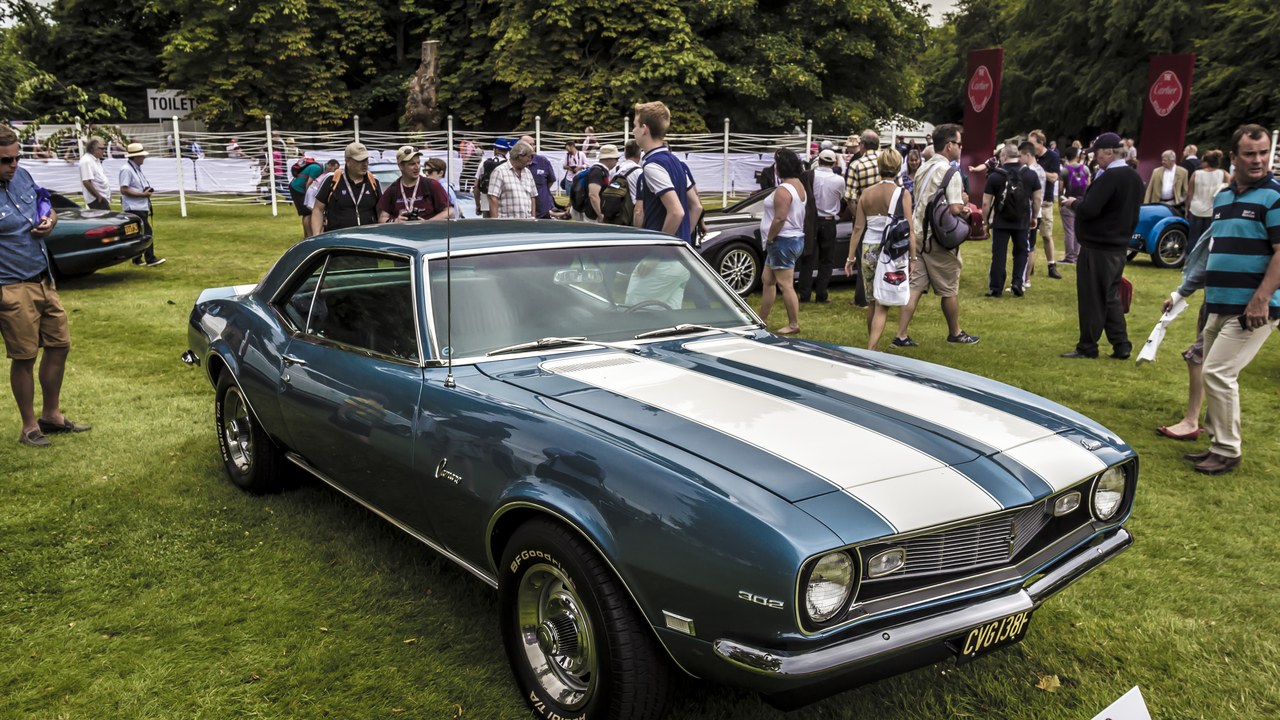
Chevrolet rushed the Camaro to market in 1967 to compete directly with the Mustang, offering the Super Sport package alongside a new Rally Sport trim and the fire-breathing Z/28 built for Trans-Am racing homologation. The first-generation body, produced through 1969, is now considered one of the cleanest designs to come out of Detroit’s muscle car era, prized for its aggressive stance and long hood.
Z/28 and SS 396 examples draw the strongest bids at auction, and restorers chase original cowl-tag documentation to confirm a car’s factory configuration. Even six-cylinder survivors get restomodded into tribute builds, reflecting how deep demand runs for the first-generation shape regardless of what engine originally sat under the hood.
4. Dodge Charger: The Fastback Look Chrysler Perfected
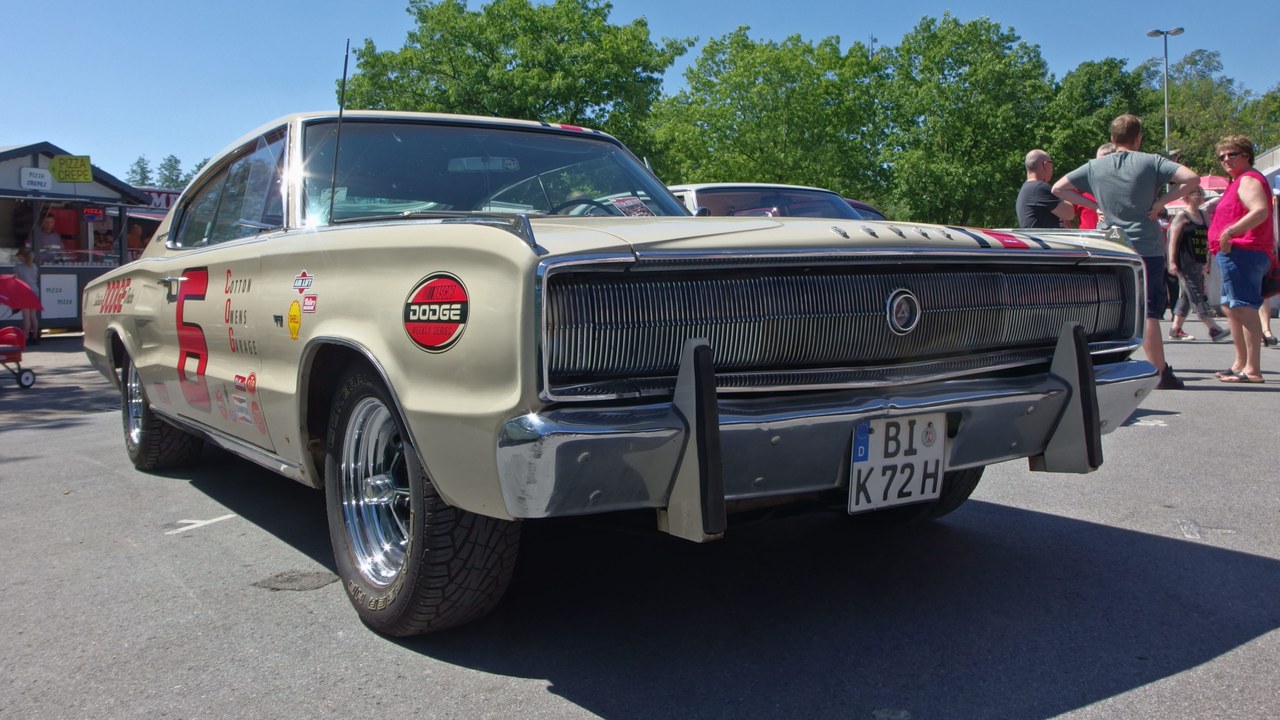
Dodge redesigned the Charger for 1968 with a sweeping fastback roofline and hidden headlights that gave the B-body platform an instantly recognizable silhouette. Buyers could order the 440 Magnum V8 or the fearsome 426 Hemi, and the R/T trim added stiffer suspension and heavy-duty brakes to back up the styling with real performance on the street and the strip.
Hemi-powered Chargers rank among the most valuable muscle cars ever built, but even small-block R/T survivors attract serious restoration budgets because the body has starred in decades of film and television. Rust-prone quarter panels and trunk floors make sourcing solid donor cars the biggest hurdle for anyone tackling a full rebuild.
5. Plymouth Road Runner: A No-Frills Machine Built For Speed
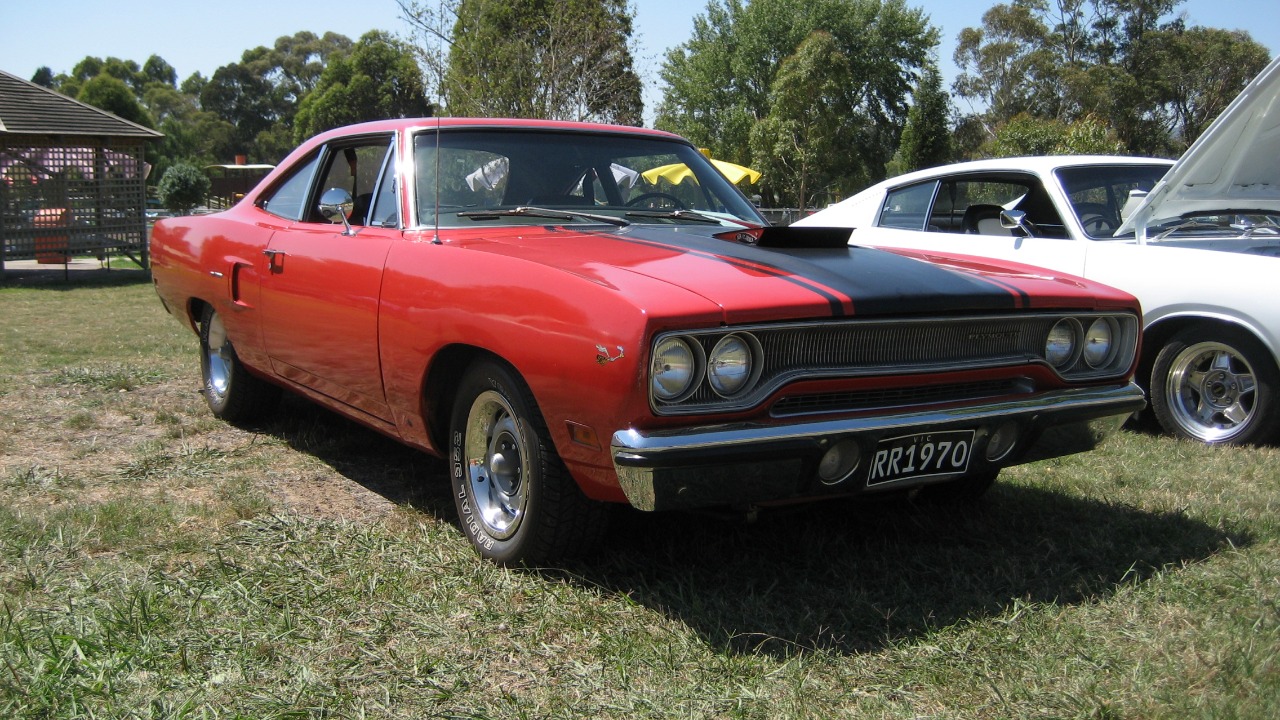
Plymouth built the Road Runner as a stripped-down performance bargain for 1968, licensing the Warner Bros. cartoon name and horn sound while keeping the price low by skipping luxury trim. A standard 383 cubic-inch V8 delivered strong power for the money, and buyers could step up to the 426 Hemi for serious drag strip credibility.
Collectors now pay a premium for a car once marketed as the everyman’s muscle machine, especially coupes with the factory horn intact and documented Hemi or Six Pack engines. Finding an unmolested example has grown difficult since so many were driven hard and modified during their working lives.
6. Chevrolet Chevelle SS: A Big-Block Bruiser In A Family Suit
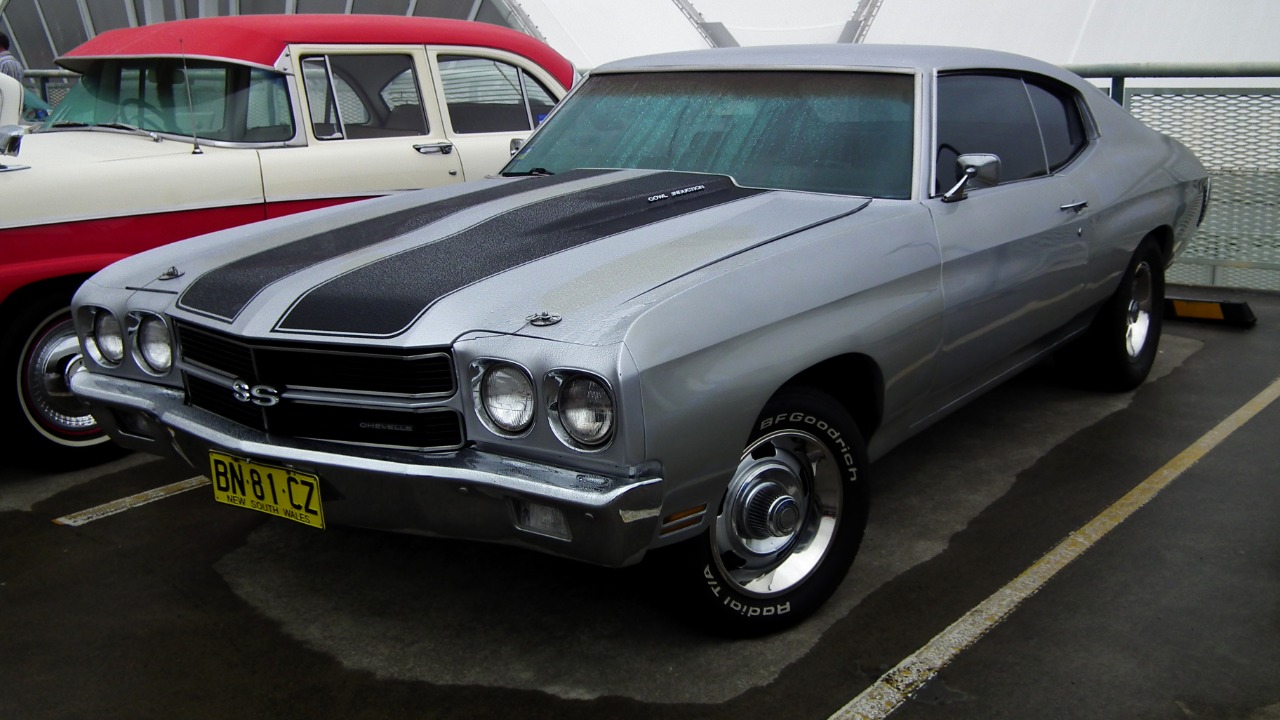
Chevrolet slotted the Chevelle SS into its midsize lineup as a big-block muscle car wearing conservative sedan-like sheetmetal, letting buyers order serious power without drawing attention. The SS 396 package became the volume seller, while the rare 1970 LS6 454 pushed output past 450 horsepower and remains one of the most sought-after factory engines from the entire muscle car period.
LS6 Chevelles routinely bring the highest prices at major muscle car auctions, and even standard SS 396 coupes have climbed steadily as buyers rediscover the model’s blend of subtlety and brute force. Cowl-induction hood scoops and correct SS badging are among the details restorers scrutinize most closely.
7. Oldsmobile 442: The Thinking Driver’s Muscle Car
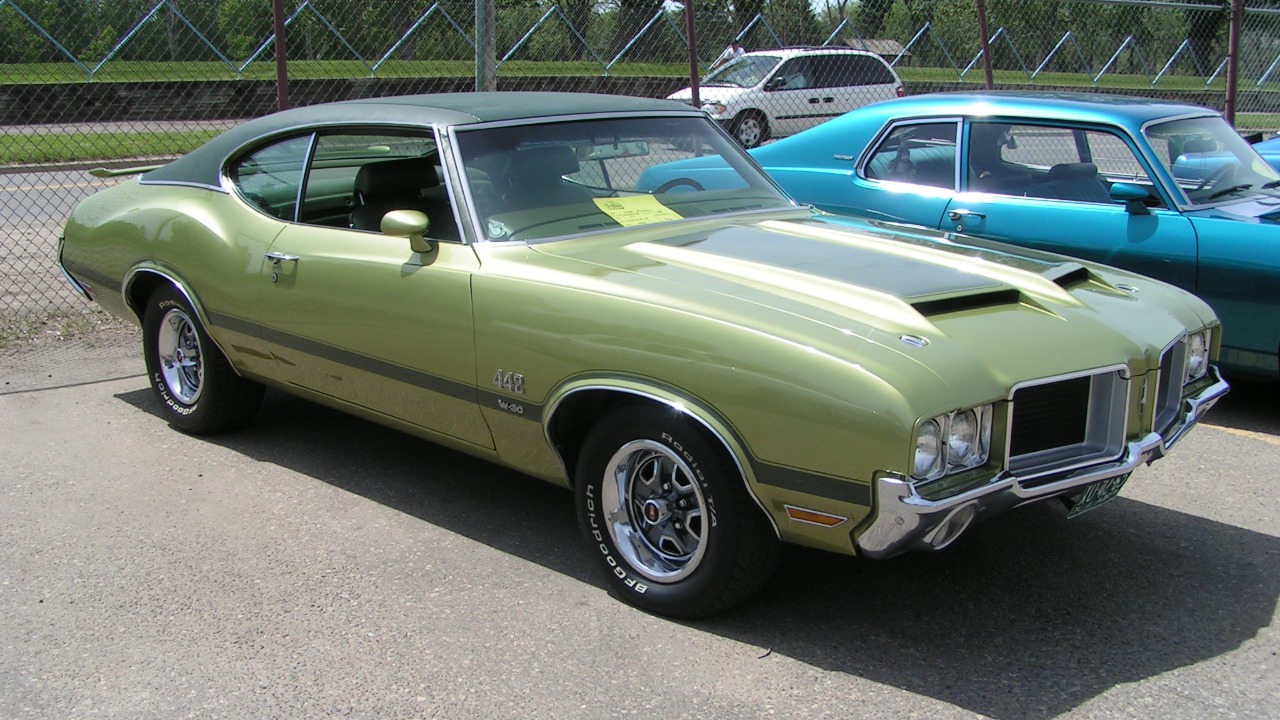
Oldsmobile built the 442 with a reputation for engineering polish that set it apart from rowdier rivals, pairing strong big-block power with a suspension tuned for genuine handling. The W-30 option package added a forced-air induction system and lightweight components, turning the model into one of the most respected performers to come out of GM’s muscle car stable.
W-30 442s in original condition command strong money today, since Oldsmobile built far fewer of them than Chevrolet built Chevelles or Pontiac built GTOs. Restorers hunt for correct Force-Air fiberglass hoods and factory red-line tires to bring a car back to its original showroom specification.
8. Buick GS: Luxury Brand, Serious Horsepower
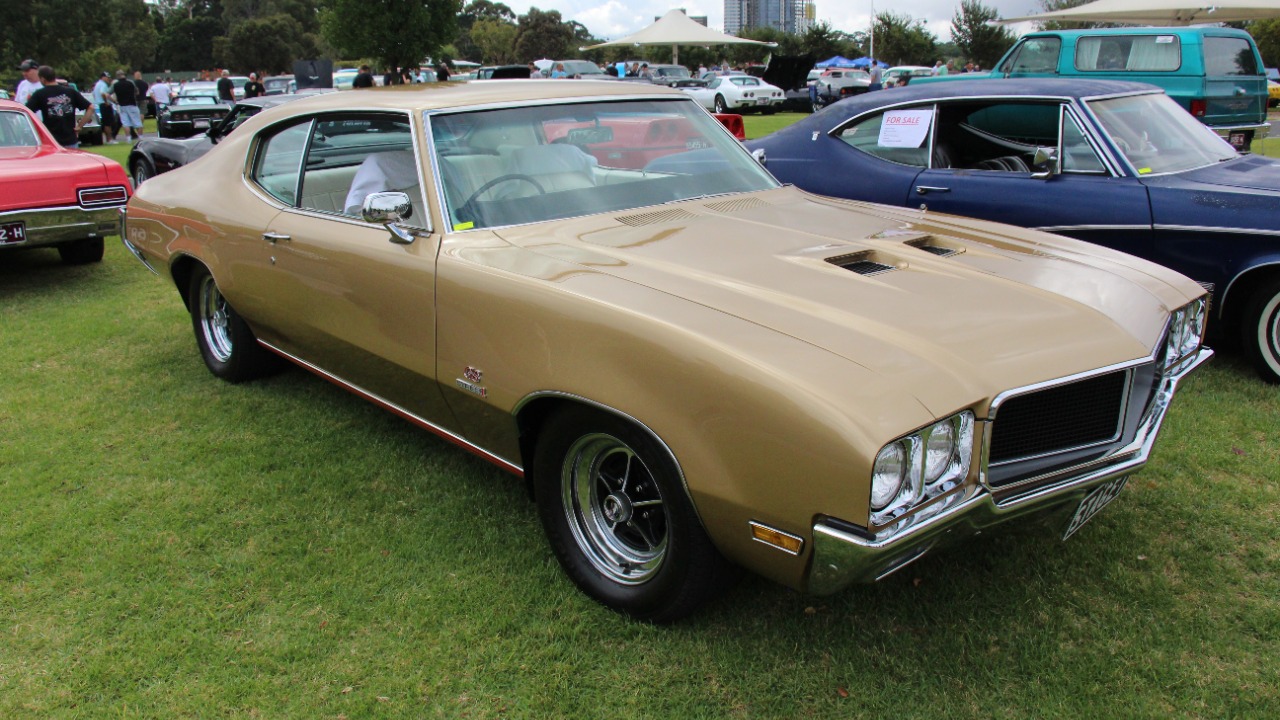
Buick entered the muscle car fight almost reluctantly, but the GS quickly proved the brand could build something with real teeth. The Stage 1 package boosted the big-block V8 with a hotter camshaft and improved exhaust, and independent tests of the era often clocked GS Stage 1 cars among the quickest accelerating production cars sold in America.
Because Buick built far fewer GS cars than Chevrolet or Pontiac built their equivalents, surviving Stage 1 examples remain relatively scarce and command growing interest among collectors seeking something less common than the usual GTO or Chevelle at a car show.
9. Chevrolet Nova SS: A Compact Body Hiding Big Power
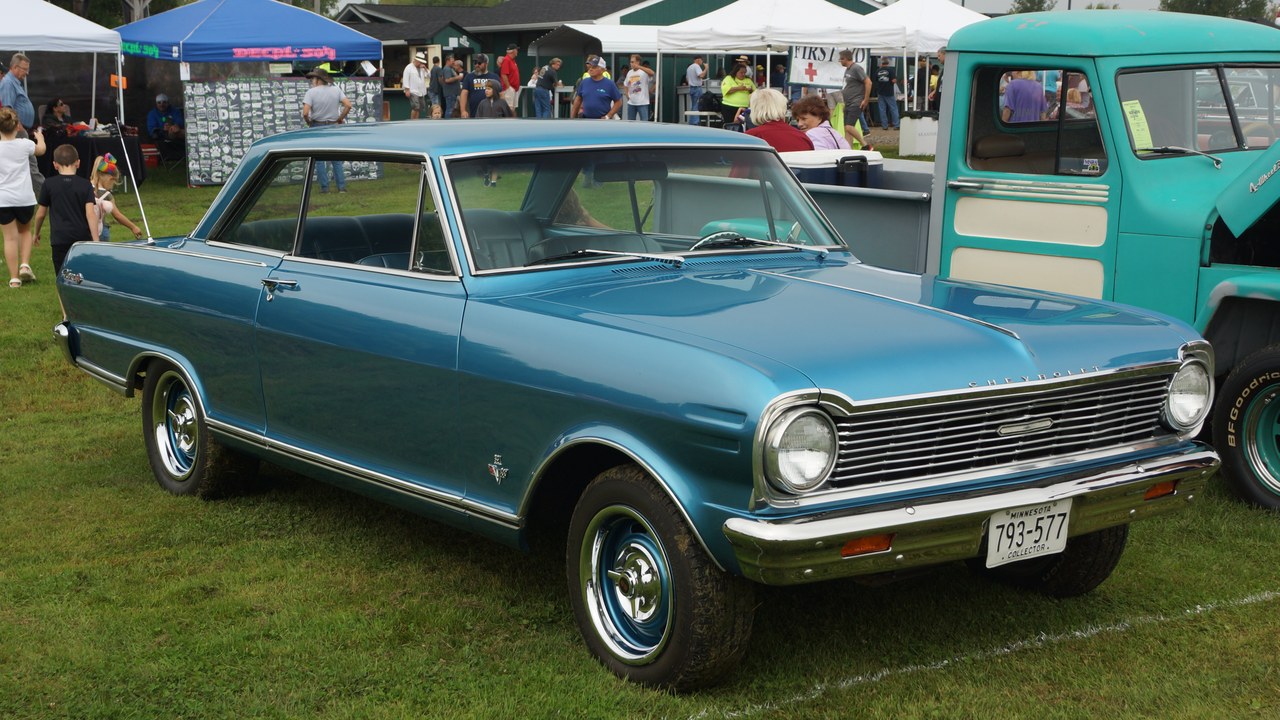
Chevrolet offered the Nova SS as a lightweight alternative to bigger muscle cars, letting buyers drop a large-displacement engine into a compact body that weighed noticeably less than a Chevelle or Camaro. The rare L78 396 V8 option turned an otherwise ordinary economy coupe into a genuine street brawler capable of embarrassing far more expensive machinery at stoplights.
Documented L78 Novas are exceptionally rare today and draw intense bidding whenever one surfaces at auction, since Chevrolet produced relatively few with the big-block option installed. Restorers often rely on build sheets and factory invoices to prove a car’s original engine before investing in a full restoration.
10. Mercury Cougar: The Refined Sibling Of The Mustang
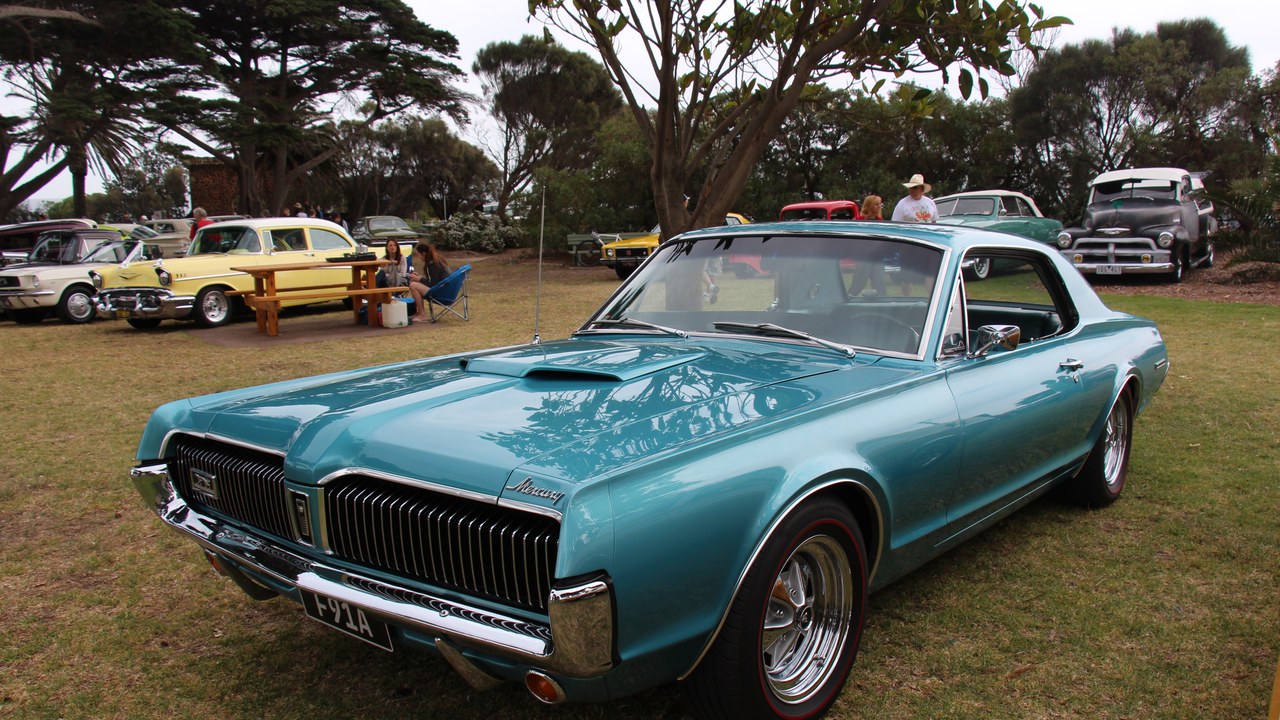
Mercury built the Cougar on the same platform as the Mustang but wrapped it in a longer, more upscale body aimed at buyers who wanted muscle car power with a touch more comfort. The rare GT-E Cobra Jet trim brought serious big-block performance to a lineup otherwise known for hidden headlights, sequential taillights, and a plusher interior than its Ford sibling offered.
Because Cougars often sold to buyers seeking comfort rather than outright speed, well-preserved big-block examples are less common than comparable Mustangs, making them a relatively overlooked target for restorers chasing a distinctive muscle car with genuine luxury touches.
More from Morning Overview
- Card skimmers hidden on gas pumps and ATMs are draining accounts, and here’s the tell
- The FBI says hackers are hijacking outdated home routers, and it named the models to check
- Older Teslas are wearing out in ways early owners never saw coming
- A common childhood virus is now tied to multiple sclerosis years later
