
Reliability rankings rarely produce surprises, and the 2026 Consumer Reports list is no exception. The same badges keep finishing near the top, while a few value brands have quietly worked their way into the conversation. Here are ten car brands that earned a place among the most reliable buys of 2026.
1. Toyota: The Brand To Beat
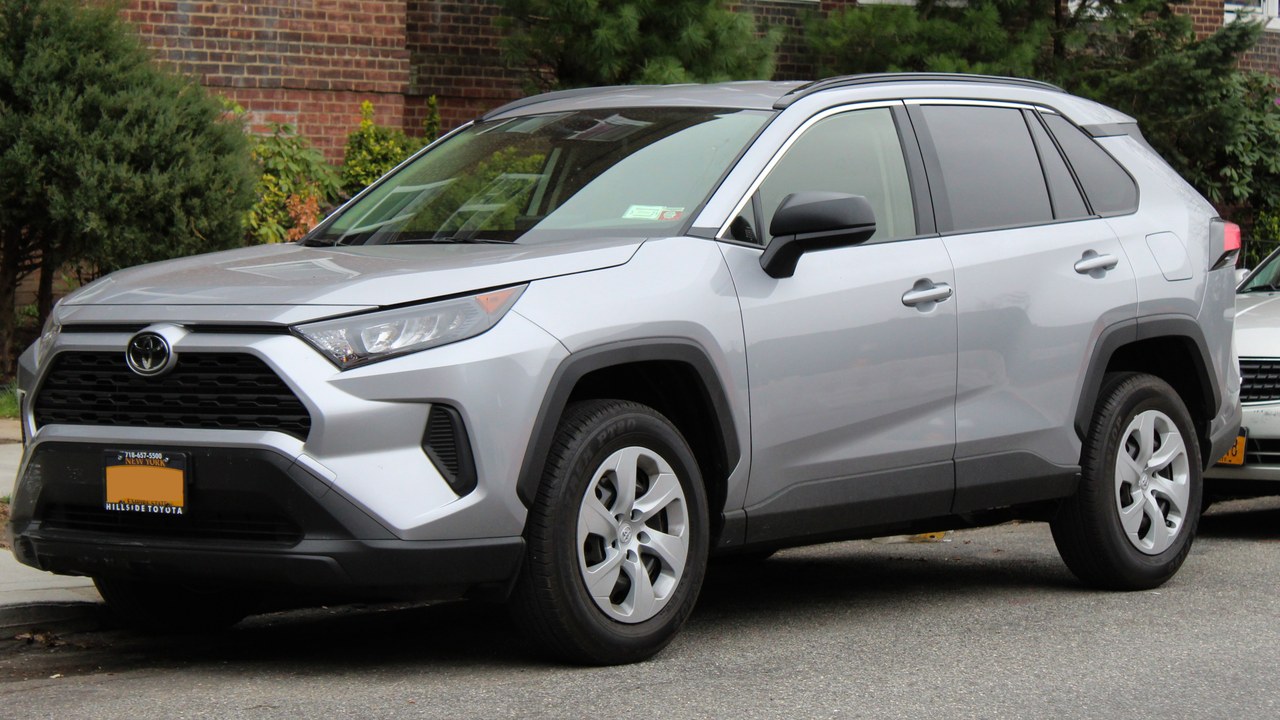
Toyota sits at the top of the 2026 Consumer Reports reliability rankings, a position it has held more often than any rival. Those rankings rest on owner-reported trouble across engines, transmissions, electronics and body hardware, and the company’s conservative engineering approach keeps most of those categories quiet. Hybrid powertrains refined over more than two decades of production do much of the heavy lifting.
The trade-off is familiar. Buyers rarely get the newest interface or the boldest styling, and the most popular models command firm prices because demand outruns supply.
2. Subaru: Runner-Up With Traction
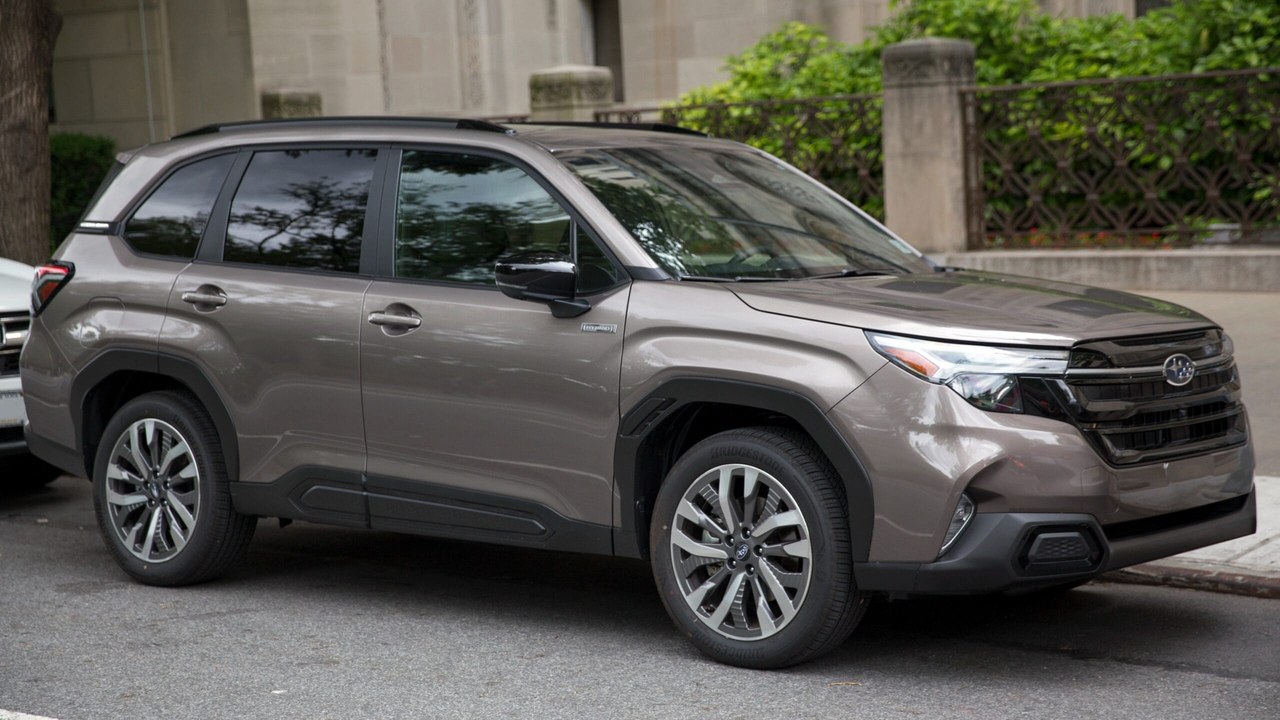
Second place among brands for owner-reported reliability went to Subaru, a result built on a narrow lineup rather than a sprawling one. Nearly every model shares the same symmetrical all-wheel-drive layout and a common engine family, which limits how many components can go wrong across the range. Fewer variables tend to produce fewer surprises in survey data.
Consistency comes with limits. The range skews heavily toward wagons and crossovers, so shoppers hunting for a large truck or a luxury sedan will not find one here, and steady demand keeps used examples priced accordingly.
3. Lexus: Toyota Hardware, Quieter Cabin
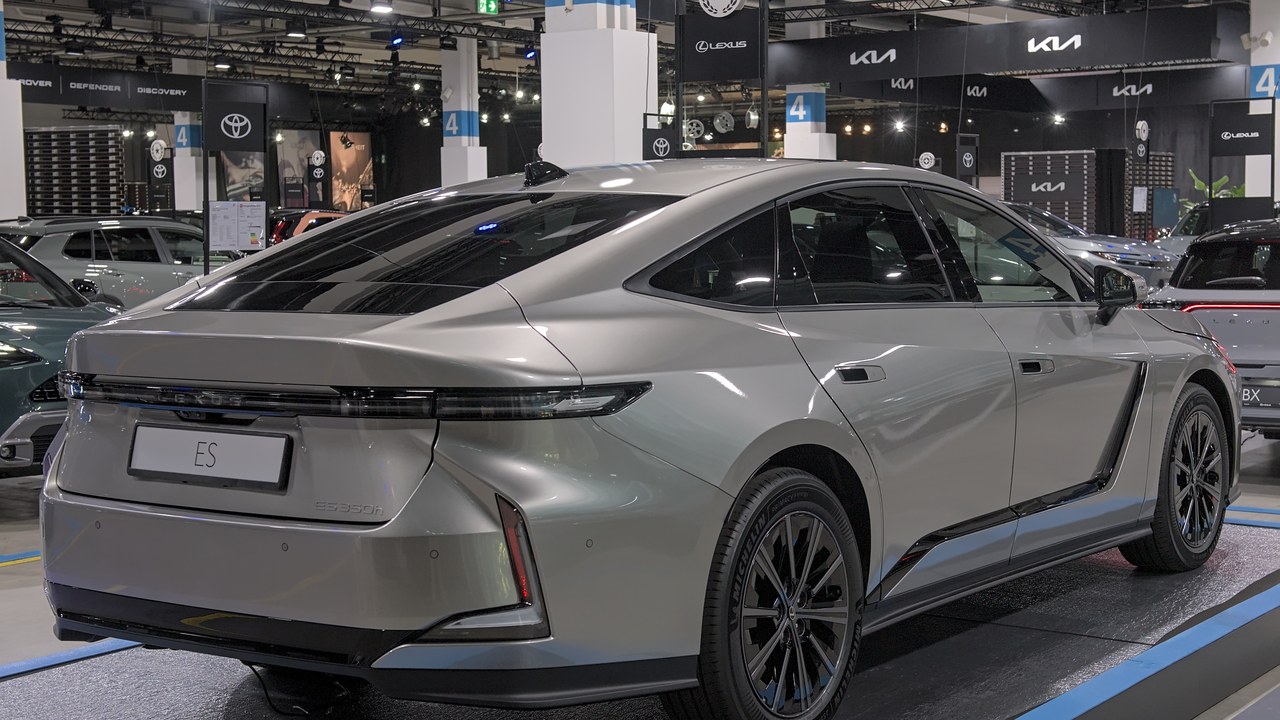
A luxury badge with Toyota-grade dependability is less a coincidence than a corporate structure. Lexus was created as Toyota’s premium division and draws on the same engineering and assembly discipline, and its hybrid sedans and crossovers use powertrains already proven in far cheaper vehicles. Technology reaching a Lexus showroom has usually survived years of high-volume duty first.
What separates the two brands is finish, sound insulation and dealer treatment rather than mechanical risk. Depreciation is gentler than at most luxury rivals, though servicing still carries premium-brand pricing once the warranty lapses.
4. Honda: A Steady Top-Tier Name
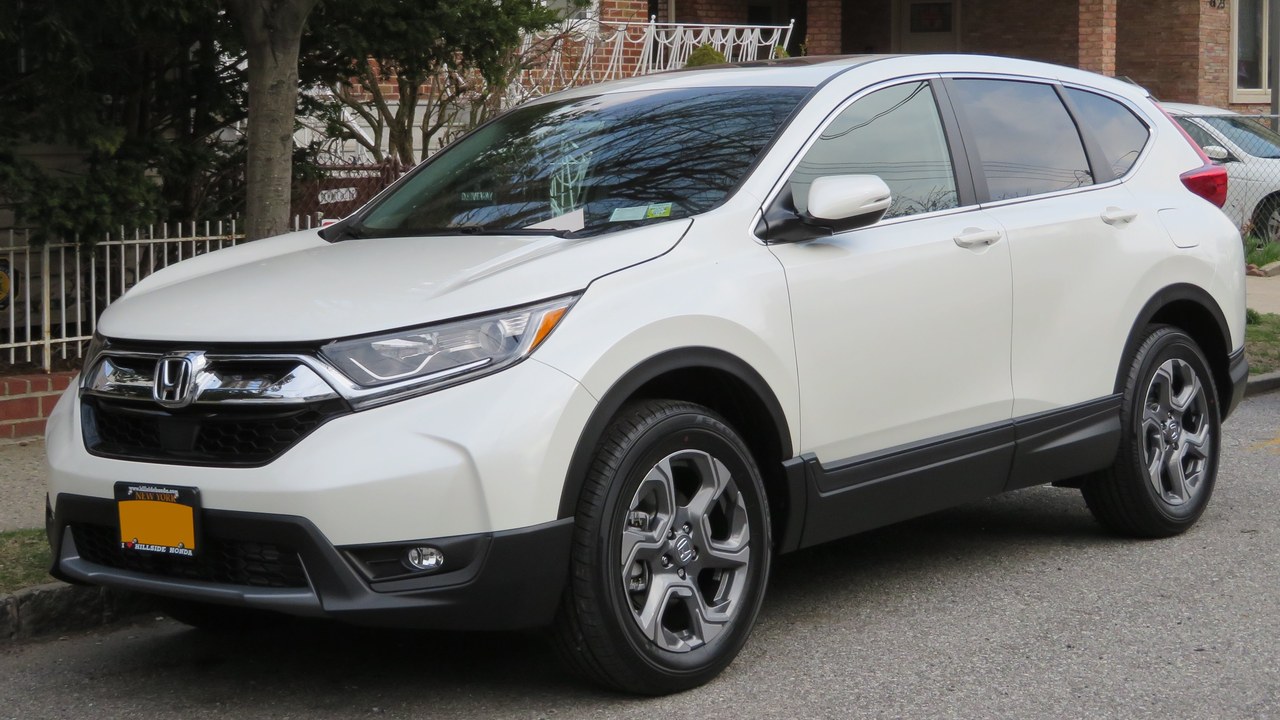
Honda registers as a consistent top-tier reliability performer, a standing earned across decades rather than in a single strong survey year. Volume explains part of it: the brand’s compact cars and crossovers sell in enormous numbers, so a weak component gets identified and revised quickly instead of lingering through an entire model cycle.
The brand still deserves to be separated from the individual model. Reliability scores are averages, and a freshly redesigned nameplate in its first year on sale carries more unknowns than a car three seasons into production.
5. Acura: Honda Parts, Premium Trim
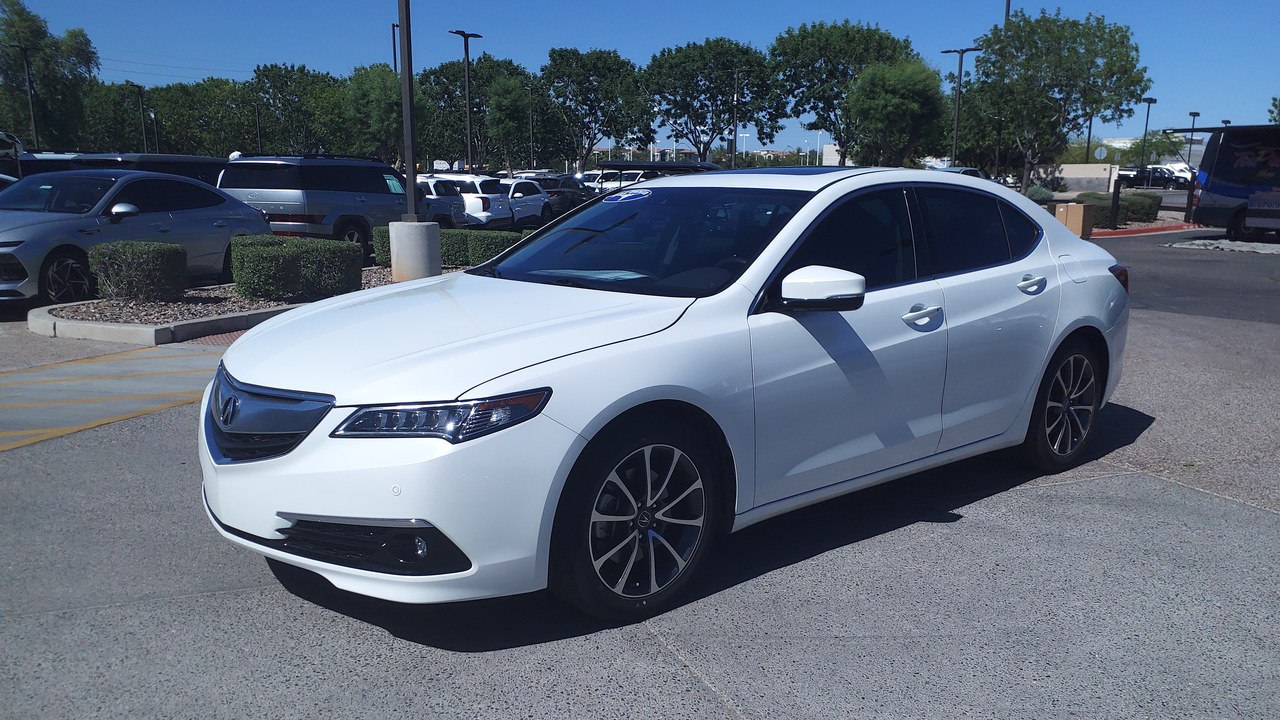
Much of what makes an Acura dependable arrives straight from Honda, the parent that created the division to sell upmarket versions of familiar mechanicals. Engines, transmissions and platforms cross over from the mainstream Honda lineup, which means the parts most likely to generate a repair bill have already been tested in far higher volumes elsewhere.
Premium positioning shows up in cabin materials, sound deadening and standard equipment rather than in exotic engineering. It also drives steeper first-owner depreciation, which tends to make a lightly used example the smarter buy.
6. Kia: The Fast Climber
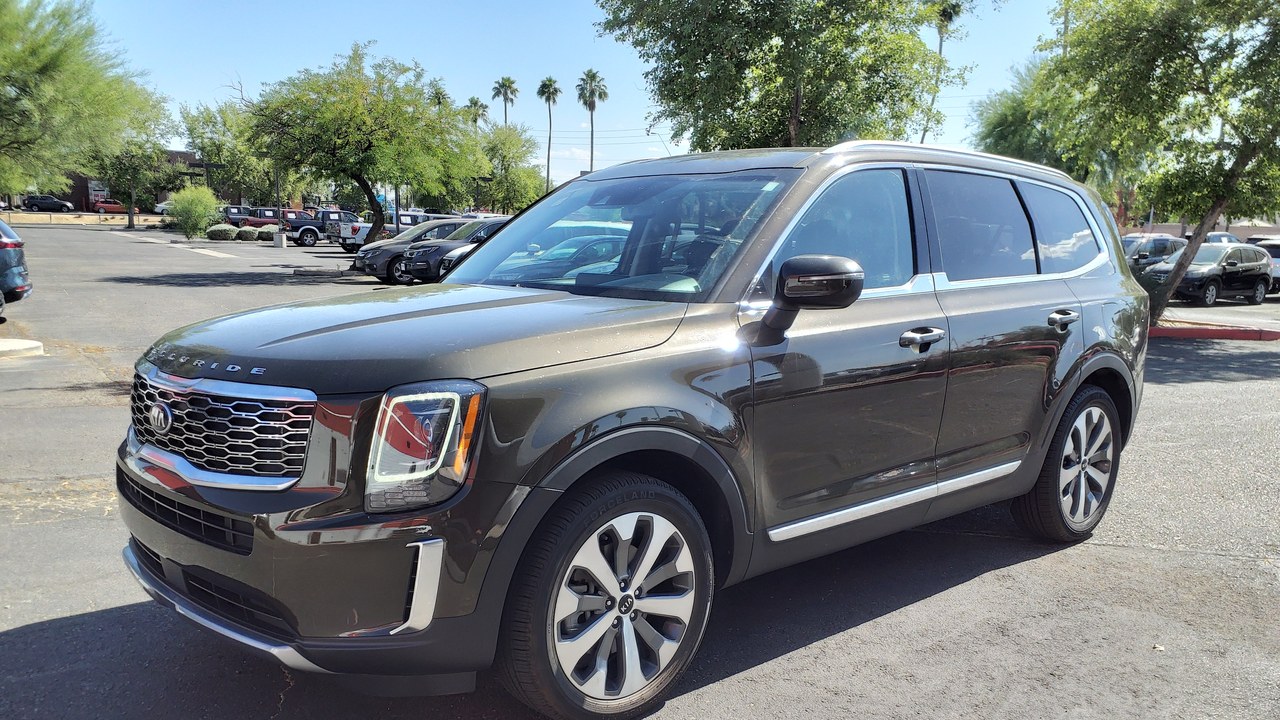
Steady improvement has carried Kia up the reliability charts, from budget alternative to a brand that finishes alongside long-established Japanese names. Much of the gain came from sharing platforms and powertrains with corporate sibling Hyundai, and the long factory warranty attached to new models signals how much confidence the company places in that hardware.
Breadth is the complication. The range now stretches from small crossovers to three-row SUVs and electric models, and the newest technology is precisely where the fewest years of field data exist.
7. Mazda: Built Like It Costs More
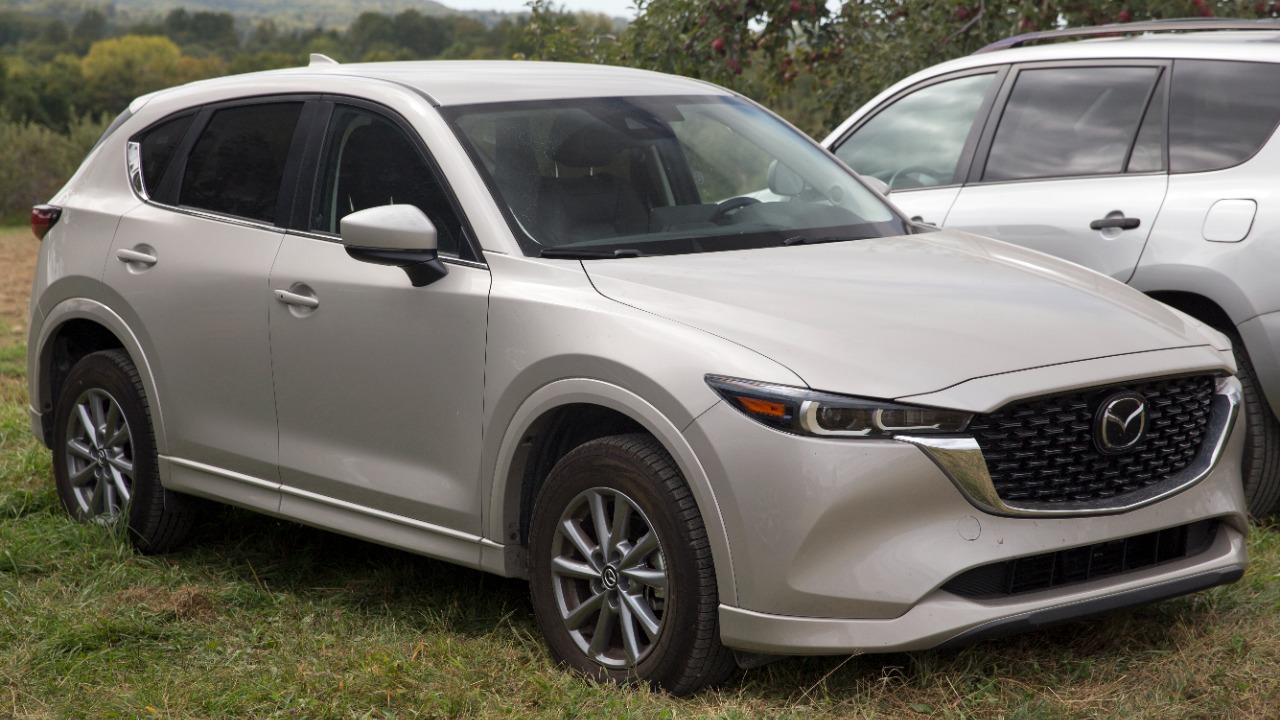
Praise for build quality and reliability follows Mazda around, an unusual pairing for a company of its size. Instead of chasing every segment, it concentrates on a narrow set of shared platforms and engines and refines them over successive generations, which limits how much untested hardware reaches customers in any given year.
That discipline has costs elsewhere. Cargo space and rear-seat room often trail class leaders because styling gets priority, and a thinner dealer network can matter for warranty work in smaller markets.
8. Hyundai: Value Without The Penalty
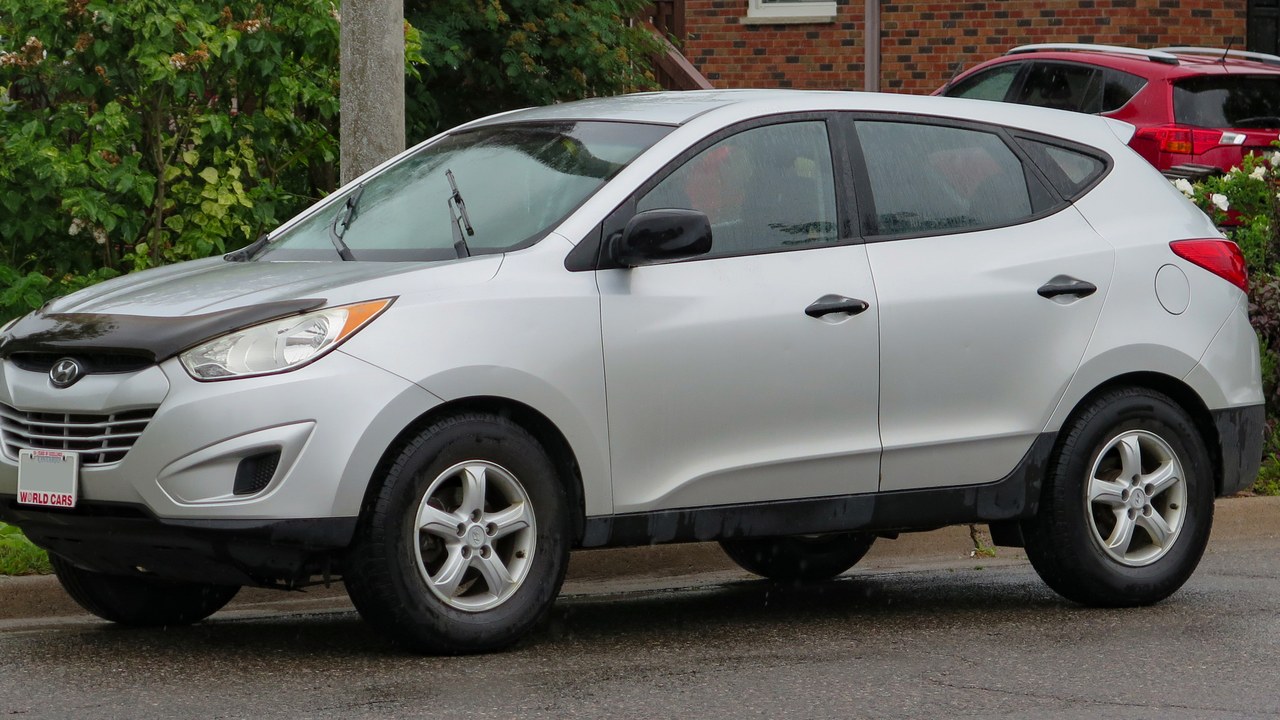
Strong dependability scores now sit beside Hyundai’s low prices, a pairing that would not have been credible from the brand a generation ago. Sustained investment in its own engines, transmissions and vehicle platform engineering replaced the bought-in components of the early years, and warranty coverage remains among the most generous on mainstream cars.
Scale brings exposure, though. A single disappointing part turns up across several models and two brands at once, so checking the recall history of a specific model year matters more than the badge’s overall score.
9. Buick: General Motors’ Quiet Achiever
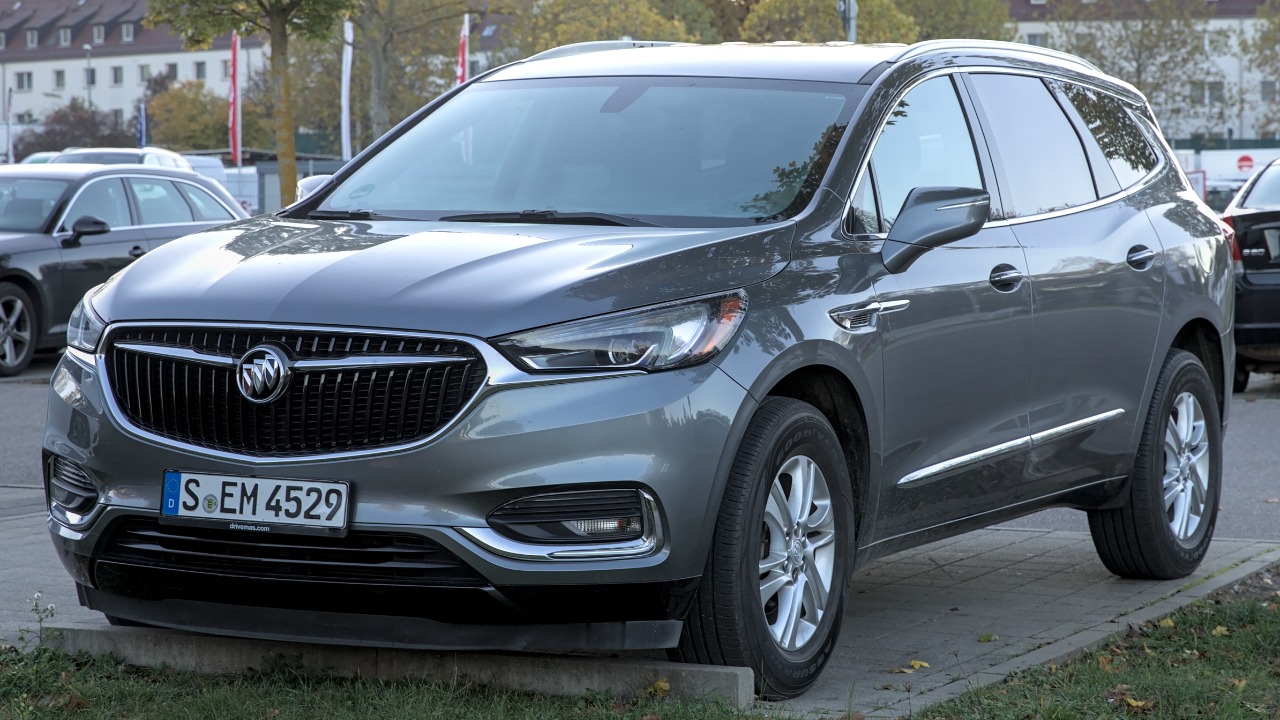
Among General Motors badges, Buick comes out ahead in owner surveys, a result that draws less attention than the brand’s shrinking showroom presence. The lineup has narrowed to a handful of crossovers, and a small, mature range offers fewer openings for one troublesome new component to drag an entire brand score downward.
Less choice is the price of that focus. Sedans have disappeared, and much of the engineering is shared with cheaper Chevrolet models, so the premium buys quieter trim and softer suspension tuning rather than distinct hardware.
10. Genesis: The Newcomer That Holds Up
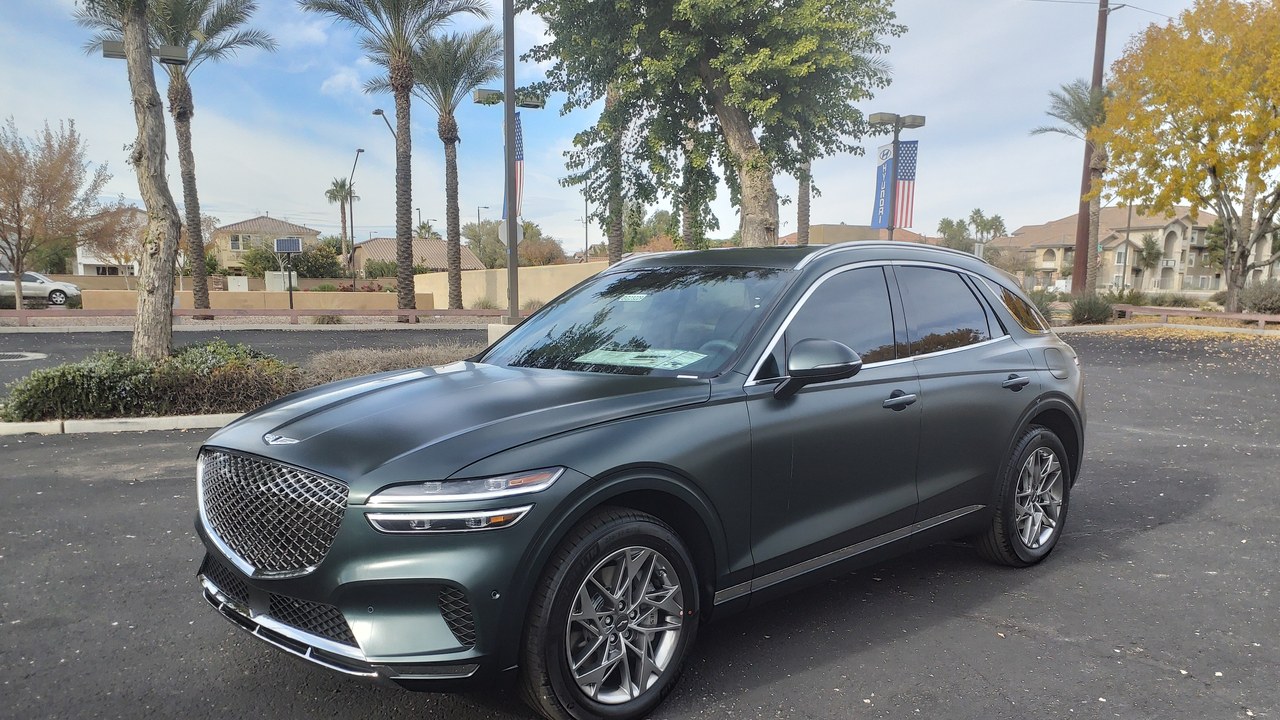
A little over a decade old as a standalone marque, Genesis already posts solid reliability as Hyundai’s luxury arm. Its sedans and luxury crossovers lean on engineering developed inside a high-volume parent company, which spares them the small-batch complexity that so often undermines dependability at boutique luxury makers.
History is the missing element. Long-term ownership data is thinner than for established rivals, and a dealer footprint that is still expanding can mean longer trips for service outside major metropolitan areas, where a rival luxury brand may have kept a store for forty years.
More from Morning Overview
