
Placing the engine between the axles is the layout engineers reach for when balance and traction matter most, and a handful of production cars brought that exotic idea to driveways. Each of these models carries its motor behind the cabin, shaping how it looks, sounds, and handles. Here are ten mid-engine production cars that moved the motor behind the driver.
1. Chevrolet Corvette (C8): America’s V8 Moves Amidships
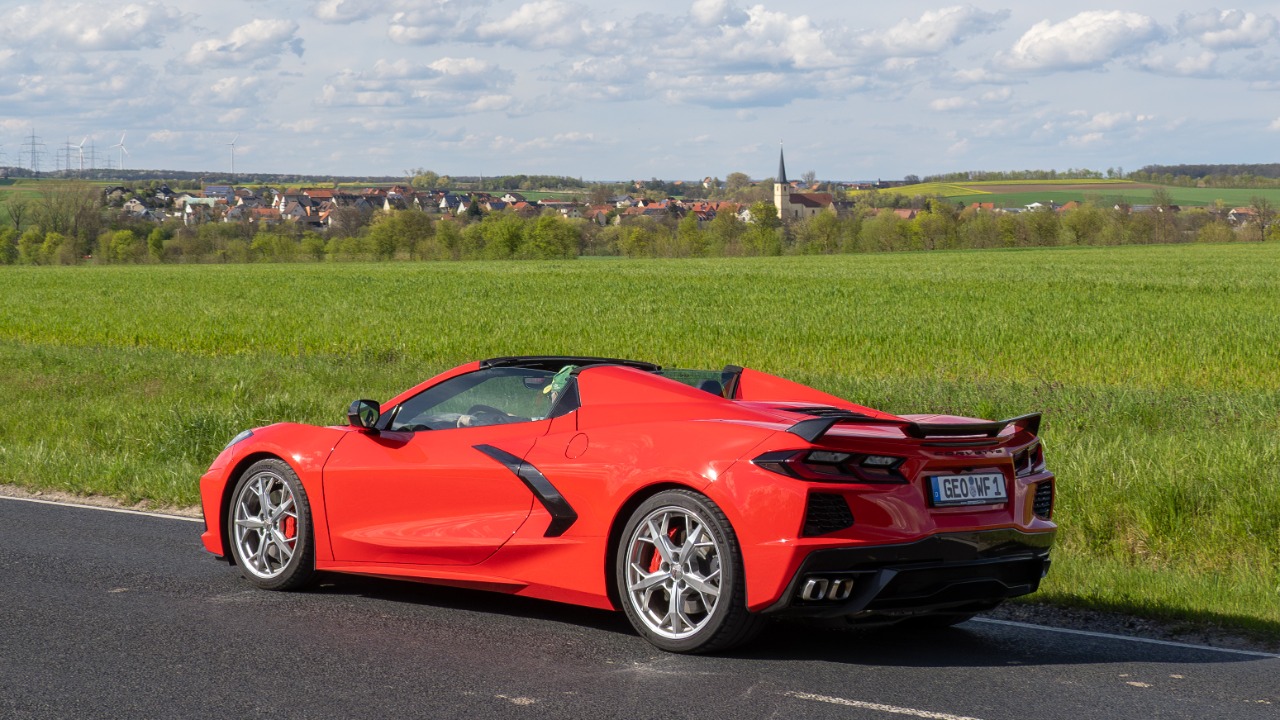
The eighth-generation Corvette broke with more than sixty years of tradition when Chevrolet relocated its V8 from the nose to a berth behind the seats. That switch to a mid-engine layout shifted weight rearward, sharpening turn-in and letting the rear tires put power down without the front-heavy balance that defined every Corvette before it.
For buyers, the reward was supercar-grade acceleration at a price far below European rivals, which pushed the nameplate into competition with cars costing several times as much. The trade was heritage: the front-engine Corvette silhouette, familiar since 1953, gave way to a low, cab-forward exotic profile.
2. Ford GT: Le Mans DNA For The Road
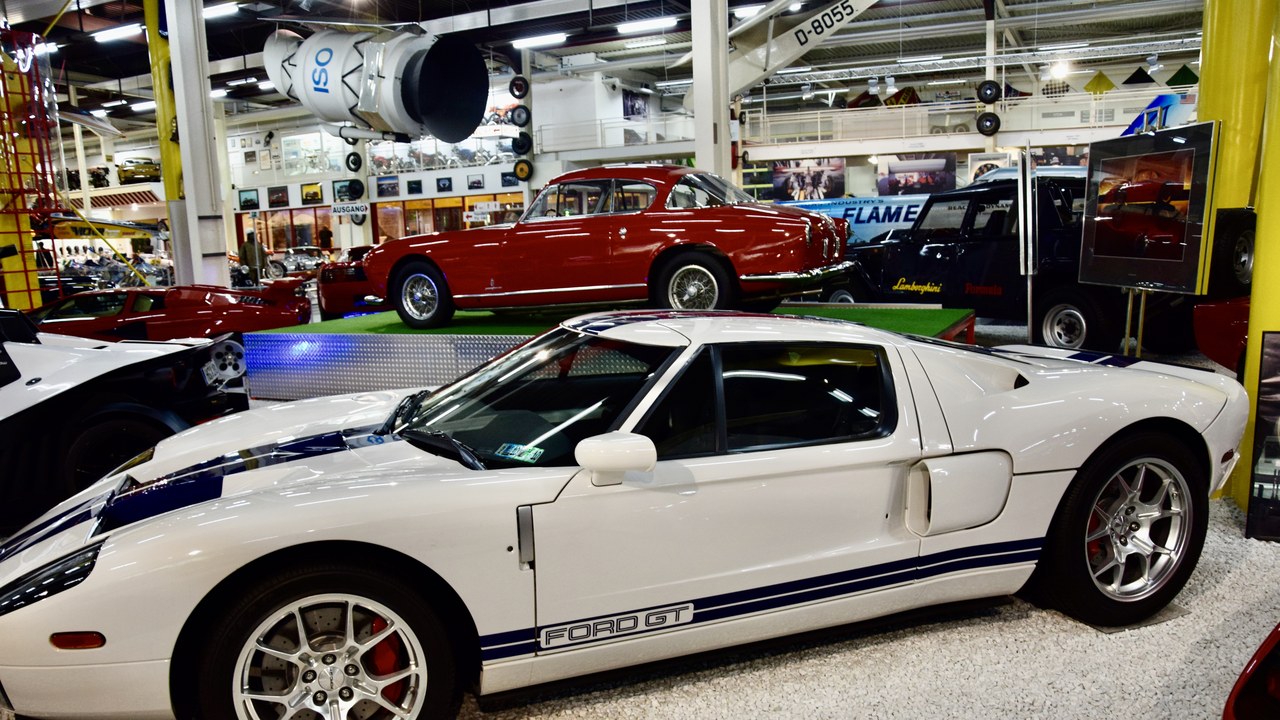
Ford built the GT as a road-going tribute to the GT40 racers that beat Ferrari at Le Mans, and it kept the competition recipe intact with a mid-mounted engine driving the rear wheels. The modern Ford GT supercar wrapped that layout in a low, aerodynamic body designed around downforce rather than daily comfort.
The result was a limited-production halo car that Ford used to signal engineering ambition, sold in small numbers and often to buyers vetted by the company. Its central engine placement was not styling theater but the same choice race teams make when cornering speed outranks convenience.
3. Honda NSX: The Everyday Exotic
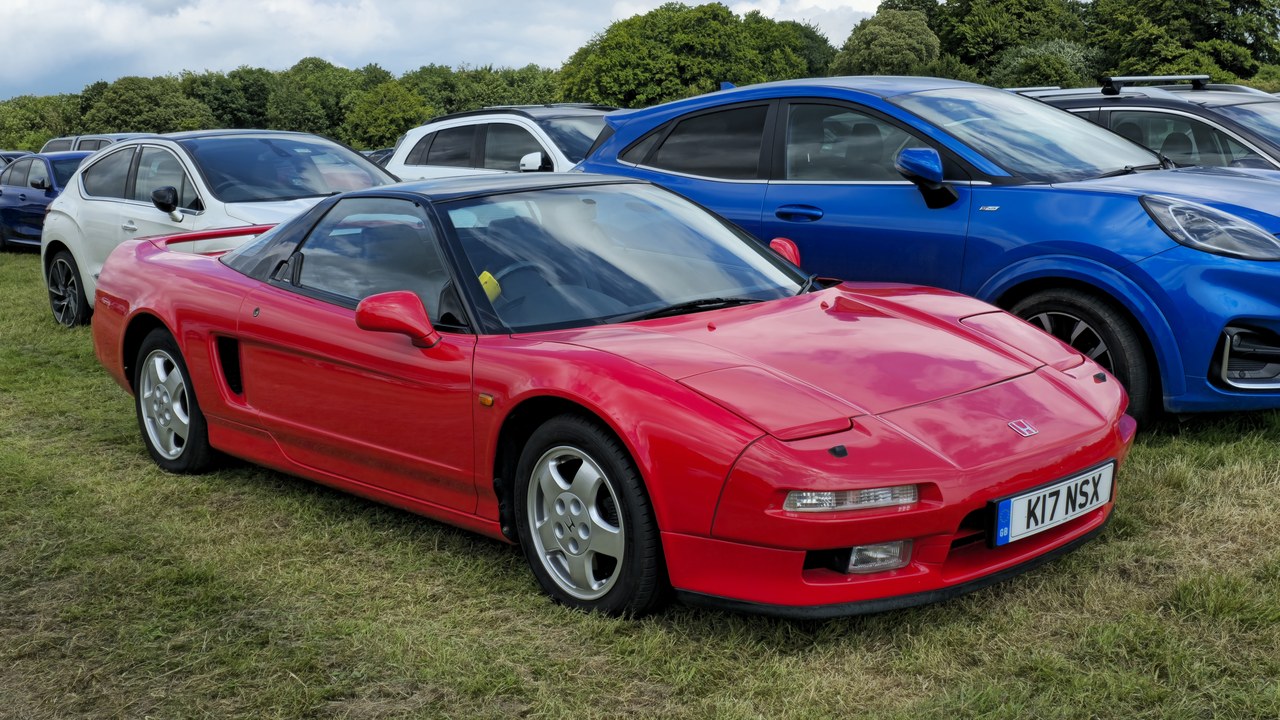
Honda’s NSX proved a mid-engine exotic could be reliable and usable every day, pairing a lightweight aluminum body with a motor placed behind the cabin. Sold as an Acura in North America, it was benchmarked against Ferrari yet engineered to start every morning and tolerate traffic.
That combination reset expectations for the class, forcing established supercar makers to take ergonomics and dependability seriously. The mid-engine configuration gave the NSX its balanced handling, while Honda’s mass-market discipline gave it the everyday manners its rivals often lacked.
4. Lamborghini Countach: The Poster On Every Wall
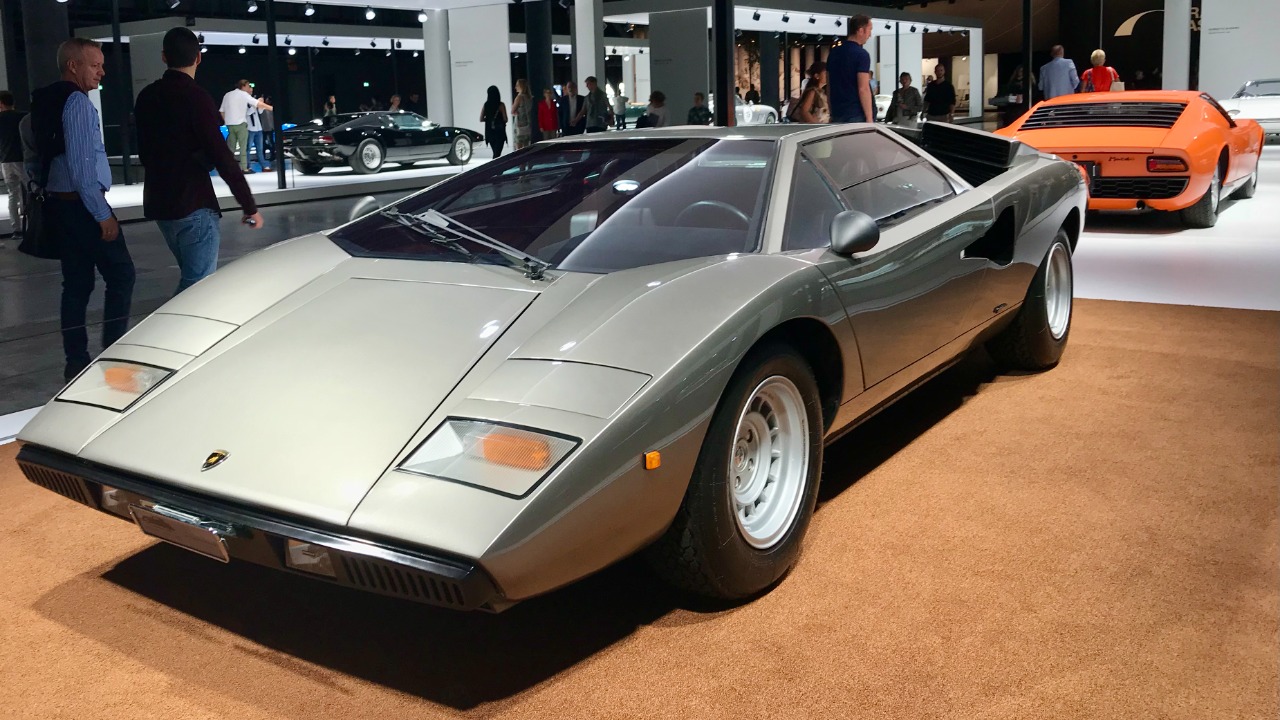
The Countach hid a V12 amidships beneath a wedge body so dramatic it became the bedroom poster of a generation. Lamborghini mounted the V12 behind the driver, longitudinally, which dictated the car’s long tail and its scissor doors as much as any stylist did.
Visibility and practicality suffered for the sake of that layout, yet the shape defined supercar imagery for decades. The Countach showed how thoroughly a mid-engine package could drive design, turning a mechanical decision into an enduring cultural symbol of speed and excess.
5. Ferrari 348: The Early-’90s V8 Berlinetta
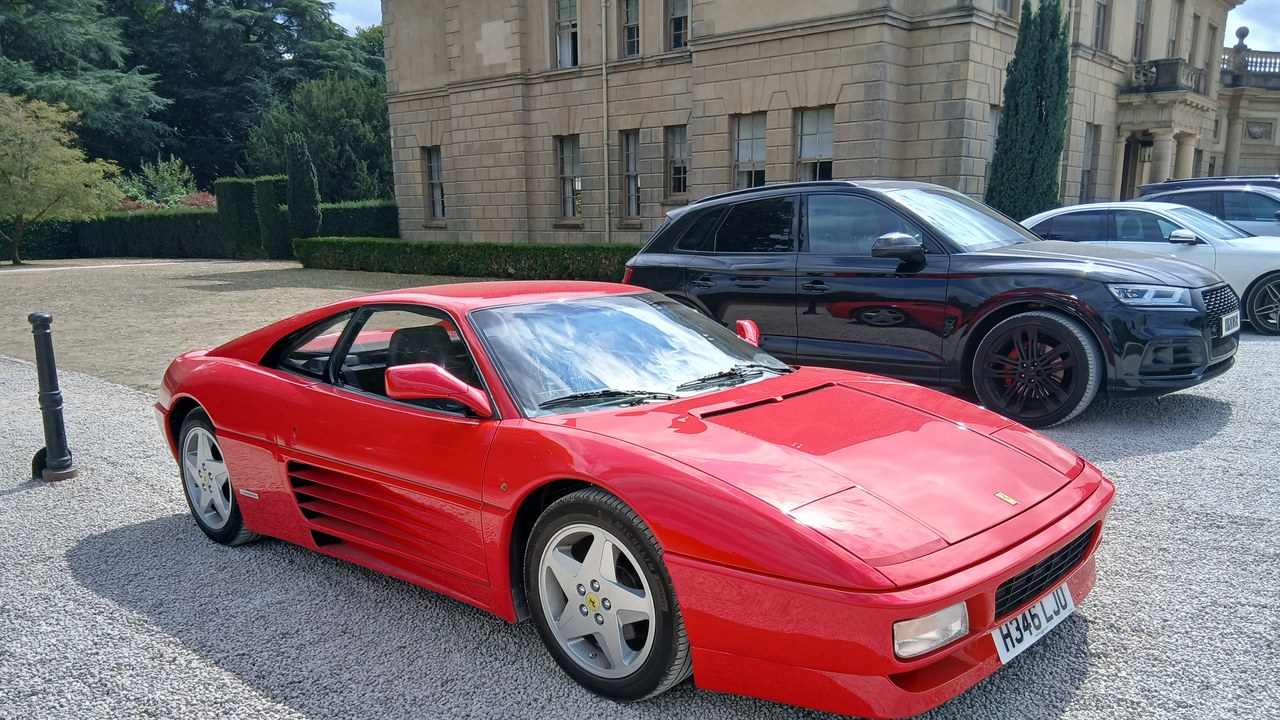
The 348 carried Ferrari’s mid-engine V8 formula into the early 1990s, mounting the engine longitudinally behind the seats and driving the rear wheels. Its side-strake bodywork echoed the larger Testarossa, marking a styling bridge between Ferrari’s 1980s and 1990s design language.
As the entry point to Ferrari ownership of its era, the 348 made the marque’s mid-engine handling accessible to more buyers. It later became a comparatively attainable classic, prized as a purer, analog Ferrari from before electronic aids reshaped the driving experience.
6. Toyota MR2: Affordable Mid-Engine Fun
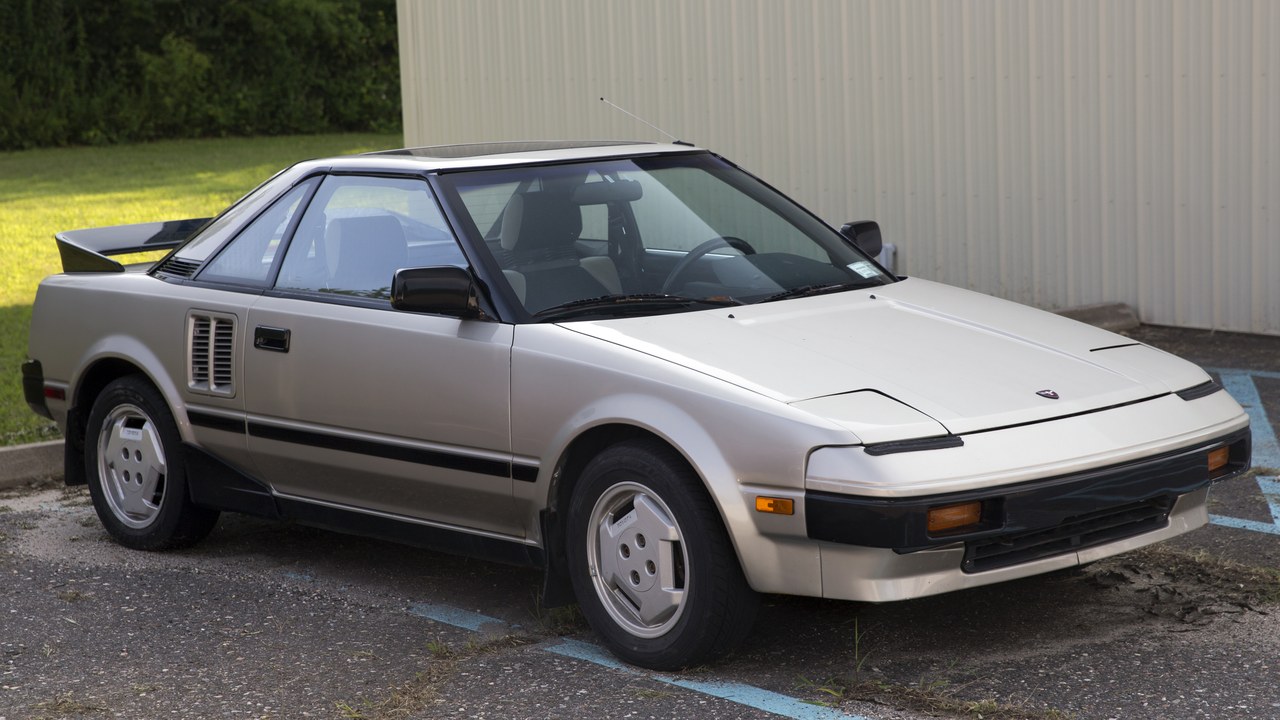
Toyota brought the mid-engine layout to the mainstream with the MR2, a small, light two-seater with its motor behind the cabin. The first-generation MR2 paired that balance with modest weight, delivering sharp handling without exotic-car running costs.
It demonstrated that the configuration was not the exclusive preserve of six-figure machinery, giving ordinary drivers a taste of the balance engineers chase. Across its generations the MR2 kept the recipe affordable, and clean examples remain sought after by enthusiasts who value agility over outright power.
7. Pontiac Fiero: GM’s Plastic-Bodied Experiment
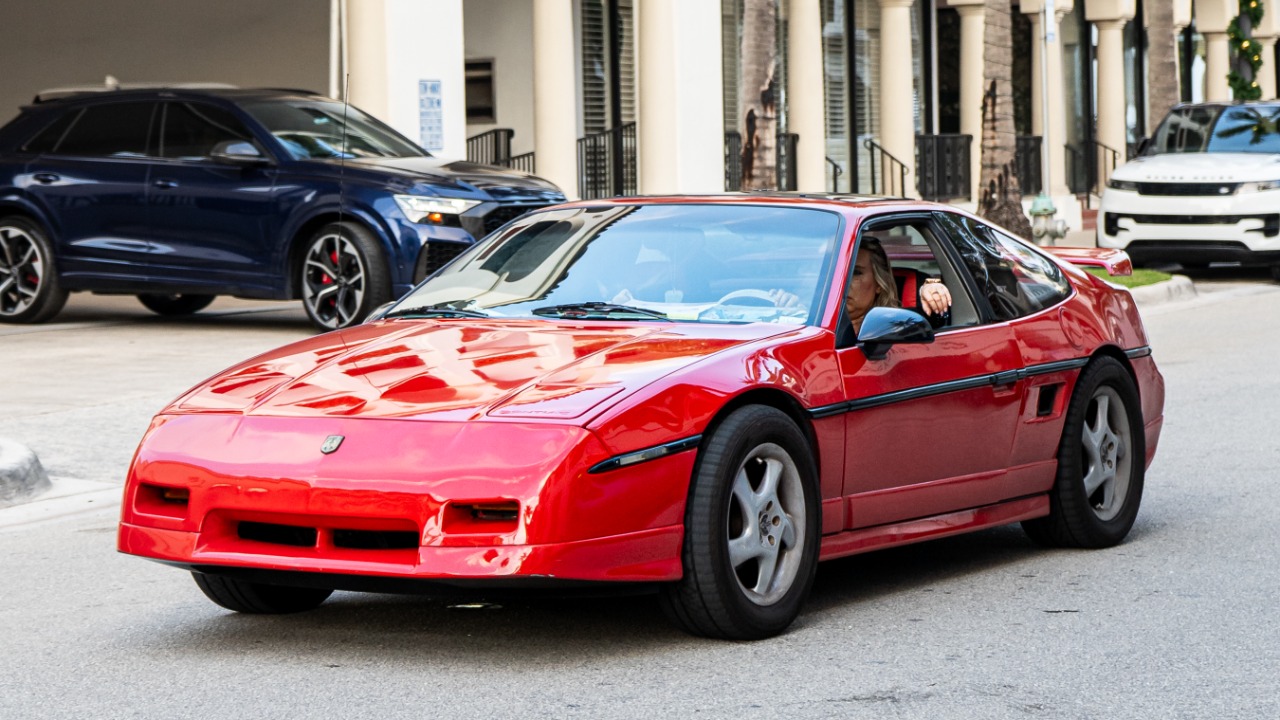
The Fiero was General Motors’ bold attempt at an affordable mid-engine two-seater, wrapped in plastic body panels over a space frame. Pontiac placed the engine behind the cockpit, an unusual layout for a mass-market American car of the 1980s.
Early cars were hampered by economy-car underpinnings and well-documented engine-fire troubles, but later versions gained a proper suspension just as production ended. The Fiero remains a fascinating what-if, showing both the appeal and the difficulty of building an exotic layout on a budget.
8. Lotus Esprit: The Wedge That Went Underwater
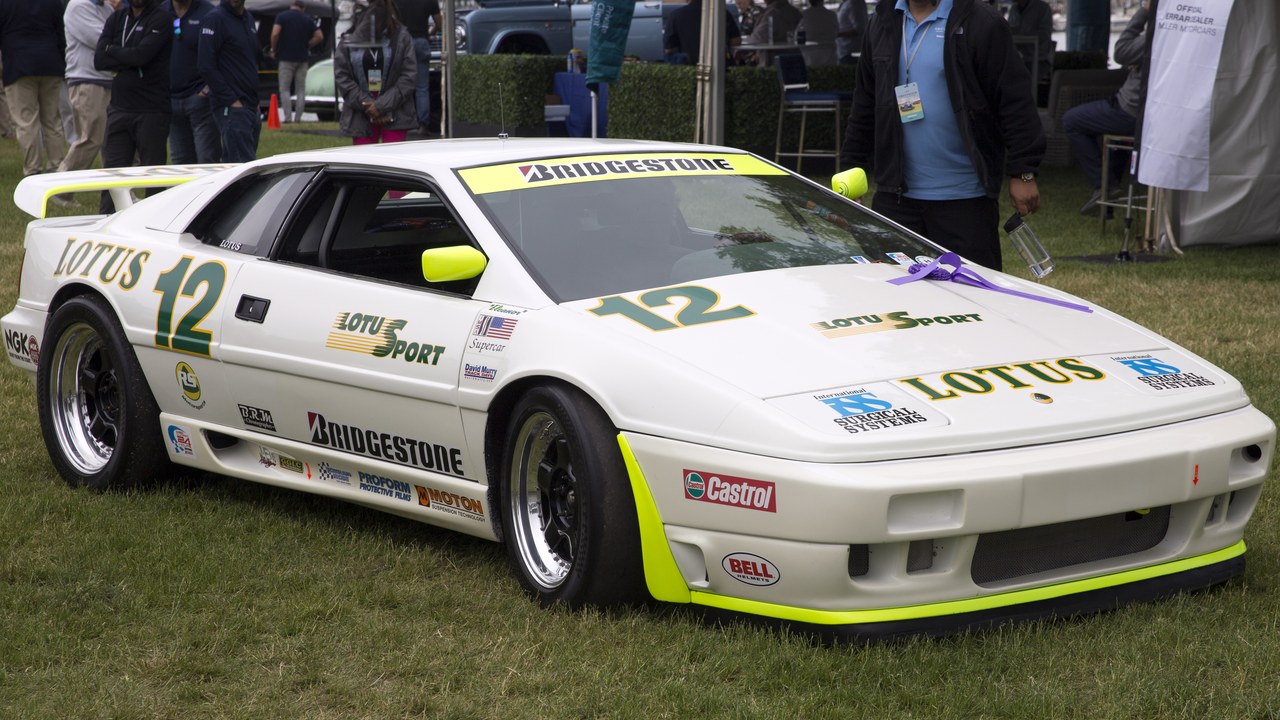
The Esprit gave Lotus a sharp-edged wedge silhouette with its engine mounted behind the cabin, a shape that famously doubled as a submarine on film. Its mid-engine chassis reflected the company’s obsession with light weight and handling over brute power.
Rather than chase the biggest engines, Lotus leaned on balance and low mass, and the Esprit rewarded drivers who valued precision. Its long production run and striking styling made it one of the defining British sports cars of its period, and a lasting screen icon.
9. De Tomaso Pantera: Italian Body, American V8
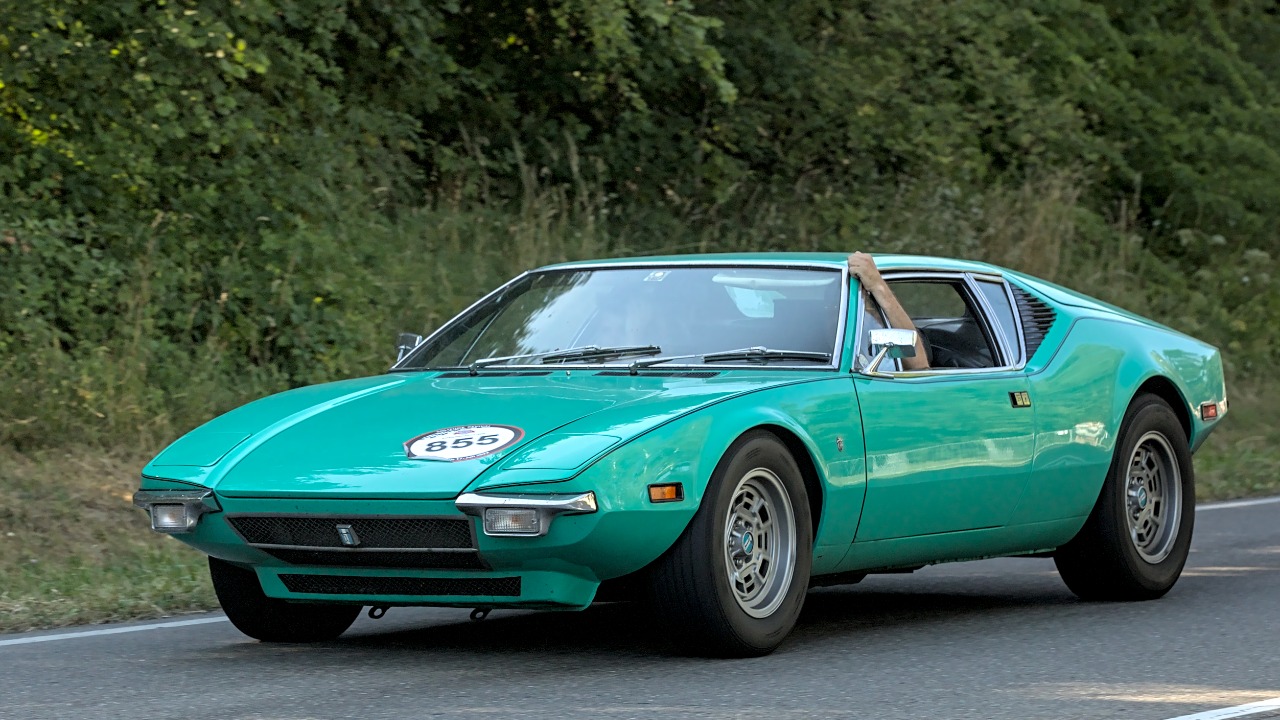
The Pantera fused Italian styling with an American drivetrain, mounting a Ford V8 amidships behind the two seats. That mid-mounted Ford V8 gave the car muscle-car torque with exotic proportions, and it was even sold through Lincoln-Mercury dealers in the United States.
The blend made the Pantera relatively serviceable compared with temperamental European exotics, since its engine was a familiar, widely supported unit. Long-lived and continually developed, it stands as one of the most successful marriages of transatlantic parts in the mid-engine class.
10. Porsche Boxster: The Mid-Engine Roadster
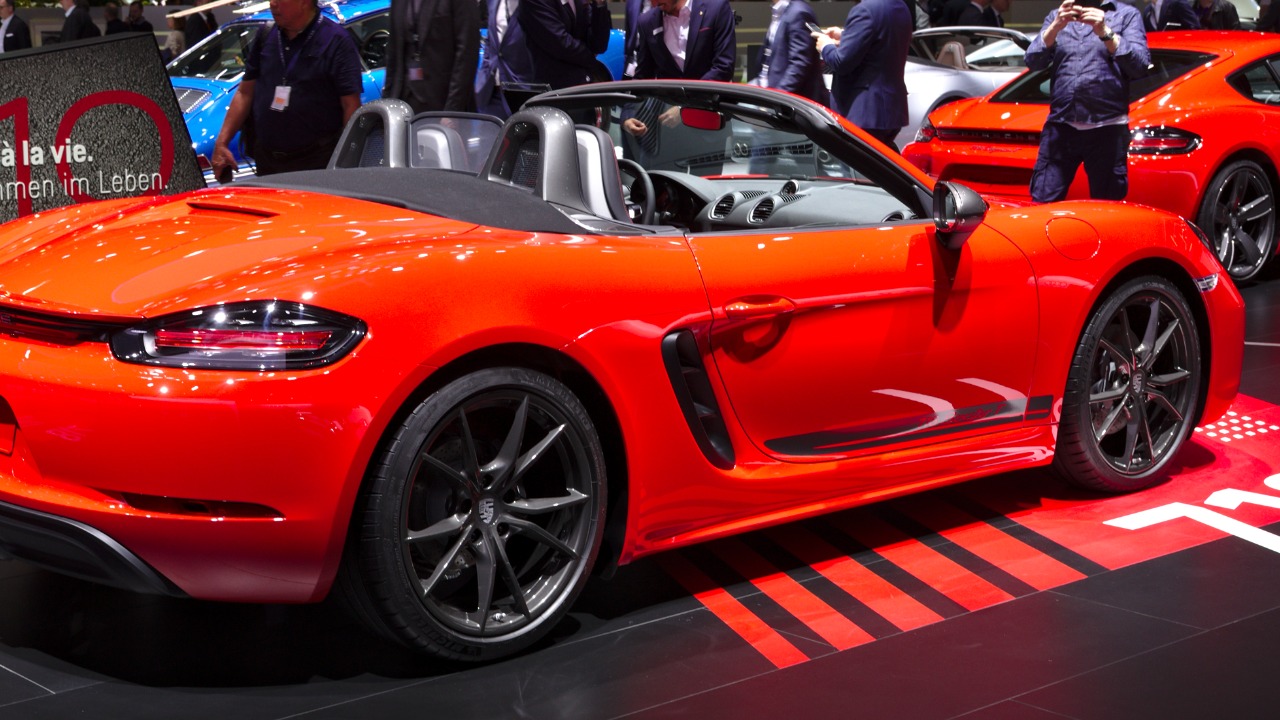
The Boxster gave Porsche a mid-engine roadster whose flat-six sits ahead of the rear axle, delivering the balanced handling the layout is known for. The mid-engine Boxster arrived as a more attainable Porsche that helped stabilize the company during a difficult period.
Critics praised its poise, often noting that its weight distribution made it one of the best-handling cars in its class. For many drivers it became the accessible entry into the marque, proving the mid-engine formula could underpin an everyday convertible rather than only an exotic.
More from Morning Overview
