
A great engine outlives the sheet metal wrapped around it, earning a following that spans decades and continents. From backyard hot rods to championship race cars, certain powerplants became legends in their own right, prized by mechanics and collectors long after production ended. These ten engines defined their marques and shaped how enthusiasts think about horsepower.
1. Chevrolet small-block engine: The V8 that powered generations of Chevys
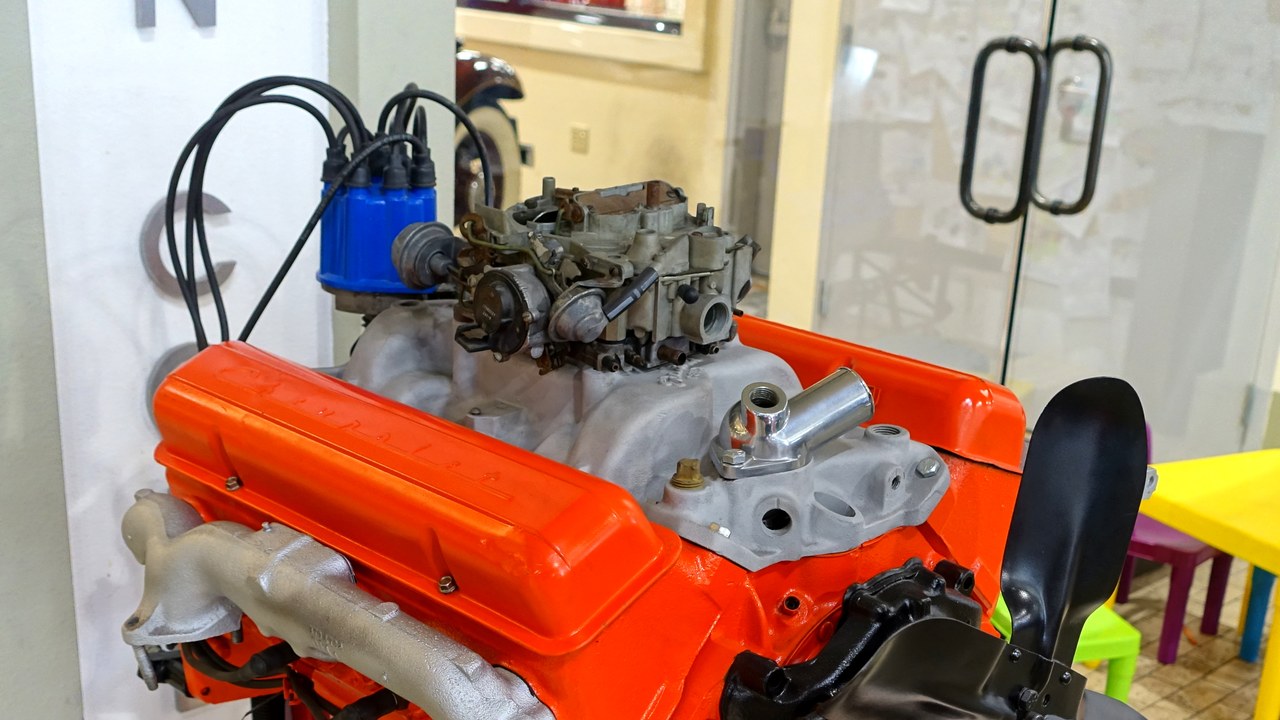
Introduced in 1955 as a 265-cubic-inch V8, the Chevrolet small-block arrived light, compact, and cheap to build, and it quickly became the default heart of American performance. Chevrolet dropped it into Corvettes, Camaros, pickups, and family sedans alike, while hot-rodders adopted it as the swap of choice for almost anything with wheels.
Its simple overhead-valve architecture made power easy to find, whether through a bigger carburetor, a hotter camshaft, or one of the countless aftermarket parts built around it. Displacement grew over the years to 350 cubic inches and beyond, and tens of millions of units rolled out of the factory. Few engines have ever touched more driveways.
2. Ford flathead V8: The affordable V8 that put America on wheels
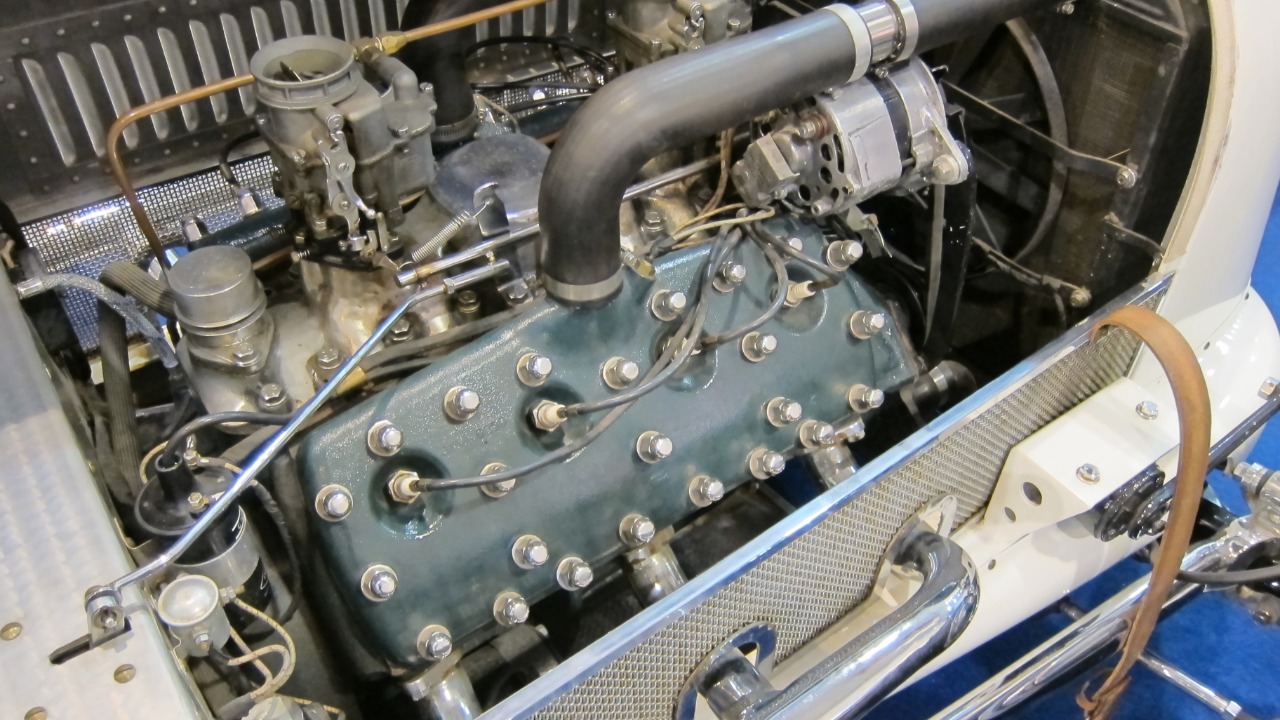
When Ford launched the flathead V8 in 1932, it handed ordinary drivers something previously reserved for luxury cars: eight cylinders at a working-class price. Tucking its valves inside the block kept the design compact and inexpensive to cast, and the engine powered Ford cars and trucks for more than two decades.
Early hot-rodders seized on its cheap availability, boring, milling, and supercharging the little V8 into the foundation of postwar street culture. It was neither the most powerful nor the most efficient engine of its era, yet its blend of price and character made it a genuine cornerstone. That distinctive burble still defines the sound of early American speed.
3. Toyota JZ engine: The 2JZ made the Supra a tuner legend
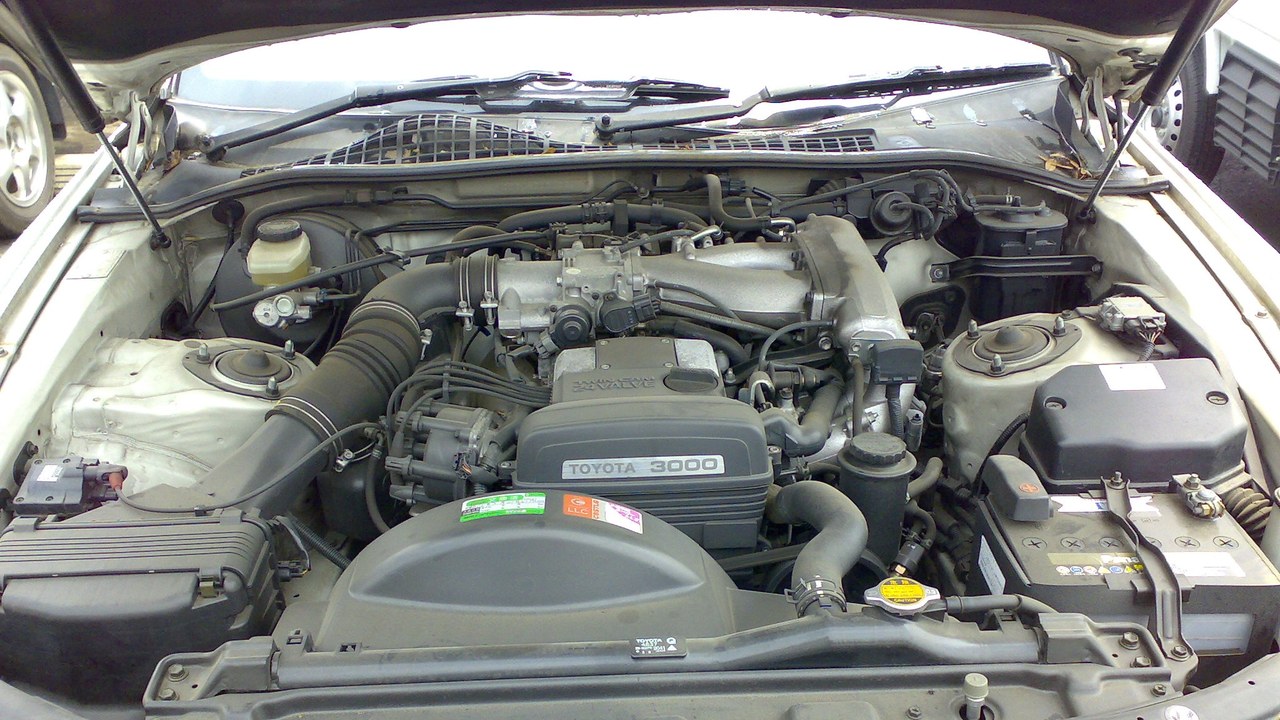
Toyota’s JZ family of inline-sixes earned near-mythical status thanks to one variant: the twin-turbocharged 2JZ-GTE that powered the fourth-generation Supra. Rated modestly from the factory, the 3.0-liter engine hid a famously overbuilt cast-iron block that tuners soon discovered could swallow far more boost than the engineers ever intended.
That strength turned the 2JZ into a drag-strip and drift-scene icon, with built examples reliably making four-figure horsepower on the stock bottom end. The smaller 2.5-liter 1JZ shared much of the same toughness and found its own devoted following. Decades on, a clean JZ swap remains one of the most coveted upgrades in tuning circles.
4. Nissan RB engine: The RB26 behind the Skyline GT-R
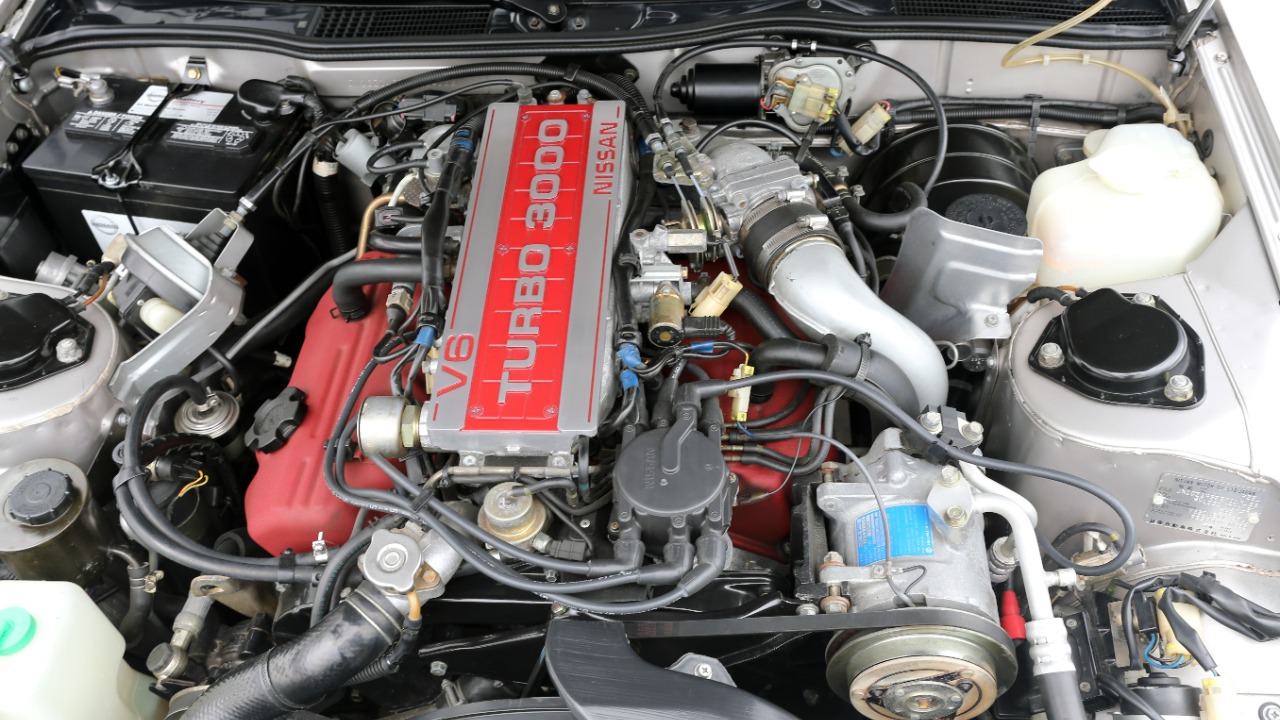
Nissan’s RB inline-six became legendary through the RB26DETT, the 2.6-liter twin-turbo that powered the Skyline GT-R from the R32 through the R34. Built to homologate the car for Group A racing, it helped the GT-R dominate so thoroughly in Australia that rivals nicknamed the machine Godzilla.
Like its Toyota counterpart, the RB26 paired a robust cast-iron block with generous tuning headroom, making four-figure horsepower a realistic goal for serious builders. Other variants, including the 3.0-liter RB30, extended the family across sedans and coupes. Today an original RB26-powered GT-R commands collector money, and the engine still anchors countless ambitious project builds.
5. Honda B engine: The high-revving VTEC four
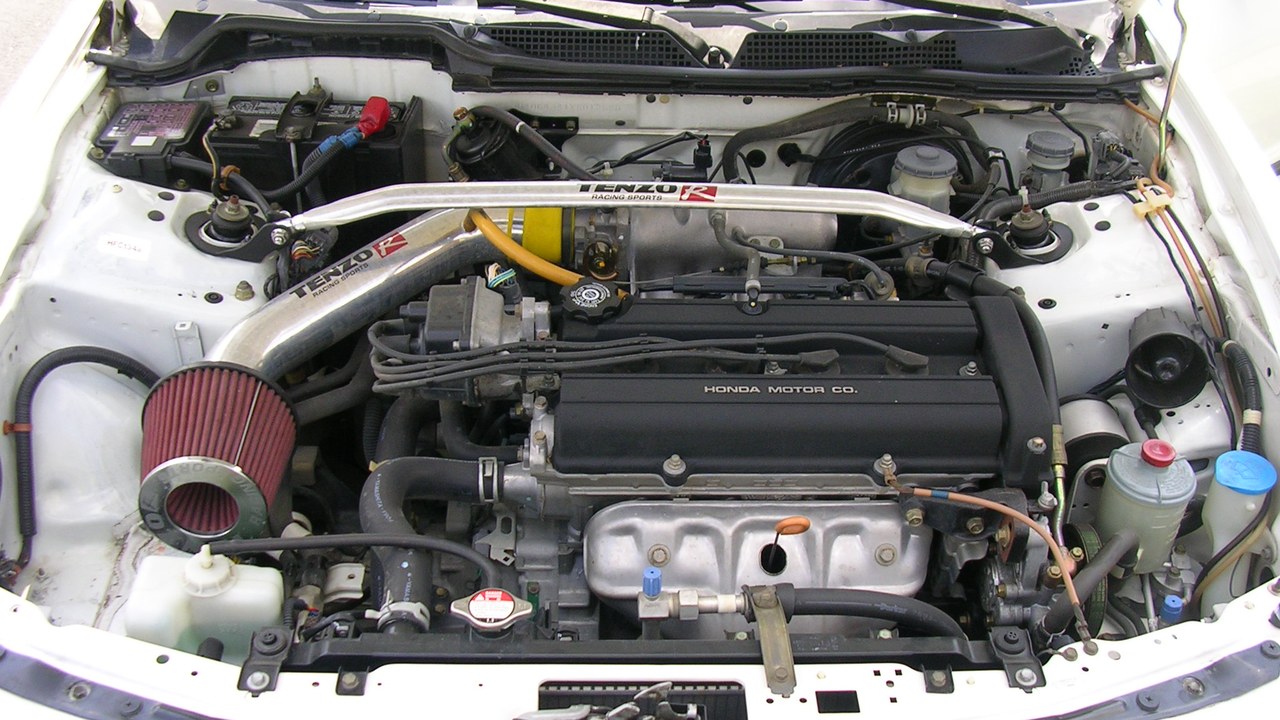
Honda’s B-series four turned modest displacement into a cult following by chasing revs instead of cubic inches. Fitted with Honda’s VTEC variable valve timing, engines like the 1.6-liter B16 and 1.8-liter B18C spun past 8,000 rpm and produced specific outputs that embarrassed far larger motors of the 1990s.
The B18C in the Integra Type R became a benchmark for naturally aspirated tuning, delivering a screaming top end and razor-sharp throttle response. Lightweight and endlessly swappable, B-series engines migrated into Civics and a generation of project cars. The sudden surge as VTEC engaged became a defining sensation of import performance and a lasting enthusiast in-joke.
6. Chrysler Hemi engine: The hemispherical-head muscle V8
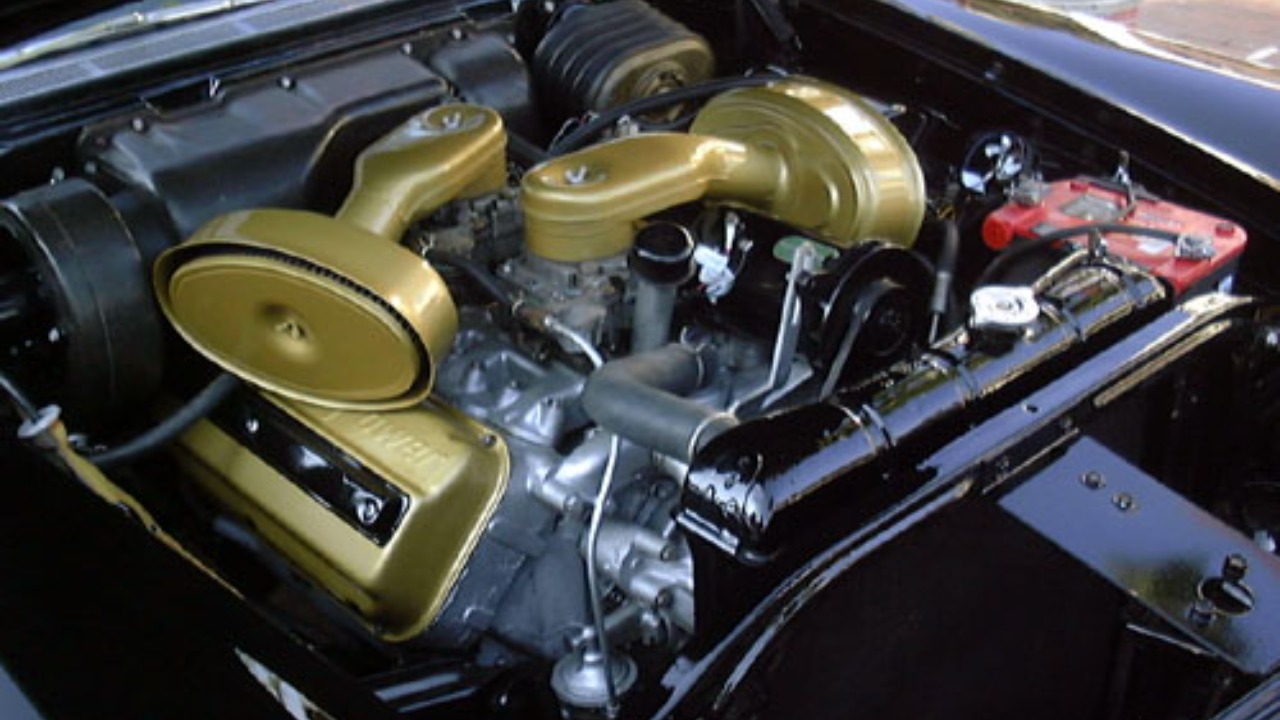
The Chrysler Hemi took its name from the hemispherical combustion chambers that let it breathe deeply and make enormous power. Introduced in the 1950s and immortalized by the 426 version of the 1960s, the engine grew so dominant in racing that NASCAR eventually moved to restrict it.
Nicknamed the Elephant for its size and torque, the 426 powered legendary Dodge and Plymouth muscle cars and terrorized drag strips nationwide. Its distinctive wide valve covers made it instantly recognizable under any raised hood. Chrysler revived the Hemi name in 2003 for a new generation of V8s, keeping one of Detroit’s most storied badges alive.
7. Cummins B Series engine: The diesel that made Rams workhorses
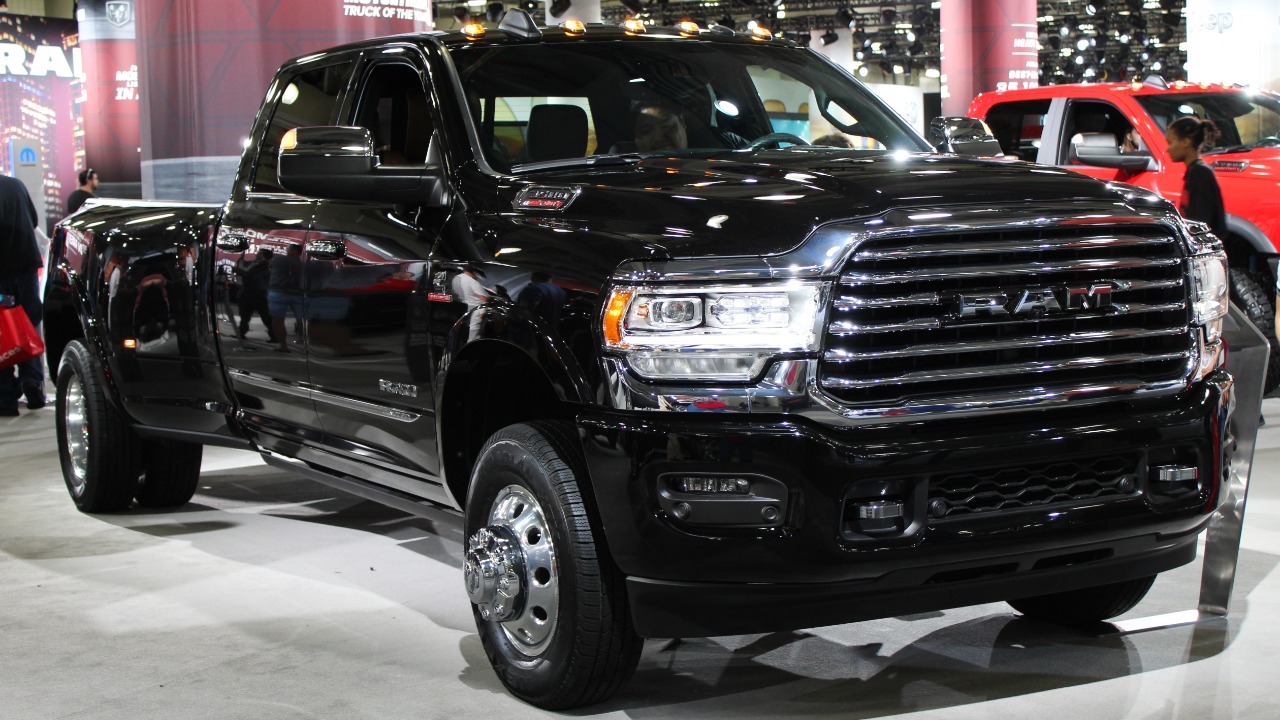
Cummins built its B-series inline-six for tractors and industrial equipment, but the engine found lasting fame under the hood of the Dodge Ram beginning in 1989. The 5.9-liter turbodiesel delivered stump-pulling torque and a reputation for durability that transformed the Ram from an also-ran into a serious workhorse.
Truck owners prized the 12-valve versions especially, trading refinement for simplicity and a legendary tolerance for high mileage and heavy tuning. The engine later grew to 6.7 liters and gained emissions hardware, yet its core toughness remained intact. For many diesel enthusiasts, a Cummins-powered Ram is still the benchmark against which other trucks are measured.
8. Volkswagen air-cooled engine: The flat-four behind the Beetle
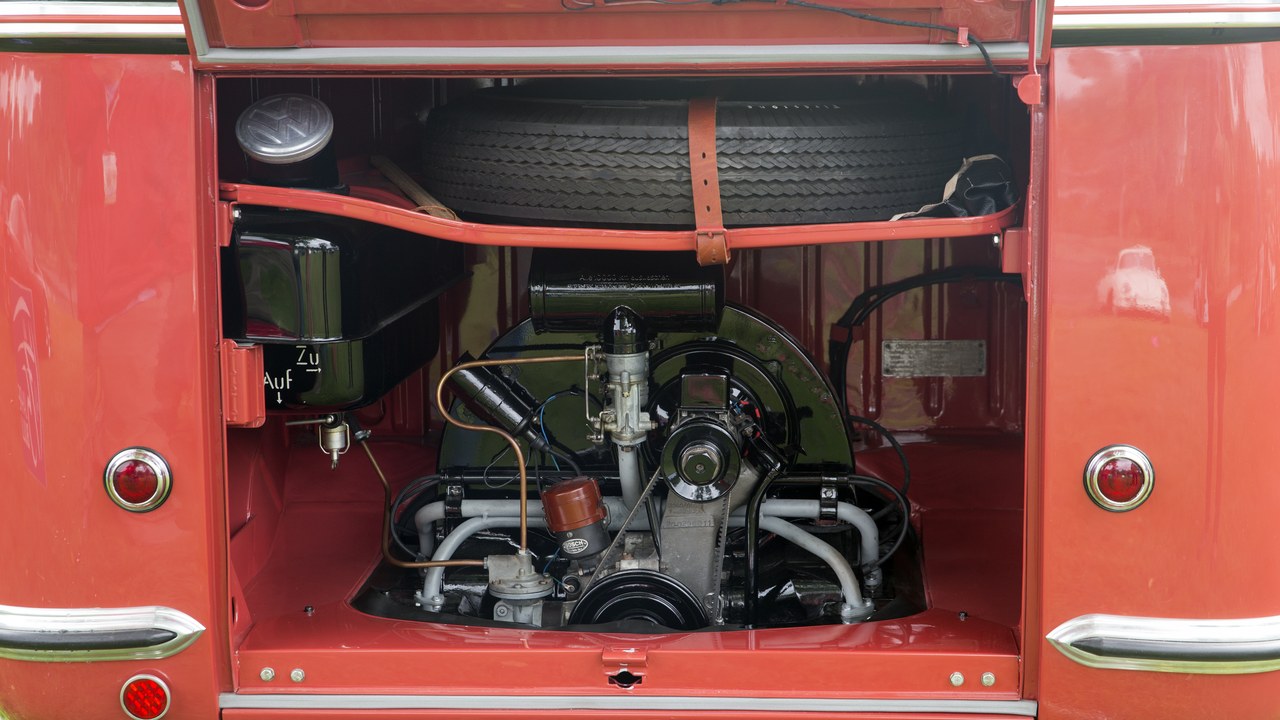
Volkswagen’s air-cooled flat-four ranks among the most-produced engines in history, having propelled tens of millions of Beetles across the globe. Mounted in the tail of the car, the boxer four needed no radiator or coolant, a simplicity that made it cheap to build and famously easy to service almost anywhere.
The same basic design powered the Type 2 bus, the Karmann Ghia, and a generation of dune buggies, while its architecture underpinned the early Porsche 356. Enthusiasts spent decades boring, stroking, and turbocharging it for far more power than the factory ever intended. Its distinctive clatter remains one of the most recognizable sounds in motoring.
9. Ferrari Colombo engine: The V12 that founded Ferrari’s legend
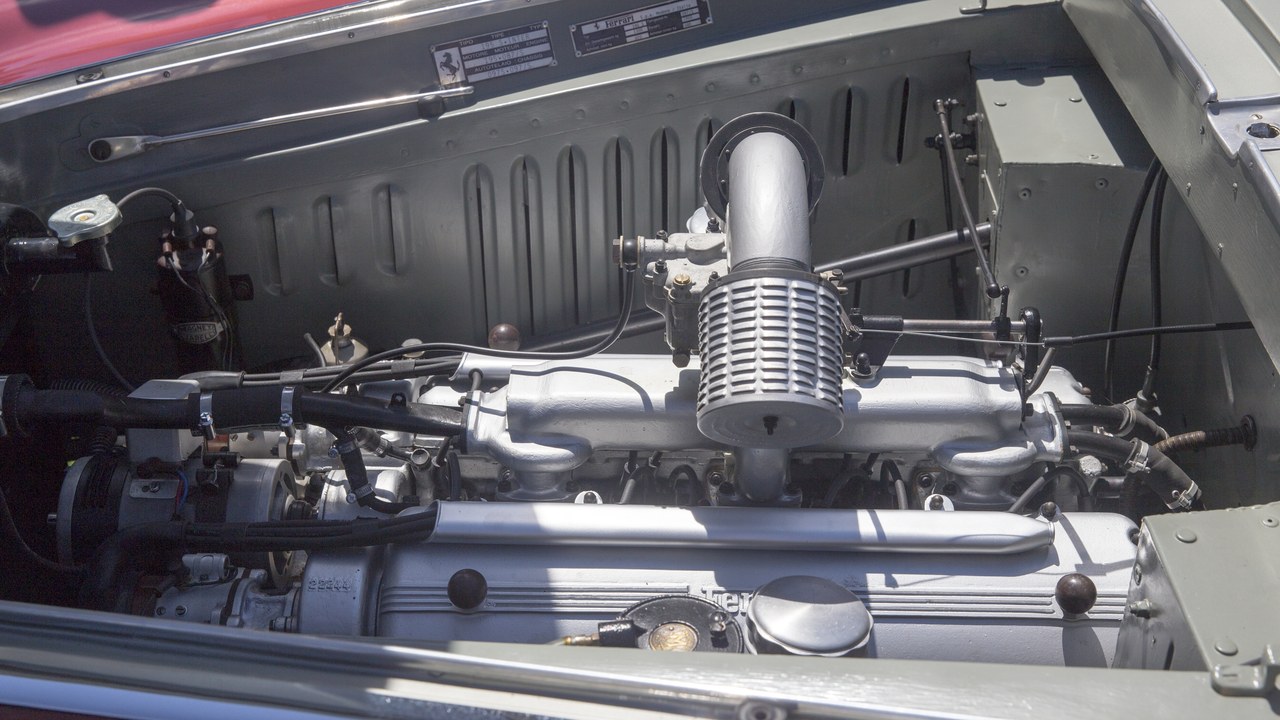
Designed by Gioacchino Colombo, this compact V12 was the engine that launched Ferrari, powering the very first car to wear the badge in 1947. It began as a tiny 1.5-liter unit but proved endlessly adaptable, growing over the years to nearly five liters as the marque’s ambitions expanded.
In its most celebrated form it powered the 250 series, including the 250 GTO now regarded as one of the most valuable cars on earth. Melodic, high-revving, and beautifully made, the design established the sound and character that Ferrari would build its entire identity around. It remained in production, steadily evolving, for decades.
10. BMW S54: The straight-six of the E46 M3
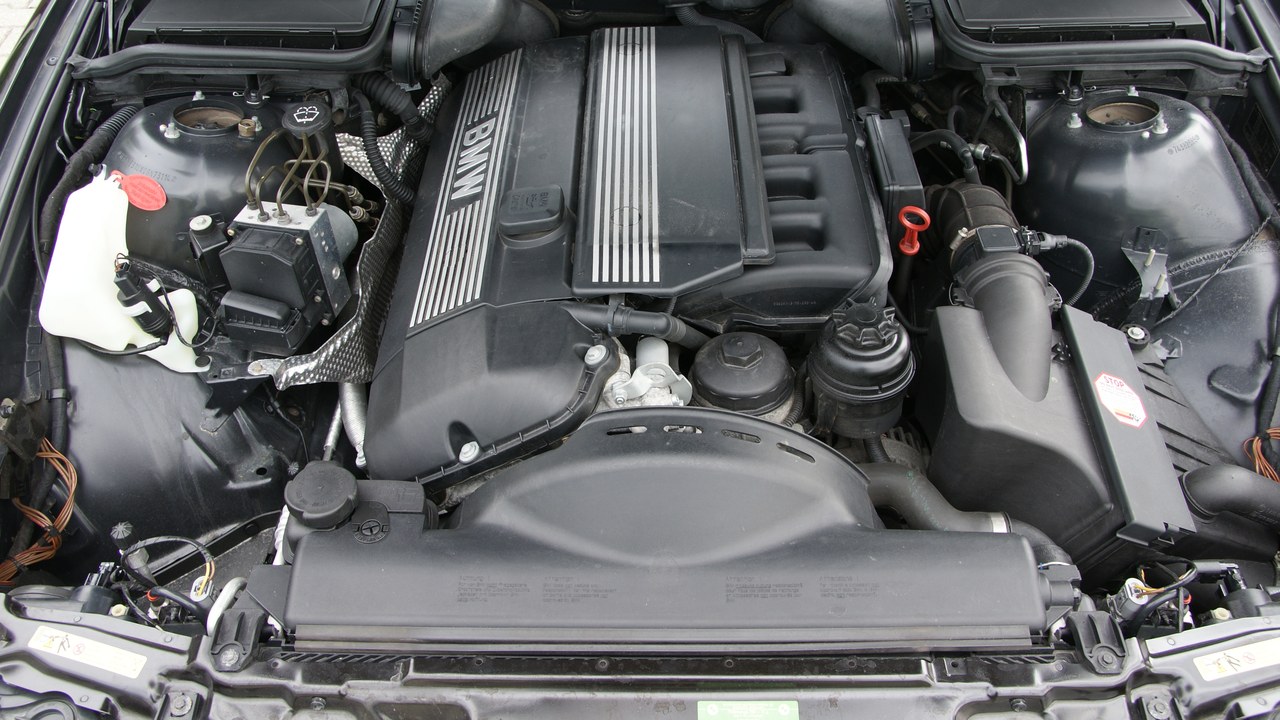
BMW’s S54 is celebrated as one of the finest naturally aspirated inline-sixes ever built, the 3.2-liter heart of the E46 M3. Fed by individual throttle bodies and revving to 8,000 rpm, it produced roughly 333 horsepower without any turbocharging, an impressive specific output for its era.
The engine paired a snarling, linear power delivery with the balance that has long defined the brand’s straight-sixes, and it also powered the coveted Z3 M Coupe and Z4 M. Enthusiasts still hunt clean examples largely for the experience of that engine at full song. It stands as a high-water mark before turbocharging took over.
More from Morning Overview
