
Land speed records fell in dramatic jumps across the twentieth century, from cars barely topping 150 mph to a jet-powered machine that broke the sound barrier outright. Some of the vehicles that set those marks ended up preserved in museums, while at least one was buried in sand for decades after a fatal crash. Here are ten of the record-setting cars that survived to tell their story.
1. ThrustSSC: Broke The Sound Barrier
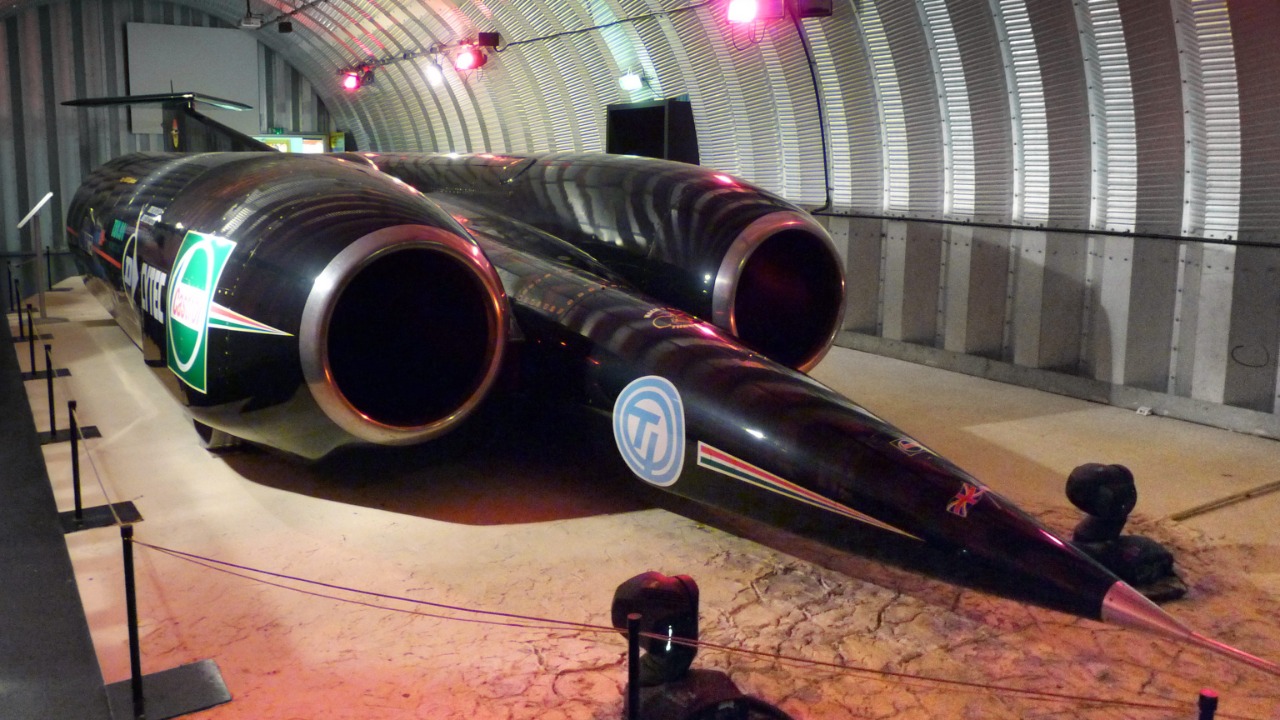
ThrustSSC reached 763 mph across Nevada’s Black Rock Desert on October 15, 1997, becoming the first land vehicle to officially break the sound barrier and a record that remains unbroken today. A jet-powered, twin-engine design set it apart from the piston and rocket cars that had held the record before it.
It now sits on permanent display at the Coventry Transport Museum in England, still recognized as the fastest land vehicle ever built despite decades passing since its record-setting run across the desert.
2. Thrust2: Noble’s 633 MPH Run
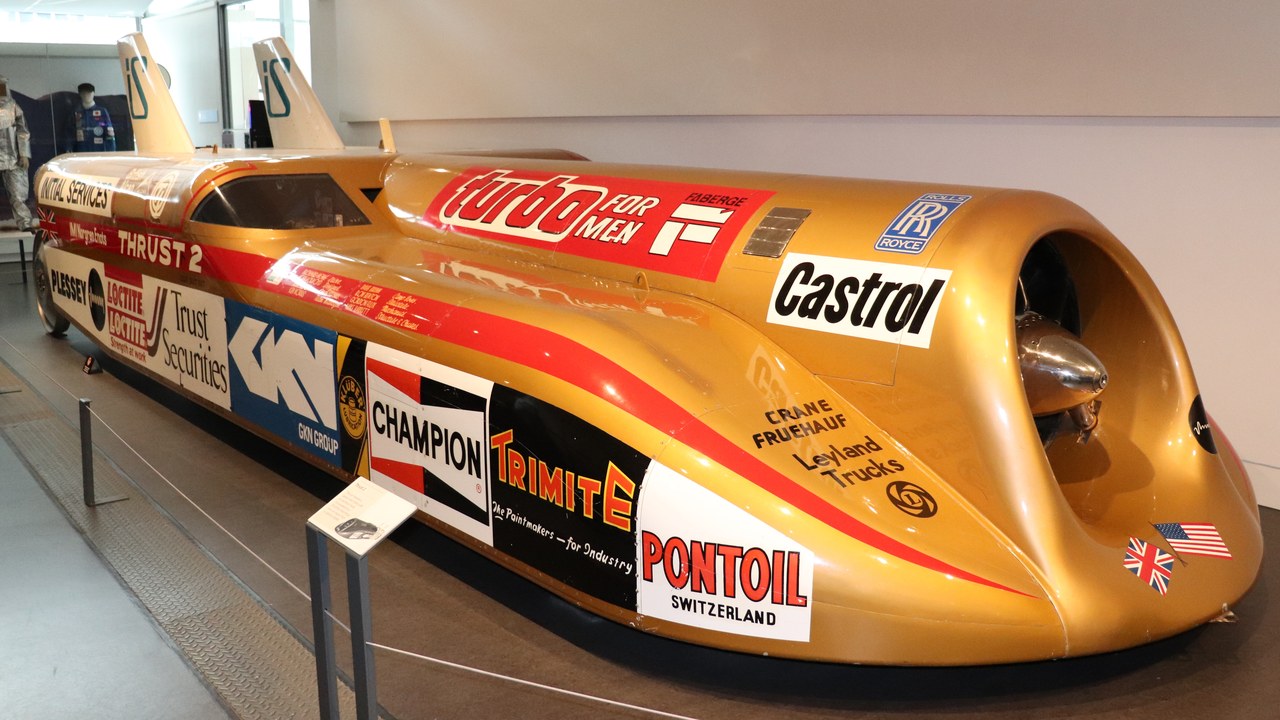
Thrust2, driven by Richard Noble, set a world land speed record of 633 mph at the Black Rock Desert in 1983, a mark that stood until his later ThrustSSC project broke it. The Coventry Transport Museum acquired the car a decade later, in 1993.
Seeing both Noble’s record-setting car and its supersonic successor housed under the same roof lets visitors trace how quickly land speed technology advanced in just over a decade between the two record runs at that same stretch of desert.
3. The Blue Flame: Rocket Power At Bonneville
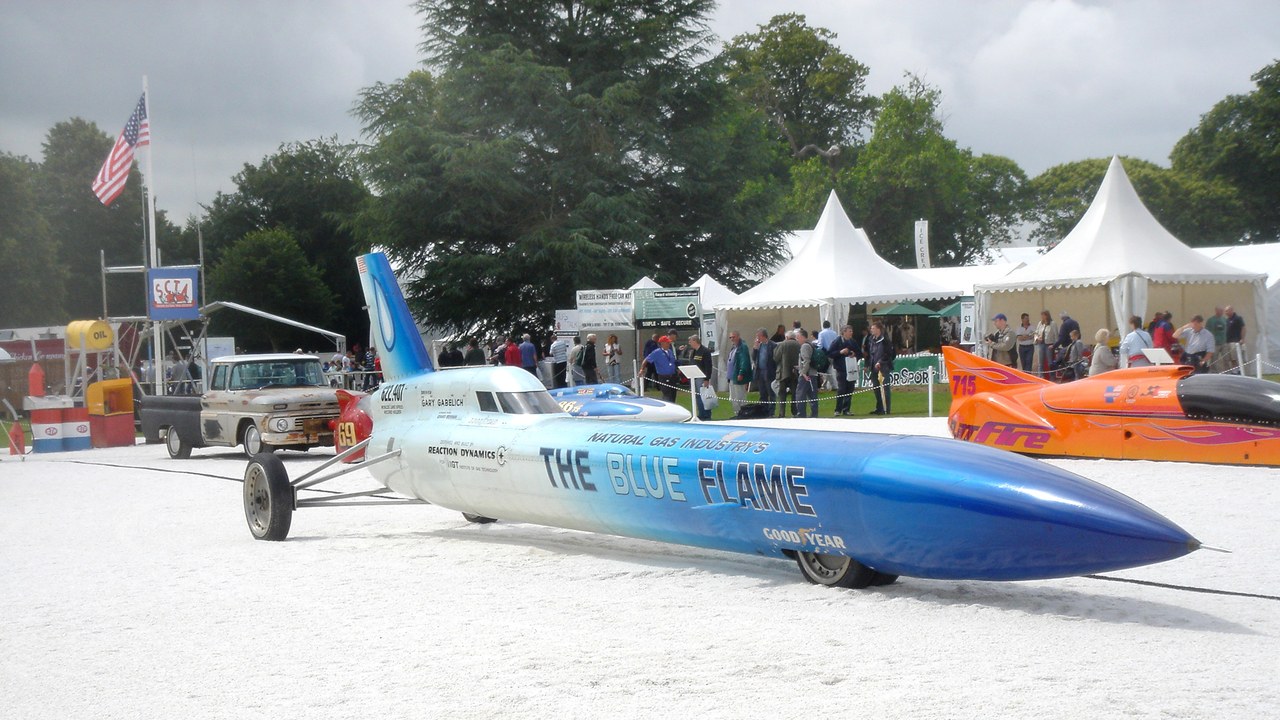
The Blue Flame, driven by Gary Gabelich, broke the 1,000 km/h barrier at the Bonneville Salt Flats on October 23, 1970, a rocket-powered run that held the land speed record for the next 13 years. It now sits in Hall 2 of the Technik Museum Sinsheim in Germany.
That 13-year reign made it one of the longest-standing land speed records of the twentieth century, outlasting several rivals who tried and failed to beat Gabelich’s mark before Thrust2 finally did in 1983.
4. Bluebird-Proteus CN7: Campbell’s Australian Record
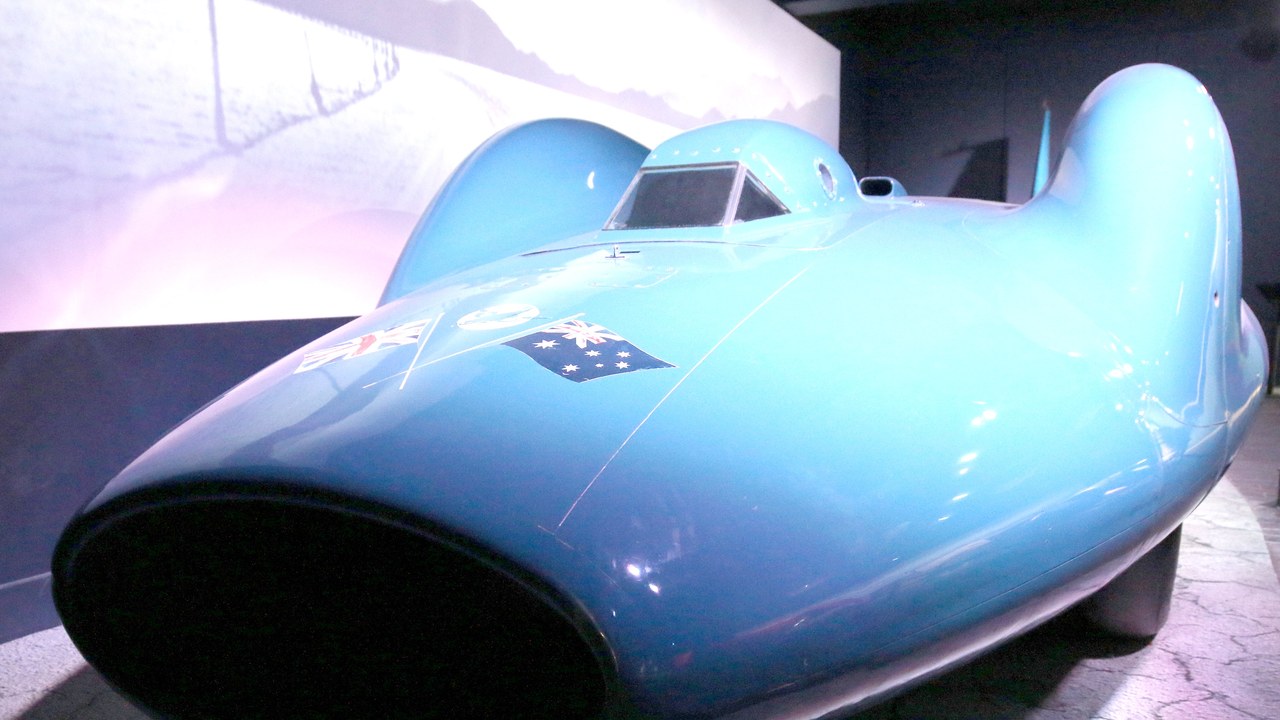
Donald Campbell drove the Bluebird-Proteus CN7 to 403.10 mph across the dry bed of Lake Eyre in Australia on July 17, 1964, capping a family legacy of land and water speed records. The car has been a permanent Beaulieu exhibit since 1972.
Reaching that speed on a dry lake bed took precise planning around weather and surface conditions, since Lake Eyre’s salt crust could flood or crack without warning, a risk every record attempt at the site had to accept before each run.
5. Campbell-Railton Blue Bird: A Narrow 300 MPH Margin
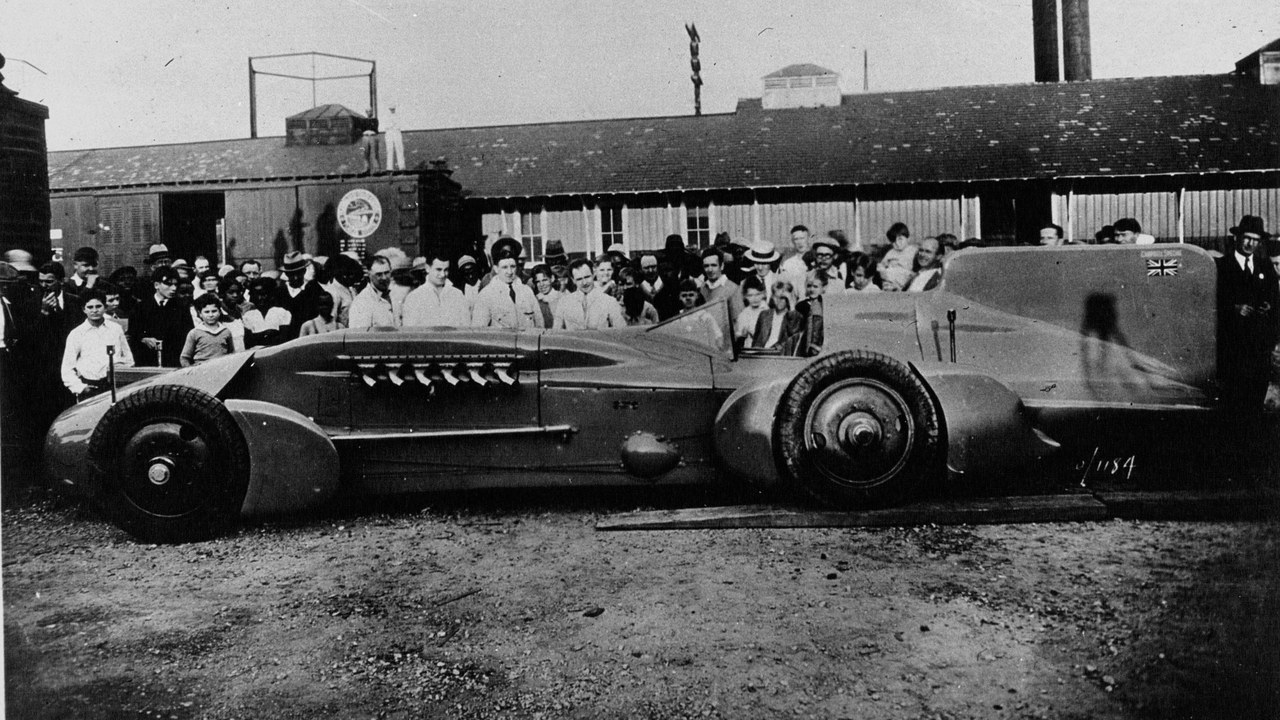
The Campbell-Railton Blue Bird became the first car to exceed 300 mph, reaching 301.337 mph on the Bonneville Salt Flats on September 3, 1935, clearing the mark by barely more than a single mile per hour. The original car is preserved at the Motorsports Hall of Fame at Daytona International Speedway.
That razor-thin margin over the 300 mph barrier made the run one of the tightest in land speed history, a reminder that record attempts of that era often came down to fractions of a mile per hour rather than a comfortable cushion.
6. Golden Arrow: Segrave’s Daytona Beach Run
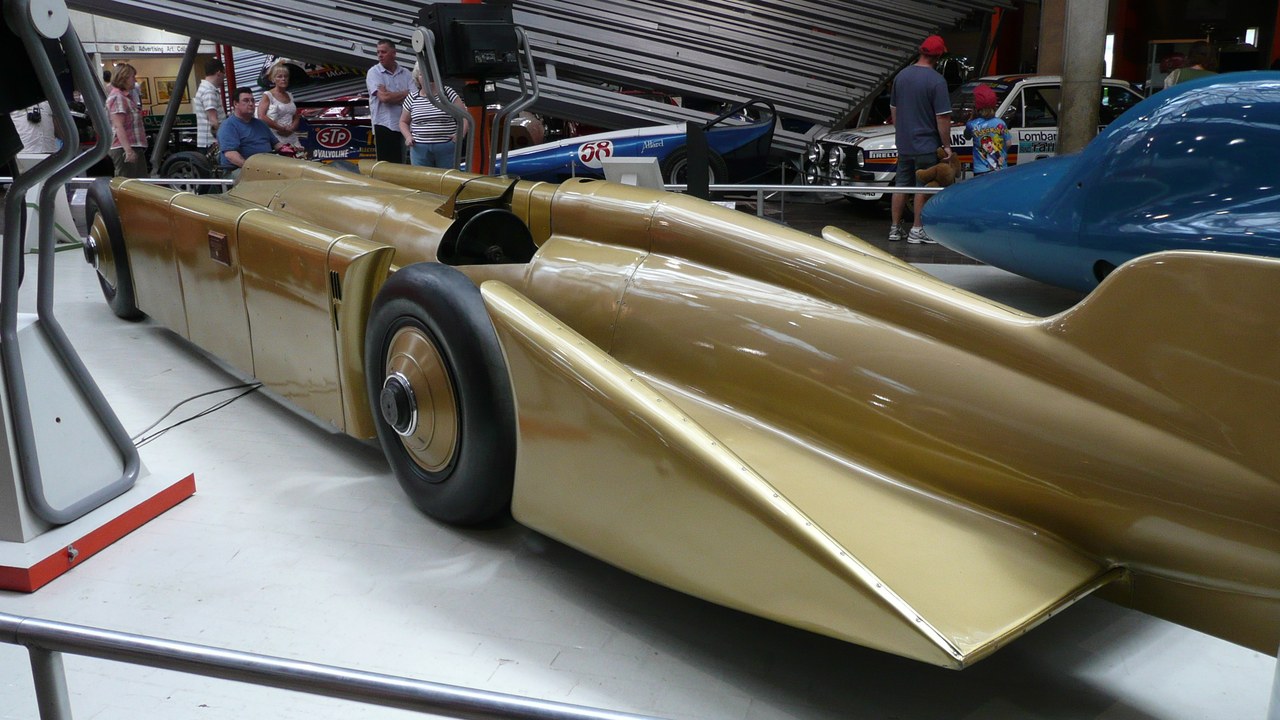
Henry Segrave drove the Golden Arrow to 231.446 mph on Daytona Beach on March 11, 1929, beating the previous land speed record by 24 mph in a single run. Coverage of the Golden Arrow’s record run has been preserved by Britain’s National Motor Museum.
A 24 mph jump over the standing record was an unusually large leap for the era, when most attempts inched the mark forward only a few miles per hour at a time rather than posting a dramatic single gain.
7. Sunbeam 1000hp: Aero Engines Hit 200 MPH
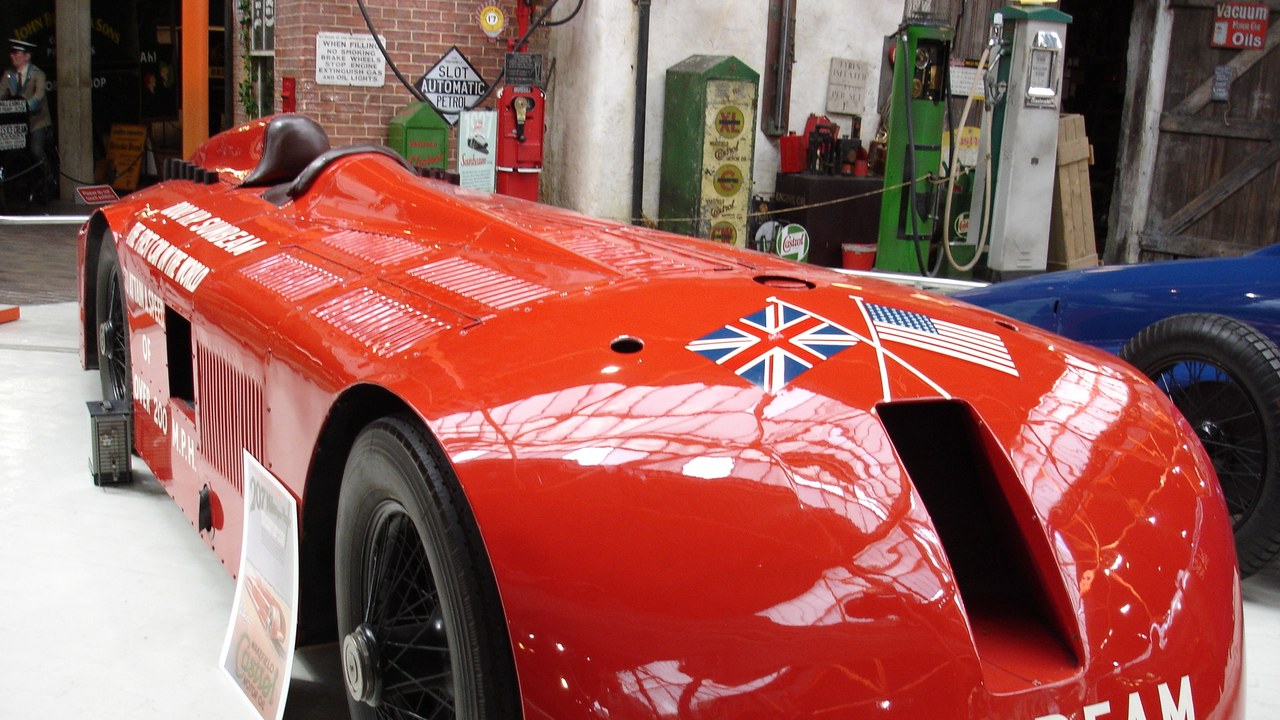
The Sunbeam 1000hp became the first car to exceed 200 mph, averaging 203.79 mph on Daytona Beach on March 29, 1927, powered by twin 22.5-litre V12 aero engines built originally for aircraft. Beaulieu’s account of the Sunbeam 1000hp record credits its dual-engine layout for the breakthrough.
Fitting two aircraft engines into a single land car pushed the design well beyond anything built for the road, foreshadowing how aviation technology would keep feeding land speed record attempts for decades afterward, long before jet propulsion eventually took the record outright.
8. Sunbeam 350HP: Pendine’s 150 MPH Milestone
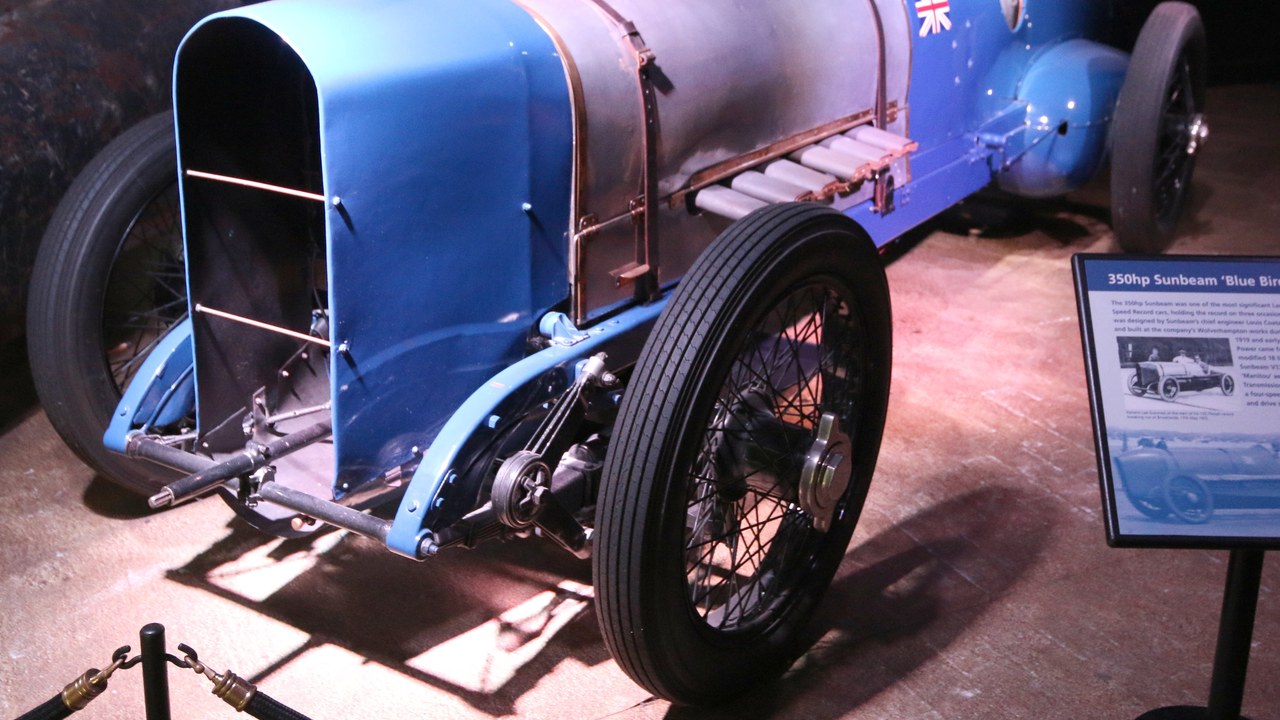
The Sunbeam 350HP, driven by Malcolm Campbell, became the first car to top 150 mph, reaching 150.766 mph on Pendine Sands in Wales on July 21, 1925. Its enormous aero-derived engine made it one of the largest cars ever built purely to chase a land speed milestone.
Crossing the 150 mph line for the first time opened a new chapter in the record’s history, one that would eventually see the mark climb past 200, then 300, and ultimately beyond the speed of sound within the following seven decades.
9. Railton Mobil Special: Cobb’s Postwar Milestone
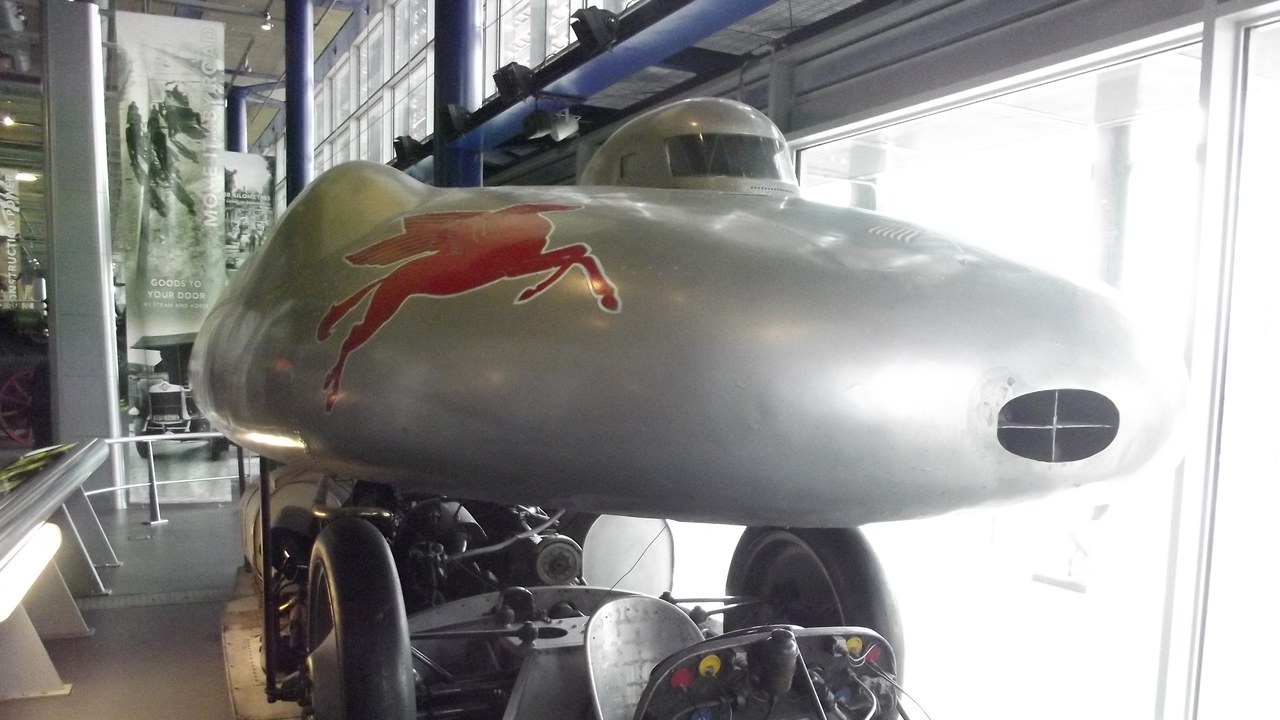
John Cobb drove the Railton Mobil Special to an average of 394.19 mph in 1947, setting a land speed record that stood for the next several years after the war. The car is now preserved at Thinktank in Birmingham, England.
Its design reflected years of aerodynamic lessons learned from earlier record cars, and it proved durable enough that no one beat Cobb’s mark again until jet-powered cars took over the record decades later, a testament to how well-engineered the postwar car had been for its era.
10. Babs: Buried After Tragedy
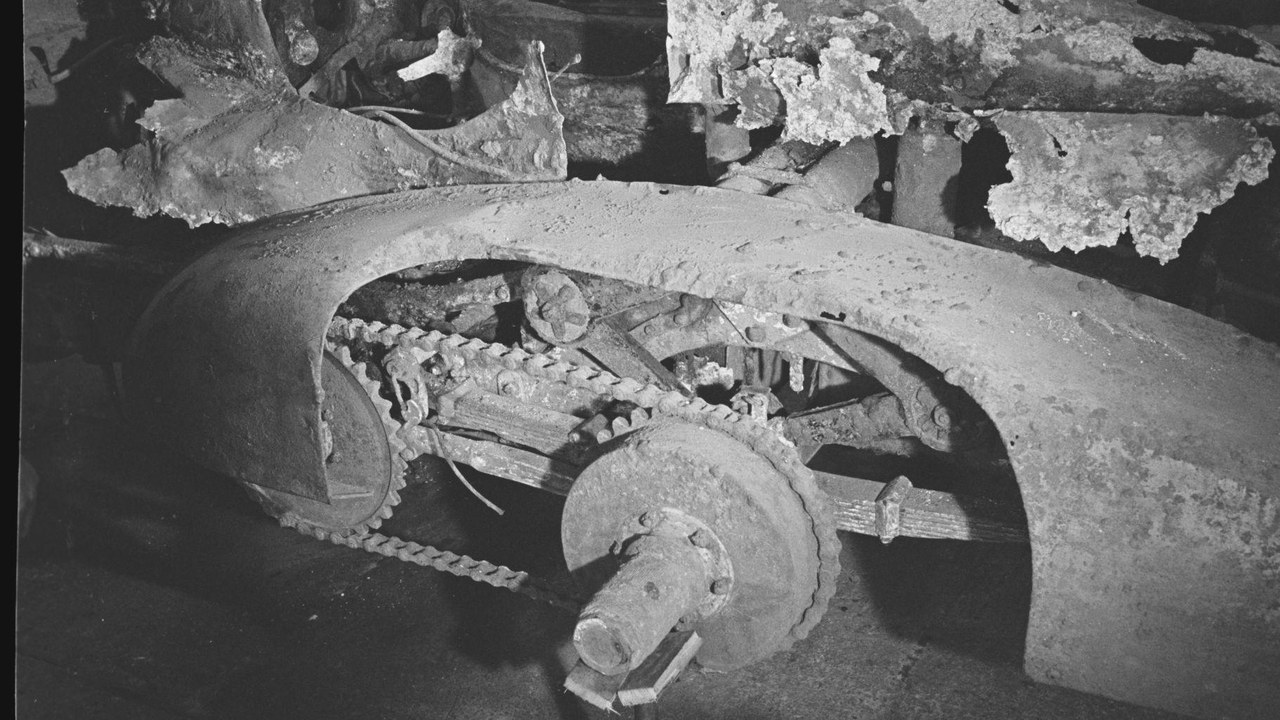
The car known as Babs set a speed of 171.02 mph in 1926, but the following year it was involved in the crash that killed driver Parry Thomas at Pendine Sands in Wales. Afterward, the wreck was buried in the dunes, where it stayed until it was dug up again in 1967.
The excavation and restoration that followed turned Babs from a buried wreck back into a preserved piece of land speed history, one of the few record cars from that era to survive a fatal crash and still be seen by the public today.
More from Morning Overview
- Hackers are hijacking outdated home routers, and the FBI named the models to check
- Older Teslas are wearing out in ways early owners never saw coming
- Early electric-car owners are hitting battery and screen failures no one warned them about
- A magnitude 5.3 quake struck off the Oregon coast this week
