
Few nameplates carry as much history as the one that began on military roads in the early 1940s. Over eight decades the brand kept adding firsts, from automatic transmissions on four-wheel-drive models to safety equipment in family wagons. Here are ten models that show how a wartime tool became a lineup of trucks and SUVs.
1. Willys MB: The Wartime Original
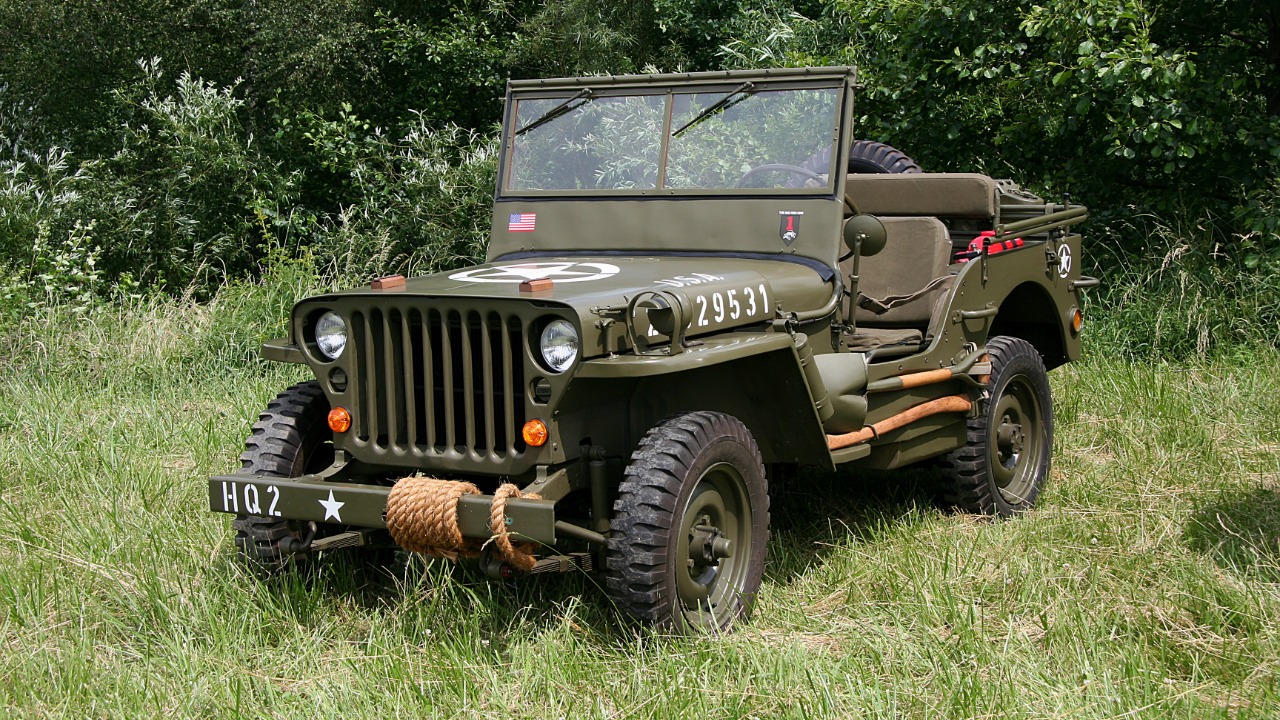
Willys-Overland built more than 368,000 of the WWII vehicles, and under license Ford built some 277,000 more, according to Stellantis’s heritage timeline. That combined total of roughly 645,000 made the MB a fixture of the war effort.
The quantities explain why so many surplus examples reached civilian hands afterward. Restored MBs remain popular at shows, though buyers should expect a rugged, spartan vehicle with none of the comfort or convenience that modern SUV drivers take for granted. The history behind the number is part of the appeal.
2. Jeep CJ-5: Three Decades Of Civilian Service
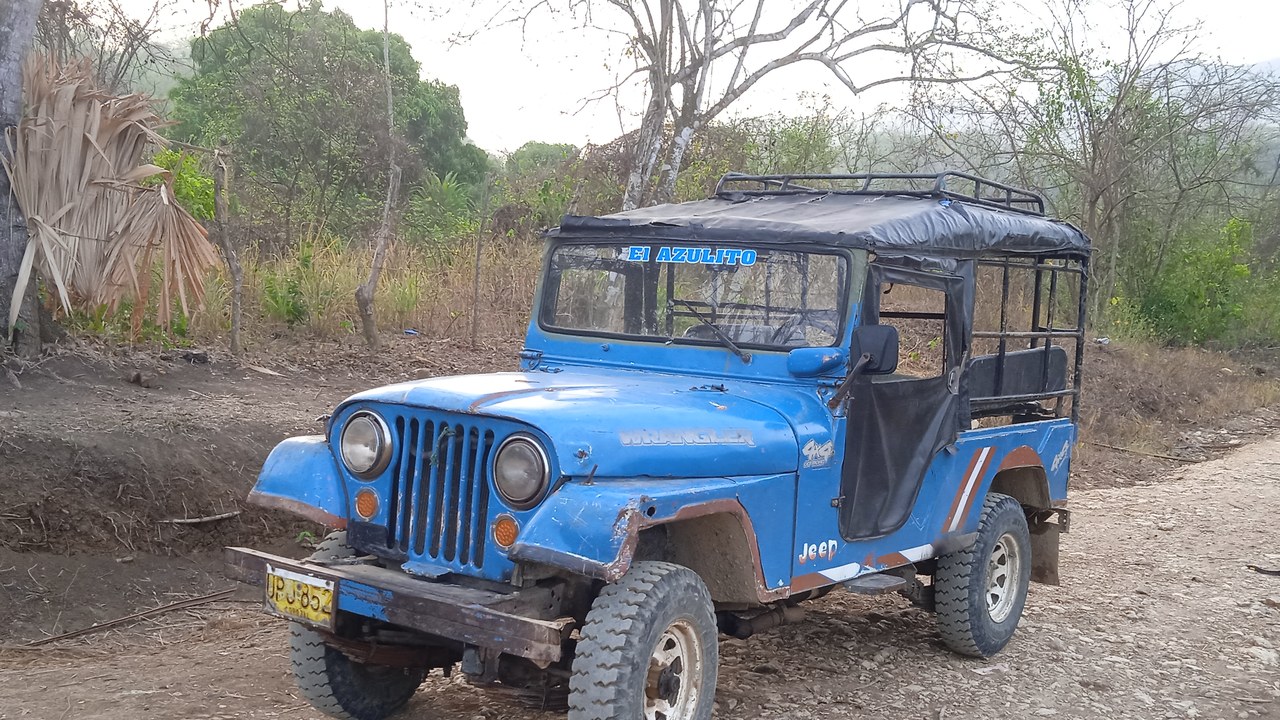
More than 600,000 CJ-5s were produced over 30 years, from 1955 to 1983, per Stellantis’s heritage timeline. That longevity made it the model many Americans still picture when they think of a classic Jeep.
The long run means parts and knowledge are widely available to anyone restoring one. Shoppers will find examples in every condition, and condition matters far more than model year when a seller asks a price that assumes a rare, well-kept find. That background gives the model a place in the brand’s story beyond nostalgia.
3. Jeep Wagoneer (1963): Automatic Transmission Meets Four-Wheel Drive
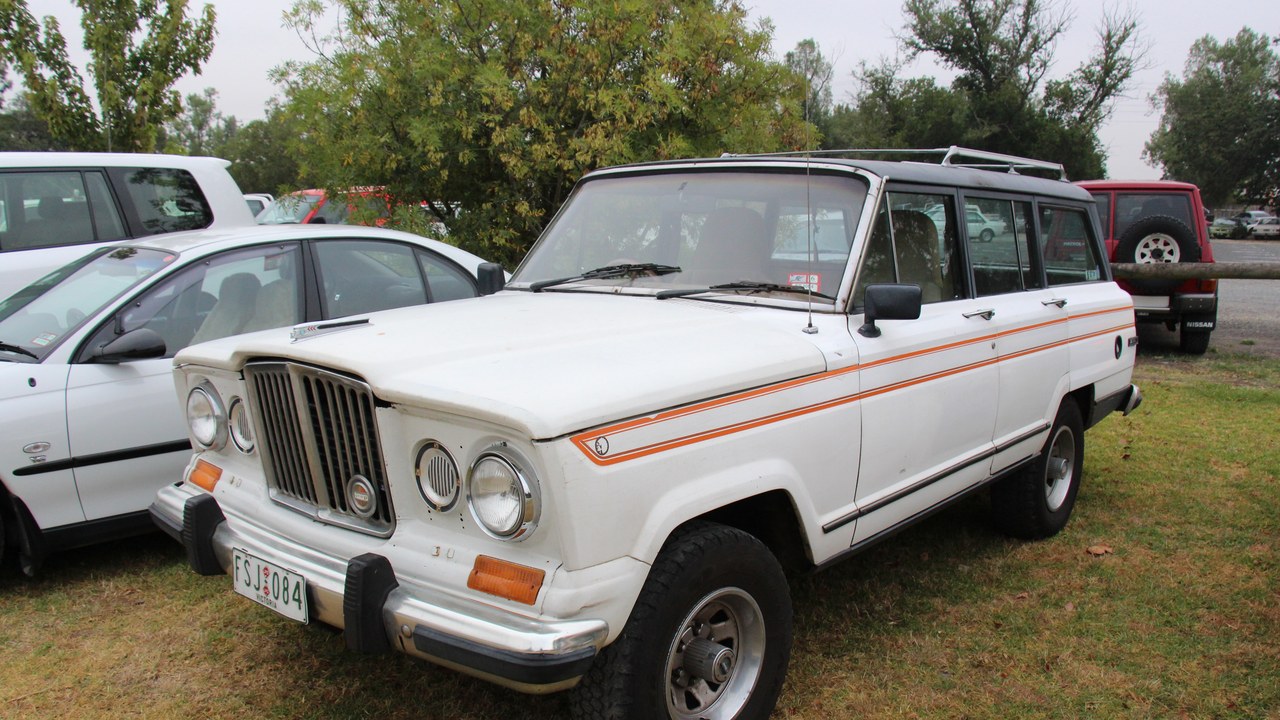
The 1963 Wagoneer was the first four-wheel-drive vehicle mated with an automatic transmission, in the account of Stellantis’s heritage timeline. It moved the brand toward comfortable family transportation.
That pairing made off-road capability more approachable for ordinary drivers who did not want to manage a manual gearbox. Collectors prize early Wagoneers for their upright styling, and inspection of the drivetrain is sensible with any vehicle of that age. It remains a reference point for how the brand is discussed today.
4. Jeep Grand Cherokee (1993): Safety Firsts In A New Class
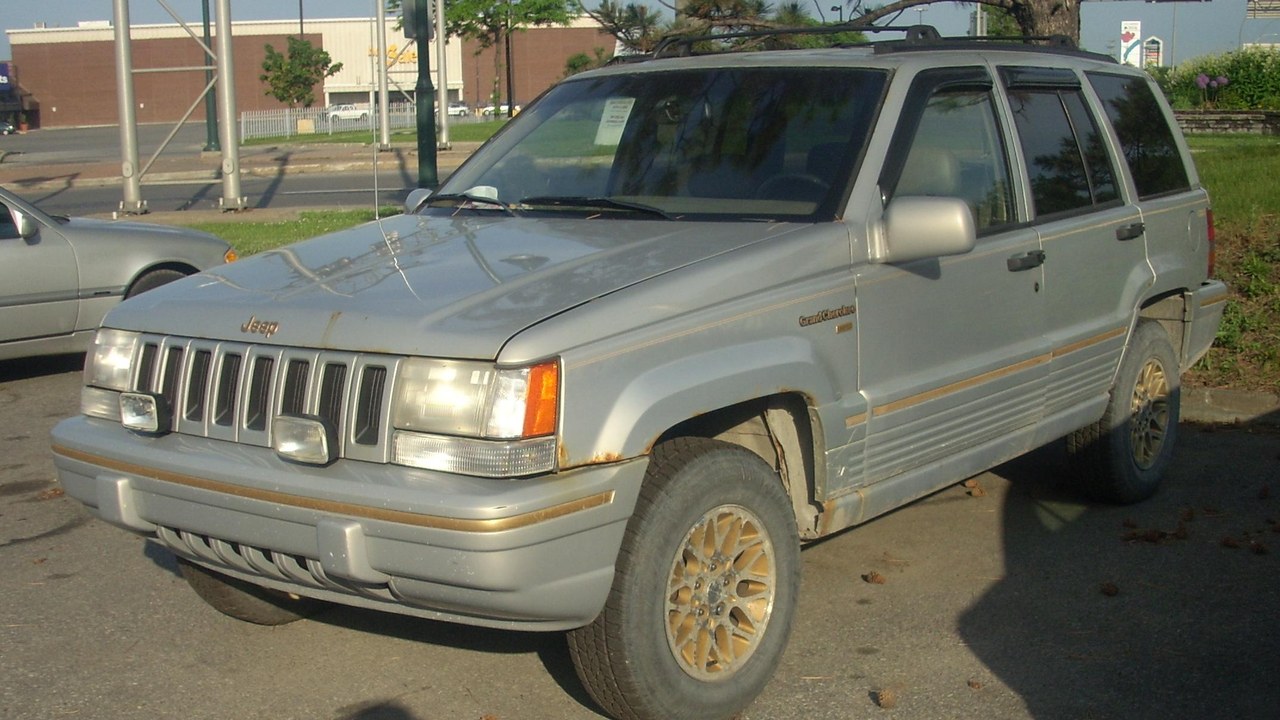
The Grand Cherokee debuted on January 7, 1992, and Stellantis’s heritage timeline calls it the first SUV equipped with a driver’s side air bag. It arrived as the 1993 model.
The airbag helped establish the SUV as a family vehicle, not only a rugged one. Shoppers looking at surviving first-generation examples should weigh their age against the value of that historic milestone, and check that safety equipment still functions. Milestones like this are the reason the nameplate keeps its loyal following.
5. Jeep CJ-7 (1976): First Big Change In Twenty Years
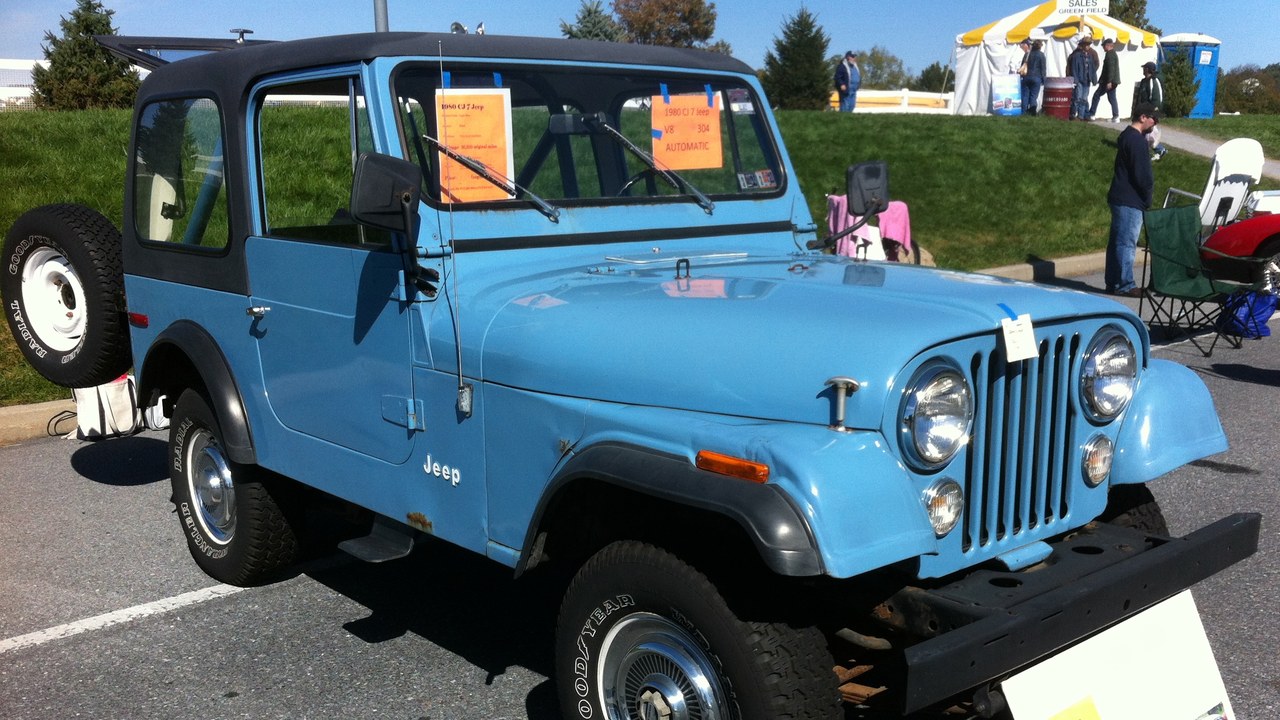
Jeep describes the 1976 CJ-7 as the first major change in Jeep design in 20 years, in its model history. It followed the long-running CJ-5 and kept the familiar open-air character.
The redesign kept the familiar look while modernizing the package for a new decade. Enthusiasts often pick a CJ-7 for that balance between vintage character and slightly greater practicality, especially when a CJ-5 feels too basic for regular use. It marked a turning point in what the brand offered its customers.
6. Jeep Wrangler YJ (1987): Square Headlights Divide Opinion
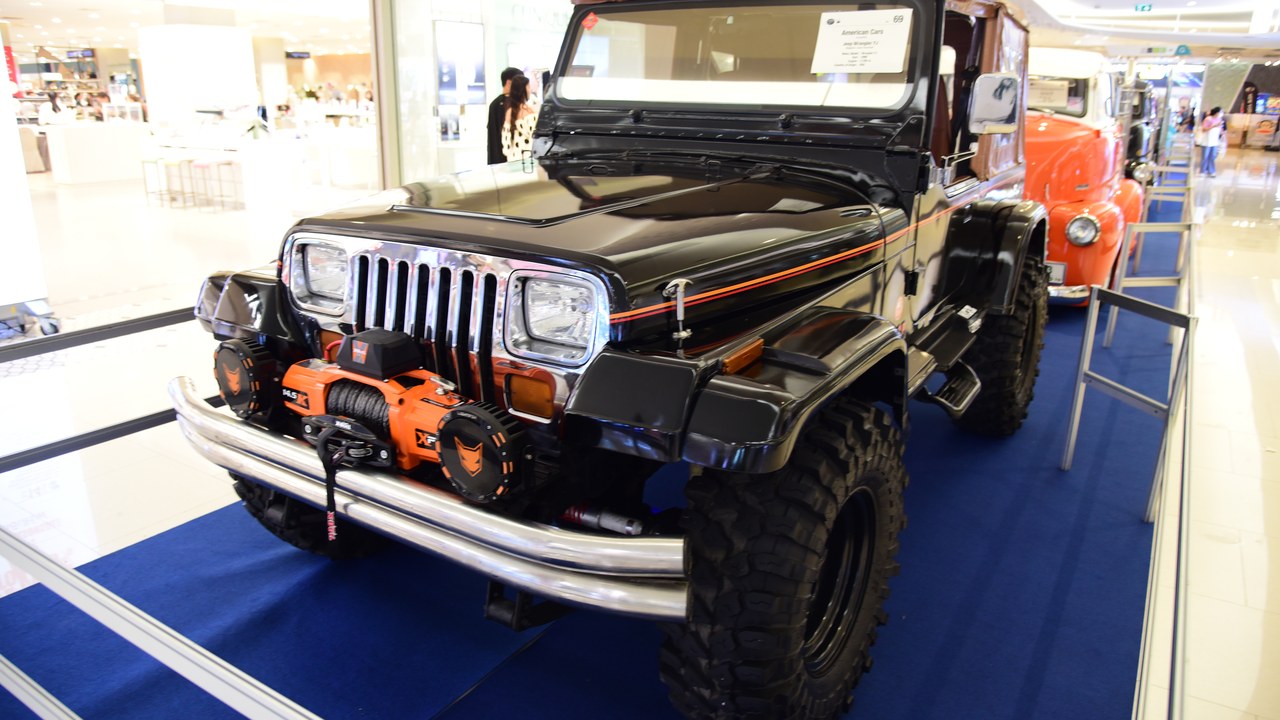
The first Wrangler replaced the CJ in 1987, after AMC discontinued that series, and Jeep’s model history notes its square headlights, a first for this Jeep type.
Purists were not always fond of the change, which is why the YJ has often been viewed as the odd one out among Wranglers. Buyers who want an unfussy trail vehicle may find that reputation a reason to look closer, not to walk away. Each redesign pulled the nameplate in a somewhat different direction.
7. Jeep Wrangler TJ (1997): Round Headlights Return
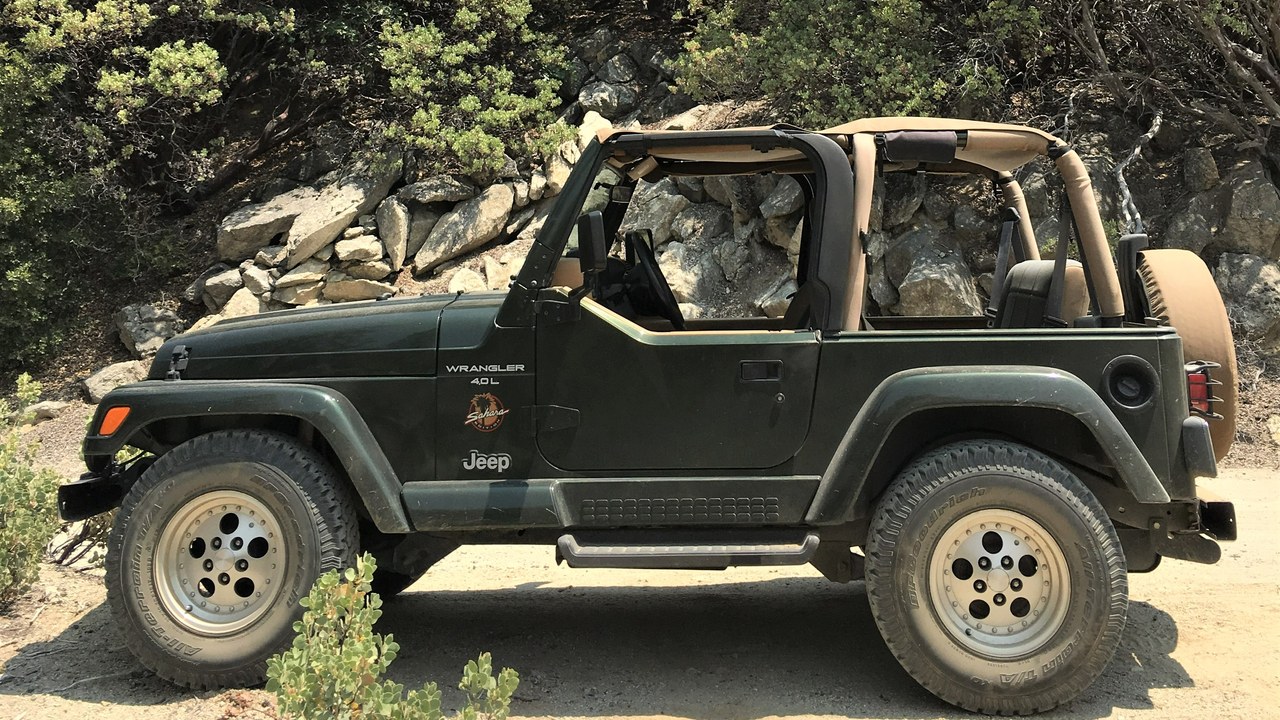
The TJ used nearly 80% new parts, according to Jeep’s model history, along with coil-spring suspension and a return to round headlights. The styling deliberately mimicked the CJ-7.
The coil-spring ride made the Wrangler easier to live with day to day. Many owners regard the TJ as a sweet spot between classic looks and manageable habits, since it borrows the familiar face while reworking almost everything beneath it. Those choices shaped how the model is remembered by enthusiasts. Those details explain why opinions on it still differ.
8. Jeep Wrangler Unlimited JK (2007): The Four-Door Wrangler Arrives
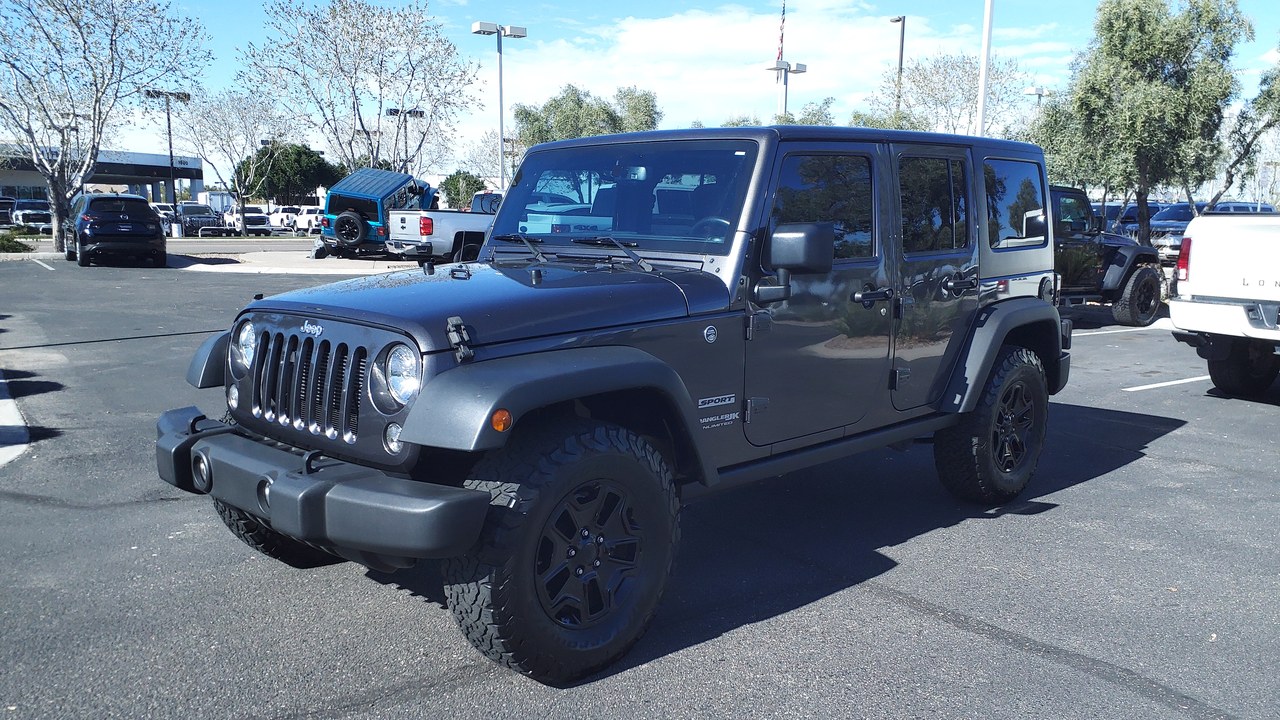
The Wrangler Unlimited was the first four-door Wrangler, and Jeep’s model history notes that it accommodated five passengers, which was a first for the model.
The extra doors turned the Wrangler into a practical choice for families that still wanted removable-top character. It is a big reason the nameplate reached a much broader group of buyers, and it shaped how later Wranglers were configured. That change helped define the direction the lineup would take afterward. Many later Jeep models followed the same path.
9. Jeep Cherokee XJ (1984): Unibody Pioneer

The 1984 Cherokee was the first American off-road vehicle built with a fully integrated body-and-frame, or unibody, design, according to the XJ reference entry. About 3 million were built.
Sheer volume means used XJs are easy to find, and enthusiasts prize them for their simple layout. Buyers should inspect any example carefully, since many have covered long distances and the light construction reflects a design decision, not a shortcut. Enthusiast communities keep such vehicles on the road and well documented.
10. Jeep Gladiator (JT): A Pickup After A Long Gap
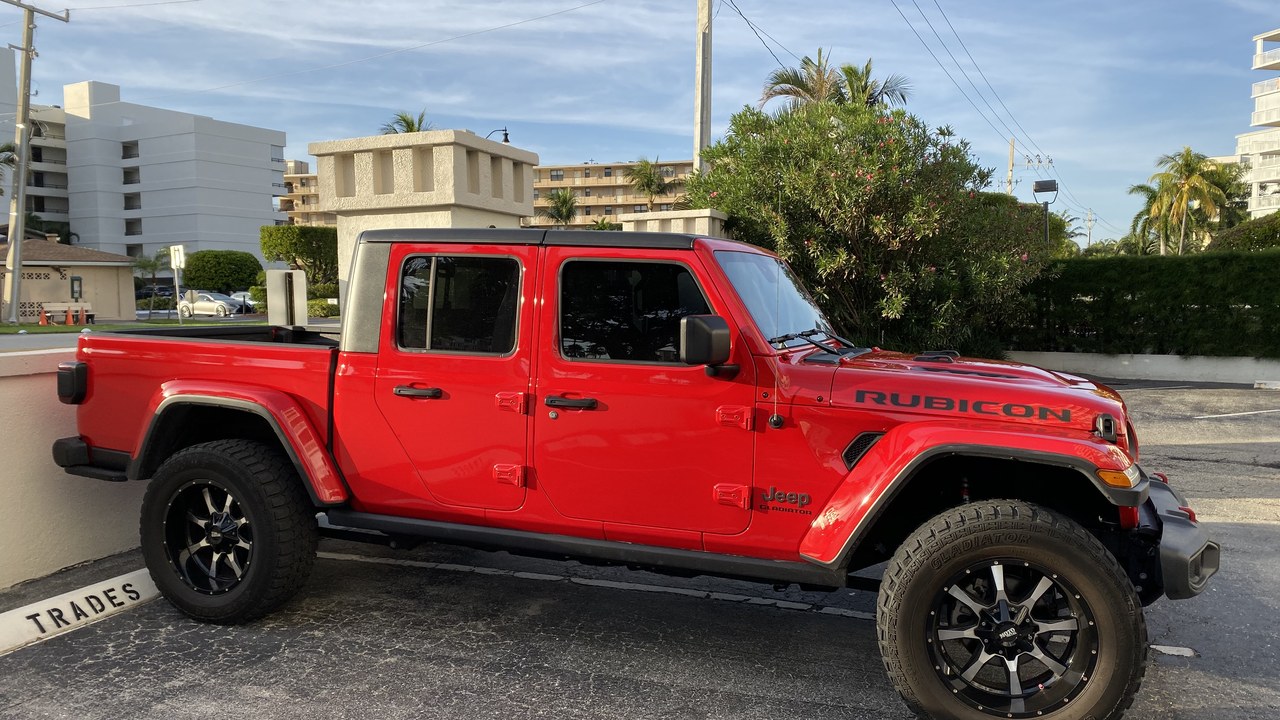
Unveiled on November 28, 2018, the Gladiator was Jeep’s first pickup truck since the Comanche was discontinued in 1992, per the Gladiator reference entry. Production began in April 2019 in Toledo, Ohio.
The truck pairs Wrangler styling with an open cargo bed. It suits buyers who want that character but also need to haul gear, though anyone comparing it with the SUV should consider how the bed changes the way the vehicle is used every day. The model also shows the brand stretching beyond the SUV body styles buyers knew best.
More from Morning Overview
