
Japanese automakers built their reputation on engines and transmissions that keep running long after the odometer rolls past six figures. Owners pass these cars down, drive them past 200,000 miles, and rarely see a major mechanical failure force an early retirement. From compact commuters to full-size cruisers, these ten Japanese cars have earned their staying power the hard way.
1. Toyota Corolla: A Formula Refined Over Decades
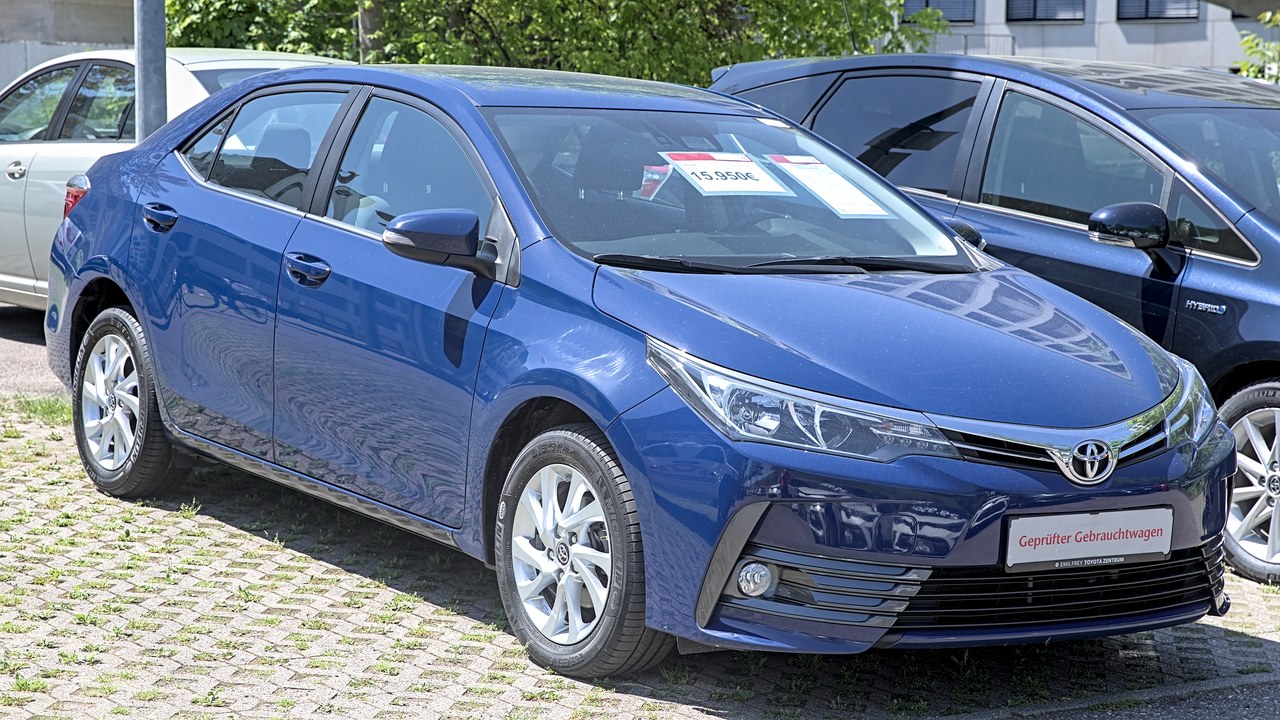
The Corolla’s reputation rests on a simple, over-engineered drivetrain that Toyota refines rather than reinvents with each generation. Its four-cylinder engines run at modest power and low internal stress, letting timing chains, water pumps, and head gaskets go untouched well past 150,000 miles. Independent mechanics routinely name the compact sedan the car they see least often on a tow truck.
The tradeoff is excitement, since Toyota keeps changes incremental to protect that dependability rather than chase performance or flash. For a buyer who wants a car that starts every morning without drama, that restraint is exactly the point, and it shows up in strong resale values on high-mileage examples.
2. Honda Civic: Compact Engineering Built To Endure
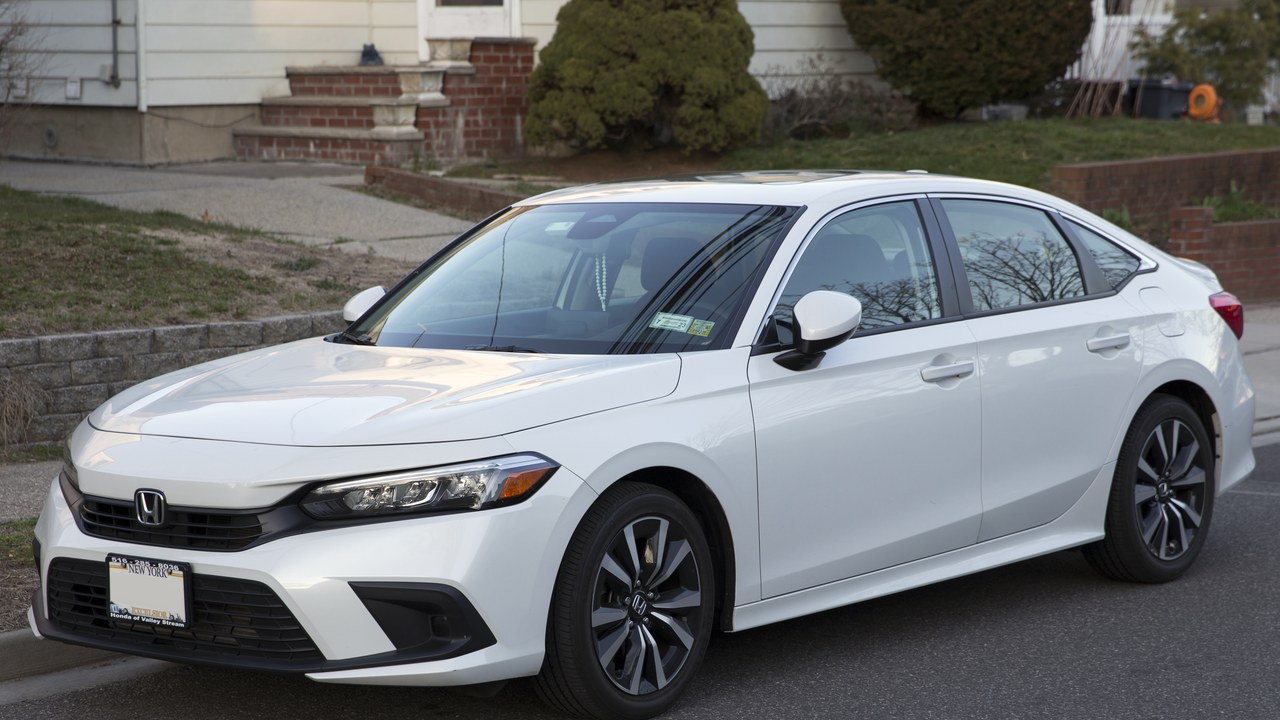
The Civic earns its longevity from Honda’s VTEC engine family, a design praised for tight tolerances and a timing chain rather than a belt that needs periodic replacement. Generation after generation, the compact has posted some of the highest odometer readings in surveys of vehicles still on the road after fifteen years. Its manual transmissions are known to survive well past 250,000 miles with only routine clutch work.
Rust and interior wear tend to end a Civic’s life before the engine does, especially in road-salt regions where the body corrodes around a mechanically sound car. Buyers shopping used models still look first at the Civic because the drivetrain reliably outlasts almost everything bolted to it.
3. Toyota Camry: The Sedan Fleets Refuse To Retire
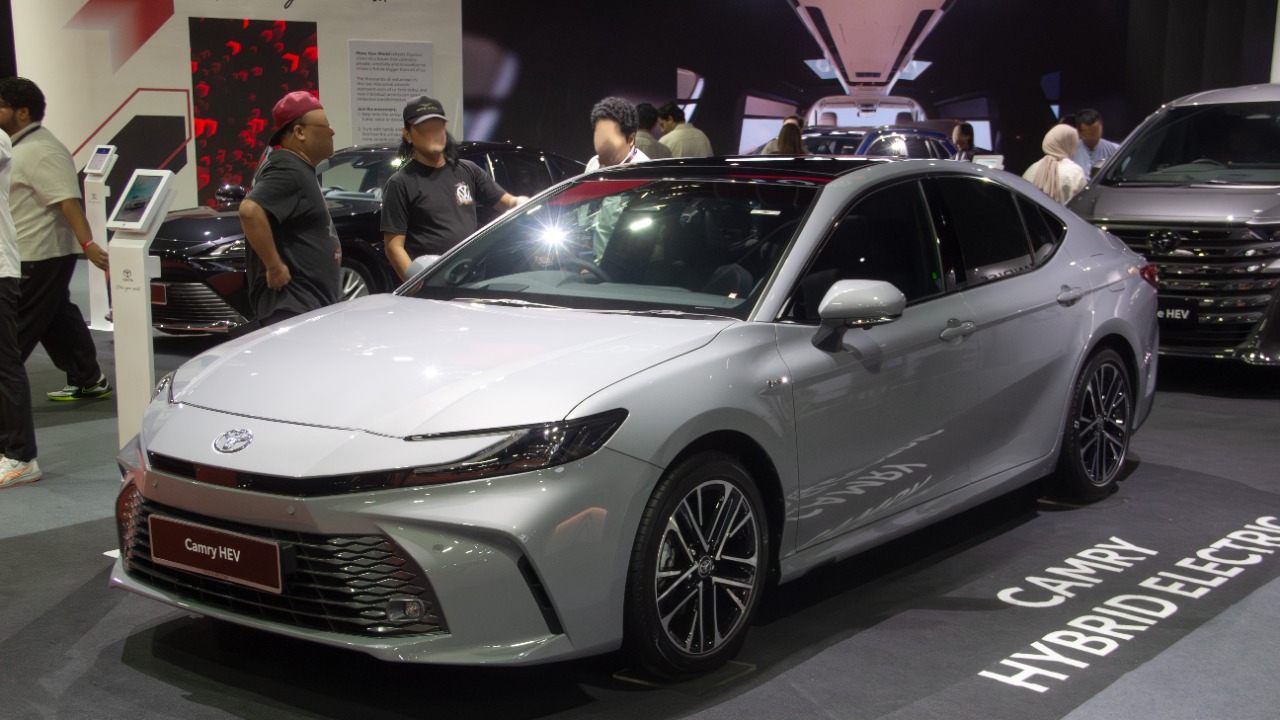
Rental and taxi fleets have leaned on the Camry for decades because its four-cylinder and V6 engines tolerate neglect that would kill lesser cars, including delayed oil changes and stop-and-go abuse. The midsize sedan’s automatic transmissions are engineered with wide margins, and Toyota’s hybrid Camry variants have proven just as durable as the gas-only versions.
High-mileage Camrys routinely cross 250,000 miles in commercial service, and used-car analysts still rank it among the safest bets for anyone buying an older car without a service history. That fleet track record is a big reason resale values stay stubbornly high.
4. Honda Accord: A Family Sedan That Outlives Loans
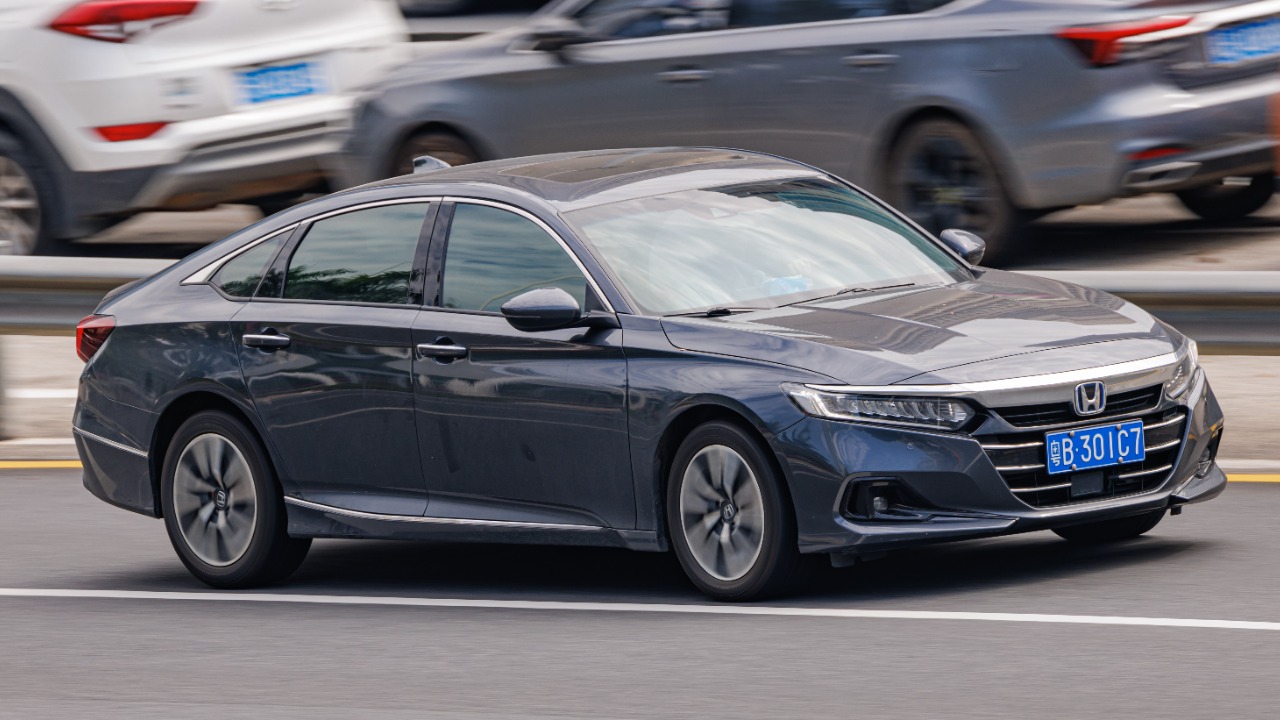
The Accord’s four-cylinder and V6 engines have long been built with forged internals and conservative tuning, a combination that lets the drivetrain absorb high mileage without the head gasket or transmission failures that plague rival sedans. Consumer surveys have repeatedly placed the Accord near the top of the pack for owners who still drive their original car past the 200,000-mile mark.
Owners often replace the accessories, brakes, and suspension bushings several times over before the engine itself needs major work, which keeps long-term maintenance costs predictable. That predictability is why Accords remain a common sight as daily drivers well into their second decade.
5. Lexus LS: Toyota’s Obsession With Tolerance Pays Off
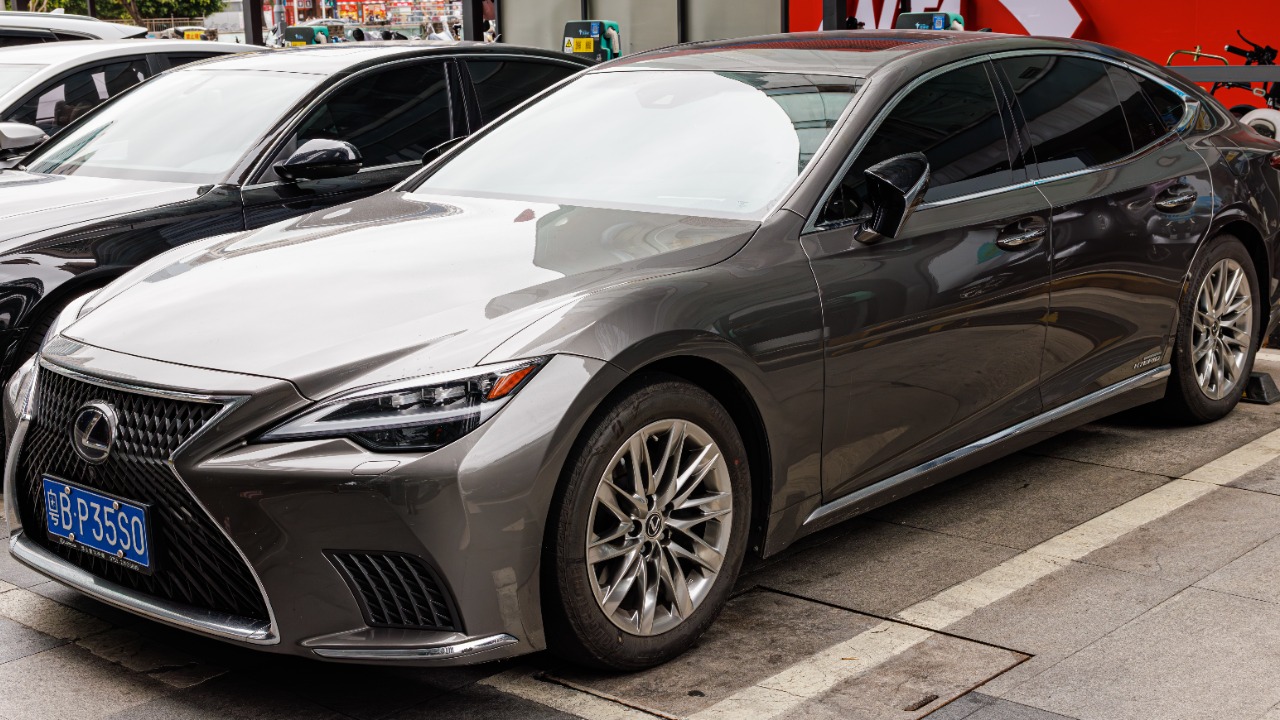
Lexus built the LS as a showcase for Toyota’s manufacturing precision, holding tighter tolerances on engine and transmission components than the mainstream Toyota lineup it’s related to. That extra rigor shows up in owners who report the flagship sedan crossing 300,000 miles with its original engine and transmission still in place, a rarity among full-size luxury cars.
The tradeoff is cost, since parts and labor at a Lexus dealer run higher than at a Toyota shop, but the LS rarely needs unscheduled repairs to begin with. That reliability is a major reason the flagship holds its resale value better than German rivals of the same age.
6. Toyota Prius: The Hybrid That Silenced the Skeptics
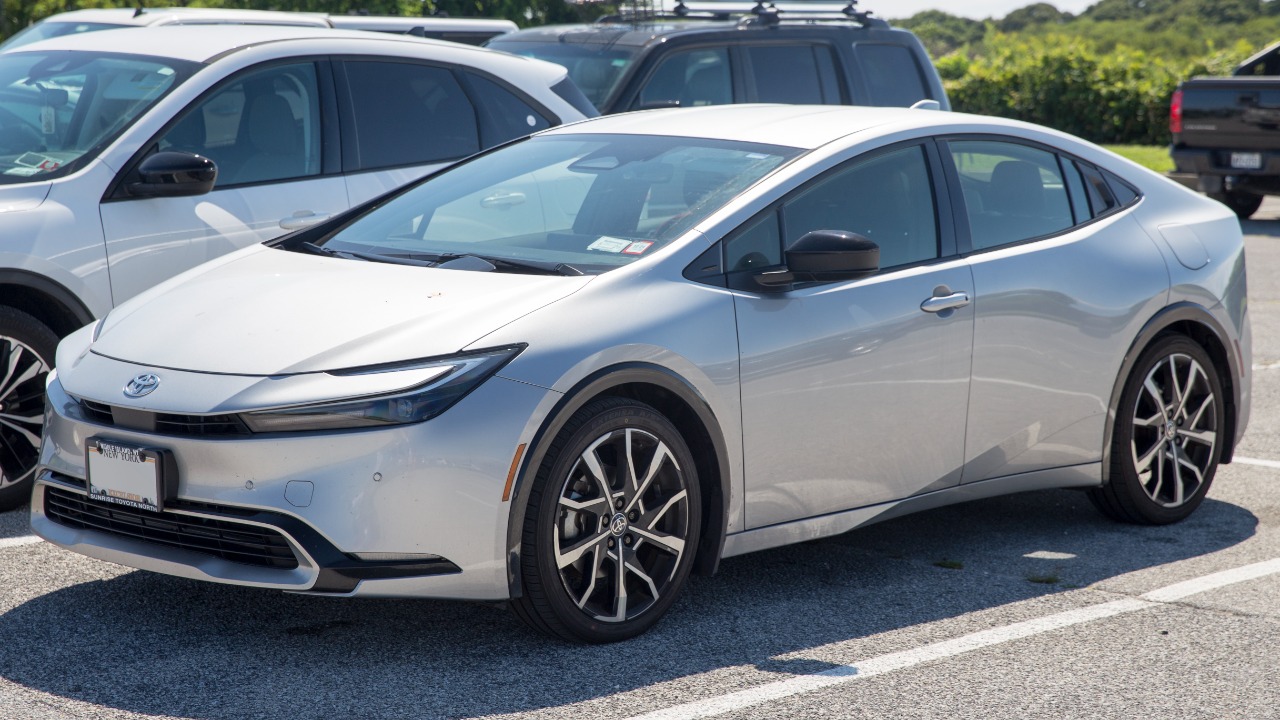
When the Prius launched, critics predicted its battery pack and hybrid transaxle would fail within a few years, but taxi fleets in cities worldwide have since driven examples past 300,000 miles on the original hybrid system. Toyota’s approach of buffering the battery well below its full charge range, rather than draining it, is the main reason the pack ages so slowly.
Replacement battery packs are also inexpensive and widely available now that the hybrid system has been in production for over two decades, removing what used to be the biggest fear about buying one used. That combination has made the Prius a favorite among high-mileage rideshare drivers.
7. Mazda MX-5 Miata: Proof a Sports Car Can Last
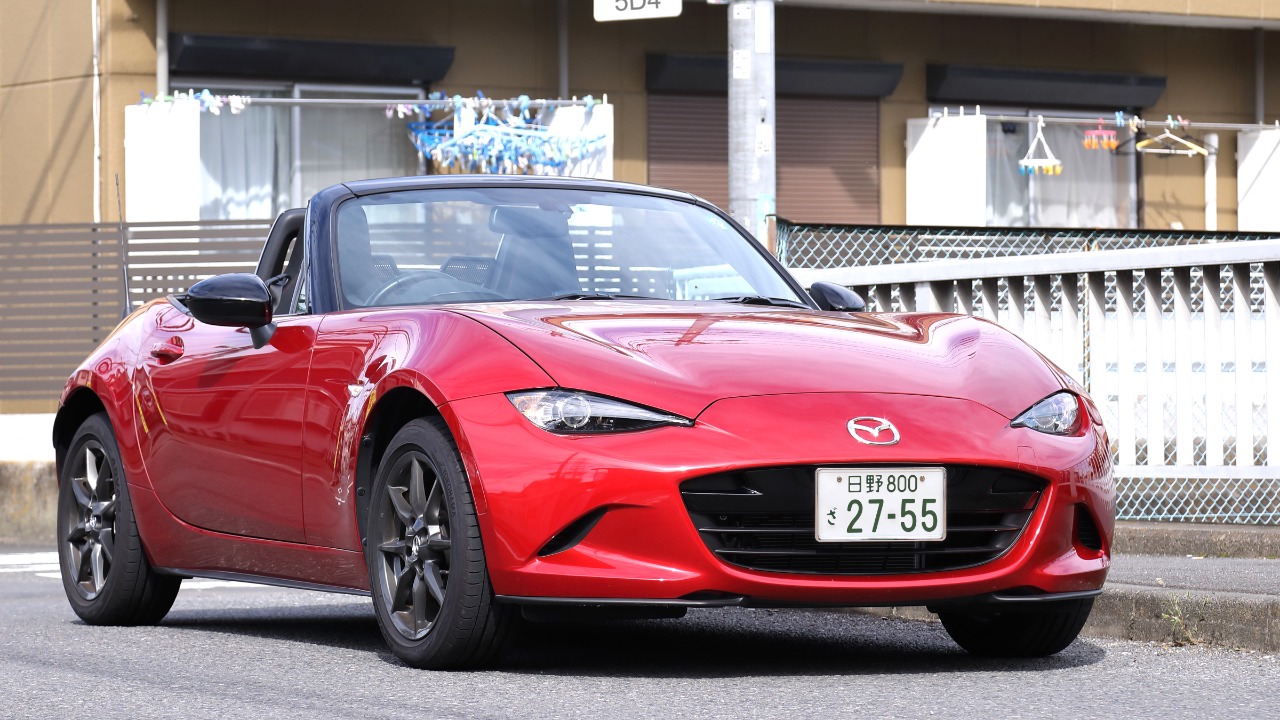
Unlike most sports cars built for speed at the expense of durability, the MX-5’s small, low-stress four-cylinder engine and simple rear-wheel-drive layout were engineered from the outset for everyday reliability. Owners regularly report driving the same Miata for fifteen or twenty years with nothing more than routine maintenance, and the convertible’s lightweight body puts less strain on its drivetrain than heavier performance cars.
Rust in the rear frame rails is the more common threat to an old Miata than any mechanical failure, particularly in cars that spent winters on salted roads. Buyers who keep one garaged and rust-free can expect it to outlast most daily commuter cars on the road.
8. Subaru Outback: All-Wheel Drive Built for the Long Haul
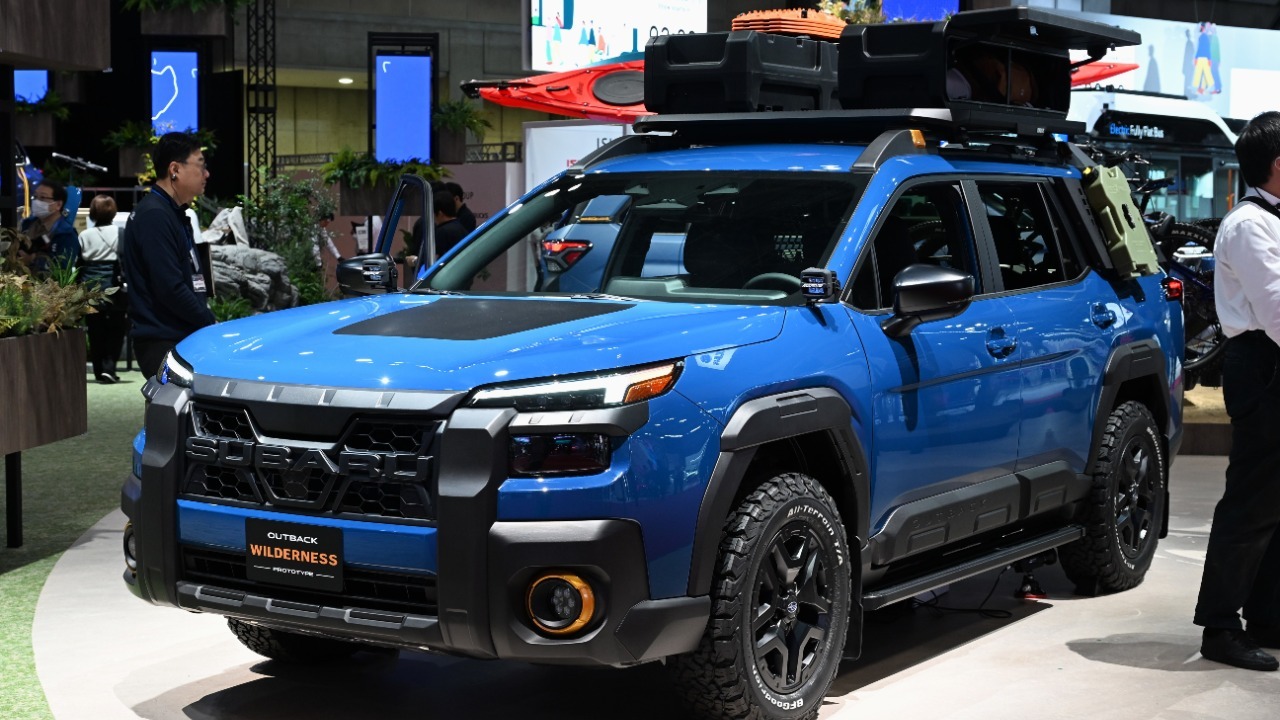
The Outback pairs a horizontally opposed boxer engine with standard all-wheel drive, a layout Subaru has refined for decades to survive winters, gravel roads, and long commutes without complaint. Owners who follow the timing belt and head gasket service intervals on older models routinely push the wagon past 200,000 miles while still using it for daily hauling and towing.
Head gaskets on earlier engines were a known weak point, but Subaru addressed the design flaw in later generations, and awareness of the fix means most surviving Outbacks on the road today have already had the repair. Its blend of car-like comfort and genuine capability keeps resale demand strong.
9. Honda CR-V: A Crossover Owners Rarely Trade In
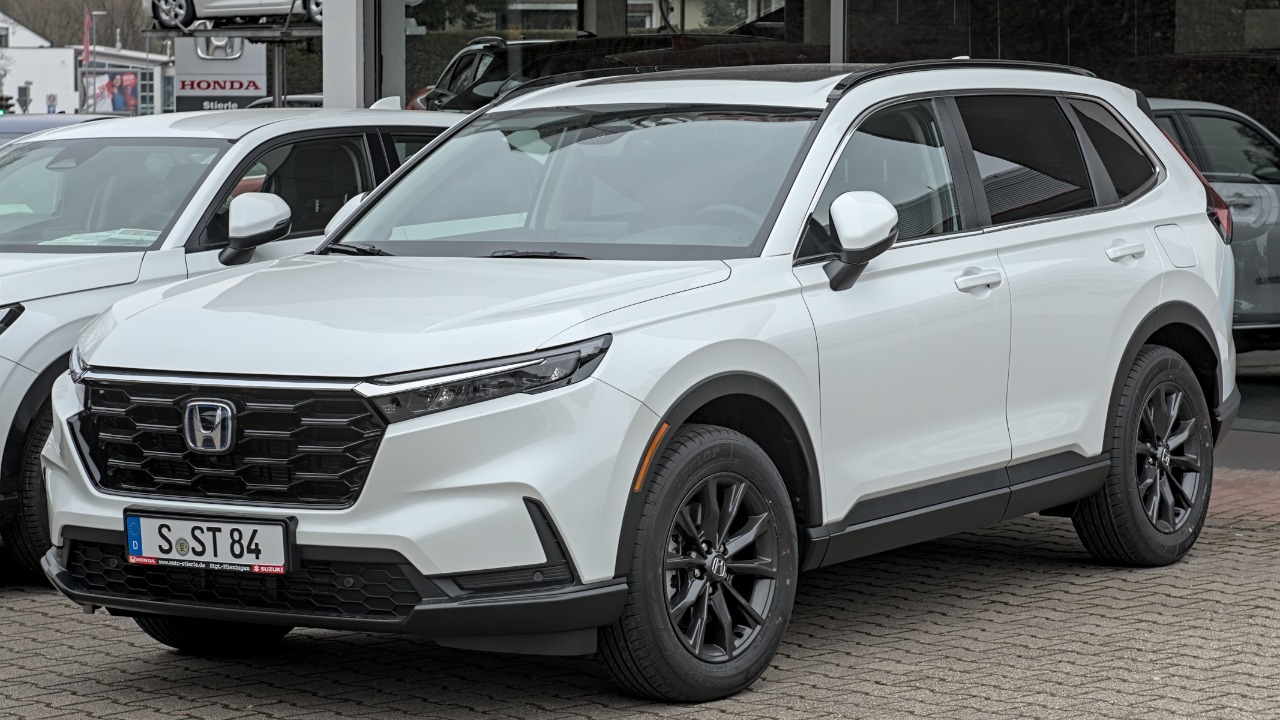
The CR-V shares much of its engineering DNA with the Civic and Accord, including a four-cylinder engine known for tight tolerances and a timing chain that avoids costly belt replacements. That shared reliability has made the compact crossover one of the most common sights in used-car lots with well over 150,000 miles already on the odometer.
Its main weakness has historically been an early transmission generation prone to slipping, a problem Honda corrected in later model years, so shoppers who target the fixed generations get essentially the same durability as the Civic in a larger, more practical body. Families keep them long after the loan is paid off.
10. Toyota Avalon: Toyota’s Quiet Full-Size Workhorse
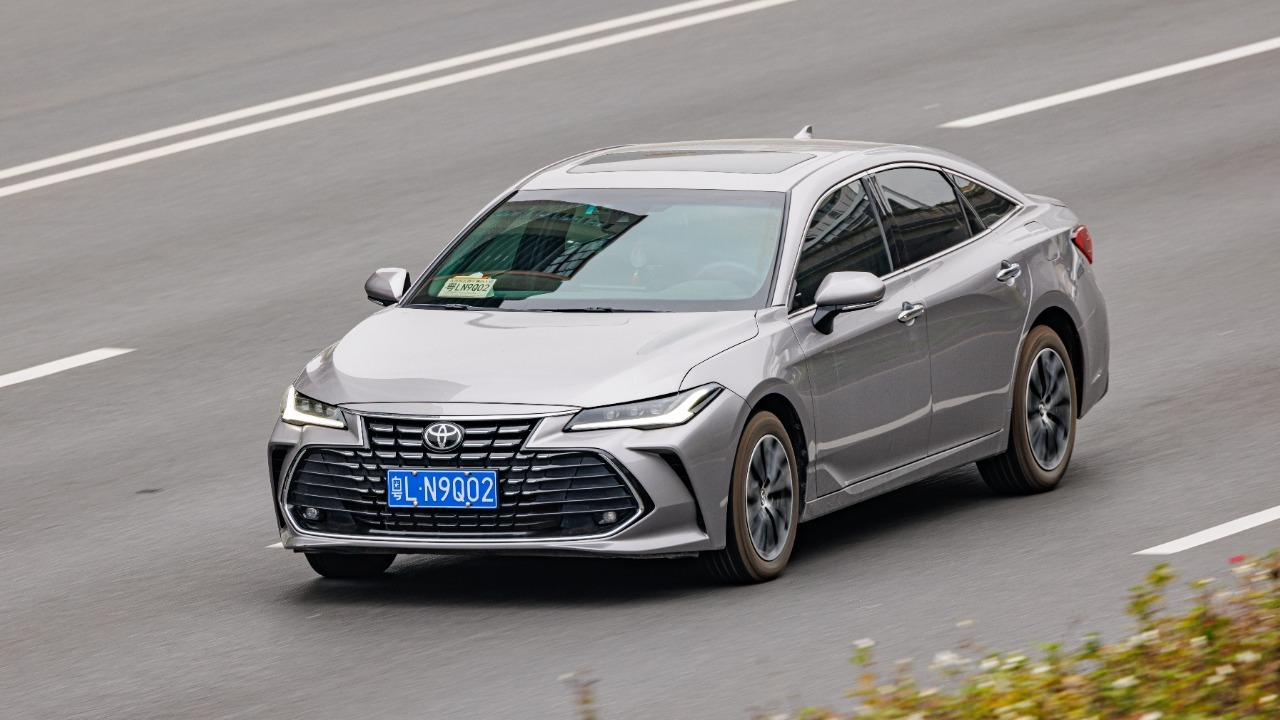
Built on the same platform architecture as the Camry, the Avalon inherited its stablemate’s low-stress engines and conservatively tuned automatic transmissions while adding extra sound insulation and a longer wheelbase for a smoother ride. That shared foundation means Avalons commonly rack up well past 200,000 miles with nothing more than scheduled fluid changes and brake work.
Toyota discontinued the Avalon after 2022, which has made surviving examples something of a cult favorite among buyers who want Camry-grade reliability in a roomier, quieter package. Its declining production numbers only add to the appeal for owners planning to keep one for the long run.
More from Morning Overview
- The NSA is again telling phone owners to switch off one location setting
- A handful of car transmissions are so tough mechanics say they almost never fail
- A handful of SUVs keep hitting 300,000 miles, and they share one engine trait
- Supplements now rank as the fifth-leading cause of death from liver disease.
