
Few vehicles become as woven into a city’s identity as its taxicabs, humble workhorses that ferried millions through crowded streets for decades. From London’s upright black cabs to Tokyo’s purpose-built sedans, certain models earned lasting fame far beyond their mechanical merits. Here are ten cabs that defined urban travel around the globe.
1. Austin FX4: London’s enduring black cab
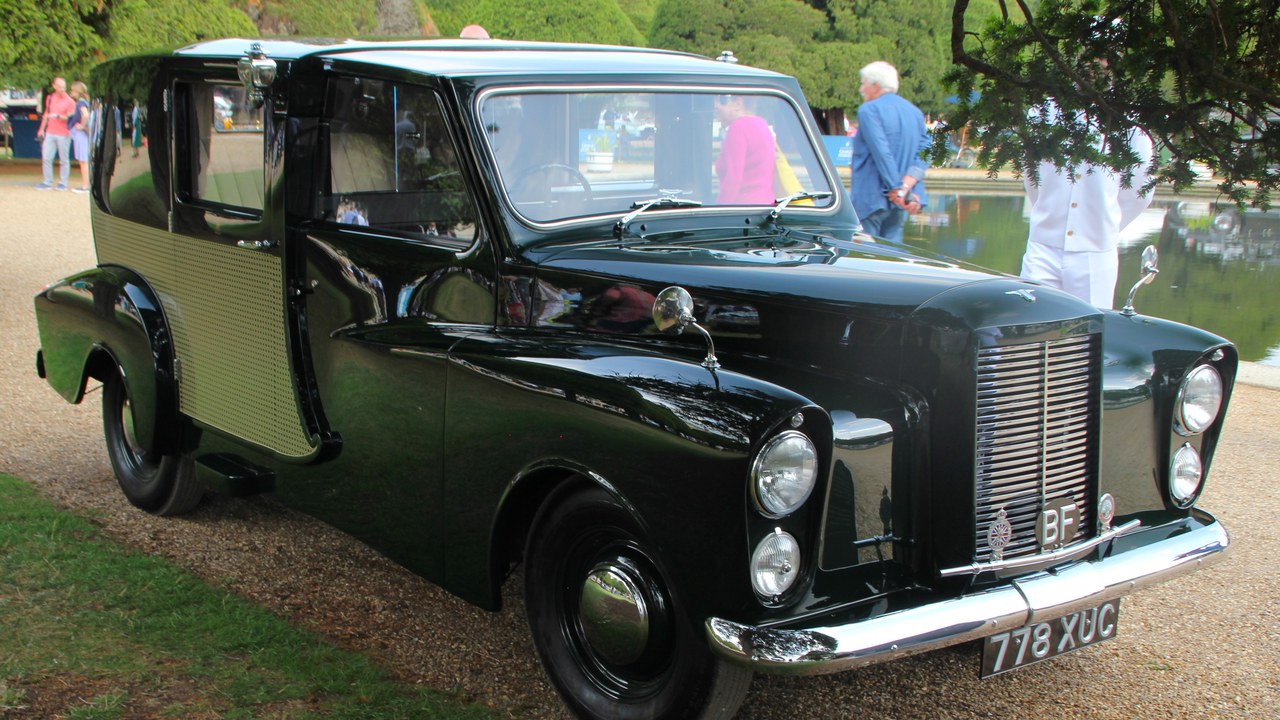
For nearly four decades, the Austin FX4 was the definitive shape of a London taxi, its rounded roofline and upright stance instantly recognizable to anyone who hailed a cab in the British capital. Introduced in 1958 by Carbodies and built until 1997, the model outlived several manufacturers while retaining its familiar silhouette.
Designed to meet strict Conditions of Fitness rules, it offered a famously tight turning circle and generous rear headroom for top-hatted passengers. Successive versions swapped engines and badges, yet the FX4 remained the black cab in the public imagination long after production ceased.
2. Checker Marathon: New York’s definitive yellow cab
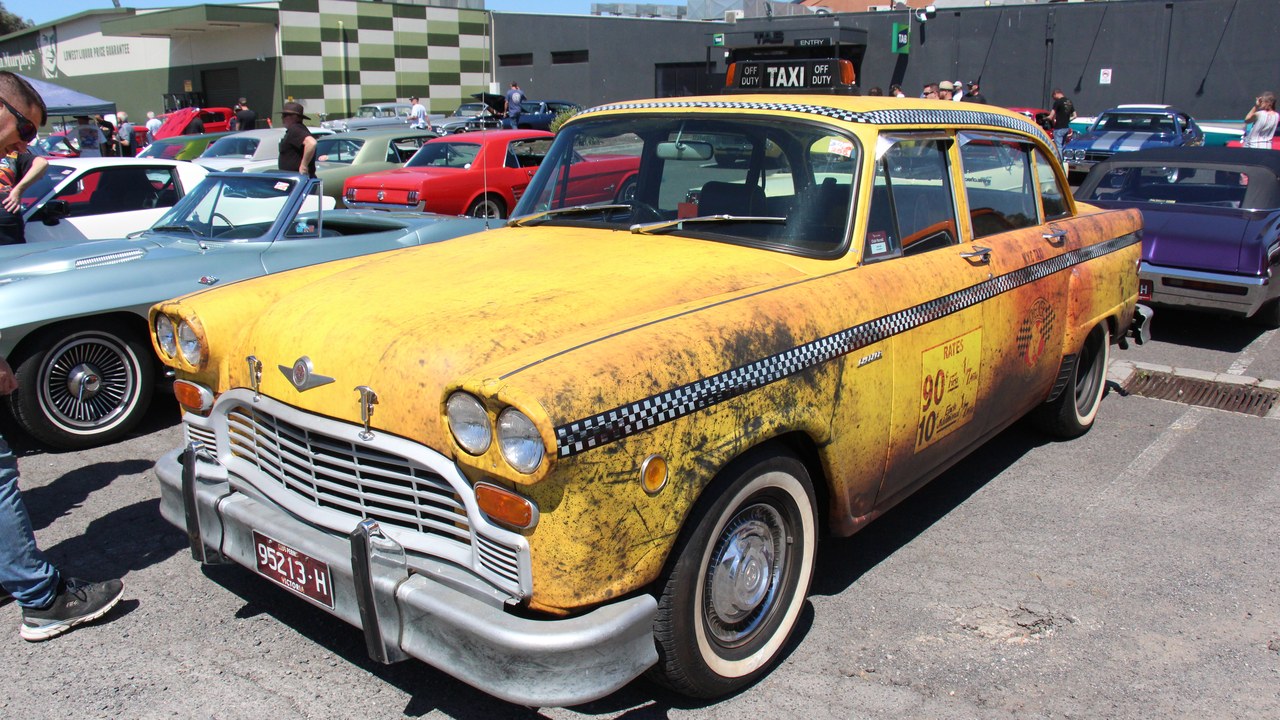
Boxy, rugged, and seemingly indestructible, the Checker Marathon became the archetypal New York yellow cab during its long production run from 1961 to 1982. Built by Checker Motors in Kalamazoo, Michigan, it favored durability over style, using a body design that barely changed for two decades of hard urban service.
Its cavernous rear compartment, often fitted with folding jump seats, could swallow luggage and passengers alike, making it a favorite of cabbies logging hundreds of thousands of miles. Even after the factory stopped building cars, surviving Marathons kept prowling Manhattan streets as beloved relics of an earlier era.
3. Ford Crown Victoria: America’s body-on-frame fleet workhorse
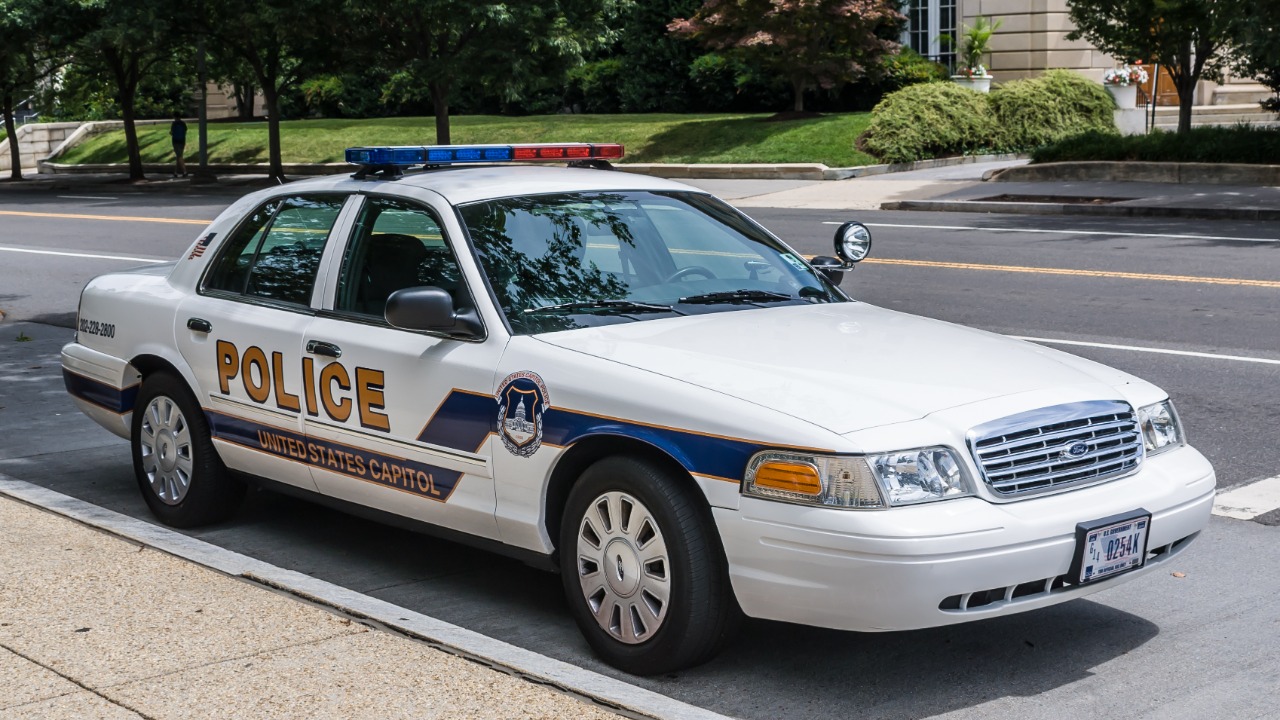
Rear-wheel drive, body-on-frame, and powered by a stout V8, the Ford Crown Victoria became a fixture of American taxi and police fleets from 1992 until 2011. Its old-school engineering, detailed by Ford, made it cheap to repair and tough enough to shrug off curb hits, potholes, and round-the-clock duty.
Fleet operators prized the roomy trunk, comfortable bench-style seating, and a chassis that tolerated relentless stop-and-go abuse. Long after passenger versions vanished from showrooms, the model soldiered on as a cab and cruiser, its familiar profile synonymous with big-city curbs and airport taxi lines across North America.
4. Volkswagen Beetle: Mexico City’s ubiquitous ‘vocho’
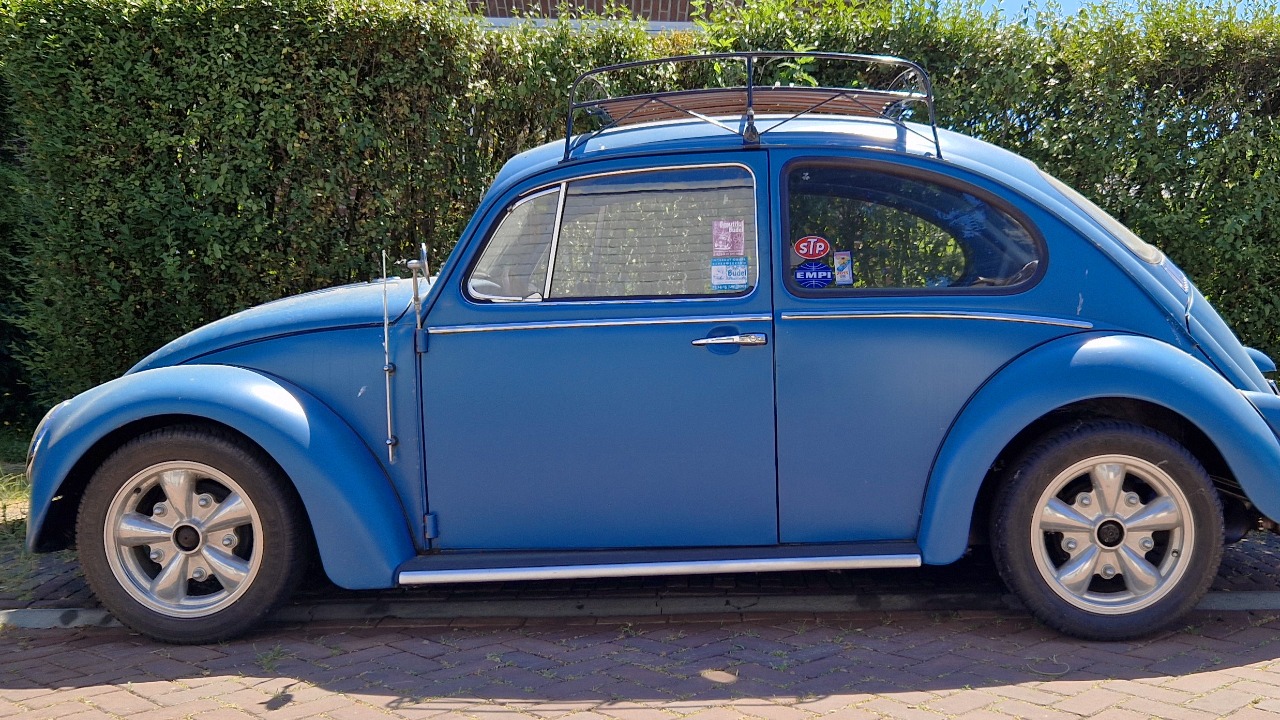
Affectionately nicknamed the “vocho”, the classic air-cooled Volkswagen Beetle swarmed Mexico City for decades, its rounded shape painted in the capital’s famous green-and-white livery. The rugged, simple design championed by Volkswagen thrived in traffic and altitude where more complex cars struggled, and drivers often removed the front passenger seat for easier rear access.
Cheap to buy and endlessly repairable, the two-door sedans became a defining sight on the megacity’s chaotic avenues. Concerns over safety and pollution eventually pushed authorities to phase out the aging cabs, but the humble Beetle remains fondly remembered as the people’s taxi of the Mexican capital.
5. Hindustan Ambassador: The ‘King of Indian Roads’
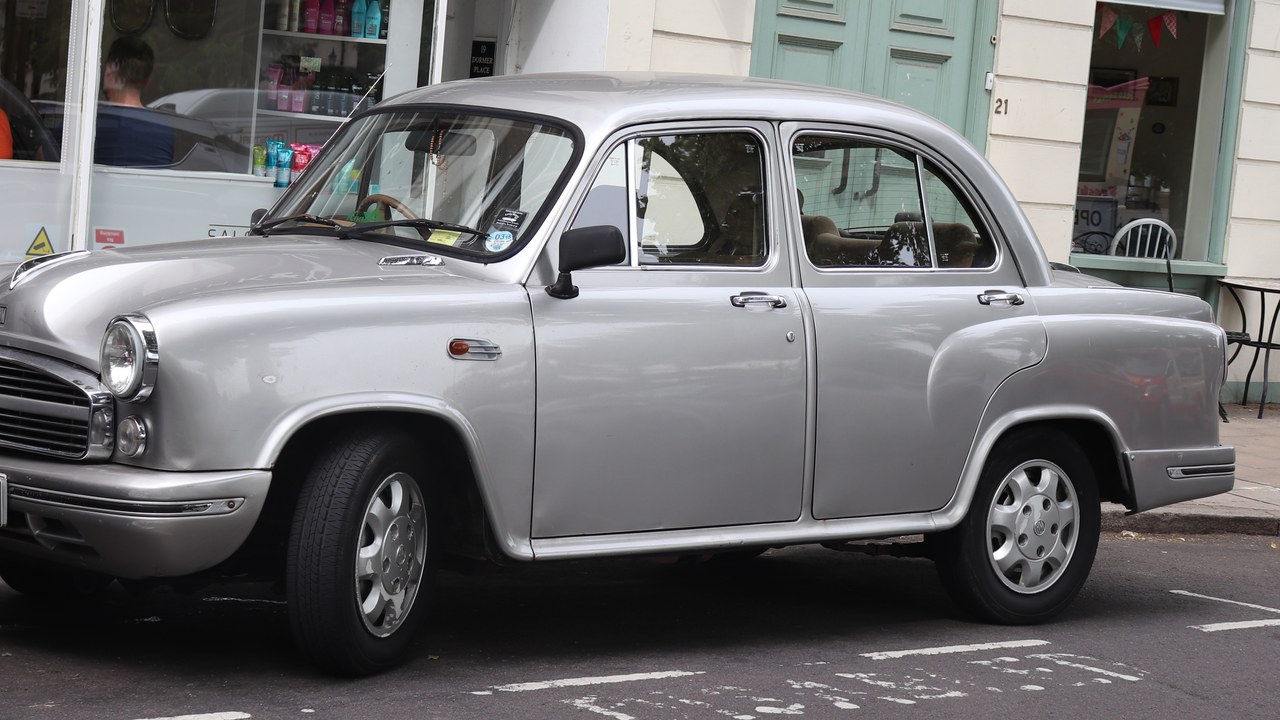
Rounded, upright, and unmistakably regal, the Hindustan Ambassador ruled Indian roads for more than half a century, serving as taxi, official car, and family sedan alike. Based on a 1950s Morris Oxford and built by Hindustan Motors from 1958 to 2014, it earned the nickname “King of Indian Roads” through sheer ubiquity.
Painted in distinctive black-and-yellow livery, fleets of Ambassadors once thronged the streets of Kolkata and other cities, prized for spacious interiors and easy roadside repairs. Though modern rivals eventually eclipsed its dated engineering, the stately shape endures as a nostalgic symbol of twentieth-century India.
6. Toyota Comfort: Japan’s purpose-built cab
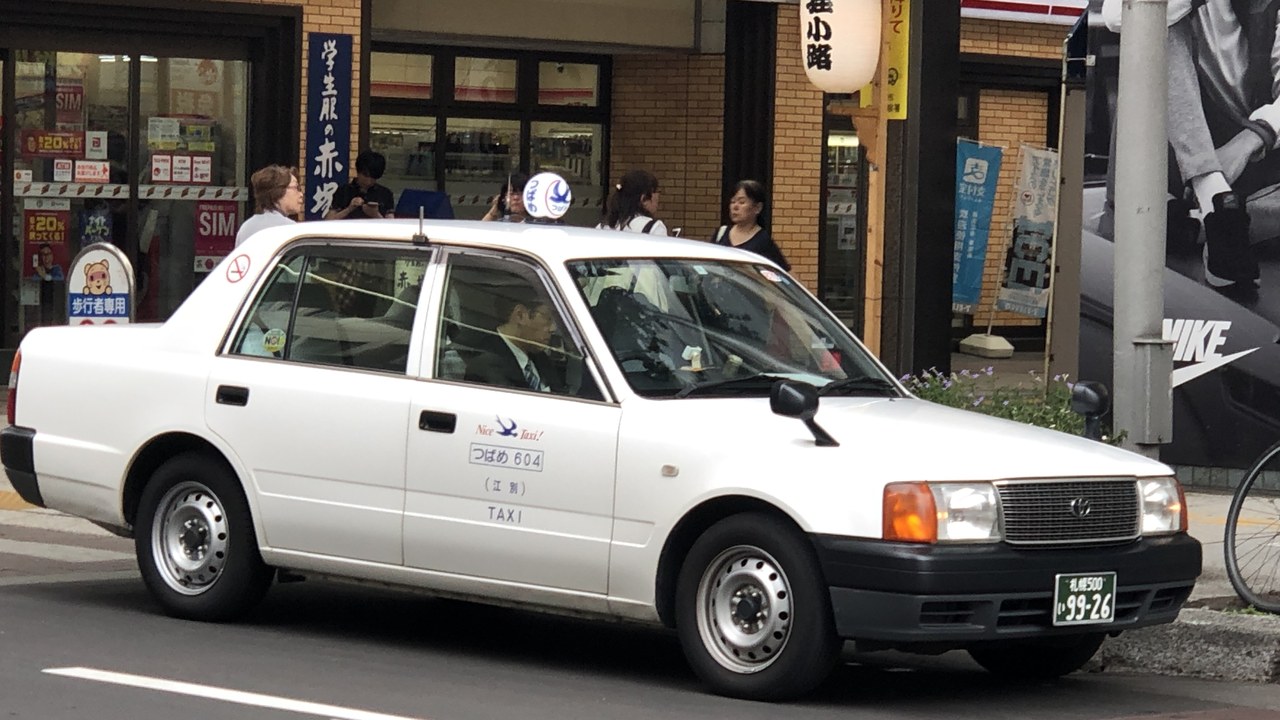
Unlike most taxis adapted from ordinary passenger cars, the Toyota Comfort was engineered from the outset for cab duty, debuting in 1995 with a rugged rear-wheel-drive layout and simple, hard-wearing cabin. Frequently running on LPG, the durable sedan from Toyota served fleets across Japan and Hong Kong for more than two decades.
A tall roofline eased entry, wide-opening rear doors welcomed passengers, and the no-frills mechanicals kept maintenance costs low over grueling daily mileage. Its plain, boxy styling never chased fashion, yet that very ordinariness made the Comfort a fixture of Japanese ranks and a familiar sight at railway stations.
7. Mercedes-Benz W123: The unkillable diesel workhorse

Renowned for near-legendary durability, the Mercedes-Benz W123 became a fixture of European taxi ranks after its 1976 launch, especially in diesel form. Many examples engineered by Mercedes-Benz racked up hundreds of thousands of miles, and the sturdy sedans frequently wore the ivory-cream paint traditionally used on German cabs.
Solid build quality, straightforward mechanics, and torquey oil-burning engines suited the relentless demands of taxi service. Drivers valued the comfortable ride and reputation for reliability that let a single car serve for a decade or more. Surviving W123s remain sought after today, a testament to their remarkable engineering longevity.
8. Toyota Prius: The hybrid cab revolution
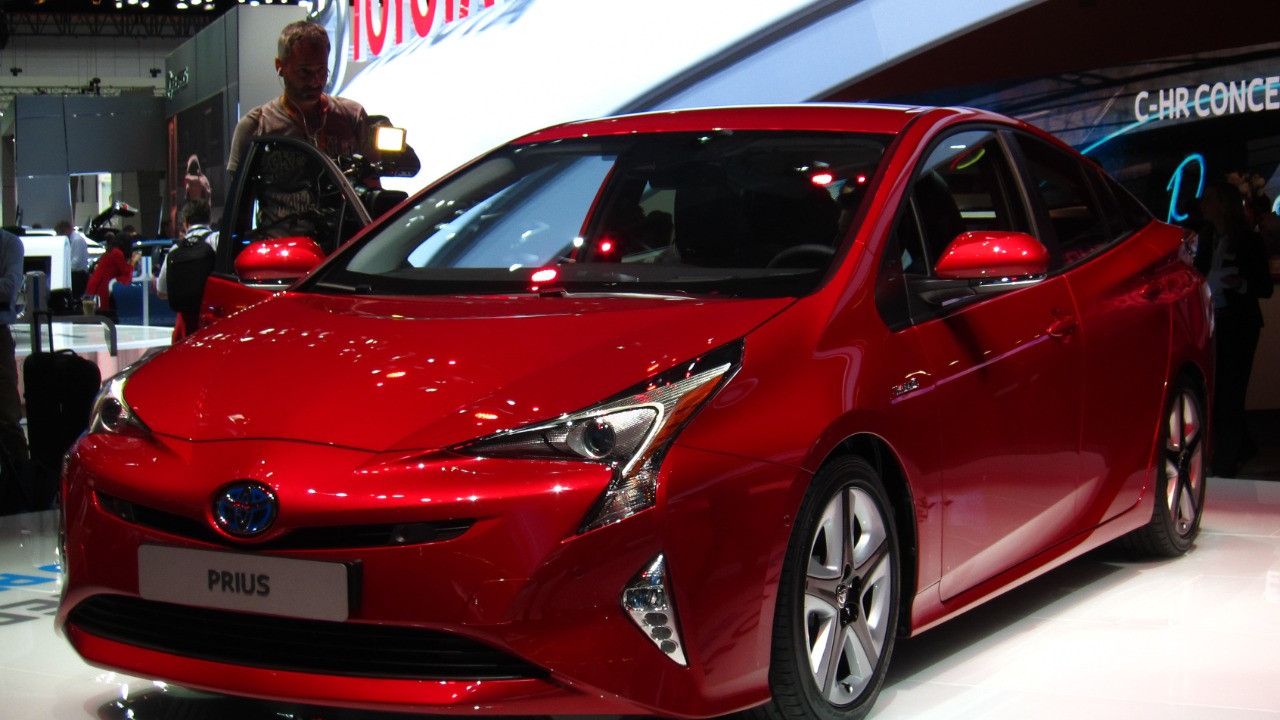
As fuel prices climbed and emissions rules tightened, the Toyota Prius emerged as the taxi of the hybrid age, its gas-electric drivetrain slashing running costs for fleets worldwide. First sold in 1997 and refined over successive generations by Toyota, the hatchback proved that a fuel-sipping cab could thrive in demanding city traffic.
Cities from New York to San Francisco embraced the model, drawn by low fuel bills and reduced tailpipe pollution during endless stop-and-go shifts. Its distinctive wedge shape and quiet electric crawl became a common curbside sight, marking a shift away from the thirsty V8 sedans that once dominated ranks.
9. LEVC TX: London’s electric black cab
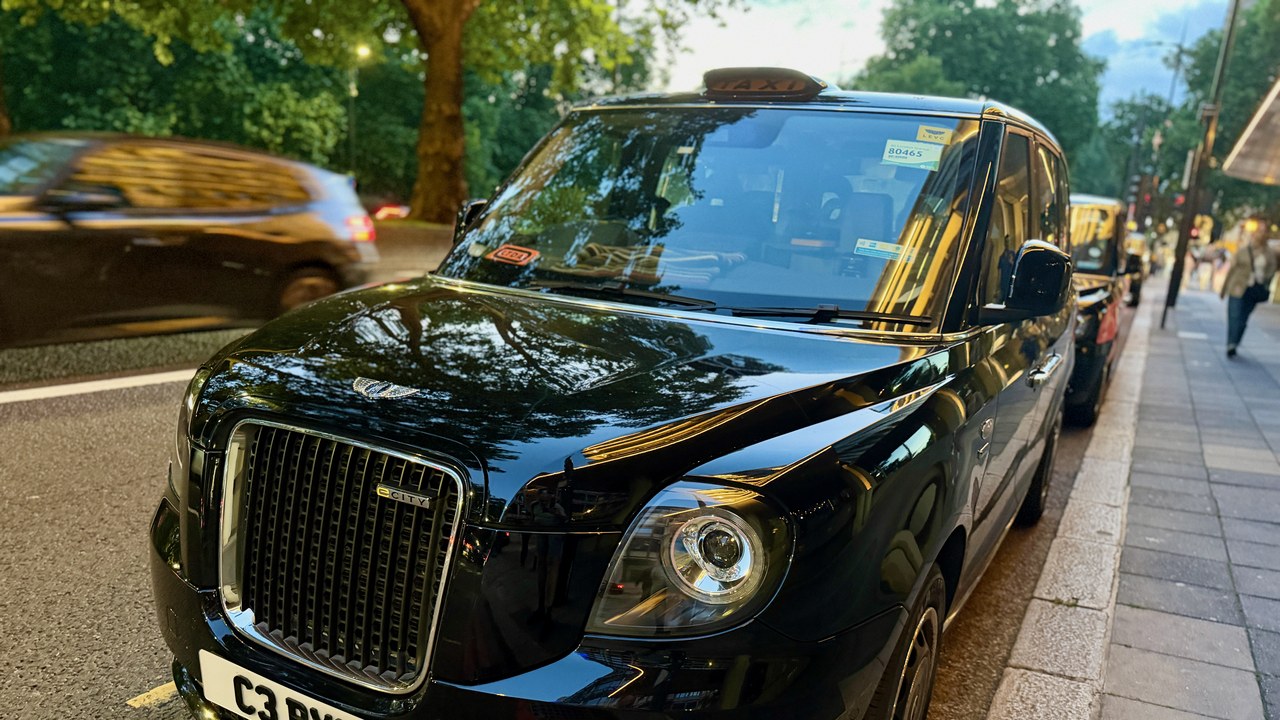
Carrying the black cab tradition into the electric era, the LEVC TX arrived in 2017 as a modern successor to London’s diesel taxis, pairing a battery-electric drivetrain with a small backup gasoline generator. Built by the Geely-owned London EV Company, it preserves the upright silhouette and famously tight turning circle passengers expect.
Wheelchair-accessible from the factory, the cab seats up to six and offers a quieter, cleaner ride designed for the capital’s low-emission zones. Its arrival marked a deliberate effort to keep the distinctive shape alive while meeting stringent air-quality targets, ensuring the black cab endures for a new generation of Londoners.
10. Fiat 600 Multipla: Italy’s pioneering people-mover cab
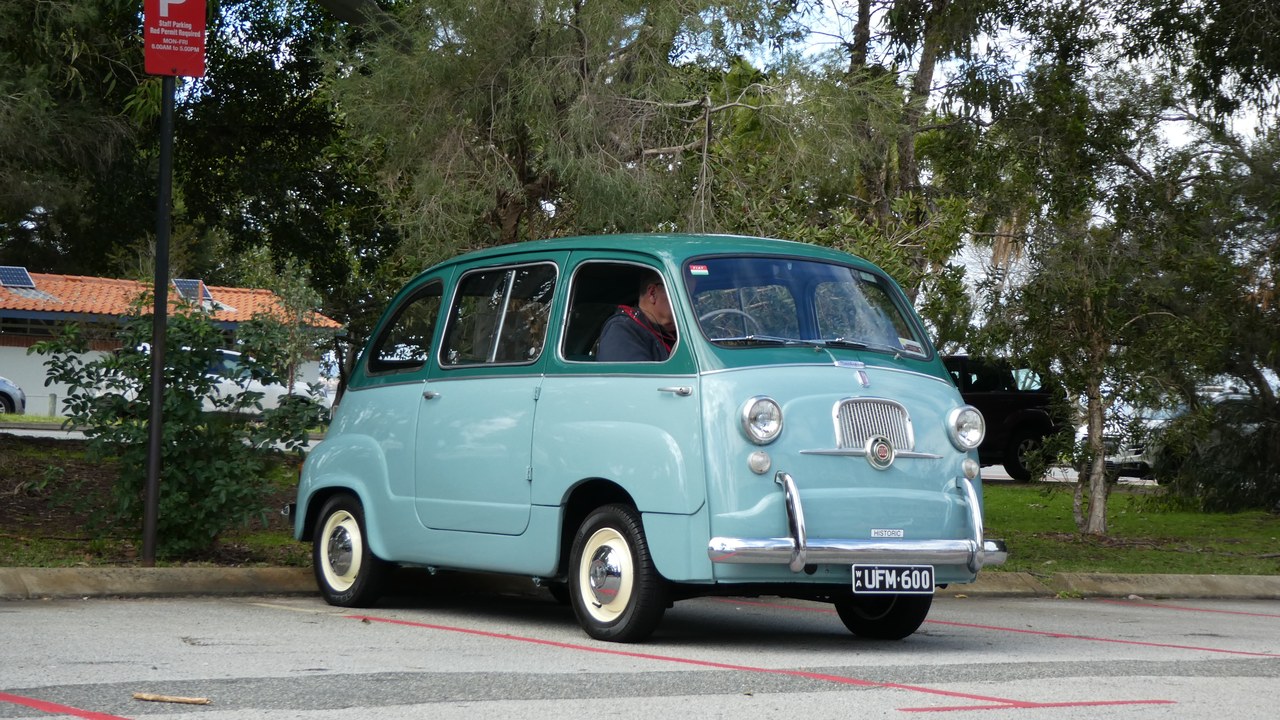
Decades before the minivan boom, the Fiat 600 Multipla packed up to six people into a tiny footprint, making it a clever choice for Italian taxi operators from 1956 onward. Engineered by Fiat with a cab-forward layout that pushed the driver over the front wheels, the little Multipla maximized interior space on narrow city streets.
Its rear-mounted engine and compact dimensions suited the crowded lanes of Italian towns, where nimble, roomy cabs were prized. Serving as a taxi in cities like Rome and Milan, the quirky people-carrier earned recognition as one of the earliest true multi-purpose vehicles on the road.
More from Morning Overview
