
The 1980s produced a golden age of automotive fantasy, when wedge-shaped supercars and turbocharged sleepers ruled bedroom posters and dinner-table daydreams. Wild engineering, bold styling, and Hollywood cameos turned certain models into objects of pure longing for a generation of young enthusiasts. These ten machines defined that obsession.
1. DeLorean DMC-12: Stainless Steel Dream Machine
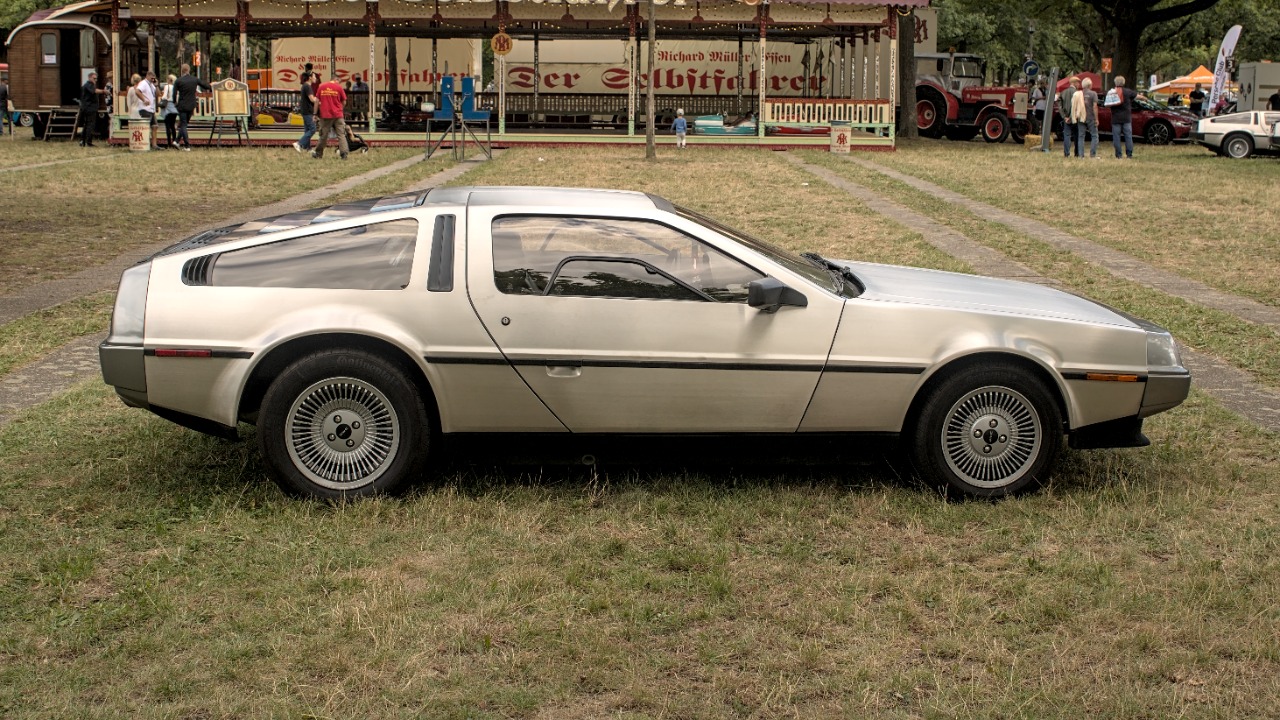
Few machines captured a decade’s imagination like the stainless-steel gullwing coupe built by John DeLorean’s short-lived company. Brushed-metal panels that never needed paint, rear-hinged doors, and a wedge shape penned by Giorgetto Giugiaro turned an underpowered sports car into an instant object of desire.
Production troubles and a founder’s scandal sank the company after barely two years, yet scarcity only deepened the mystique. A starring role as a time machine on the big screen cemented its place in pop culture, ensuring the model remains one of the most recognizable silhouettes ever to leave a factory floor.
2. Buick Grand National: The Blacked-Out Turbo Sleeper
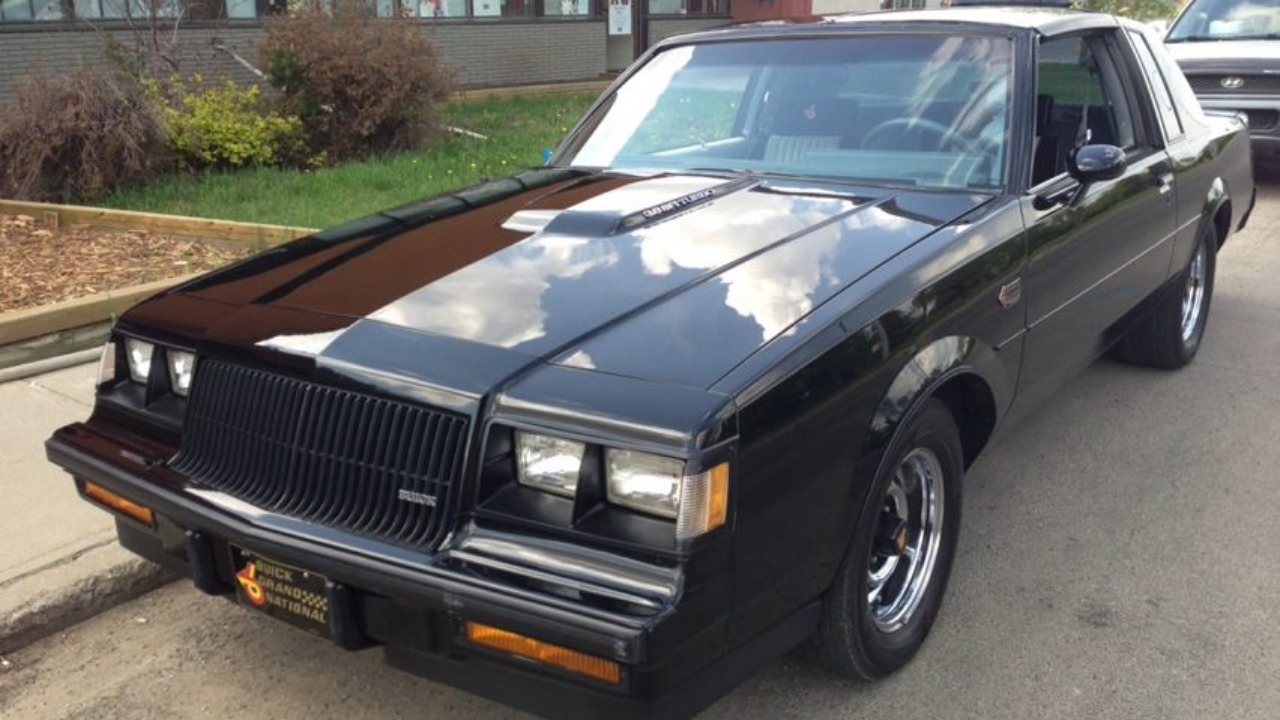
Detroit muscle seemed doomed in the emissions-choked 1980s until Buick answered with a menacing all-black turbocharged Regal variant. Its intercooled V6 quietly outran V8 rivals, and the blacked-out trim, tinted glass, and subtle badging gave it the aura of a factory-built sleeper.
The 1987 GNX version pushed performance further, sprinting to sixty faster than contemporary Corvettes and Ferraris. That reputation transformed a mundane family nameplate into a collector darling, and clean examples now command prices that would have stunned the buyers who parked one in a suburban driveway decades ago.
3. Lamborghini Countach: The Ultimate Bedroom Poster
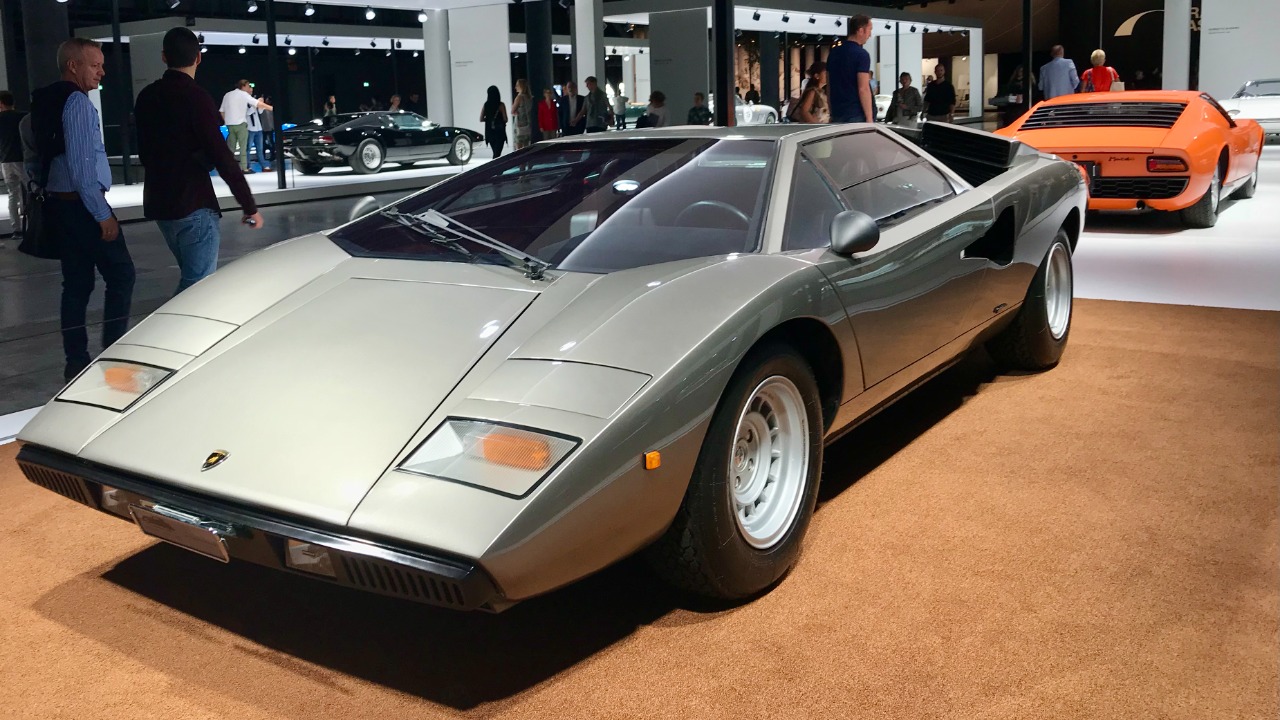
Scissor doors, impossible wedge angles, and a howling V12 made the angular Italian supercar the ultimate fantasy taped above countless bunk beds. Marcello Gandini’s design abandoned every soft curve in favor of sharp planes, wide haunches, and an enormous rear wing that screamed excess.
Rear visibility was almost nonexistent and the cabin cramped, yet none of that dented its appeal. The shape defined an entire genre of exotic performance and still anchors the brand’s identity, proving that raw theatrical presence often outlasts practicality in the memory of a generation.
4. Ferrari Testarossa: Neon-Era Flat-Twelve Flagship
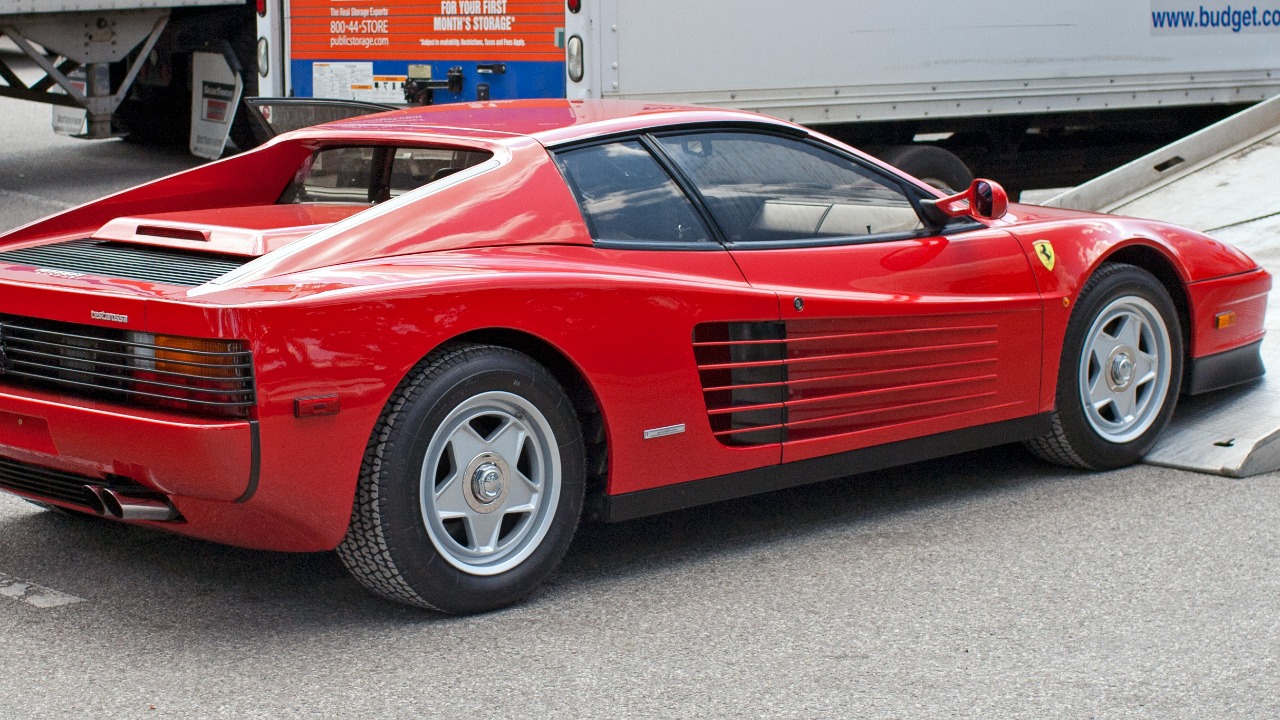
Wide side strakes, pop-up headlights, and a flat-12 engine turned the red Ferrari flagship into a rolling emblem of the decade’s flash. Pininfarina stretched the body dramatically to feed side-mounted radiators, giving the car a stance nearly a foot wider at the rear than the front.
A recurring role on a hit Miami crime drama beamed the shape into living rooms weekly, welding it to the era’s neon aesthetic. That television exposure made it aspirational far beyond enthusiast circles, and the wedge profile remains shorthand for a moment of automotive extravagance.
5. BMW M3: The Motorsport Icon Reborn
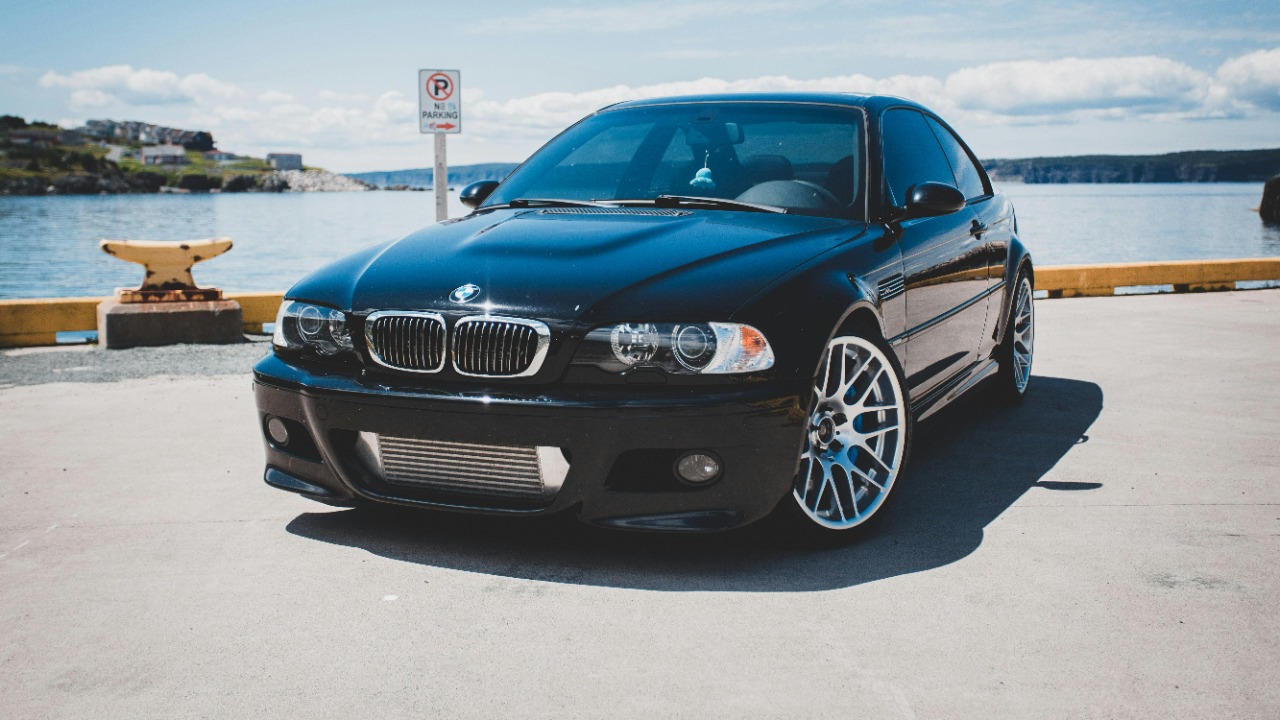
Homologation rules for touring-car racing forced BMW to build a road-going special, and the resulting M3 sport coupe became a motorsport legend. The original boxy version wore flared arches and a high-revving engine, launching a performance badge that every later model would proudly carry forward.
Race wins piled up across Europe and beyond, establishing a nameplate that would define sport-sedan performance for decades. Early examples have since climbed into serious collector territory, and the badge it created still tops the wish lists of driving enthusiasts around the world today.
6. Toyota Supra: Japan’s Turbocharged Grand Tourer
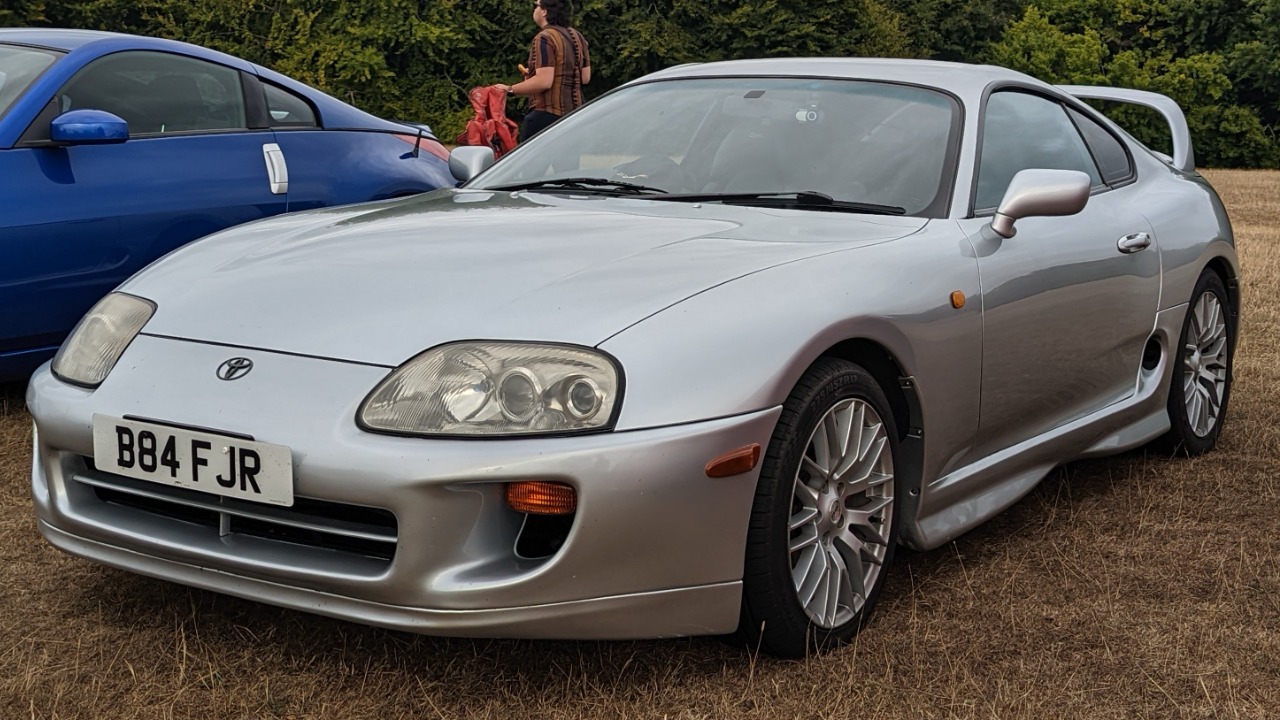
Japan’s rising performance ambitions took sharp form in the turbocharged Toyota Supra, a sleek grand tourer built around a potent inline-six. Independent suspension, an available targa roof, and genuine highway muscle pushed it far beyond ordinary economy-car roots.
Successive generations sharpened the formula until the nameplate dominated tuner and street-racing culture around the world. Enthusiasts prize these coupes for their muscular character and steadily rising collector values, a lasting reminder that the model built its devoted following across decades of hard-charging, high-revving performance.
7. Ford Mustang: The Fox-Body Pony Survivor
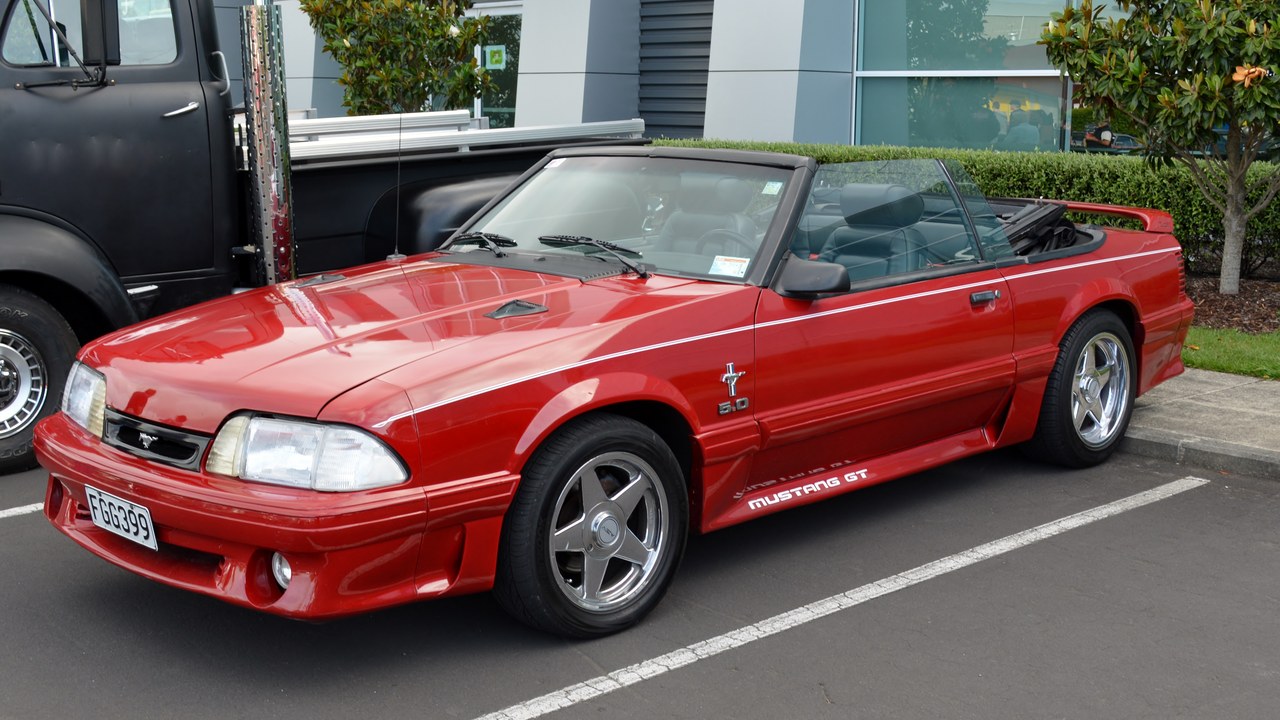
Downsized and modernized, the Fox-body third-generation Mustang kept an American icon breathing through lean years. A lightweight platform paired with an available 5.0-liter V8 delivered accessible speed that budget-minded buyers could actually afford.
Its simplicity made it a drag-strip and tuning favorite, spawning a vast aftermarket that still thrives today. By keeping the pony car affordable and genuinely quick, Ford ensured the badge survived a turbulent stretch and set up the nameplate’s later resurgence, a rare feat when many rivals vanished from showrooms entirely.
8. Chevrolet Camaro IROC-Z: T-Top V8 Parking-Lot King
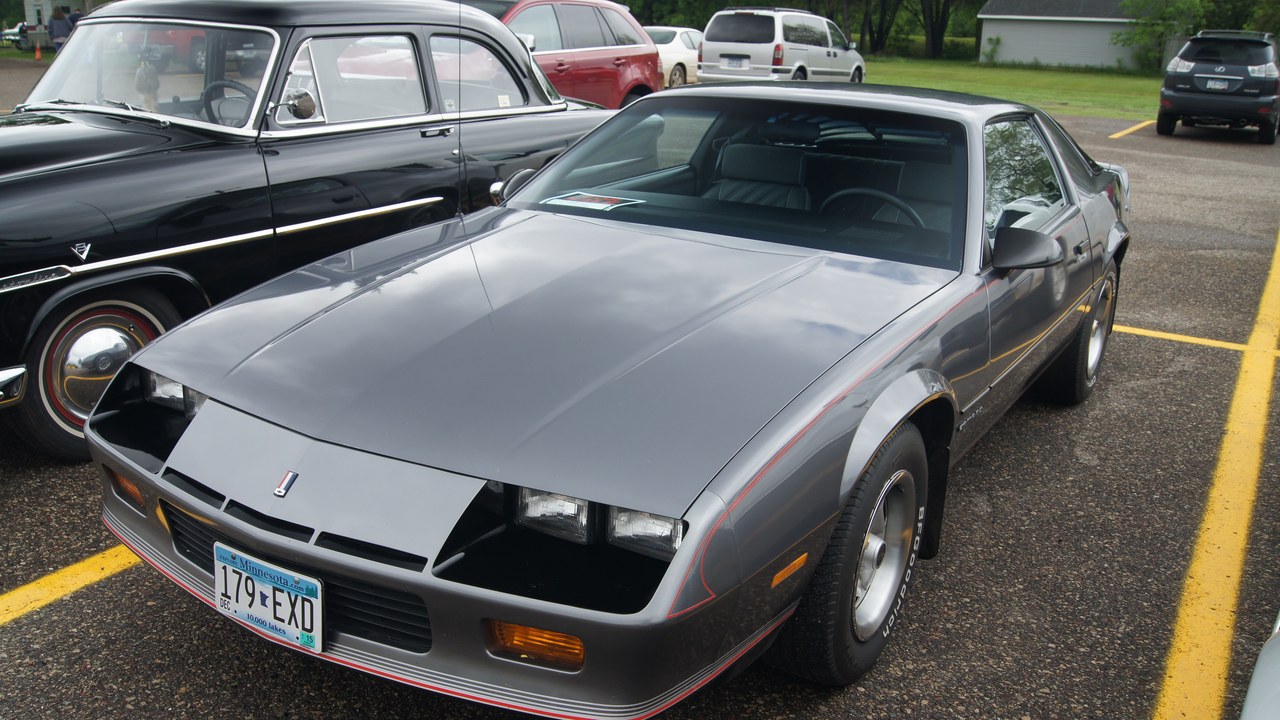
Named for a celebrity racing series, the third-generation Camaro in IROC-Z trim offered T-tops, tuned suspension, and a rumbling V8 wrapped in aggressive bodywork. Ground-effects cladding and bold graphics broadcast performance intent from every angle.
It became a fixture of high-school parking lots and cross-town rivalries with the Mustang. Affordable power and unmistakable styling made it a defining shape of American youth culture, and well-kept survivors now draw nostalgic crowds at weekend car shows and command steadily rising prices among collectors.
9. Audi Quattro: All-Wheel-Drive Rally Revolutionary
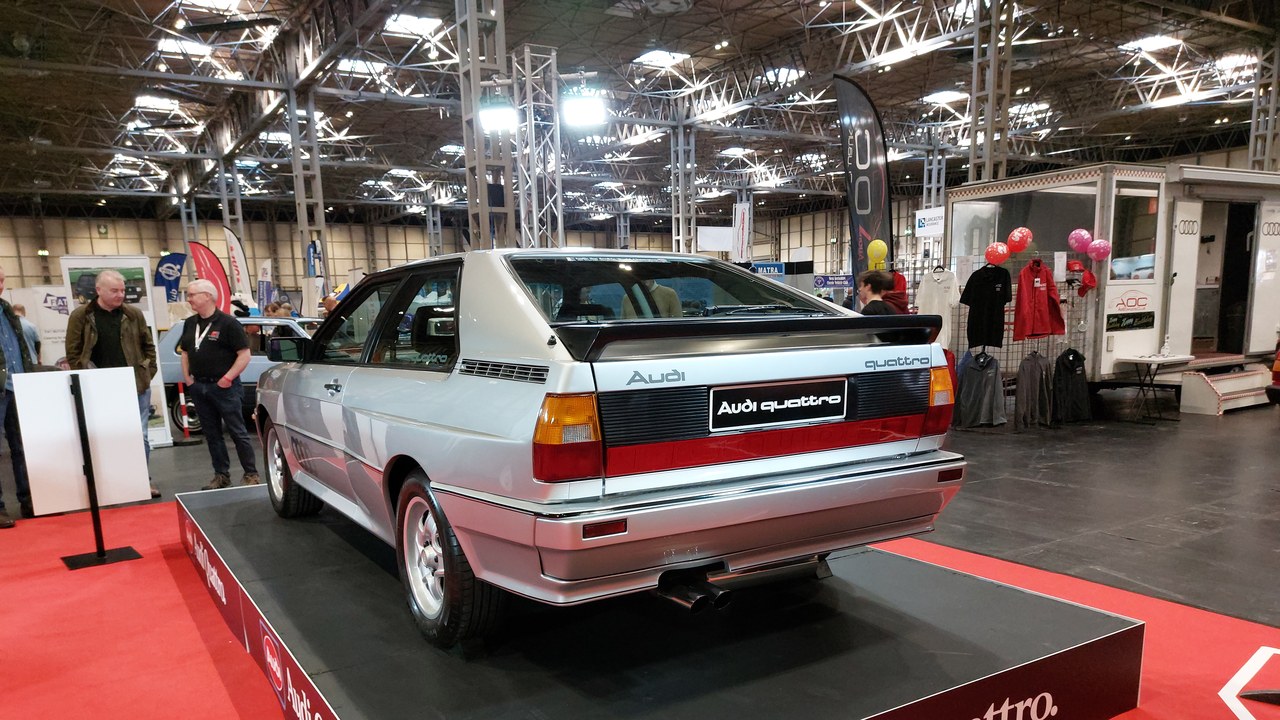
Rallying changed forever when Audi bolted all-wheel drive to a turbocharged coupe, and the boxy Quattro proved the concept on gravel and snow. Flared fenders housed the traction hardware that let it out-grip two-wheel-drive competitors in brutal conditions.
Championship success forced the entire motorsport world to adopt the layout, rewriting the rulebook for high-performance handling for good. That engineering legacy trickled down into countless everyday road cars, and the original remains widely celebrated as one of the most influential competition machines of its entire era.
10. Honda CRX: Featherweight Enthusiast Favorite
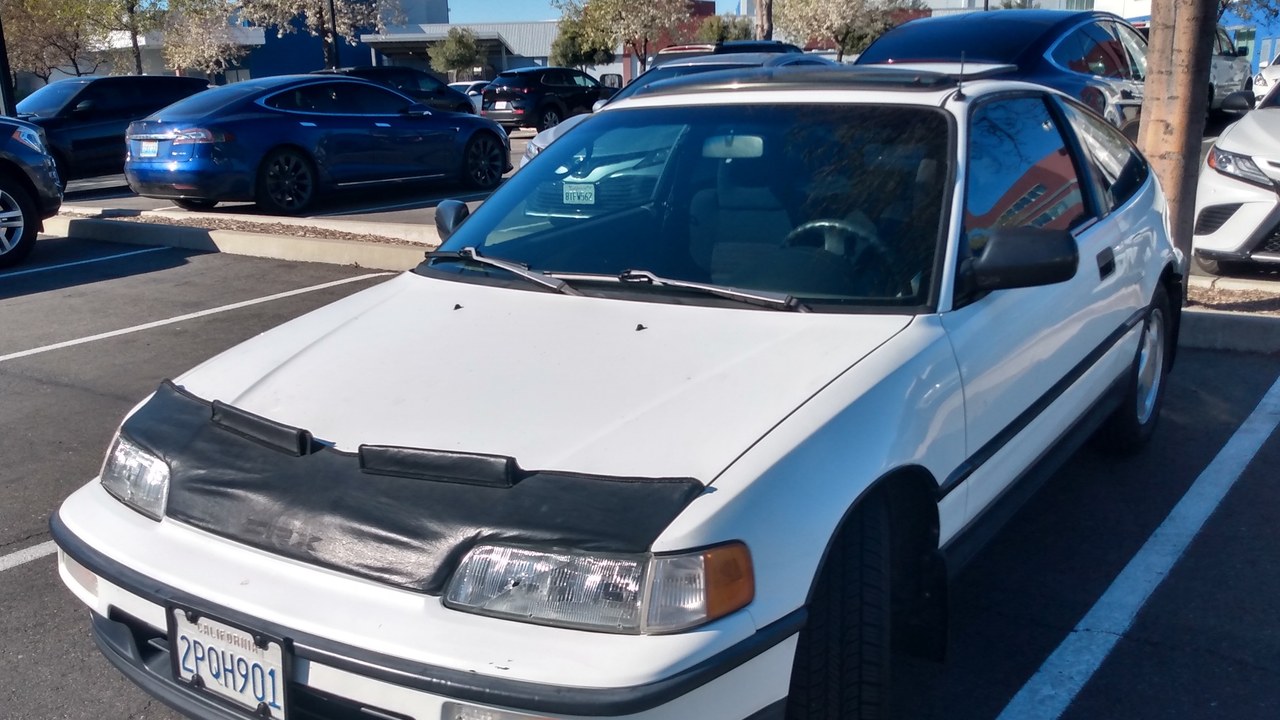
Light weight and clever packaging made the compact Honda coupe a favorite of drivers who valued agility over brute force. A short wheelbase, revvy engines, and frugal fuel economy delivered genuine fun without a supercar price.
The Si variant added sharper handling that endeared it to autocross competitors and tuners alike. Its blend of efficiency and driving joy built a devoted following that endures to this day, keeping clean examples surprisingly sought-after among collectors of affordable, lightweight classics from the era.
More from Morning Overview
