
Few nations shaped the open-top driving ideal as thoroughly as Britain, where small firms and grand marques alike turned lightweight chassis and eager engines into legends. From humble roadsters priced for ordinary buyers to hand-built supercars that rewrote the rulebook, these machines carried a distinct national character. Here are ten that left a lasting mark.
1. Jaguar E-Type: The shape that stopped traffic
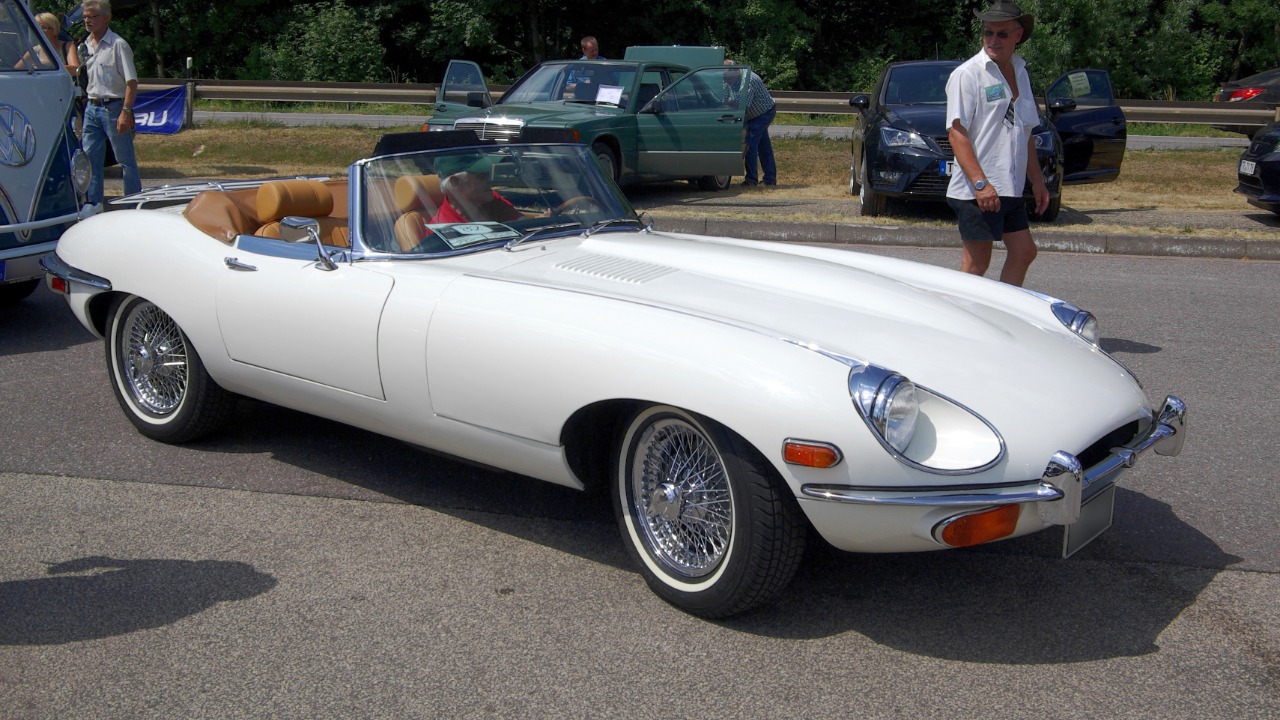
Unveiled at the 1961 Geneva Motor Show, the Jaguar E-Type stunned onlookers with a long, sculpted bonnet and proportions that seemed to move while parked. Its 3.8-litre XK inline-six promised a top speed near 150 mph, a figure that embarrassed rivals costing several times more. As recounted in the model’s development history, Enzo Ferrari reportedly judged it the most beautiful car ever made.
Beneath the drama sat real engineering, including independent rear suspension and disc brakes that were far from universal then. Later cars grew to 4.2 litres before a 5.3-litre V12 arrived. Roughly seventy thousand examples were built through 1975, cementing the shape as a defining emblem of the age.
2. MG MGB: Open-top motoring for everyone
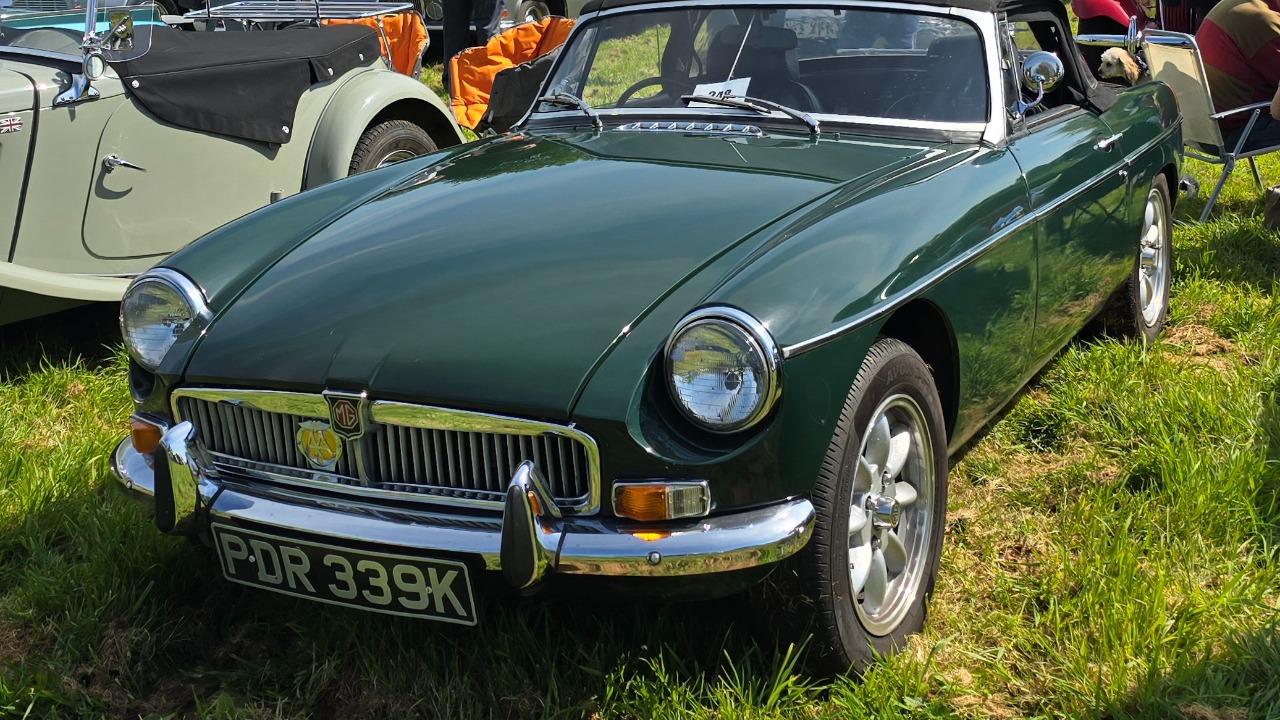
Introduced in 1962, the MG MGB brought roadster motoring within reach of ordinary drivers rather than the wealthy few. A modern monocoque body replaced the separate chassis of the earlier MGA, improving stiffness while trimming weight. Period reviews collected in its model record praised a willing 1.8-litre four and forgiving manners that flattered newcomers.
Practicality helped it endure, with roll-up windows and a usable boot that many competitors lacked. A fixed-roof GT joined the roadster in 1965, broadening the range considerably. Production continued until 1980, and more than half a million examples made it one of the best-selling sports cars ever, a quiet triumph of accessible design.
3. Triumph Spitfire: Small, light and endlessly fun
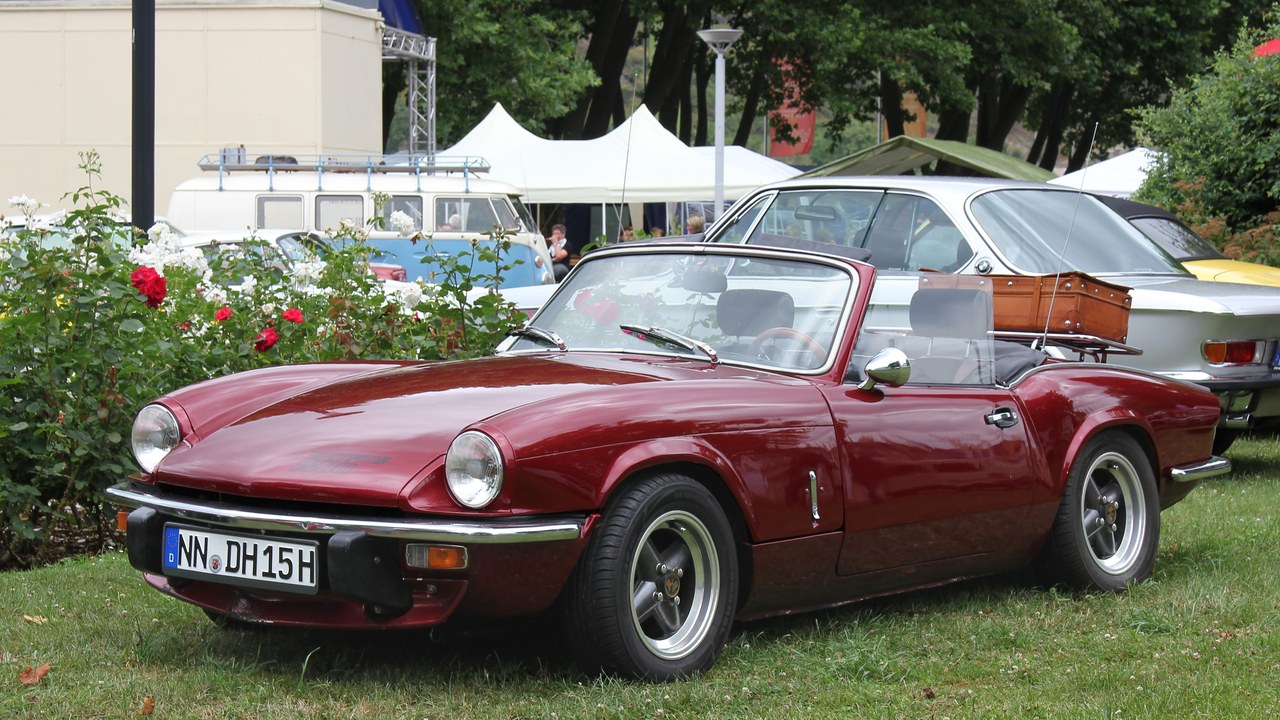
Launched in 1962 and styled by the Italian designer Giovanni Michelotti, the Triumph Spitfire packaged genuine driving fun into a tiny, affordable roadster. It borrowed a floorpan from the Herald saloon, which kept costs down and delivered a remarkably tight turning circle. The car’s design record notes a forward-hinging bonnet that exposed the entire engine bay.
Modest weight mattered more than raw output, and nimble handling let small engines feel lively on twisting lanes. Displacement climbed over the years from around 1,150cc toward 1.5 litres, sharpening pace without spoiling the character. Built until 1980, it gave countless young enthusiasts an inexpensive first taste of open-top motoring.
4. Austin-Healey 3000: The muscular Big Healey
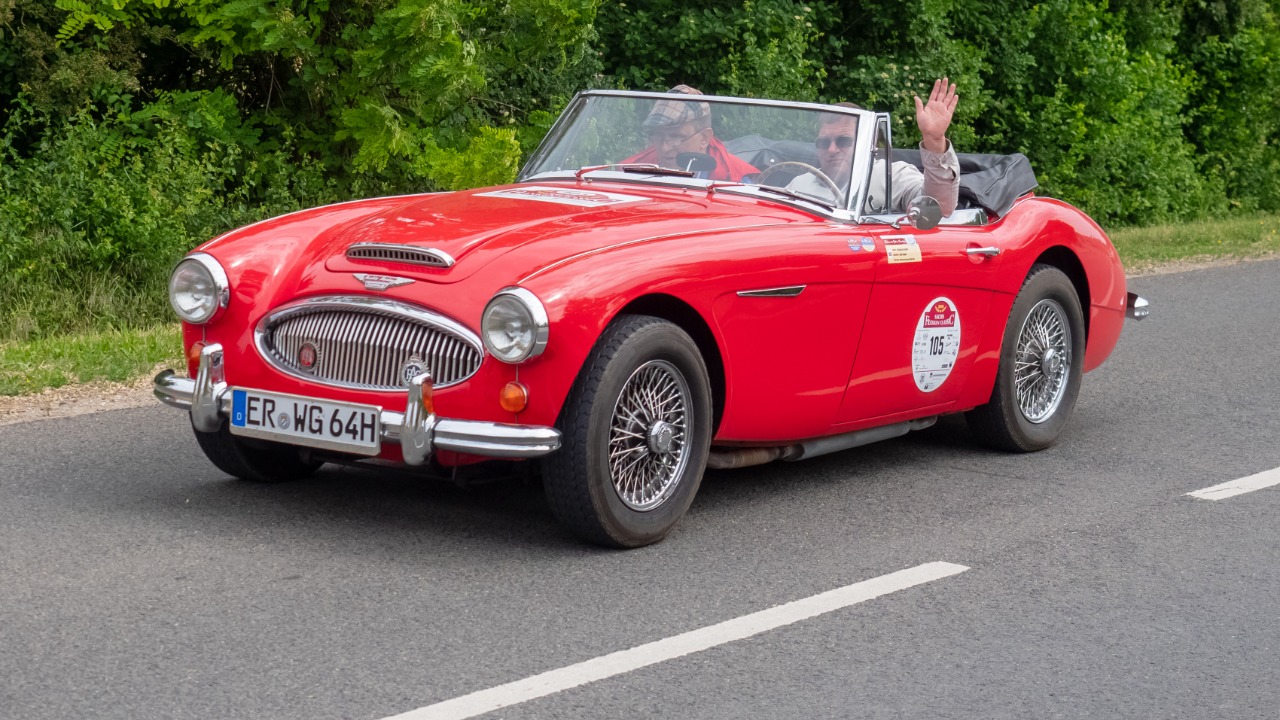
Affectionately dubbed the Big Healey, the Austin-Healey 3000 paired brawny straight-six power with a rugged, handsome body from 1959. Its 2.9-litre engine gave the roadster genuine muscle and a deep exhaust note that set it apart from smaller rivals. Competition history gathered in the car’s rally record shows a works team tackling the era’s toughest events.
Low ground clearance and a firm ride earned it a reputation as a demanding, physical machine to drive hard. That toughness translated into rally success across Europe, where the model became a genuine giant-killer on punishing stages. Production ended in 1967, yet its blend of grunt and grit keeps it prized among collectors today.
5. Lotus Elan: A handling benchmark
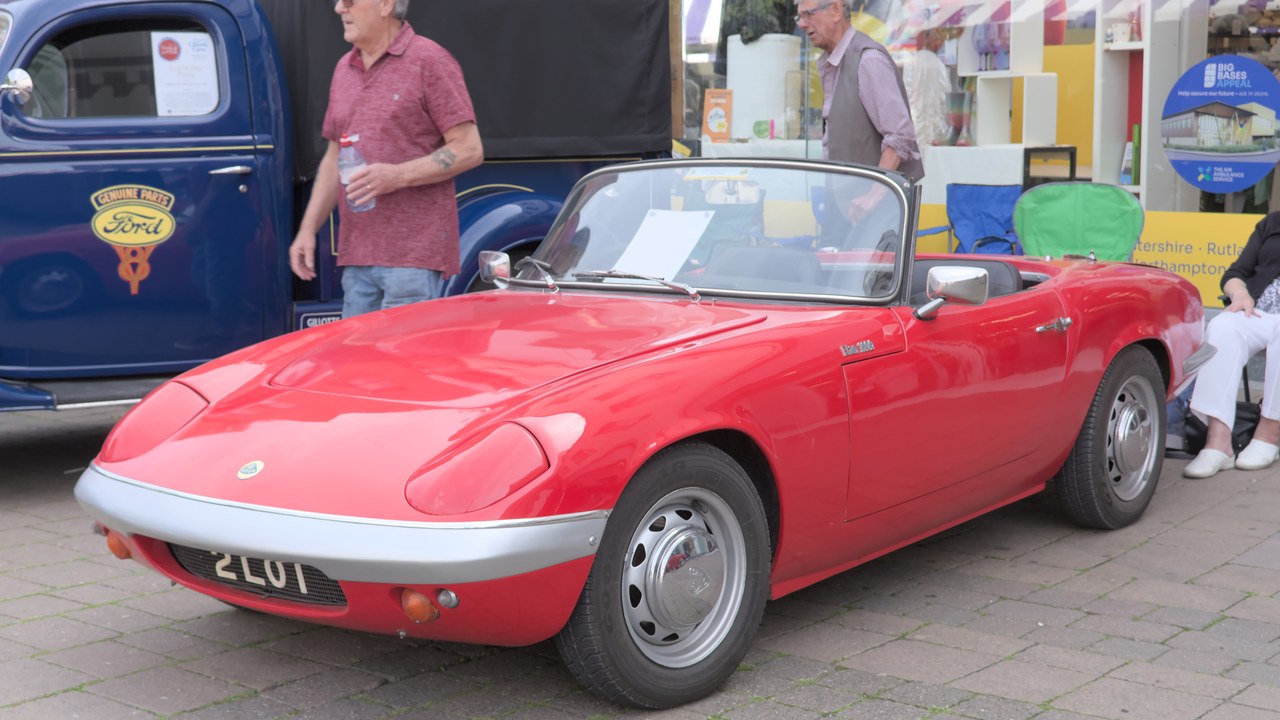
When Lotus revealed the Elan in 1962, it set a fresh standard for how a small sports car could handle. Colin Chapman wrapped a fibreglass body around a lightweight steel backbone chassis, holding weight to roughly seven hundred kilograms. Engineering notes in the model’s technical history credit its supple suspension for balance that later designers openly studied.
A 1.6-litre twin-cam four supplied ample thrust for such a featherweight, rewarding precise, flowing inputs. Reviewers routinely ranked its steering and grip above cars carrying far larger engines and budgets. Decades on, that influence resurfaced in the Mazda MX-5, whose creators cited the Elan as inspiration, proof of an idea executed cleanly.
6. Aston Martin DB5: The definitive grand tourer
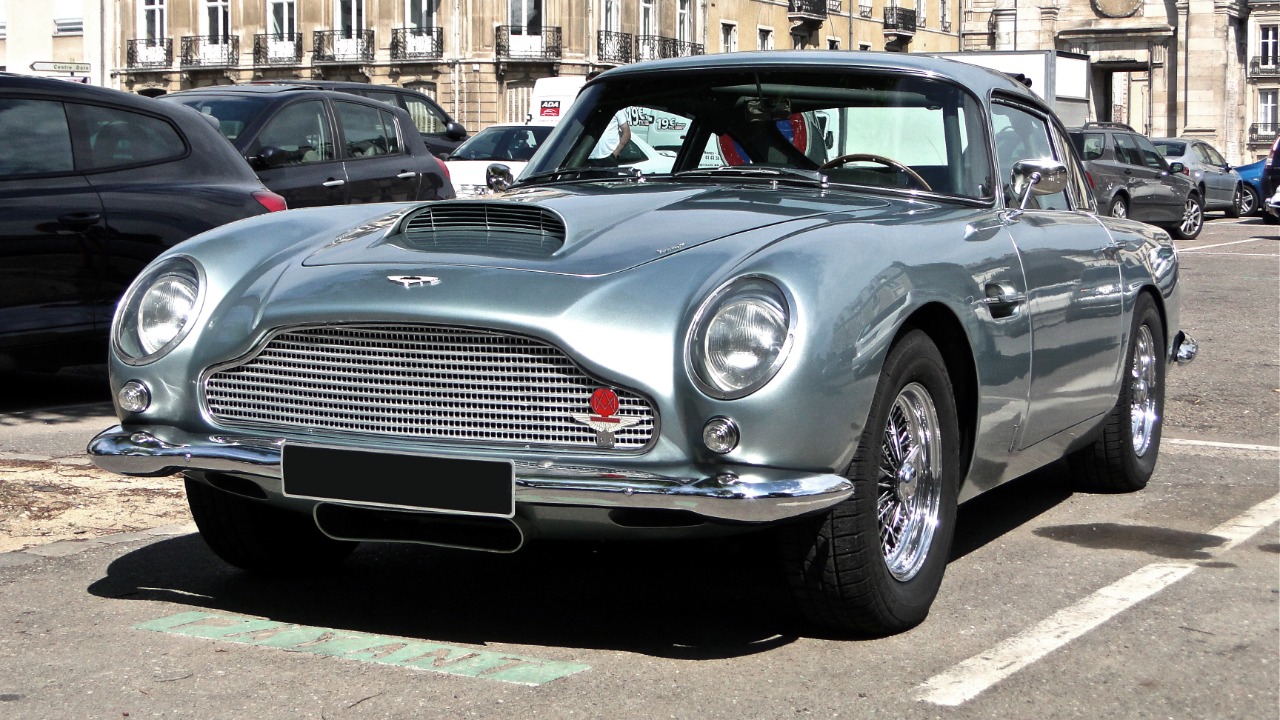
Introduced in 1963, the Aston Martin DB5 refined a grand touring formula built on elegance, pace and hand-finished luxury. A 4.0-litre inline-six produced around 282 horsepower, enough to carry two occupants across a continent in unhurried comfort. The model’s production history records a coachbuilt aluminium body shaped over a lightweight framework.
Lasting fame arrived through cinema when the DB5 served as James Bond’s gadget-laden car in the 1964 film Goldfinger. That association fixed the silhouette in popular memory and lifted values far beyond those of comparable machines. Fewer than nine hundred coupes were completed, making survivors among the most coveted grand tourers of their generation.
7. Jaguar XK120: Britain’s postwar speed king
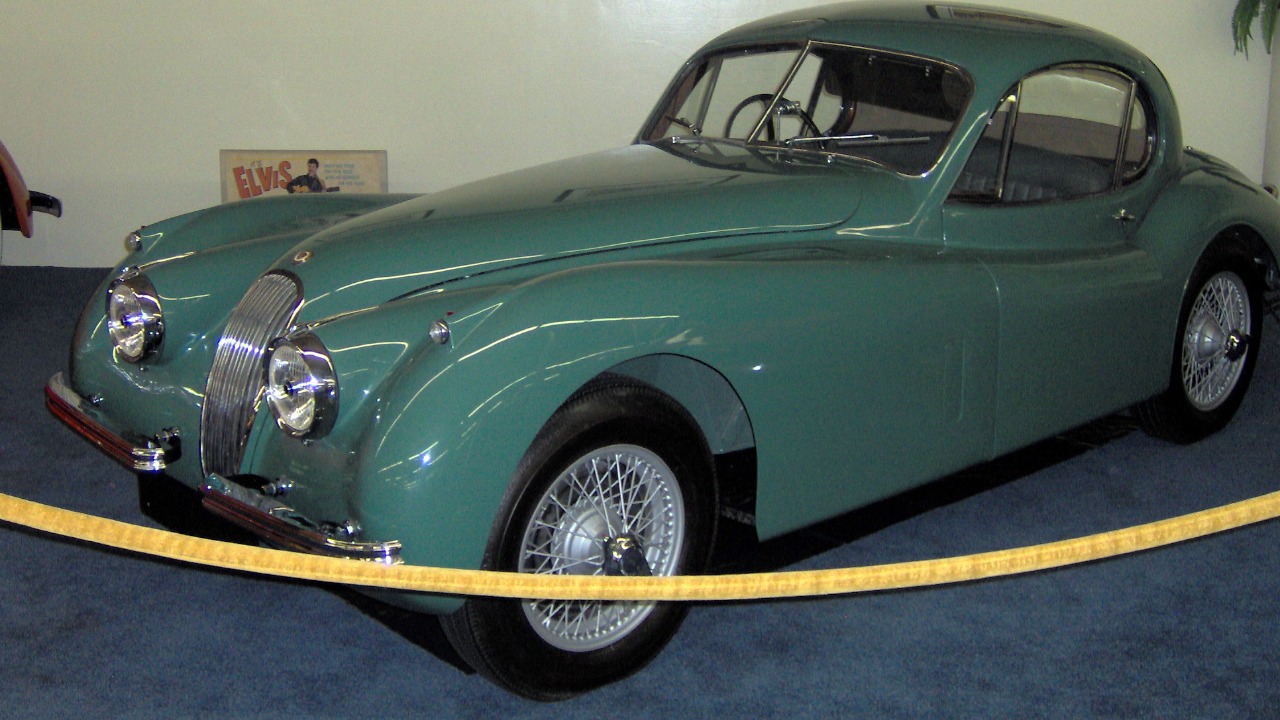
Debuting at the 1948 London Motor Show, the Jaguar XK120 announced a postwar sporting revival with startling speed. Its very name referred to a 120 mph top speed, which briefly made it the fastest production car available anywhere. A timing run described in the car’s competition record confirmed that figure on a Belgian motorway.
Power came from a new 3.4-litre XK twin-cam six that would serve Jaguar faithfully for decades afterward. Early examples wore hand-formed aluminium bodies before steel construction met surging demand. Offered as a roadster and later closed forms, the XK120 laid the foundation for a celebrated line of sporting Jaguars.
8. TVR Griffith: A raucous fibreglass bruiser

Revealed to acclaim in the early 1990s, the TVR Griffith delivered brutal performance from a small, fiercely independent English maker. A muscular Rover-derived V8 sat within a light fibreglass-bodied roadster carrying no electronic aids to soften its behaviour. Contemporary coverage summarised in the car’s model history highlights ferocious acceleration and an intoxicating exhaust bark.
Its curvaceous shell concealed a tubular steel backbone chassis and demanded respect from anyone exploring the limits. Grip, braking and steering rewarded skilled hands while punishing carelessness on damp surfaces. The Griffith became a defining product of a firm that prized raw sensation over comfort, earning a devoted cult following.
9. Lotus Esprit: The wedge that became a Bond star
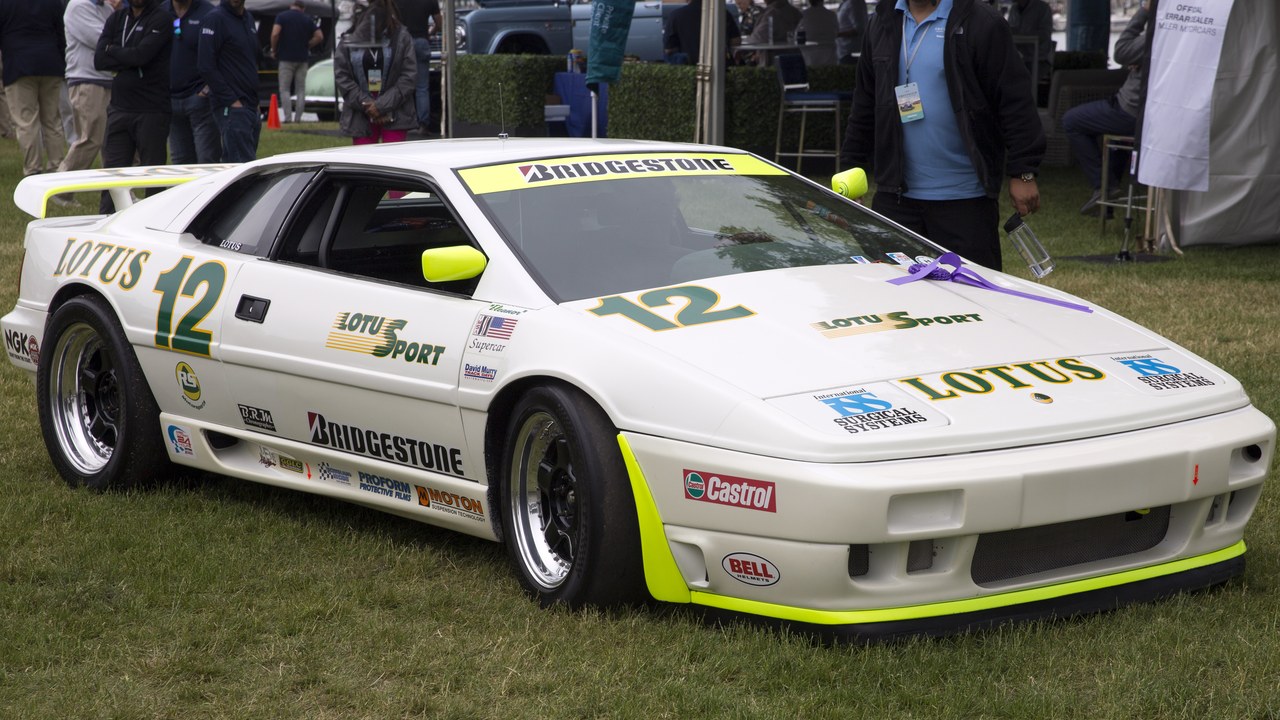
Launched in 1976 with sharp, wedge-shaped bodywork by Giorgetto Giugiaro, the Lotus Esprit resembled nothing else on the road. A mid-mounted engine and fibreglass construction kept mass low and cornering ability high, faithful to the marque’s philosophy. The car’s production history traces a long life spanning turbocharged fours and, eventually, a V8.
Wider fame followed its role in the 1977 James Bond film The Spy Who Loved Me, where one converted into a submarine. That cinematic moment turned a specialist sports car into a household silhouette almost overnight. Refined steadily until 2004, the Esprit proved a lightweight British design could stay desirable for nearly three decades.
10. McLaren F1: A landmark of engineering ambition
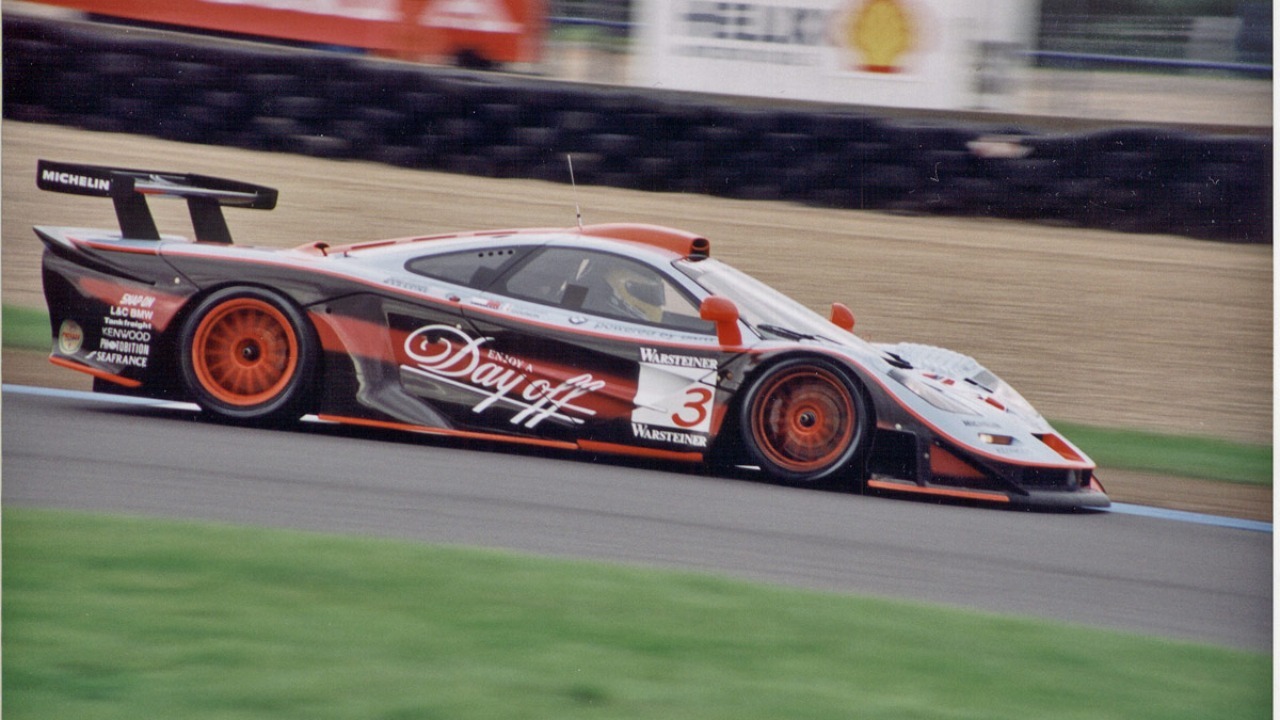
Conceived by designer Gordon Murray and produced from 1992, the McLaren F1 redefined what a road car could achieve. A central driving seat flanked by two passenger positions created a singular cabin, while a BMW-built V12 delivered ferocious power. The car’s engineering record notes a top speed above 240 mph, a production benchmark that stood for years.
Obsessive weight-saving extended to a gold-lined engine bay and a carbon-fibre structure, both radical for their time. A racing version even won the 1995 Le Mans 24 Hours outright against purpose-built prototypes. Only about a hundred road cars were completed, sealing the F1’s status as a high point of engineering ambition.
More from Morning Overview
