
Few countries have shaped the sports car quite like Germany, where engineering discipline and a fixation on balance turned driving into a science. From delicate 1950s roadsters to mid-engine supercars, these machines earned their reputations on demanding roads and racetracks. The ten cars gathered here trace how that obsession with precision evolved across seven decades.
1. Porsche 911: The Rear-Engine Icon That Refused To Change
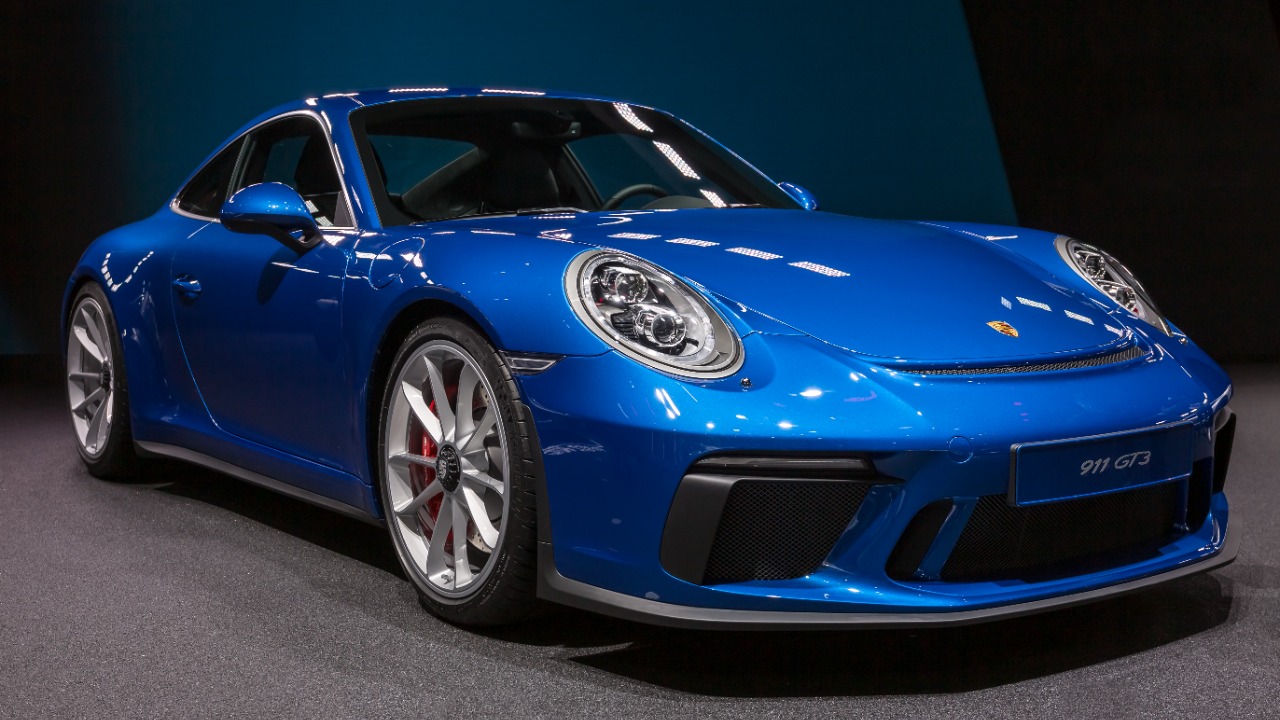
Introduced in 1963 and still in production today, the rear-engine coupe from Stuttgart has become a rolling argument that evolution beats revolution. Generations of engineers refined its unusual weight distribution rather than abandon it, leaving a machine whose steering and braking feel almost telepathic. The flat-six engine behind the rear axle gives it a distinctive sound and a planted, tail-heavy feel enthusiasts study for years.
That refusal to start over is precisely why enthusiasts trust it so completely. Because the layout stayed constant, decades of accumulated knowledge went straight into sharper responses instead of a blank-sheet redesign. Buyers of any era inherit that compounding work.
2. BMW M3: The Sedan That Learned To Attack Corners
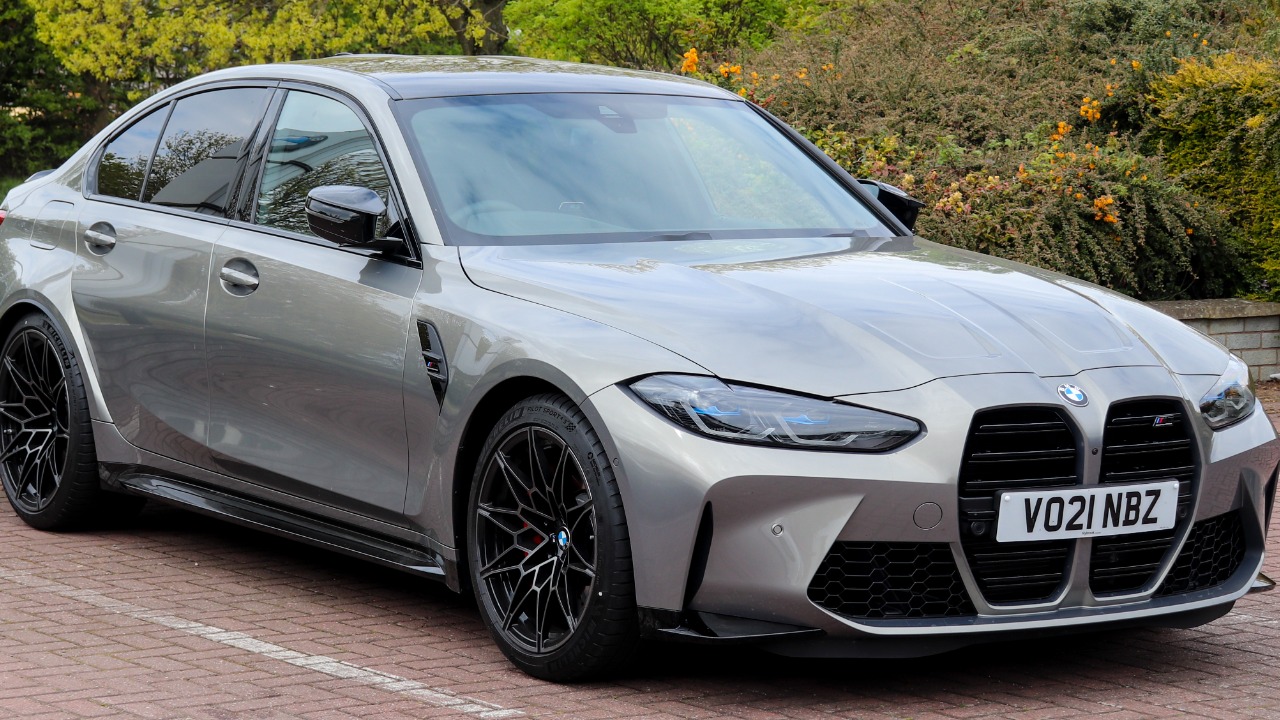
Born in 1986 to satisfy touring-car racing rules, this high-performance version of the 3 Series proved a practical four-seater could corner like a purebred. Successive generations widened the fenders, stiffened the chassis, and chased ever-higher outputs while keeping everyday usability intact. The original homologation special was built so BMW could go racing, and that competition DNA shaped every model that followed it onto the road.
Its lasting achievement was making precision accessible without a supercar price or a stripped-out cabin. Drivers could commute during the week and lap a circuit on the weekend in one car, blurring the line between sensible and serious. That dual nature made it the benchmark.
3. Mercedes-Benz 300SL: Doors That Lifted Toward The Sky
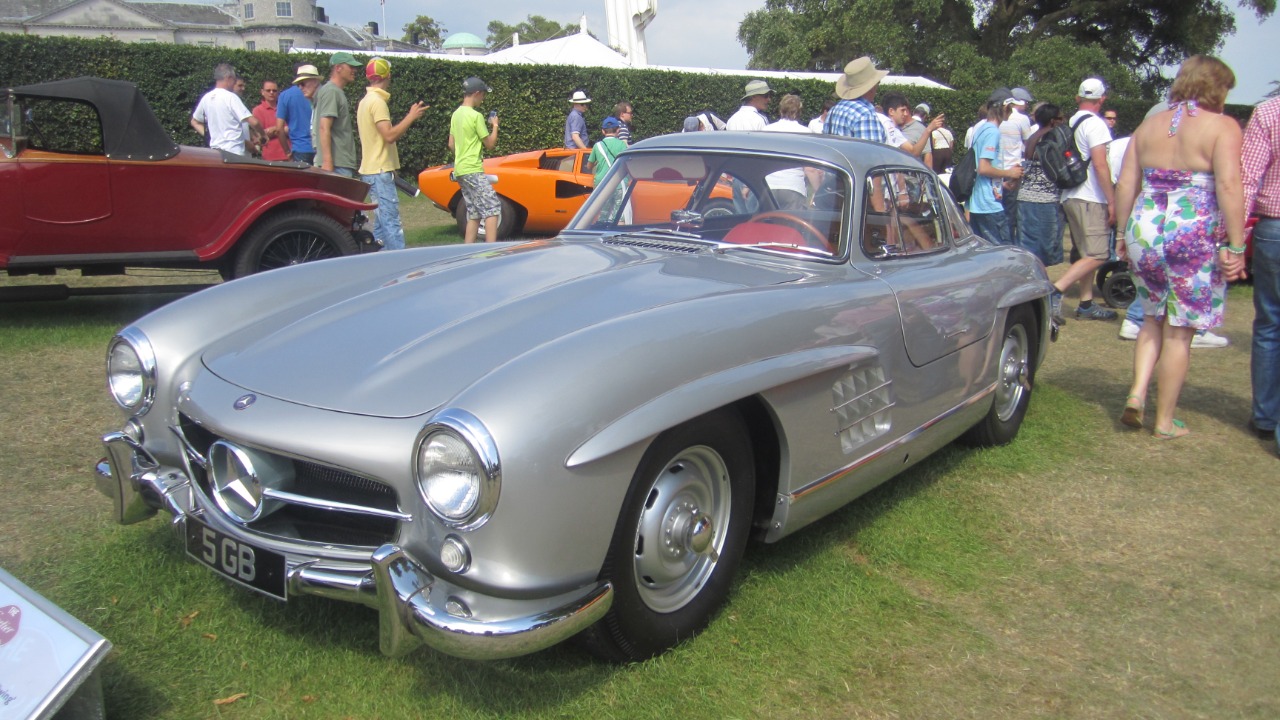
Unveiled for 1954, this coupe wrapped race-bred engineering in bodywork so striking it still stops crowds today. Its upward-swinging doors were not a styling gimmick but a solution forced by a lightweight tubular frame that ran high along the sills. The car also introduced mechanical fuel injection on a production automobile, a technology borrowed from aviation that boosted power and reliability far beyond its carbureted contemporaries.
Engineering pragmatism producing timeless beauty is exactly why it belongs on any precision-driving list. Every unusual feature answered a real performance problem rather than a marketing brief, and the result outran nearly everything else on the road. Collectors now prize survivors.
4. Audi TT: When A Design Study Reached The Street

Launched in 1998, this compact coupe reached showrooms looking almost identical to the concept car that had stunned auto-show crowds two years earlier. Its clean geometric shape, exposed aluminum details, and tidy proportions made it an instant design landmark. Many versions paired that styling with the brand’s quattro all-wheel drive, giving the small car confident, sure-footed grip in conditions that unsettled rear-drive rivals.
It proved that precision could be a matter of feel and control as much as raw lap times. All-wheel traction let ordinary drivers exploit the car’s balance without fear, widening the audience for engaging driving. The shape aged so gracefully that later generations changed the formula only cautiously.
5. Porsche 356: The Car That Started A Dynasty
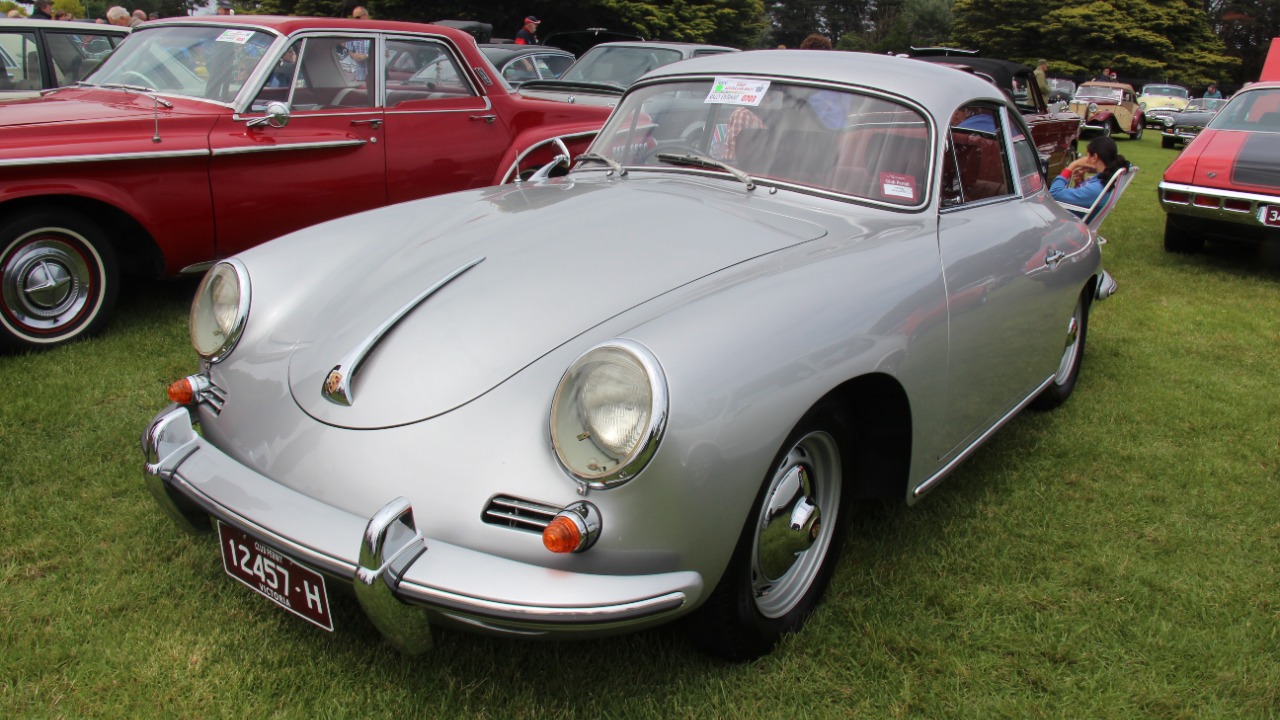
As the company’s first production model, built from 1948, this lightweight coupe and roadster established the template every later Porsche would follow. Its rounded shape and rear-mounted engine drew directly on humble economy-car roots, yet clever tuning turned modest power into genuine agility. Much of its running gear traced back to the Volkswagen Beetle, a shared lineage that kept costs down while the engineers concentrated on handling.
Its importance lies in proving that finesse could beat brute force on the road. Rather than chase big engines, the team obsessed over low weight and balance, and drivers rewarded that focus with fierce loyalty. Everything the brand became can be traced to lessons first learned here.
6. BMW Z3: A Roadster With A Cinematic Debut

Arriving in 1995 as the company’s first modern mass-market roadster, this two-seater mixed classic long-hood proportions with an accessible price. It reached a global audience almost overnight after appearing in a James Bond film before it even reached dealerships, a marketing coup that made the little convertible instantly familiar. Built in South Carolina, it also marked the brand’s first passenger vehicle assembled outside Germany.
Beyond the fame, its rear-drive layout and eager steering delivered the open-top precision the badge promised. Later six-cylinder versions added real muscle, sharpening the car from stylish cruiser into a genuine driver’s machine. It broadened the roadster market and paved the way for the sharper models that replaced it.
7. Porsche 944: The Front-Engine Porsche That Balanced Everything
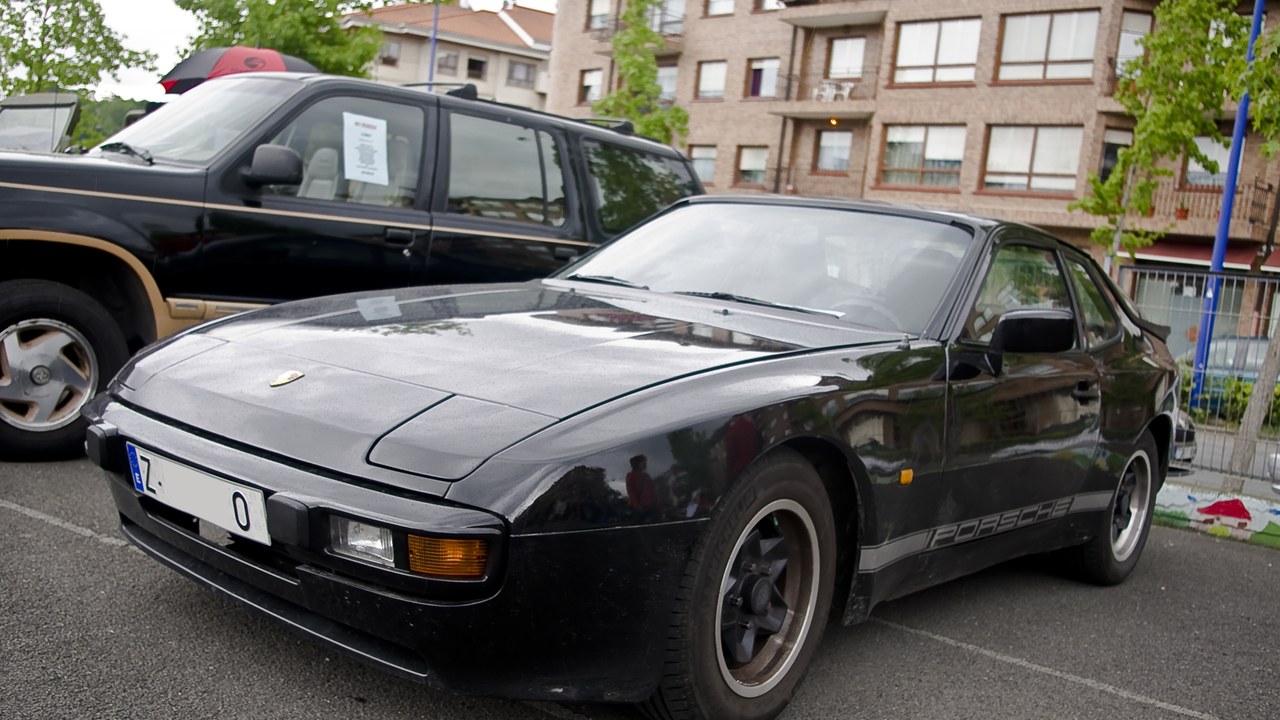
Produced from 1982, this front-engine coupe took a very different path from the rear-engine icon that made the badge famous. By placing the transmission at the back, it achieved a near-even split of weight between the axles, giving the car remarkably neutral, forgiving handling. That transaxle layout let engineers dial in balance that flattered novices and rewarded experts on a twisting road.
For many enthusiasts it remains the clearest lesson in why distribution matters more than horsepower. The car never overwhelmed with power, yet it could carry impressive speed through corners thanks to its composure. Affordable and durable, it became a gateway into balanced, engaging cornering for a whole generation.
8. Mercedes-Benz SLS AMG: The Modern Tribute With Wings Again
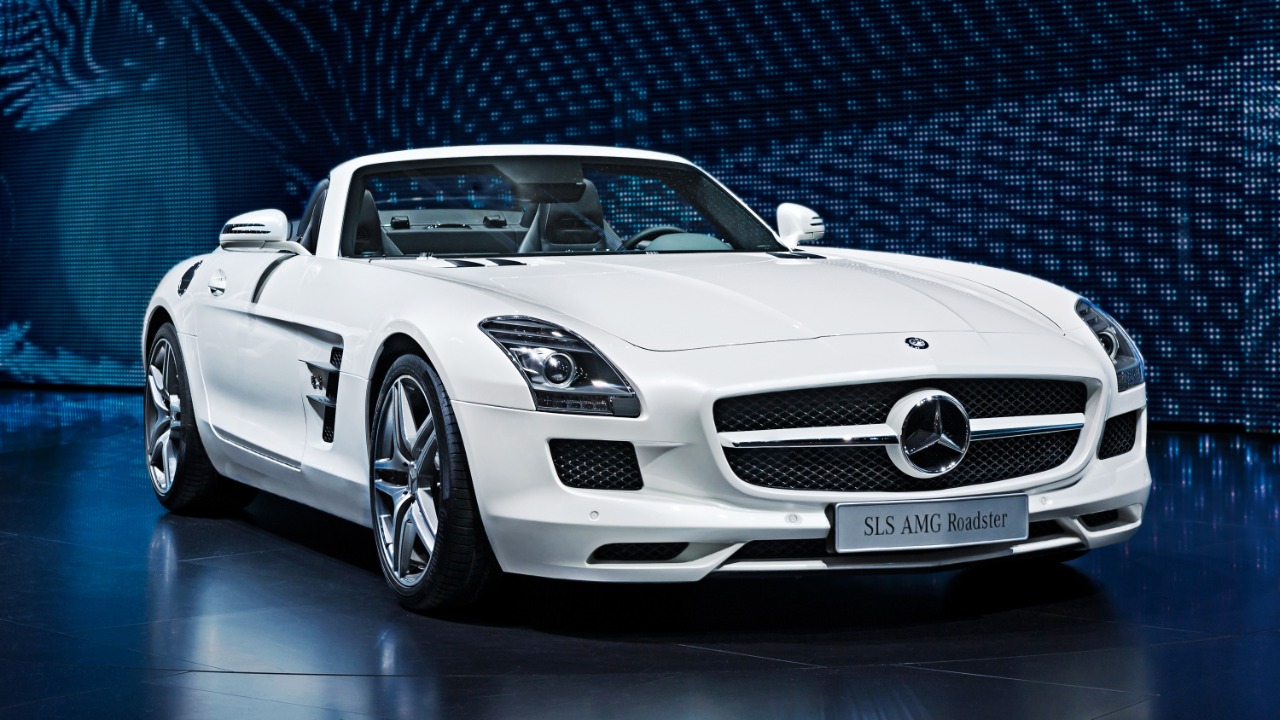
Released in 2010, this supercar revived the upward-opening doors of the legendary 1950s coupe while delivering thoroughly contemporary performance. A long hood housed a large naturally aspirated engine, and the transmission again sat at the rear to sharpen balance. Developed largely in-house by the brand’s AMG performance division, it was the first car engineered from the ground up by that team rather than a tuned production model.
The car mattered because it honored heritage without leaning on nostalgia alone. Its handling and thunderous voice earned respect on their own terms, proving the division could build a complete flagship. It became a halo model that reminded buyers what the three-pointed star could do at full stretch.
9. Audi R8: The Everyday Supercar From Ingolstadt
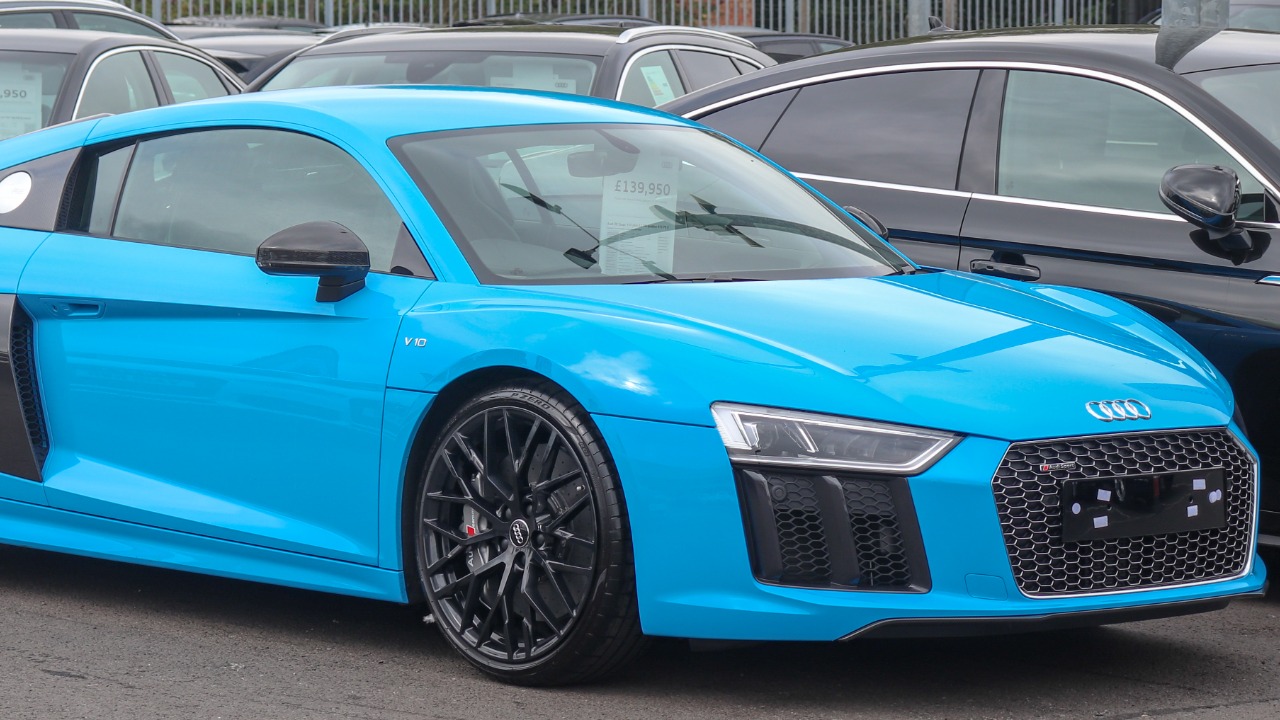
Introduced in 2006, this mid-engine two-seater announced that the brand could build a genuine exotic and not merely fast sedans. Its engine sat behind the cabin for ideal balance, yet the cabin stayed comfortable and the controls stayed approachable. Sharing much of its structure with the Lamborghini Gallardo, it delivered supercar hardware wrapped in a package usable every single day.
Its contribution was proving that exotic performance need not be temperamental or intimidating. All-wheel-drive versions made huge speed feel secure, letting owners enjoy the car in weather that grounded rivals. That blend of drama and dependability redefined what buyers could expect from a mid-engine machine.
10. BMW 507: The Beautiful Roadster That Nearly Sank Its Maker
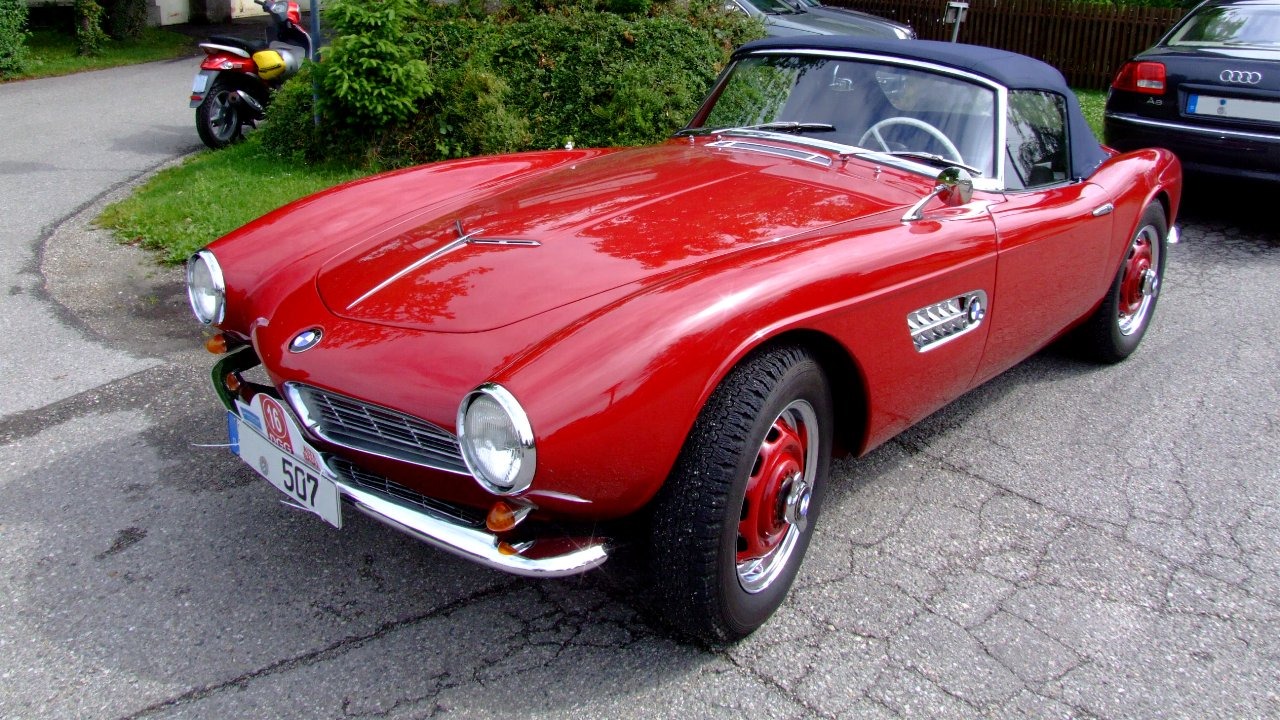
Built in tiny numbers during the late 1950s, this hand-formed roadster is widely regarded as one of the most beautiful cars the company ever produced. A light aluminum body clothed a compact V8, giving it genuine performance to match its sculpted looks. Fewer than three hundred aluminum-bodied roadsters were completed, and the huge cost of building them helped push the firm toward crisis.
Its place here rests on influence far larger than its production run. The car’s proportions and detailing echoed through later designs for decades, shaping how the brand approached elegance. Survivors now rank among the most coveted and valuable collector machines to wear the badge.
More from Morning Overview
- The FTC is warning about a scam quietly draining thousands from victims
- The NSA is again telling phone owners to switch off one location setting
- A handful of car transmissions are so tough mechanics say they almost never fail
- A handful of SUVs keep hitting 300,000 miles, and they share one engine trait
