
Four-cylinder engines once carried a reputation for being buzzy and disposable, but a handful of them have quietly earned the opposite name. Built around conservative engineering, proven components, and unglamorous maintenance schedules, these fours routinely shrug off high odometer readings that would sideline flashier powerplants. Here are ten four-cylinder engines whose reputation for going the distance is backed by years of owner experience.
1. Toyota Camry: The 2.5-Liter Workhorse
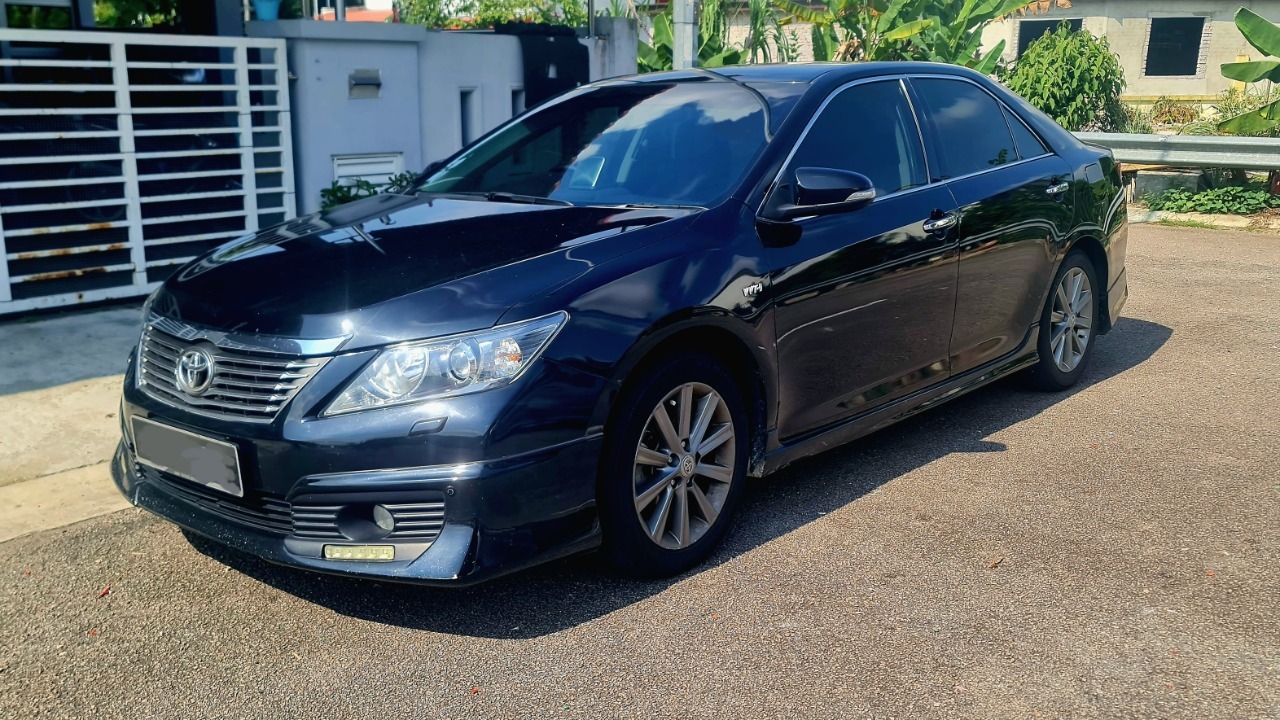
The Toyota Camry owes much of its longevity to the 2.5-liter Dynamic Force four, an engine engineered for efficiency without leaning on stressed, failure-prone hardware. It regularly appears in long-term reliability rankings, where the Camry places among the vehicles most likely to cross 200,000 miles.
For a buyer, that track record translates into predictable ownership costs and strong resale value. The sedan’s mechanical simplicity means fewer expensive surprises, and its parts remain widely available, keeping repairs affordable even well into a second decade of service.
2. Honda Civic: Bulletproof Across Generations
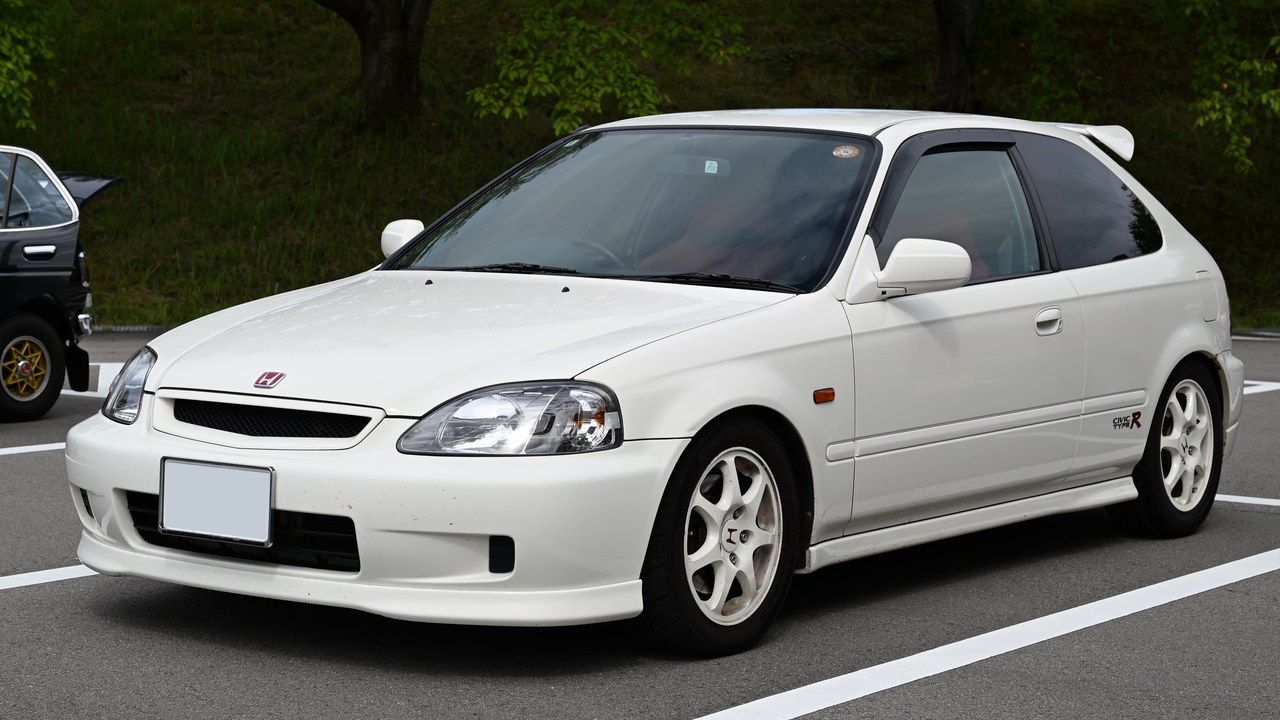
Few nameplates match the Honda Civic’s run of dependable four-cylinder engines, from the high-revving K-series to the later Earth Dreams units. Across the Civic’s long lineage, these fours built a reputation for tolerating hard use, deferred maintenance, and mile after mile of commuting without major failures.
Owners benefit from an enormous aftermarket and a deep pool of experienced independent mechanics, which keeps upkeep cheap. Timing chains rather than belts on many versions remove one recurring expense, and the engines’ modest power output leaves a comfortable margin before anything is pushed to its limit.
3. Toyota Corolla: The 200,000-Mile Standard
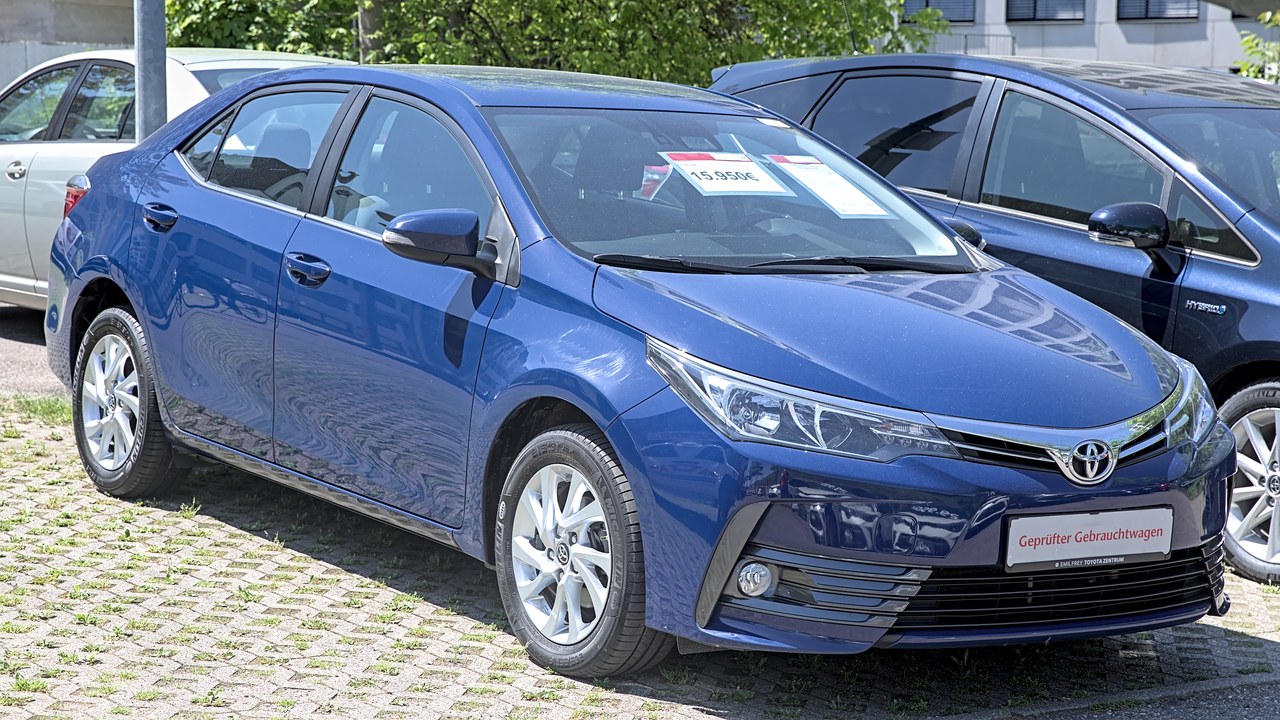
Longevity is practically the Toyota Corolla’s brand identity, and its four-cylinder engines are the reason. Generations of the compact Toyota sedan have leaned on understressed fours that routinely top 200,000 miles with little more than oil changes and the occasional coolant flush.
That reliability makes the Corolla a fixture on used-car shortlists for first-time buyers and budget-minded commuters. Because the engines were produced in enormous volume, replacement parts are cheap and plentiful, and almost any shop can service them without specialized tools or training.
4. Mazda3: SkyActiv Simplicity
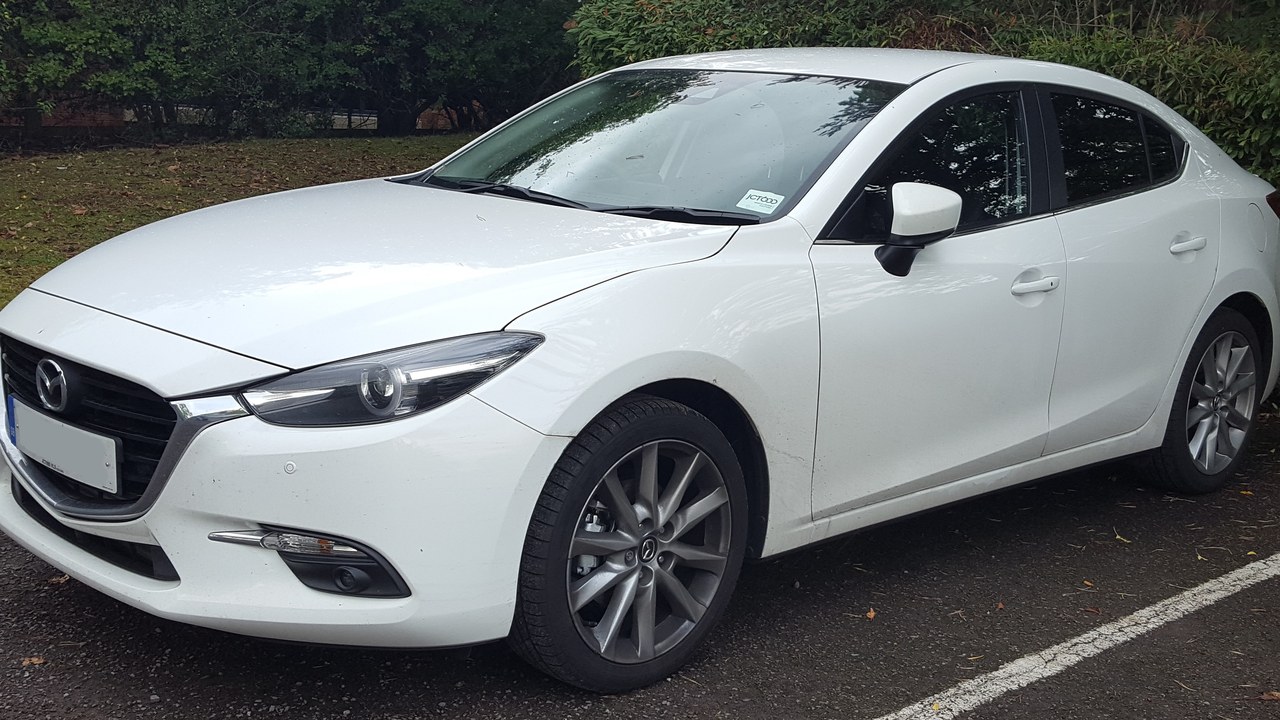
The Mazda3 earns its place through the SkyActiv-G four, a naturally aspirated engine that chases efficiency with high compression rather than a turbocharger. Reviewers of the compact Mazda hatchback consistently praise its solid reliability record and the absence of the failure modes that plague more complex forced-induction designs.
Skipping a turbo removes a common wear item and the heat stress that comes with it, which helps the engine age gracefully. For drivers, that means engaging performance paired with the kind of durability usually associated with far more conservative brands, and generally reasonable maintenance bills.
5. Honda Accord: Turbo Fours That Endure
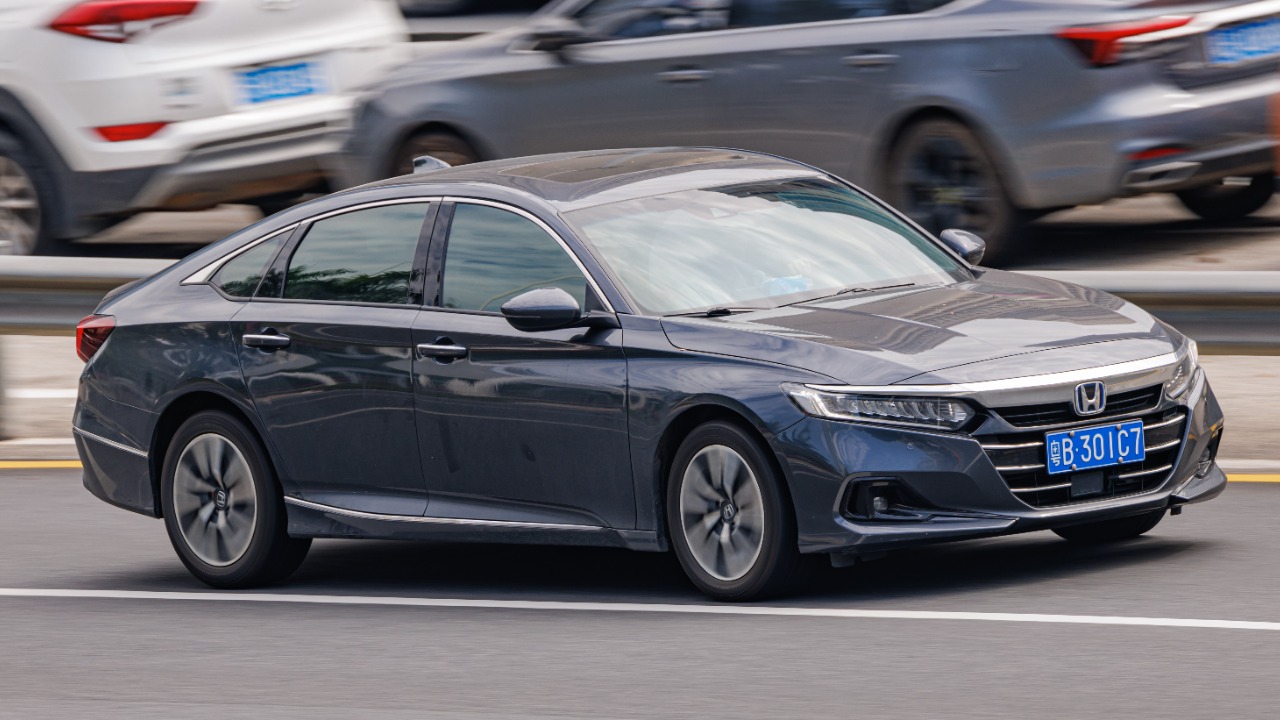
Honda’s midsize Accord has offered a series of turbocharged fours, the 2.0T and 1.5T, that have compiled strong durability records despite their added complexity. The Accord’s turbo fours deliver near-V6 muscle while retaining the fuel economy and lighter weight of a smaller-displacement engine.
The payoff for owners is brisk acceleration without the fuel bills of a six-cylinder, backed by Honda’s reputation for engineering restraint. Regular oil changes with the correct specification matter more on a turbo engine, but owners who follow the schedule report high-mileage service with few serious issues.
6. Subaru Outback: The High-Mileage Boxer
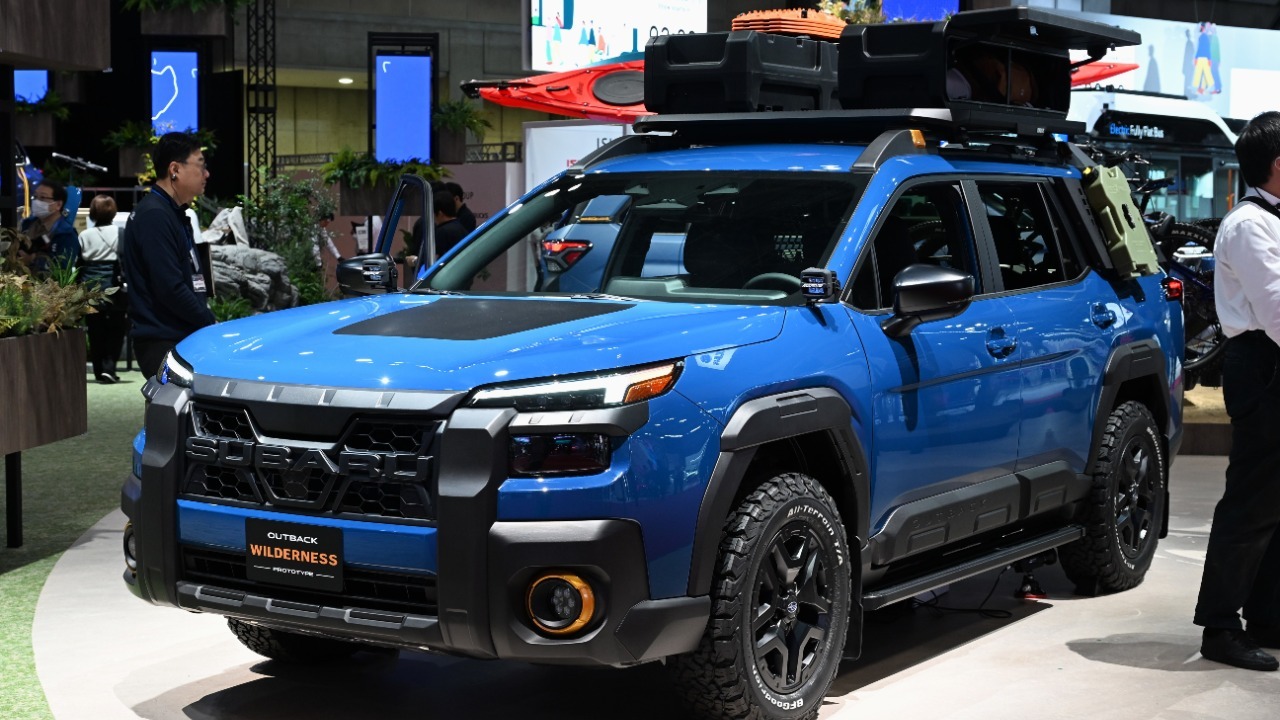
The Subaru Outback relies on a horizontally opposed boxer four, an unusual layout that lowers the center of gravity and suits the wagon’s rugged mission. Built for high-mileage duty, the all-wheel-drive Subaru wagon pairs that engine with traction that owners lean on through harsh winters and unpaved roads.
Later boxer engines addressed earlier head-gasket concerns, giving newer examples a more settled reliability reputation. For buyers who need genuine all-weather capability, the Outback’s combination of a durable four and rugged drivetrain offers a practical alternative to a heavier, thirstier SUV.
7. Toyota RAV4: The Best-Seller’s Backbone
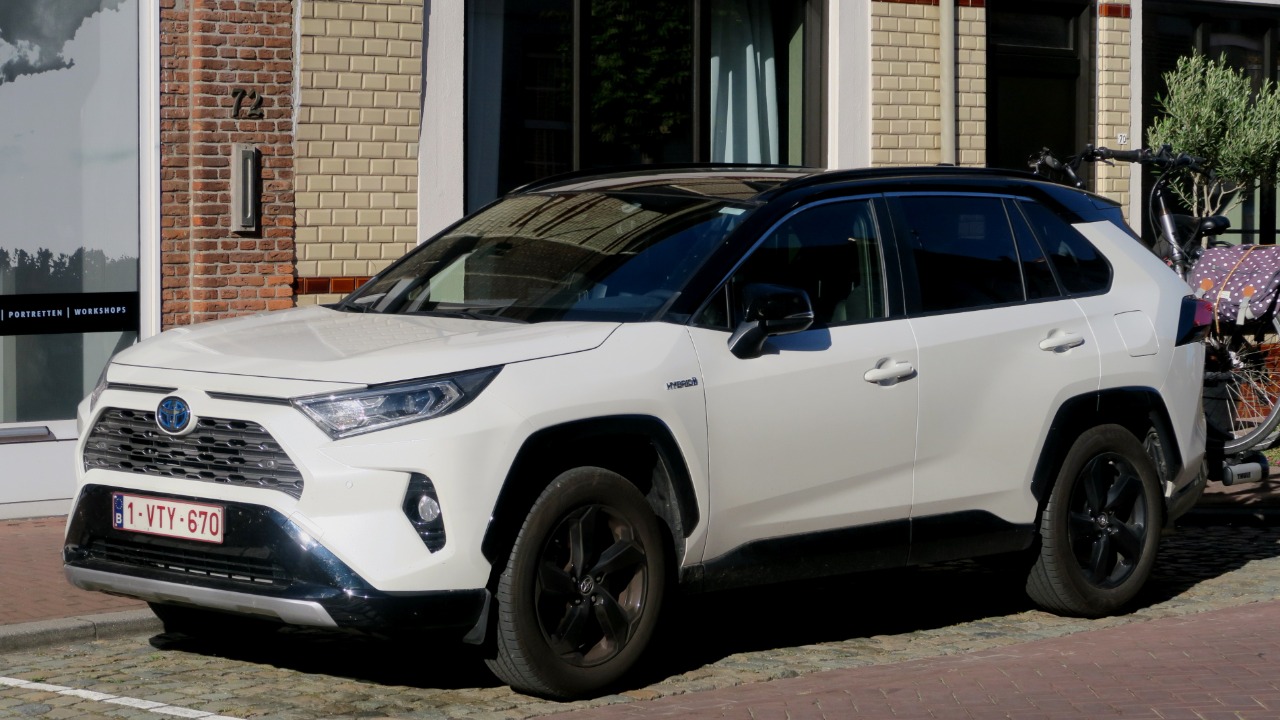
As the best-selling vehicle in its class, the Toyota RAV4 carries a reliable four-cylinder engine into millions of driveways. The four powering the popular Toyota crossover shares much of its design philosophy with the brand’s long-lived sedans, favoring proven engineering over chasing peak output figures.
That conservative approach helps the RAV4 rack up high mileage while holding its value on the used market. Owners gain the practicality of a compact SUV without sacrificing the drivetrain dependability Toyota is known for, and the sheer sales volume keeps parts and service inexpensive.
8. Honda CR-V: The Daily-Driver Turbo
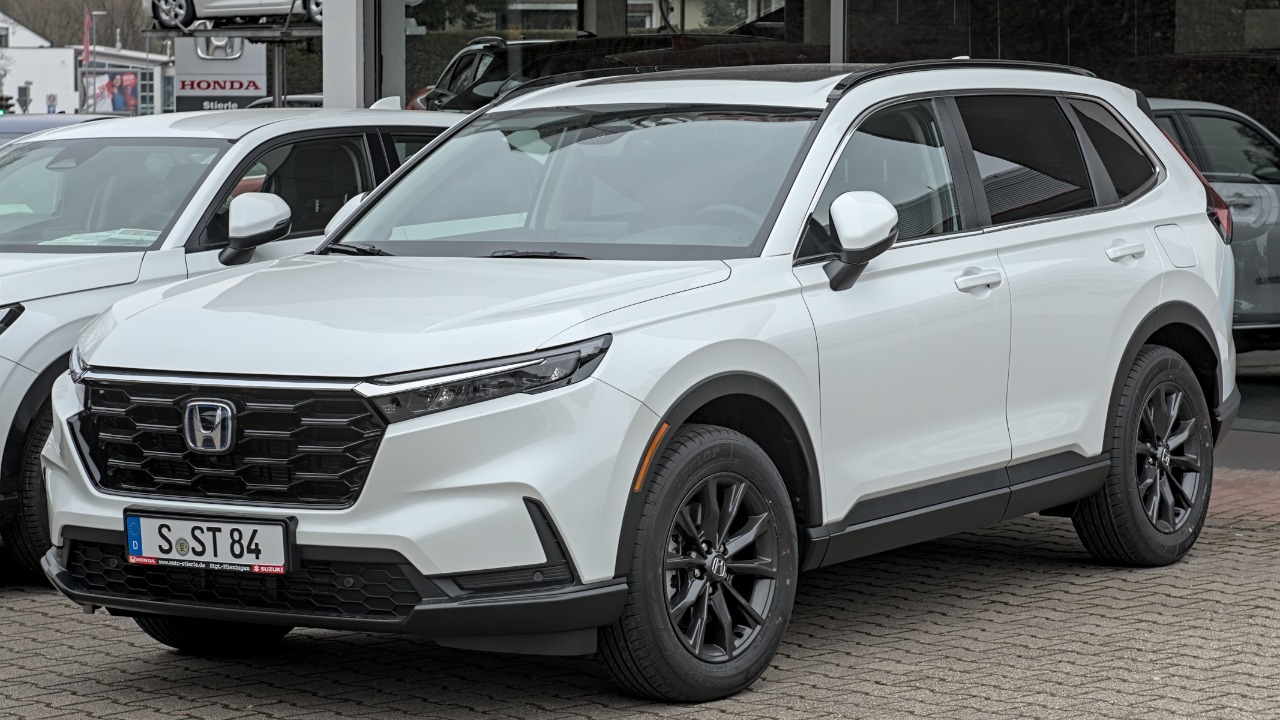
The Honda CR-V uses a turbocharged four that has proven itself durable under the daily grind of family driving. Buyers of the compact Honda SUV report engines that hold up well across years of school runs, commutes, and road trips, echoing the reliability of Honda’s car engines.
Early versions of the 1.5-liter turbo drew some complaints about oil dilution in cold climates, but revised software and hardware largely resolved the issue. For most owners, the result is a fuel-efficient crossover with an engine that asks for little beyond routine maintenance.
9. Nissan Frontier: Old-School Truck Toughness
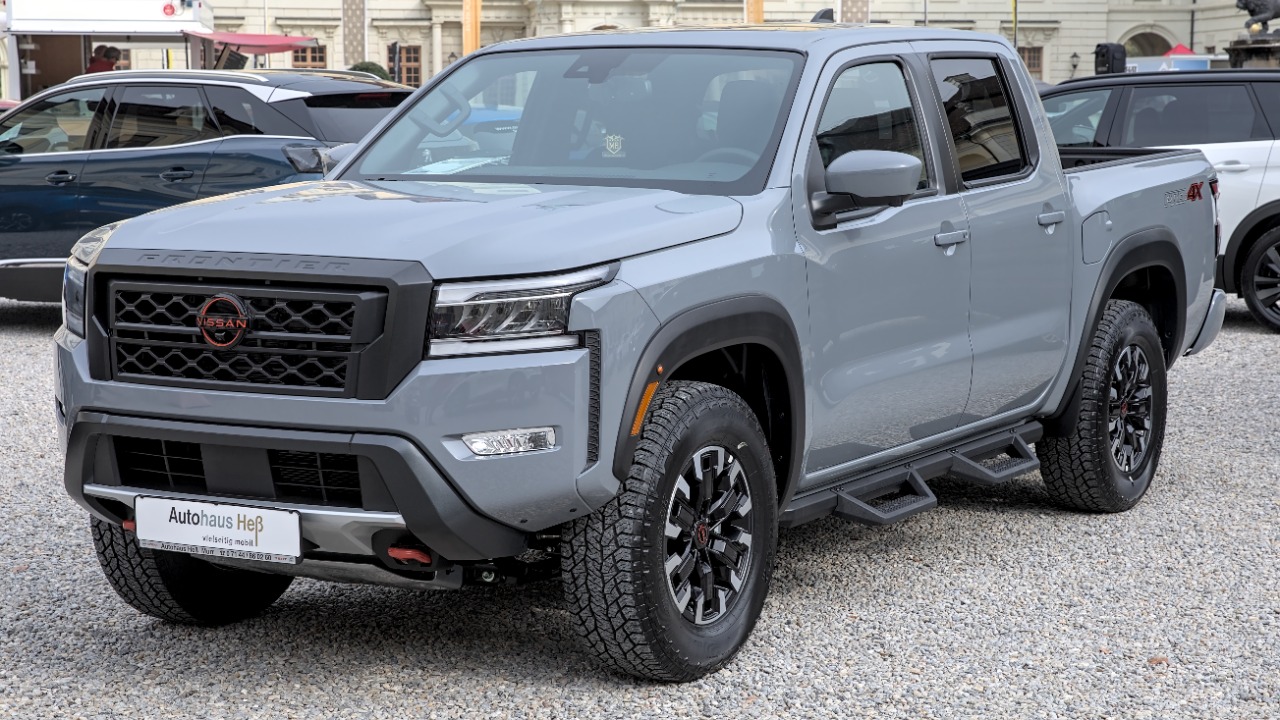
Older Nissan Frontier pickups earned their reputation with simple, tough four-cylinder engines built before complexity crept into the segment. The four in the earlier midsize Nissan truck favored durability over refinement, giving work-truck buyers a powertrain that tolerated heavy loads and neglect alike.
That mechanical straightforwardness makes these trucks appealing to owners who value ease of repair over the latest features. Fewer electronic systems and a stout basic design mean less to go wrong, and a well-maintained Frontier four can serve for many years of demanding use.
10. Hyundai Elantra: A Long Warranty Behind It
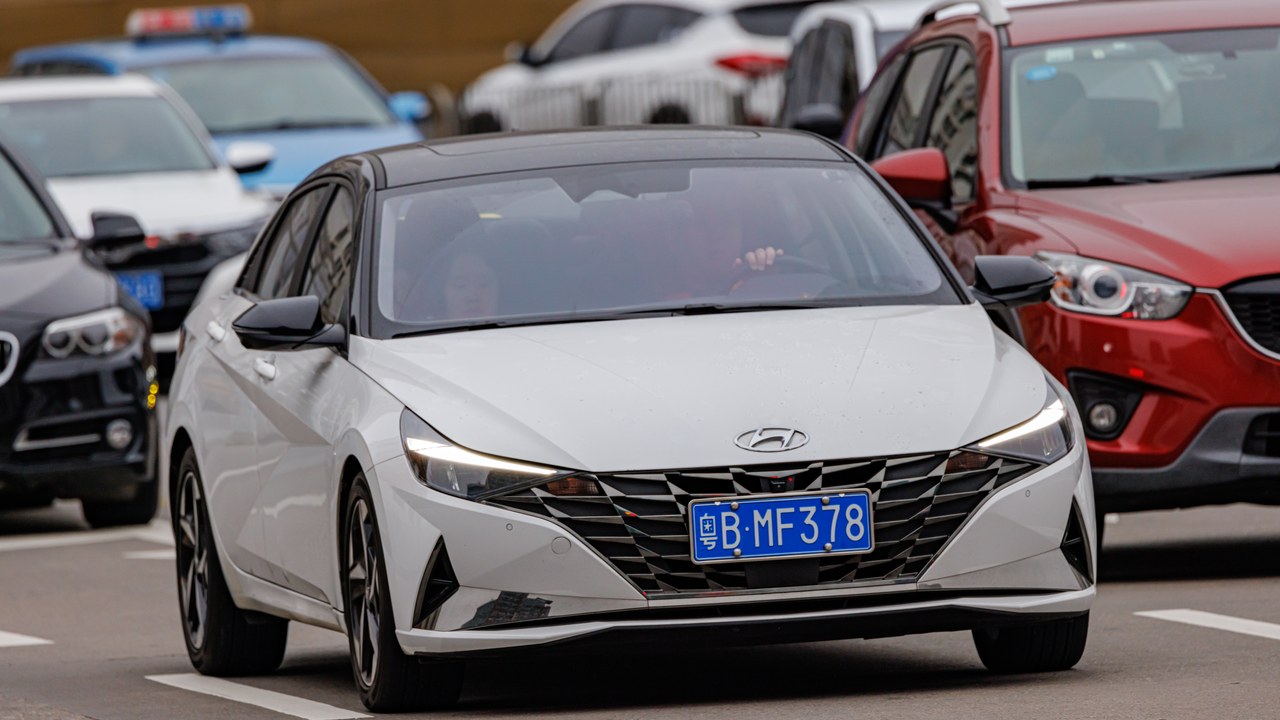
The Hyundai Elantra rounds out the list with its Smartstream four, a modern engine paired with one of the industry’s longer powertrain warranties. Backed by that coverage, the compact Hyundai sedan gives budget-conscious buyers a low-cost commuter with a growing reputation for going the distance.
Hyundai’s 10-year, 100,000-mile powertrain warranty signals real confidence in the engine’s longevity and cushions owners against major mechanical risk. Combined with strong fuel economy and a low purchase price, the Elantra offers dependable transportation that competes directly with longer-established Japanese rivals.
More from Morning Overview
- Long-term use of common heartburn pills is tied to kidney and dementia risk
- A California supervolcano has bulged upward about two and a half feet since 1978
- The FTC is warning about a scam quietly draining thousands from victims
- The NSA is again telling phone owners to switch off one location setting
