
Some race cars do not just win, they rewrite what a fast lap looks like and force every rival to copy them. These ten Formula One machines each defined their moment, sweeping championships and reshaping the sport’s engineering. Together they trace the arc of grand prix design from the silver 1950s to the hybrid modern age.
1. Lotus 72: The Wedge That Rewrote The Rulebook
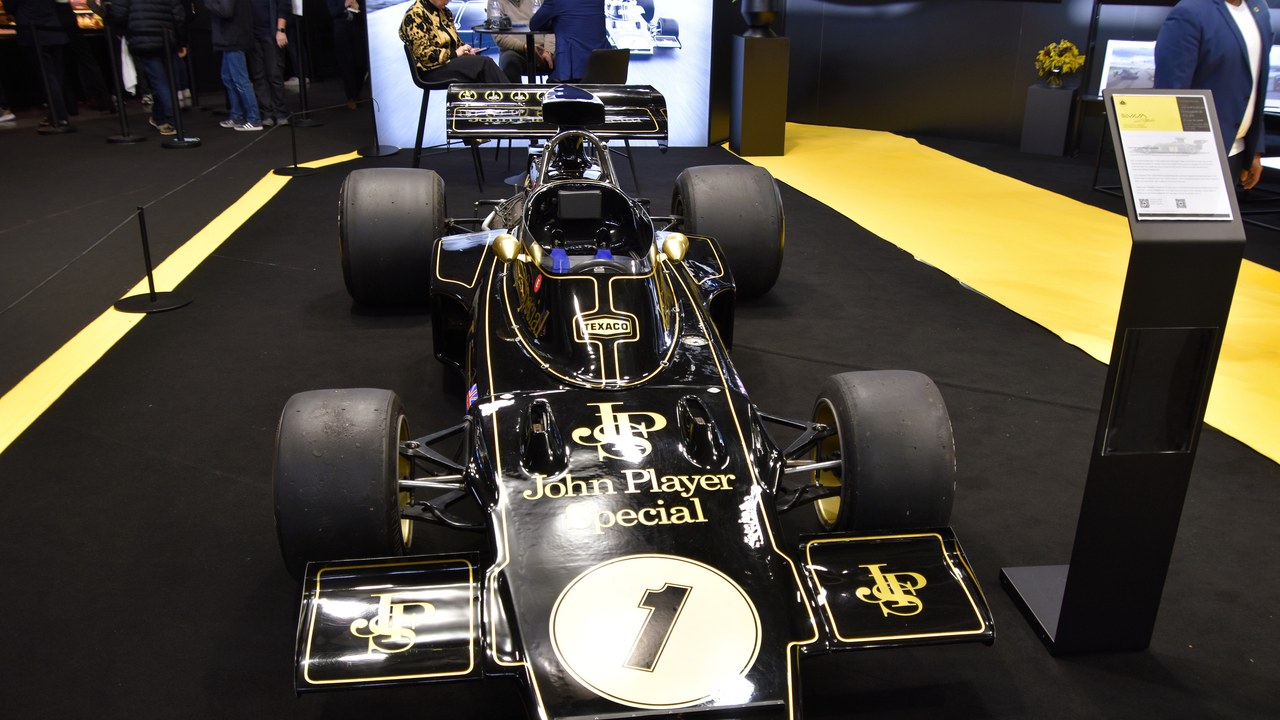
Colin Chapman’s team introduced a radical wedge-shaped chassis with side-mounted radiators and inboard brakes, and the resulting Lotus 72 carried Jochen Rindt to the 1970 title and Emerson Fittipaldi to another in 1972.
Its influence outlasted its results. The car ran competitively for several seasons, an unusually long life for an era of rapid change, and its aerodynamic layout became the template that rivals scrambled to imitate. By moving cooling and mass toward the center, Chapman proved that shaping airflow could matter as much as raw engine power, a lesson that still defines how designers think about balance today.
2. McLaren MP4/4: Fifteen Wins From Sixteen Races
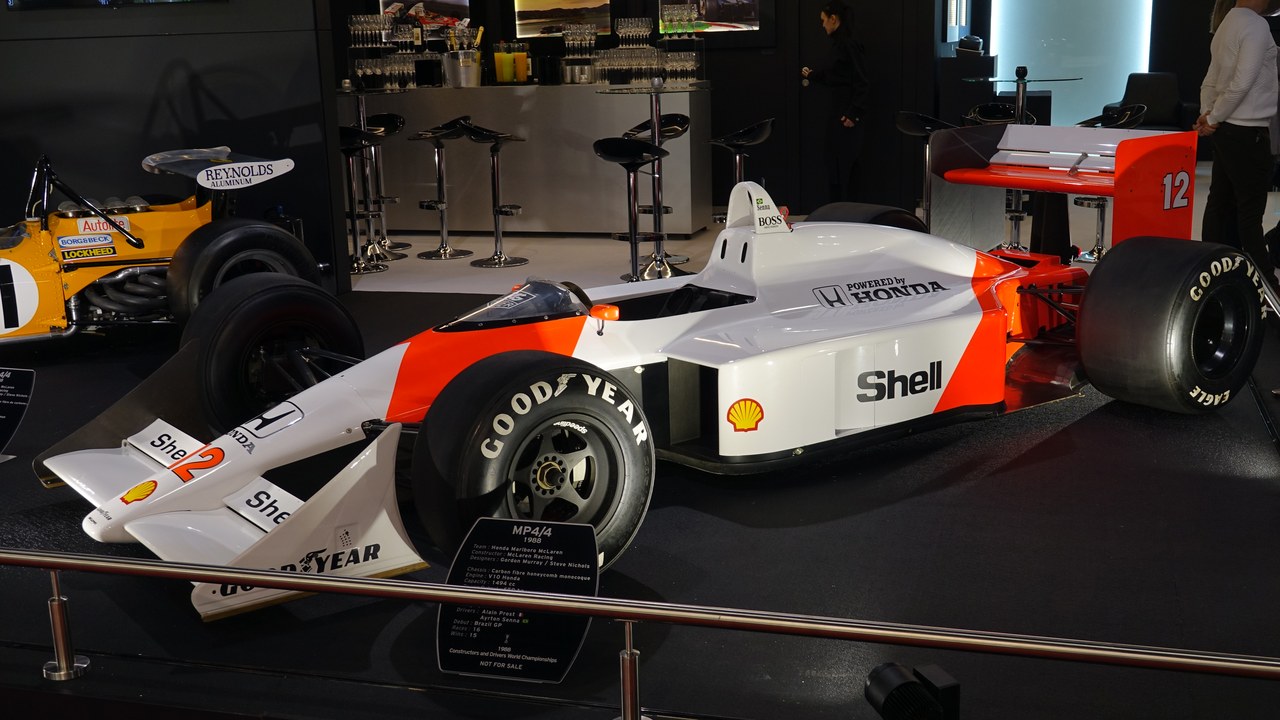
Pairing Ayrton Senna and Alain Prost with a turbocharged Honda engine, the McLaren MP4/4 won fifteen of the sixteen races in 1988, one of the most lopsided seasons the sport has ever seen.
The two drivers fought each other far harder than they fought anyone else, and Senna took the drivers’ crown while McLaren buried the field in the constructors’ standings. Its low, sleek profile and relentless reliability made it the benchmark against which later dominant cars are still measured. For many fans the season remains the purest example of a machine so good the only real drama was internal.
3. Williams FW14: Electronics That Left Rivals Behind
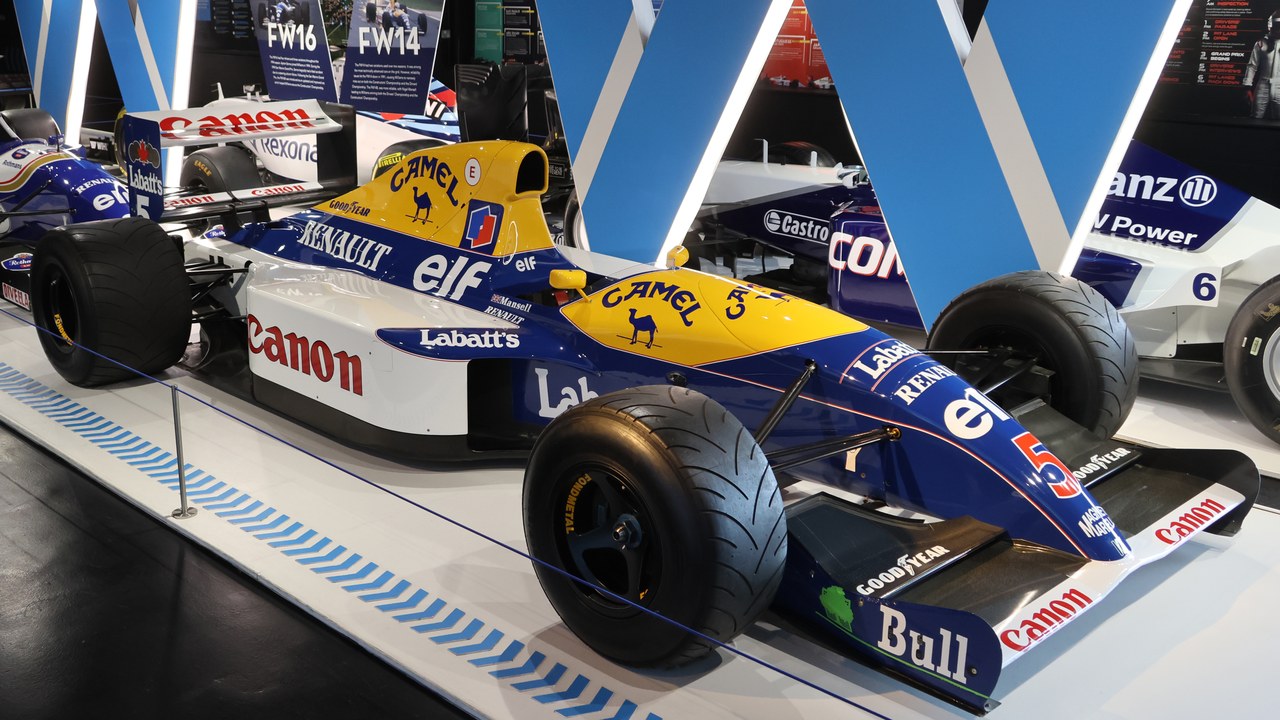
Designed under Adrian Newey, the Williams FW14 bristled with active suspension, a semi-automatic gearbox and traction control, and in its evolved B specification it powered Nigel Mansell to a runaway 1992 championship.
The car showed how software and hydraulics could squeeze lap time from a chassis in ways rivals could not quickly answer. Its computer-controlled suspension kept the aerodynamics working through every corner, giving Mansell a cushion that turned races into processions. The technology proved so decisive that governing bodies later banned much of it, an unusual tribute to just how far ahead the design had pushed.
4. Ferrari F2004: The Peak Of A Red Dynasty
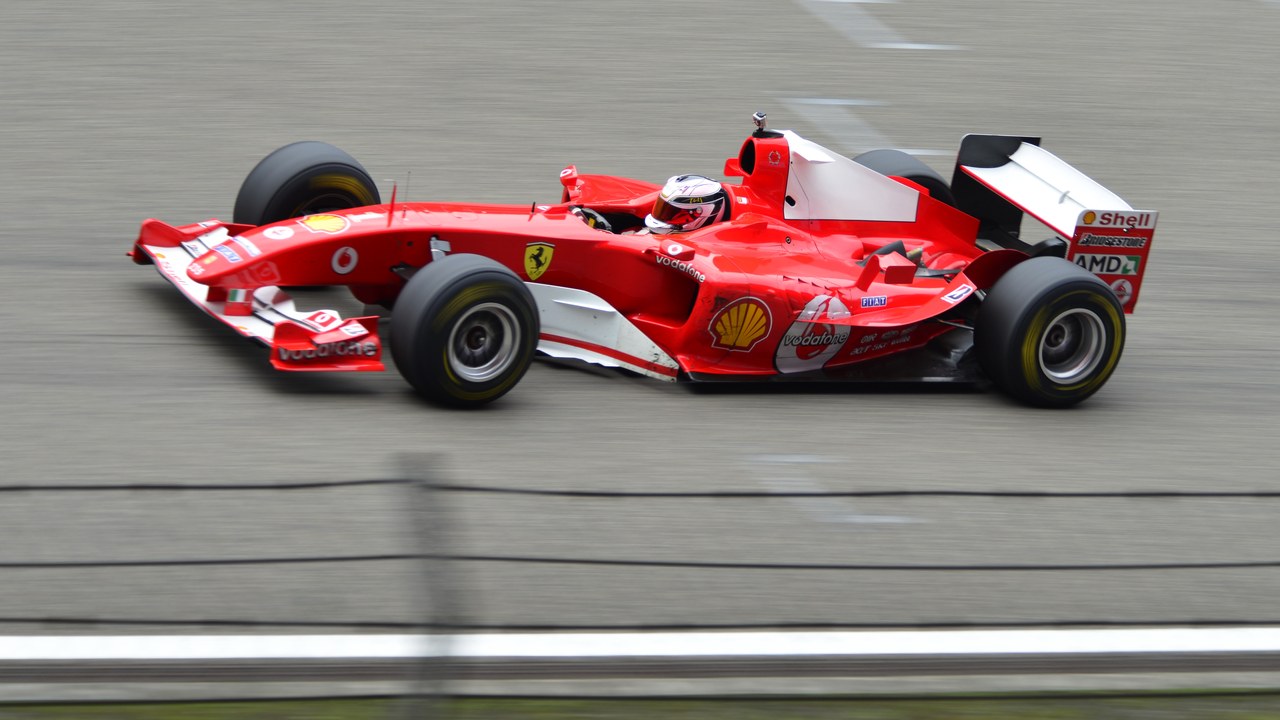
The Ferrari F2004 carried Michael Schumacher to thirteen wins across the 2004 season, sealing both the drivers’ and constructors’ titles and capping a run of dominance that had begun years earlier.
It set lap records at several circuits that stood for a remarkably long time, a measure of how complete the package was. Precise handling, a punchy engine and a team operating at the height of its powers combined into a car with almost no weakness. For a generation of fans it represents the ceiling of the early-2000s Ferrari machine, the moment when the Scuderia’s long project reached its polished summit.
5. Mercedes-Benz W196: The Silver Arrow Of The Fifties
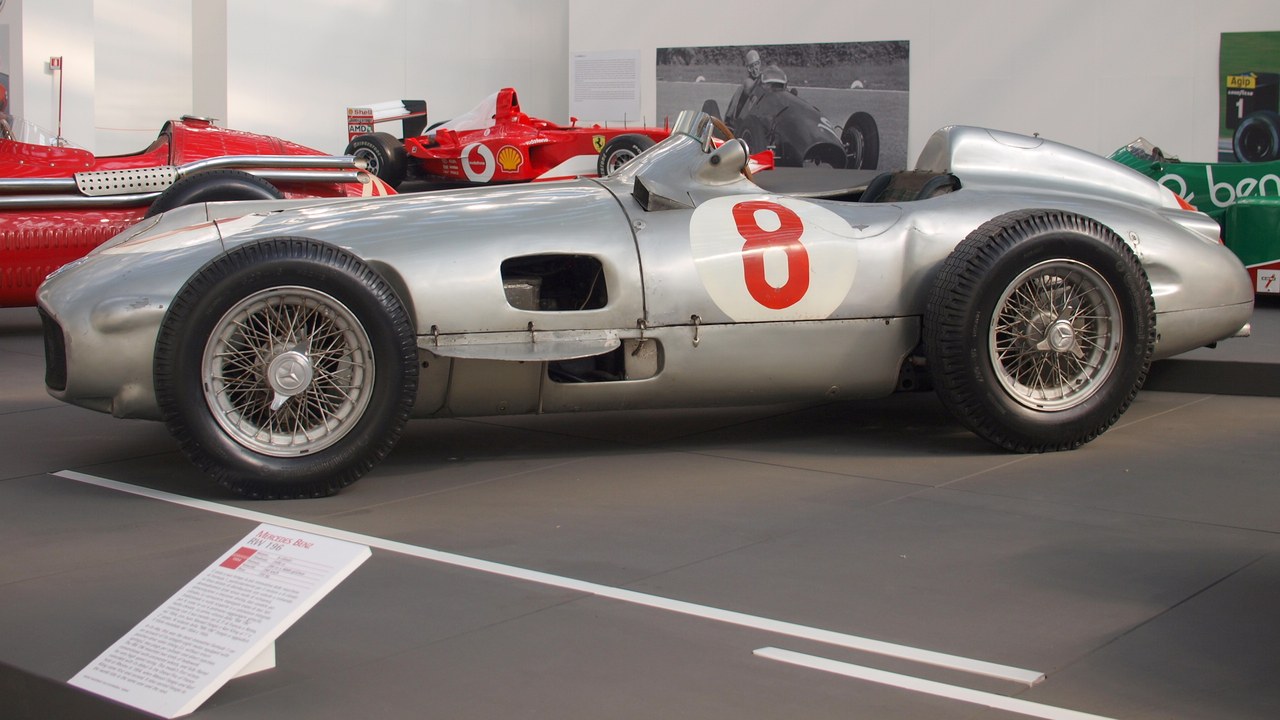
Returning to grand prix racing after the war, Mercedes built the Mercedes-Benz W196, which carried Juan Manuel Fangio to championships in both 1954 and 1955.
It offered a striking streamlined body for fast circuits and an open-wheel form for tighter tracks, an early example of tailoring a car to each venue. Advanced fuel injection and desmodromic valves gave it engineering sophistication far ahead of its time. Withdrawal after 1955 only added to its legend, leaving a short but near-perfect record that made the silver machine one of the most admired designs of the decade.
6. Red Bull RB9: Nine Straight Wins To Close The Year
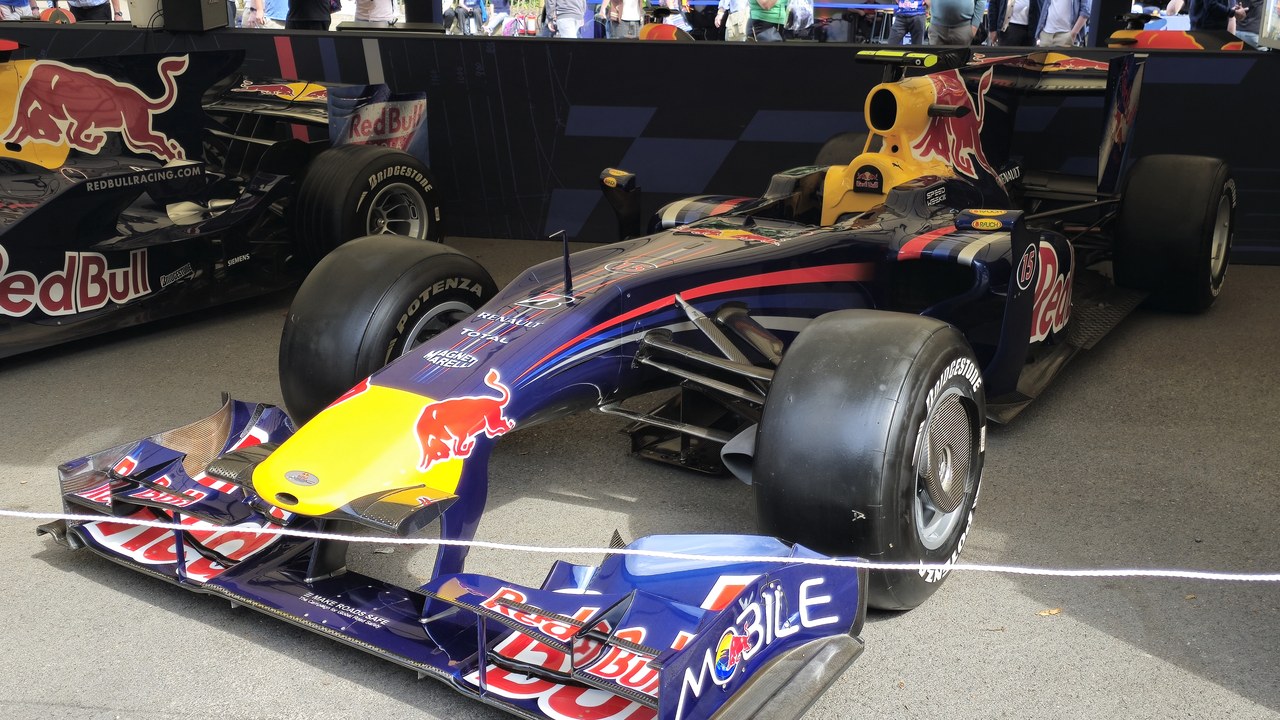
The Red Bull RB9 delivered Sebastian Vettel his fourth consecutive title in 2013, closing the season with a stunning streak of nine straight victories.
Another Adrian Newey creation, it married clever exhaust-blown aerodynamics to superb reliability, and by the final races nobody could live with its pace. The run capped Red Bull’s four-year grip on the sport before a sweeping rules change reset the field. For fans the car marks the end of an era, the last statement of a dominant partnership between a brilliant designer and a driver at the very top of his form.
7. Lotus 79: Ground Effect Sucked It To The Track
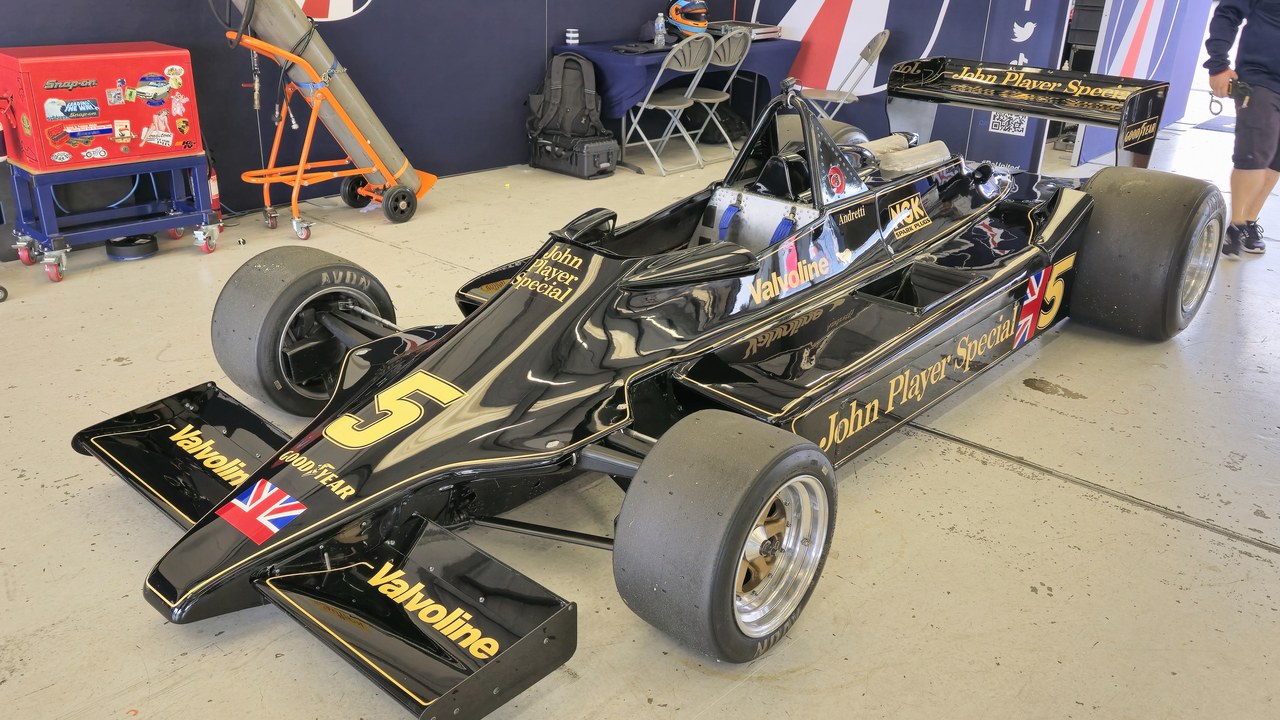
Nicknamed Black Beauty, the Lotus 79 perfected ground-effect aerodynamics and carried Mario Andretti to the 1978 drivers’ championship.
Shaped underbody tunnels generated suction that pinned the car to the road, letting it corner at speeds rivals could not touch. The concept was so effective that the entire grid rushed to copy it, reshaping design philosophy for years afterward. Though tragedy struck the team that season, the car’s technical breakthrough endured, and it is remembered as the machine that turned the underside of a Formula One car into its most important aerodynamic surface.
8. Ferrari F1-2000: The Car That Ended A Long Drought
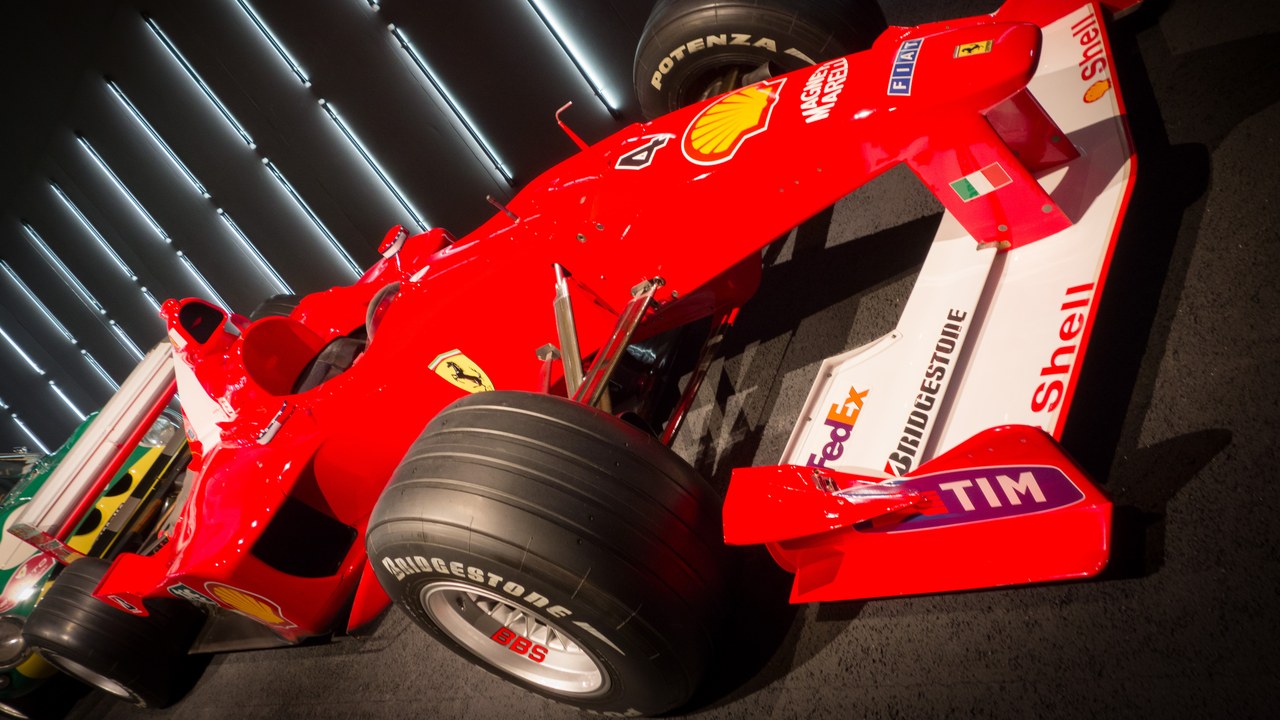
The Ferrari F1-2000 gave Michael Schumacher his first drivers’ title with the team, ending a wait for a Ferrari champion that had stretched across two decades.
Its compact V10 and refined chassis marked the point where the Schumacher-era Ferrari project finally clicked into place. The win unleashed a run of championships that would define the early 2000s, but this was the breakthrough that proved the formula worked. For the passionate fans who had waited through years of near misses, the season carried an emotional weight that few individual cars in the sport’s history can match.
9. McLaren MP4/13: Silver Returns To The Front
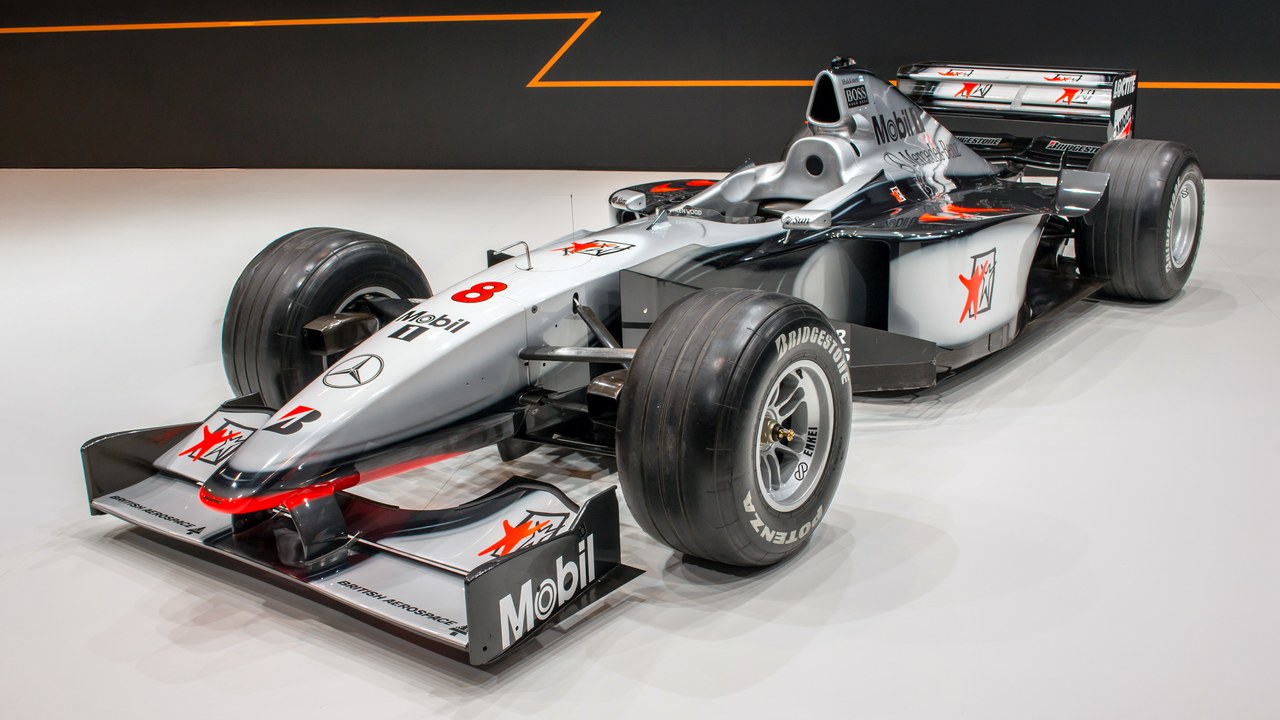
The McLaren MP4/13 carried Mika Hakkinen to the 1998 drivers’ championship and handed McLaren the constructors’ crown in the same season.
Penned under Adrian Newey and powered by Mercedes, it exploited a major regulation change with narrower grooved-tyre bodywork that put the team ahead from the opening race. Its early-season speed was so overwhelming that rivals spent months simply trying to catch up. The car re-established McLaren at the very front after a lean stretch and launched a hard-fought title fight that helped define the closing years of the 1990s.
10. Brabham BT46: The Fan Car That Was Too Good
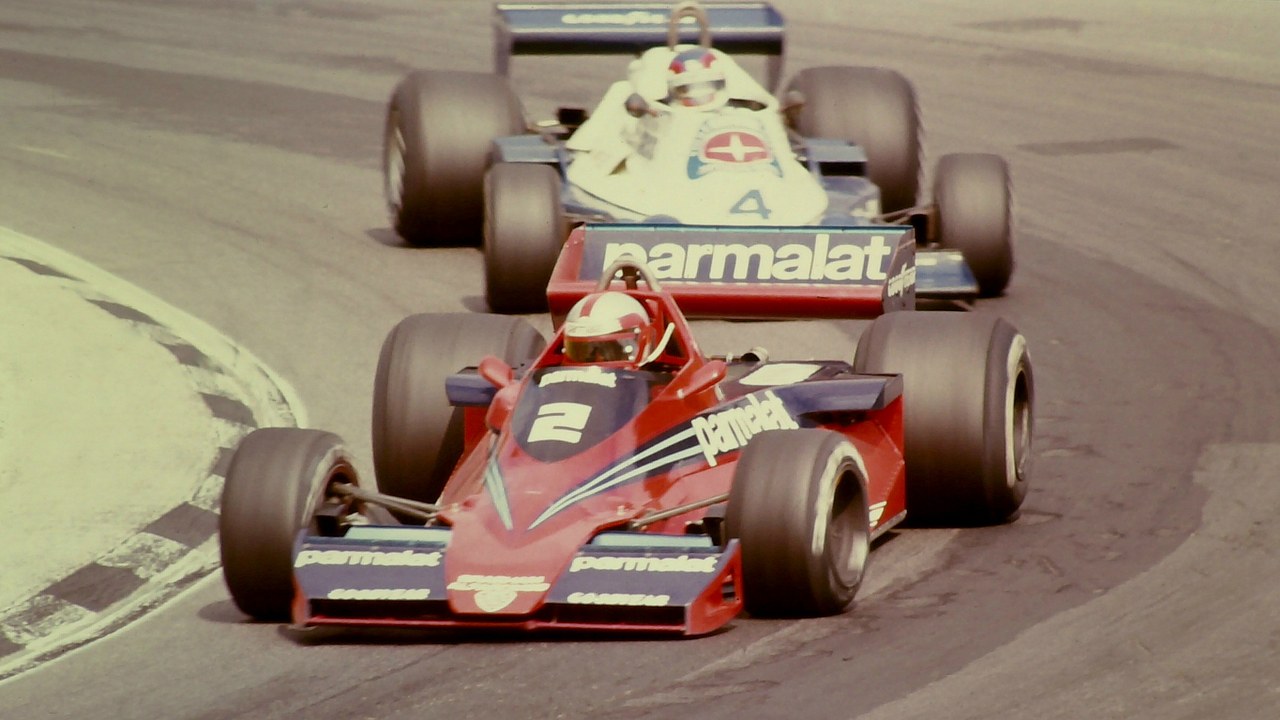
In its notorious B version the Brabham BT46 used a large rear fan to suck air from beneath the car, and Niki Lauda drove it to a commanding victory in the 1978 Swedish Grand Prix.
Designed by Gordon Murray, the fan pulled the machine down onto the road while sidestepping the ground-effect skirts rivals relied on. The performance was so startling that the car was quietly withdrawn after a single win amid protests. Its brief life made it one of the most talked-about designs in the sport’s history, a clever idea so effective that it was retired before anyone could work out how to beat it.
More from Morning Overview
