
Buying a first car for a new driver means balancing safety, cost, and reliability without overspending. The models here are chosen for practical reasons — modest power, forgiving handling, wide part availability, and strong used-market supply that keeps repair costs down. Here are ten cars that tend to check those boxes for new drivers.
1. Mazda3: Modest Power, Confident Handling
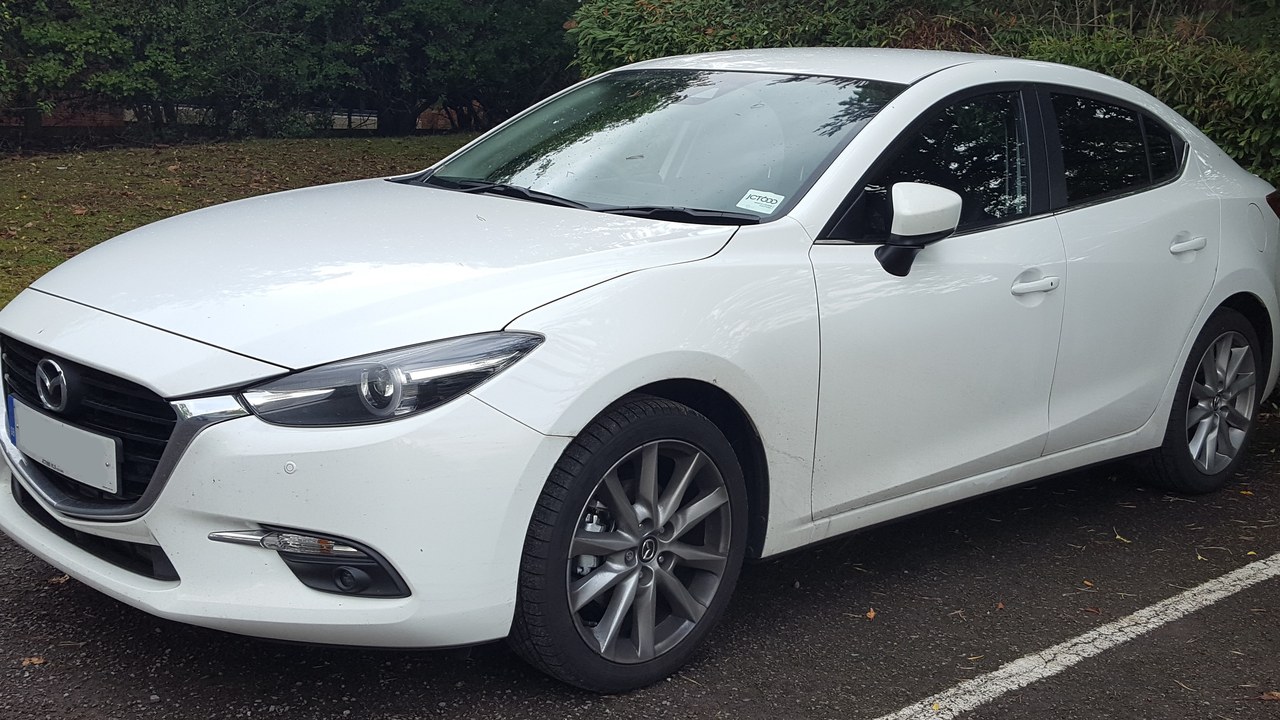
The Mazda3 pairs modest four-cylinder power with tight, predictable handling, which keeps it forgiving for a driver still learning car control. Mazda has built the Mazda3 compact car since 2003, and newer generations added driver-assist features such as automatic emergency braking as those systems spread across the compact class.
Because the Mazda3 has sold in high volumes for two decades, parts and mechanics familiar with the car are easy to find, which helps keep ownership costs down. Trim and model year matter, though, since driver-assist equipment varies across the lineup, so it’s worth confirming what safety features a used example actually has.
2. Honda Civic: Balanced, Easy-to-Insure Reliability
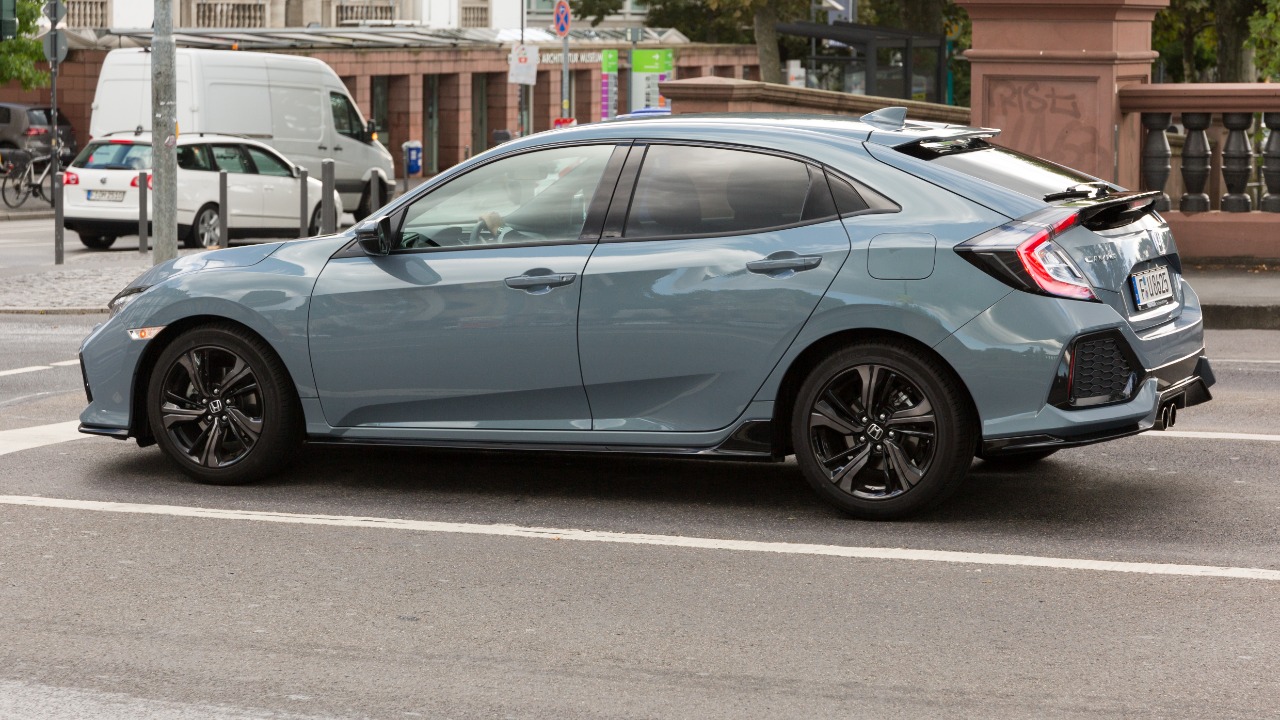
The Honda Civic has a reputation for balanced, easy-to-manage handling and modest engine outputs in its base trims, which suits a driver who is still building confidence behind the wheel. Honda has sold the Civic compact car across many generations, and later versions added standard driver aids like forward-collision warning as those features became common.
The Civic’s huge production numbers mean used examples are plentiful and repair parts stay cheap, which keeps insurance and upkeep manageable for a first-time owner. Buyers shopping used should check the exact trim and year, since Civic safety equipment differs a lot between an early base model and a later, better-equipped one.
3. Toyota Corolla: Dependability Over Speed
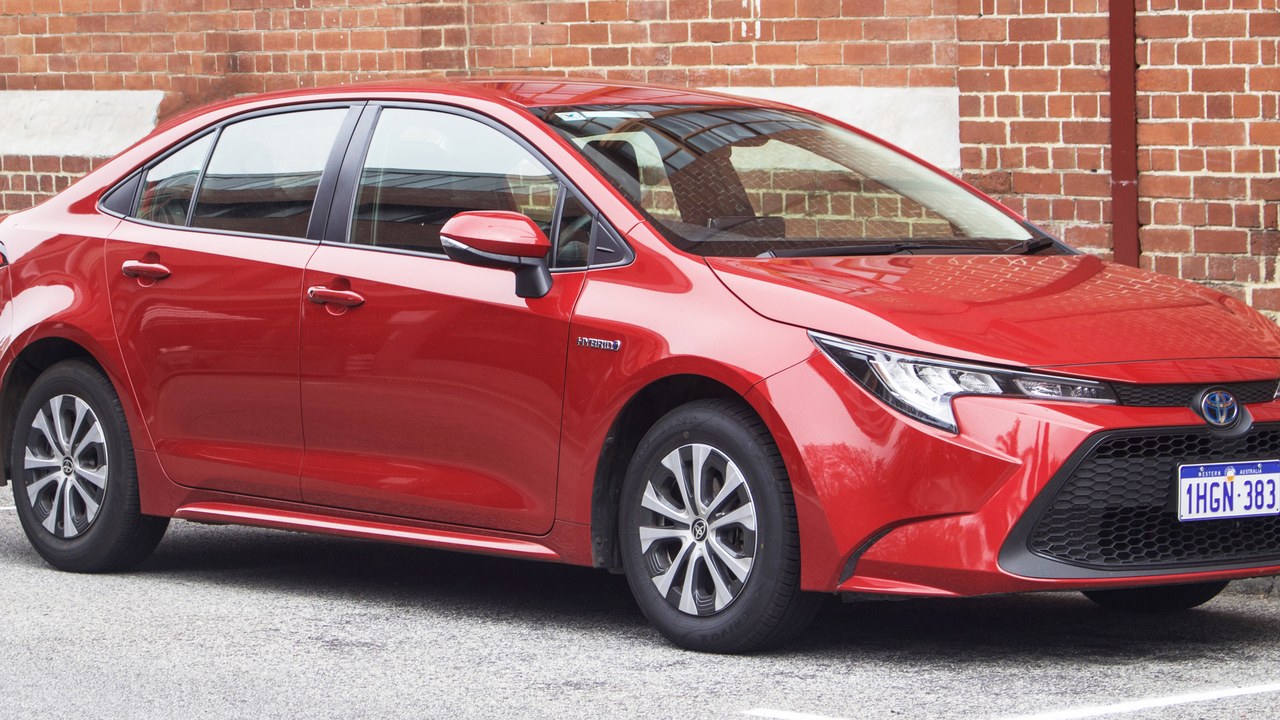
The Toyota Corolla is built around dependability rather than speed, with modest power and light, predictable steering that make it easy for a beginner to judge. Toyota has sold the Corolla compact sedan for decades, and current-generation cars include Toyota’s Safety Sense suite of driver-assist features as standard equipment.
The Corolla’s massive used-market supply keeps prices and parts costs low, which matters for a family budgeting around a new driver. Older, pre-Safety Sense Corollas lack that driver-assist package entirely, so it is worth confirming which model year and trim a used car actually comes from before assuming it has those features.
4. Subaru Impreza: Standard All-Wheel-Drive Grip
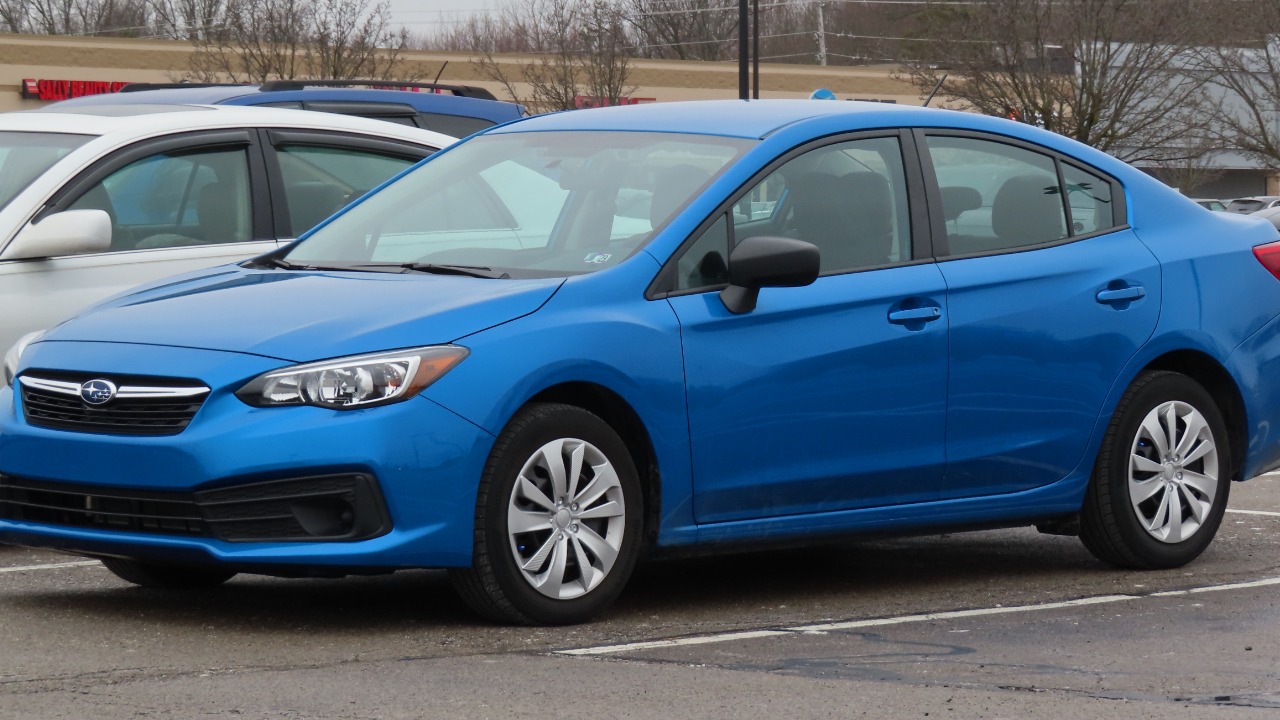
The Subaru Impreza stands out on this list because standard all-wheel drive is included on nearly every trim, which gives a new driver extra traction on wet or snowy roads without needing to buy an upgrade. Subaru has built the Impreza compact car since 1992, and current versions come with Subaru’s EyeSight driver-assist system as standard.
Because all-wheel drive adds mechanical complexity, an Impreza can cost a bit more to maintain than a front-wheel-drive rival, and it is worth having a used example’s drivetrain inspected before buying. The tradeoff is a car that handles poor weather more predictably, which is a meaningful safety margin for a driver with limited experience.
5. Hyundai Elantra: Loaded Features, Long Warranty
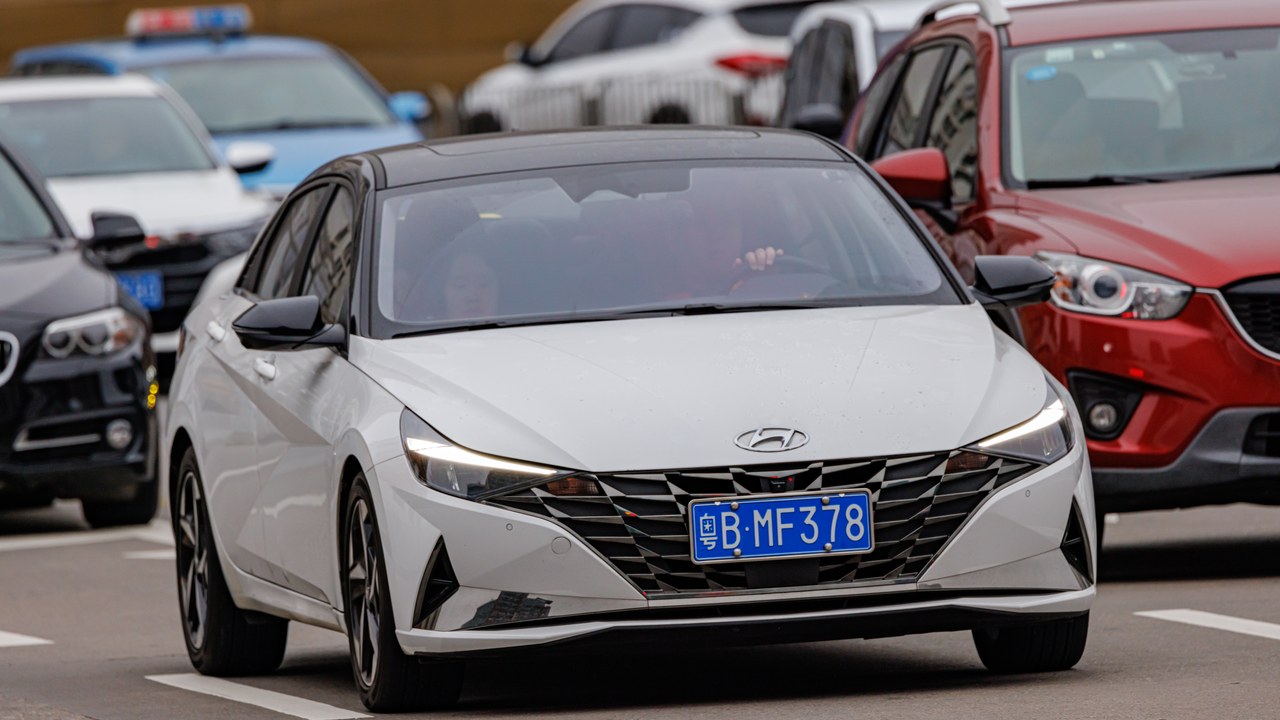
The Hyundai Elantra tends to come loaded with more standard features per dollar than many rivals, including driver-assist technology that once was reserved for pricier cars. Hyundai’s Elantra compact sedan has added forward-collision avoidance and lane-keeping assist as standard equipment on recent generations, and its running costs stay modest compared with larger sedans.
Hyundai backs the Elantra with one of the longer warranties in the class, which can ease repair worries for a first-time owner still learning to spot problems. Older Elantra generations do not carry the same driver-assist equipment, so a shopper should check exactly which safety features come with a specific used model year.
6. Kia Soul: Boxy, Easy-to-See Practicality
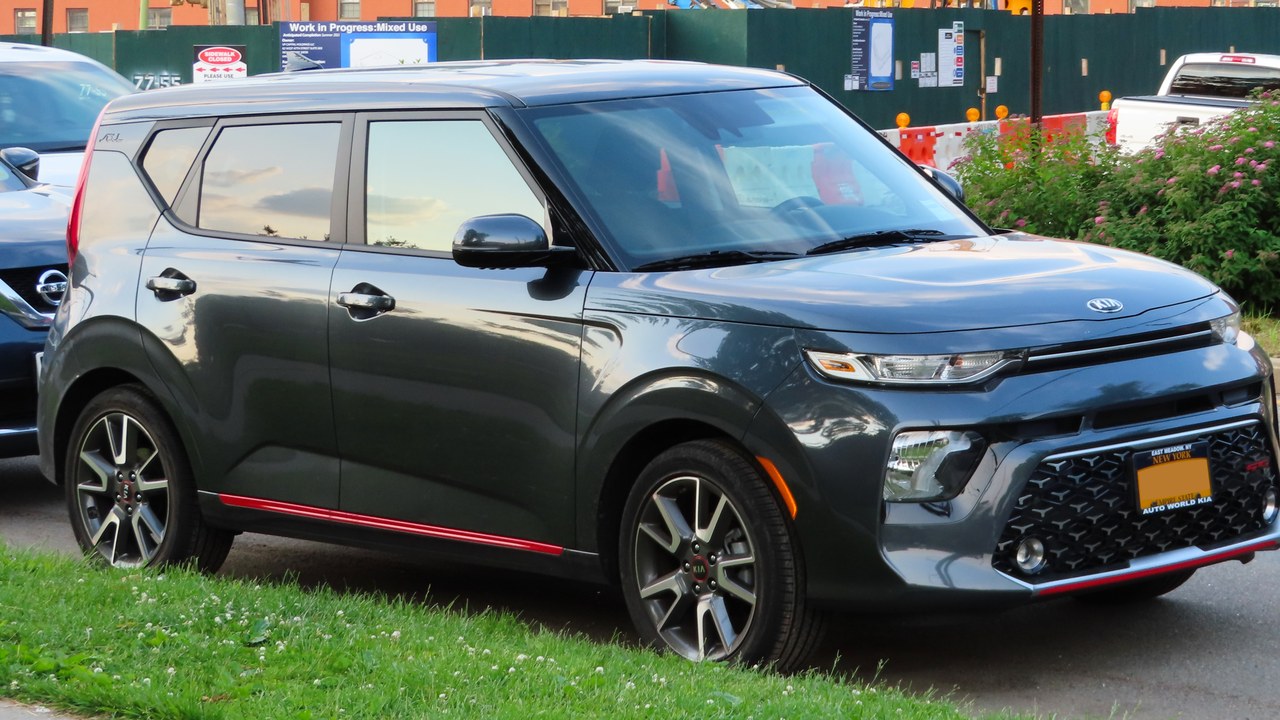
The boxy Kia Soul trades style points for genuine practicality, with a tall, upright seating position that gives a new driver a clear view of the road and nearby traffic. Kia’s Soul compact crossover pairs modest engine power with simple, boxy dimensions that make it easy to judge in tight parking spots.
Kia’s warranty coverage is among the longest offered by any mainstream brand, which can offset the worry of unexpected repairs for a family buying a first car. Because the Soul has never been a high-volume seller in every market, it is worth checking local parts and mechanic availability before committing to one.
7. Honda CR-V: A Taller View Of The Road
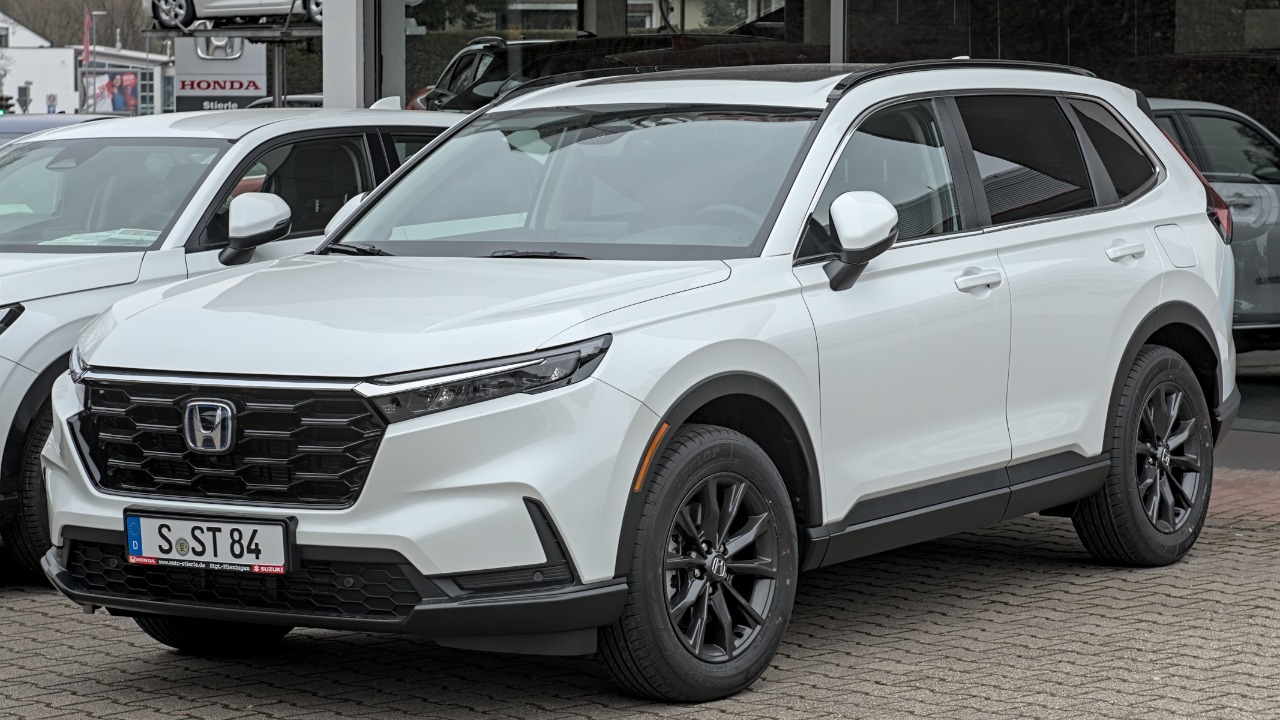
The Honda CR-V gives a taller new driver a higher seating position and better outward visibility than a sedan, without the bulk of a full-size SUV. Honda’s CR-V compact SUV has offered Honda Sensing, its suite of driver-assist features, as standard equipment on recent generations, and its engines are tuned for efficiency rather than raw power.
A compact SUV like the CR-V sits higher and weighs more than a sedan, which can mean a bit more to insure and a bit more fuel used around town. Because Honda Sensing only became standard on later model years, a shopper should confirm a used CR-V’s exact year before assuming it carries those systems.
8. Toyota RAV4: Dependability In SUV Form
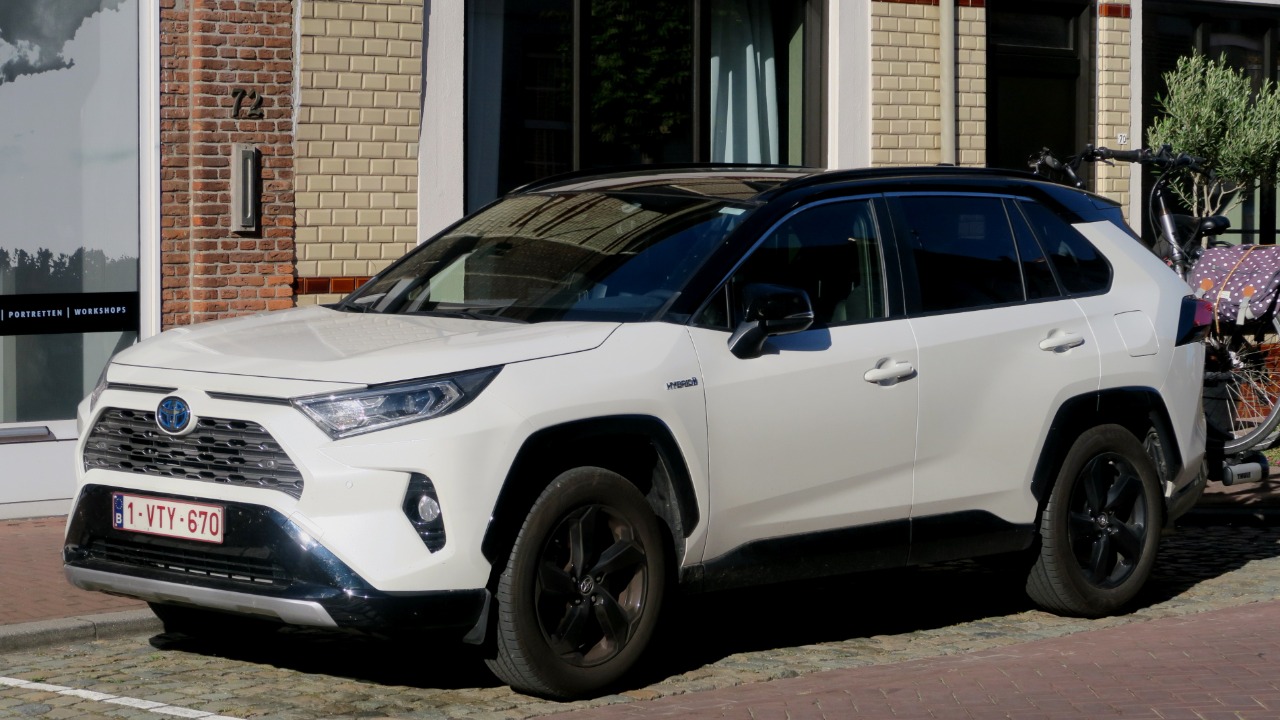
The Toyota RAV4 combines Toyota’s reputation for mechanical dependability with the higher ride height and visibility of a compact SUV, which many parents find reassuring for a first-time driver. Toyota’s RAV4 compact SUV has included Toyota Safety Sense as standard equipment on recent generations, bundling automatic emergency braking with other driver-assist features.
The RAV4’s popularity means used examples and replacement parts are widely available, which tends to keep repair bills lower than for a less common SUV. As with any compact SUV, its higher center of gravity means it drives differently from a sedan, so a new driver should get comfortable with that handling before relying on it daily.
9. Mazda CX-30: Elevated View, Tight Steering
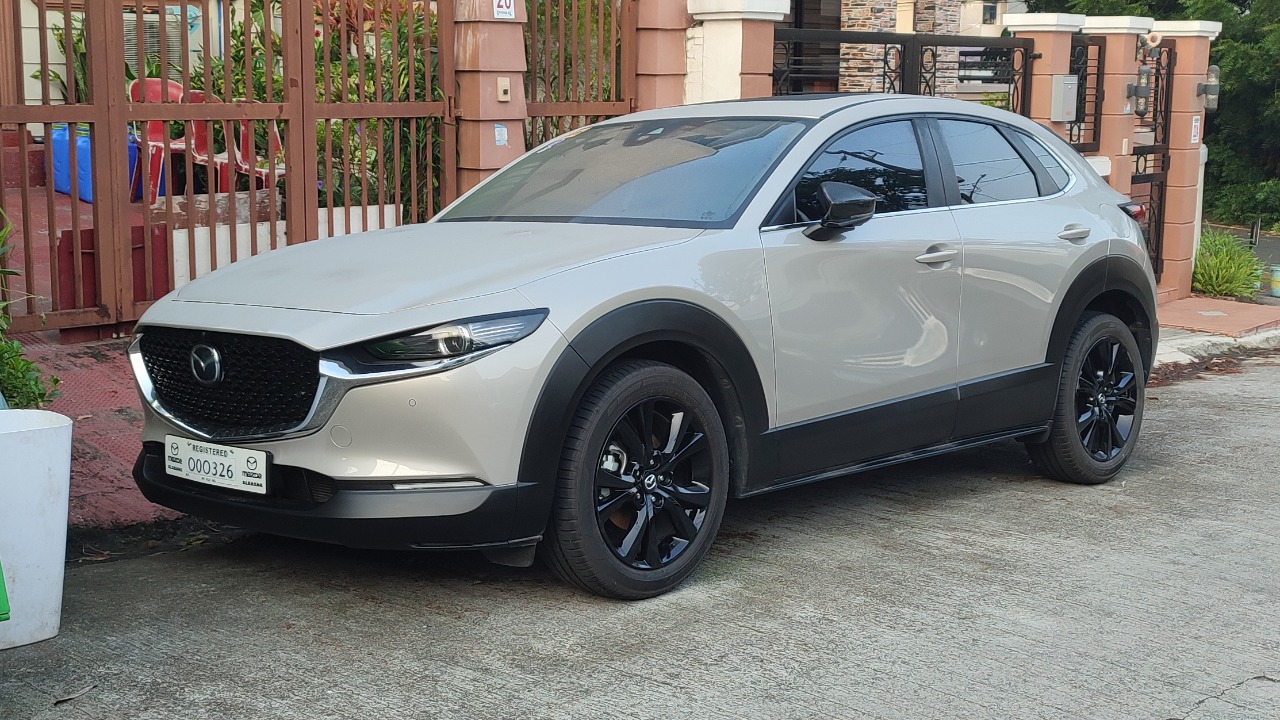
The Mazda CX-30 sits between a hatchback and a compact SUV, giving a new driver a slightly elevated view of the road along with Mazda’s typically tight, confidence-inspiring steering. Mazda’s CX-30 subcompact crossover has included automatic emergency braking and lane-departure warning as standard equipment since its introduction.
Because the CX-30 is a newer nameplate than most cars on this list, the used market is smaller and prices tend to stay firmer, which is worth weighing against its more modern standard safety equipment. Its cabin is also tighter than a full-size SUV’s, so it is worth test-driving before assuming it will fit a family’s gear.
10. Volkswagen Jetta: Room To Grow Into
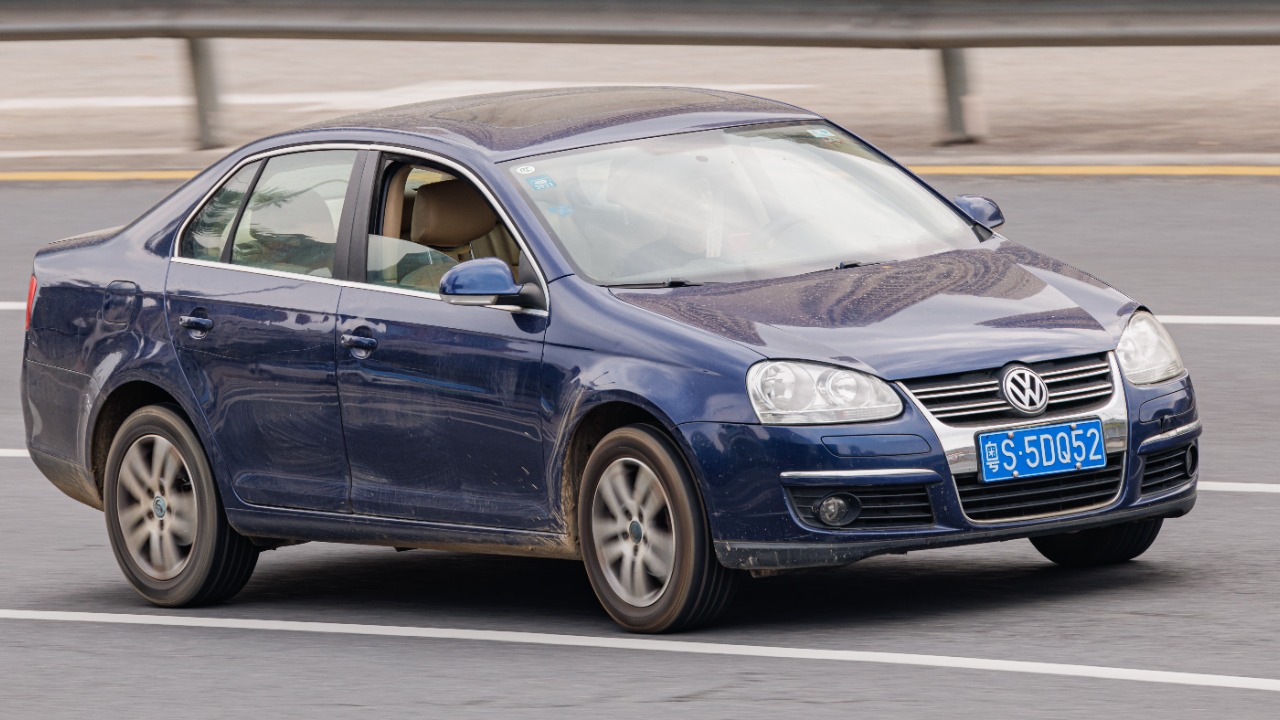
The Volkswagen Jetta offers a roomier back seat and a bigger trunk than many rivals in its class, which is useful for a new driver hauling friends or sports gear. Volkswagen’s Jetta compact sedan has been sold in the United States for decades, and newer generations added driver-assist features as they spread across the segment.
Because the Jetta has changed considerably across generations, older used examples carry far less driver-assist equipment than the newest ones, so it is worth confirming exactly what a specific model year includes before buying. Volkswagen parts and labor can also run a bit pricier than for a mainstream Japanese or Korean rival, which is worth budgeting for.
More from Morning Overview
