
Electric vehicles have drawn their share of federal scrutiny, owner complaints and reliability dings alongside the praise. The problems range from braking behavior and door handles to battery replacements and 12-volt battery failures that affect everyday ownership. Here are ten electric models that regulators, researchers or owners have flagged.
Save more, waste less: The Cool Down’s newsletter sends smart, simple changes that help you and the planet in your everyday life.
We may earn a commission if you sign up.
1. Tesla Model 3: Brakes for No Reason
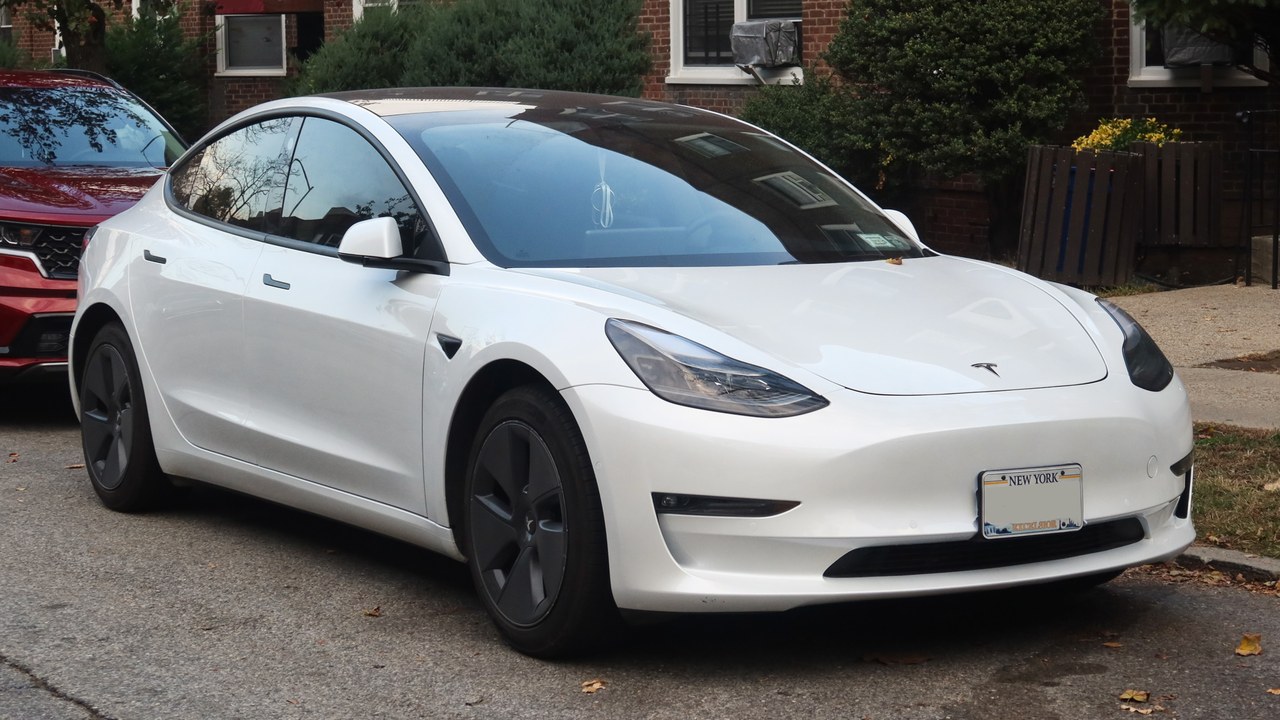
NHTSA probed an estimated 416,000 2021-2022 Model 3s and Model Ys after more than 750 owners said their cars stopped for no apparent reason, as reported by Manufacturing.net on the probe. The complaints involve sudden braking with nothing in the road.
Owners who notice unexpected braking can report it to NHTSA, which uses such complaints to guide investigations. Checking a vehicle’s recall and investigation status by VIN before buying is a simple precaution. Dashcam footage or notes about the date and conditions can make a complaint more useful.
2. Tesla Model Y: Door Handle Worries
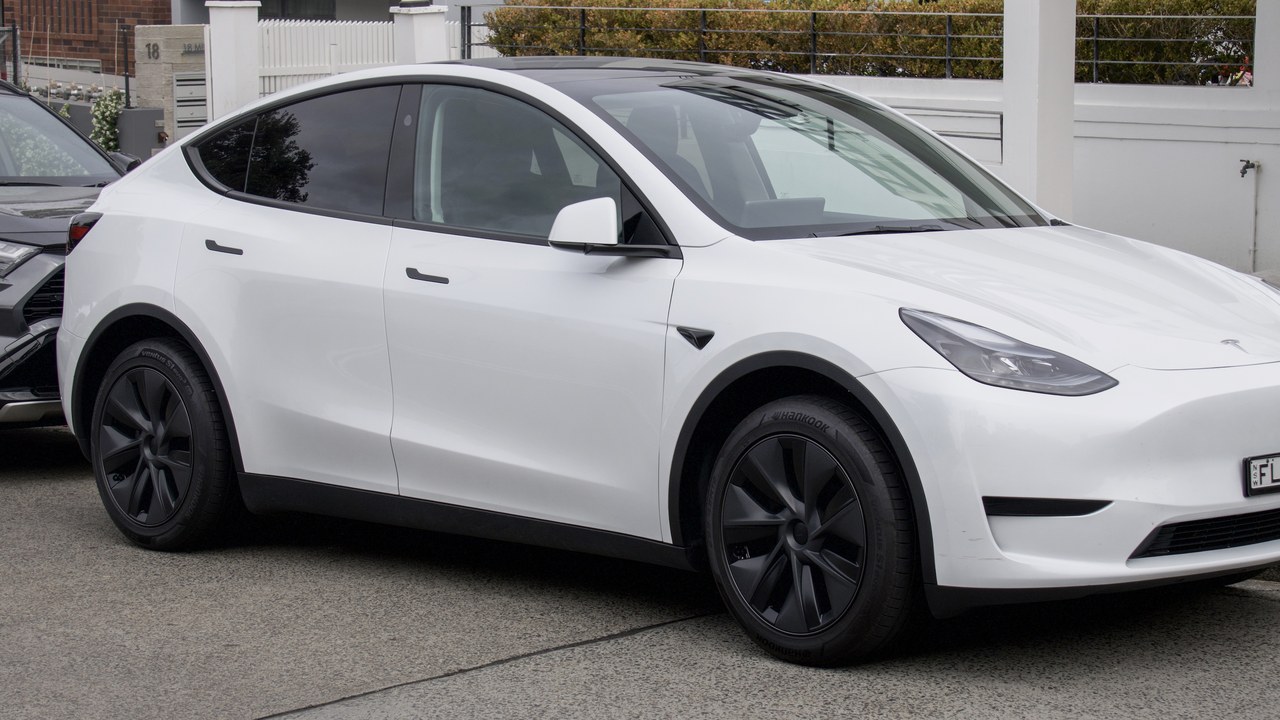
NHTSA deepened its probe of 2021 Model Y flush door handles that may prevent escape during power loss, citing at least 16 reports of inoperative handles tied to low battery voltage, according to Nasdaq’s coverage. The agency’s count was current as of late October.
Owners should learn where the manual door release is located in their vehicle and make sure passengers know it too. Keeping the low-voltage battery healthy is a reasonable habit given what the investigation describes. Reading the owner’s manual section on emergency exits takes only a few minutes.
3. Chevrolet Blazer EV: Twelve-Volt Troubles
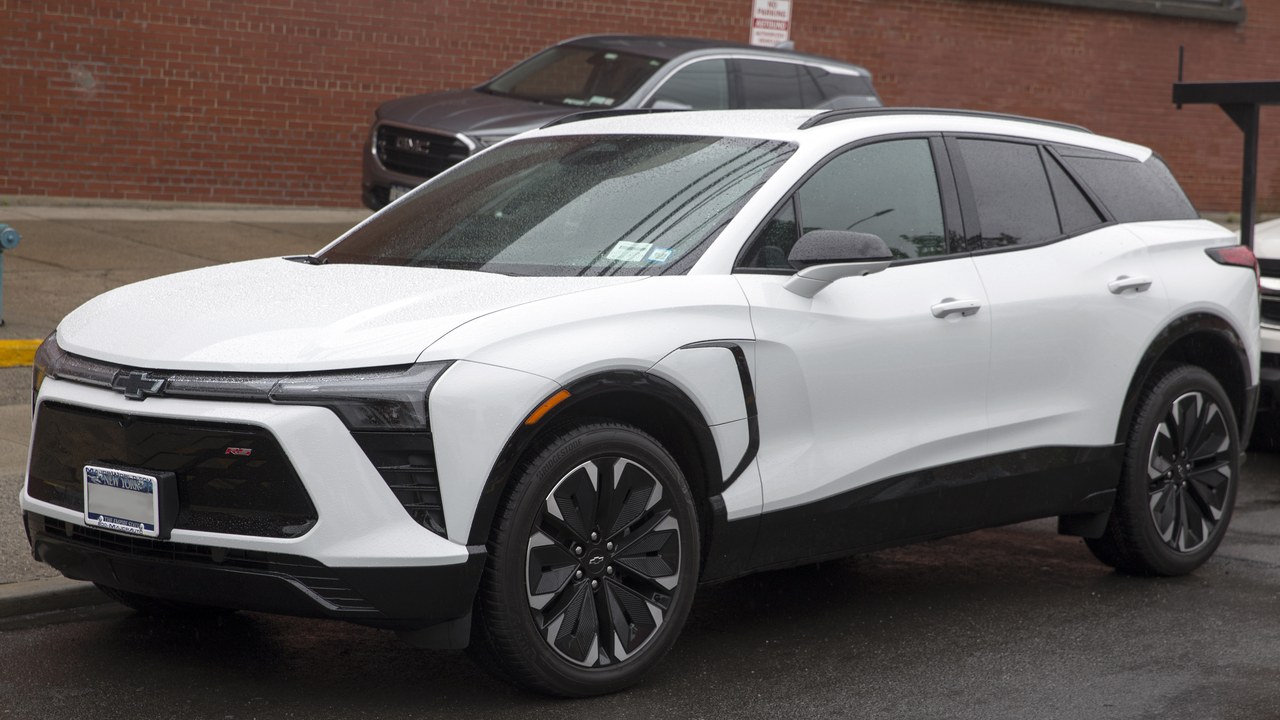
Consumer Reports gives the Chevrolet Blazer EV a predicted-reliability score of 19, noting owners reporting numerous 12-volt battery failures, per its least reliable cars list. The low score places it among the weaker performers in the publication’s rankings.
A dead 12-volt battery can leave an EV unresponsive even when the large traction battery is charged. Buyers can ask a dealer how the vehicle handles a depleted small battery and whether any related service bulletins exist. Keeping the car plugged in or driven regularly can also help avoid low-voltage surprises.
4. Honda Prologue: Battery Replaced, Sometimes Fully
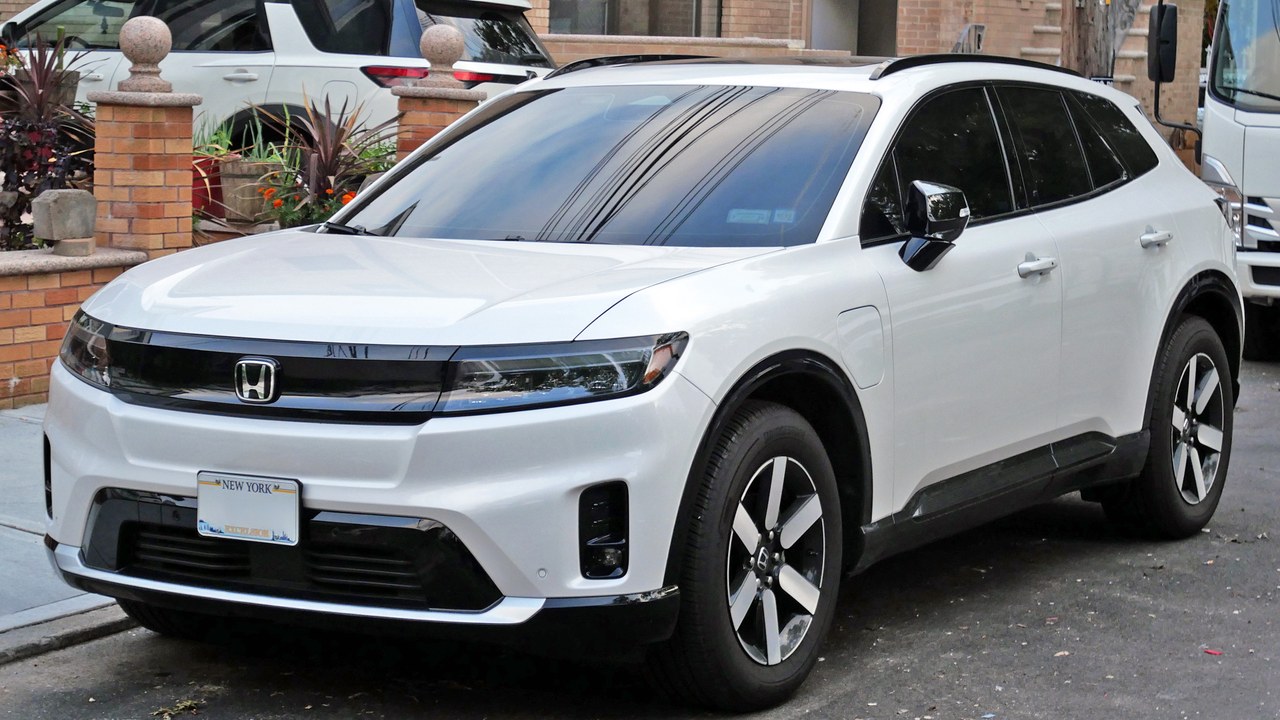
Consumer Reports flags the Honda Prologue’s EV battery among its trouble spots, noting that it sometimes required full replacement, as summarized by Quartz on the findings. The electric SUV appears on the magazine’s list of least reliable 2026 models.
Battery coverage matters most on a model with this kind of report, so buyers should confirm the warranty terms in writing. A pre-purchase inspection that checks for open software updates and recalls is also worthwhile. Asking the seller for service records is another easy safeguard on a used example.
5. Genesis GV60: Pack Swaps Cited
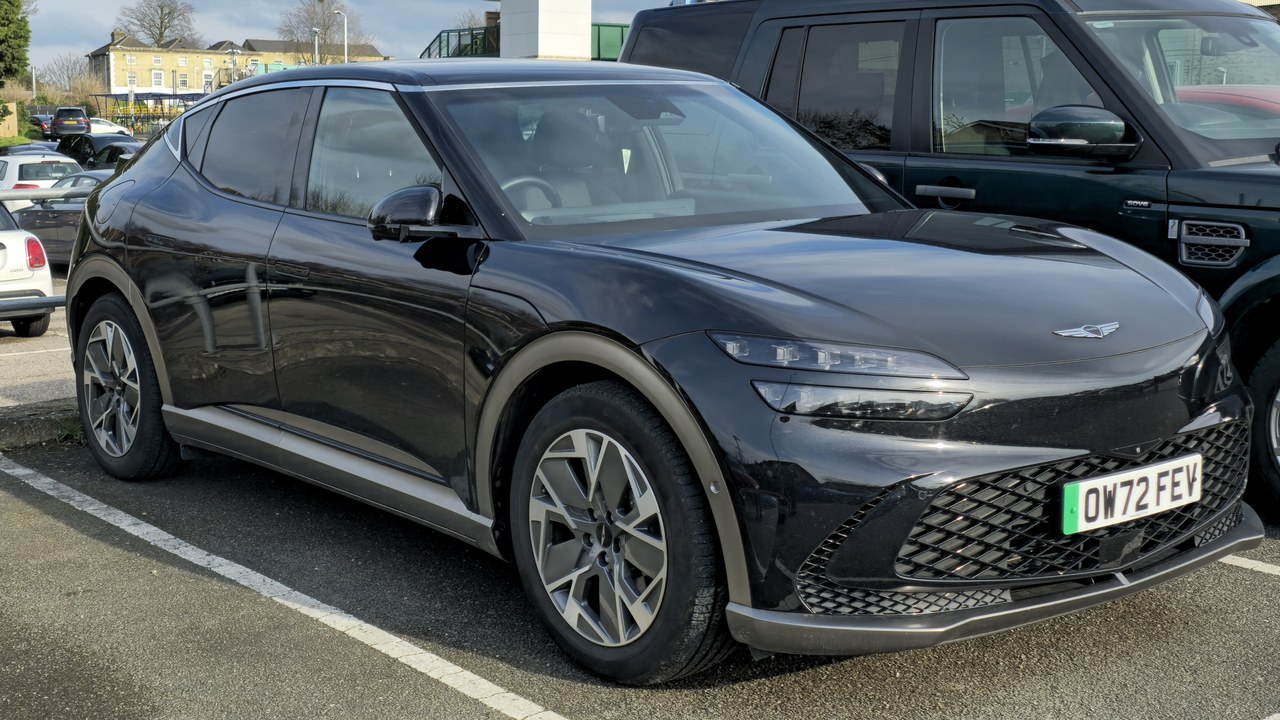
Consumer Reports gives the Genesis GV60 a predicted-reliability score of 21, with full battery-pack replacements cited, according to Guide Auto’s ranking summary. The GV60 lands fifth on that outlet’s list of the least reliable 2026 models.
A score in the low twenties suggests that shoppers should look hard at warranty length and dealer service access. Reading owner forums and asking about any history of battery work can reveal more than a quick test drive. Comparing the car against rivals on reliability data before buying is a sensible habit.
6. Rivian R1S: Trapped for 45 Minutes
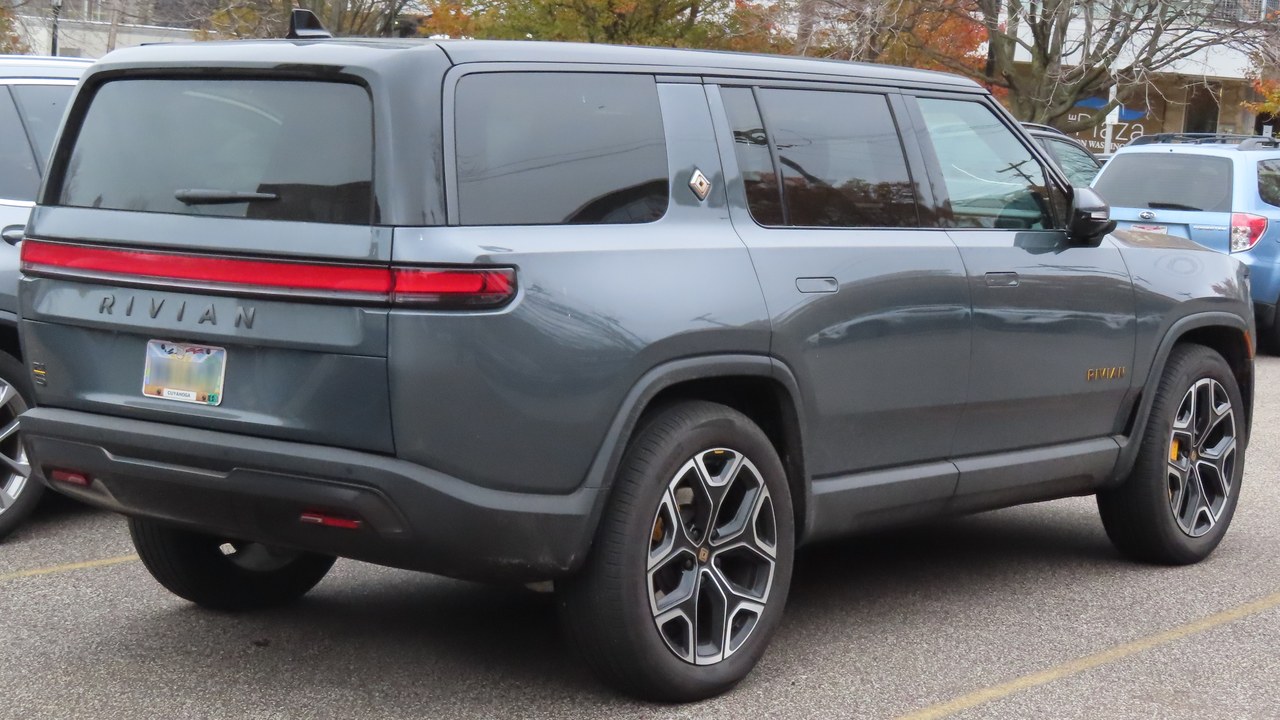
A Florida Rivian R1S owner was trapped for 45 minutes in December 2024 by an electrical short, as Consumer Reports notes in its door release guide. The account sits in a broader review of how electronic door releases behave when power fails.
Rivian owners and passengers should know where the mechanical release is, since the electronic one may not work during an electrical fault. Practicing the manual exit while parked is a sensible way to be ready. Passengers in the back seat should be shown the same procedure, since they may need it most.
7. Ford Mustang Mach-E: No Easy Outside Unlock
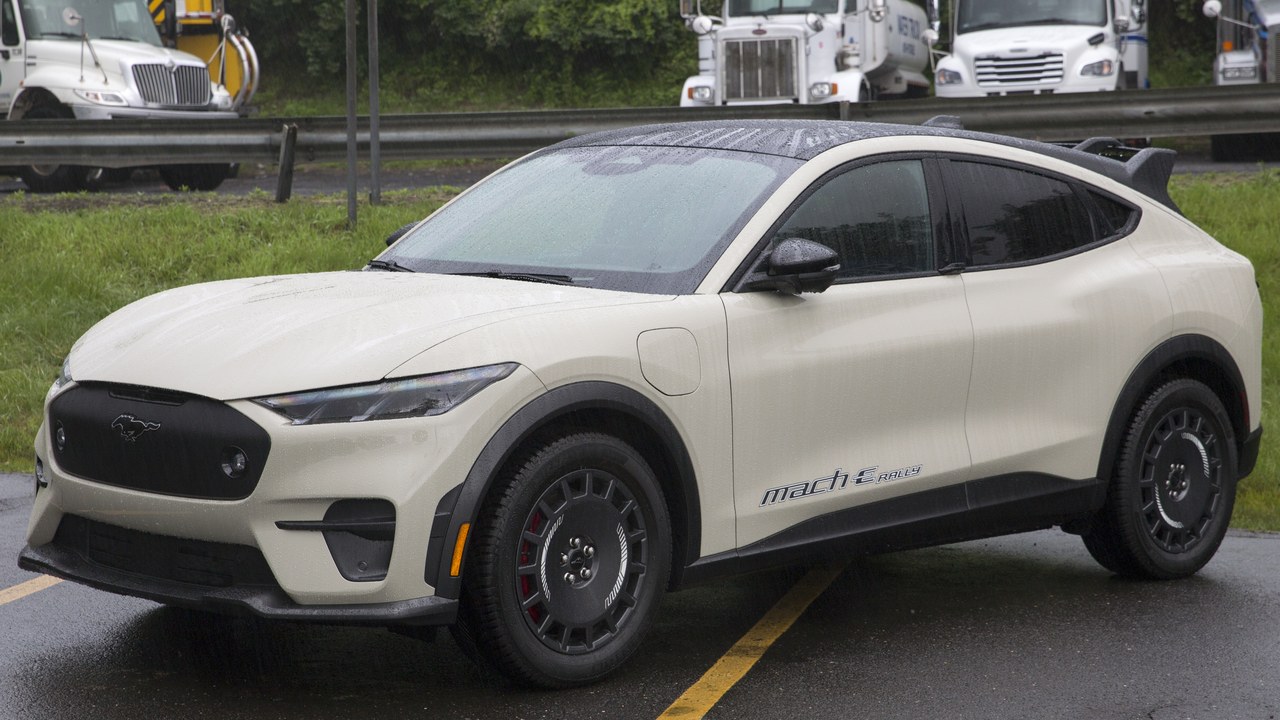
Consumer Reports notes that the Ford Mustang Mach-E has no easy outside unlock if the 12-volt battery is dead, aside from jumping it, in the same electronic door release guide. Inside, pulling the release back further opens the door.
The practical lesson is to keep the 12-volt battery in good condition and to know how to jump it. Owners who park for long stretches may want to ask a dealer about maintaining that battery. Asking the seller whether the 12-volt battery has been replaced is another useful question.
8. Chevrolet Bolt: Batteries Replaced Most
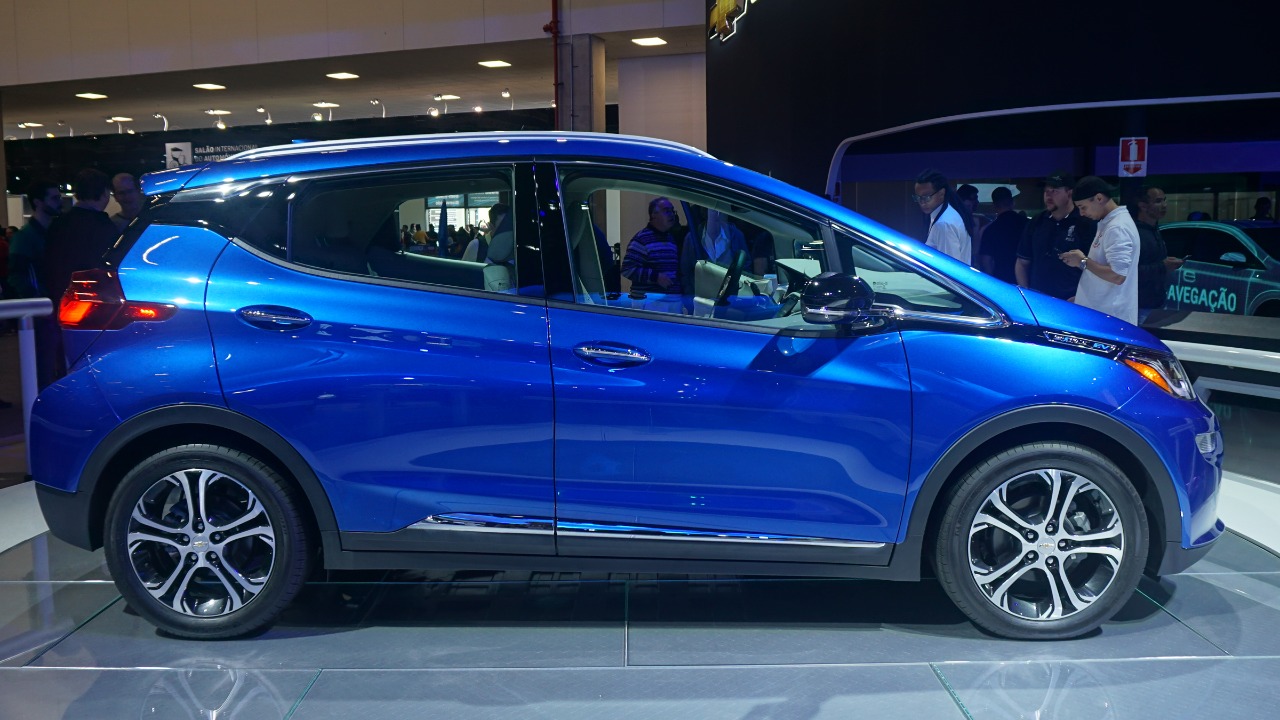
A Recurrent study of 15,000 cars ranked the Bolt EV first among models for batteries replaced outside recalls, though overall just 1.5% had a battery replaced, according to Kelley Blue Book’s study summary. Replacements are rare in absolute terms.
The takeaway for Bolt owners is perspective rather than alarm, since most cars in the study never needed a new battery. Used buyers can still check recall completion by VIN and ask whether any pack work has been done. Reading the full study before drawing conclusions is also reasonable, as averages can hide details.
9. Hyundai Kona Electric: Park It Outside

A total of 4,694 Hyundai Kona Electrics needed new battery packs in the United States, and owners were told to park outside and away from structures, as InsideEVs reported. The guidance applied to owners of the affected cars.
Anyone shopping for a used Kona Electric should verify that the pack replacement was completed for that specific car. A VIN lookup at NHTSA and the dealer’s service records can confirm it. Owners with questions about their own car can contact the dealer to confirm the repair status.
10. Tesla Model X: A Long Recall Forecast
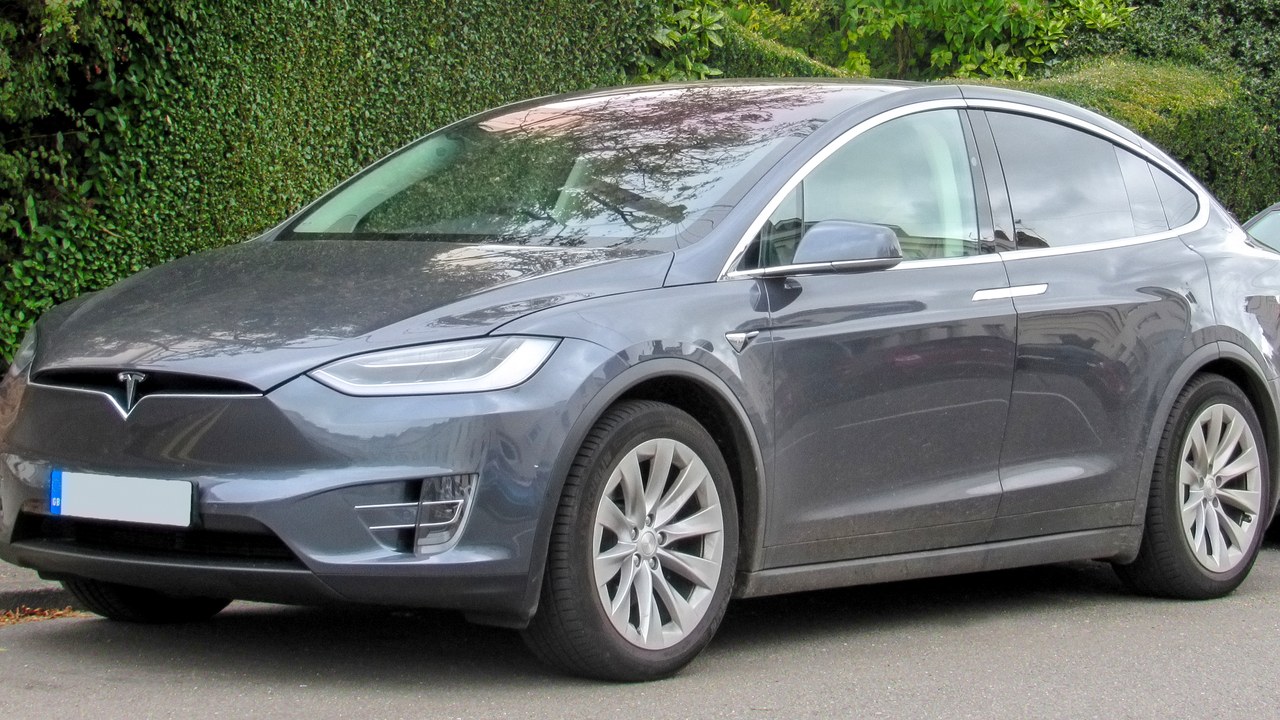
The Tesla Model X carries 28.7 expected 30-year lifetime recalls, per a MoneyLion recall analysis. That figure is a projection rather than a count of past campaigns, and it places the SUV high among the models studied.
Projections like this are best read as a signal about complexity, not a prediction for any single car. Owners can stay current by registering with the manufacturer and checking NHTSA’s VIN lookup periodically. Treating the number as one input among several, alongside owner reviews and inspections, keeps it in proportion.
Save more, waste less: Subscribe to The Cool Down →
We may earn a commission if you sign up.
More from Morning Overview
- Winter weather advisories cover I-80, I-70 and the Bighorns with up to 15 inches of snow
- Arizona’s governor declared a statewide emergency after Flagstaff logged its wettest Nov. 1 on record
- A $1 billion gas plant planned for Superior, Wisconsin, has been abandoned
- A Chevy dealer wants $696,445 for a Corvette ZR1X after adding a $400,000 markup
